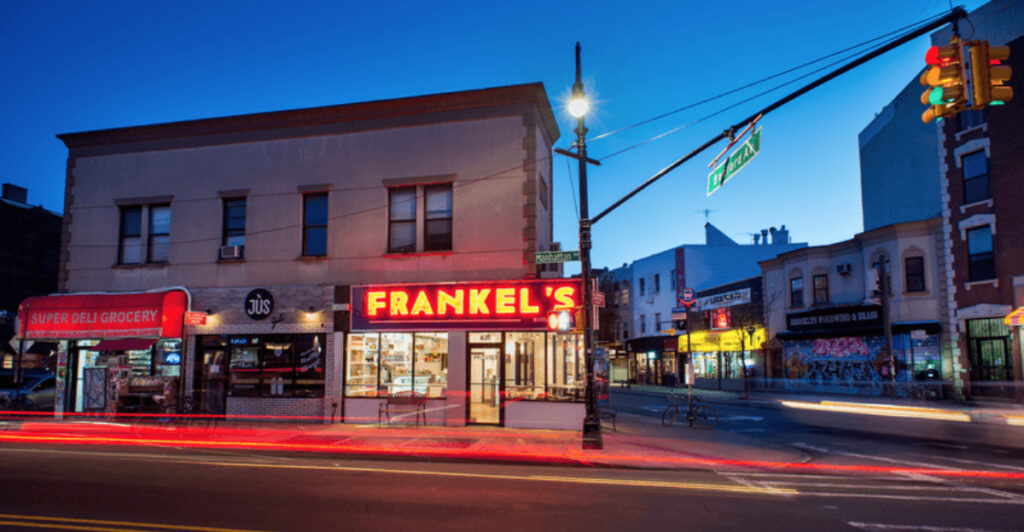
New York has always told its story through food, and few traditions say more about the city than a great Jewish deli, where steaming pastrami, matzo ball soup, and old-school counter talk still feel like part of daily life rather than a nostalgic performance.
Across Manhattan, Brooklyn, Queens, and the Bronx, these long-loved spots preserve a style of eating shaped by immigrant families, neighborhood regulars, late-night cravings, and the kind of stubborn culinary pride that keeps recipes, rituals, and hospitality intact even as the city keeps changing around them.
If you want to understand New York beyond the skyline, the theaters, and the tourist landmarks, it helps to sit in a booth, order something sliced by hand, and taste the mix of memory, hustle, and generosity that has made these delis cultural anchors for decades. These ten places do more than serve sandwiches – they keep New York’s past and present talking to each other, one plate at a time.
1. 2nd Ave Deli
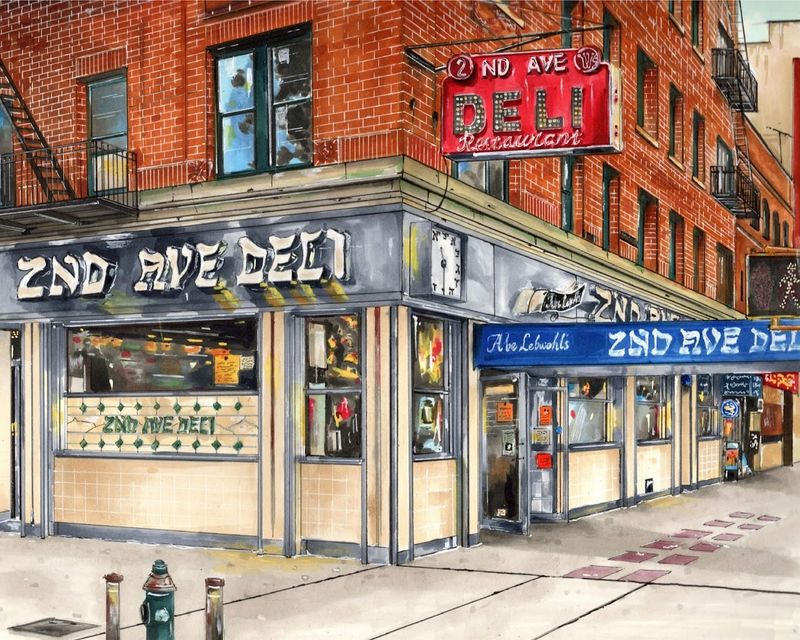
Stepping inside feels like entering a living piece of Manhattan, where the pace is brisk, the portions are generous, and the room seems to hum with stories from generations of New Yorkers.
You can sense right away that this is not a deli trying to imitate the past for visitors.
It carries itself with the confidence of a place that helped shape the city’s appetite and still knows exactly what people come for.
The menu leans into the classics that made Jewish deli culture essential to New York, from towering corned beef and pastrami sandwiches to chopped liver, potato pancakes, and restorative bowls of soup.
Everything arrives with a sense of abundance that feels deeply tied to the city’s immigrant food traditions, where comfort and hospitality were never meant to be subtle.
When you sit down here, you are not just ordering lunch; you are taking part in a ritual that Manhattan has been repeating for decades.
What stands out most is how naturally old New York survives in the details, whether it is the waitstaff rhythm, the deli counter energy, or the familiar balance of salty, savory, and sharp flavors.
Even in a city that reinvents itself constantly, this place reminds you that some experiences deserve protection rather than updating.
That makes every meal feel a little bigger than the plate in front of you.
For anyone exploring New York through its food, this is the kind of stop that anchors the whole journey.
It connects the Lower East Side legacy, uptown appetite, and the broader story of Jewish cooking in the city without feeling dusty or overly sentimental.
You leave full, yes, but also with a sharper sense of how New York keeps its traditions alive by serving them every single day to anyone hungry enough to pay attention.
2. Katz’s Delicatessen
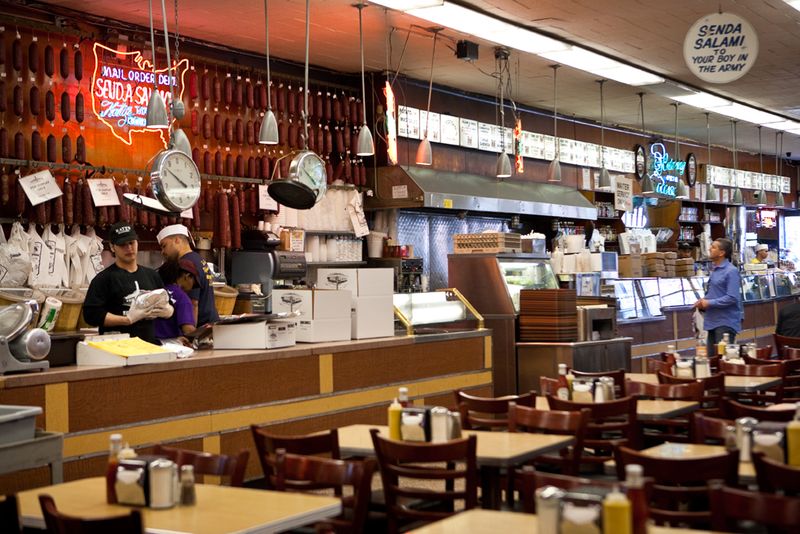
Few food experiences in New York feel as immediate and unmistakable as standing in a crowded deli where cutters work quickly, trays move fast, and the smell of hot pastrami reaches you before you even decide what to order.
The energy is part of the meal, and you feel it from the second you walk in.
This is one of those rare places where the city’s mythology and everyday hunger actually meet in real time.
The sandwiches are famously oversized, but what matters more is the way tradition is handled with almost stubborn seriousness.
Hand-carved meat, rye bread, pickles, and mustard come together in a format that feels simple until you realize how hard it is to do something this classic so well for so long.
In a city full of trends, that consistency is one of the most impressive things on the menu.
Its Lower East Side setting matters too, because this neighborhood has long been central to the story of Jewish immigration and working-class New York dining.
Eating here connects you to that history without making you sit through a lecture or a curated heritage display.
You taste the history in the smoke, spice, texture, and scale, and suddenly the room around you feels like part of the recipe.
Even if you have seen the famous signs, the lines, or the countless references in movies and travel guides, the real appeal is still wonderfully basic.
You come because the food is deeply satisfying, the atmosphere is unmistakably New York, and the whole place understands that deli culture is supposed to be loud, generous, and a little chaotic.
That combination keeps it relevant decade after decade, feeding tourists, locals, and lifelong believers in the city’s greatest sandwiches with exactly the kind of confidence a classic should have.
3. Sarge’s Delicatessen & Diner
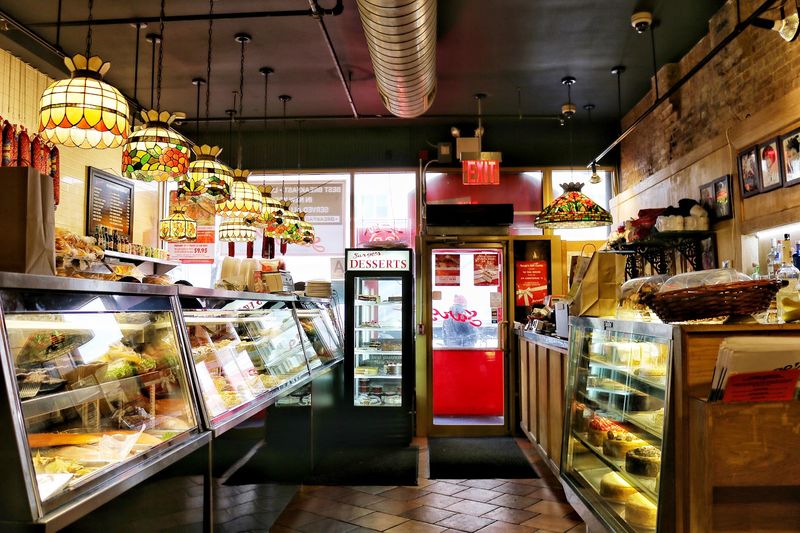
There is something especially New York about a place that feels equally ready for breakfast, lunch, dinner, and a late night craving, all while holding onto deep deli roots.
That blend of diner flexibility and Jewish deli tradition gives this spot a personality that feels practical, familiar, and very tied to Manhattan life.
You walk in expecting comfort, and that is exactly what the room is built to deliver.
The menu covers a lot of ground, but the deli staples are what keep it anchored in the city’s long food memory.
Pastrami, corned beef, brisket, knishes, and bowls of soup arrive with the kind of hearty confidence that makes you slow down even when the city outside is moving fast.
It is the sort of meal that can reset your entire day, especially when New York has already worn you out.
What makes it memorable is that it does not feel frozen in time or overly polished for effect.
Instead, it captures the useful, everyday side of a great New York institution, where neighborhood regulars, office workers, night owls, and curious visitors can all find their own reason to return.
That broad appeal is part of the deli tradition too, because these places have always been democratic gathering spots as much as restaurants.
In a city where many beloved food institutions disappear under rising costs and changing tastes, this one keeps proving that classic deli fare still belongs in the present tense.
It offers a reminder that preserving tradition does not always mean staying small or solemn.
Sometimes it means keeping the lights on, the booths full, and the pastrami coming out hot enough to make you understand why New York has defended places like this for so many years.
4. Pastrami Queen
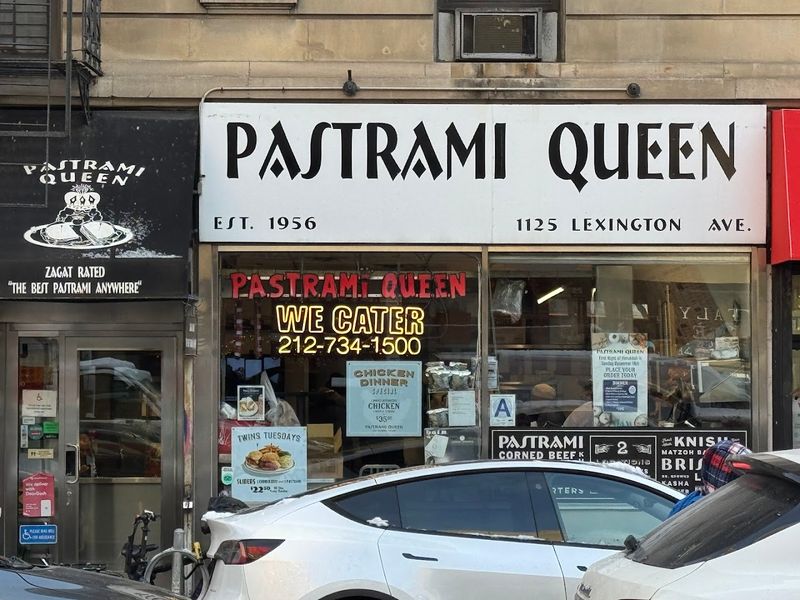
Some New York delis become beloved not by spectacle, but by earning trust one sandwich at a time, and this place has built exactly that kind of reputation.
It feels rooted in neighborhood life, where regulars know what they want and first-time visitors quickly understand why the line keeps moving.
There is a quiet confidence here that comes from doing the essentials extremely well.
As the name suggests, pastrami takes center stage, and it carries the smoky, peppery richness that people hope for when they start craving a true New York deli meal.
On rye with mustard, it delivers that perfect balance of tenderness, salt, and spice that turns a simple sandwich into a citywide benchmark.
Around it, the rest of the menu supports the experience with the kind of classics that keep Jewish deli culture recognizable across generations.
What I like most is how this spot shows that tradition can survive without turning into theater.
It does not need oversized nostalgia or a tourist-heavy presentation to prove its place in the local food landscape.
Instead, it stays grounded in quality, consistency, and the straightforward pleasure of feeding people food that still matters in New York.
That matters because the city’s deli tradition has always depended on places that feel woven into ordinary routines, not just famous dining lists.
When you pick up lunch here or settle in for a proper meal, you are participating in a form of culinary continuity that keeps Manhattan connected to its Jewish immigrant past.
It is a reminder that New York food culture is not only preserved in landmarks and museums, but also in the everyday neighborhood institutions where one excellent sandwich can still say everything that needs saying.
5. Liebman’s Deli, Bronx
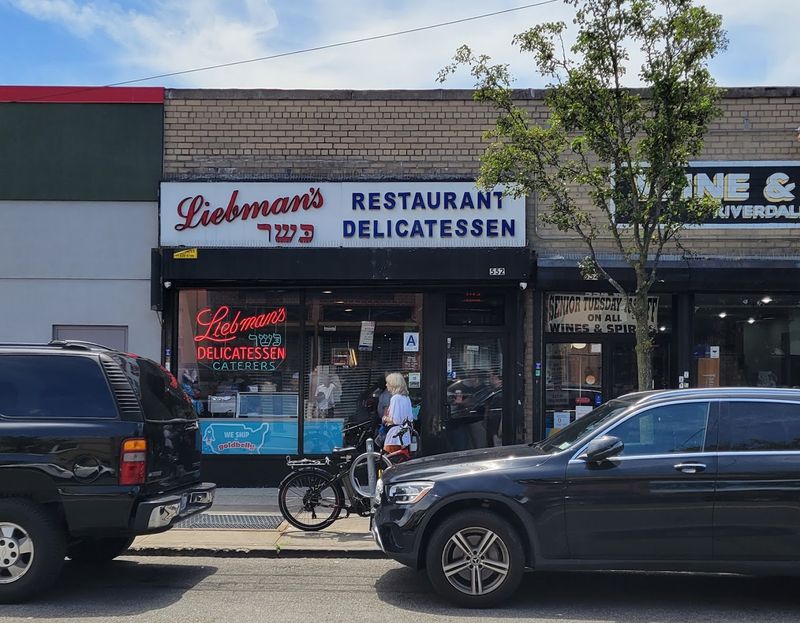
Heading to the Bronx for a classic deli meal adds an important dimension to the New York story, because the city’s food traditions have never belonged only to Manhattan.
This longstanding spot shows how Jewish deli culture took root in outer borough neighborhoods and became part of daily community life there, too.
The atmosphere feels grounded, local, and deeply connected to the families who have kept these traditions visible across changing decades.
The food reflects that same sense of continuity, with generous sandwiches, comforting soups, and familiar specialties that honor the old deli canon without making it feel distant.
You come for corned beef, pastrami, potato pancakes, and all the rich, savory flavors that helped define Jewish American dining in New York.
What arrives at the table feels substantial in every sense, from portion size to cultural weight.
There is also something especially meaningful about finding a place like this in the Bronx, where neighborhood institutions often carry memory in a more intimate way.
It reminds you that preserving food heritage is not only about fame or visibility, but also about staying present for regulars year after year.
That kind of loyalty creates a different kind of greatness, one measured in habit, affection, and resilience.
If you are tracing the map of New York deli history, this stop matters because it expands the picture beyond the most photographed addresses.
It shows how the city’s Jewish food traditions survived through borough identity, family ownership, and the simple but powerful act of continuing to serve people meals that feel both generous and familiar.
By the time you leave, the Bronx feels even more essential to New York’s culinary identity, and the deli itself feels like proof that tradition often lasts longest where it is folded naturally into neighborhood life.
6. S&P Lunch
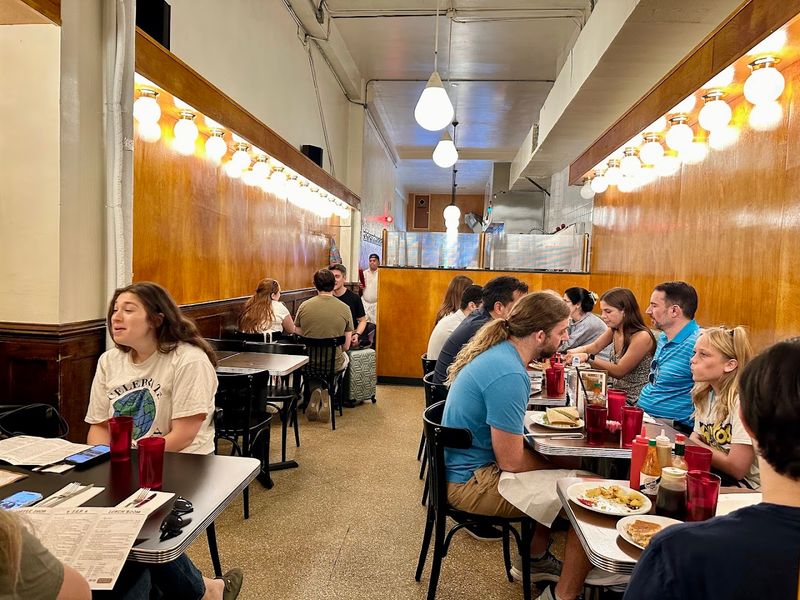
Not every keeper of New York food tradition looks grand or oversized, and that is part of what makes this place so appealing.
It channels an older Manhattan lunch culture where counters, quick conversations, and deeply satisfying sandwiches could define an entire neighborhood routine.
The scale feels modest, but the connection to the city’s deli and luncheonette heritage is unmistakable.
What makes it special is the way it captures classic flavors and habits without overcomplicating them.
You can feel the influence of old Jewish deli cooking in the menu’s structure, the comfort factor, and the attention given to familiar combinations that New Yorkers never really stopped craving.
It proves that the tradition is not limited to giant dining rooms and monumental sandwiches, but can also live in a more compact, everyday format.
That sense of continuity matters in a city where so many lunch spots have become generic or forgettable.
Here, the food still feels tied to place, memory, and the practical rhythm of working in New York, where a good sandwich has to satisfy quickly without losing personality.
There is something reassuring about a room that understands that lunch can still carry culture.
For anyone trying to read New York through what it eats, this stop offers a valuable reminder that preservation often happens in subtle ways.
The city stays itself not only through its most famous institutions, but also through places that keep older dining habits alive and relevant for a new generation.
Walking out, you get the feeling that the spirit of the classic New York deli did not disappear or become purely nostalgic.
It simply adapted, tightened its footprint, and kept serving the kinds of meals that make the city feel familiar no matter how much the blocks around it continue to change.
7. David’s Brisket House, Brooklyn
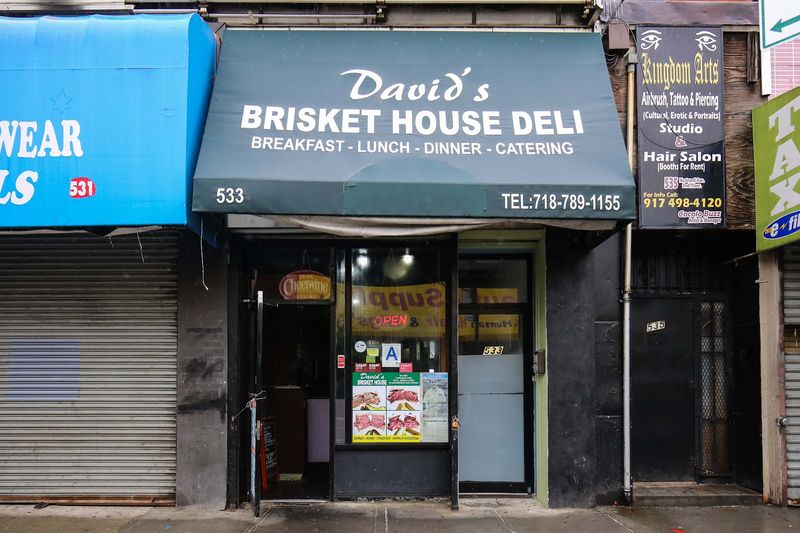
Brooklyn has its own way of holding onto food history, and this longtime deli shows how Jewish-style comfort can take on a borough-specific character without losing its roots.
The atmosphere feels direct and unpretentious, focused less on performance and more on feeding people extremely well.
That approach fits New York perfectly, especially in neighborhoods where loyalty is earned through consistency rather than hype.
Brisket naturally gets attention here, and it offers a different but equally beloved branch of the deli tradition compared with the city’s most famous pastrami-heavy destinations.
Rich sliced meat, hearty sandwiches, and deeply savory plates speak to the old values of abundance, patience, and flavor built over time.
You can taste the kind of cooking that grew out of immigrant kitchens and adapted itself to New York’s fast but demanding appetite.
Its place in Brooklyn matters because the borough has always been a major part of the city’s Jewish food story, even if visitors sometimes focus elsewhere first.
Eating here gives you a more neighborhood-level view of that history, where deli culture feels woven into local routines instead of packaged as a major attraction.
That makes the experience feel personal, grounded, and distinctly tied to the streets around it.
In the bigger picture of New York dining, this is the sort of place that keeps tradition alive by staying useful, delicious, and dependable.
It reminds you that culinary heritage survives not only through celebrity institutions, but also through businesses that keep serving their communities year after year with little interest in reinvention for its own sake.
When a city changes as quickly as New York does, that kind of steady presence becomes its own form of cultural preservation, and a meal here makes that truth taste wonderfully obvious.
8. Frankel’s Delicatessen & Appetizing, Brooklyn
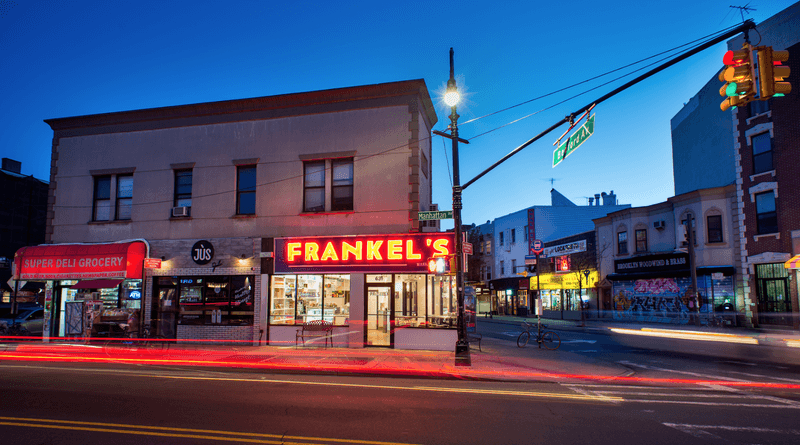
Some places keep New York traditions alive by preserving them exactly, while others do it by making them feel current without stripping away their soul.
This Brooklyn favorite belongs to the second group, blending classic Jewish deli and appetizing shop influences with a style that speaks comfortably to the present city.
The result is welcoming to longtime deli lovers and newer generations who want history with their breakfast or lunch.
You see that balance in the menu, where smoked fish, bagels, sandwiches, and other familiar staples are treated with real respect rather than casual reference.
The flavors still point back to the Jewish food traditions that shaped New York neighborhoods for decades, but the presentation and energy feel fresh rather than imitative.
That makes the experience especially compelling in Brooklyn, where old and new are constantly negotiating with each other.
What I appreciate most is that the place does not treat tradition like a costume.
Instead, it shows that inherited foodways can remain alive when people care enough to understand where they came from and are confident enough to serve them to a changing city.
In that sense, it represents a broader New York truth: adaptation works best when memory stays in the room.
For anyone exploring how Jewish deli culture continues to evolve across the five boroughs, this is an essential stop.
It demonstrates that preserving food heritage does not always mean recreating every detail of the past, but it does require attention, craft, and genuine affection for the traditions that built the city’s table.
By the end of the meal, Brooklyn feels like a bridge between generations, and this deli feels like one of the places helping New York carry its oldest flavors forward without letting them become static or sentimental.
9. Ben’s Kosher Delicatessen, Bayside
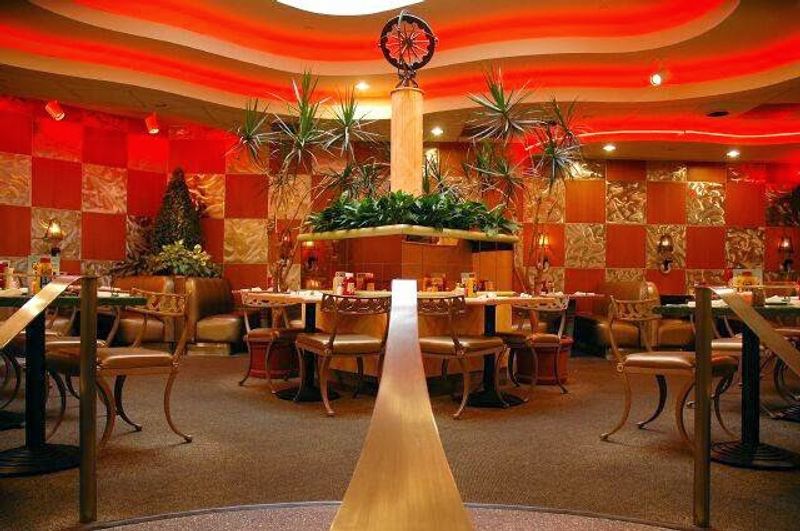
Queens often tells a quieter version of the New York food story, but it is just as important, especially when it comes to places that serve communities over long stretches of time.
In Bayside, this kosher deli carries forward the traditions of Jewish cooking in a setting that feels warm, family-friendly, and rooted in neighborhood loyalty.
That connection to everyday life is exactly what has always made delis matter in the first place.
The menu delivers the familiar pleasures people seek from a classic New York deli: piled sandwiches, comforting soups, traditional sides, and meals substantial enough to feel like an event even on an ordinary afternoon.
Keeping it kosher also ties the food to a distinct cultural and religious framework that shaped many of the city’s enduring dining traditions.
You are not just getting a sandwich here, but a glimpse of how food, identity, and ritual continue to overlap in New York.
There is something reassuring about finding this kind of place outside the most talked-about culinary corridors.
It proves that the city’s Jewish deli legacy extends well beyond famous Manhattan addresses and remains alive in outer borough communities that value continuity over novelty.
That broader map is essential if you want to understand New York honestly.
A meal here reminds you that preservation can look comfortable, practical, and deeply local rather than dramatic.
Families gather, regulars return, and classic dishes keep circulating through the dining room in a way that makes tradition feel active instead of ceremonial.
In a city known for relentless change, that steady presence carries real meaning.
It shows how New York keeps its food history alive not only through iconic institutions, but also through neighborhood anchors in places like Queens, where memory stays close to the table and classic deli culture still feels like part of normal life.
10. Mile End Deli, Brooklyn
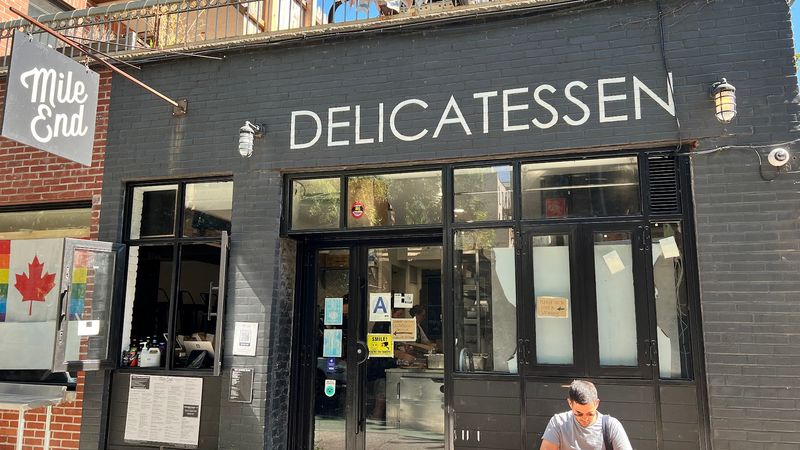
New York food traditions have always evolved through migration, borrowing, and neighborhood reinvention, and this Brooklyn deli captures that process in a particularly interesting way.
While it nods beyond the city through its Montreal influence, the experience still feels firmly grounded in New York’s larger Jewish deli conversation.
You can sense how the borough’s dining culture welcomes reinterpretation as long as the food remains rooted in genuine craft and respect.
Smoked meat, sandwiches, and classic comfort dishes connect the menu to a lineage that New Yorkers immediately recognize, even when the details shift slightly.
That is part of the appeal, because it shows how deli culture can stay alive by remaining flexible rather than rigid.
In a city as dynamic as New York, traditions often survive best when they can absorb new accents without losing their essential flavor.
Brooklyn is the ideal setting for that kind of dialogue between old forms and newer sensibilities.
The room feels contemporary, but the underlying values are familiar: generous hospitality, carefully prepared cured meat, and food that rewards appetite over fussiness.
It invites you to think about the deli not only as a museum piece, but as a living format still capable of growth.
That perspective makes this place an important part of the city’s broader deli landscape, even beside older institutions with longer histories.
It proves that keeping New York traditions alive is not only about preservation in the strictest sense, but also about thoughtful continuation.
When people care enough to understand what made the classics endure, they can build something new that still belongs to the same story.
Eating here, you feel that connection clearly, and Brooklyn once again shows why it remains one of the boroughs where New York’s food identity keeps renewing itself without forgetting where it started.