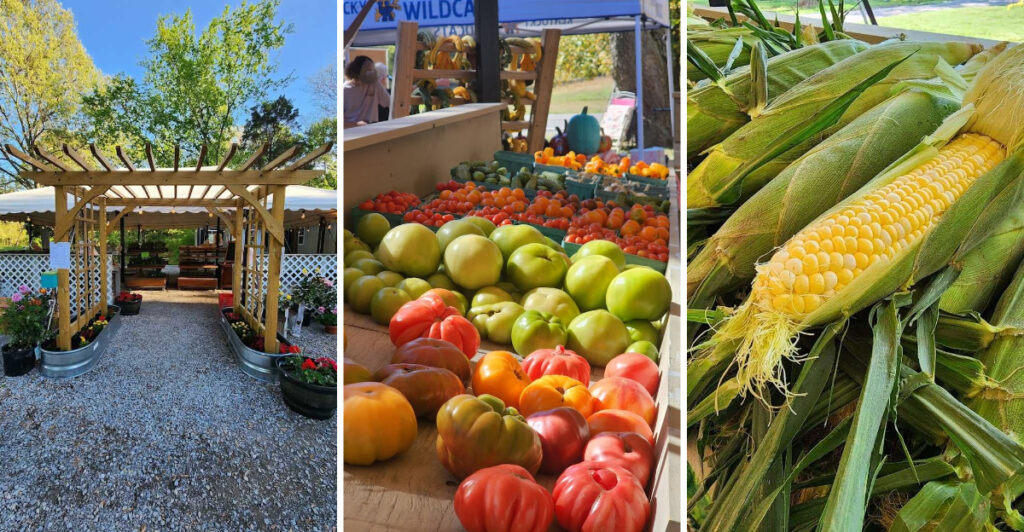
The best farm markets change with the seasons, and July is when The Farmstead All-Season Market near Benton truly comes alive. Overflowing with fresh-picked produce, colorful flowers, homemade baked goods, locally crafted products, and other seasonal favorites, this welcoming market offers the kind of authentic shopping experience that makes it easy to linger a little longer.
Every visit reflects the harvest of southern Illinois, with new flavors and fresh discoveries waiting throughout the summer. Whether you’re filling a basket with local ingredients or simply enjoying a leisurely countryside stop, this charming farm market is a destination you’ll want to revisit all season long.
A Roadside Arrival That Looks Bigger Up Close
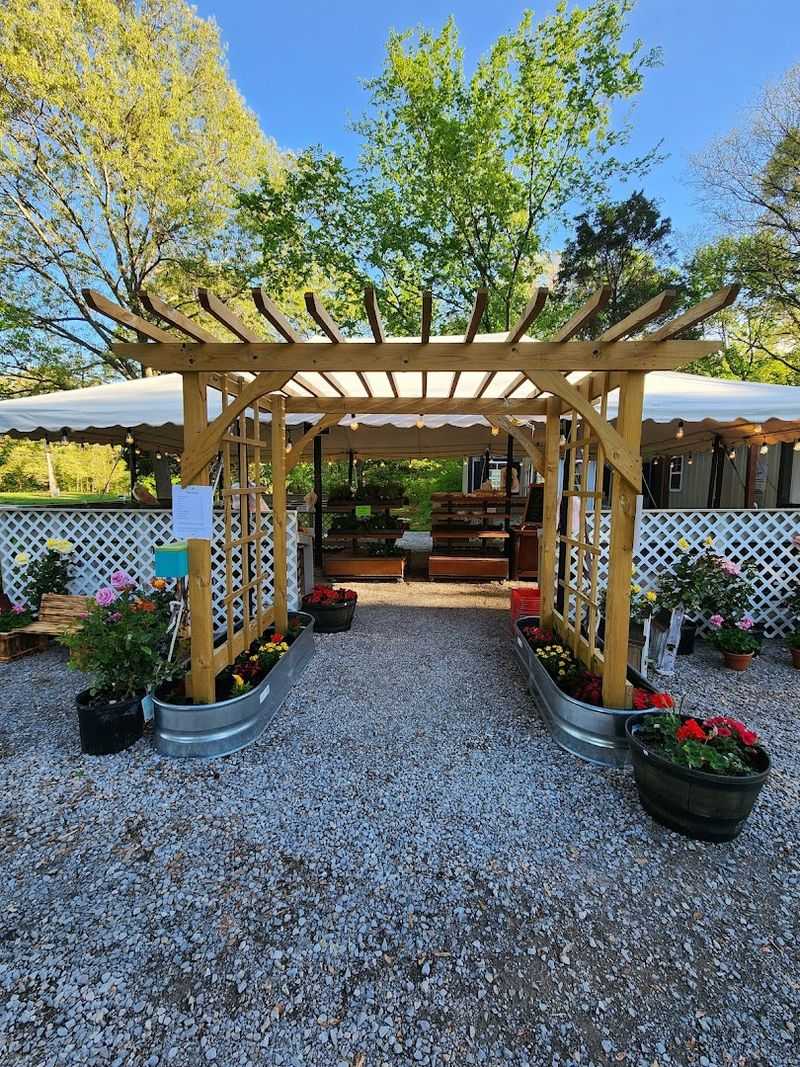
On paper, The Farmstead All-Season Market sounds like a quick roadside produce stop. Pulling in, though, the layout immediately suggests more than a few folding tables and a cash box.
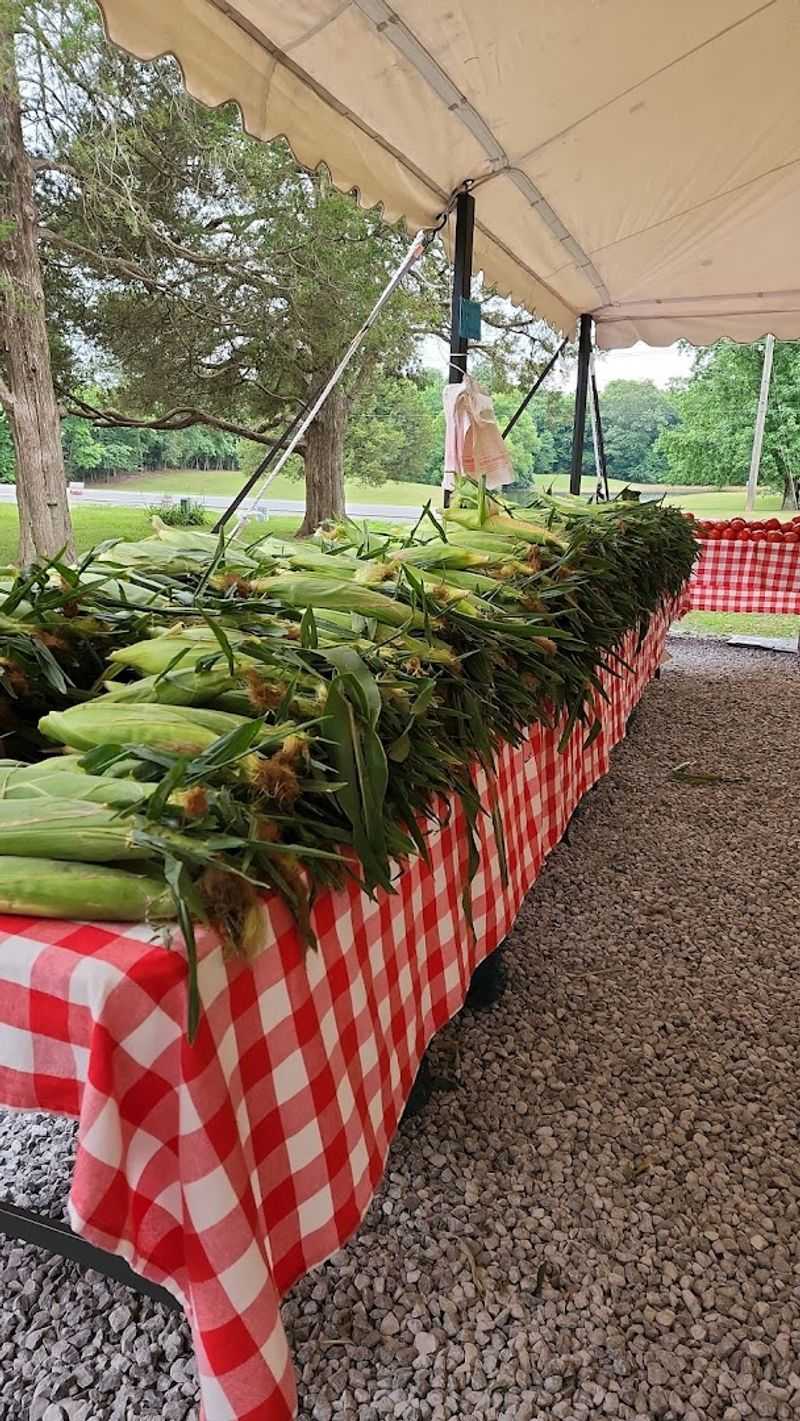
Separate structures, open-air displays, and rows of color create the kind of visual spread that makes drivers slow down before they have even parked.
That first impression matters in July, when farm markets either look picked over or fully alive. Here, the setting has enough movement and variety to signal that the season is in full swing.
Produce stacks, floral color, and the practical rhythm of people carrying boxes or scanning shelves give the place an active, useful energy instead of a staged country backdrop.
The location along IL-37 helps, but the market does not rely on highway visibility alone. It appears arranged for regular shoppers who know what they need, yet it still gives newcomers room to wander and take stock.
That combination is a big part of the appeal, because the stop works whether you came specifically for tomatoes or just noticed the sign and turned in on instinct.
There is also a small but important sense of scale here. Reviews describe multiple buildings, including spaces for frozen goods and another area for canned and baked items, so the experience unfolds in pieces instead of all at once.
By the time the entrance view gives way to details, the market has already done the hardest job any rural stop has to do in summer: it has made itself look worth browsing slowly.
July Produce With the Right Kind of Specificity
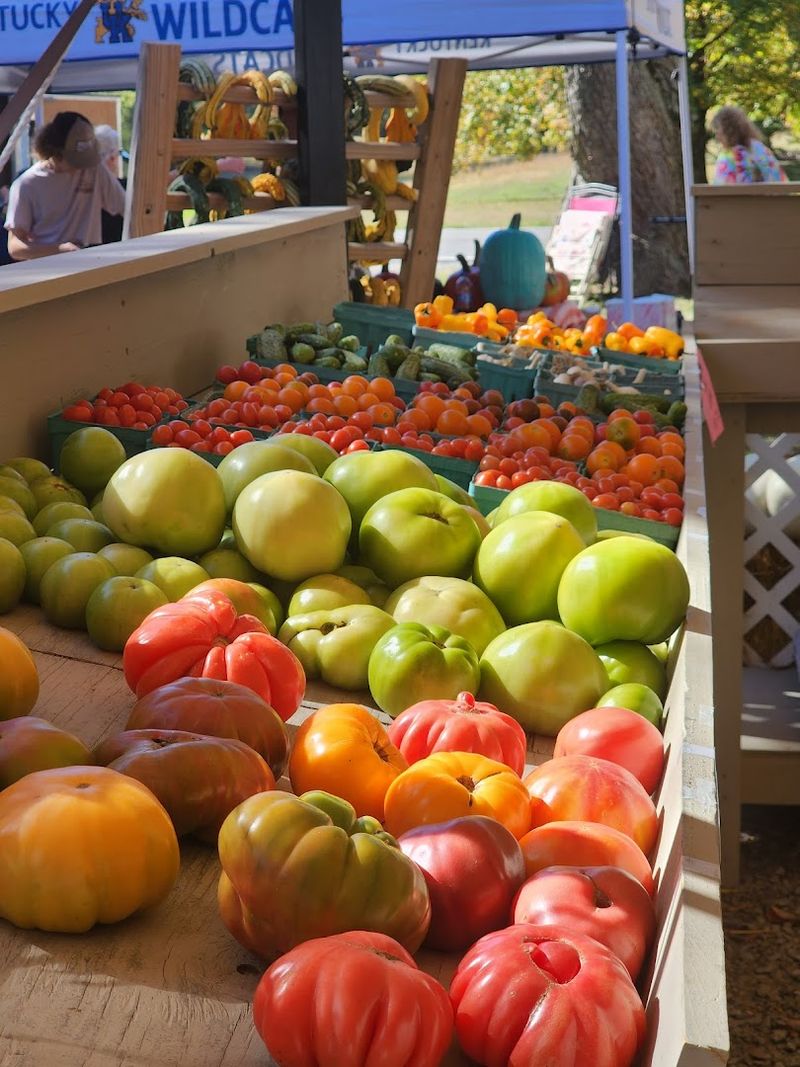
July is the month when produce has to do more than look colorful. It needs to show range, ripeness, and enough specificity to make shopping here different from grabbing a few items under fluorescent lights.
The Farmstead All-Season Market stands out because its selection is described with the kind of detail that signals actual excitement, not vague approval.
Seeded watermelons are a perfect example. That one detail tells you plenty about the place, because it suggests a market willing to stock what many shoppers still seek out even when mainstream retail has moved in another direction.
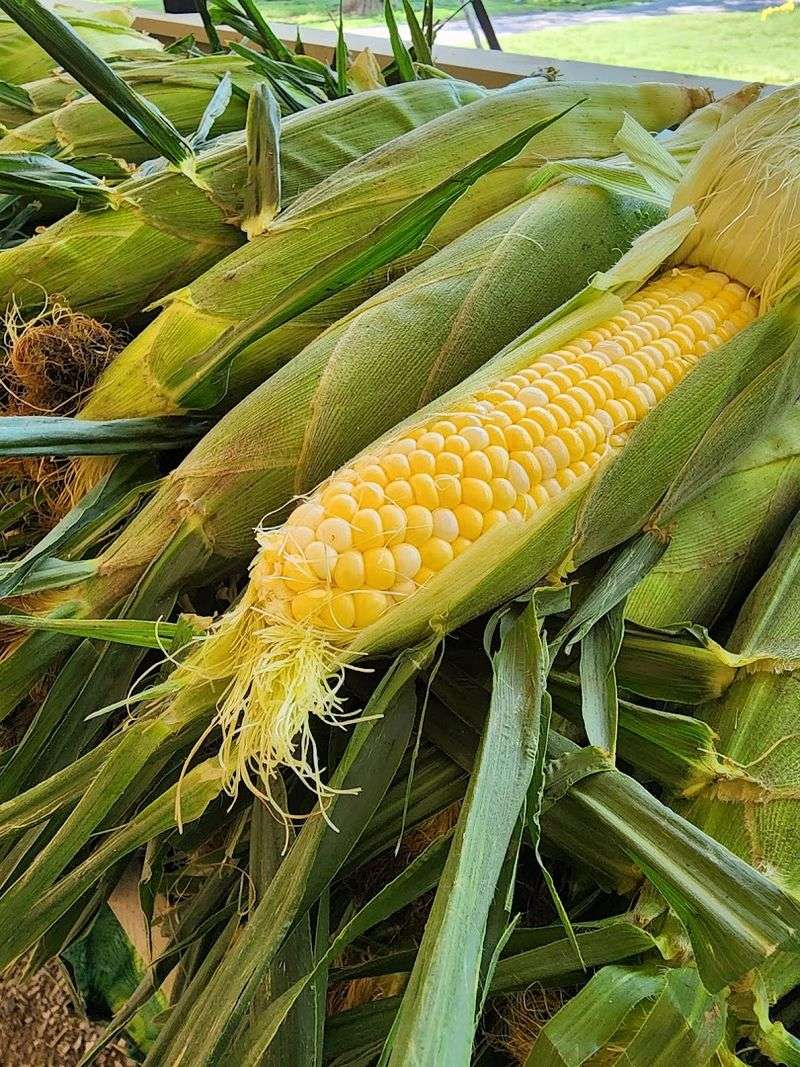
Sweet corn and tomatoes also surface repeatedly in what people notice here, and those are not throwaway compliments in southern Illinois during peak summer. Those are benchmark items.
A good July market earns trust by handling staples well. Corn needs to look tight and fresh, tomatoes need real color and fragrance, and fruit needs to appear chosen rather than dumped into a bin.
The Farmstead seems to understand that rhythm, offering enough produce variety that shoppers can build a whole weekend table rather than leaving with one novelty melon and a jar of jam.
That is the distinction that keeps this stop compelling. It is not chasing a trendy farm-market image built around one photogenic item.
Instead, it appears to function like a dependable produce source during the local growing season, with the kind of inventory that makes return visits logical. In July, reliability can be just as exciting as surprise, especially when the corn and tomatoes are this central to the market’s identity.
More Than Vegetables Under One Roof
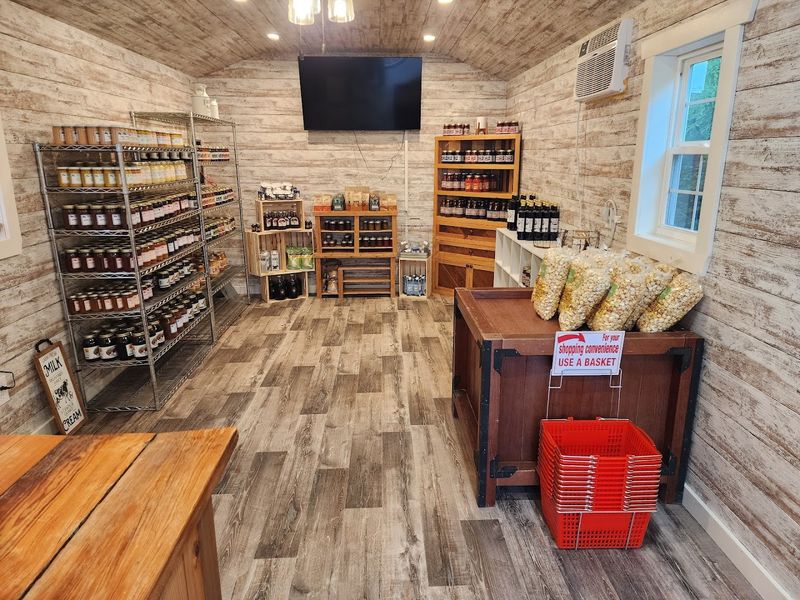
The strongest farm markets understand that produce gets people in the car, but variety is what turns a stop into part of a routine. The Farmstead All-Season Market appears to have built that second layer well.
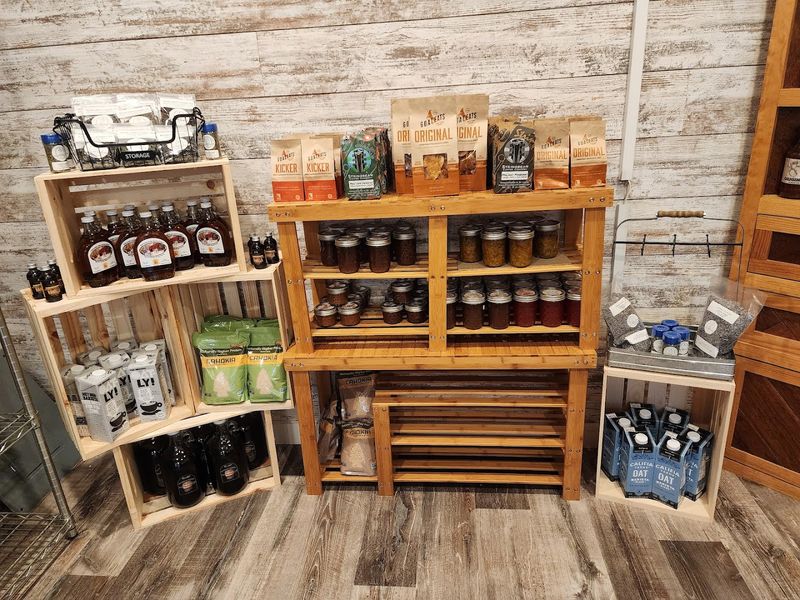
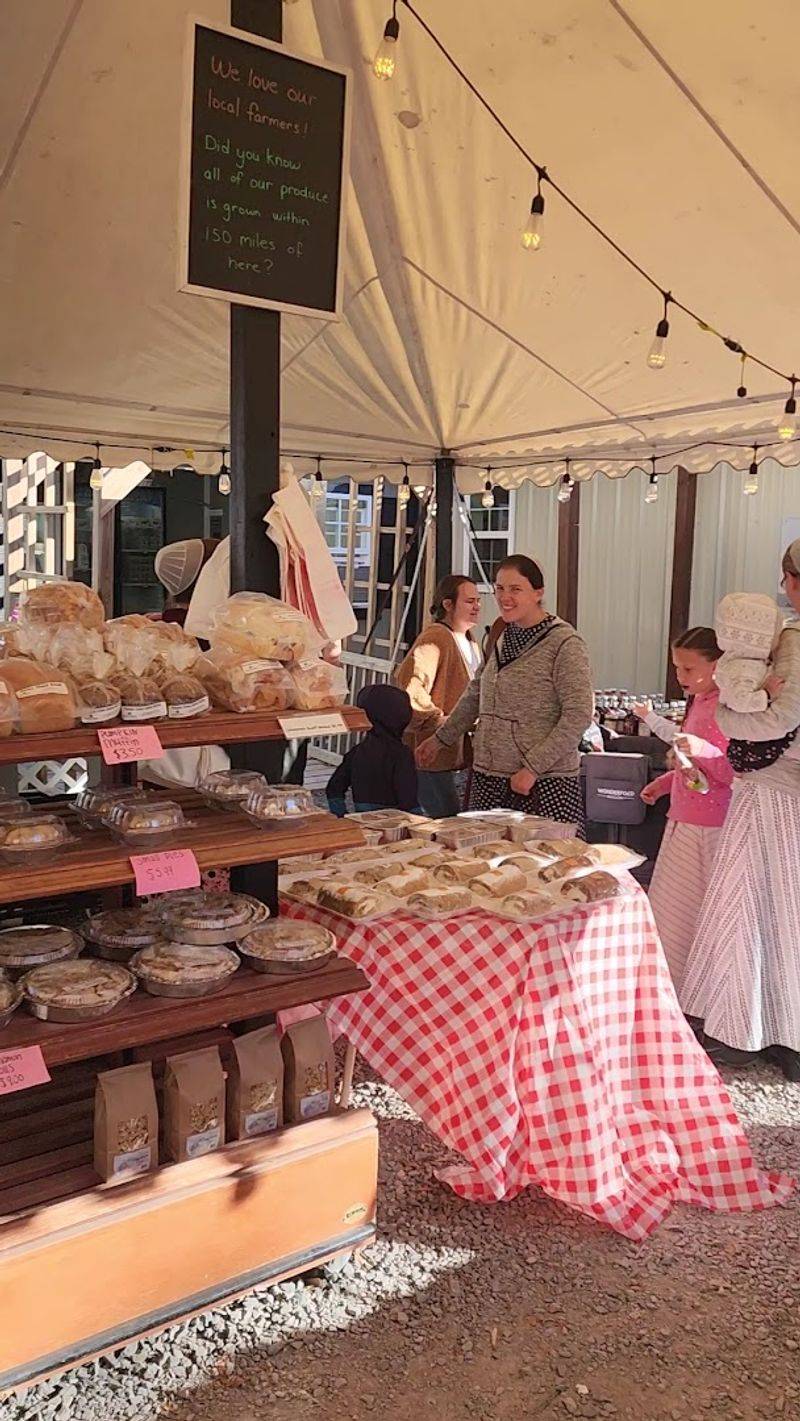
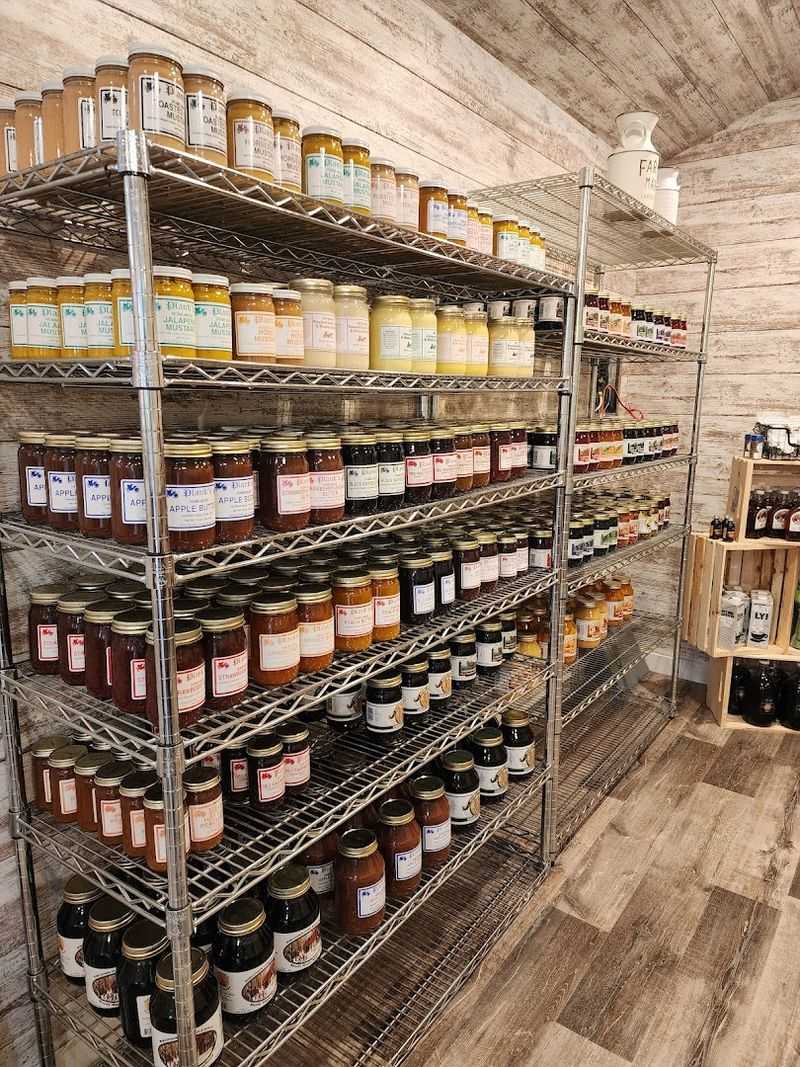
Alongside fruits and vegetables, shoppers regularly point to meat, dairy items, baked goods, jarred products, and even plants, which gives the market a much broader role than a seasonal tomato stand.
The physical setup reinforces that breadth. Reviews mention a building with freezers for meat, another area connected to checkout with canned goods and baked items, and additional spaces where produce and flowers take center stage.
That separation is useful because it lets each category read clearly. Cold storage can be handled practically, while shelves of jams, jellies, syrups, and breads invite slower browsing.
There is also something appealingly grounded about this mix. Fresh vegetables are the headline, but eggs, cheese, pastries, and preserved goods make the stop feel like a pantry refill rather than a one-meal errand.
A market that covers multiple needs tends to draw a steadier stream of return visits, especially in summer when people are cooking more, hosting more, and looking for ingredients with a little personality.
That layered inventory gives the place flexibility. Someone can come for flowers, leave with dinner ingredients, and add bread or jam on the way out without the whole experience becoming cluttered.
It reads as thoughtful rather than overextended. In practical terms, that may be one of the clearest reasons this market gets folded into repeat shopping habits instead of staying a once-a-season curiosity off the highway.
Flowers, Plants, and the Color That Changes the Mood
Plenty of farm markets sell produce efficiently and still look a little plain. The Farmstead All-Season Market gains an edge from the presence of flowers and plants, which shift the whole stop from strictly practical to visually rewarding.
That matters more than it may seem, because color changes how long people browse and how fully the market reads as a destination.
Fresh flowers introduce instant contrast beside crates of green vegetables and deeper summer fruit tones. They soften the utilitarian side of shopping and give the grounds a brighter profile from the road.
Plants do a different job. They suggest the market is tied not only to harvest but also to growing, tending, and carrying a piece of the season home in another form.
In July, this kind of color has perfect timing. Gardens are active, porches need refreshing, and many shoppers want one easy purchase that makes a table or front step look better the same day.
A bouquet or potted plant adds that immediate payoff without competing with the produce. Instead, it broadens the visit, letting the market serve both the kitchen and the visual rhythm of summer at home.
That extra dimension helps explain why the place can appeal even to someone who did not arrive with a strict grocery list. It is easier to justify a stop when the market offers both edible essentials and something ornamental.
Here, flowers are not background decoration for a photo. They are part of the experience, part of the inventory, and part of the reason the entire market looks lively instead of merely functional.
Why This Illinois Farm Market Keeps Shoppers Coming Back
Some markets are enjoyable to browse once, then hard to use for actual shopping. The Farmstead All-Season Market seems to avoid that problem by balancing charm with function.
The product mix is broad enough for serious errands, and the setup appears organized in a way that lets people move from produce to frozen goods to shelf items without confusion.
That practicality is one reason the place carries weight beyond novelty. A market becomes useful when it can replace part of a grocery trip rather than simply adding another stop.
Here, produce, meat, eggs, cheese, baked items, and preserves create a shopping pattern with real substance. Even the mention that both cash and cards are accepted points to a business thinking about convenience rather than romanticizing inconvenience.
Pricing appears to land in the familiar local-market zone where shoppers weigh value against freshness, variety, and the appeal of buying close to the source. That is a real calculation, especially in summer, and this market seems to meet it by offering quality and range instead of trying to compete on bargain-basement expectations.
The point is not to mimic a chain store. The point is to provide better seasonal options in a way that remains workable.
Benton benefits from having a place like this because it serves both intentional shoppers and passing drivers. It is easy to imagine people stopping for a few standout items, then gradually learning to plan fuller trips around it.
That is often how the best regional markets earn loyalty. They begin as a produce stop and end up becoming one of the most dependable food runs in the area.
A Seasonal Event Space Hiding in Plain Sight
While July produce is the immediate draw, The Farmstead All-Season Market also appears to have another side that broadens its identity. A detailed account of a fall festival describes the space handling vendors, food, children’s activities, and overflow parking in a nearby field.
That matters because it shows the market is not only a retail stop. It can also shift into event mode when the calendar changes.
The specifics paint a clear picture. A tractor pulling a trailer helped transport people from parking, while activities included pony rides, a miniature cow, a petting zoo, a barrel train, a corn pit, and bounce attractions.
Even without focusing on autumn here, those details reveal something useful about the property itself. It has enough adaptability to host a larger crowd without losing its farm-market identity.
That flexibility strengthens the July experience too. A place built to handle events often has better circulation, more visual interest, and a stronger sense of purpose than a market assembled in a narrow strip of pavement.
The grounds likely read as active, expandable, and rooted in family-oriented agriculture rather than operating as a temporary produce pop-up. You can sense that through how the space has been used, not just through what is sold on a given day.
For summer visitors, that wider context adds depth without requiring a festival visit. It suggests that the market is part of a longer seasonal rhythm, one that moves from peak produce to broader community activity.
That gives the stop a little more character than a standard roadside stand. There is retail here, certainly, but there is also enough infrastructure and imagination to make the place feel built for recurring life.
When to Go and How to Catch It at Its Best
Timing matters at any farm market, and it matters even more in midsummer when the best produce can move quickly.
The Farmstead All-Season Market operates midweek through Saturday, with Wednesday, Thursday, and Friday hours running from 10 AM to 6 PM and Saturday opening earlier at 8 AM before closing at 3 PM. For anyone planning a July stop, those hours tell you exactly how to approach the visit.
Saturday is likely the best choice for shoppers who want the fullest market energy. The earlier start makes sense for produce buying, especially if sweet corn, tomatoes, melons, flowers, and baked goods are on the list.
Morning light, cooler air, and fresher displays usually make a market browse better paced and easier to enjoy. It is also the natural window for pairing the trip with other weekend errands around Benton.
Weekday visits offer a different advantage. With fewer shopping-day pressures than a Saturday rush, Wednesday through Friday may be ideal for people who prefer a steadier, more deliberate pass through multiple buildings and displays.
That can be the better strategy if the goal is to browse shelf goods, check the freezer selection, and take time choosing produce rather than moving quickly through the crowd.
The practical takeaway is simple. Go early if produce is the priority, go midweek if you want a calmer pace, and do not leave the stop to chance after Sunday through Tuesday, when the market is closed.
In July, good planning turns this place from an accidental roadside detour into a sharp seasonal errand with a scenic payoff.
Why You’ll Want to Come Back Before Summer Ends
The strongest case for The Farmstead All-Season Market is not that it is large, flashy, or trying to reinvent the farm-market formula.
Its advantage is that several useful qualities come together in one stop: strong summer produce, flowers and plants, local pantry items, frozen meats, and a setup that appears easy to navigate. In July, that combination is hard to ignore because it meets both appetite and curiosity at once.
There is also a nice tension between surprise and dependability here. The market can catch a first-time passerby off guard with how much it offers, yet it also seems structured for repeat shopping rather than impulse novelty alone.
That distinction is important. Plenty of roadside places are good for one scenic stop. Far fewer make a person think ahead about the next visit before the current one is even finished.
Part of that return-trip factor comes from seasonality itself. July is a month of urgency for produce, and a market that handles corn, tomatoes, melons, baked goods, and flowers well enters the weekly routine almost automatically.
Another part comes from breadth. If a single stop can cover dinner ingredients, a loaf of bread, a jar for the pantry, and something bright for the table, it starts to earn space on the calendar.
That is why this Benton-area market stands out. It does not need exaggerated language or oversized claims to justify a detour.
It simply appears to do many small things right at the exact moment summer shoppers want them most. For a fresh July outing in southern Illinois, that is more persuasive than hype, and it is exactly why returning sounds like the obvious next move.