Tennessee is home to some of the most unusual museums you’ll ever visit. While most states have their art galleries and history centers, Tennessee takes things to a whole different level with collections you’d never expect to find anywhere.
From thousands of salt and pepper shakers to entire buildings dedicated to tow trucks, these museums prove that almost anything can become a fascinating attraction if you’re passionate enough about it.
1. Salt and Pepper Shaker Museum — Gatlinburg
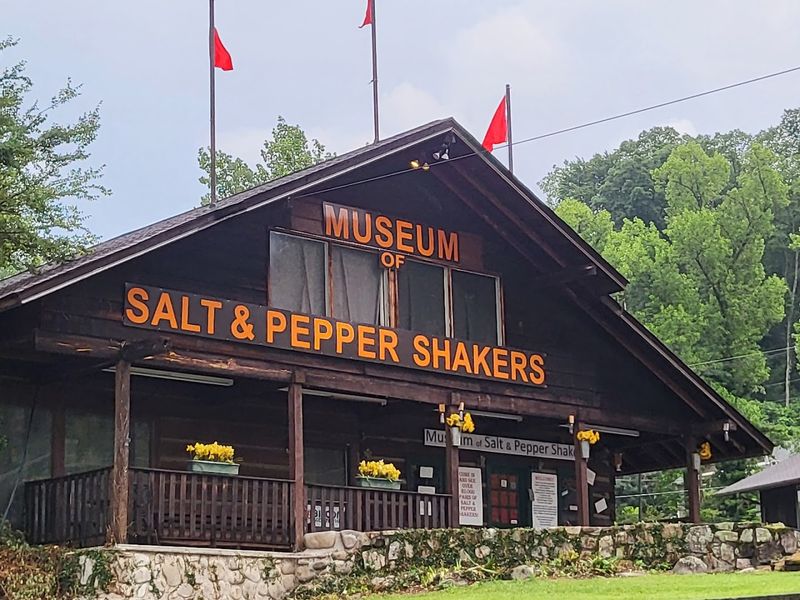
Walking into a museum filled with over 20,000 pairs of salt and pepper shakers feels like stepping into someone’s wildly specific dream. Andrea Ludden opened this place in Gatlinburg after collecting shakers for decades, and what started as a personal hobby turned into one of the Smokies’ most talked-about attractions. Every inch of wall space displays these tiny ceramic companions in all their glory.
The collection spans countries, decades, and themes you never knew existed. You’ll find shakers shaped like famous landmarks, cartoon characters, animals, and objects so obscure you’ll wonder who designed them. Some date back to the 1940s, while others are brand new, but each pair tells its own mini story about pop culture, travel souvenirs, or just plain weird taste.
What makes this museum genuinely entertaining is how seriously it takes something most people never think twice about. The displays are organized thoughtfully, with labels explaining origins and historical context. You start noticing details—the craftsmanship, the humor, the trends that defined different eras.
Kids usually love the novelty factor, while adults find themselves surprisingly engaged by the nostalgia and creativity on display. It’s free to enter, though donations are appreciated, which makes it an easy stop during a Gatlinburg trip. The gift shop sells shakers if you want to start your own collection.
This isn’t a place you’d travel across the country to see, but if you’re already in the Smokies and want something refreshingly different from the usual tourist traps, it delivers. The museum proves that passion and dedication can turn even the most ordinary household items into something worth celebrating. You’ll leave with a new appreciation for those little ceramic figures sitting on your own dinner table.
2. International Towing & Recovery Museum — Chattanooga
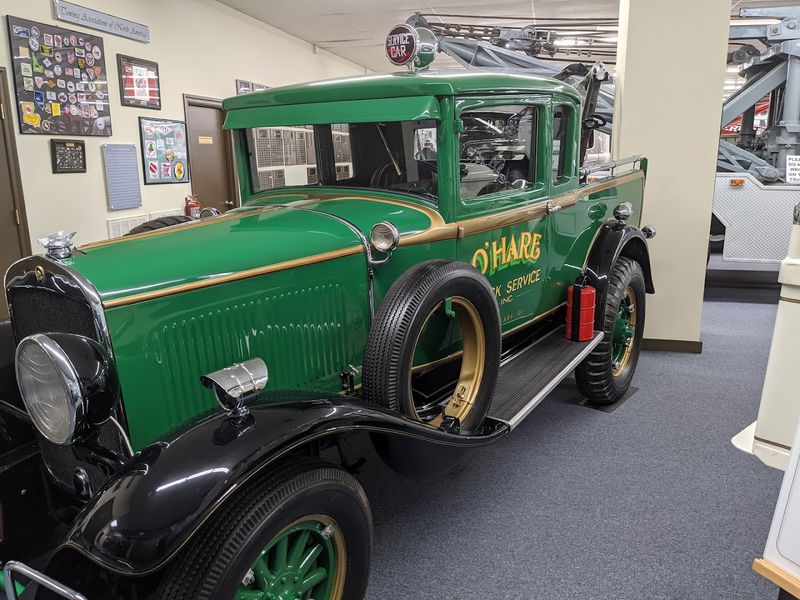
Most people only think about tow trucks when their car breaks down, but Chattanooga celebrates them year-round at this surprisingly fascinating museum. The city earned this honor because Ernest Holmes Sr. invented the modern tow truck here in 1916 after struggling to pull a car out of a creek with ropes and blocks. His frustration led to an innovation that changed roadside assistance forever.
Inside, you’ll find restored vintage tow trucks dating back nearly a century, each one showing how the technology evolved. Some look like they could barely lift a bicycle, while others are massive machines capable of hauling eighteen-wheelers. The collection includes toy tow trucks, industry memorabilia, and equipment that shows just how dangerous and difficult early recovery work was.
The museum also honors tow truck operators who’ve died in the line of duty with a Wall of the Fallen, adding unexpected emotional weight to what could’ve been just a quirky roadside stop. These workers risk their lives on highways every day, and this tribute reminds visitors that towing is serious, often dangerous work.
Interactive exhibits let you try operating some of the equipment, which is more challenging than it looks. There’s also a hall of fame recognizing industry pioneers and innovators who improved safety and efficiency over the decades.
For car enthusiasts, mechanics, or anyone curious about how everyday services came to be, this museum offers genuine substance. It’s not trying to be ironic or kitschy—it’s a legitimate historical institution that happens to focus on something most museums ignore. You’ll walk out knowing more about an industry you’ve probably taken for granted your entire life, and maybe with a little more respect for the folks who show up when you’re stranded.
3. Titanic Museum Attraction — Pigeon Forge
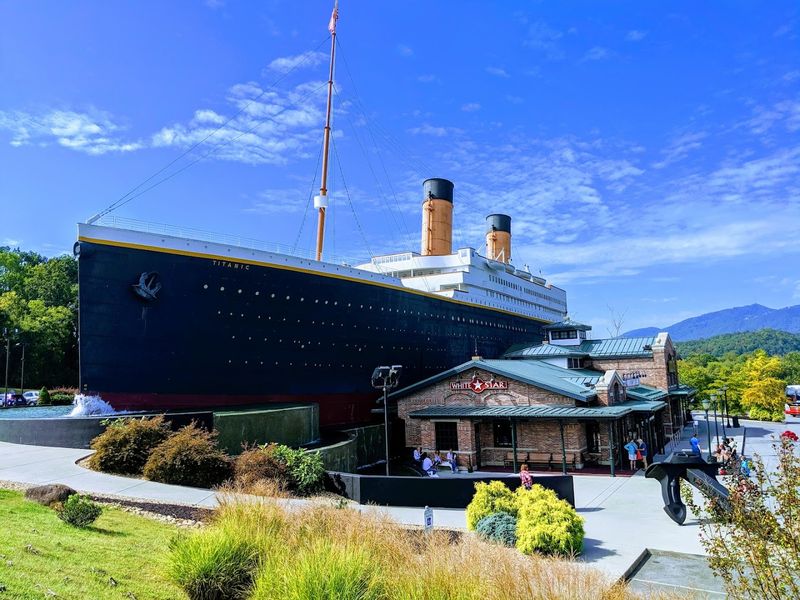
A massive replica of the Titanic sits permanently docked in Pigeon Forge, which is about as far from the ocean as you can get in Tennessee. The building itself is shaped like the ship, complete with portholes and smokestacks, making it impossible to miss from the parkway. It’s part museum, part immersive experience, designed to make you feel like a passenger on that doomed 1912 voyage.
When you enter, you receive a boarding pass with the name and details of an actual Titanic passenger. You carry this card through the entire museum, learning about your passenger’s life and fate. At the end, you discover whether your assigned person survived or perished, which adds personal connection to the historical tragedy.
The exhibits recreate parts of the ship with remarkable attention to detail. You can walk a replica of the Grand Staircase, see recreated first and third-class cabins, and even touch water chilled to 28 degrees—the temperature of the Atlantic the night the ship sank. That last one really drives home how impossible survival would’ve been in those conditions.
Artifacts, photographs, and stories fill every room, covering everything from the ship’s construction to the rescue efforts. There are interactive elements throughout, including trying to stand on slanted decks that simulate the ship’s final moments. It’s educational without being dry, emotional without being exploitative.
Critics might question why Tennessee needs a Titanic museum, but the execution justifies its existence. The Smoky Mountains attract millions of tourists annually, and this gives families something substantial to do beyond outlet shopping and dinner shows. It’s genuinely informative and respectful to the victims while remaining accessible to all ages.
Whether you’re a Titanic enthusiast or just looking for an indoor activity, the museum delivers a memorable experience that’s far more meaningful than its landlocked location might suggest.
4. Beechcraft Heritage Museum — Tullahoma
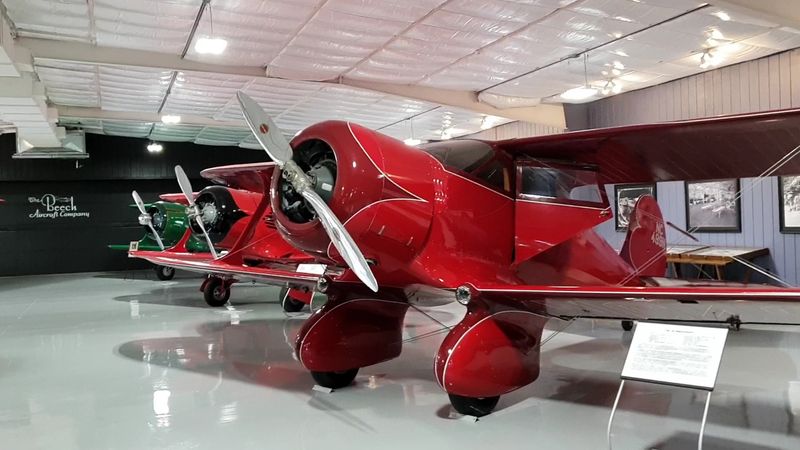
Aviation fans know that Beechcraft built some of the most reliable private and military aircraft in American history, but few realize Tennessee houses a museum dedicated entirely to this one manufacturer. Located in Tullahoma, this museum focuses specifically on Beechcraft’s legacy rather than aviation in general, making it refreshingly specialized compared to broader aerospace museums.
The collection includes actual Beechcraft planes spanning decades of production, from early models to modern designs. You can see the engineering evolution firsthand, noticing how materials, cockpit layouts, and design philosophies changed over time. For anyone who appreciates the technical side of flight, these details matter more than generic airplane displays.
Tullahoma’s connection to aviation runs deep—the city hosts Arnold Air Force Base and has long been a hub for aerospace testing and development. The museum fits naturally into this environment, serving both enthusiasts who travel specifically to see it and locals who want to understand their region’s industrial heritage.
Beyond the aircraft themselves, exhibits cover Beechcraft’s role in World War II, corporate aviation, and private flying. There are engines, instruments, photographs, and stories from pilots and engineers who worked with these planes. The museum doesn’t try to be everything to everyone; it knows its audience and delivers exactly what Beechcraft enthusiasts want.
If you’re not already interested in this particular aircraft brand, you might not find it compelling, and that’s perfectly fine. This museum exists for people who care deeply about Beechcraft specifically, not casual tourists looking for general entertainment. It’s a place where depth matters more than breadth, where you can spend hours examining details that would be footnotes elsewhere.
For the right visitor, that specificity is exactly what makes it valuable. Tennessee’s aviation history deserves this kind of focused attention, and the museum provides it without apology or compromise.
5. Tina Turner Museum — Brownsville
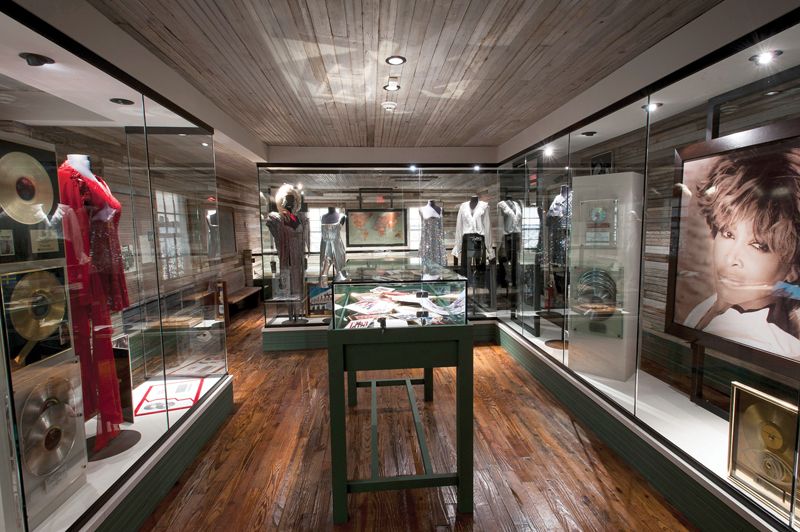
Tina Turner grew up in Nutbush, Tennessee, and attended school in Brownsville, which is why this museum sits inside her actual childhood schoolhouse. The building itself is historic, a modest structure that reminds visitors how far Turner traveled from these rural roots to international superstardom. Walking through the same halls she did as a young girl creates an intimate connection you don’t get at most celebrity museums.
The exhibits cover her entire life story, from her difficult childhood through her abusive marriage to Ike Turner, her courageous escape, and her triumphant comeback as a solo artist. Personal items, costumes, photographs, and memorabilia fill the rooms, each piece telling part of her remarkable journey. The museum doesn’t shy away from the painful chapters, presenting her story with honesty and respect.
What sets this museum apart is its setting. Instead of being in Nashville or Memphis where tourists already flock, it’s in a small West Tennessee town that most people have never heard of. You have to seek it out intentionally, which means visitors tend to be genuine fans rather than casual drop-ins.
That creates a different energy than you’d find at a more commercial attraction.
Local volunteers often staff the museum, and their pride in Turner’s connection to the area comes through clearly. They share stories, answer questions, and help visitors understand the cultural context of her upbringing. The region’s musical heritage runs deep, and Turner’s success represents one of its brightest examples.
The museum is small and won’t take all day to explore, but it packs emotional punch. Seeing where Turner started makes her achievements even more impressive, and the schoolhouse setting adds authenticity that a generic building couldn’t provide.
6. Casey Jones Home & Railroad Museum — Jackson
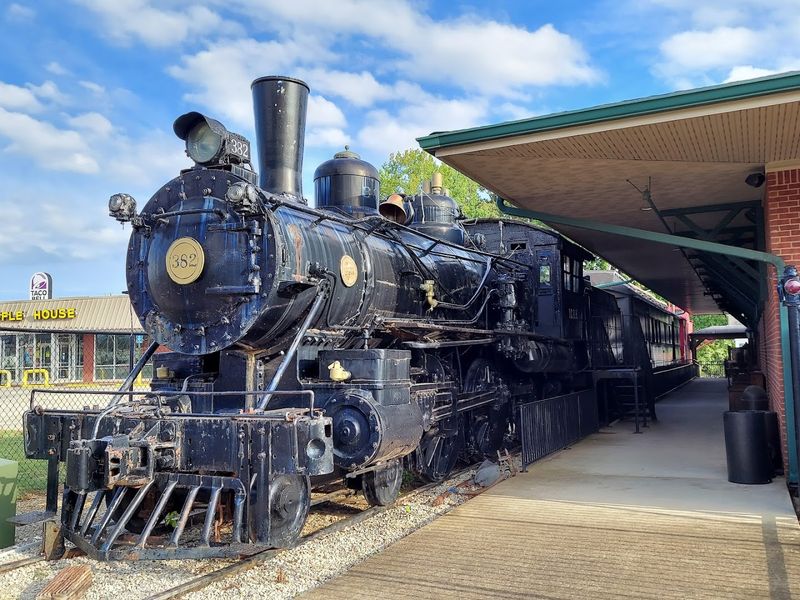
Casey Jones became an American legend the night he died trying to save his passengers in a 1900 train collision near Vaughan, Mississippi. His final act of heroism—staying at the controls while everyone else jumped to safety—turned him into a folk hero celebrated in songs, stories, and now this museum in Jackson, Tennessee. The site includes his actual home, moved to this location, plus railroad exhibits and a full-size locomotive.
The house itself is a charming Victorian structure where Jones lived with his family when he wasn’t running trains for the Illinois Central Railroad. Touring the rooms gives you a sense of everyday life for a railroad engineer’s family at the turn of the century. Personal belongings, photographs, and period furnishings help paint a picture of who Jones was beyond the legend.
Outside, the locomotive display lets you get up close to the massive machines Jones operated. Standing next to a steam engine helps you understand the scale and power these engineers controlled, often at high speeds with primitive safety equipment. The museum explains how railroads worked during this era, what engineers’ responsibilities were, and why accidents happened more frequently than they do today.
Additional exhibits cover railroad history more broadly, including how trains transformed American commerce and settlement patterns. There are artifacts, tools, uniforms, and equipment that show the evolution of rail technology. For train enthusiasts, it’s a treasure trove of specific details and authentic items.
Jackson takes pride in its connection to Casey Jones, and the museum reflects that local ownership. It’s not a slick corporate attraction; it’s a community-supported institution that preserves an important piece of railroad history. Families with kids who love trains will find plenty to see, while history buffs appreciate the authentic setting and artifacts.
7. The Cotton Museum — Memphis
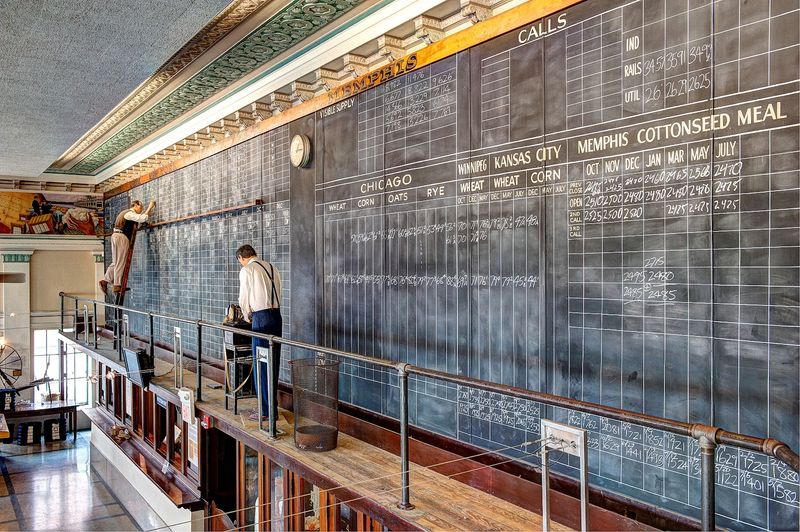
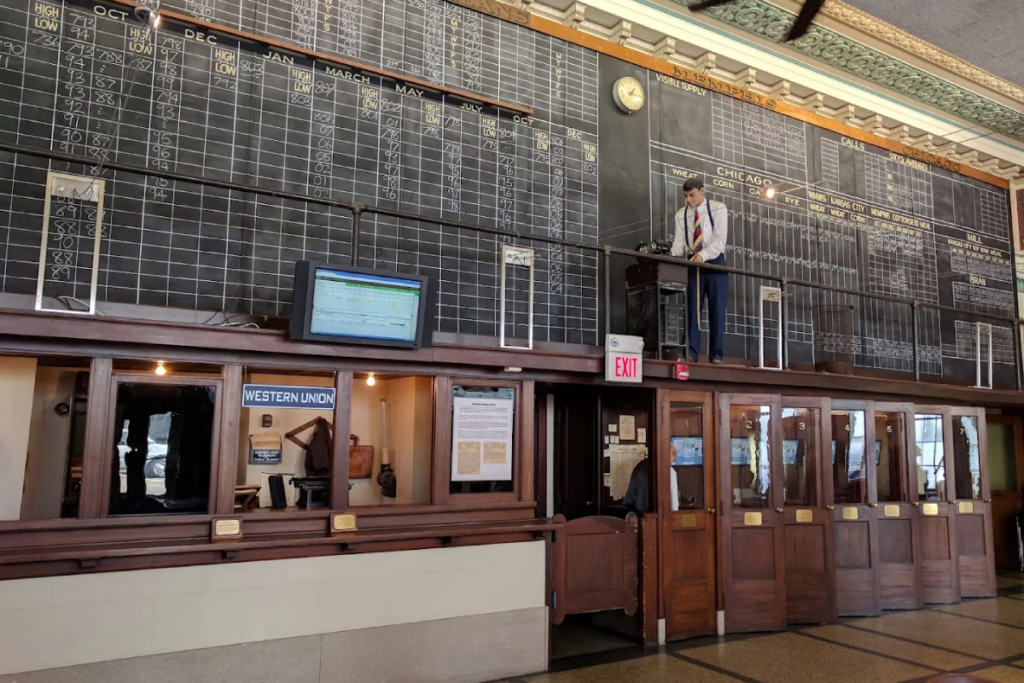
Memphis built its fortune on cotton, and this museum sits right where that fortune was made—the actual trading floor of the Memphis Cotton Exchange. The building dates to 1939, and standing in the space where dealers once shouted bids and negotiated deals gives the museum immediate historical credibility. You’re not just learning about cotton; you’re standing where the cotton economy actually functioned.
The exhibits trace cotton’s journey from field to fabric, explaining the agricultural, economic, and social systems built around this single crop. Memphis became the world’s largest spot cotton market, meaning this is where buyers and sellers met to trade physical cotton rather than futures contracts. The city’s location on the Mississippi River made it a natural hub for moving cotton from Southern plantations to markets worldwide.
The museum doesn’t romanticize this history. It addresses slavery directly, acknowledging that cotton’s profitability depended on enslaved labor and that the wealth Memphis accumulated came at tremendous human cost. Post-Civil War exhibits cover sharecropping, tenant farming, and the continued exploitation of Black agricultural workers.
This honest approach makes the museum more valuable and historically responsible.
Interactive displays show how cotton is grown, harvested, ginned, and processed into thread and fabric. You can touch raw cotton and see the machinery that revolutionized production. There are also exhibits on cotton’s global trade networks and its role in the Industrial Revolution.
The building itself deserves attention—the Art Deco architecture and historic details make it worth visiting even without the exhibits. Memphis has plenty of music museums, but this one tells a different story about the city’s identity and economic foundations. Cotton shaped the Mid-South’s landscape, demographics, politics, and culture in ways that still resonate today.
Understanding that history helps explain modern Memphis and the broader region. The museum accomplishes this educational mission while respecting the complexity and pain woven into cotton’s legacy.
8. Tennessee Museum of Aviation — Sevierville
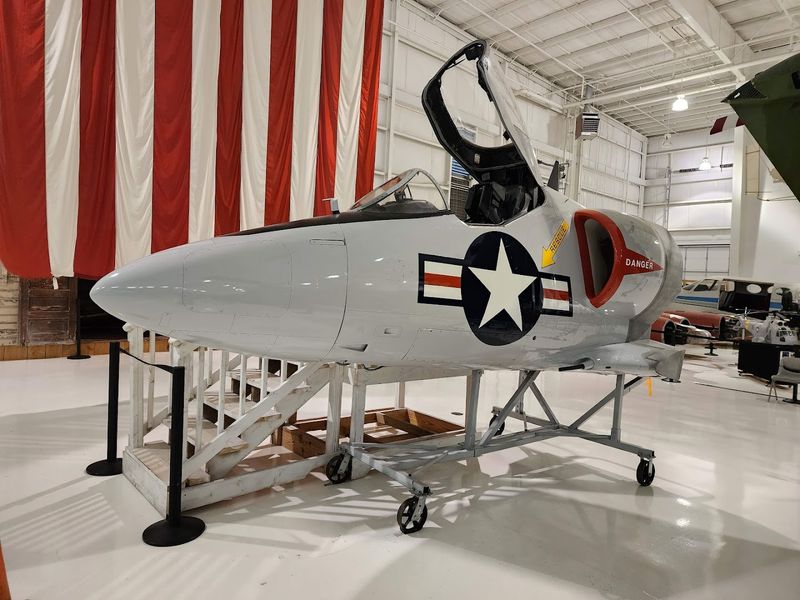
Sevierville sits in the heart of the Smoky Mountains, surrounded by hiking trails and tourist attractions, which makes finding a serious aviation museum there genuinely surprising. This isn’t a small collection of model planes—it’s a legitimate museum with actual military aircraft, warbirds, engines, and flight equipment that would impress visitors anywhere. The mountain setting just makes it unexpected.
The collection focuses heavily on military aviation, particularly World War II and Korean War-era aircraft. You’ll see fighters, bombers, and support planes that actually flew combat missions, each with detailed information about its service history and technical specifications. For aviation enthusiasts, these aren’t just displays; they’re historically significant machines preserved for future generations.
Beyond the aircraft themselves, exhibits cover aviation technology, pilot training, and the role of air power in modern warfare. There are uniforms, medals, photographs, and personal stories from pilots and crew members. The museum does an excellent job connecting the hardware to the human experiences behind it.
Interactive elements let visitors sit in cockpits, examine engines up close, and understand how these complex machines functioned. Flight simulators give a taste of what piloting these aircraft felt like, though obviously simplified compared to the real experience. Kids especially enjoy these hands-on opportunities.
The museum’s location in Sevierville means it attracts tourists who might not specifically be looking for an aviation museum but stumble across it while exploring the area. That’s actually beneficial—it introduces aviation history to audiences who might otherwise never visit such a museum. The quality of the collection and exhibits ensures that even casual visitors leave impressed and educated.
For serious aviation fans, it’s worth the trip to Sevierville specifically to see this museum. For families vacationing in the Smokies, it offers a substantive indoor activity that’s more educational than most area attractions. Either way, finding this caliber of aviation museum in a mountain tourist town proves that Tennessee’s quirky museum scene includes legitimate historical institutions alongside its more novelty-focused attractions.
9. National Bird Dog Museum — Grand Junction
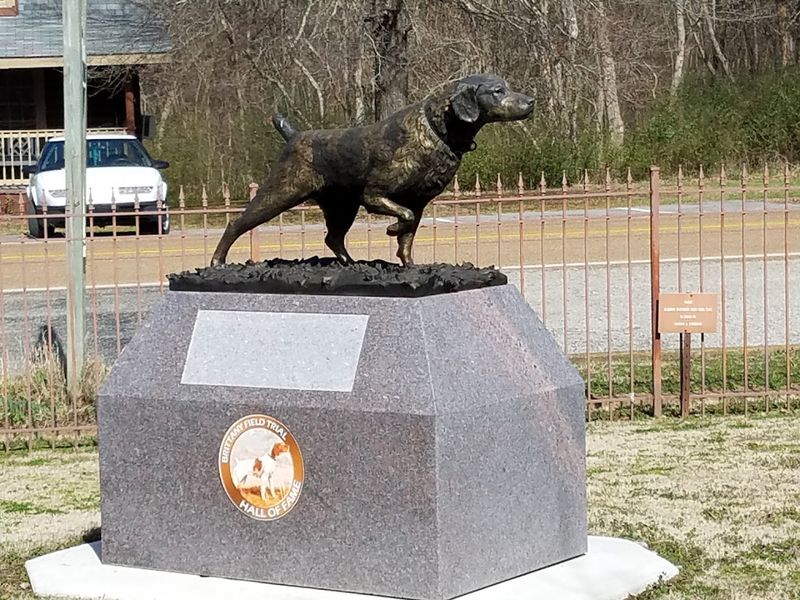
Grand Junction, Tennessee, calls itself the Bird Dog Capital of the World, and it backs up that claim with a museum dedicated entirely to hunting dogs bred and trained to point and retrieve game birds. This level of specificity might seem excessive until you realize how seriously people take bird hunting and the dogs that make it possible. For field trial competitors and hunting enthusiasts, this museum is basically a hall of fame.
The collection includes artwork, sculptures, photographs, and memorabilia celebrating famous bird dogs and their handlers. You’ll see championship trophies, breeding records, and tributes to legendary dogs whose bloodlines still influence modern breeding programs. For people deeply involved in this world, these names and accomplishments carry real significance.
Exhibits explain different bird dog breeds—pointers, setters, retrievers, spaniels—and what makes each suited for specific types of hunting. There’s information on training methods, field trial competitions, and the history of bird hunting in America. Even if you’ve never hunted, the dedication and skill involved in training these dogs becomes apparent.
The museum also covers the cultural aspects of bird hunting, including its social traditions and regional variations. In the South, bird hunting isn’t just a sport; it’s a heritage passed down through generations, complete with its own etiquette and customs. The museum preserves this cultural history alongside the sporting achievements.
Grand Junction’s claim to the bird dog title comes from its history hosting the National Field Trial Championship, the most prestigious competition in the sport. The town’s identity is thoroughly tied to this niche, making the museum a natural expression of local pride.
If you’re not interested in hunting or dogs, this museum probably won’t convert you, and that’s fine. It exists for a specific audience that cares deeply about this particular subject. For that audience, it’s a pilgrimage site worth traveling to see.
Tennessee has room for both broad-appeal attractions and intensely specialized museums like this one, and the state is richer for embracing both approaches to preserving history and culture.
10. Coker Museum — Chattanooga
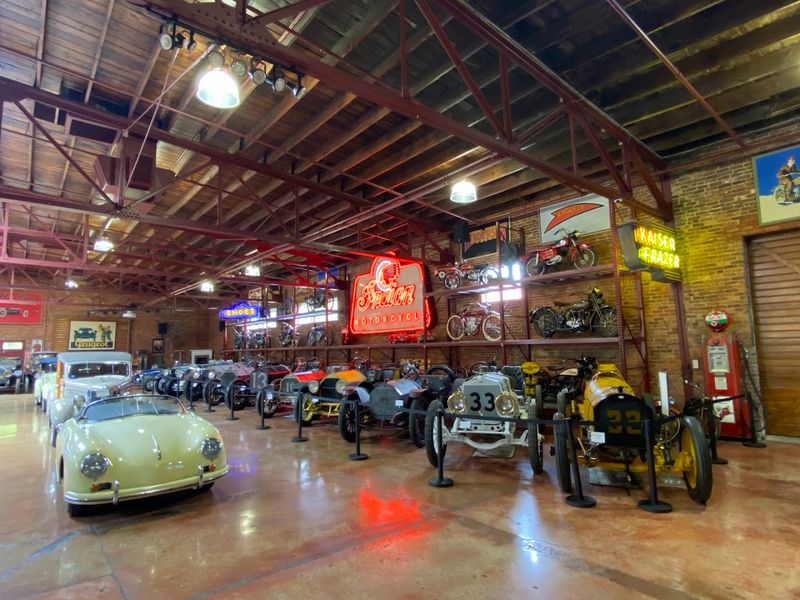
The Coker Tire Company has been manufacturing specialty tires in Chattanooga since 1958, focusing on authentic replacement tires for classic and antique vehicles. Their museum showcases the company’s history and the broader story of tire manufacturing, which sounds incredibly dull until you actually visit and discover it’s surprisingly interesting.
Tires changed everything about transportation, and this museum tells that story through one family company’s perspective.
Displays include vintage tires dating back over a century, showing how materials and construction methods evolved. Early tires were primitive by modern standards—thin, prone to failure, and requiring constant maintenance. Seeing the progression helps you appreciate the engineering advances that made modern driving safe and reliable.
There are also manufacturing tools, advertisements, and company records that document Coker’s growth.
The museum particularly appeals to car collectors and restoration enthusiasts who need period-correct tires for their vehicles. Coker specializes in reproducing discontinued tire models, making them essential for anyone restoring a classic car to original specifications. The museum celebrates this niche market and the craftsmanship required to serve it.
Beyond tires, exhibits touch on automotive history more broadly, since tires and vehicles evolved together. There are photographs of historic cars, racing memorabilia, and stories about how tire technology influenced vehicle design and performance. The museum connects its narrow focus to larger themes in transportation history.
Chattanooga has become something of a hub for quirky industrial museums—the towing museum is also here—and the Coker Museum fits that pattern perfectly. These aren’t glamorous subjects, but they represent real industries that shaped the city’s economy and identity. Preserving this history matters even when the topic seems mundane.
The museum is small and won’t occupy your entire afternoon, but it offers genuine insights into an overlooked aspect of automotive history. For gearheads and history buffs, it’s a worthwhile stop. For everyone else, it’s a reminder that fascinating stories can be found in the most unexpected places, even in something as ordinary as tires.
11. Archie Campbell Museum — Bulls Gap
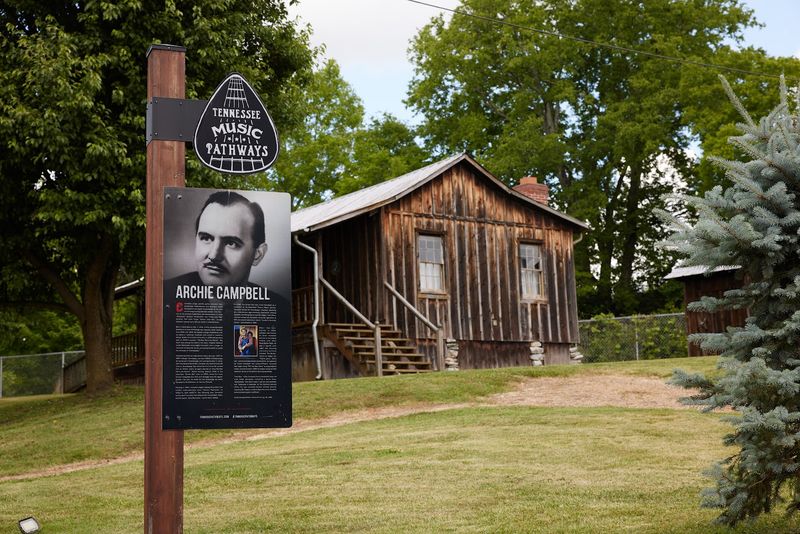
Archie Campbell spent decades as a country comedian and musician, best known for his work on the television show Hee Haw, where his spoonerisms and rural humor made him a household name. He grew up in Bulls Gap, Tennessee, and this small museum in his hometown preserves his legacy for fans and curious visitors. It’s the kind of hyper-local museum that exists because a community refuses to let its famous son be forgotten.
The collection includes costumes, instruments, photographs, and memorabilia from Campbell’s long career in entertainment. You’ll see artifacts from his Hee Haw days, recordings of his comedy routines, and personal items that show the man behind the performer. For fans of classic country music and television, these pieces carry nostalgic value.
Campbell’s comedy style relied heavily on wordplay and rural stereotypes that might not translate perfectly to modern audiences, but the museum presents his work in historical context. He was part of a generation of Southern entertainers who brought country culture to mainstream television, for better or worse. Understanding that era helps explain both his popularity and the controversies around such representations.
Bulls Gap takes pride in Campbell’s success, and the museum reflects genuine community affection for his memory. Local volunteers typically run the place, sharing stories and answering questions with the kind of personal knowledge you only get in small-town museums. Their enthusiasm makes up for any lack of professional polish.
The museum is small and specialized, unlikely to attract visitors who aren’t already interested in Campbell or country entertainment history. But for those who remember Hee Haw fondly or want to learn about this particular slice of American pop culture, it offers authentic connection to a performer who brought laughter to millions.
Tennessee has produced countless entertainers, and museums like this ensure that even those who aren’t constantly in the spotlight get remembered and celebrated by the communities that shaped them.