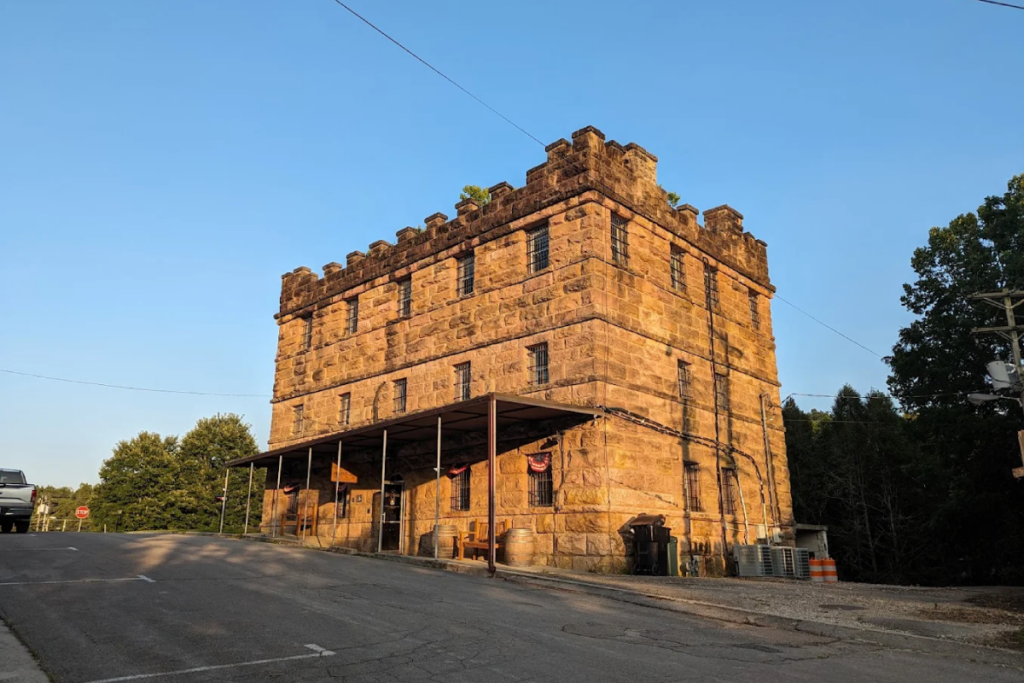
Deep in Huntsville, Tennessee, a century-old jail stands as both a museum and something much stranger. The Historic Scott County Jail welcomes curious visitors during daylight hours, offering guided tours through cell blocks that once held real criminals and witnessed genuine tragedy.
But when the sun sets and shadows stretch across those iron bars, even the bravest guests admit the atmosphere shifts into something they can’t quite explain—and many who explore after dark leave with stories that keep them awake long after they’ve returned home.
A Small-Town Jail With a Heavy Past
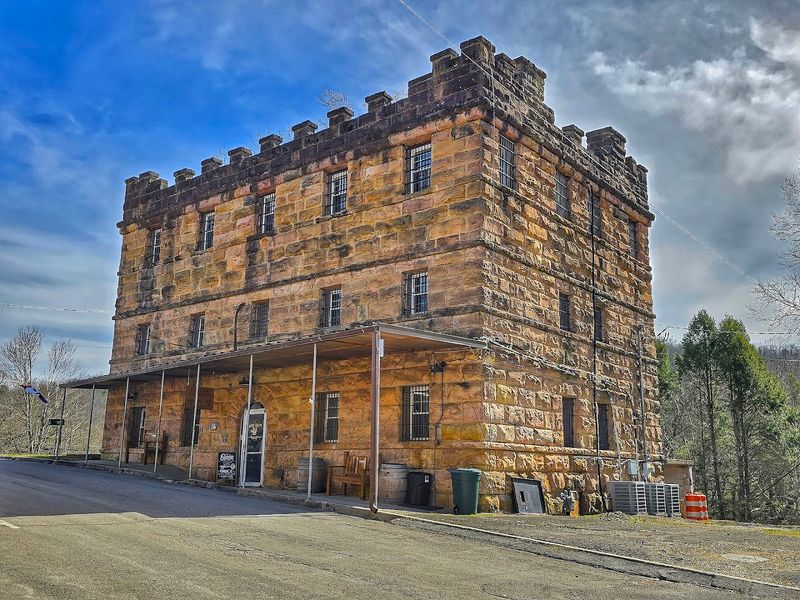
Built over a century ago, this unassuming structure tucked behind other buildings on Litton Covered Bridge Road holds more history than most people expect from a small-town jail. Scott County needed a place to house lawbreakers, and what they built became a witness to decades of crime, punishment, and human drama.
The architecture alone tells part of the story—thick walls, narrow windows, and those unmistakable iron bars that kept dangerous men locked away from society.
Walking up to the building for the first time, you notice how it sits back from the main road, almost hidden. That placement wasn’t accidental. County officials wanted the jail functional but not necessarily the town’s centerpiece.
Yet the structure’s solid brick construction and imposing presence made it impossible to ignore, especially for those unfortunate enough to be brought there in handcuffs.
What makes this jail different from other historical sites is how much genuine activity happened within these walls. This wasn’t a showpiece or a symbolic building—real sheriffs worked here, real criminals served time here, and real violence occasionally erupted here.
Law enforcement officers lost their lives in the line of duty connected to this facility. Inmates carved their names into cell walls. Families visited loved ones through those same barred windows that now greet museum visitors.
The building operated as an active jail for generations before closing its doors as a detention facility. Rather than letting it crumble or converting it into offices, preservationists saw value in maintaining it as a museum.
Today it stands as a three-story testament to how justice worked in rural Tennessee, complete with original cells, artifacts, and displays that help modern visitors understand what life was like for both the imprisoned and those who guarded them.
Why the Old Cell Blocks Still Feel So Intense
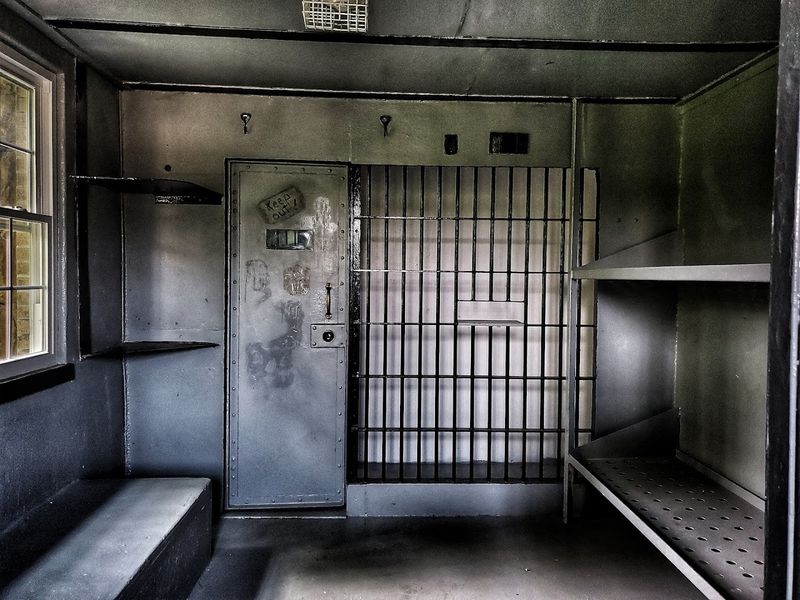
Step inside the cell blocks and you’ll understand immediately why people use words like “heavy” and “oppressive” to describe the feeling. These aren’t Hollywood sets or sanitized recreations—they’re the actual spaces where men spent months or years confined in conditions modern prisoners would consider inhumane. The cells are cramped, dark, and cold even on warm days.
Iron bars show rust and wear from decades of use. The air feels different here, thick with something visitors struggle to name.
Tour guides point out details that make the experience more real: scratch marks on walls where inmates counted days, graffiti from prisoners long dead, stains on concrete floors that hint at unpleasant stories. The narrow hallways between cells create an almost claustrophobic sensation, making you acutely aware of how little space these men had to move.
Light barely penetrates some corners, leaving pockets of shadow that seem darker than they should be.
Many visitors report unexpected emotional reactions when standing inside the cells. Some feel anxious or sad without knowing why. Others describe a sensation of being watched, even when they’re alone in a cell block.
Skeptics dismiss these feelings as natural responses to an intimidating environment, but the consistency of these reports makes even doubters pause. Something about these spaces affects people on a level beyond simple architecture.
The cell blocks also preserve physical evidence of the jail’s working years—original bunks, chamber pots, and personal items left behind by inmates. Seeing these everyday objects in their actual context drives home the reality that this wasn’t just a building but a home to hundreds of men over the decades.
The Stories That Make This Museum More Than a Quick Stop
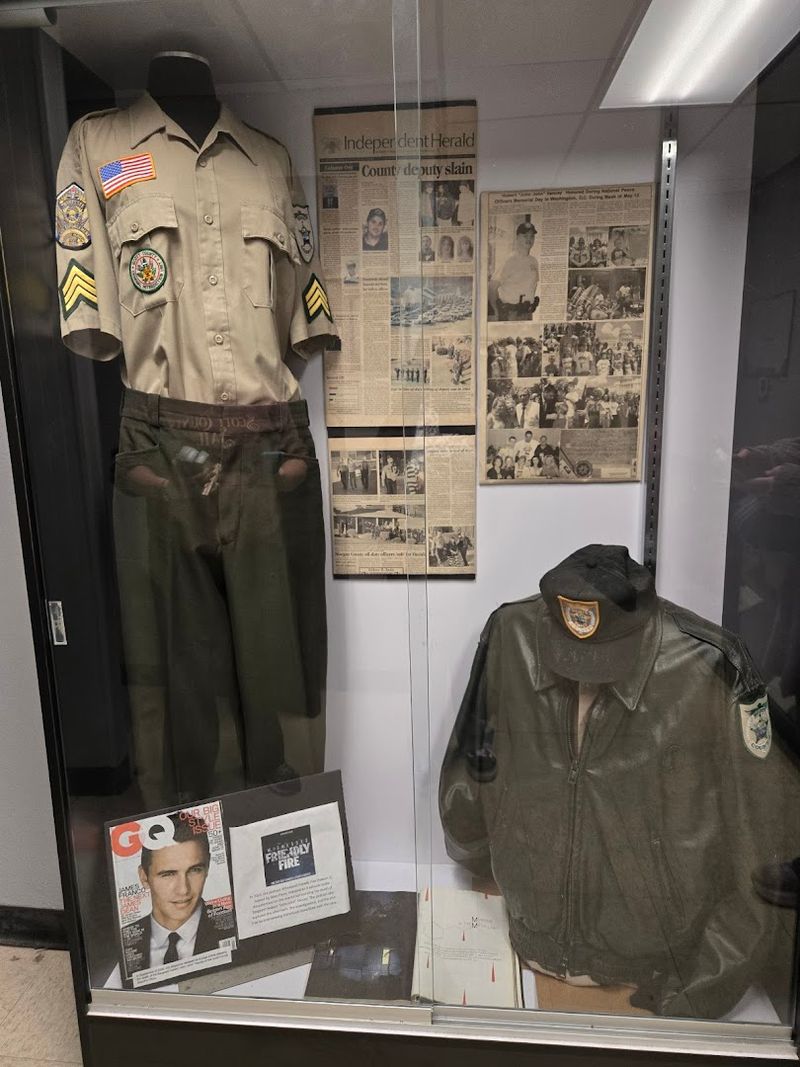
Every corner of this museum connects to real people and actual events, not vague historical generalities. The guides know their material cold—names, dates, crimes, and consequences. They’ll tell you about Jerome Boyatt and the circumstances that brought him to this jail. They’ll share details about sheriffs who died protecting the community.
These aren’t sanitized tales cleaned up for tourists; they’re honest accounts of what happened in Scott County over more than a century.
Miranda and Kristy, the knowledgeable guides frequently mentioned in visitor reviews, have clearly done serious research. They present balanced, factual information about controversial events without sensationalizing or sugar-coating the darker aspects of local history. Their guided tours weave together individual stories into a larger narrative about how crime and punishment evolved in rural Tennessee.
You’ll hear about specific inmates, their crimes, their sentences, and sometimes their fates after release.
The museum’s collection of artifacts enhances these stories considerably. Authentic items from the jail’s operational years—tools, documents, personal effects, photographs—give visitors tangible connections to the past. Infographics help explain complex aspects of the legal system as it functioned then versus now.
The displays show what daily life looked like for both prisoners and staff, from meal routines to security procedures to how families maintained contact with incarcerated relatives.
What elevates this beyond typical museum experiences is the staff’s ability to answer detailed questions. Visitors consistently praise how guides handle inquiries about specific aspects of jail operations, local history, or particular inmates.
That depth of knowledge transforms a simple tour into an educational experience that actually teaches you something substantial about Tennessee history, criminal justice, and how small communities dealt with lawbreakers before modern prison systems existed.
What Visitors Notice First Inside the Historic Scott County Jail
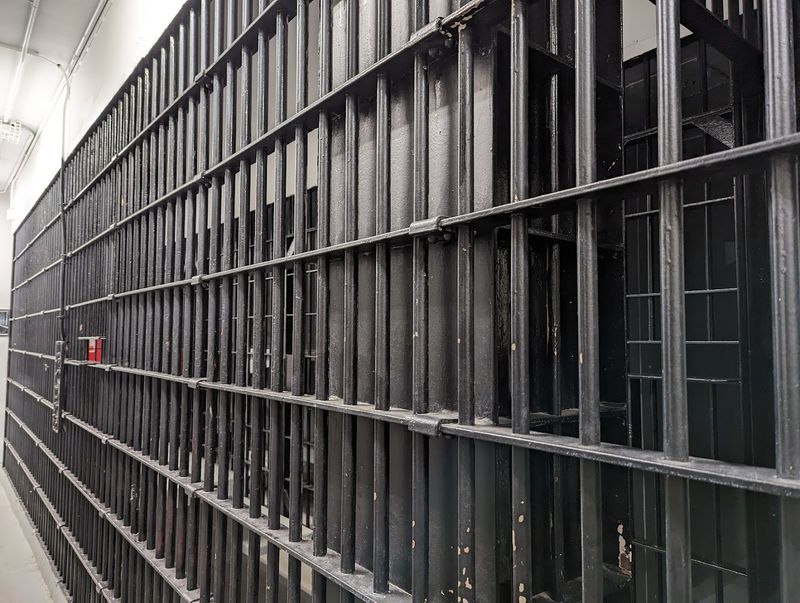
The moment you cross the threshold, the building announces its age and purpose. Original architecture surrounds you—exposed brick, worn wooden floors, and that distinctive smell of old buildings that no amount of cleaning ever quite eliminates. Your eyes adjust to lighting that’s dimmer than modern spaces, and you start noticing details: the thickness of the walls, the placement of doors, the way sound echoes differently than in contemporary structures.
Most people comment on how authentic everything feels. This isn’t a recreation or a themed attraction—it’s the real deal, preserved rather than rebuilt. The building itself serves as the primary artifact, and everything else builds from there.
You can touch the same door handles that sheriffs used, walk the same floors that prisoners shuffled across in chains, and stand in rooms where actual interrogations and processing occurred.
The museum’s layout surprises first-time visitors. You might expect a small operation, but this is a three-story facility with multiple cell blocks, administrative areas, and living quarters for the sheriff’s family who resided on-site. Each floor reveals different aspects of jail operations, from maximum-security cells to more comfortable areas where trustees stayed.
The scope of the facility exceeds what most people anticipate from a small-town jail.
Temperature is another common observation. Even on hot Tennessee days, certain areas stay noticeably cooler—those thick walls provide natural insulation, but some visitors swear specific spots feel colder than physics would explain. Whether that’s architecture or something else depends on your worldview, but enough people mention it that it’s worth noting.
The building’s presence feels substantial, almost alive in a way that modern structures rarely achieve.
How Daytime Tours Bring Huntsville’s Past Into Focus
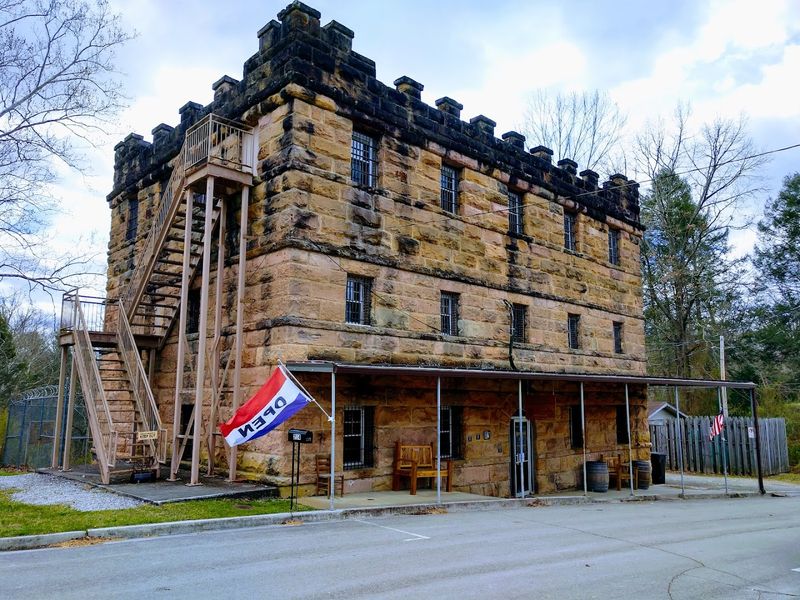
Standard daytime tours run from 11 AM to 4 PM most days (noon to 4 PM on Sundays), giving visitors plenty of options to explore when natural light fills the spaces. These tours focus heavily on the historical and educational aspects of the facility, making them perfect for history buffs, families, or anyone interested in how rural Tennessee justice systems operated.
The guides provide context that transforms what could be just a creepy old building into a genuine learning experience.
During daylight hours, you can appreciate architectural details that might get overlooked in dimmer conditions. The craftsmanship of the original construction becomes apparent—how builders solved problems like ventilation, security, and fire safety with early 20th-century technology. You’ll see modifications made over the decades as standards changed and new requirements emerged.
These physical changes tell their own story about evolving attitudes toward incarceration and prisoner treatment.
Day tours also allow better viewing of the extensive artifact collection. Photographs, documents, personal items, and tools of the trade all become clearer when you’re not relying on flashlights or limited evening lighting. You can read original records, examine old equipment, and study the informational displays at your own pace.
The museum has accumulated an impressive collection of items that illustrate not just jail operations but broader Scott County history.
For skeptics or those uncomfortable with paranormal themes, daytime visits offer all the historical value without the ghost-hunting angle. You can appreciate the jail’s significance as a historical landmark and learn about local history without necessarily engaging with the building’s reputation for supernatural activity. The staff respects different comfort levels and tailors the experience accordingly, making day tours accessible to visitors who want history without the haunting.
Why the Building Feels Different Once the Sun Goes Down
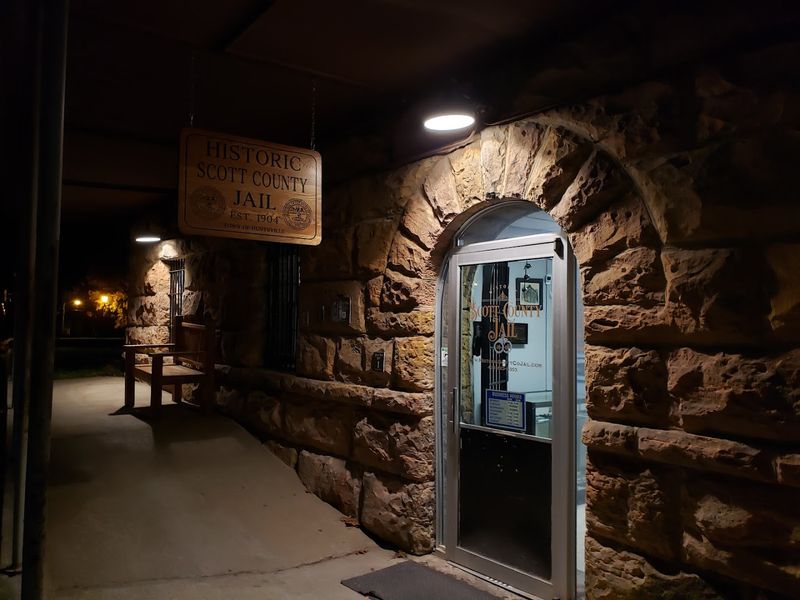
After-dark experiences at the jail have built a serious reputation among paranormal enthusiasts. The facility offers flashlight tours, guided ghost hunts, and even overnight investigations for those brave enough to spend extended time in the building when darkness takes over. Visitors consistently report that the atmosphere shifts dramatically once daylight fades.
Shadows deepen, sounds become more noticeable, and that heavy feeling in certain areas intensifies considerably.
Reviews from evening visitors describe experiences that range from unsettling to extraordinary. Multiple people mention hearing footsteps when no one else is present, seeing shadow figures move across walls, and capturing strange anomalies in photographs or videos. Some report intelligent responses using K2 meters—devices that detect electromagnetic field changes—with the equipment lighting up in apparent answer to specific questions.
Even self-proclaimed skeptics admit to experiencing things they couldn’t easily explain away.
The guides who lead nighttime tours know exactly where activity tends to happen and which areas have the most consistent reports of unusual occurrences. They share documented evidence collected over years of investigations—audio recordings of disembodied voices, photographs showing unexplained figures, video footage of objects moving without apparent cause.
The paranormal research conducted here goes beyond casual ghost hunting; it’s methodical and well-documented, which lends credibility even to doubters.
What makes the after-dark experience particularly compelling is the combination of genuine history and reported paranormal activity. You’re not just visiting a supposedly haunted location—you’re exploring a place where real tragedy, violence, and suffering occurred. If spirits do linger in locations connected to intense human experiences, a century-old jail would certainly qualify.
Whether you believe in ghosts or not, spending time in these dark cell blocks after sunset creates an experience you won’t quickly forget.
The Tennessee Jail Museum That Leaves People Talking Long After They Leave
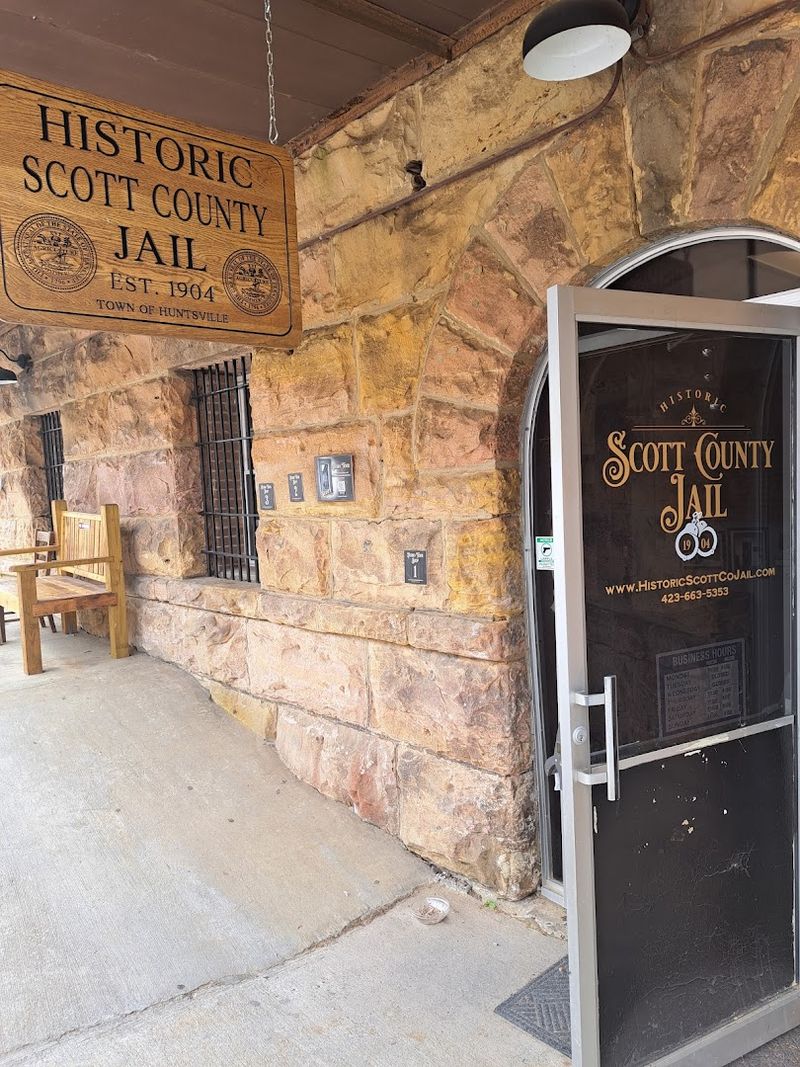
The consistent five-star ratings and enthusiastic reviews tell you something significant about this place—people don’t just visit and move on; they leave genuinely affected by the experience. Many reviews mention plans to return, often to try a different type of tour or bring friends and family who need to see it themselves. That kind of repeat interest and word-of-mouth promotion doesn’t happen for mediocre attractions.
Something about the Historic Scott County Jail sticks with people.
Part of the lasting impact comes from the dual nature of the experience. You get substantial historical education about Scott County, Tennessee crime and punishment, and how small-town justice systems functioned over more than a century. But you also get something less tangible—an emotional or psychological experience that’s harder to quantify but no less real.
Whether that’s connection to the past, empathy for those who suffered here, or unexplained encounters depends on the individual visitor.
The staff clearly plays a crucial role in creating memorable experiences. Good guides transform any museum from a collection of objects into a living story, and this facility benefits from people who genuinely care about preserving and sharing Scott County history.
Beyond the tours, the jail offers escape room experiences that incorporate the building’s history and atmosphere into puzzle-solving challenges. This variety of offerings means different visitors can engage with the site in ways that match their interests—pure history, paranormal investigation, interactive games, or some combination.
That flexibility makes the jail accessible to broader audiences while maintaining its historical integrity and unique character that keeps people talking long after their visit ends.