Texas has way more to offer than just cowboys and barbecue. Sure, everyone knows about the Alamo and Austin’s music scene, but the Lone Star State hides dozens of incredible spots that most tourists never discover. From mysterious swamps draped in Spanish moss to underground caverns and quirky folk art installations, these lesser-known destinations will make your first Texas trip absolutely unforgettable.
1. Caddo Lake State Park (Karnack)
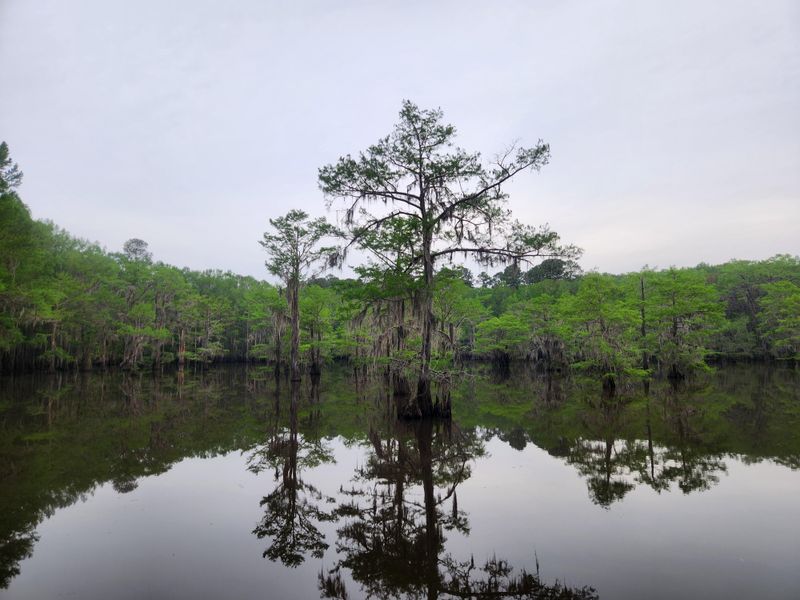
Spanish moss hangs from ancient cypress trees like nature’s curtains, creating an otherworldly atmosphere that feels more like Louisiana than Texas. The only natural lake in Texas formed by a massive logjam centuries ago, and today it sprawls across 26,000 acres of interconnected waterways, sloughs, and bayous. Paddling through the maze of channels feels like exploring a forgotten world where alligators sun themselves on logs and great blue herons fish in shallow waters.
Most visitors rent kayaks or canoes to navigate the twisting passages between towering cypress knees. The water reflects the trees above like a mirror on calm days, doubling the magic. Early morning fog adds an extra layer of mystery that photographers absolutely love.
Wildlife watching here ranks among the best in Texas, with over 200 bird species recorded in the area. Bald eagles nest here during winter months, and if you’re patient, you might spot river otters playing in the channels. The park also offers hiking trails through bottomland hardwood forests where armadillos rustle through fallen leaves.
Camping options range from screened shelters to full hookup sites, many positioned right along the water’s edge. Waking up to sunrise filtering through the cypress canopy beats any hotel room. The park stays relatively quiet even during peak seasons since many tourists stick to more famous Texas destinations.
Local fishing guides know secret spots where crappie and catfish bite year-round. They’ll share stories about the lake’s history and the small town of Uncertain, Texas, located on its shores. The name alone tells you this area marches to its own rhythm, far removed from typical Texas stereotypes.
2. Gruene Historic District (New Braunfels)
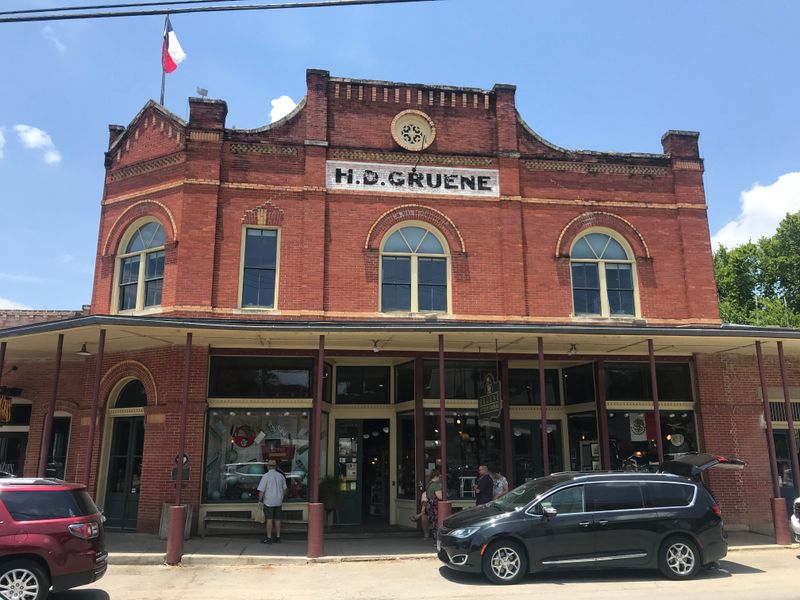
Walking into Gruene feels like stepping onto a movie set from the Old West, except everything here is genuinely historic. Founded in the 1870s by German immigrants, this tiny district preserves its original buildings without the artificial polish of a theme park. Weathered wooden storefronts line the main street, housing antique shops, craft boutiques, and restaurants that serve Hill Country comfort food.
Gruene Hall stands as the crown jewel and Texas’s oldest continually operating dance hall since 1878. Legends like Willie Nelson, George Strait, and Lyle Lovett have played this intimate venue where the wooden floor still creaks under dancing boots. The hall keeps its original tin ceiling, and the walls display vintage advertisements that transport you back a century.
Live music happens most nights, drawing locals and visitors who two-step until closing time.
The Guadalupe River flows just beyond the historic buildings, offering tubing and swimming during hot Texas summers. Outfitters rent tubes and provide shuttle services, making it easy to float for hours through gentle rapids and calm stretches. The river’s clear water stays refreshingly cool even when temperatures soar above 100 degrees.
Gristmill Restaurant occupies the ruins of an actual 1878 cotton gin perched above the river. Diners sit on multiple levels of outdoor decks shaded by massive oak trees, watching tubers float past while enjoying burgers and Texas-style comfort plates. The setting alone makes it worth a visit, but the food holds its own too.
Unlike some tourist traps that feel manufactured, Gruene maintains authentic character because it never really died and got rebuilt. The buildings survived because the town essentially froze in time when cotton farming declined, preserving accidental history that developers now couldn’t recreate if they tried.
3. The Painted Churches (Schulenburg)

German and Czech immigrants who settled this area in the mid-1800s built simple wooden churches, then transformed their interiors into breathtaking works of art. Traveling artists painted elaborate frescoes directly onto walls and ceilings, creating religious scenes and intricate patterns that rival European cathedrals. These small country churches hide their treasures behind plain exteriors, making the explosion of color inside even more stunning.
St. Mary’s Church in High Hill features the most impressive interior, with every surface covered in detailed paintings and stenciled designs. The vaulted ceiling displays biblical scenes in vibrant blues, golds, and reds that somehow survived over a century. Natural light streams through stained glass windows, illuminating the artwork in ways that shift throughout the day.
Four churches within a 15-mile radius form a driving loop that takes about half a day to complete. Each one showcases different artistic styles and color palettes, reflecting the various immigrant communities that built them. St. John the Baptist in Ammannsville uses softer pastels, while Sts.
Cyril and Methodius in Dubina goes bold with deep reds and golds.
Most churches remain active parishes, so visitors should respect service times and dress modestly when touring. Self-guided tour maps are available at the Schulenburg Visitor Center, which also sells a combination ticket for all the churches. The small donation requested helps maintain these fragile artworks for future generations.
Photography is generally allowed, though flash might be restricted to protect the old paint. The churches sit in rural farmland surrounded by fields and scattered oak trees, making the drive between them as pleasant as the destinations. Local bakeries in Schulenburg sell kolaches, a Czech pastry perfect for snacking between church visits.
Spring and fall offer the best touring weather, avoiding summer’s oppressive heat in these non-air-conditioned buildings. Wedding season books up weekends, so weekdays provide quieter viewing opportunities.
4. Wimberley Blue Hole (Wimberley)
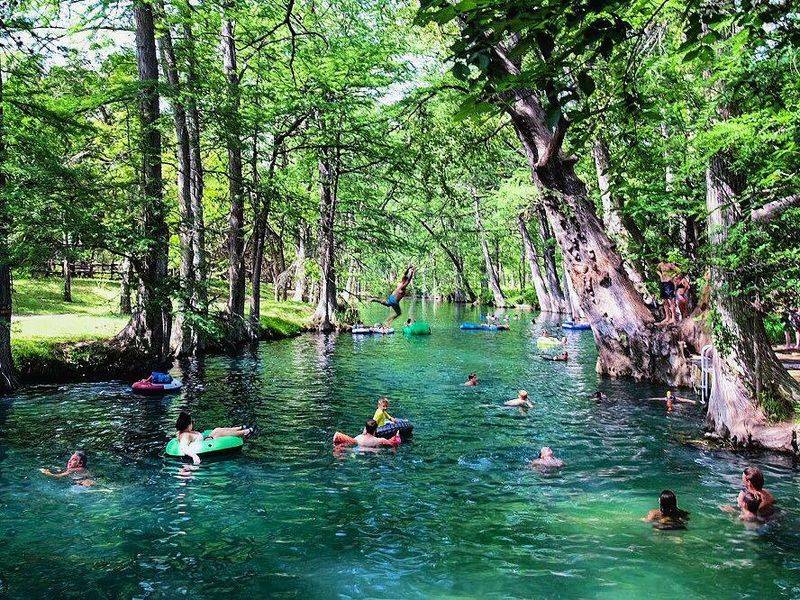
Clear spring-fed water glows an impossible shade of turquoise in this natural swimming hole carved into limestone bedrock. Cypress Creek flows through the property, creating deep pools perfect for swimming and shallow areas where kids can wade safely. The Blue Hole operates as a private nature preserve, limiting daily visitors to protect the delicate ecosystem and ensure everyone has room to enjoy the water.
Reservations are absolutely required during summer months when this hidden gem gets packed with locals escaping the heat. The preserve opens seasonally, typically from May through September, with specific hours that change based on weather and creek conditions. Online booking opens weeks in advance, and weekend slots disappear within hours of becoming available.
The main swimming area features a rope swing that launches brave swimmers into the deepest part of the pool. Limestone ledges provide natural diving platforms at various heights, though jumping is only safe when water levels are adequate. Cypress trees shade much of the shoreline, offering relief from the intense Texas sun between swimming sessions.
Unlike many popular swimming spots that get trashed by crowds, the Blue Hole maintains strict carry-in, carry-out policies. No glass containers, no flotation devices, and no pets keep the environment pristine. These rules might seem strict, but they preserve the natural beauty that makes this place special in the first place.
The preserve sits on 126 acres with hiking trails winding through Hill Country terrain. Birding opportunities abound, with golden-cheeked warblers and black-capped vireos nesting in the area during breeding season. Native wildflowers bloom along the trails in spring, adding splashes of color to the rocky landscape.
Wimberley itself deserves exploration, with art galleries, antique shops, and restaurants lining the town square. The Saturday market draws vendors selling everything from handmade jewelry to organic produce. Staying overnight in one of the town’s bed and breakfasts lets you claim an early Blue Hole reservation slot before day-trippers arrive.
5. Fort Davis National Historic Site (Fort Davis)
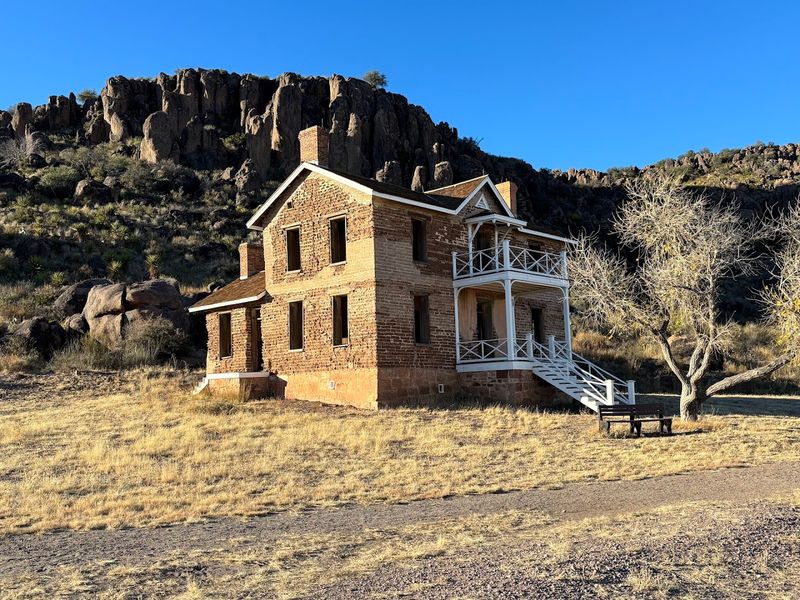
Mountains rise dramatically behind this frontier military post where soldiers once protected travelers on the San Antonio-El Paso Road. Built in 1854 and named after Jefferson Davis, the fort sits at 5,000 feet elevation in the Davis Mountains, creating a surprisingly cool climate compared to the surrounding Chihuahuan Desert. More than 20 restored and reconstructed buildings let you walk through barracks, officers’ quarters, and hospital rooms that look much as they did in the 1880s.
Buffalo Soldiers, African American cavalry troops, served here after the Civil War and earned their legendary reputation fighting in brutal conditions. Their story gets prominent attention in the museum exhibits, which detail both military campaigns and daily life on this isolated post. Interpretive signs throughout the grounds explain how soldiers, their families, and civilian workers created a functioning community in harsh terrain.
Living history demonstrations happen regularly during summer months, with interpreters dressed in period uniforms demonstrating military drills and frontier skills. The fort’s parade ground still hosts flag ceremonies on special occasions. Evening campfire programs share stories about frontier life that bring history alive better than any textbook could.
Hiking trails wind through the surrounding hills, offering views of the fort from above and chances to spot mule deer, javelinas, and various bird species. The Tall Grass Nature Trail makes an easy loop through native vegetation with interpretive signs explaining how soldiers and local Apache people used different plants. More challenging trails climb into the mountains for panoramic desert vistas.
The nearby town of Fort Davis provides lodging and dining options, including the historic Limpia Hotel built in 1912. McDonald Observatory sits just 16 miles away in the mountains, offering some of the darkest skies in the continental United States for stargazing. Combining a fort visit with an evening star party makes for an unforgettable West Texas experience.
Spring and fall bring perfect weather for exploring, while summer afternoons can get warm despite the elevation. Winter occasionally sees snow dusting the mountains, creating a different kind of frontier beauty.
6. San Angelo River Walk (San Angelo)
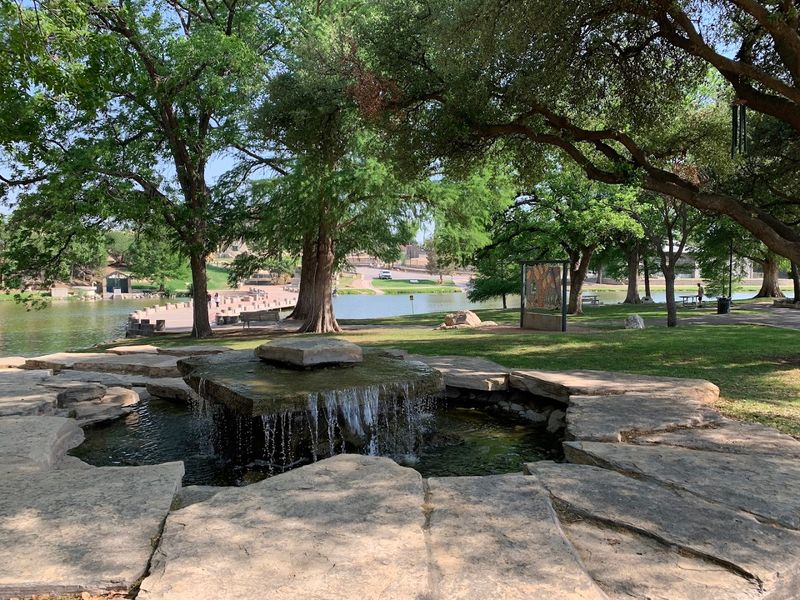
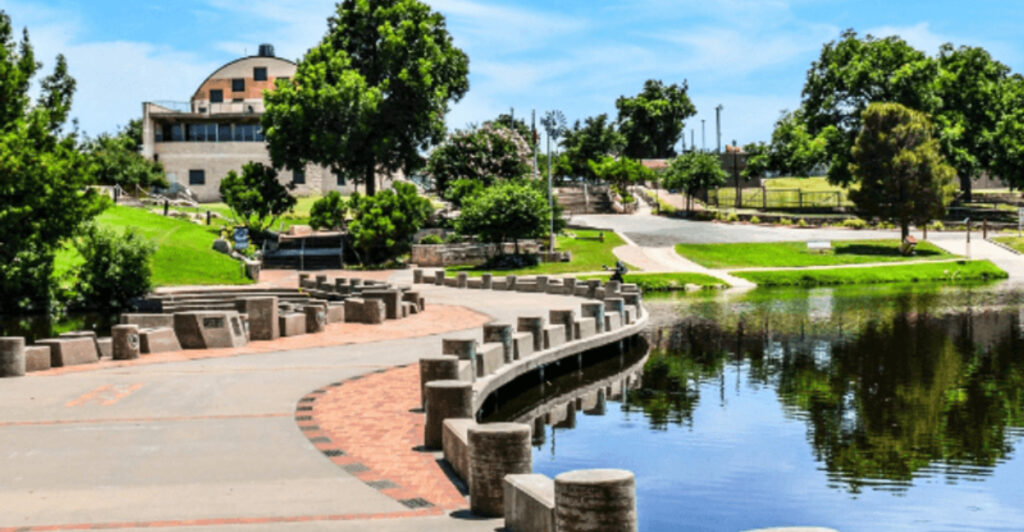
Three rivers converge in San Angelo, and the city transformed their banks into a stunning network of parks, trails, and public art installations. Unlike San Antonio’s famous River Walk with its commercial bustle, this version emphasizes natural beauty and recreational opportunities. Miles of paved paths wind along the Concho River, passing through meticulously landscaped gardens, under historic bridges, and past over 30 bronze sculptures created by local and international artists.
The International Water Lily Collection blooms in ponds along the route, displaying hundreds of lily varieties from around the world. Peak blooming happens from May through September when the ponds explode with colors ranging from pure white to deep purple. Benches positioned along the water invite you to sit and watch dragonflies skim the surface while turtles sun themselves on logs.
Public art adds unexpected moments of discovery around every bend. Life-sized bronze sculptures depict everything from children playing to cowboys working cattle, many positioned to interact with the landscape in playful ways. The Paintbrush Alley mural district connects to the River Walk, showcasing vibrant street art on building walls downtown.
Paddling opportunities include kayak and paddleboard rentals available at multiple access points. The calm water suits beginners perfectly, and the river rarely gets crowded even on weekends. Fishing from the banks is permitted in designated areas, with catfish and bass being common catches.
The River Walk connects to downtown San Angelo, where historic buildings house locally-owned shops, restaurants, and galleries. Miss Hattie’s Bordello Museum preserves a notorious 1902 brothel complete with original furnishings and scandalous stories. The museum offers a glimpse into Wild West history that school textbooks usually skip.
Evening walks become magical when lights illuminate the bridges and pathways. Concerts happen regularly at the Bill Aylor Sr. Memorial River Stage during warmer months. The combination of natural beauty, public art, and small-city friendliness makes San Angelo’s River Walk feel like a secret that deserves wider recognition.
7. Enchanted Rock State Natural Area (Fredericksburg)
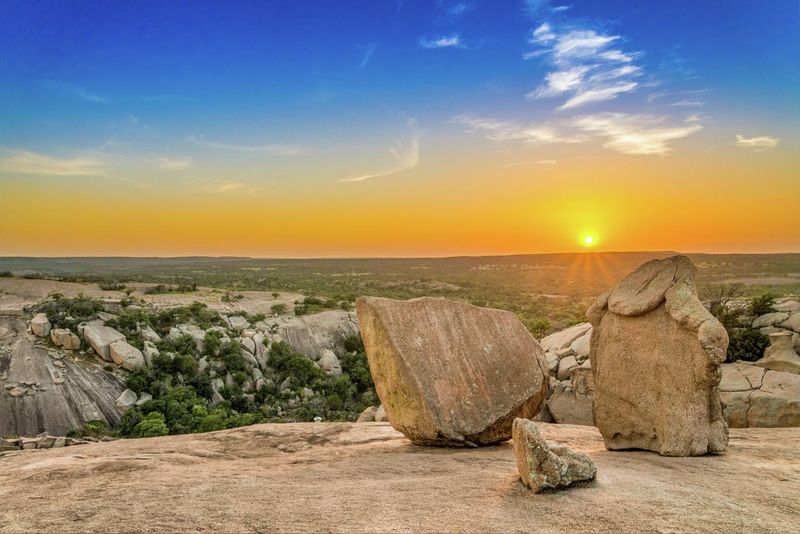
A massive pink granite dome rises 425 feet above the surrounding Hill Country like a natural monument to geological time. This billion-year-old batholith formed underground and slowly eroded into view, creating the second-largest granite formation in the United States. Native American tribes considered it sacred, reporting mysterious sounds and lights, which modern science attributes to the rock contracting and cracking as it cools at night.
Hiking to the summit takes about an hour via the Summit Trail, a steep but well-maintained path up the bare rock face. The exposed granite can get scorching hot in summer, so early morning starts are essential during warm months. Once you reach the top, 360-degree views stretch for miles across the Hill Country’s rolling terrain dotted with oak trees and ranch land.
Rock climbing routes of varying difficulty cover the dome and surrounding formations, making this a popular destination for climbers. Enchanted Rock attracts everyone from beginners practicing basic techniques to experienced climbers tackling advanced routes. The park requires registration for technical climbing, and certain areas close seasonally to protect nesting birds.
Loop Trail circles the base of Enchanted Rock, passing through different ecological zones in just over four miles. You’ll walk through oak woodlands, cross seasonal streams, and see smaller granite outcrops called Little Rock and Turkey Peak. Vernal pools form in depressions on the rock after rains, creating temporary habitats for fairy shrimp and other specialized creatures.
The park limits daily visitors to prevent overcrowding and protect the fragile environment, so arriving early is crucial on weekends. Once the parking lot fills, they close the gates until someone leaves. Primitive camping is available for those who want to experience sunset and sunrise from the rock, though reservations book up months in advance.
Fredericksburg sits just 18 miles south, offering German heritage, wine tasting rooms, and excellent restaurants. Combining a morning hike at Enchanted Rock with afternoon wine tasting makes for a perfect Hill Country day trip.
8. Port Aransas Beach (Port Aransas)
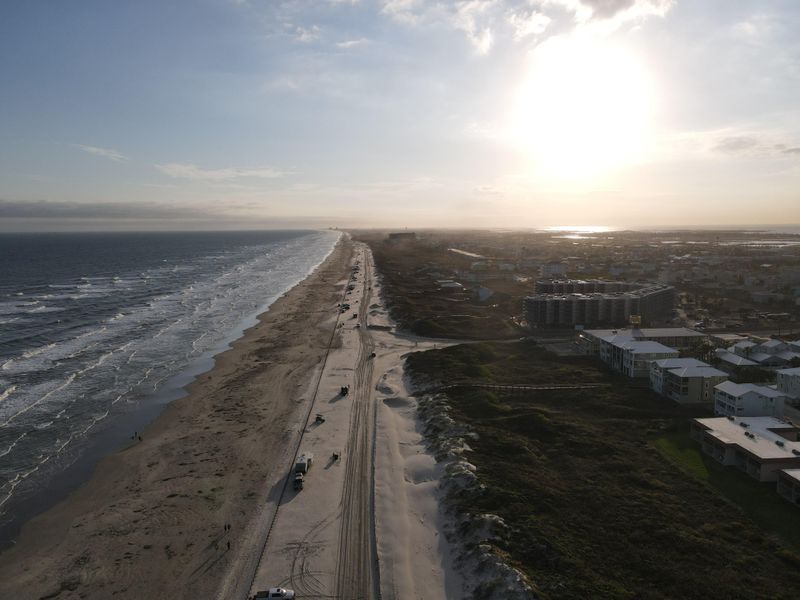
Barrier island beaches stretch for miles along the Gulf of Mexico, offering a more laid-back alternative to South Padre Island’s spring break scene. Port Aransas maintains a fishing village vibe despite growing tourism, with locals still referring to it simply as “Port A.” The beach itself features soft sand, gentle waves perfect for swimming, and year-round warm weather that makes winter beach days entirely possible.
Beach driving is allowed along certain stretches, letting you park right on the sand and unload your gear steps from the water. Four-wheel drive helps but isn’t always necessary if you stay on packed sand and watch the tides. This convenience appeals to families with small children and anglers hauling fishing equipment.
Surf fishing ranks as a primary activity, with redfish, speckled trout, and black drum running close to shore depending on the season. You’ll see anglers standing in the surf at dawn and dusk when fish feed most actively. No fishing license is required if you’re fishing from the beach, making it easy for visitors to try their luck.
The Port Aransas Jetty extends into the Gulf, providing excellent fishing from its rocks and a scenic walk with views of passing ships entering the channel. Dolphins frequently swim near the jetty, and brown pelicans dive for fish in the churning water where the jetty disrupts wave patterns. Sunrise from the jetty paints the sky in shades of pink and orange reflected in the water.
Downtown Port Aransas sits just minutes from the beach, with seafood restaurants serving fresh catches daily. Several places let you bring your own fish to be cooked, a nice option if you had luck fishing. The town’s relaxed atmosphere encourages flip-flops and beach attire in most establishments.
Birding opportunities abound, especially during spring and fall migrations when thousands of birds stop to rest. The nearby Port Aransas Nature Preserve offers boardwalk trails through coastal wetlands teeming with wading birds and alligators. Ferry rides to the island are free, adding a fun element to the journey.
9. The Daytripper World Headquarters (Georgetown)
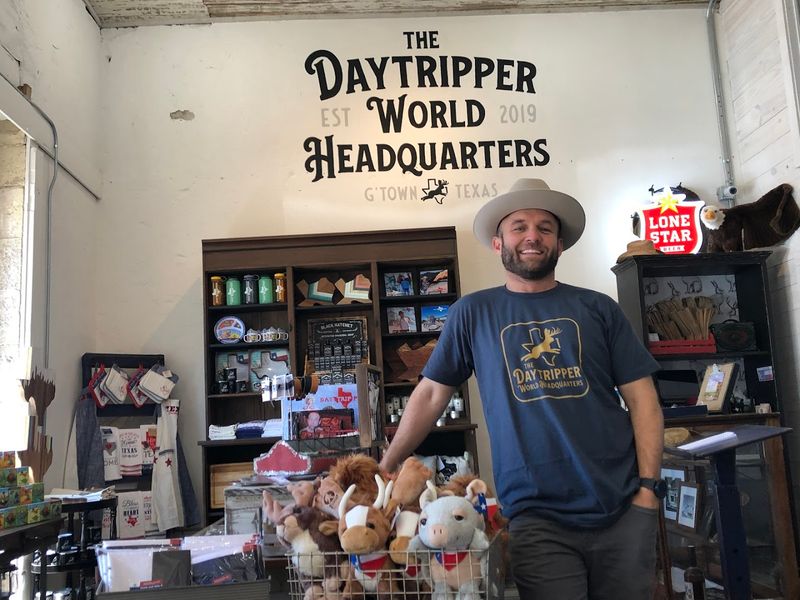
Chet Garner’s PBS travel show “The Daytripper” has explored Texas for over a decade, and his headquarters in Georgetown serves as a physical celebration of Lone Star State road trip culture. This isn’t a traditional museum but rather a curated collection of vintage signs, roadside Americana, and Texas memorabilia that captures the spirit of exploration. The space functions as part retail shop, part gallery, and part love letter to the highways and small towns that make Texas unique.
Vintage neon signs salvage from closed motels and restaurants line the walls, each one telling a story about Texas’s mid-century travel boom. Old gas station memorabilia, classic road maps, and retro postcards create a nostalgic atmosphere that appeals to anyone who appreciates authentic Americana. The collection keeps growing as Chet discovers new treasures during his travels across the state.
The retail section sells Texas-made products, from hot sauces and jerkies to t-shirts and books about Texas travel. Many items come from small businesses Chet featured on his show, giving visitors a chance to support local makers. His own line of merchandise includes maps highlighting his favorite destinations and travel guides packed with insider tips.
Meeting Chet himself happens more often than you’d expect, as he frequently works from the headquarters when not filming. He’s genuinely enthusiastic about sharing Texas travel recommendations and will happily chat about hidden gems worth visiting. His authentic passion for the state comes through in person just as it does on television.
Georgetown’s historic downtown square surrounds the headquarters with more reasons to visit. The courthouse anchors the square, surrounded by locally-owned shops, restaurants, and the stunning Palace Theatre. San Gabriel River flows through town, offering parks and swimming holes just minutes from the square.
The headquarters keeps limited hours, so checking their social media before visiting prevents disappointment. The small space fills quickly when tour groups arrive, so weekday mornings typically offer the best browsing experience. This quirky attraction perfectly captures what makes Texas road trips special.
10. Big Bend Ranch State Park (Presidio)
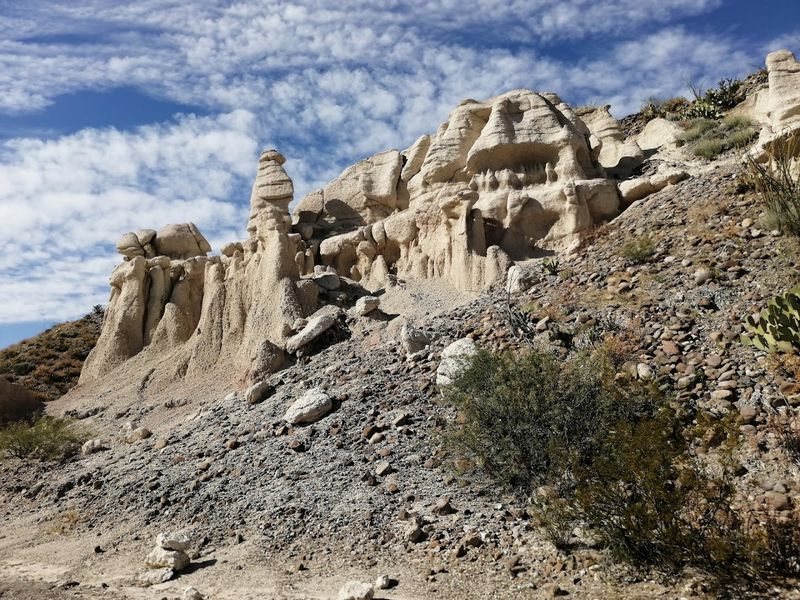
Texas’s largest state park sprawls across 311,000 acres of Chihuahuan Desert wilderness so remote that cell service doesn’t exist and civilization feels like another planet. This is Texas at its most raw and untamed, where mountains rise abruptly from desert floor and the Rio Grande carves through ancient volcanic rock. Big Bend Ranch sits adjacent to Big Bend National Park but sees a fraction of the visitors, offering solitude that’s increasingly rare.
The Solitario, a massive eroded volcanic dome, creates one of the park’s most striking geological features visible from overlooks and hiking trails. From above, it looks like a collapsed crater ringed by uplifted rock layers in shades of red, purple, and tan. Geologists study this formation to understand volcanic processes, while photographers chase the dramatic light that plays across its contours at sunrise and sunset.
River Road, a 51-mile dirt route following the Rio Grande, ranks among Texas’s most scenic drives for those with high-clearance vehicles. The road passes through colorful canyons, crosses dry washes, and provides access to hot springs where you can soak while watching the river flow past. This journey requires preparation with extra water, spare tires, and realistic assessment of your vehicle’s capabilities.
Primitive camping sites scatter throughout the park, most accessible only by hiking or four-wheel drive. Spending a night under Big Bend Ranch’s dark skies reveals the Milky Way in stunning clarity, with meteor showers and satellite passes providing natural entertainment. Coyotes often serenade campers after dark, their howls echoing off canyon walls.
Hiking trails range from short nature walks to multi-day backpacking routes through rugged terrain. Closed Canyon Trail leads through a narrow slot canyon where walls nearly touch overhead, creating dramatic shadows and photo opportunities. More ambitious hikers tackle the Rancherias Loop, a 19-mile challenge through varied landscapes.
The park requires self-sufficiency since services are minimal. Bring all necessary supplies from Presidio or Terlingua, the closest towns with gas and groceries. This remoteness is exactly the point for visitors seeking genuine wilderness experiences.
11. Longhorn Cavern State Park (Burnet)
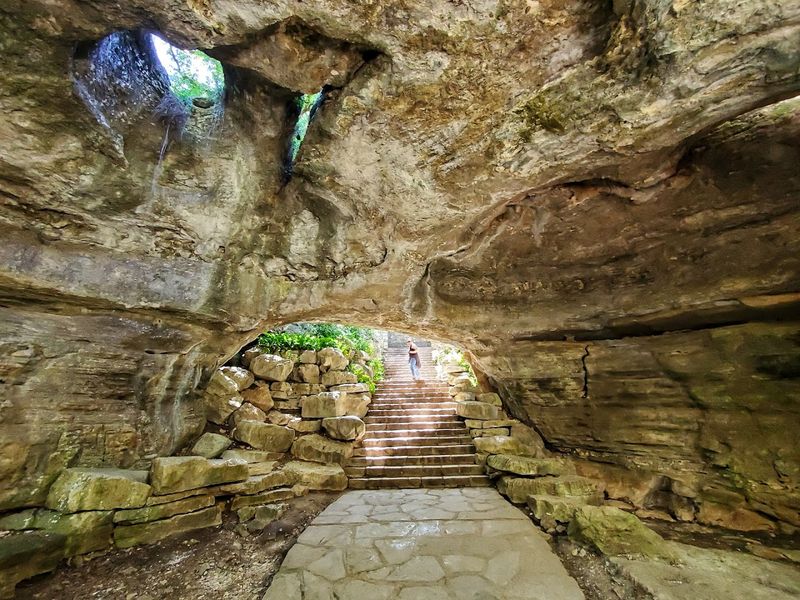
Water carved these limestone chambers over thousands of years, creating a subterranean world that stays a constant 68 degrees year-round. Unlike many commercial caves decorated with abundant formations, Longhorn Cavern’s passages show smooth water-worn walls and unique geological features formed by an ancient underground river. The cavern’s history includes use by Comanche tribes, Confederate soldiers who mined bat guano for gunpowder, and 1920s speakeasies during Prohibition.
Guided tours last about 90 minutes and cover 1.3 miles of walking through various chambers and passages. The route includes some stairs and uneven surfaces but remains accessible for most fitness levels. Guides share geological explanations alongside colorful stories about the cave’s human history, from Native American artifacts found inside to legends of hidden treasure.
The Queen’s Throne Room features the cavern’s most impressive natural formation, though it’s not a traditional stalactite or stalagmite. Instead, visitors see smooth flowstone and unique erosion patterns that create an almost alien landscape. The Indian Council Room, a large chamber near the entrance, reportedly hosted tribal gatherings based on artifacts discovered there.
Temperature regulation makes this an ideal summer escape when surface temperatures soar above 100 degrees. The cool cave air provides immediate relief, and the consistent temperature means you can tour comfortably any time of year. Bringing a light jacket is recommended since 68 degrees feels chilly after extended time underground.
The park above ground offers picnic areas, hiking trails, and Hill Country scenery worth exploring before or after your cave tour. Native wildflowers bloom in spring, painting the landscape in bluebonnets and Indian paintbrush. White-tailed deer frequently graze near the visitor center in early morning and evening hours.
Tours run on a schedule, so purchasing tickets in advance during peak seasons prevents disappointment. The cavern limits group sizes to protect the delicate underground environment and ensure everyone can hear the guide. Photography is allowed, though the dim lighting challenges phone cameras.
Nearby Inks Lake State Park and Buchanan Dam provide additional recreation opportunities if you’re spending the day in the area.
12. Jefferson Historic District (Jefferson)
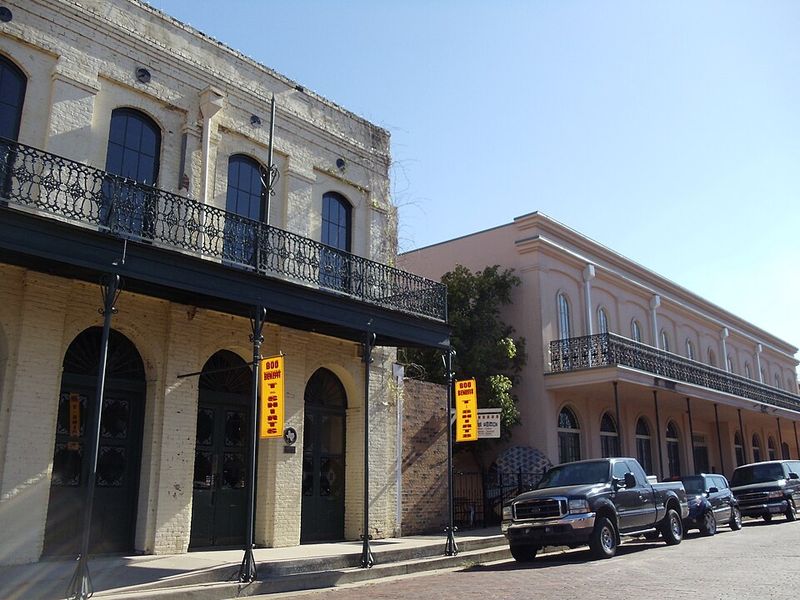
Steamboats once made this East Texas town a thriving river port, and when the riverboat era ended, Jefferson essentially froze in time. Over 60 structures on the National Register of Historic Places line streets shaded by ancient oak trees dripping with Spanish moss. Victorian mansions, antebellum homes, and 1800s commercial buildings create an architectural time capsule that feels like stepping into the Old South.
Ghost stories permeate Jefferson’s history, with several historic homes and hotels claiming resident spirits. The Grove, an 1861 mansion, ranks among Texas’s most haunted locations according to paranormal investigators. Whether you believe in ghosts or not, the atmospheric old buildings and creaky floors definitely set the mood for supernatural tales.
Ghost tours operate year-round, sharing documented history alongside spooky legends.
Antique shopping reaches serious levels here, with dozens of shops housed in historic buildings downtown. You’ll find everything from Victorian furniture and vintage jewelry to old books and collectible glassware. Dealers know their inventory and can share provenance stories about special pieces, making browsing an educational experience.
The Jefferson Railway offers vintage train rides through the Cypress Bayou on restored 1940s coaches. The narrated journey covers local history while passing through scenic wetlands where alligators and wading birds are common sights. The railway operates weekends and select weekdays, with special event rides during holidays.
Bed and breakfast inns occupy many historic homes, offering the chance to sleep in authentically restored 19th-century surroundings. Some feature period furnishings, claw-foot tubs, and wraparound porches perfect for sipping sweet tea. Innkeepers typically serve elaborate Southern breakfasts and share insider knowledge about the town’s history and best attractions.
Caddo Lake lies just minutes from Jefferson, making it easy to combine a historic town visit with outdoor recreation. The spring Jefferson Pilgrimage and Historical Tour showcases private homes normally closed to the public, offering rare glimpses inside spectacular interiors. Christmas transforms Jefferson into a Victorian wonderland with elaborate decorations and candlelight tours.
13. The Orange Show (Houston)

Postal worker Jeff McKissack spent 26 years building this monument to oranges in his Houston backyard, creating one of America’s most significant folk art environments. The result is a maze of walkways, stages, and viewing platforms decorated with mosaics, found objects, and whimsical sculptures all celebrating his belief in the health benefits of oranges. Gears, wagon wheels, mannequins, and thousands of tiles combine into a joyfully chaotic artistic vision.
Every surface tells a story or promotes Jeff’s orange-centric philosophy through hand-painted signs and carefully arranged objects. Staircases lead to observation decks overlooking the installation, while narrow passages force you to slow down and notice small details. The use of industrial salvage and everyday items elevates trash into treasure, demonstrating how creativity can transform the mundane into something magical.
The Orange Show opened to the public in 1979, but Jeff’s hoped-for crowds never materialized during his lifetime. After his death in 1980, a nonprofit formed to preserve his creation and promote other self-taught artists. Today it operates as both a preserved artwork and an active venue hosting concerts, festivals, and community events.
The organization also maintains the Beer Can House, another Houston folk art site where a retired upholsterer covered his entire house in flattened beer cans and created aluminum can curtains that chime in the breeze. Combination tickets let you visit both locations, showcasing different approaches to visionary art.
Photography is encouraged, and the colorful chaos provides endless interesting compositions. Kids especially enjoy exploring the different levels and discovering hidden details in the mosaics. The compact size means you can thoroughly experience everything in about an hour, though art enthusiasts often linger longer.
The Orange Show sits in a residential neighborhood with limited parking, so carpooling or ridesharing makes sense. Operating hours are limited, typically weekends and select weekdays, so checking their schedule before visiting prevents wasted trips. Summer heat can be intense since much of the installation lacks shade, making spring and fall more comfortable visiting seasons.
This quirky attraction perfectly represents Houston’s appreciation for eccentric creativity and preservation of unique cultural landmarks.