Tennessee offers incredible outdoor experiences that won’t drain your wallet. From rushing waterfalls and scenic trails to peaceful boardwalks and historic sites, the state is packed with adventures that cost almost nothing to enjoy.
Whether you’re exploring mountain overlooks or walking through cypress swamps, these budget-friendly outings prove that memorable days don’t require expensive tickets or fancy gear.
1. Hike To Waterfalls At Fall Creek Falls State Park — Spencer
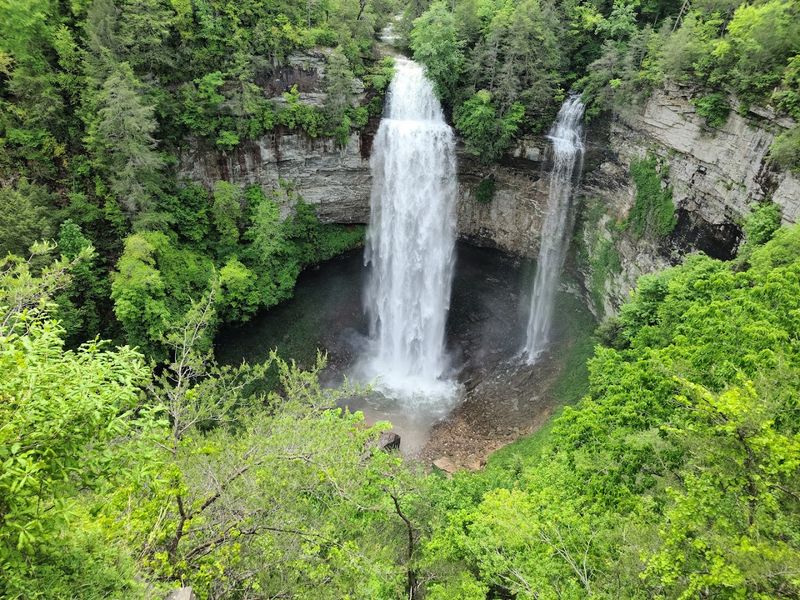
Fall Creek Falls earns its reputation as one of Tennessee’s most stunning natural areas, and the best part is that exploring it barely costs anything. The park features multiple waterfalls, including the namesake 256-foot cascade that ranks among the tallest waterfalls east of the Mississippi River. You can spend an entire day wandering trails that lead to overlooks, creek beds, and forested paths without paying a general admission fee.
The suspension bridge alone makes the trip worthwhile, swaying gently as you cross above the gorge with water rushing far below. Families love this spot because the trails range from easy boardwalk strolls to more challenging woodland hikes, so everyone finds something that matches their energy level. Pack a lunch and claim a picnic spot near one of the overlooks for views that rival any expensive tourist attraction.
Photography enthusiasts should bring a camera because every turn offers another postcard-worthy scene. The park’s waterfall collection includes Cane Creek Falls, Cane Creek Cascades, and Piney Falls, each with its own character and surrounding scenery. Spring brings wildflowers and higher water flow, while fall transforms the forest into a riot of orange and gold.
Parking is easy and abundant, with well-marked trailheads that help you navigate without getting lost. The park maintains clean facilities and clear signage, making it accessible even for first-time visitors. You might spot deer, wild turkeys, or songbirds along the trails, adding a wildlife-watching element to your adventure.
For under twenty dollars, you can cover gas, maybe grab a snack from a nearby convenience store, and still have change left over.
2. Walk The Suspension Bridge At Rock Island State Park — Rock Island
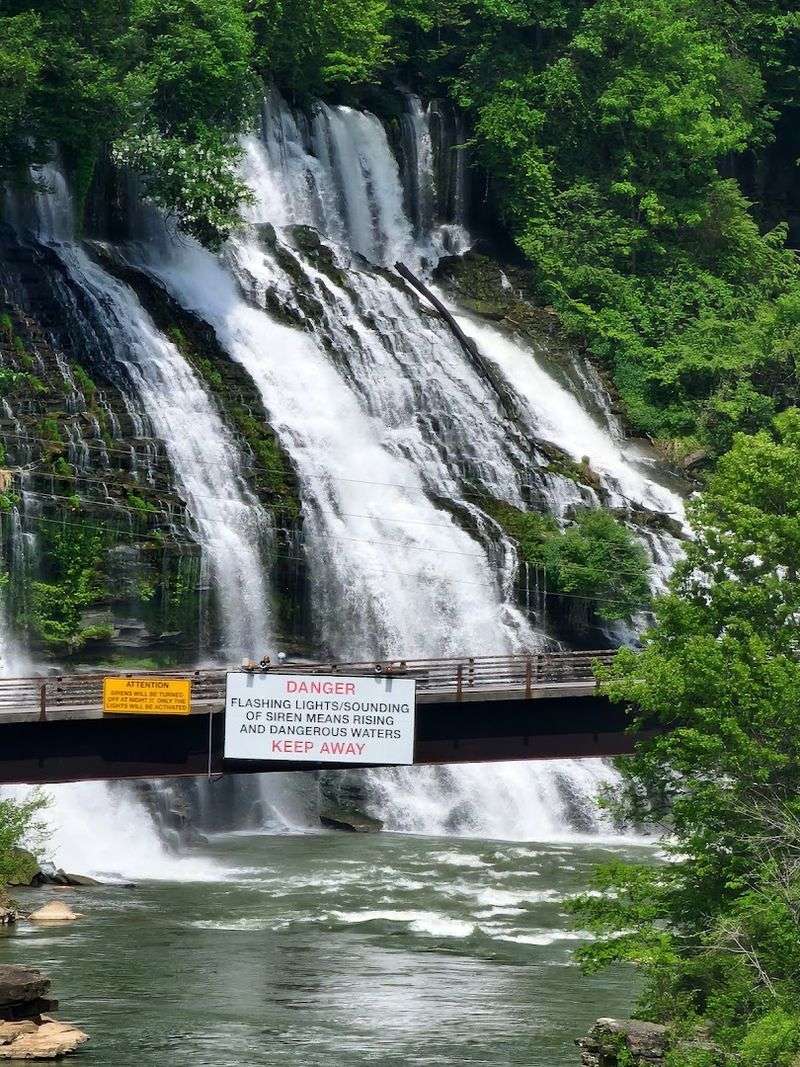
Rock Island State Park packs serious visual drama into a compact area that feels much bigger than it actually is. The Caney Fork River carves through rock formations here, creating gorges, rapids, and pools that draw your eye in every direction. The suspension bridge crossing is the star attraction, offering a thrilling walk above churning water with views that make your stomach flip just a little.
Old mill ruins add a historical layer to the natural scenery, reminding visitors that this spot once powered industry before becoming a recreational treasure. The stone foundations and remaining structures create interesting foreground elements for photos, especially when framed against the rushing water. Short trails connect the various viewpoints, so you can easily explore multiple perspectives without committing to a marathon hike.
Swimmers and waders enjoy the calmer pools during warm months, though the current demands respect and caution. The park’s layout makes it easy to spend a few hours or an entire afternoon, depending on your schedule and energy. Benches and shaded spots provide rest areas where you can simply sit and watch the water work its way through the rocks.
Parking is straightforward, and the main features cluster close enough together that even young kids or less mobile visitors can access the highlights. The sound of rushing water creates a constant backdrop that drowns out everyday worries and traffic noise. Birds and butterflies frequent the area, adding movement and color to the landscape.
Rock Island proves that you don’t need theme park thrills when nature provides its own excitement. The combination of geological features, historic remnants, and accessible trails creates an experience that feels special without feeling expensive. Bring a picnic, wear sturdy shoes, and prepare to take more photos than you planned because every angle offers something worth capturing.
3. Explore The Boardwalks At Reelfoot Lake State Park — Tiptonville
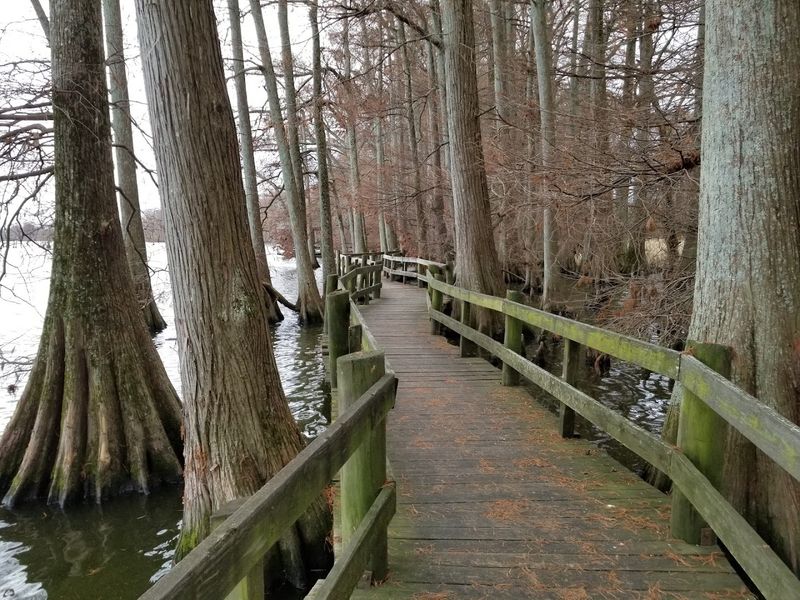
Reelfoot Lake feels like stepping into a completely different Tennessee, one where cypress knees rise from still water and bald eagles nest in towering trees. Created by earthquakes in the early 1800s, the lake maintains an otherworldly quality that sets it apart from the state’s mountain parks. Boardwalks wind through the cypress forest, letting you walk directly into the swamp environment without getting wet or muddy.
Eagle watching peaks during winter months when these magnificent birds gather in impressive numbers, making Reelfoot one of the best eagle-viewing spots in the region. Even outside peak season, the lake attracts herons, egrets, pelicans, and countless other water birds that keep binoculars busy. The flat terrain and well-maintained boardwalks make this an accessible adventure for visitors who might struggle with steep mountain trails.
Morning visits often reward early risers with mist rising off the water, creating an ethereal atmosphere that photographers dream about. The cypress trees, some draped with Spanish moss, create natural sculptures that change character with the shifting light. You can walk slowly, pausing to identify birds or simply absorb the quiet that settles over the water.
The visitor center provides context about the lake’s formation and ecology without requiring an admission fee. Rangers and staff offer helpful information about current wildlife activity and which boardwalk sections offer the best views that day. Fishing is popular here, and watching boats glide between cypress trunks adds to the unique scenery.
West Tennessee doesn’t always get the attention that the Smokies or Nashville receive, but Reelfoot Lake proves the western edge holds its own treasures. Pack water and sunscreen since shade can be limited on the boardwalks, and wear comfortable walking shoes even though the paths are smooth.
4. Bike Or Walk The Wolf River Greenway — Memphis
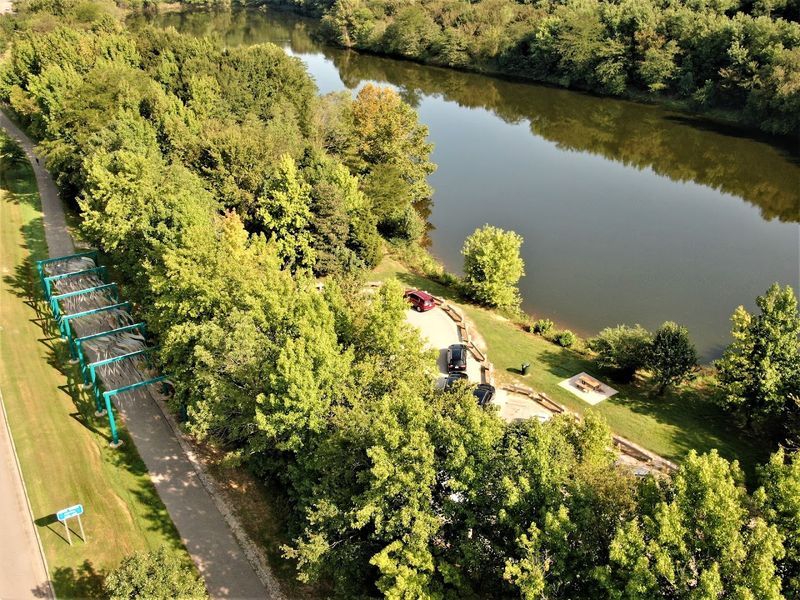
Memphis offers plenty of urban attractions, but the Wolf River Greenway provides an escape into nature without leaving the city limits. This paved trail system follows the Wolf River corridor, creating a green ribbon through neighborhoods and natural areas that feels surprisingly wild considering its location. Whether you pedal a bike or simply walk at your own pace, the greenway adapts to whatever kind of outdoor time you need.
The trail’s length means you can customize your adventure based on available time and energy. A quick thirty-minute walk works just as well as a two-hour bike ride, and multiple access points let you start wherever makes sense. Trees shade much of the path, providing relief during hot Memphis summers when pavement elsewhere becomes unbearable.
River views pop up regularly along the route, offering glimpses of water, wildlife, and the kind of scenery that makes you forget about traffic and concrete. Turtles sun themselves on logs, herons stalk the shallows, and occasionally deer appear in the wooded sections. The greenway connects to parks and neighborhoods, creating opportunities to extend your outing with a picnic or playground stop.
Local cyclists and walkers use the trail regularly, giving it a friendly community vibe without feeling crowded most days. The flat terrain suits all fitness levels, and the smooth pavement accommodates strollers, wheelchairs, and various types of bikes. Benches appear at intervals, perfect for rest breaks or simply sitting to watch the river flow past.
Parking is available at several trailheads, though some spots fill quickly on beautiful weekend mornings. Bringing your own bike saves money, but even without wheels, walking a section of the greenway provides quality outdoor time. The trail proves that Memphis offers more than barbecue and blues, though you can certainly enjoy both after working up an appetite on the greenway.
5. Spend The Day At Shelby Farms Park — Memphis
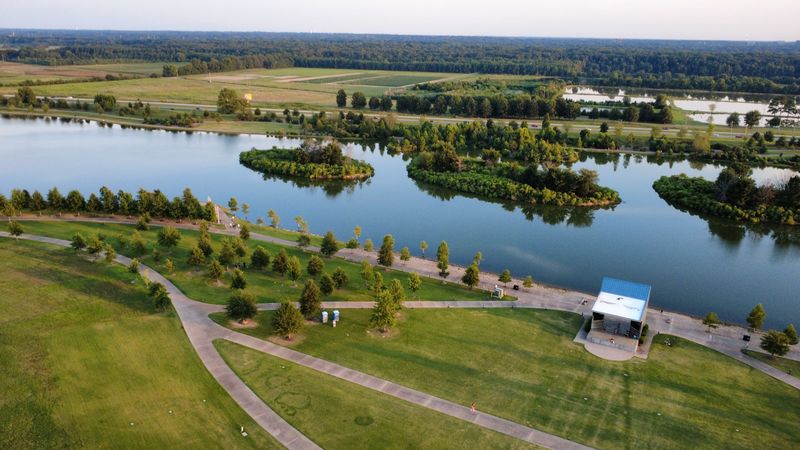
Shelby Farms Park sprawls across more than 4,500 acres, making it one of the largest urban parks in the entire country and giving Memphis a recreational treasure that rivals anything in much bigger cities. The sheer size means you can visit repeatedly and still discover new corners, trails, and viewpoints. Lakes, forests, meadows, and wetlands create diverse environments all within one park boundary.
Families appreciate the range of activities available without needing to spend money on admission or equipment rentals. The playground areas feature modern equipment, and the open fields invite frisbee games, kite flying, or simple running around. Trails accommodate walkers, runners, and cyclists, with enough mileage to satisfy serious exercise seekers or casual strollers.
Hyde Lake serves as a focal point, with a paved trail circling the water and offering consistent views. Paddle boats and kayaks are available for rent if you want to add that element, but simply walking the lake loop provides plenty of scenery and people-watching opportunities. Fishing is permitted, and anglers regularly test their luck from the banks.
The park hosts free events throughout the year, from outdoor movies to fitness classes, adding extra value to an already generous offering. Even without special programming, the space itself provides endless entertainment. Pack a picnic and claim a spot under a shade tree, or spread a blanket in an open meadow for full sun exposure.
Shelby Farms demonstrates how public spaces can serve entire communities without charging admission or creating barriers to access. The park’s popularity means you’ll see diverse groups of visitors, from serious athletes training for races to families introducing toddlers to outdoor play. Parking is plentiful and free, and clean restrooms appear at strategic locations throughout the park.
6. Tour Tennessee History For Free At The Tennessee State Museum — Nashville

Nashville’s Tennessee State Museum relocated to a modern facility that showcases state history from prehistoric times through the twentieth century, and admission remains completely free. The exhibits cover everything from Native American cultures and Civil War battles to music history and social movements. You can easily spend several hours exploring the galleries without feeling rushed or worrying about getting your money’s worth.
The Bicentennial Capitol Mall State Park sits right next to the museum, extending your historical exploration outdoors. The park features a 200-foot granite map of Tennessee embedded in the plaza, with rivers carved in relief and cities marked. Walking across your home state or tracing Tennessee’s borders becomes a tactile geography lesson that kids especially enjoy.
Memorials and monuments throughout the park honor different aspects of Tennessee history and culture. The Court of 3 Stars represents the state’s three grand divisions—East, Middle, and West Tennessee—with fountains and pathways connecting the sections. A World War II memorial, a pathway of history with engraved markers, and a carillon bell tower add layers of meaning to what could otherwise be just another urban park.
The combination of indoor museum galleries and outdoor historical park creates a full day of exploration without spending anything beyond maybe parking fees. The museum’s collection includes artifacts, interactive displays, and rotating exhibitions that keep the experience fresh even for repeat visitors. Air conditioning makes it a perfect hot-weather activity, while the outdoor elements work beautifully during cooler months.
Downtown Nashville can be expensive, but this corner offers culture, education, and genuine interest without the Broadway bar prices. Families, school groups, and history enthusiasts all find value here. The museum shop sells books and souvenirs if you want to take something home, but that’s optional rather than expected.
7. Walk The Trails At Radnor Lake State Park — Nashville
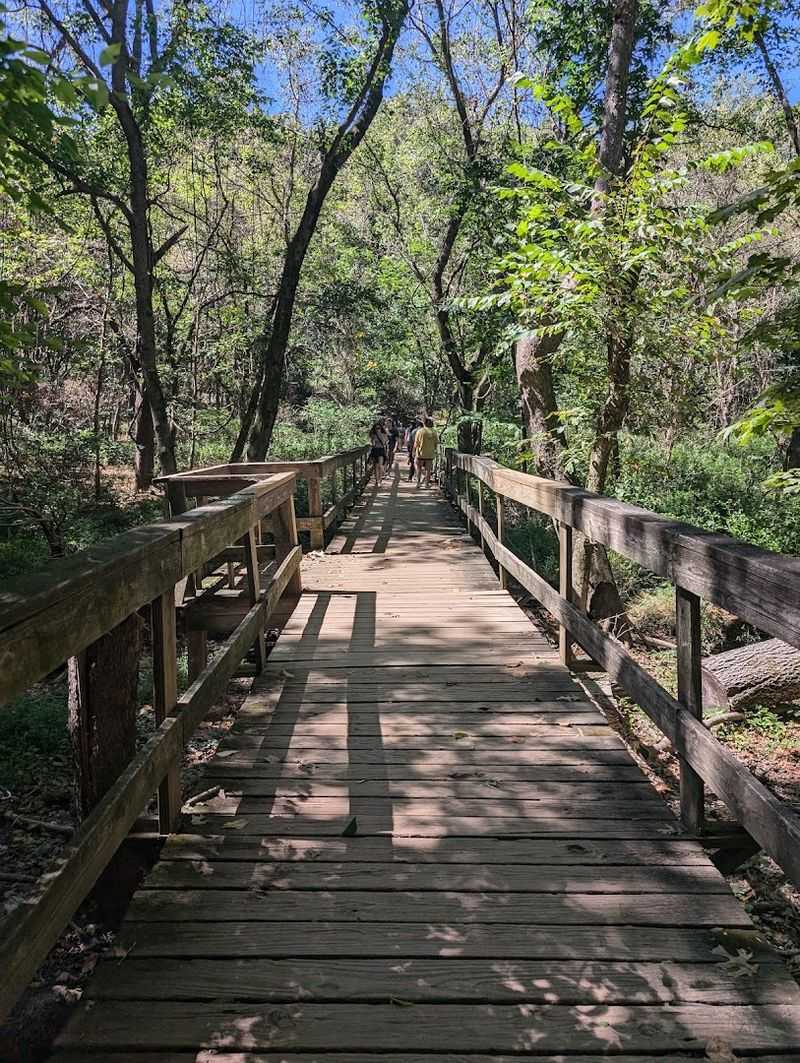
Radnor Lake sits within Nashville city limits but feels miles away from urban noise and congestion. The park prohibits bikes, boats, and dogs, creating a quiet refuge where wildlife thrives and visitors can actually hear birds singing over the rustle of leaves. The lake loop trail circles the water, offering constant views and relatively easy walking despite some gentle elevation changes.
Deer sightings are common enough that you’d be unlucky not to spot at least one during a visit. The animals have grown accustomed to human presence without becoming aggressive, often grazing near the trail or drinking from the lake while visitors watch from respectful distances. Herons, ducks, turtles, and occasionally otters add to the wildlife viewing opportunities.
The forest surrounding the lake changes dramatically with seasons, from spring wildflowers and fresh green leaves to fall colors that rival any mountain display. Summer brings thick canopy shade that keeps the trail cooler than open paths elsewhere. Winter reveals the lake’s contours more clearly and reduces crowds to a peaceful minimum.
Several trails branch off from the main lake loop, leading to overlooks and quieter sections for those wanting to extend their walk. The Ganier Ridge Trail climbs to higher elevation, rewarding the effort with views across the treetops. Even the main loop provides enough distance for a solid workout without requiring advanced hiking skills.
Radnor Lake proves that Nashville offers more than honky-tonks and hot chicken, though both have their place. Parking fills quickly on beautiful weekend mornings, so arriving early or visiting on weekdays improves your chances of finding a spot.
This is free outdoor therapy in one of the South’s fastest-growing cities. No admission fee, no ticket booth, just a parking lot and trailhead leading into protected forest.
8. Explore The Stones River National Battlefield — Murfreesboro
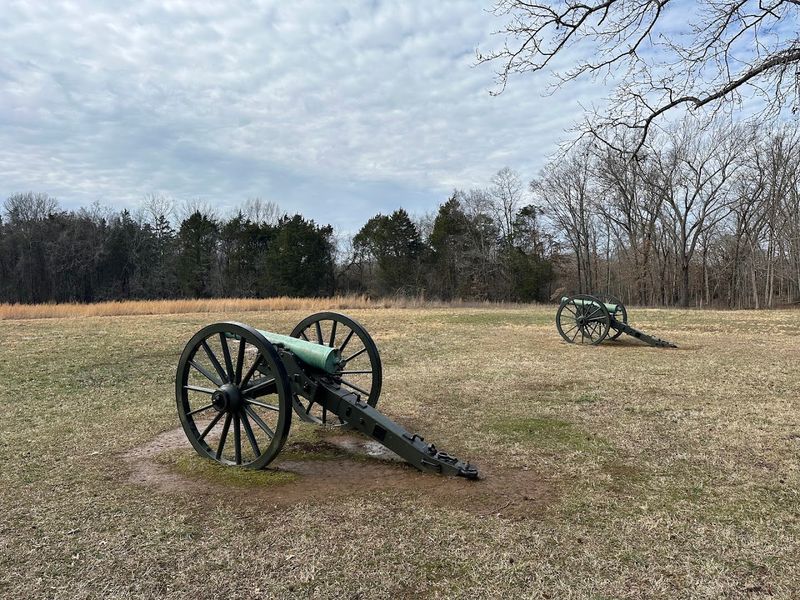
The Stones River National Battlefield preserves the site of a pivotal Civil War battle fought during the winter of 1862-1863. Walking these grounds connects visitors to a critical moment in American history when the outcome remained uncertain and the cost proved devastating. The park maintains the landscape much as it appeared during the battle, allowing your imagination to fill in the rest.
Trails wind through the battlefield, connecting monuments, markers, and significant locations where specific events unfolded. The Stones River itself flows through the park, and the historic Slaughter Pen area bears a name that hints at the violence that occurred there.
Reading the interpretive signs while standing on the actual ground where soldiers fought adds weight and reality to history that textbooks can’t quite capture.
9. Chase Views Along The Natchez Trace Parkway
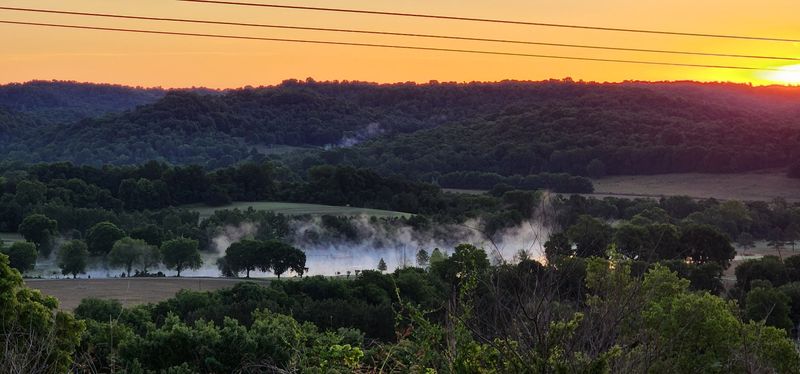
The Natchez Trace Parkway stretches 444 miles from Nashville to Natchez, Mississippi, and the Tennessee sections deliver some of the route’s most beautiful scenery. This isn’t a highway designed for speed—it’s a scenic parkway meant for leisurely driving, with frequent pull-offs inviting you to stop and explore. The drive itself becomes the main attraction, with hiking trails, overlooks, and historic sites adding layers to the experience.
Overlooks appear regularly along the route, each offering different perspectives on Tennessee’s rolling landscape. Some provide long views across valleys and ridgelines, while others focus on closer details like creeks, rock formations, or forest scenes. Short trails lead from many pull-offs, ranging from five-minute strolls to longer walks that stretch your legs after time in the car.
Historic sites along the Trace include old inns, burial mounds, Civil War locations, and markers explaining the route’s importance as a trade path used by Native Americans and early settlers. Meriwether Lewis’s gravesite and monument sit along the Tennessee section, commemorating the explorer’s mysterious death. Each stop adds context and story to what could otherwise be just another pretty drive.
Fall brings spectacular color as hardwood forests transform into yellow, orange, and red displays. Spring wildflowers carpet the forest floor, and summer’s green canopy provides shade and lushness. Even winter has its appeal, with bare trees revealing landscape contours and reducing crowds to nearly nothing.
The Natchez Trace doesn’t charge tolls or admission fees, making it one of America’s best free scenic drives. You can drive a short section or make a full day of exploring multiple stops. Pack snacks and drinks since services are limited along the parkway itself.
Bicyclists love the route for its smooth pavement and light traffic, though the lack of shoulders requires caution. This is slow travel at its finest, proving that the journey itself can be the destination when the road is beautiful enough and you’re not in a hurry to reach the end.
10. Hike To Foster Falls At South Cumberland State Park — Sequatchie
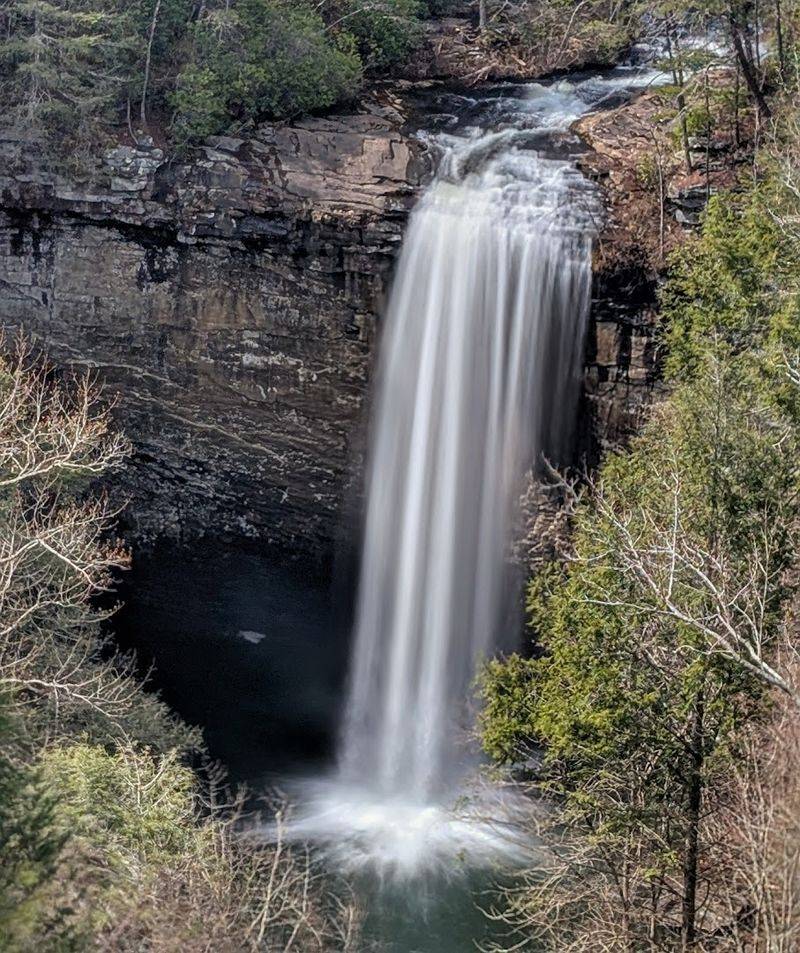
Foster Falls drops 60 feet into a rocky gorge, creating one of South Cumberland State Park’s most dramatic features. The hike to reach the falls isn’t long, but the rocky terrain and steep sections add enough challenge to make the destination feel earned. Once you arrive, the combination of falling water, rock walls, and surrounding forest creates a natural amphitheater that invites lingering.
During warm months, the pool at the base of the falls attracts swimmers willing to brave the cold water. The swimming hole has a rugged, natural feel rather than a manicured beach atmosphere, which suits the adventurous spirit of visitors drawn to this spot. Rock surfaces around the pool provide places to sit, sun, and watch the water cascade down the cliff face.
The trail continues beyond the falls for those wanting to extend their hike. Loop options and connecting paths lead to additional viewpoints and forest scenery. The gorge rim trail offers a different perspective, looking down into the canyon rather than up at the waterfall.
South Cumberland State Park encompasses multiple sections and natural features, but Foster Falls consistently ranks as a visitor favorite. The falls maintain decent flow even during drier months, though spring runoff creates the most impressive displays. The surrounding plateau terrain gives the area a distinct character compared to other Tennessee parks.
Parking is available near the trailhead, though spaces fill quickly on beautiful weekends. The short hike means even families with younger children can reach the falls, though supervision is important around the rocky, wet areas. The natural beauty and swimming opportunity combine to create an experience that feels like a full adventure despite costing nothing but gas money.
Foster Falls proves that South Cumberland State Park deserves more attention than it typically receives. The falls themselves would be the highlight in many parks, yet here they’re just one feature among many.
11. Walk The River Trails At Big South Fork — Oneida
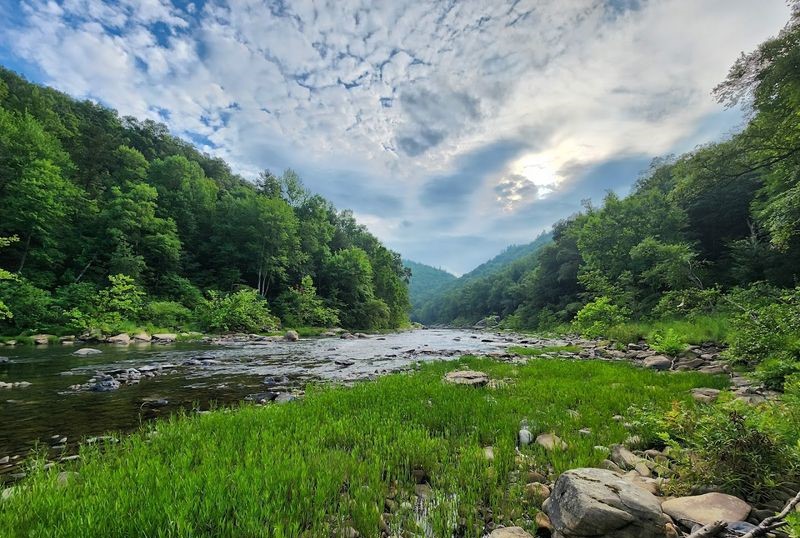
Big South Fork National River and Recreation Area sprawls across the Tennessee-Kentucky border, protecting rugged gorges, sandstone bluffs, natural arches, and miles of river corridor. The scale is impressive—this is wilderness that feels genuinely wild rather than tamed for easy tourist consumption. Trails range from easy riverside walks to challenging climbs that reward effort with stunning overlook views.
The river itself carves through ancient rock layers, creating dramatic scenery around every bend. Sandstone cliffs tower above the water, their faces marked by weathering patterns and occasional seeps. Natural bridges and rock shelters dot the landscape, remnants of geological processes that played out over millions of years.
The Big South Fork River maintains a powerful presence even during lower water levels.
Yahoo Falls, Twin Arches, and the East Rim Overlook rank among the most popular destinations, but countless lesser-known spots reward exploration. The trail system connects various features, allowing you to design loops or out-and-back hikes based on your interests and abilities. Mountain bikers and horseback riders share some trails, adding variety to the user experience.
The remote feeling is part of Big South Fork’s appeal. This isn’t a park where you’ll fight crowds for parking or wait in line for views. The size and ruggedness naturally limit visitor numbers, creating a sense of discovery even on popular trails.
Cell service is spotty at best, forcing a digital detox whether you planned one or not.
Spring wildflowers, fall colors, and winter ice formations each bring seasonal beauty to the gorges. Summer’s heat can be intense, but shaded trails and river access provide relief. Wildlife sightings might include deer, wild turkeys, or black bears, though the latter remain relatively rare despite their presence in the area.
Big South Fork requires more effort than some parks on this list, but it delivers proportional rewards. This is adventure for people who want something wilder than a city park but don’t need technical climbing skills or expensive gear.
12. Visit Red Clay State Historic Park — Cleveland
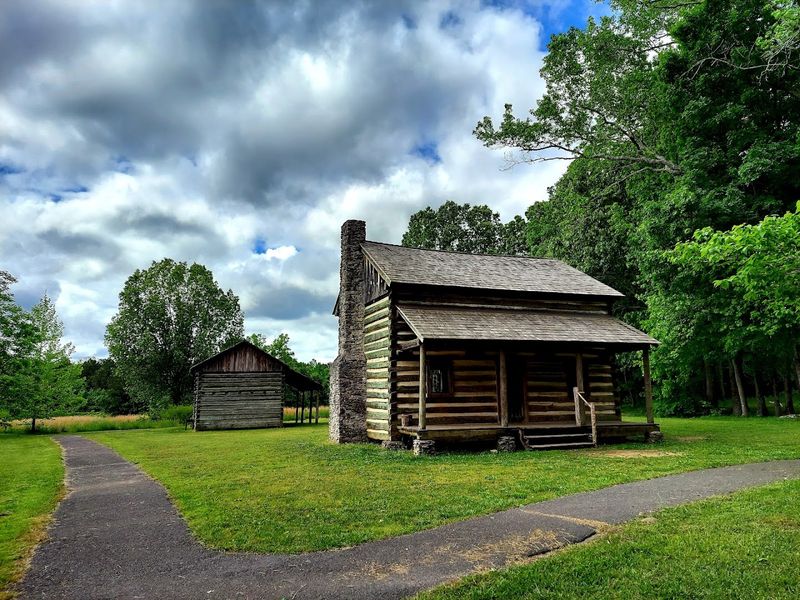
Red Clay State Historic Park holds deep significance as the last seat of Cherokee national government before the forced removal known as the Trail of Tears. Walking these grounds connects visitors to a painful but important chapter of American history. The park preserves the council spring, meeting grounds, and landscape where Cherokee leaders gathered to discuss their nation’s fate during the 1830s.
The Blue Hole spring flows with remarkable clarity, creating a pool that remains a striking blue-green color year-round. This spring served as a water source during Cherokee councils and continues to impress visitors with its beauty and constant flow. Interpretive signs explain the spring’s significance and the broader historical context of the site.
Walking paths wind through the park, connecting the various historical features and natural areas. The trails are easy and accessible, suitable for all ages and abilities. The peaceful forest setting provides space for reflection on the events that unfolded here and the people whose lives were forever changed by government policies.
The park hosts an annual Cherokee Days of Recognition event that brings together Cherokee people and others interested in preserving and sharing this history. Even outside special events, the park offers educational programs and interpretive materials that help visitors understand the Cherokee perspective and the tragedy of removal.
Red Clay’s location in Southeast Tennessee near the Georgia border places it within the historical Cherokee homeland. The landscape itself hasn’t changed dramatically since the 1830s, allowing visitors to see something similar to what Cherokee council members would have experienced.
Visiting Red Clay costs nothing, but the experience offers value beyond what admission fees could measure. This is history that every American should understand, presented in a setting that encourages contemplation and learning. The park demonstrates how public spaces can serve educational and memorial purposes while remaining accessible to everyone regardless of economic means.
13. Explore Cades Cove In Great Smoky Mountains National Park — Townsend
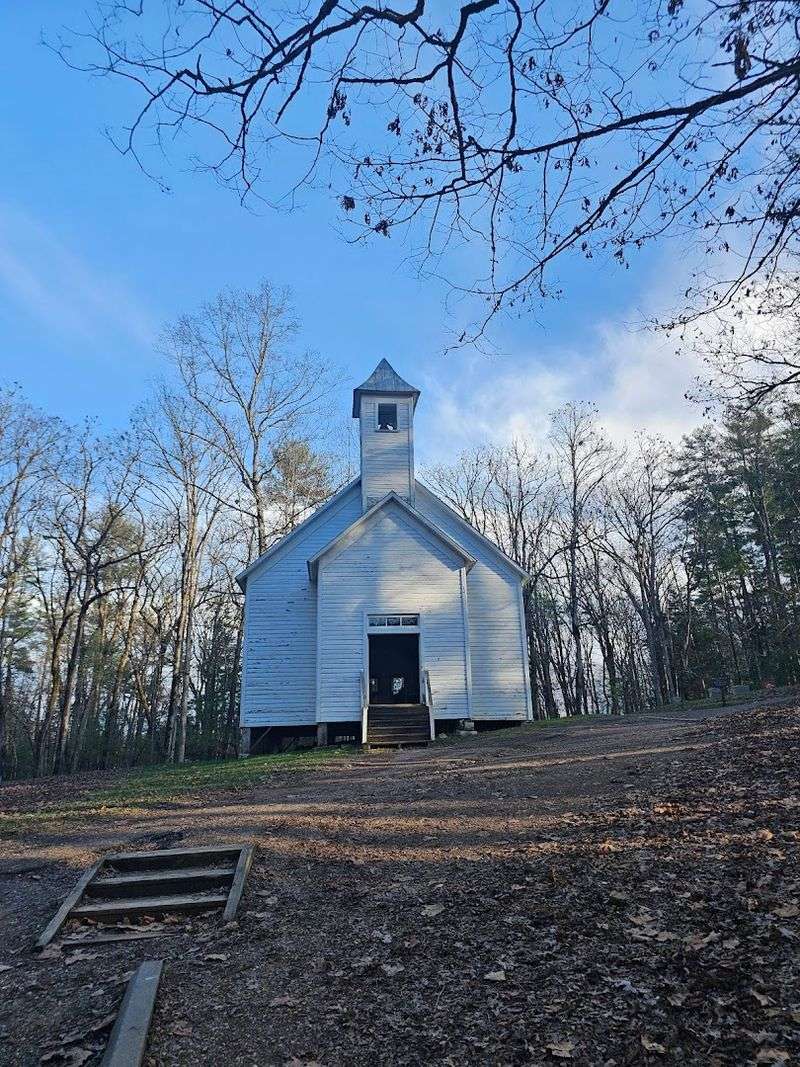
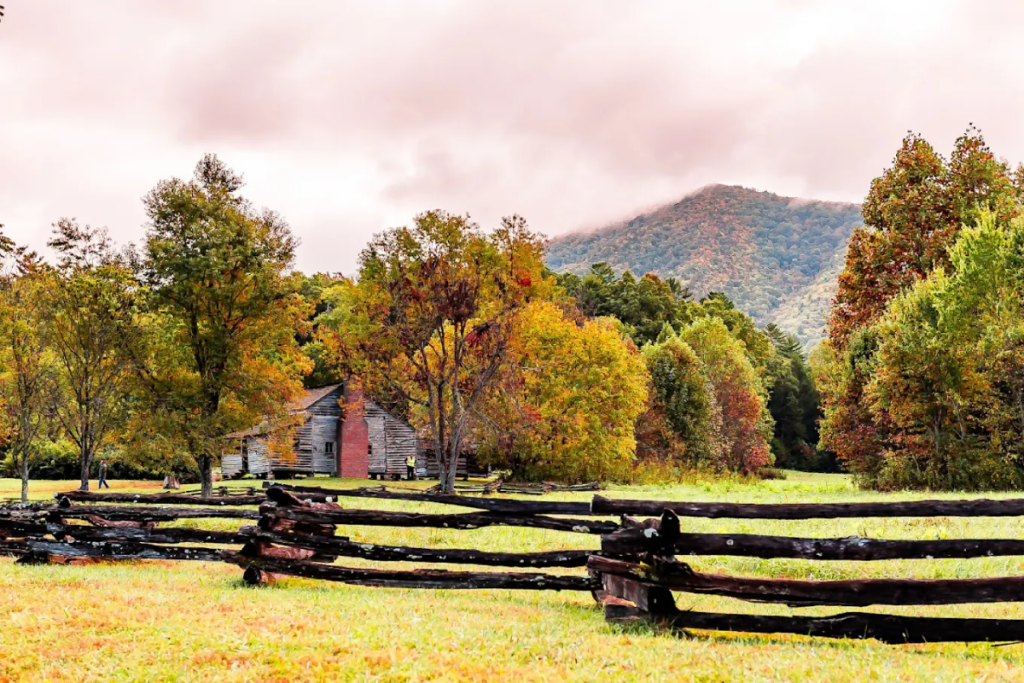
Cades Cove ranks among the most visited areas in Great Smoky Mountains National Park, and for good reason—the eleven-mile loop road winds through a mountain-ringed valley filled with historic buildings, wildlife, and stunning scenery. The valley’s open fields contrast beautifully with the surrounding forested mountains, creating views that change with every season and weather condition. Early morning visits often reward patient visitors with fog-draped meadows and abundant wildlife activity.
Historic cabins, churches, and other structures preserve the valley’s settlement history from the 1800s. You can park and walk through these buildings, imagining the lives of people who farmed this remote valley generations ago. The preserved structures include log homes, barns, a working grist mill, and several churches that still host occasional services.
Each building tells part of the story of mountain life before the park’s creation.
Wildlife viewing is exceptional in Cades Cove, with white-tailed deer, wild turkeys, and black bears appearing regularly. The open fields make spotting animals easier than in dense forest, and the loop road’s slow pace allows time to scan the landscape. Morning and evening hours typically provide the best wildlife activity, though any time can produce sightings.
The loop road operates as one-way traffic, preventing U-turns but ensuring steady flow even when cars stop to view animals or historic sites. Parking areas at major points of interest allow you to leave your vehicle and explore on foot. Several trails branch off from the loop, ranging from short nature walks to longer backcountry hikes for those wanting to escape the crowds.
Great Smoky Mountains National Park charges no entrance fee, making Cades Cove accessible to anyone with transportation to reach it. Parking tags may be required in some areas, but these cost only a few dollars for a day pass. The loop can take anywhere from one hour to half a day depending on how often you stop and how thoroughly you explore.
Cades Cove delivers that classic Smoky Mountains experience—mountain views, pioneer history, and wildlife—all in one scenic drive that costs practically nothing to enjoy.