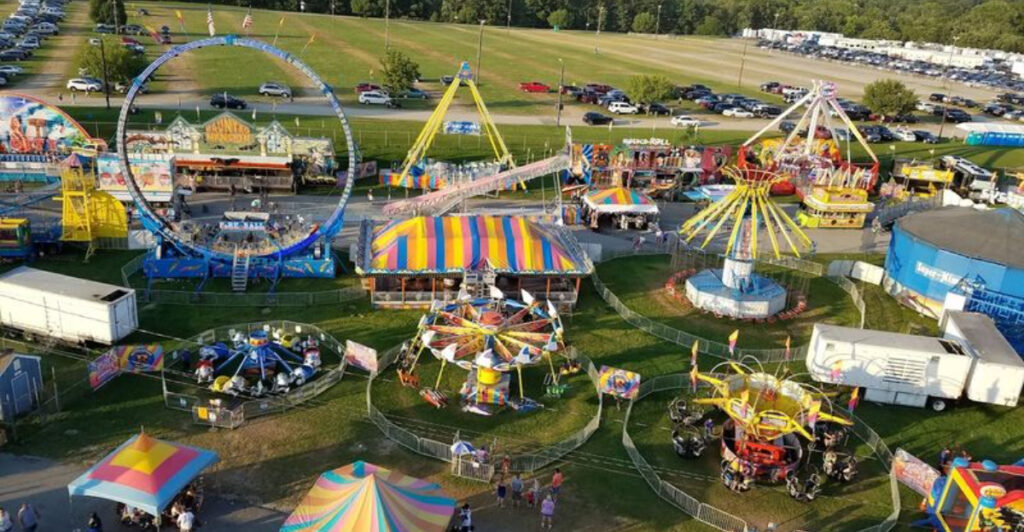
The smell hits first. Not one smell, either — the whole August fairground mix of sizzling sausage, warm funnel cake, hay, dust, lemonade, and whatever is spinning on a grill two rows over.
Then come the sounds: carnival rides clicking overhead, kids begging for one more game, horses being called into the ring, and somebody somewhere announcing a pig race like it is the Kentucky Derby. That is the beauty of the New Jersey State Fair in Augusta.
It is big enough to swallow an entire day without trying very hard, but it still has the bones of an old Sussex County farm tradition. The official name is the New Jersey State Fair and Sussex County Farm and Horse Show, and that long title actually matters.
This is not just a midway with a few animals tucked off to the side. It is rides, ribbons, livestock barns, grandstand noise, local vendors, handmade quilts, ice cream cones, and summer in North Jersey turned all the way up.
A Sussex County summer tradition that still feels larger than life
Long before the Ferris wheel lights became part of the August skyline in Augusta, this fair began with horses. The Sussex County Horse Show traces its roots back to the 1920s, and by 1940 it had grown into the Sussex County Farm and Horse Show, a nonprofit agricultural fair built around the region’s deep farming and equestrian culture.
The New Jersey State Fair name came later, in 1999, but the event never traded away its country backbone for a slicker identity. That is why locals still tend to talk about it with the kind of ownership usually reserved for diners, high school football games, and secret swimming holes.
The scale is the first surprise. This is not a quick “walk the midway, grab a snack, head home” fair unless you are seriously disciplined, and honestly, good luck with that.
The fairgrounds sit at 37 Plains Road in Augusta, where the event spreads across permanent buildings, barns, show rings, vendor roads, entertainment areas, and a carnival zone that feels especially magnetic once the sun starts sliding down.
For 2026, the fair runs from July 31 through August 8, with weekend hours from 10 a.m. to 10 p.m. and weekday hours from noon to 10 p.m. after opening night.
Parking is listed as free, which is one of those practical details families notice immediately when they are already budgeting for ride tickets, lemonade, and the inevitable fried dessert. What keeps it feeling so big, though, is not just acreage or attendance.
It is the way the fair stacks different versions of summer on top of each other. One family is there for the demolition derby.
Another is parked near the barns because their kid has been caring for an animal all week. Someone else is comparing photography entries in the Richards Building before heading out for kettle corn.
The whole place works because it does not ask visitors to choose one lane. It lets New Jersey be rural, rowdy, sweet, muddy, competitive, old-fashioned, and snack-happy all at once.
The fairgrounds in Augusta turn into a small city of rides food and farm fun
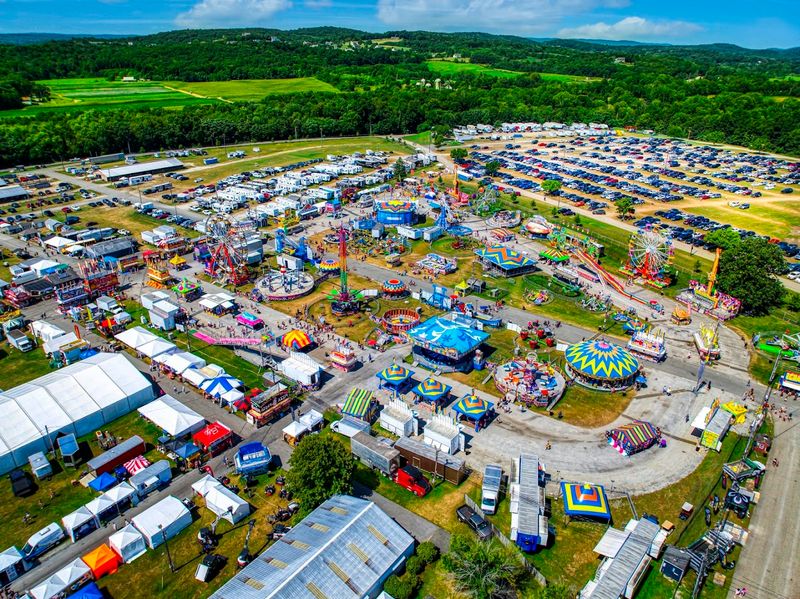
By mid-fair, the grounds feel less like an event site and more like a temporary town that happens to run on lemonade, ride tickets, and animal judging schedules.
There are named roads, familiar landmarks, food corridors, barn areas, exhibit buildings, and enough “meet me by the” directions to make first-timers understand why regulars develop their own routes.
Start with the basics: this is a rain-or-shine fair with indoor and covered attractions, baby-changing stations, restrooms, first aid, lost and found, wheelchair and scooter rentals, and a smoke-free, pet-free setup.
Those details may not sound as exciting as monster trucks, but they are part of why families can actually last here for hours instead of bailing after one sweaty lap.
The fair also posts special pricing days, including a $5 opening day admission in 2026, reduced kids’ admission on Children’s Day, free gate admission with valid ID on Military and Police/Fire/EMS Day, and a Senior Day discount for ages 60 and older. Once inside, the fair starts tugging in every direction.
The carnival has the obvious pull, especially for kids who can spot spinning rides from a county away. But wander a little and the whole place opens up.
The Agriculture Area includes livestock shows, barns of animals, the Snook Agricultural Museum, a flower and vegetable show, a milking parlor, a rare heritage breeds educational center, a BBQ pavilion, and even the North Jersey Antique Engine Shed.
That is a lot of ground to cover before anybody has even argued over whether dinner should be barbecue, pizza, poutine, lobster, or a funnel cake pretending to be a meal.
The best way to experience it is to give up on efficiency. Let the fair interrupt you. Stop for the robot wandering the grounds. Watch a few minutes of a show you did not plan to see.
Follow the smell of fries. Duck into an exhibit building for air-conditioning and come out suddenly invested in honey, quilts, or student photography. The fair rewards wandering, which is exactly what a good summer fair should do.
Horse shows and livestock competitions keep the fair’s roots alive
Here is where the fair earns the second half of its name. The Sussex County Farm and Horse Show is not decorative branding; it is the reason the whole thing exists.
The horse show side still has its own serious rhythm, with fair-week events folded into a broader Sussex County Horse Show calendar that runs through the year and supports facility maintenance and scholarships for area students.
During the fair, the schedule includes western events, hunter and jumper competition, 4-H horse show elements, parade-style highlights, special classes, and closing ceremonies that make the rings feel like their own world inside the fairgrounds.
You do not have to know a leadline class from a hunter derby to enjoy watching. That is part of the charm.
A casual visitor can stand near the ring for ten minutes and pick up the seriousness right away: polished boots, clipped horses, practiced hands, riders trying to look calm while their families hover with water bottles and quiet advice. It is graceful from the bleachers, but close up it is work.
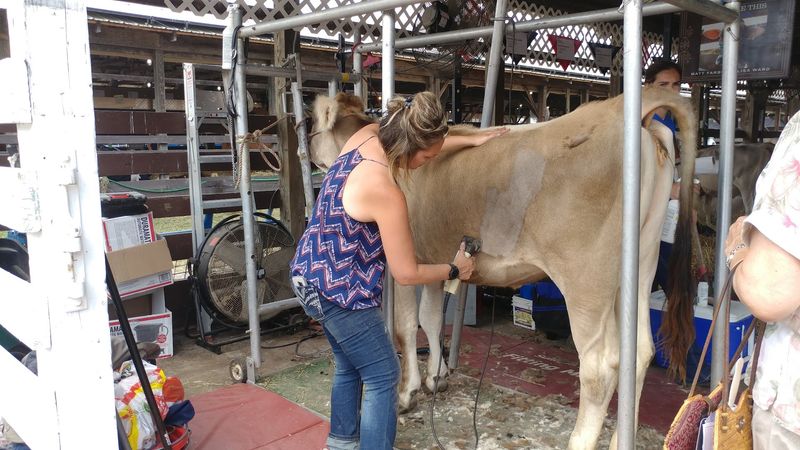
Horses have to be trailered in, groomed, warmed up, cooled down, fed, watered, and handled through the kind of August days that make everyone move a little slower. The livestock side has the same sense of purpose.
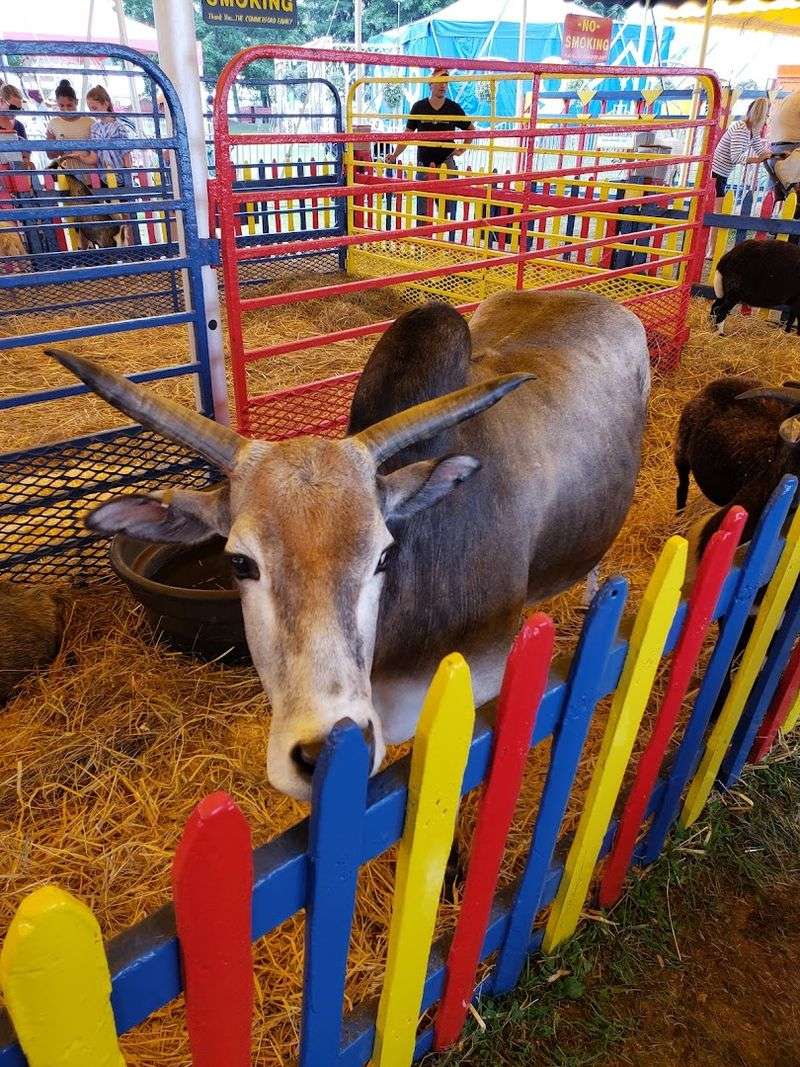
The barns are not just an animal meet-and-greet, although kids absolutely treat them like one. They are where showmanship matters, where young handlers learn how to present an animal properly, and where fairgoers can see cattle, goats, sheep, poultry, rabbits, swine, and other farm animals as part of a living agricultural tradition.
Livestock classes include both breeding classes, which judge the animals, and showmanship classes, which judge the exhibitor’s ability to present the animal well. That detail says a lot.
This is not a place where agriculture is reduced to a photo op. It is kids in 4-H shirts answering questions, parents carrying supplies, volunteers keeping schedules moving, and animals settling into straw like they have done this before.
The rides may be louder, but the barns are the heart.
Carnival lights, concerts, and grandstand events bring the big summer energy
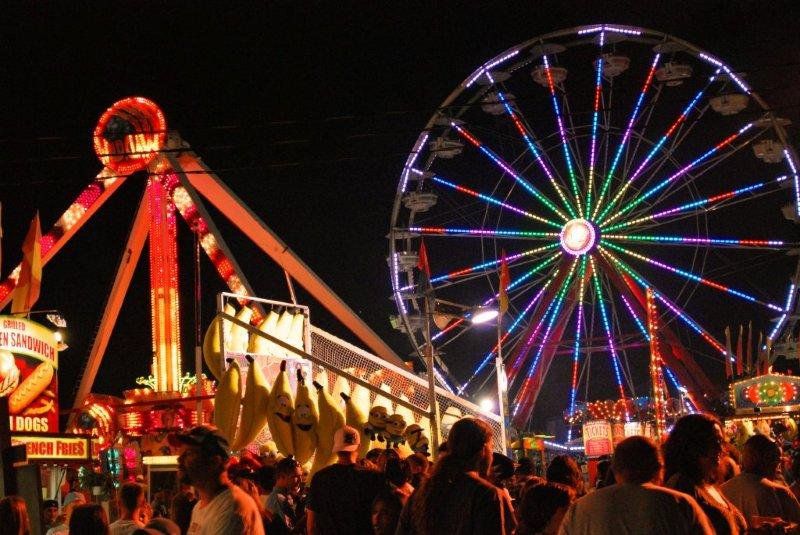
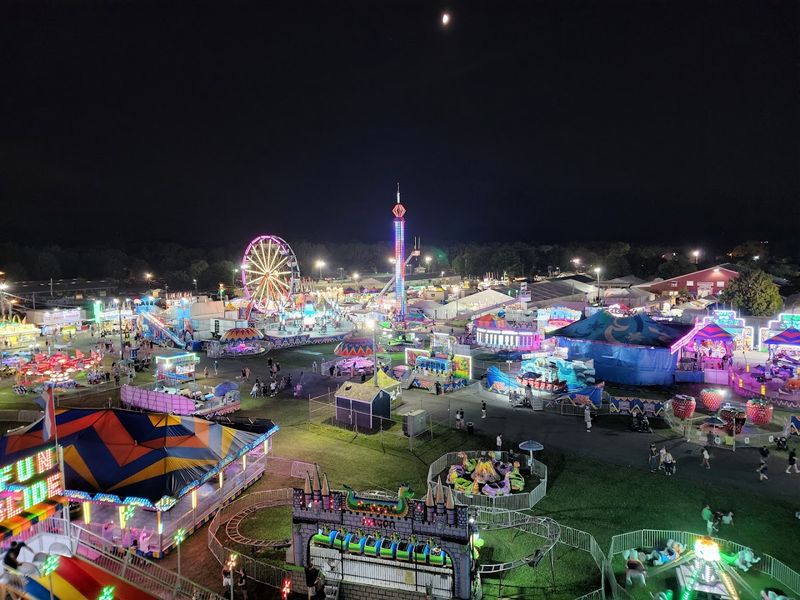
Wait until evening and the fair changes its outfit. During the day, Augusta feels all barns, exhibits, strollers, and sun hats.
After dinner, the carnival lights start glowing, the grandstand fills, and the whole place gets that electric August mood where nobody wants to be the first one to head home. The carnival is provided by Reithoffer Shows, and the setup is built around the familiar fair equation of rides, tickets, wristbands, and kids negotiating like tiny attorneys.
In 2026, the fair lists weekday ride hours from noon to closing and weekend ride hours from 10 a.m. to closing. Opening day includes Dollar Day at the Carnival, with rides listed at $1 each and a minimum $10 ticket strip.
There is also a sensory-friendly carnival time scheduled for Tuesday, August 4, from noon to 2 p.m., designed as a quieter experience for guests sensitive to loud sounds and bright lights. The grandstand is where the fair shows off its louder side.
The 2026 Outdoor Entertainment Area schedule includes East Coast Professional Wrestling and Whiskey Crossing on opening night, bull riding with barrels and roping, a woodsman competition, demolition derby nights, monster truck shows, championship pulling, truck pulls, Power Racing Series events, and tractor pulls.
Some are included with admission, while others require separate tickets on top of fair admission.
It is a wonderfully un-subtle lineup, which is exactly the point. Then there is the free entertainment scattered around the grounds.
The fair’s 2026 listings include acts such as Circus Incredible, Hot Dog Pig Races, Foam Zone Fun Party, Oscar the Robot, Freehand Custom Carvings, Catnip Junkies, The Nerds, and performances in the Planet Networks Performing Arts Tent. That mix is delightfully fair-specific.
Where else does a day’s entertainment plan reasonably include pig races, chainsaw carving, a Taylor Swift tribute, professional wrestling, and a petting zoo? What makes the night feel memorable is the overlap.
You can hear applause from one area while a ride spins overhead and somebody walks past with a paper tray of fries. It is not polished.
It is better than polished. It feels alive.
Fair food vendors and local makers give visitors plenty to wander for
Fair food has its own kind of logic. Nobody needs a blooming onion the size of a small centerpiece, but once you see one, regular hunger rules no longer apply.
The New Jersey State Fair leans happily into that mindset, with food booths spread across Main Street, Sussex County Road, Aldo Sayre Drive, Vendor Road, and other pockets of the grounds.
The vendor list reads like a dare to arrive hungry: Angela’s Funnel Cakes, Authentic Poutine, Butcher Boys, Everything About Crepes, Griff’s Onion, Griff’s Pizza, Harry’s Lemonade, Hot Chix Chicken, Leon’s Bloomin Onion, Leon’s French Fries, Low N Slow, Shrimp Shack, Stella’s Zeppoles, Tasty Kettle Corn, Ty’s Ice Cream, World’s Best Sundae, Xtreme Ice Cream, and plenty more.
The nice thing is that the food is not limited to midway classics, though those are absolutely part of the fun. The list also includes BBQ, lobster dates from Cousins Maine Lobster, Empanada Guy on select days, Cubita Truck, Dragon Bowl, Rudy’s Bubble Tea and More, Rita’s Italian Ice, Dingman’s Dairy, and the SC 4-H Teen Council Dairy Barn.
That last one is a fair favorite in spirit as much as flavor, because 4-H Teen Council members serve ice cream cones and milkshakes while raising money to support leadership activities, community service, and other projects. The shopping side gives visitors another excuse to slow down.
The commercial and marketplace vendors include practical booths, local organizations, handmade goods, jewelry, clothing, plants, hot sauce made with Jersey Fresh products, nature photography, crochet items, wood flower arrangements, soaps, farm-themed children’s sweaters, dahlias and zinnias, and even a train display from the Pocono Mountain Garden Railway Society.
The Conservatory and Marketplace area is especially good for anyone who likes the “I was just browsing” style of souvenir shopping, which somehow ends with a hot sauce, a bouquet, and a handmade ornament in the same tote bag.
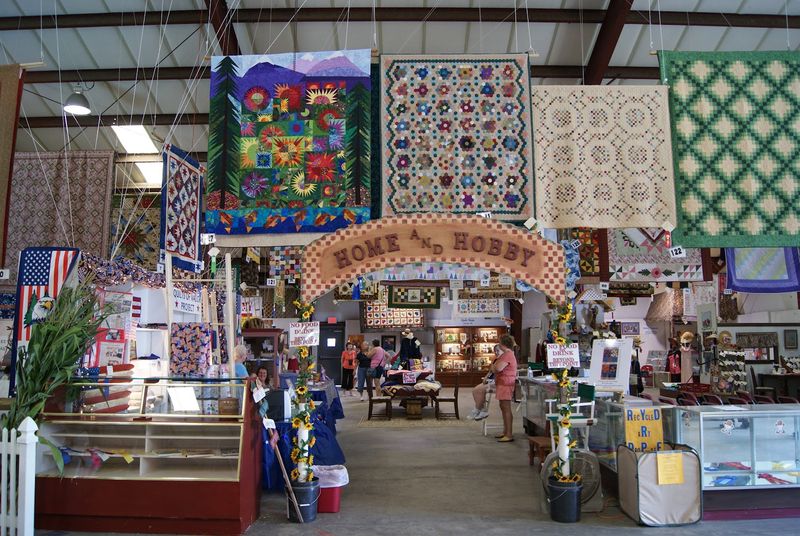
The exhibits add another layer. In the Richards Building, visitors can find local art, photography, baking, canning, handicrafts, honey displays, beekeeping information, Sussex County Grange exhibits, fair history, and a Tech Zone where county robotics teams demonstrate projects.
It is the quiet counterweight to the midway, and it gives the fair some of its best texture.
Why this old fashioned New Jersey fair keeps families coming back
Plenty of places can set up rides and sell fried dough. The reason this fair keeps working is that it never feels like only one thing.
It is a serious agricultural showcase with a carnival attached, a horse show with grandstand chaos nearby, a local fundraiser with monster trucks, a kids’ day out with enough history tucked into the barns to make grandparents start telling stories. The volunteer energy matters.
The fair is run by the Sussex County Farm and Horse Show Association, a nonprofit organization, and its history emphasizes how many divisions are planned and staffed by volunteers, from Home and Hobby to Honey to livestock shows. It also notes that local nonprofits use the fair as a fundraiser.
That is probably why the whole operation feels less like a traveling spectacle dropped onto a field and more like something Sussex County builds, maintains, argues over, improves, and hands down. You can see that generational pull in the 4-H areas.
The Shotwell 4-H Building showcases projects from almost 60 Sussex County 4-H clubs, including art, photography, horticulture, shooting sports, crafts, sewing projects, demonstrations, and presentations. Nearby barns hold 4-H project animals cared for by members, and the Ag Arena hosts shows throughout the week.
For kids walking through, it is fun to see animals. For families involved, it is months of feeding, cleaning, practicing, learning, and hoping the judge notices the work.
The fair is old-fashioned in the best possible way because it still believes people will show up for real things. A cow being milked.
A quilt with a ribbon on it. A teenager proudly handling a goat. A tractor pull. A funnel cake dusted too heavily with sugar.
A family waiting until dark because the rides look better that way. In Augusta, all of it belongs together, and somehow that makes the fair feel bigger than its crowds, bigger than its schedule, and bigger than one August night.