A shy Siamese kitten named Violet probably had no idea she was walking into New Jersey cat history. Born outdoors and vulnerable from the start, she became the 5,000th cat rescued by Tabby’s Place in Ringoes, the kind of milestone that sounds almost too big until you remember what this place does every day.
This is not a shelter where cats wait behind bars, watching the world go by. It is a cage-free sanctuary built for the scrappy, the fragile, the seniors, the medically complicated, the kittens who arrived scared, and the cats who were once labeled too difficult, too sick, or too unlikely.
Inside, more than 100 cats live with room to stretch, climb, nap, heal, and decide whether humans are worthy of their attention. Around here, that last part is not optional.
It is simply cat law.
A Ringoes sanctuary where rescued cats get room to breathe
Ringoes may be better known for country roads, farms, and the quiet Hunterdon County stretch of Route 202, but at 1100 US Highway 202, there is a building where the usual rescue story gets rewritten. Tabby’s Place sits in the kind of part of New Jersey where you can still feel a little space between towns, and that fits the mission perfectly.
The cats here are not tucked away as an afterthought. They are the main residents, the unofficial managers, and, depending on the room, possibly the interior designers.
Visitors can come seven days a week from noon to 5 p.m., with guided tours available by walk-in or appointment, each lasting about 30 minutes and capped at small groups so the experience stays calm for the cats. The first thing that sets the place apart is how deliberately un-shelter-like it feels.
There are bright suites, safe outdoor solaria, places to perch, places to hide, and enough feline traffic to make you feel as if you have stepped into a tiny town run by whiskers. That matters because many of these cats did not arrive from easy circumstances.
Some were abandoned, some were sick, some were seniors, and some had medical needs that would scare off less specialized rescues. Here, space is part of the medicine.
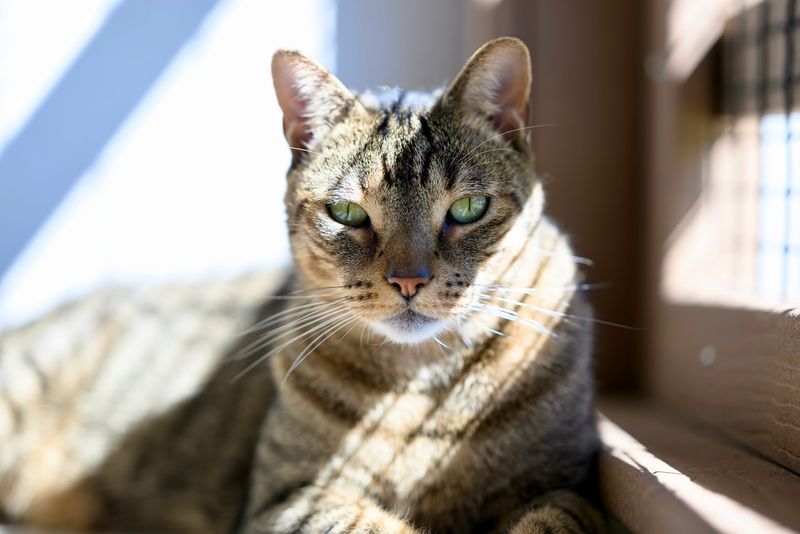
A cat who has been through fear gets to choose a sunbeam. A shy one gets to watch from a cubby until courage arrives.
A social butterfly can work the room like a furry mayor. The whole point is not just to keep cats safe, but to give them a life that actually feels like living.
How Tabby’s Place became a safe haven for cats in desperate situations
The story starts with grief, which is not the most cheerful opening, but stay with it because the ending has thousands of tails. In April 1999, Jonathan Rosenberg and his wife learned that their beloved cat, Tabby, had untreatable cancer.
Jonathan later wrote that the diagnosis made him stop and ask whether he was really making a difference, and he resigned from his job to build a sanctuary in Tabby’s memory. Four years later, Tabby’s Place officially began its mission.
That origin explains why the place feels so personal. It was not created as a generic animal facility with a cute name slapped on the sign.
It grew out of one person looking at one cat and deciding that love should become infrastructure. Since opening in 2003, the sanctuary has focused on cats from “hopeless situations,” especially those who are elderly, medically fragile, behaviorally complicated, or simply overlooked.
The mission is direct: rescue cats who need help most, regardless of age, many medical issues, or temperament. Most cats go on to adoption, but those who do not are promised a home for life.
That last detail is the heart of Tabby’s Place. Adoption is not treated as the only happy ending.
For some cats, the win is a family. For others, it is a permanent suite, consistent care, familiar humans, and the right to be loved exactly as they are.
That is how a sanctuary built in memory of one cat became a second chance machine for 5,000 more.
The cage-free design makes every room feel like it belongs to the cats
The building itself seems to understand cats better than some people do. Instead of rows of cages, Tabby’s Place was designed from the ground up around feline behavior, with bright open suites, continuous fresh air, and safe access to outdoor solaria.
In normal human terms, that means the cats get rooms where they can move, climb, retreat, socialize, and supervise. In cat terms, it means they get options, which is basically royalty.
One cat may claim a window ledge and spend the afternoon judging traffic on Route 202. Another may curl into a cubby and pretend visitors do not exist.
A third may march right over because clearly someone arrived with a hand that needs petting. The design works because it lets cats be cats instead of asking them to perform friendliness on command.
The cage-free setup is not just adorable; it is practical. Cats with anxiety can build confidence at their own pace.
Seniors can find soft spots. Kittens can tumble around without turning a visit into a wrestling match with a cage latch.
Volunteers help keep the whole operation running, from feeding and laundry to cleaning rooms, ramps, cubbies, and solariums. That kind of care takes effort, but it also creates the feeling that this is a home, not a holding area.
The cats are not displayed. They live there.
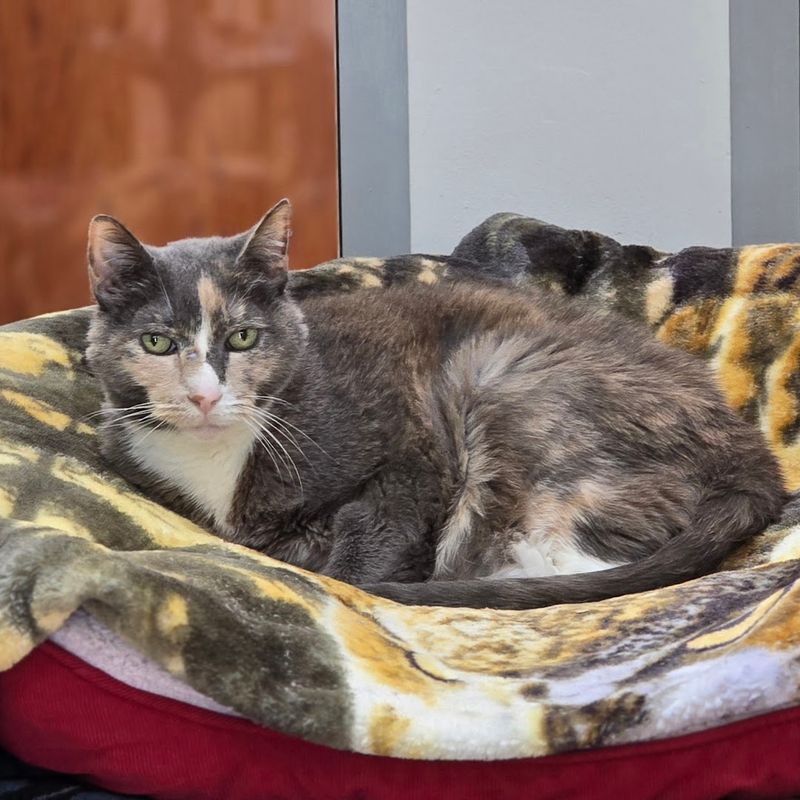
The humans are the ones who enter politely, read the room, and accept that a tabby on a chair may have already called dibs on the best seat in the house. It is funny, sweet, and quietly radical all at once.
Special needs cats receive the care many shelters cannot provide
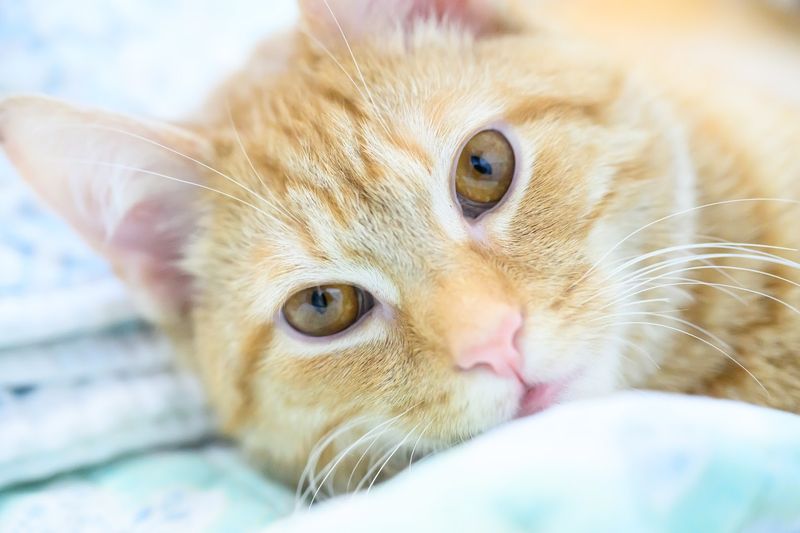
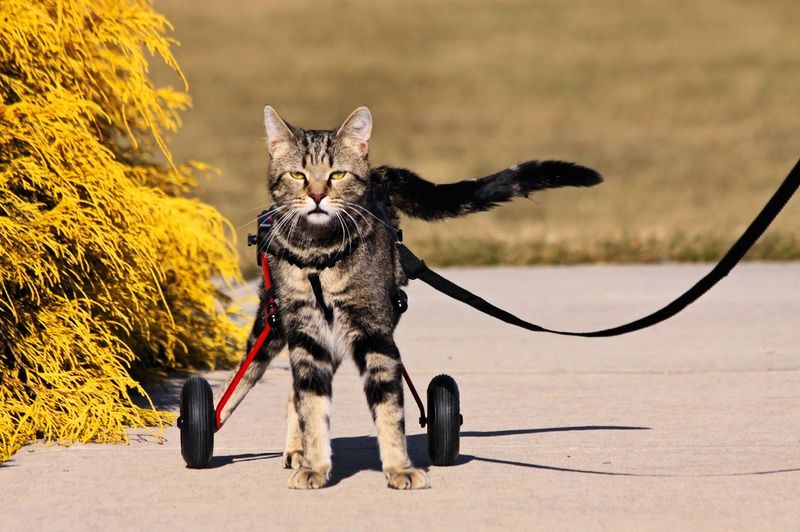
Here is where Tabby’s Place gets serious in the most loving way. At any given time, the sanctuary says 30 to 40 percent of its cats have chronic conditions such as diabetes, heart disease, or paraplegia, and it promises extraordinary medical care once a cat becomes part of the Tabby’s Place family.
That is a huge part of why this Ringoes sanctuary matters. Many rescue groups do heroic work, but not every shelter has the staffing, space, money, or medical setup to take on cats who need long-term treatment, specialized diets, mobility support, or hospice-level attention.
Tabby’s Place leans into exactly those cases. These are the cats who might need daily medication, careful monitoring, special feeding arrangements, or simply humans who are not scared off by a diagnosis.
The sanctuary has also expanded its work for FeLV-positive cats through Quinn’s Corner, a dedicated wing created for cats with feline leukemia virus. FeLV can be frightening on paper because it spreads through close contact such as mutual grooming or shared bowls, and cats who test positive are often difficult to place.
Tabby’s Place frames that diagnosis differently, treating it not as the end of the road but as the beginning of a protected life with care, companionship, and dignity. That philosophy changes the emotional temperature of the whole place.
A cat is not reduced to a condition. A paraplegic cat is still a goofball.
A diabetic cat is still a flirt. A senior cat is still allowed to be bossy, picky, affectionate, mysterious, or all four before lunch. The medical needs are real, but they are never the whole story.
Adoptions, tours, and volunteer programs bring the community inside
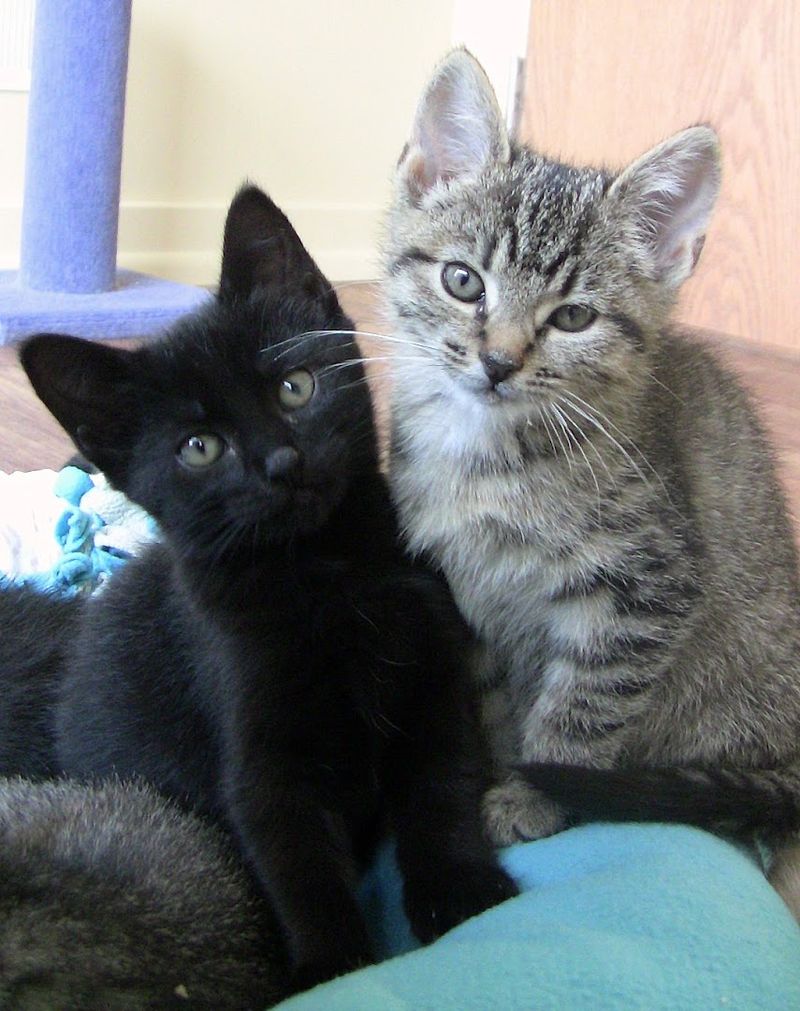
The beauty of Tabby’s Place is that it does not keep the public at arm’s length from the mission. Visitors can tour the sanctuary, meet cats, sponsor special-needs residents, explore adoption, and, if they are ready for the commitment, become part of the volunteer crew.
Tours are intentionally small, with up to five people per group, and the last daily tour begins at 4:30 p.m. That setup keeps things manageable, which is good because a cat sanctuary is not a theme park, even if the cats occasionally act like celebrities in tiny fur coats.
Adoption is one route in, and the sanctuary’s adoptable cat listings show the full range of personalities and ages, from kittens to seniors like 15-year-old Princess and 11-year-old Cocobean. But the community piece goes beyond finding homes.
Volunteers feed cats, clean rooms, wash dishes and laundry, give tours, socialize with cats, take cat stroller walks, foster, transport cats, photograph residents, and even visit senior homes with certified therapy cats through the Aged to Purrfection program.
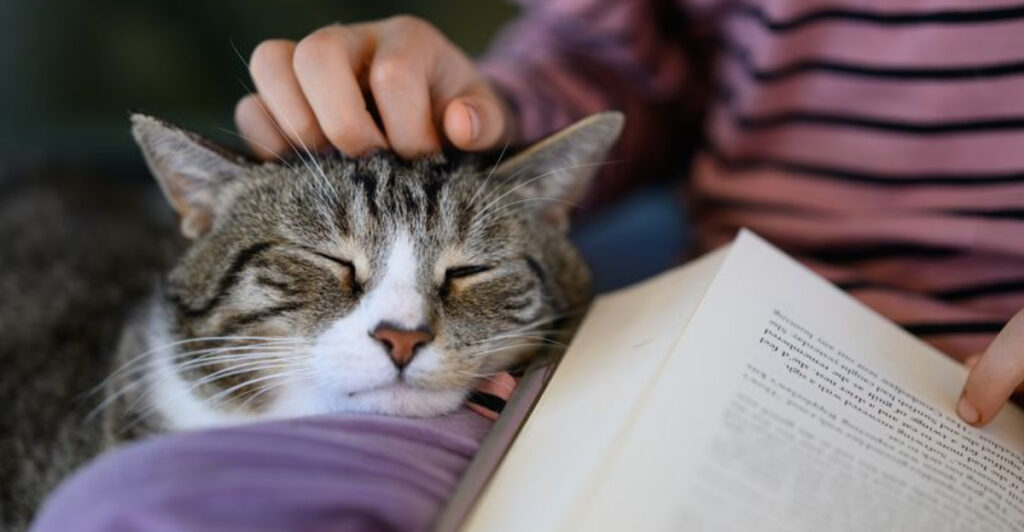
Children from 5 to 15 can apply for the Paws to Read program, where they practice reading aloud to cats in a low-pressure setting.
That detail feels perfectly Tabby’s Place: useful, sweet, and somehow very cat-approved. The cats get attention and calm companionship.
The kids get a patient audience that will never correct their pronunciation, though a cat may absolutely sit on the book. This is how a rescue becomes a community hub, one litter pan, stroller walk, adoption visit, and purring reading session at a time.
Why this Hunterdon County cat haven feels so much bigger than a rescue
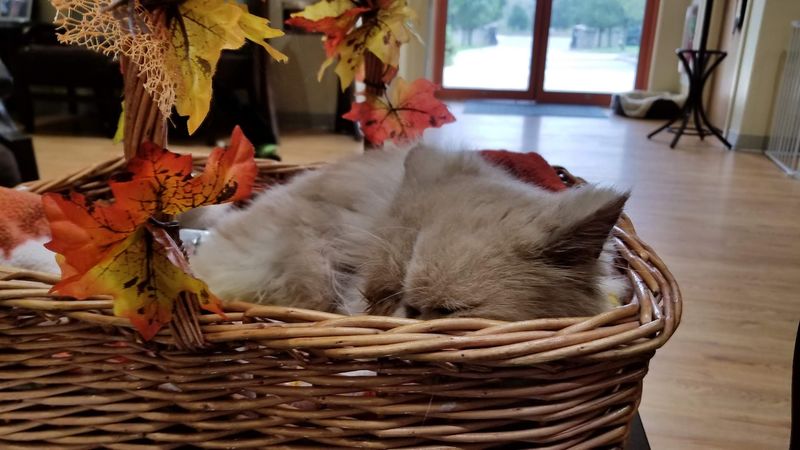
What makes Tabby’s Place linger in your mind is not just the number 5,000, though that is a pretty spectacular number to attach to rescued cats. It is the way the sanctuary treats each cat as an individual rather than evidence of a big milestone.
Violet may have become the 5,000th rescue, but she was not presented as a statistic. She was a bashful Siamese kitten born outdoors, vulnerable and then adopted, one little life pulled from uncertainty into care.
That is the rhythm of the place. Big mission, tiny details.
Advanced medicine, but also soft beds. A serious rescue philosophy, but also cat names with personality, volunteers doing laundry, and residents lounging in solaria as if they own a summer house in Hunterdon County.
The sanctuary survives on donations and community support, which makes the whole operation feel less like an institution and more like a standing agreement between cat people: the neediest ones still deserve joy. It is easy to say a rescue saves animals.
Tabby’s Place does something more layered. It gives cats time when time was running out.
It gives difficult cases a place where difficult does not mean unwanted. It gives people a way to turn compassion into something tangible, whether that means adopting, volunteering, sponsoring, or simply walking through the rooms and understanding what second chances look like when they have whiskers.
In Ringoes, thousands of cats have already found that chance, and the next story is probably stretching in a sunbeam right now.