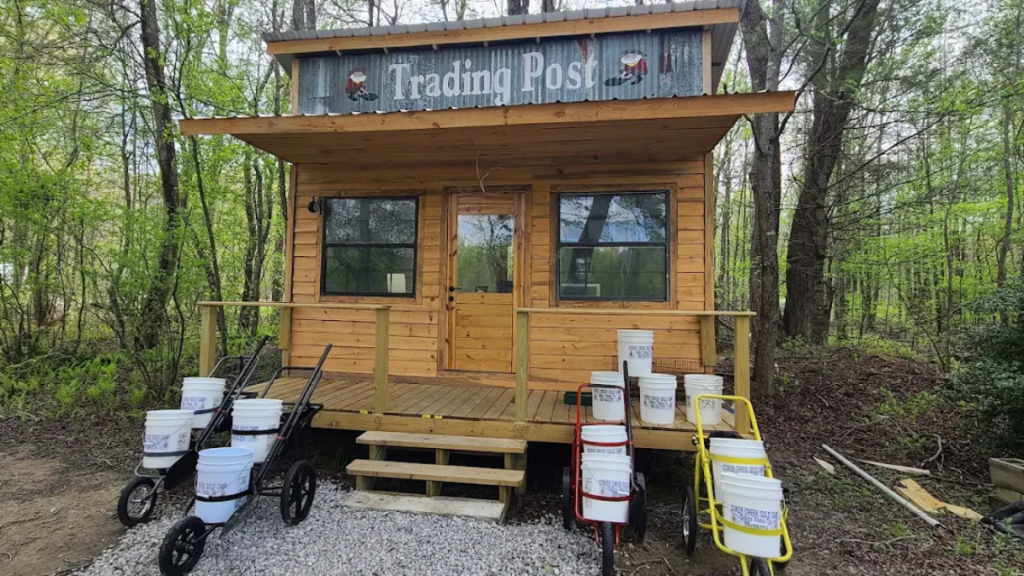
Tucked into the Cherokee National Forest near Tellico Plains, Coker Creek Gold Camp offers something you won’t find in most Tennessee adventures: the chance to pan for real gold in designated creeks where prospectors struck pay dirt nearly two centuries ago. This isn’t a tourist trap with fake flakes—it’s an authentic gold-hunting experience on land that’s been part of Tennessee’s mining history since 1827.
Whether you’re bringing kids for their first taste of treasure hunting or testing your own panning skills in cold mountain water, this off-the-grid camp combines outdoor adventure with a fascinating slice of Southern history.
The Creekside Gold Hunt Begins Near Tellico Plains
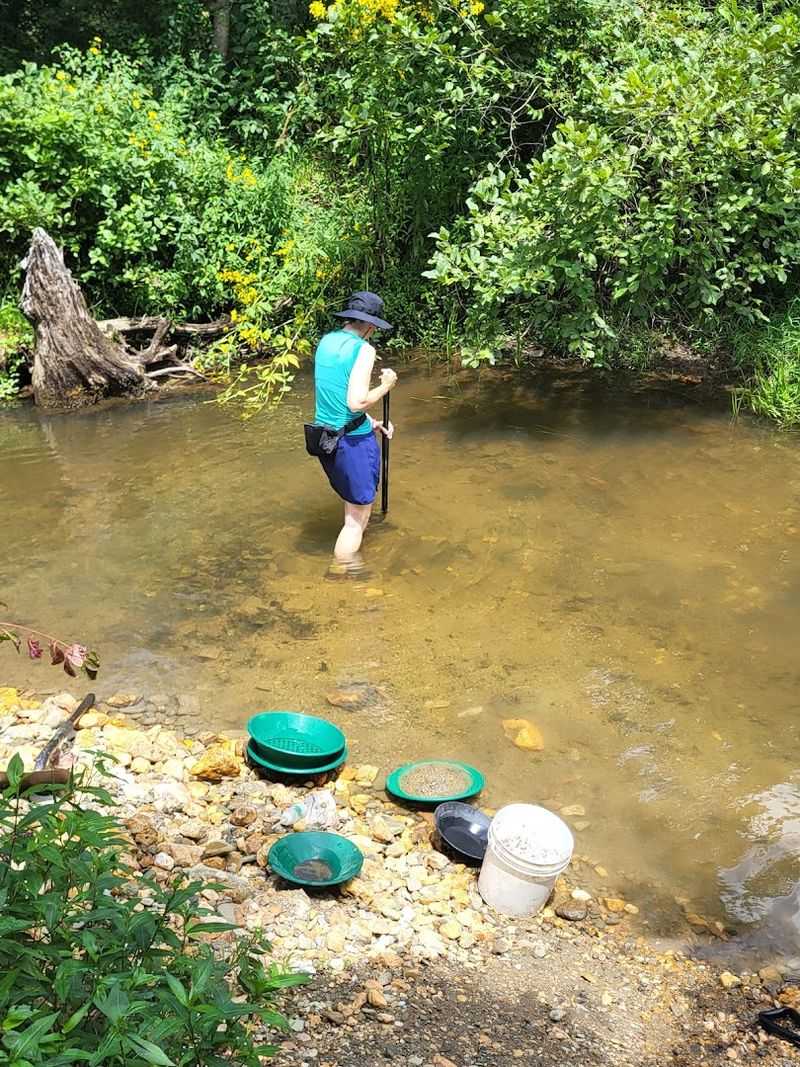
Getting to Coker Creek Gold Camp means leaving the main highways behind and following TN-68 into a quieter corner of East Tennessee. The camp sits at 12451 TN-68, where the forest closes in and the sound of rushing water replaces traffic noise. It’s the kind of place where cell service gets spotty and that’s exactly the point.
Once you arrive, the creeks become your classroom. Cold, clear water rushes over rocks that have held gold for generations, and the camp provides access to designated panning areas where you’re free to search for flakes and nuggets. The setup is straightforward—no fancy equipment required, just basic pans and a willingness to get your hands wet.
First-timers shouldn’t worry about showing up empty-handed or clueless. The camp staff offers hands-on instruction that covers everything from proper panning technique to reading the creek bed for promising spots. They’ll show you how to swirl sediment, spot the telltale glint of gold, and understand why certain bends in the creek are better than others.
What makes this different from other gold-panning tourist attractions is the authenticity. You’re not sifting through pre-salted dirt in a controlled environment. You’re working real creek beds in a real forest, following the same methods prospectors used in the 1800s.
Some visitors find tiny specks on their first try, while others spend hours perfecting their technique.
The camp welcomes everyone from solo adventurers to families with young kids. Dogs are allowed too, which means your four-legged companions can splash around while you search for treasure. Clean restrooms with showers are available on-site, making it easy to rinse off after a day spent crouched by the water.
Why Coker Creek Became One Of Tennessee’s Most Fascinating Gold Spots
Most people don’t realize Tennessee had its own gold rush, and Coker Creek was right in the middle of it. In 1827, decades before California’s famous strike, prospectors were already pulling gold from these mountain creeks. The discovery brought miners, merchants, and fortune-seekers to what was then Cherokee territory, creating a brief but significant boom.
The geology here is what made it possible. Gold deposits washed down from the Appalachian Mountains over thousands of years, settling into creek beds and crevices where patient panners could find them. Unlike the large-scale mining operations out west, Coker Creek gold was mostly found through placer mining—sifting through sediment in streams rather than digging deep shafts.
That 1827 rush also intersected with a darker chapter of American history. The area sits near the historic Unicoi Turnpike, part of the route used during the forced removal of Cherokee people in the late 1830s. Understanding this context adds weight to the experience—you’re not just panning for gold; you’re touching a landscape that witnessed both opportunity and tragedy.
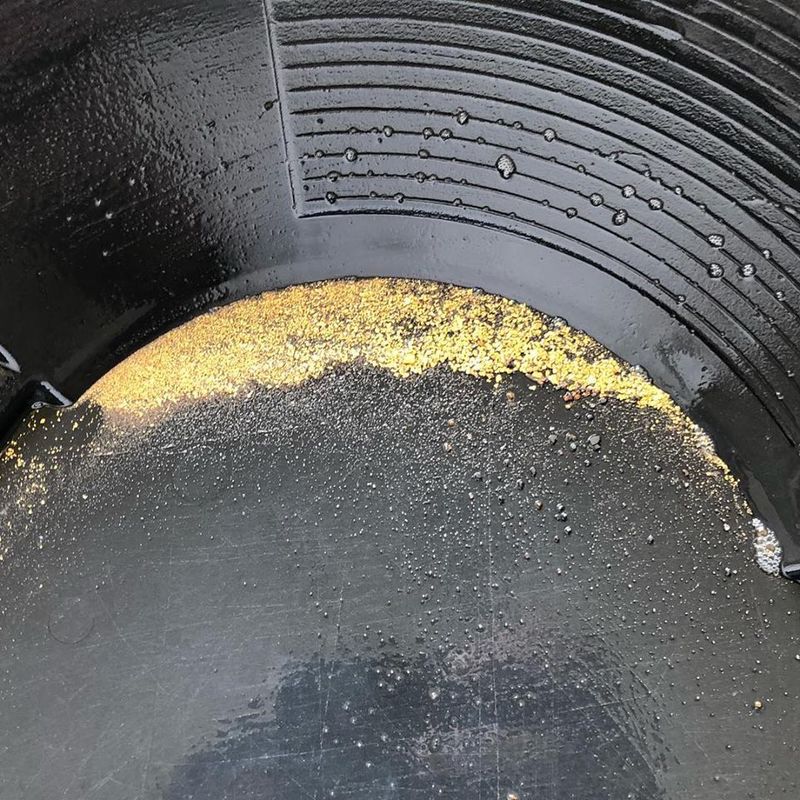
Today, Coker Creek remains one of the few places in Tennessee where recreational gold panning is actively encouraged and legally designated. While commercial mining operations have long since ceased, enough gold remains in the creeks to keep the hobby interesting. Visitors regularly find small flakes, and occasionally someone discovers a piece large enough to keep as a genuine souvenir.
The camp preserves this history without turning it into a theme park. There’s no fake Old West town or costumed actors—just the forest, the creek, and the same geological forces that brought gold here in the first place. It’s a living connection to Tennessee’s mining past that you can experience with your own hands.
The Diggers Expedition Adds A Historic Twist To The Adventure
Coker Creek Gold Camp gained additional fame as the site featured in gold prospecting expeditions that blend education with hands-on treasure hunting. The Diggers Expedition connection brings an extra layer of legitimacy to the experience—this isn’t just a place where you can pan for gold; it’s a location recognized by serious prospectors and history enthusiasts.
These expeditions typically involve guided sessions where experienced gold hunters share techniques passed down through generations. You’ll learn how to read a creek, identify promising gravel bars, and use different panning methods depending on the water flow and sediment type. It’s part geology lesson, part treasure hunt, and entirely more interesting than watching someone else do it on TV.
The camp’s owners, Denise and Mitch Miller, bring genuine expertise to the operation. They’re not just running a campground—they’re preserving prospecting knowledge and making it accessible to anyone curious enough to try. Their instruction goes beyond basic panning to include the history of the area, the geology that created these gold deposits, and the stories of miners who worked these same creeks.
Special events occasionally bring together prospectors from across the region. Kids’ days give younger visitors a chance to learn panning basics in a fun, low-pressure environment. These gatherings create a community atmosphere where beginners can learn from veterans and everyone shares the excitement of finding even the smallest flake.
What sets this apart from generic tourist activities is the depth of knowledge available. You’re not just paying to use equipment—you’re tapping into generations of prospecting experience. Whether you’re a first-timer or someone with panning experience looking to improve your skills, the expedition-style approach means you’ll leave knowing more than when you arrived, possibly with a vial of gold dust to prove it.
Designated Creeks Make The Search Feel Like A Real Treasure Hunt
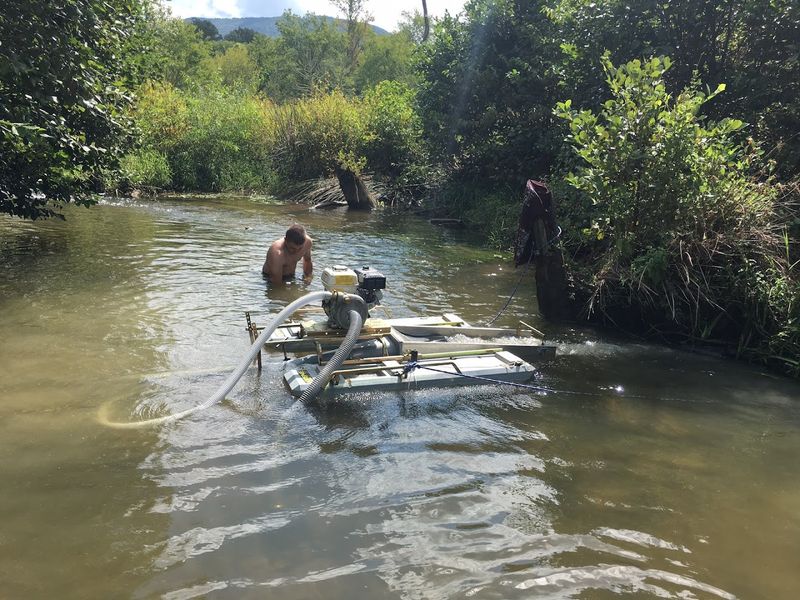
Having designated panning areas means you’re not wandering aimlessly through the forest hoping to stumble onto gold. The camp has identified specific creek sections where gold concentrates naturally, giving you the best chance of success without requiring expert-level geological knowledge. It’s treasure hunting with a roadmap, which makes the experience accessible even if you’ve never held a gold pan before.
These designated zones follow the natural flow patterns where heavier materials—including gold—settle out of the current. Inside bends, behind large rocks, and in certain gravel deposits are all prime spots, and the camp’s layout guides you toward these productive areas. You’re still doing the work and making the discoveries, but you’re not wasting hours in unproductive locations.
The freedom to explore within these areas adds to the adventure. Unlike some operations where you’re confined to a single sluice box or tiny pan, you can move along the creek, test different spots, and develop your own sense of where the gold might be hiding. It’s hands-on learning that engages adults and kids equally—everyone becomes an explorer.
Creek conditions change with rainfall and seasons, which means the hunt stays interesting even for repeat visitors. A spot that was productive last month might have shifted after a heavy rain, while a new gravel bar could have formed downstream. This natural variation keeps the experience fresh and rewards those who pay attention to how water shapes the landscape.
There’s something primal about crouching beside cold mountain water, swirling sediment, and watching heavier materials settle to the bottom of your pan. When you spot that first glint of gold—even if it’s just a tiny speck—the excitement is genuine. You found it yourself, in a real creek, using methods that haven’t changed much in two centuries.
That’s a far cry from the manufactured experiences offered at many tourist attractions.
What Visitors Can Expect While Panning For Gold
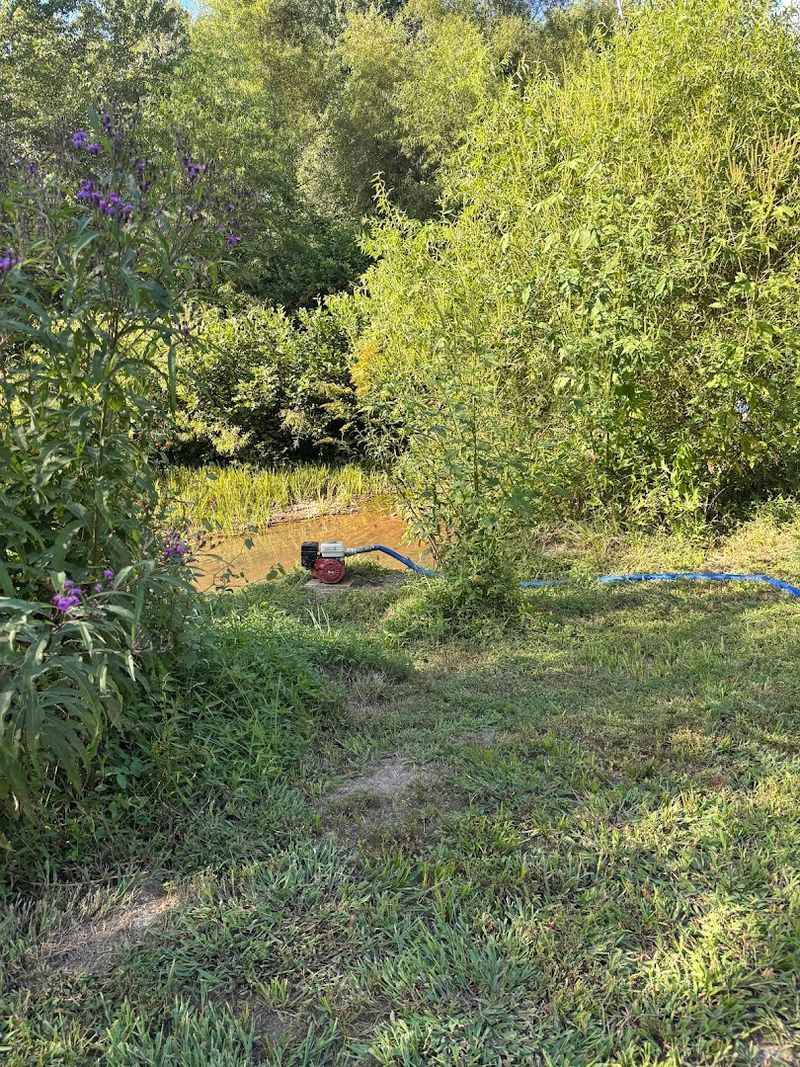
First-time panners often arrive with unrealistic expectations shaped by movies and TV shows. You probably won’t find a nugget the size of your thumb, but you absolutely can find real gold if you’re patient and follow proper technique. Most discoveries are flakes or tiny specks, but they’re genuine—you can take them home in a small vial as proof of your prospecting skills.
The physical experience involves more bending and squatting than you might expect. You’ll spend time crouched by the water’s edge, scooping sediment into your pan and working it through multiple rinses. The creek water is cold, even in summer, which actually helps—it keeps you alert and makes those moments when you’re not in the water feel extra comfortable.
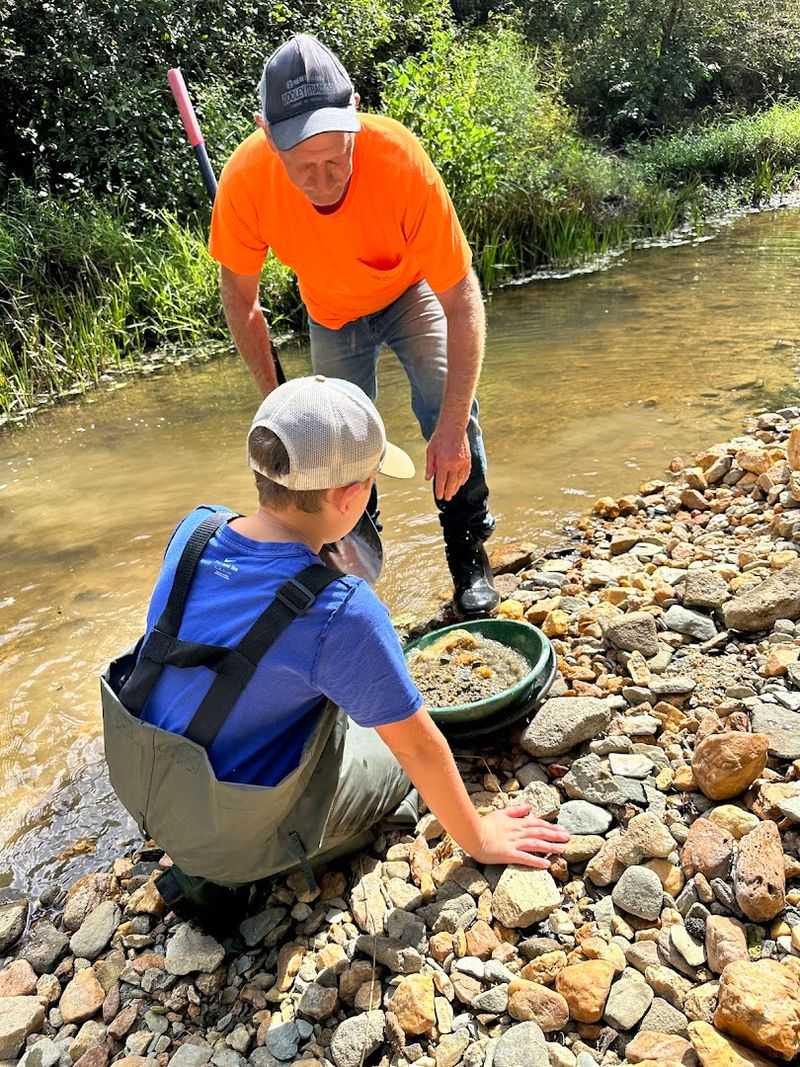
Staff members circulate through the panning areas offering tips and encouragement. If you’re struggling with technique, someone will demonstrate the proper swirling motion and show you what to look for as lighter materials wash away. They’re genuinely invested in helping visitors succeed, which creates a supportive atmosphere rather than a competitive one.
Kids often take to panning faster than adults because they’re less self-conscious about getting wet and dirty. Watching a child discover their first gold flake is worth the trip even if you don’t find any yourself. The camp staff makes sure younger visitors get attention and instruction, often helping them spot gold that inexperienced eyes might miss.
Beyond the panning itself, the setting provides plenty to enjoy. The sound of the creek, the shade of surrounding trees, and the absence of crowds create a peaceful environment that’s as much about relaxation as treasure hunting. Many visitors mention the campfire conversations and connections made with other prospectors as highlights equal to the gold itself.
It’s a social experience wrapped in outdoor adventure, with just enough possibility of striking it rich to keep things exciting.
The Forest Setting Makes The Experience Feel Wild And Old-Fashioned
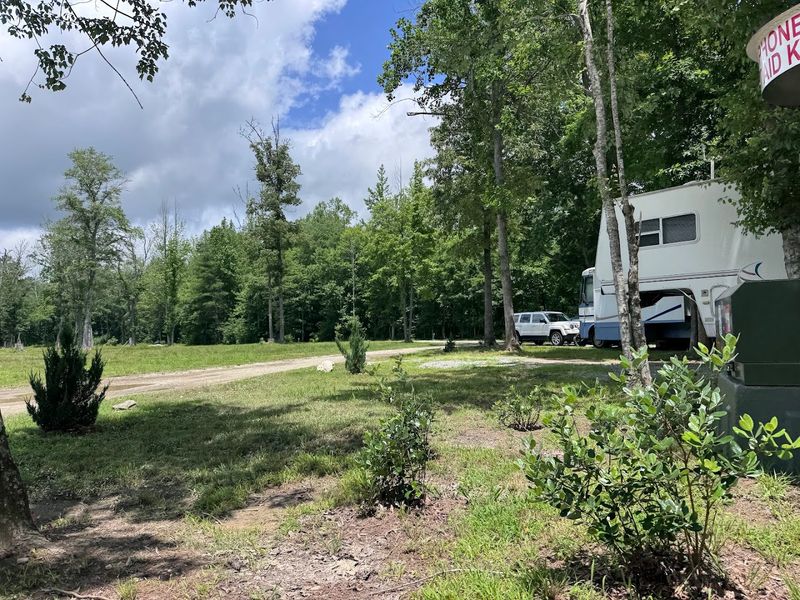
Coker Creek Gold Camp sits deep enough in the Cherokee National Forest that modern conveniences feel distant. Thick tree cover blocks out much of the sky, and the primary soundtrack comes from rushing water and bird calls rather than traffic or crowds. It’s the kind of setting where you can actually imagine what life was like for 19th-century prospectors working these same creeks.
The camp itself maintains a deliberately low-key atmosphere. There are no flashy signs, gift shops stuffed with tchotchkes, or paved walkways leading to sanitized attractions. What you get instead is authentic forest camping with access to real gold-bearing creeks.
The facilities are clean and functional—restrooms with showers keep things civilized—but the overall vibe leans toward rustic adventure rather than resort comfort.
This old-fashioned quality is exactly what draws many visitors. In an era of curated Instagram experiences and manufactured authenticity, Coker Creek offers something genuinely different. You’re not posing with props for social media—you’re actually doing the work, getting muddy, and maybe finding treasure in the process.
It’s refreshingly real.
The forest setting also provides natural entertainment beyond gold panning. Hiking opportunities abound in the surrounding Cherokee National Forest, including trails to scenic waterfalls. Wildlife sightings are common, and the area’s biodiversity makes it interesting for nature enthusiasts even when you’re not actively prospecting.
Bringing binoculars or a field guide adds another dimension to the visit.
Evening campfires create community among visitors who might be strangers during the day. Stories get shared, techniques debated, and finds compared in a casual atmosphere that feels like summer camp for adults. The lack of strong cell service actually enhances this—people engage with each other rather than scrolling through phones.
It’s a reminder that some of the best experiences happen when you disconnect from the digital world and reconnect with simpler pursuits like searching for gold in a mountain creek.
Why This Hidden Tennessee Gold Camp Is Worth The Detour
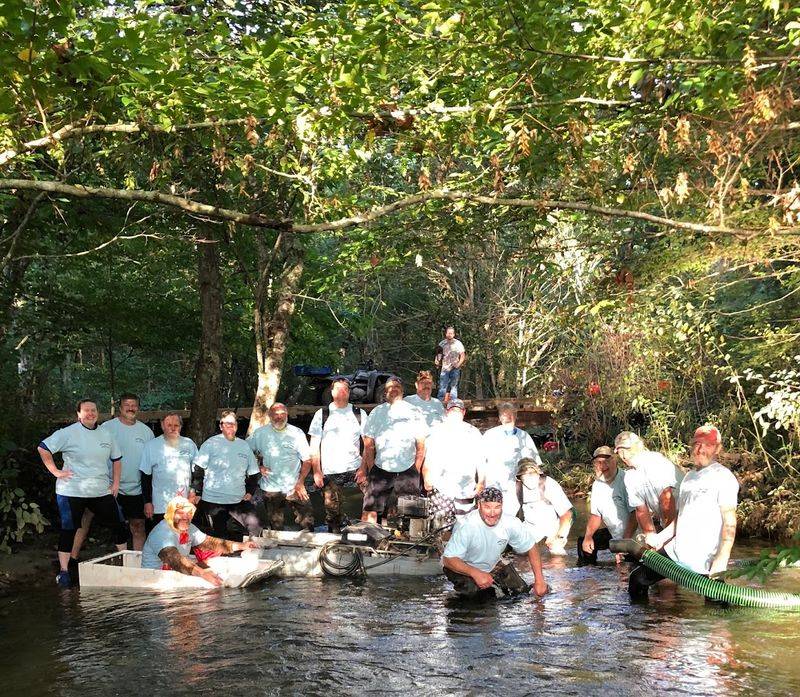
Coker Creek Gold Camp isn’t on the way to anywhere—it’s a destination that requires intention. You won’t accidentally stumble upon it while driving between major cities or tourist attractions. That geographical isolation is part of what makes it special.
Visitors arrive because they’ve specifically chosen this experience over more convenient or heavily marketed alternatives, which creates a self-selecting group of people genuinely interested in prospecting and outdoor adventure.
Reviewers repeatedly mention helpful staff, peaceful surroundings, and the thrill of finding real gold. These aren’t scripted testimonials—they’re accounts from families, couples, and solo travelers who found something memorable in this out-of-the-way corner of Tennessee.
The fact that many visitors return multiple times suggests the experience delivers on its promises.
For families looking to combine education with entertainment, few activities beat gold panning. Kids learn basic geology, practice patience, develop hand-eye coordination, and experience the reward of finding something valuable through their own effort. It’s screen-free entertainment that actually teaches useful skills, and the outdoor setting provides physical activity without feeling like exercise.
Parents consistently report that children talk about the experience long after returning home.
The camp’s connection to Tennessee’s gold rush history adds educational value that extends beyond the physical activity. Understanding that this area produced real gold, attracted real miners, and played a role in regional history makes the experience more meaningful than simple recreation. You’re participating in a tradition that stretches back nearly two centuries, using techniques that have remained essentially unchanged because they work.
Future developments—including rumors of a restaurant and additional events—suggest the camp is evolving while maintaining its core character. The possibility of more frequent gold expeditions and community gatherings could make it an even more compelling destination without sacrificing the peaceful, authentic atmosphere that current visitors appreciate.
For now, it remains exactly what it advertises: a genuine gold-panning experience in a beautiful Tennessee forest where finding treasure is possible and the journey matters as much as the destination.