When most people think about Tennessee music history, their minds immediately jump to Nashville’s honky-tonks or Memphis’s blues scene. But the state’s musical roots run much deeper and spread far wider than those two famous cities.
From the birthplace of country music in the northeast corner to rockabilly shrines in West Tennessee, incredible musical heritage sites dot the entire state. These landmarks tell stories of mountain ballads, gospel harmonies, and the artists who shaped American music as we know it today.
1. Museum of Appalachia – Clinton
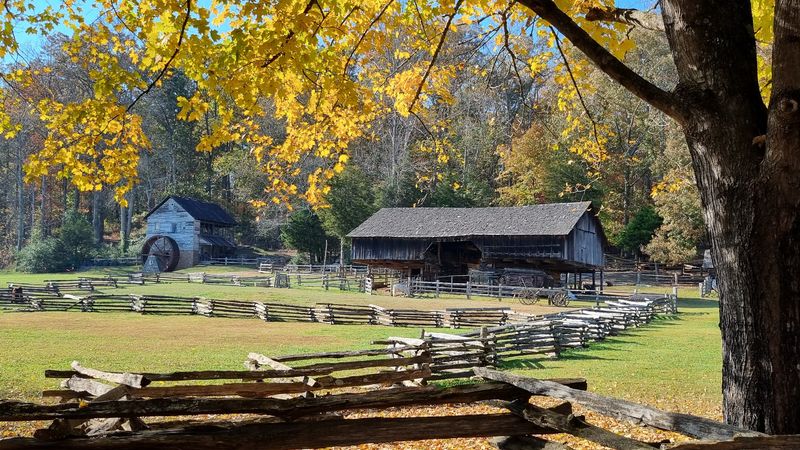
Spread across 65 acres of rolling East Tennessee hills, this living history museum preserves a way of life that produced some of America’s most enduring musical traditions. Founder John Rice Irwin spent decades collecting over 250,000 artifacts and relocating entire historic buildings to create an authentic Appalachian village.
The connection between daily mountain life and the music that came from it becomes crystal clear as you wander through authentic cabins, barns, and workshops.
Music wasn’t just entertainment in Appalachian communities—it was how people passed down stories, celebrated harvests, and got through hard times. The museum hosts the Tennessee Fall Homecoming each October, drawing thousands of visitors for traditional music performances, craft demonstrations, and storytelling.
Banjos, dulcimers, and fiddles fill the air with sounds that haven’t changed much in 200 years.
Throughout the year, musicians gather on porches and in meeting halls to play old-time tunes exactly where mountain people would have played them generations ago. The Hall of Fame building honors Appalachian musicians who kept traditional sounds alive.
You’ll see handmade instruments, hear recordings of long-gone performers, and understand how isolation in these mountains helped preserve musical styles that might otherwise have disappeared.
What makes this place special is its authenticity. These aren’t recreations—they’re actual buildings where real families lived, worked, and made music.
Walking through a cabin where someone once picked a banjo by firelight connects you to musical roots in a way no modern concert hall ever could.
2. Loretta Lynn’s Ranch – Hurricane Mills
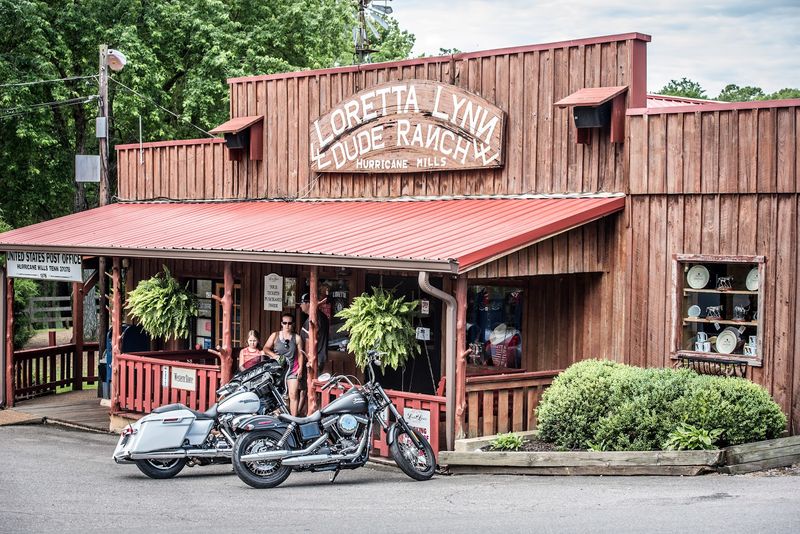
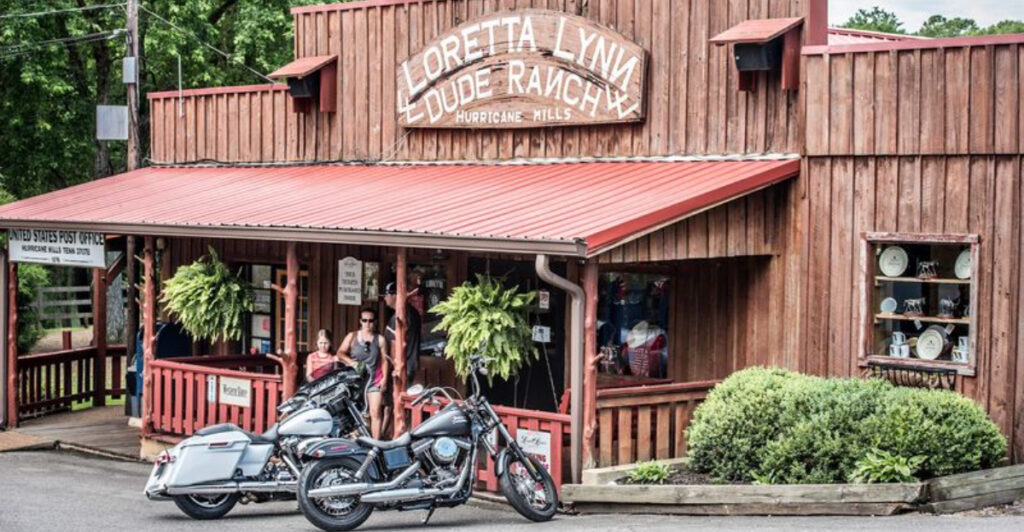
The Coal Miner’s Daughter turned this sprawling property into one of Tennessee’s most personal music landmarks. Loretta Lynn purchased the entire town of Hurricane Mills in 1966, transforming it into a ranch that reflects her incredible journey from poverty to stardom.
Her antebellum mansion sits at the heart of the property, filled with costumes, awards, and personal items that tell the story of country music royalty.
Unlike sterile museum displays, Loretta’s ranch feels lived-in and real. Her actual tour bus sits open for visitors to explore, still containing personal belongings from her traveling days.
The museum buildings overflow with glittering stage outfits, gold records, and photographs documenting her friendship with everyone from Patsy Cline to Jack White. You get the sense that Loretta herself might walk around the corner at any moment.
The ranch isn’t just about looking at the past—it’s an active music venue. The outdoor amphitheater hosts concerts throughout the summer, and the ranch regularly holds special events celebrating traditional country music.
Visitors can camp on the grounds, ride trails, or even pan for gems in the creek. Loretta designed the place as a destination where fans could experience a slice of her world.
What’s remarkable is how the ranch balances honoring Loretta’s legacy with staying true to her down-home personality. There’s no pretension here, just genuine hospitality and pride in her accomplishments.
For anyone who loves classic country music, walking the same grounds where Loretta still lives feels like visiting royalty who actually wants you to feel at home.
3. International Rock-A-Billy Hall of Fame Museum – Jackson
Tucked away in West Tennessee, this quirky museum celebrates the high-energy hybrid of country, blues, and rock that exploded in the 1950s. Rockabilly might have been perfected in Memphis, but Jackson stakes its own claim to this rebellious sound.
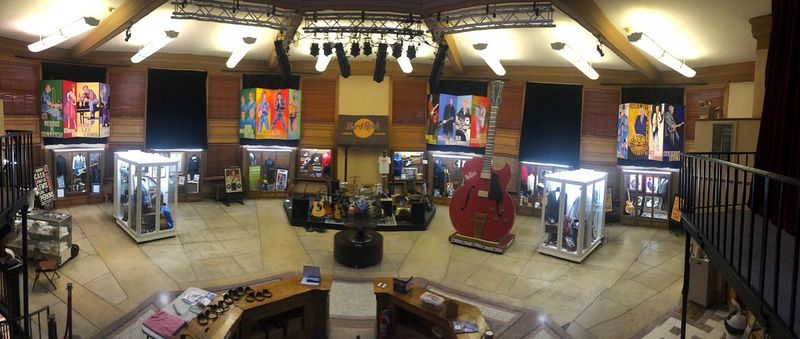
The museum occupies a modest building packed floor-to-ceiling with artifacts that bring the era’s raw energy back to life.
Owner and curator Henry Harrison has spent decades tracking down everything from stage costumes to rare recordings. You’ll find guitars played by rockabilly legends, vintage concert posters, and even personal letters between musicians.
The collection includes both famous names like Carl Perkins and obscure artists who recorded one or two singles before disappearing into history. Every item has a story, and Henry loves sharing them with visitors.
What sets this place apart is its passionate focus on a specific sound. Rockabilly represented a moment when young musicians threw out the rulebook and created something completely new.
The museum captures that rebellious spirit through exhibits showing how rural Southern musicians absorbed rhythm and blues, sped up the tempo, and added attitude. You can almost hear the slap-back echo and twangy guitars while reading about recording sessions in tiny studios.
The Hall of Fame portion honors both performers and the behind-the-scenes people who helped spread rockabilly music. DJs, record producers, and club owners all get recognition for their roles.
Special induction ceremonies bring surviving rockabilly artists to Jackson for performances that prove the sound still has plenty of fire left in it.
4. ETSU Reece Museum – Johnson City
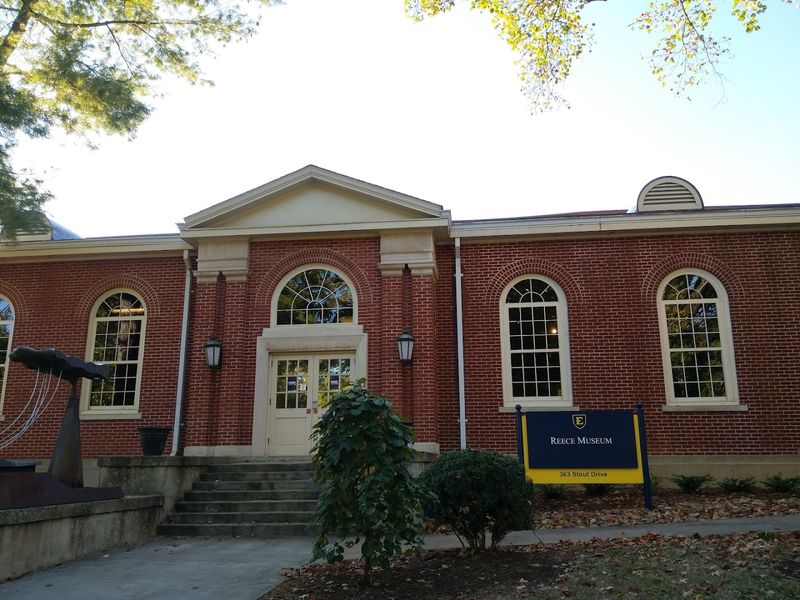
East Tennessee State University’s Reece Museum serves as a cultural hub for the entire Appalachian region. While it covers broad topics from natural history to fine art, its music-related exhibits shine a spotlight on how this corner of Tennessee contributed to American roots music.
The museum’s rotating displays often feature instruments, recordings, and photographs from the region’s rich musical past.
Johnson City sits in the heart of territory that produced countless traditional musicians. The museum documents how these mountain communities developed distinctive musical styles through isolation and cultural blending.
You’ll learn about ballad singing traditions brought from Scotland and Ireland, African American influences that shaped string band music, and how radio broadcasts spread regional sounds to wider audiences.
One particularly valuable aspect of the Reece Museum is its academic approach. University researchers have conducted extensive fieldwork recording elderly musicians, preserving songs that might otherwise be lost.
These recordings and accompanying research materials provide depth you won’t find at more commercial attractions. The museum also explores how music intersected with other aspects of mountain life—work songs, religious music, and social dance traditions.
Special exhibitions have highlighted specific musicians and musical movements connected to the region. The museum has showcased everything from early country recording artists to contemporary Appalachian musicians keeping traditions alive.
Educational programs bring students and community members together for workshops and performances. Because it’s a university museum, admission is typically free, making it an accessible resource for anyone interested in understanding the musical heritage of East Tennessee’s mountains and valleys.
5. Rocky Top Mountain Coaster & Music of East Tennessee Heritage Area – Pigeon Forge
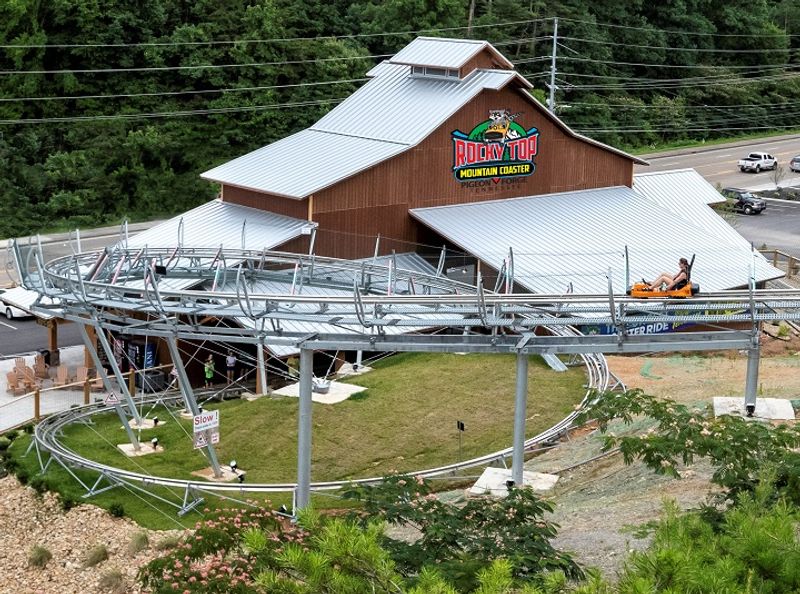
Pigeon Forge might be famous for tourist attractions and Dolly Parton’s Dollywood, but it also serves as a gateway to understanding East Tennessee’s musical heritage. The Music of East Tennessee Heritage Area designation recognizes how this entire region contributed to American music.
Throughout Pigeon Forge, you’ll find Music Pathways markers that tell stories about local musicians, traditional instruments, and the role mountain music played in community life.
These markers aren’t just boring plaques—they provide context for understanding how tourism areas like Pigeon Forge grew from small mountain communities with rich musical traditions. Before the theaters and attractions, families here gathered on porches to play ballads passed down through generations.
The pathway markers help visitors connect today’s commercial music shows with authentic roots that run much deeper.
One marker specifically discusses how Pigeon Forge musicians contributed to the broader Appalachian music scene. Others explain instrument-making traditions or how local radio stations spread mountain music beyond isolated valleys.
Reading these markers while surrounded by modern tourist development creates an interesting contrast. You realize that underneath all the commercial entertainment lies genuine cultural heritage worth preserving and celebrating.
The Music Pathways initiative extends throughout East Tennessee, linking multiple sites into a cohesive trail. Visitors can follow the markers from one community to another, building a comprehensive understanding of how music shaped the region.
In Pigeon Forge, these markers remind tourists that Tennessee’s musical contributions extend far beyond what they’ll see in the commercial theaters. The real story involves generations of ordinary people making extraordinary music in these mountains.