Eight million tulips are a pretty convincing reason to put down the beach chair. So are alpacas grazing two miles from the Atlantic, orchards where apples come with dirt on your sneakers, and a century-old estate garden tucked behind a busy Lakewood campus.
The New Jersey Shore may be famous for saltwater and boardwalks, but its quieter back roads lead to flower fields, farm kitchens, historic barns, native plant gardens, and a few places that feel almost suspiciously peaceful for New Jersey. Some are full-day seasonal attractions with tickets, food, and family activities.
Others are free public spaces where the main event is a shady path and a bench beneath an old tree. Together, they offer a completely different way to spend a day near the coast.
Bring comfortable shoes, check seasonal schedules before leaving home, and leave enough room in the car for flowers, fruit, plants, pastries, or whatever else follows you back.
1. Holland Ridge Farms – Cream Ridge
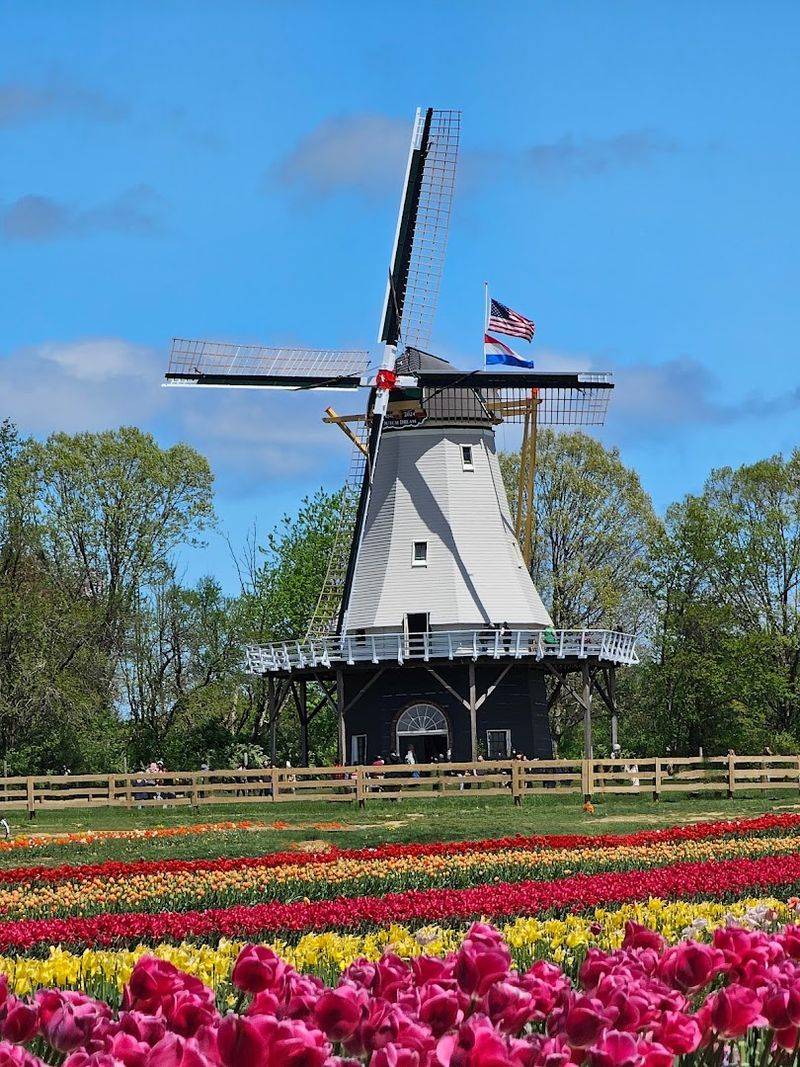
A spring breeze moving through millions of tulips can make Cream Ridge look less like central New Jersey and more like a landscape somebody designed for a very ambitious movie set.
Holland Ridge Farms is best known for its Spring Spectacular, when seemingly endless rows of tulips turn the farm into one of the state’s most recognizable seasonal destinations.
Visitors can wander among the blooms, choose individual stems to take home, and stop for photographs without needing to elbow their way into one tiny display garden. The scale is the point here.
Even after seeing plenty of pictures, the fields feel much larger in person. Autumn brings another round of color through the farm’s sunflower festival, along with family activities, food vendors, photo setups, and flower picking.
This is not a spontaneous roadside stand, so a little planning pays off. Major events generally use dated or timed admission, and popular weekends can become busy quickly.
Early weekday slots usually provide a calmer walk and fewer people drifting into the background of every photograph. Wear shoes that can handle uneven or muddy ground, especially after rain, and bring a container or plan for transporting cut flowers upright.
Holland Ridge is cheerful, unapologetically colorful, and much closer to the Shore than its enormous Dutch-inspired fields might suggest.
2. Happy Day Farm – Manalapan
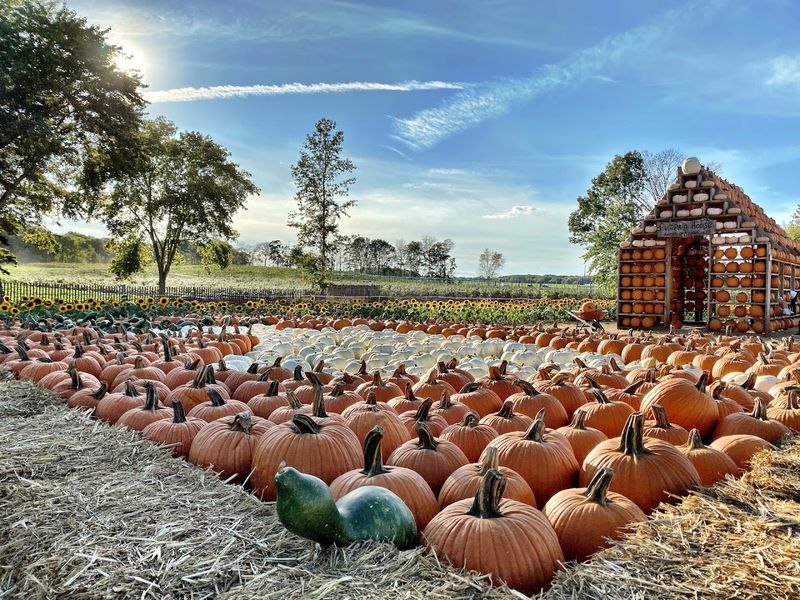
Lavender is only one chapter of the growing season at this Manalapan farm. Depending on when you arrive, the fields may be filled with blueberries, raspberries, blackberries, zinnias, sunflowers, or pumpkins, making Happy Day Farm one of those places that can feel completely different from one visit to the next.
Early summer is especially appealing when visitors can gather lavender bundles and then move on to berry picking, fresh lemonade, or a visit with the resident goats and chickens. Later in the season, tall sunflowers and bright rows of zinnias take over the photographs, while autumn brings pumpkins and full-scale farm festivities.
The experience is hands-on without feeling complicated. You choose what is in season, head into the appropriate field, and leave with something you picked yourself rather than another souvenir destined for a drawer.
Admission and picking charges vary by crop, and some activities require separate fees, so checking the day’s offerings before driving over is important. Farm conditions also change quickly after heavy rain or a burst of hot weather.
Wear practical shoes, bring sun protection, and resist the temptation to dress entirely for the lavender photographs. Happy Day Farm works equally well for families, couples, or anyone who thinks a container of berries tastes better after doing ten minutes of agricultural labor to earn it.
3. Battleview Orchards – Freehold
The first clue that this Freehold orchard has serious local staying power is its 1908 founding date. More than a century later, the Applegate family still operates Battleview Orchards, where generations of New Jerseyans have picked fruit, taken hayrides, and made a strategic stop at the Country Store before heading home.
In a normal growing year, the pick-your-own calendar moves from strawberries and sour cherries into peaches, nectarines, apples, and pumpkins. The pleasure is refreshingly straightforward: grab a container, follow the signs to the available crop, and start looking for fruit that appears ready to become pie.
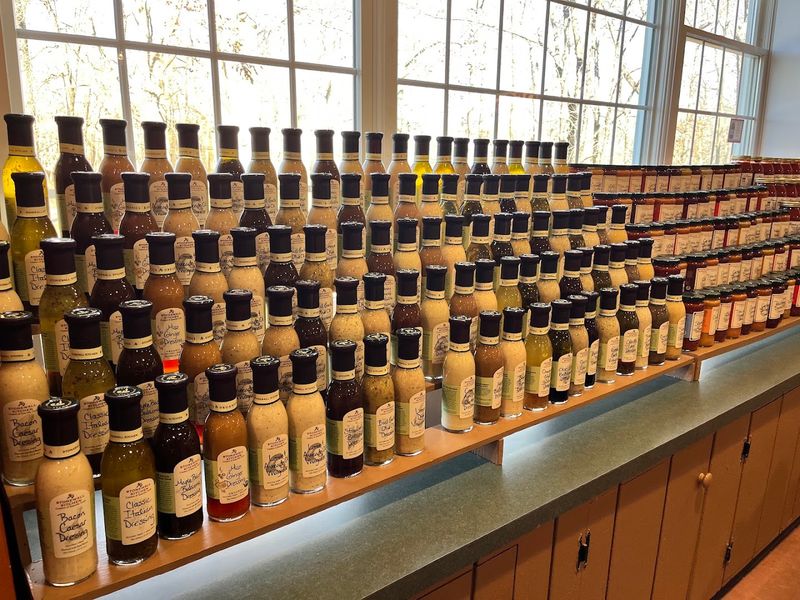
The store deserves time of its own, especially for baked goods, cider, preserves, local products, and seasonal produce. Buying a treat first and calling it “fuel for picking” is entirely reasonable.
Agricultural destinations are always at the mercy of weather, and Battleview’s 2026 season is an important example. Extreme spring temperatures caused major losses among several fruit crops, including apples and peaches, so visitors should confirm what is actually available before making the trip.
That temporary setback does not erase what makes the orchard worth knowing. Battleview remains a genuine working farm rather than a decorative autumn backdrop, and its long family history gives even a quick store visit more character than the average grocery run.
4. Eastmont Orchards – Colts Neck
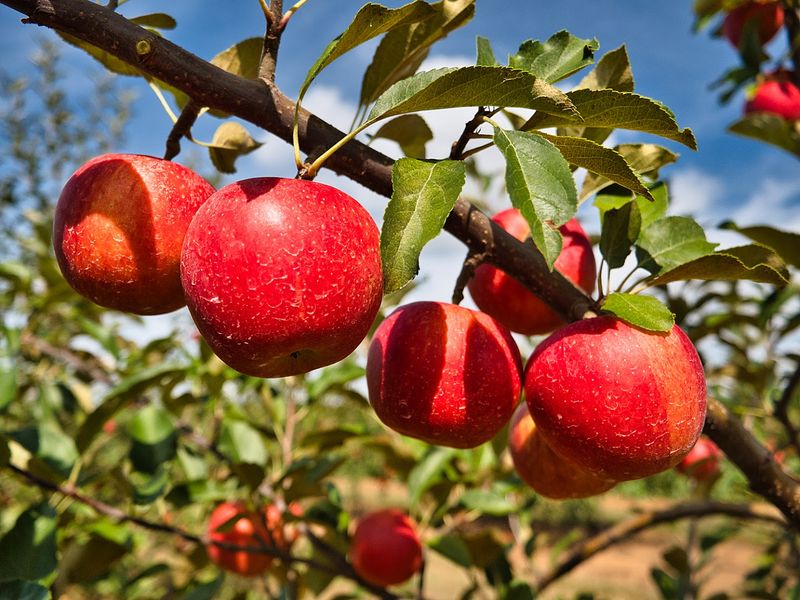
Apple picking here feels refreshingly free of unnecessary production. Eastmont Orchards is not trying to distract visitors with a dozen carnival rides while the fruit waits unnoticed in the background.
The trees, the harvest, and the satisfaction of finding a particularly good Honeycrisp or Stayman Winesap remain the main attractions. The Colts Neck property has deep agricultural roots, with the Barclay family connected to the orchard since the 1920s.
In a typical season, peaches and nectarines arrive before the autumn apple crop, followed by pumpkins, winter squash, and even Brussels sprouts as the weather cools. Fruit is generally purchased by weight, allowing visitors to choose a sensible amount or somehow leave with enough apples to begin an unofficial cider business.
The orchard’s broad selection of varieties makes repeat fall visits worthwhile. Early-season apples tend to be crisp and familiar, while later weeks bring excellent baking varieties and less common choices that rarely receive much shelf space at supermarkets.
Eastmont’s schedule depends heavily on weather and crop supply, and temporary closures are possible even during months when picking would normally occur. Calling or checking the current crop status before leaving home is not optional busywork; it is the best way to avoid arriving between harvests.
Once the gates are open, the experience is relaxed, affordable, and focused on the thing everyone came for: fruit straight from the tree.
5. Argos Farm – Forked River
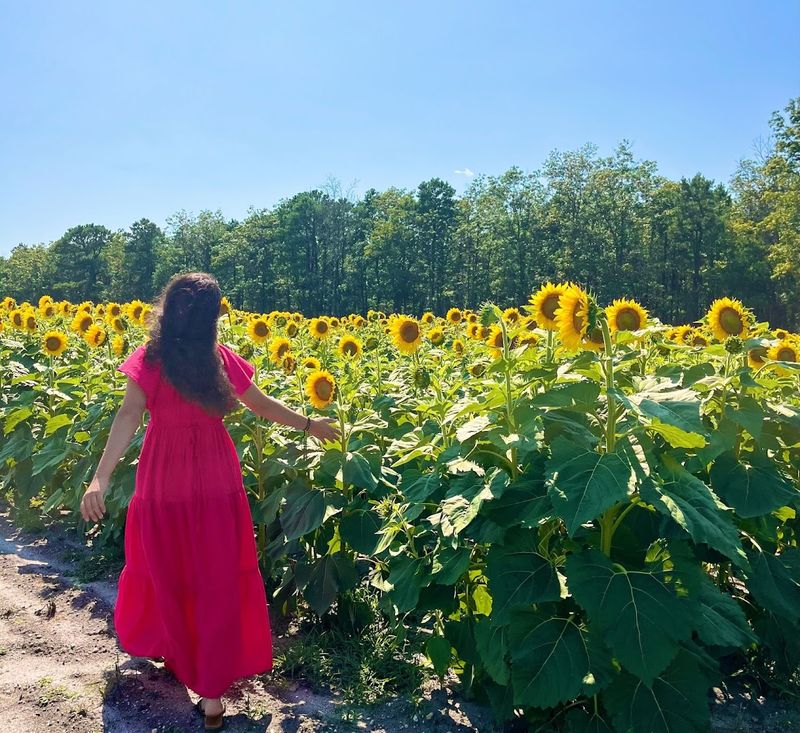
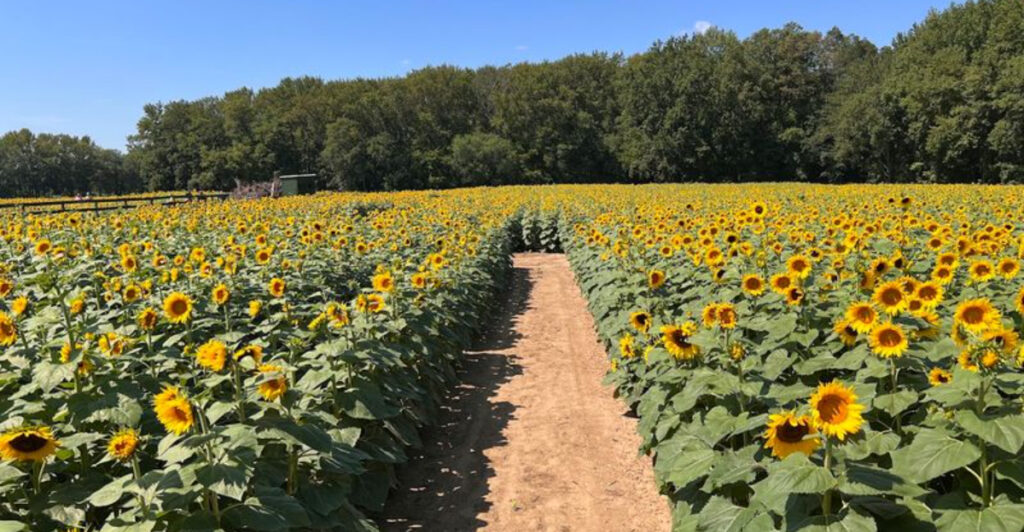
Late summer turns a stretch of Forked River farmland into a glowing maze of sunflowers, baby animals, farm games, and families trying to agree on which photo deserves the refrigerator.
Argos Farm sits just west of the Garden State Parkway, close enough to combine with a Shore weekend but far enough inland to trade traffic lights for open fields.
Its summer sunflower season is one of the prettiest times to visit, particularly during the later afternoon when the light softens and the temperatures become more forgiving. The farm expands its personality in autumn, when pumpkins, live entertainment, seasonal food, and a long menu of activities fill the grounds.
Children can bounce on the jumbo air pillow, ride the cow train, tackle obstacles, climb hay structures, meet animals, and burn enough energy to make the drive home unusually quiet. Adults may find themselves lingering near the pumpkins and food stands while pretending they are merely supervising.
Argos is built as a ticketed seasonal attraction rather than a quick produce stop, so give it more than an hour and check which experiences are included on the day of your visit. Evening sunflower sessions and peak fall weekends can sell quickly.
The location, about a mile from Parkway Exit 74, also makes it one of the easiest farm detours for visitors staying around Lacey Township, Barnegat, or Long Beach Island.
6. Alpacas on Allaire – Wall Township
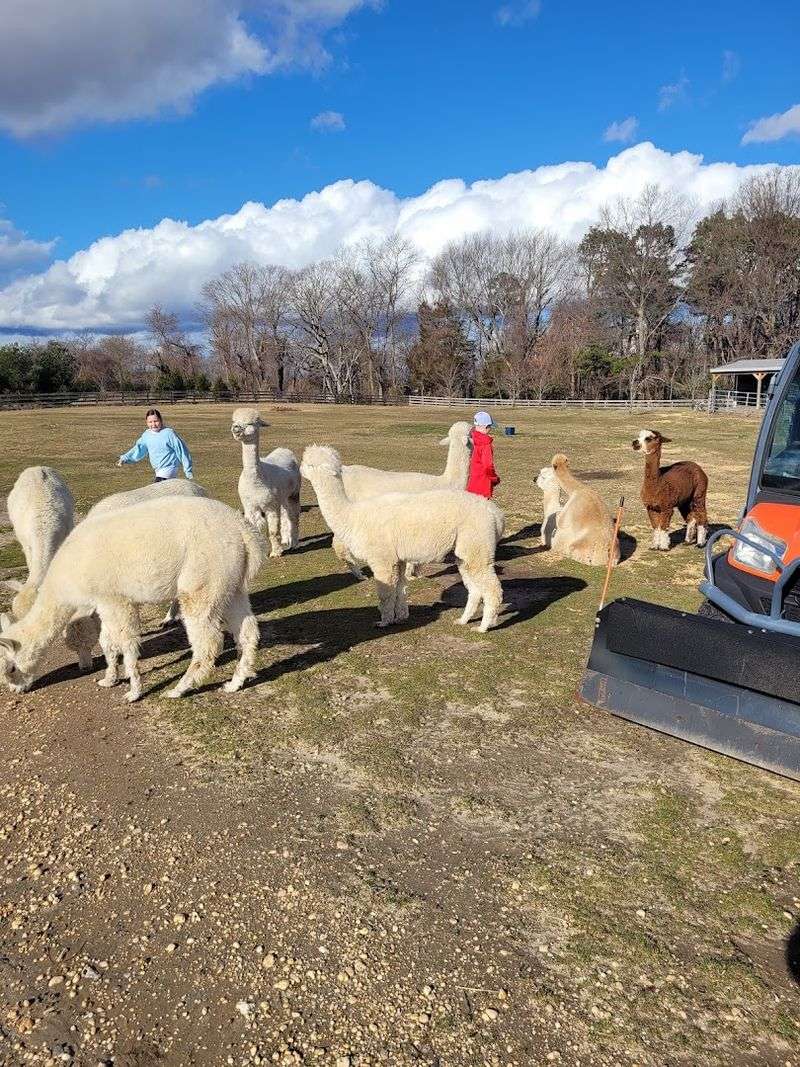
Two miles from the Atlantic, a small herd of alpacas is quietly demonstrating that Shore life does not always require sand. Alpacas on Allaire offers a slower kind of animal encounter in Wall Township, minutes from Belmar, Spring Lake, Sea Girt, and several other beach communities.
The farm’s appeal comes from its simplicity. Visitors are not moving between loud attractions or trying to follow a complicated activity schedule.
They are spending time around curious, gentle animals whose expressive faces do most of the entertaining. That makes the farm particularly appealing for younger children, animal lovers, and adults who would happily replace one crowded afternoon on the boardwalk with a peaceful visit behind a fence.
The property also helps preserve the agricultural character that still survives in this part of Monmouth County despite steady development near the coast. Farm visits are limited rather than offered as unrestricted daily walk-ins, so checking for available dates or contacting the farm before showing up is essential.
The online shop provides another look at why alpacas are raised, with socks, scarves, blankets, and other products made from famously soft alpaca fiber. Come for the animals, ask thoughtful questions, and do not expect the alpacas to pose on command.
Their total lack of interest in cooperating with a carefully planned photograph is part of the fun.
7. Allaire Community Farm – Wall Township
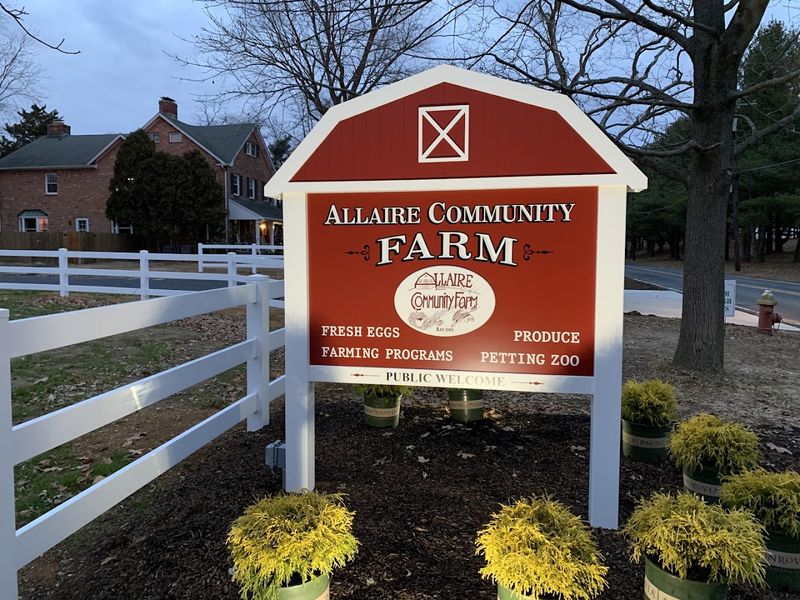
A goat may be the first thing to greet you, but the story behind this Wall Township farm runs much deeper than its petting zoo.
Allaire Community Farm uses rescued animals and a working agricultural setting to support children and adults with intellectual and developmental disabilities, teenagers facing mental health challenges, veterans living with PTSD, and local families affected by cancer.
That mission changes the feeling of a visit. Feeding a donkey, meeting a pig, or watching a child build confidence around a horse becomes part of something larger than a casual afternoon attraction.
The petting zoo includes a wonderfully mixed collection of horses, goats, pigs, donkeys, rabbits, chickens, ducks, a cow, an alpaca, and other farm residents. Many arrived with histories of neglect, and learning how they found safety here gives the experience additional meaning without making it heavy.
The red barns, open-air setting, and hands-on encounters are especially well suited to families with young children, although adults may be surprised by how quickly they become invested in one particular goat’s afternoon plans. The farm also offers riding lessons, group visits, seasonal programs, and community events.
Check the visiting schedule and admission information before arriving because public access can vary around programs and special activities. Spending money here helps support an organization using farm life as a practical source of connection, responsibility, and healing.
8. Beach Plum Farm – West Cape May
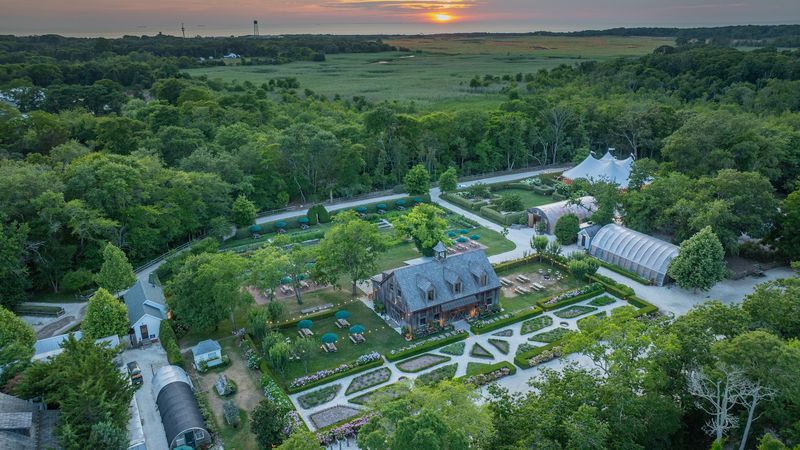
Breakfast can begin with a farm-raised bacon and egg sandwich and end with a walk past the chickens that helped make it possible. That short distance between field and plate is what gives Beach Plum Farm its particular charm.
Spread across 62 acres in West Cape May, the working regenerative farm includes vegetable beds, greenhouses, orchards, livestock pastures, wooded paths, a market, a kitchen, and a small collection of private cottages. It feels polished without losing the mud-on-the-boots reality of an active farm.
The kitchen’s breakfast and lunch menu changes with the harvest, but the bacon and egg sandwich on brioche is a dependable place to start when available. Grab a table near the gardens, then walk the public areas and see what is growing.
The market is worth browsing for produce, eggs, meats, preserves, spices, home goods, and other farm-made or locally connected products.
Seasonal dinners, tours, workshops, hayrides, and holiday programming add reasons to return, although some require advance reservations and can be considerably more expensive than a casual daytime visit.
The kitchen and market operate seasonally, and parts of the grounds remain dedicated to farm work or cottage guests, so follow posted access signs. Beach Plum is less than two miles from Cape May’s historic center, yet its lanes and fields feel pleasantly removed from the crowds around the Washington Street Mall.
9. Deep Cut Gardens – Middletown
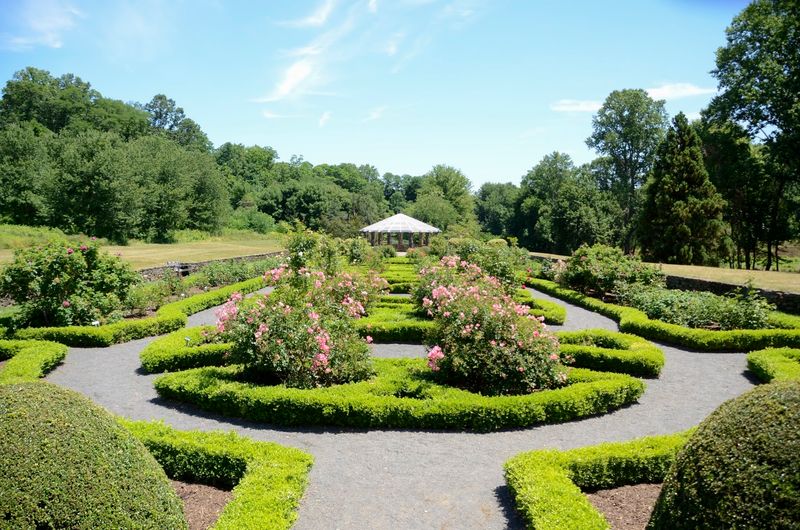
Roses may get most of the photographs, but the pleasure of Deep Cut Gardens comes from discovering how many different landscapes fit inside one Middletown property.
The 54-acre public garden functions as the horticultural center of the Monmouth County Park System, with formal plantings, shady woodland paths, specimen trees, greenhouses, water features, a Japanese-inspired garden, and a dramatic terraced rockery.
Some corners feel carefully composed; others allow the plants to take over the conversation. The rose parterre is particularly rewarding when it reaches peak bloom, while the greenhouse provides year-round color when outdoor beds are resting.
Gardeners can also visit the horticultural library and find practical inspiration rather than simply admiring someone else’s impossible landscaping budget. Labels and displays make it easier to identify plants that might actually work at home, and seasonal programs cover subjects ranging from propagation to garden design.
Admission is free, which makes Deep Cut an easy addition to a day around Middletown, Red Bank, or Sandy Hook. The grounds open in the morning and close at dusk throughout the year.
Pets are not permitted, and the paths can include slopes, steps, and uneven sections, so comfortable shoes matter. Visit in different seasons rather than treating this as a one-bloom destination.
Spring bulbs, summer roses, autumn foliage, and evergreens each reveal a different version of the garden.
10. Calgo Gardens – Freehold
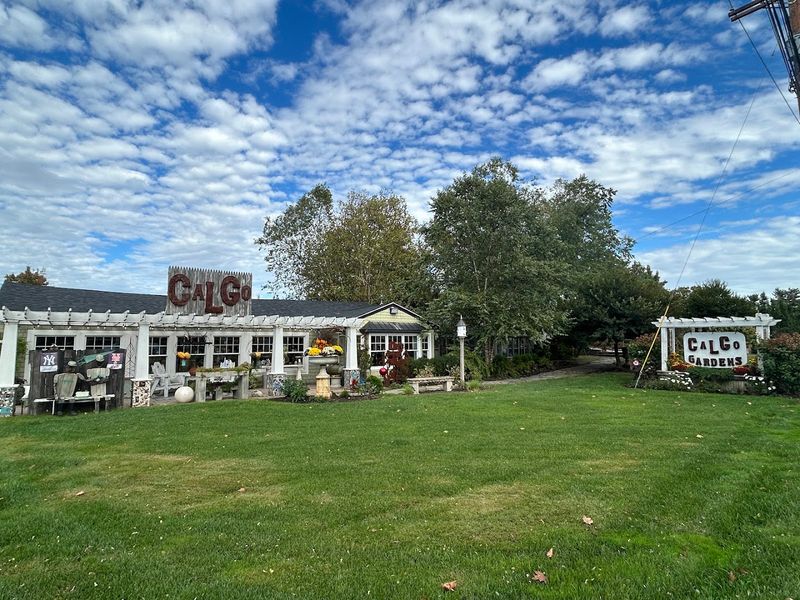
Some garden centers sell plants. Calgo Gardens turns the process into an afternoon involving winding paths, fountains, sculpture, local art, lunch, and at least one planter you had no intention of buying.
Set across seven acres in Freehold, Calgo combines a nursery and landscape business with artisan shops, workshops, seasonal events, wellness services, and the Tulip Tree Café. The grounds are designed to be explored rather than rushed.
Unusual plants appear beside colorful ceramics, weathered architectural pieces, water features, and small garden rooms that offer plenty of ideas for anyone whose backyard currently consists of grass and good intentions.
The Barn carries gifts and work by makers, while the nursery staff can help translate inspiration into plants suited to New Jersey conditions.
Tulip Tree Café provides a natural pause with fresh, seasonal food served inside the farmhouse or near the gardens. Its special farm-to-table dinners and themed seasonal suppers often require reservations and may sell out, but a casual daytime meal makes the visit feel complete without turning it into an event.
Calgo also hosts art gatherings, plant-focused classes, markets, and creative workshops throughout the year. Regular nursery hours extend through the week, although individual businesses on the property may keep different schedules.
Come prepared to browse slowly; this is one of the rare retail destinations where walking around without buying anything still feels like a worthwhile garden visit.
11. The Herbary at Bear Creek Farm – Howell Township
The timber-frame barn was raised in a single day using traditional Amish methods, and it still gives this Howell destination much of its grounded, old-fashioned character.
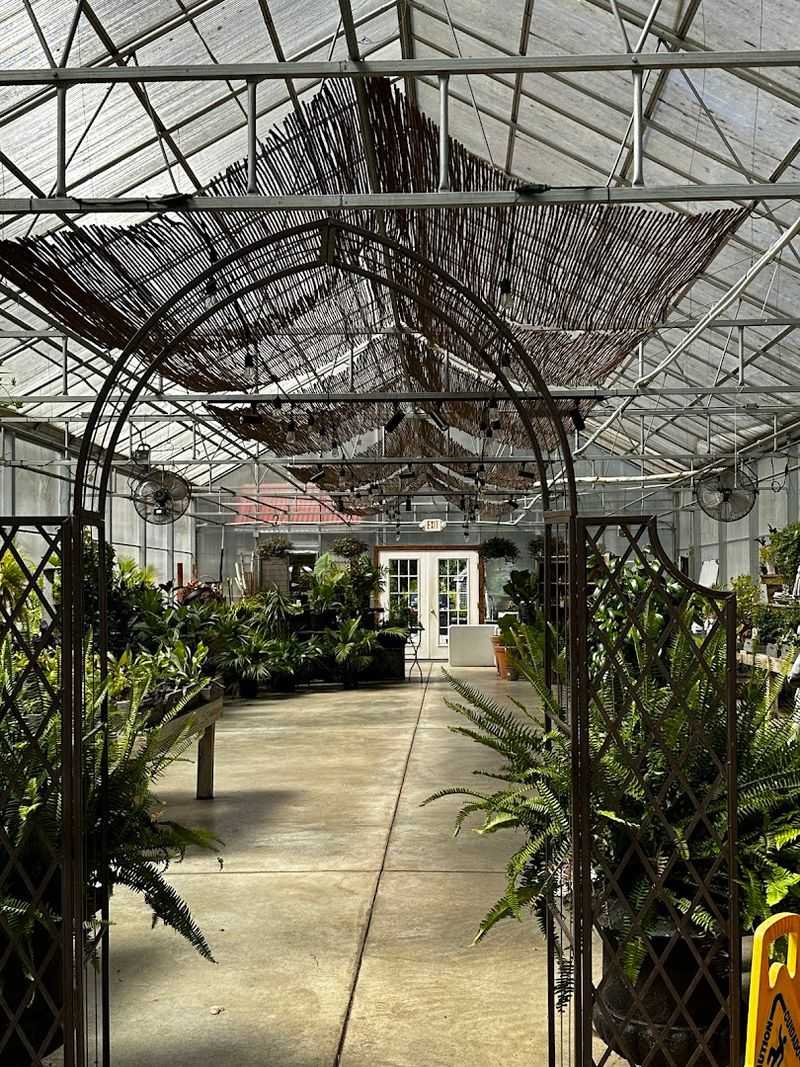
Inside, gardeners find pots, tools, organic soils, seasonal plants, and advice that is considerably more useful than standing in a big-box aisle and searching “why is my hydrangea angry?” The greenhouse shifts the mood again with tropical plants, succulents, and unusual houseplants packed into a warm, leafy space.
Outside, display gardens, containers, rustic structures, and landscaped corners make the property feel more like a small country retreat than a straightforward nursery. The Herbary is an especially good stop for people who enjoy garden design but do not necessarily need another flat of annuals.
There are decorative pieces, locally connected goods, candles, honey, pottery, and gifts that work even for visitors with no available planting space. A cozy café and rotating public events encourage people to stay rather than load the car and leave immediately.
Workshops, markets, family activities, and seasonal celebrations appear throughout the calendar, while the grounds and greenhouse also serve as backdrops for private events and scheduled photo sessions.
Regular hours generally run daily, with a slightly shorter Sunday schedule, but checking ahead is sensible around weddings or major events.
The result is calm, creative, and pleasantly removed from the traffic on nearby Shore routes.
12. Historic Longstreet Farm – Holmdel
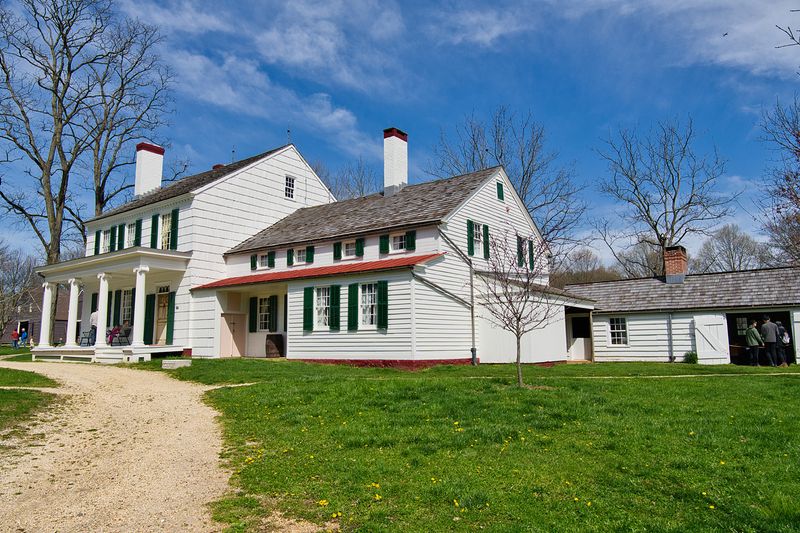
A draft horse pulling farm equipment through a field makes an effective reminder that agriculture did not always come with air-conditioned machinery and a podcast playing in the cab. Historic Longstreet Farm recreates rural Monmouth County life in the 1890s on nine acres within Holmdel Park.
Costumed interpreters carry out real seasonal and domestic work, from tending livestock and planting crops to cooking, blacksmithing, harvesting, and maintaining the many outbuildings needed to keep a farm running.
The collection includes a farmhouse, Dutch barn, smokehouse, icehouse, corn crib, stable, workshop, carriage house, and other structures that reveal how many separate systems supported one household.
Children usually head straight for the animals, but adults may become equally absorbed by the tools, kitchen routines, and stubborn physical effort behind tasks that now take a few minutes. The farm is open daily throughout the year, admission is free, and visitors can usually explore at their own pace.
Weekend demonstrations and special programs provide the liveliest experience, so check the calendar when possible. Pets are not allowed inside the farm area.
Since Longstreet sits within the much larger Holmdel Park, it is easy to add a picnic, a walk around the pond, or time on the surrounding trails. Few local history lessons are this easy to enter, hear, and occasionally smell.
13. Edith Duff Gwinn Gardens – Barnegat Light
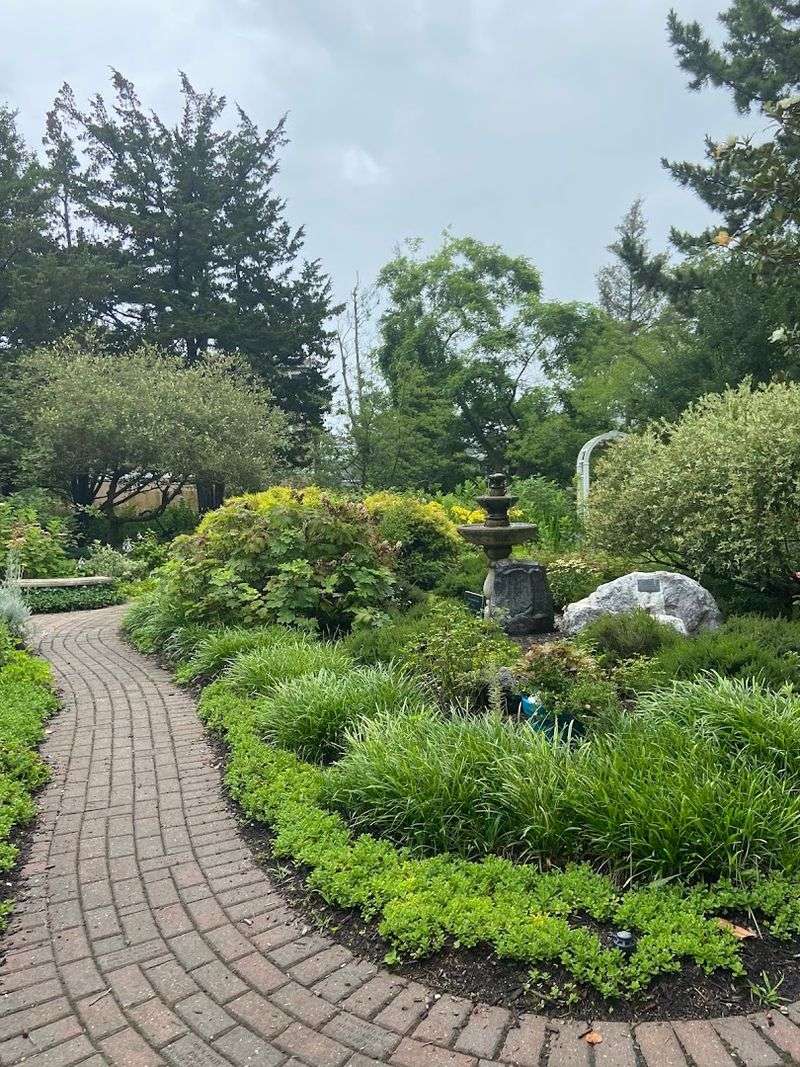
A few blocks from Barnegat Lighthouse, one of Long Beach Island’s loveliest gardens wraps around a former one-room schoolhouse. The Edith Duff Gwinn Gardens surround the Barnegat Light Museum, turning a small historic property into an outdoor lesson in what can thrive on a windy barrier island.
Bayberry, red cedar, beach plum, cactus, and other coastal plants share the grounds with seasonal flowers and carefully tended beds. These are not imported formal gardens pretending the Shore’s salt, sand, and weather do not exist.
The landscape works with its location, preserving native and regionally appropriate plants while creating a quiet place to wander. That makes it especially useful for homeowners attempting to garden near the ocean, where an attractive plant can quickly become a crispy cautionary tale.
Botanist and environmentalist Edith Duff Gwinn began improving the museum grounds in the 1960s, and members of the Garden Club of Long Beach Island continue maintaining the space today. The garden is small enough to enjoy in less than an hour, although benches and hidden details may persuade you to stay longer.
Pair it with the museum when open, then continue toward Viking Village or Barnegat Lighthouse State Park. There is no need for tickets or elaborate planning; this is a gentle, easily missed stop that rewards anyone willing to turn away from Long Beach Boulevard for a while.
14. Sister Mary Grace Burns Arboretum – Lakewood
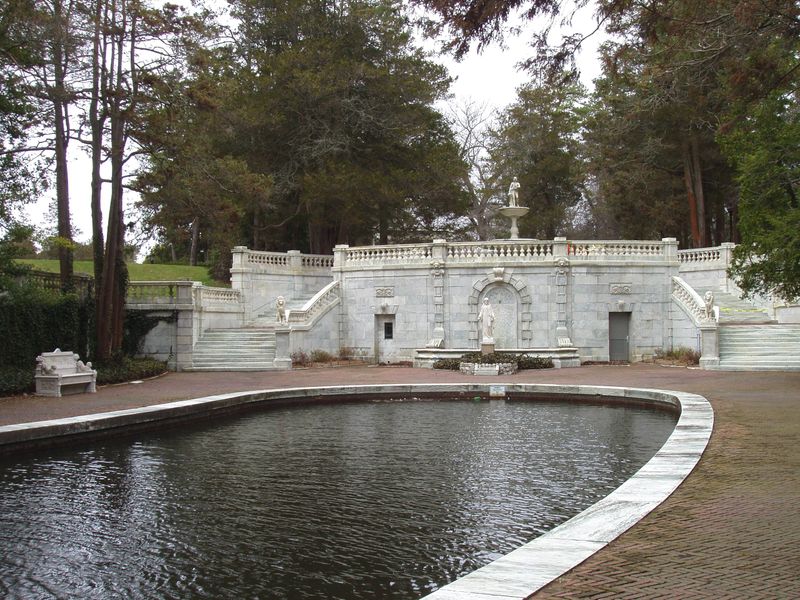
The surprise in Lakewood is not merely that an arboretum occupies a university campus. It is that the campus was once the lavish estate of George Jay Gould and still contains formal gardens designed around the turn of the 20th century.
The Sister Mary Grace Burns Arboretum preserves this unusual mixture of Gilded Age landscape design, mature specimen trees, native Pine Barrens vegetation, and modern sustainable gardening. Visitors can move among Italian, Formal, Japanese, and Sunken gardens, each with a noticeably different personality.
The Sunken Garden is the showstopper, with its lagoon, marble staircases, sculptural details, fountain, and connection to Lake Carasaljo. The Japanese Garden offers a quieter contrast through carefully placed trees, water, and restrained planting.
Elsewhere, towering oaks, pitch pines, hollies, magnolias, native gardens, rain gardens, low-mow areas, and other sustainable features show how the historic landscape continues to evolve. Because this remains an active university, the experience is different from entering a conventional botanical garden.
Students may be crossing between classes, ceremonies may temporarily affect access, and visitors should respect campus parking and building restrictions. The arboretum was established in 1989 and now protects approximately 100 landscaped acres of the former estate.
Check current visitor guidance before arriving, then give yourself time to look beyond the grandest architectural features. Some of its best moments happen beneath the oldest trees.