Deep beneath a quiet Sussex County town, ordinary-looking rock suddenly flashes electric green and fiery orange under ultraviolet light.
A few counties away, an artist has spent decades turning his home into a sprawling mosaic dreamscape, while an unassuming Flemington building contains enough miniature railroad track to make a model-train enthusiast forget what time it is.
These are not the New Jersey attractions that dominate vacation brochures or draw bumper-to-bumper crowds. They are stranger, more specific, and often far more memorable.
This list moves from underground mine tunnels and bug-filled galleries to historic aircraft, monumental Hindu architecture, and museums devoted to the industries that quietly shaped modern America.
Some require advance planning, others are easy afternoon stops, and at least one is definitely not a place where you should simply show up unannounced.
Together, they prove that New Jersey’s coolest outings are often hiding well beyond the usual boardwalks, malls, and headline attractions.
1. Sterling Hill Mining Museum — Ogdensburg
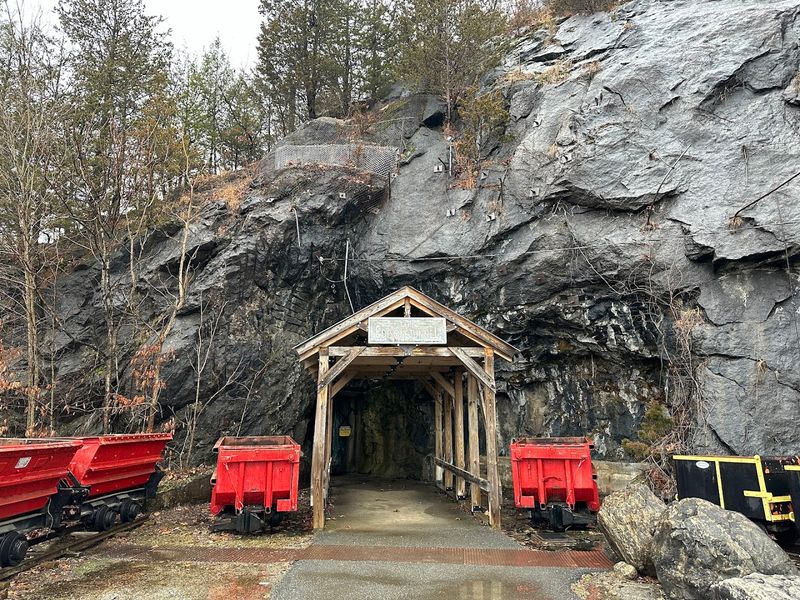
The temperature drops to a steady 56 degrees as soon as the underground portion of this Ogdensburg adventure begins. Visitors walk roughly 1,300 feet through tunnels cut into a former zinc mine, passing old equipment, work areas, a shaft station, and galleries dating back to the 1830s.
It is damp, dim, and just industrial enough to make you appreciate the light jacket the museum recommends bringing. The route is generally level, so the experience feels more like walking through an underground time capsule than tackling a cave expedition.
The moment everyone remembers is the Rainbow Tunnel, where ultraviolet lighting reveals minerals glowing in colors that seem almost digitally enhanced.
The surrounding Franklin-Sterling Hill district has produced more than 360 identified mineral species, including roughly 90 that fluoresce, which explains why the museum treats geology like a genuine spectacle rather than a shelf of labeled stones.
Leave time for the mineral displays and, when available, sluicing or collecting. Younger visitors generally do better with the water-trough sluicing experience, while the mine-run collecting area is aimed at adults wearing proper closed-toe footwear.
Tour schedules change seasonally; during the main 2026 summer period, the principal guided tour is offered once daily at 1 p.m., with early arrival requested. Check the current schedule before making the drive, and bring that jacket even when Ogdensburg is sweltering.
2. Luna Parc — Sandyston Township
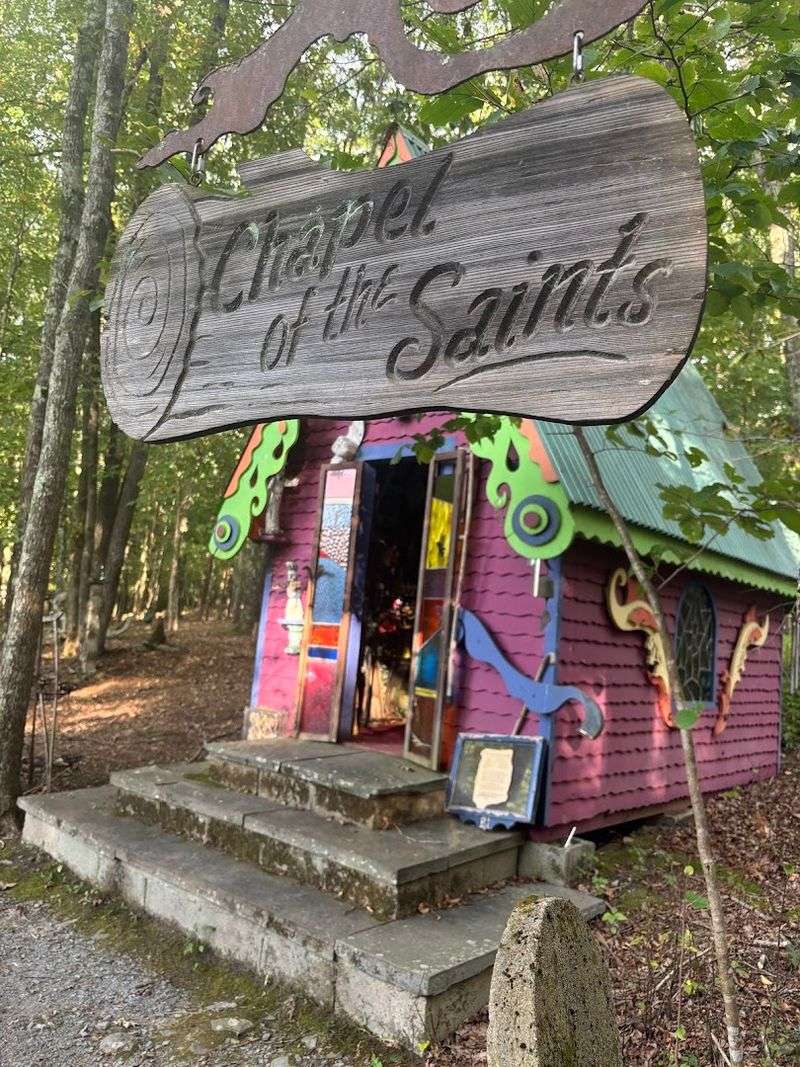
A bottle-lined railing, a crooked clock tower, ceramic faces, mosaic fragments, and whirligigs appear before you have fully decided whether Luna Parc is a house, a sculpture, or an elaborate practical joke played on conventional architecture.
The correct answer is all three, plus a working studio and an art environment that has been evolving since 1989.
Artist Ricky Boscarino has transformed six wooded acres in Sandyston Township into an intensely personal world built from glass, clay, metal, wood, cement, and whatever else can be persuaded to become part of the composition. What makes a visit so absorbing is the density of it.
Large forms grab your attention first, but the smaller choices keep slowing you down: sculpted faces peering from walls, patterned chimneys, handmade tiles, murals, odd inscriptions, and tucked-away installations that reward anyone willing to look twice.
Nothing feels selected from a catalog, and very little seems designed to fade politely into the background.
The critical planning detail is that this is not a standard walk-in attraction. Luna Parc remains a private home and studio, and public access is limited to designated open houses, tours, and scheduled visiting days.
Do not arrive at the gate hoping for an exception. Watch for announced dates, reserve a spot when required, and treat the visit less like entering a museum than being invited into an artist’s long-running, gloriously eccentric life project.
3. Northlandz — Flemington
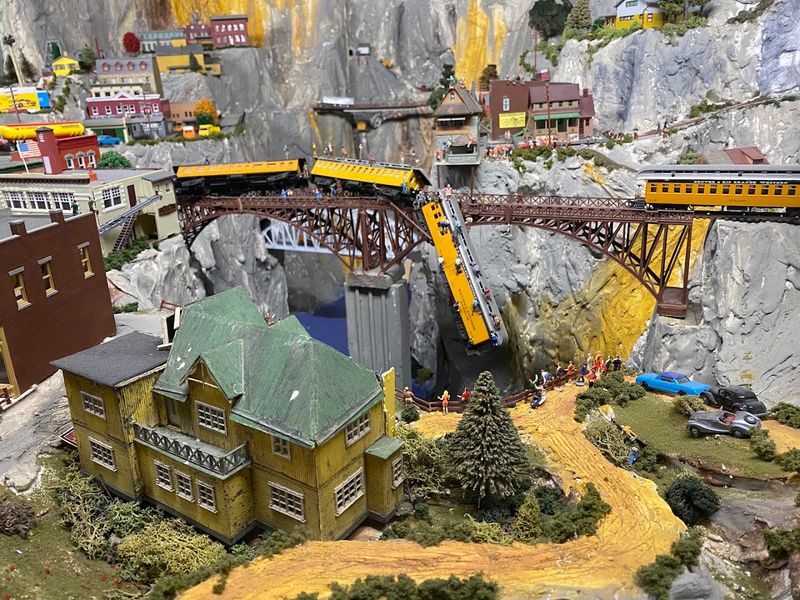
Tiny trains are only the beginning. Follow the indoor path at Northlandz and entire miniature civilizations unfold below, beside, and above you: bridges cross deep ravines, towns cling to hillsides, rail yards stretch toward painted horizons, and locomotives disappear into tunnels before reemerging somewhere unexpected.
The Flemington attraction covers roughly 52,000 square feet and contains more than eight miles of model railroad track, a scale that turns what sounds like a niche hobby display into an absorbing indoor expedition. The fun lies in constantly changing your perspective.
One moment you are peering down at a crowded station; the next, you are looking up at a mountain scene or noticing a miniature joke hidden in a street corner. Children tend to race ahead looking for moving trains, while adults get pulled into the craftsmanship, engineering, and sheer stubbornness required to build something this elaborate.
The layout was created by Bruce Zaccagnino, and its record-setting size made Northlandz internationally known among model-railroad fans. Give yourself more time than you think you need.
The self-guided route is long, and rushing defeats the point because many of the best details are easy to miss. Northlandz is currently open daily from 10 a.m. to 6 p.m., and an outdoor train ride is offered separately when operating.
It is a particularly useful pick for a rainy day, though serious train enthusiasts may need to be gently reminded that the rest of the group eventually has to go home.
4. Insectropolis — Toms River
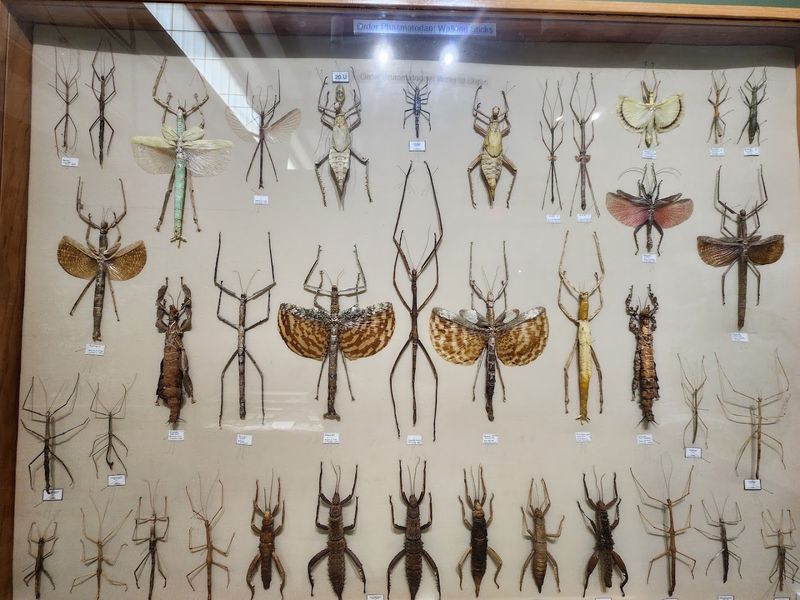
Tarantulas occupy the creepy neighborhood, agricultural pests have mugshots, and honeybees operate out of something called Hive Airport. Insectropolis understands that the fastest way to get people interested in bugs is to skip the dry lecture and build an entire miniature city around them.
The Toms River “bugseum” combines live creatures, preserved specimens, hands-on displays, games, and themed rooms that turn entomology into a surprisingly playful indoor outing.
Start at Bug University for the basics, then move through exhibits covering insect anatomy, camouflage, feeding, communication, colonies, predators, and pollinators.
The Mud Tube offers a termite’s-eye view of underground life, Creepy Cavern introduces visitors to tarantulas and molting, and the live beehive makes the phrase “busy as a bee” look like a serious understatement. Daily live presentations add the possibility of seeing staff handle some of the museum’s less cuddly residents.
This is an especially good choice for elementary-age children, but adults who insist they are “not bug people” may be surprised by how much time they spend studying camouflage or watching carpenter ants work. The entire museum is on one level and is stroller- and wheelchair-accessible.
Hours vary between the school year and summer, so confirm the schedule before heading to Route 9; current admission is $14 plus tax, with children age two and under admitted free. Plan on a manageable half-day rather than an all-day museum marathon.
5. InfoAge Science & History Museums — Wall Township
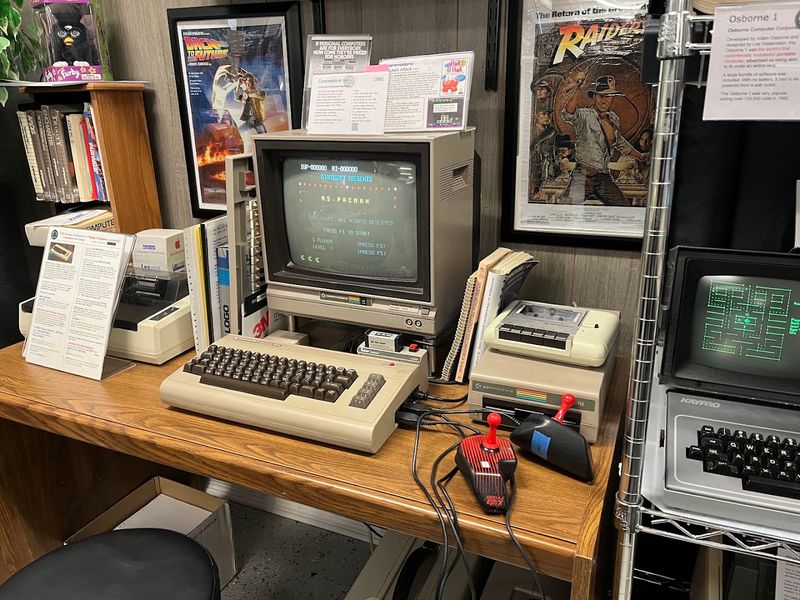
One admission ticket here might lead you from a rotary telephone to a tank, then to a vintage mainframe, a Cold War fallout shelter, a model railroad, and artifacts recovered from shipwrecks.
InfoAge is less a single museum than a sprawling alliance of collections occupying six historic buildings on the former Camp Evans military and communications site in Wall Township.
More than 20 museums and exhibits share the 34-acre campus, which gives the place the free-ranging energy of a science fair assembled by extremely knowledgeable collectors. The communications history is particularly strong.
Visitors can try a telegraph, handle a rotary phone, tune a radio, explore recorded sound, and trace the development of computing from early mainframes through familiar home machines.
Elsewhere, the Military Technology Museum fills a large space with jeeps, tanks, half-tracks, amphibious vehicles, and other equipment, while the reconstructed fallout shelter captures the peculiar domestic anxiety of the atomic age.
This is not a sleek museum where every gallery follows one polished narrative. Its appeal comes from opening another door and finding an entirely different group of enthusiasts ready to explain a machine, artifact, or forgotten chapter of New Jersey history.
Wear comfortable shoes and dress for the weather because the exhibit buildings require some outdoor walking. InfoAge is currently open Wednesdays, Saturdays, and Sundays from noon to 5 p.m., with plentiful free parking.
Arrive early if you hope to cover more than a fraction of the campus.
6. Museum of American Glass at WheatonArts — Millville
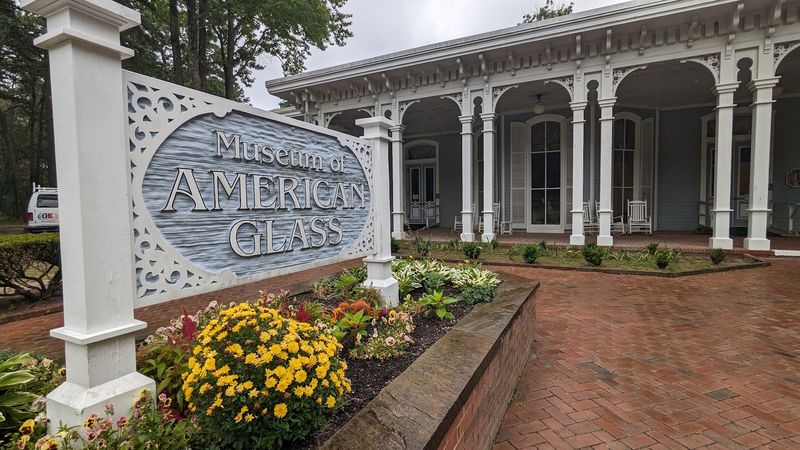
Molten glass begins as an almost blinding orange blob, then stretches, spins, and gradually becomes something delicate enough to display behind museum glass.
Watching that transformation in the artist studios is the perfect companion to exploring the Museum of American Glass, where finished pieces reveal just how far the material can be pushed.
Located on the WheatonArts campus in Millville, the museum holds more than 20,000 objects across over 18,000 square feet of exhibition space, tracing American glass from utilitarian bottles to ambitious contemporary sculpture.
The collection feels especially at home here because Millville developed at the center of America’s early glass industry.
Historic vessels establish the craft’s practical roots, while works by major contemporary artists show how glass became a medium for color, abstraction, humor, and storytelling. The world’s largest hand-blown glass bottle provides the wonderfully oversized photo opportunity every serious museum deserves.
Do not stop after the galleries. Glassblowing, flameworking, and pottery demonstrations make the techniques much easier to appreciate, and the surrounding grounds include museum stores, a pond-side picnic area, the Down Jersey Folklife Center, and a one-mile nature trail.
WheatonArts operates seasonally, generally opening Thursday through Sunday from 11 a.m. to 4 p.m. between April and December and closing for regular visitation during the first three months of the year. Build in enough time to watch a full demonstration rather than catching only the final flourish.
7. Roebling Museum — Roebling
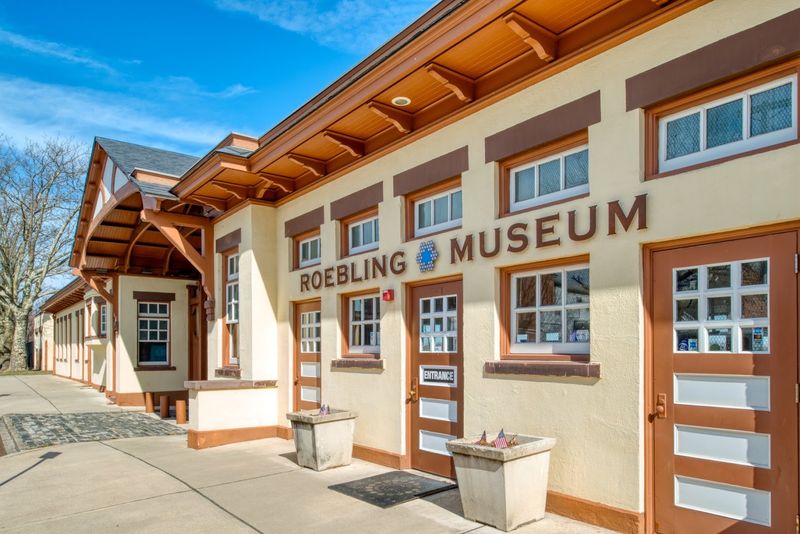
Before famous suspension bridges could rise over wide rivers, somebody had to make the wire strong enough to hold them. That work happened on an enormous scale in Roebling, a company town built beside a steel-and-wire complex established by John A.
Roebling’s Sons Company. The museum now occupies the former mill gatehouse, where thousands of employees once passed on their way to work, making the building itself part of the industrial story.
Inside, six galleries connect engineering achievements to the immigrants and working families who powered the company.
Blueprints, photographs, bridge materials, tools, and personal objects explain how Roebling wire rope became essential to bridges, elevators, ships, mines, telegraph systems, and other technologies that shaped modern life.
John A. Roebling is best known for designing the Brooklyn Bridge, while the company his sons expanded eventually became a leading international wire-rope producer.
The outdoor millyard adds scale to the story, with heavy industrial equipment spread across a seven-acre historic landscape. On Saturdays, a guided company-town walk provides a broader look at the preserved streets and the relationship between factory management, housing, and community life.
The museum is open Thursday through Saturday from 11 a.m. to 4 p.m. from March through December, with appointment-only access in January and February.
Admission remains unusually affordable, and the River Line light-rail station sits beside the parking area, making this one of the rare small New Jersey museums that is genuinely convenient to reach without a car.
8. Naval Air Station Wildwood Aviation Museum — Lower Township
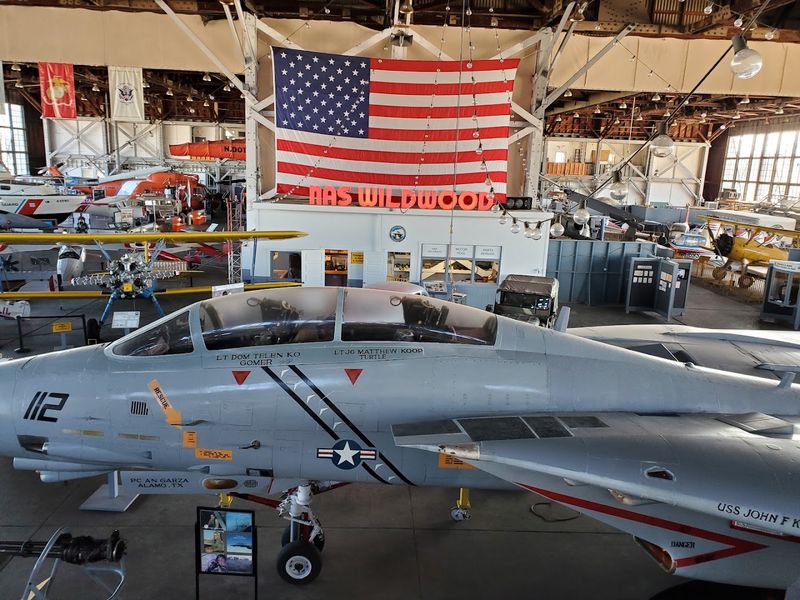
The vast wooden hangar creaks, echoes, and changes temperature with the weather, which is exactly why this aviation museum feels so different from a climate-controlled display hall. Historic Hangar No. 1 was assembled for the U.S.
Navy in 1942 and served Naval Air Station Wildwood, where dive-bomber squadrons trained before deployment to the Pacific during World War II. Restored after years of decline, the building is now both the museum’s home and one of its most impressive artifacts.
More than 20 aircraft fill the space, ranging from propeller-driven warbirds to helicopters and fast military jets. Highlights include a TBM Avenger, an F6F-3 Hellcat, a Bell “Huey,” an F-14 Tomcat, and an F-16.
Visitors can also inspect aircraft engines, step inside a real air-traffic-control tower, explore a recreated 1940s room, and study military vehicles and smaller objects connected to local wartime life. The collection has an approachable, hands-on quality that works well for families.
Aircraft are close enough to appreciate their scale, and the hangar does not bury the machines beneath layers of theatrical lighting or overly complicated interpretation. From March through December, the museum is open daily from 10 a.m. to 4 p.m.; January and February hours are limited to weekdays.
Dress according to the outdoor temperature because the historic hangar is not climate-controlled. That can mean a chilly winter visit or a warm summer one, but it also keeps the setting remarkably authentic.
9. BAPS Swaminarayan Akshardham — Robbinsville
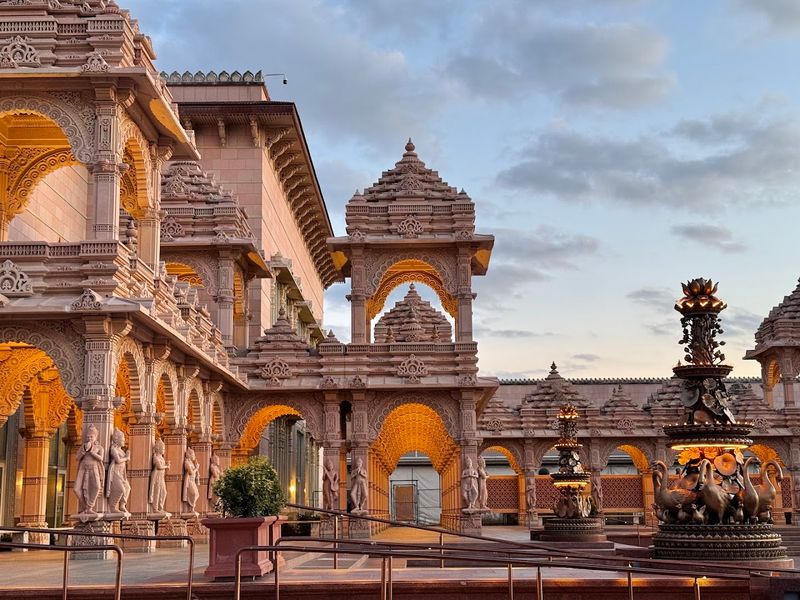
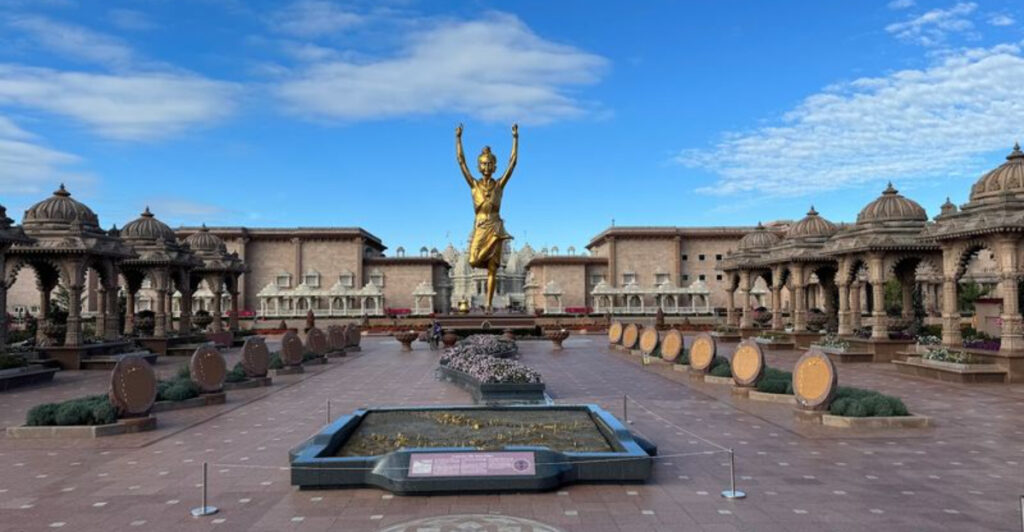
The first challenge is deciding where to look. Thousands of carvings cover pillars, walls, arches, domes, and exterior surfaces, turning stone into a dense visual record of Hindu spirituality, nature, music, dance, and human life.
At the center of the Robbinsville campus stands the Akshardham Mahamandir, surrounded by landscaped grounds, a traditional mandir, a welcome center, and the Brahma Kund stepped pond. The result is not simply a monumental building but a functioning sacred space created for worship, reflection, learning, and community.
Visitors of every background are welcomed, though the experience is best approached with the awareness that this is an active place of faith rather than a conventional sightseeing stop.
Slow down inside the Mahamandir, notice how the carving changes from one surface to the next, and leave time to walk around the stepped pond and campus gardens.
The 49-foot image of Nilkanth Varni near the entrance establishes the contemplative tone before visitors reach the main structure. A vegetarian meal or snack at Shayona Café can round out the visit.
Admission is free. The campus is open from 9 a.m. to 7:30 p.m. every day except Tuesday, with timed reservations required on certain major holidays and Diwali.
Modest clothing is required, shoulders and knees should be covered, and shoes must be removed before entering the Mahamandir. Review the visitor guidelines beforehand so the practical details do not distract from one of New Jersey’s most remarkable architectural experiences.