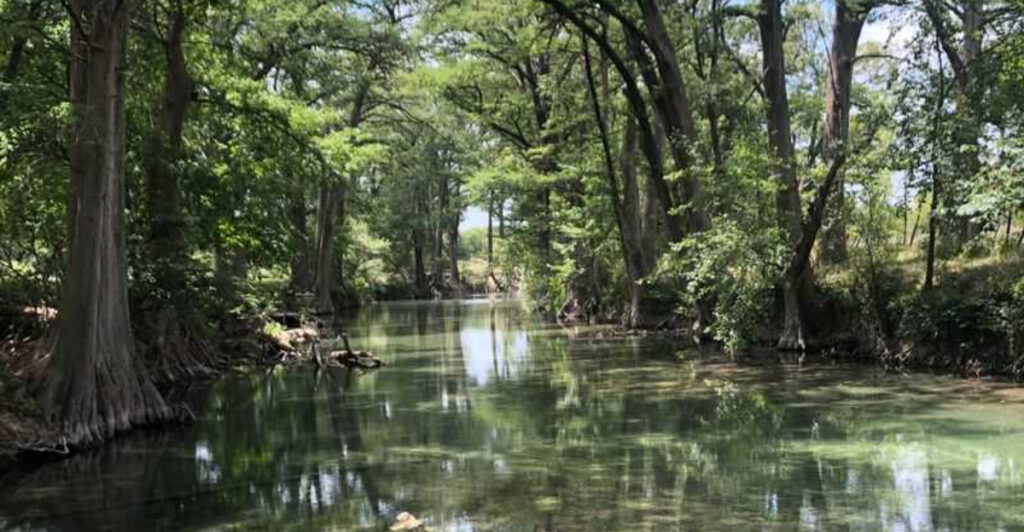
Texas stretches across deserts, canyons, beaches, and forests, creating landscapes that surprise even lifelong residents. From underground caves to towering rock formations, the state hides natural wonders in every corner. Whether you crave a peaceful paddle through cypress swamps or a challenging hike through rugged canyons, these outdoor adventures showcase the wild beauty that makes Texas unforgettable.
1. Caddo Lake State Park (Karnack)
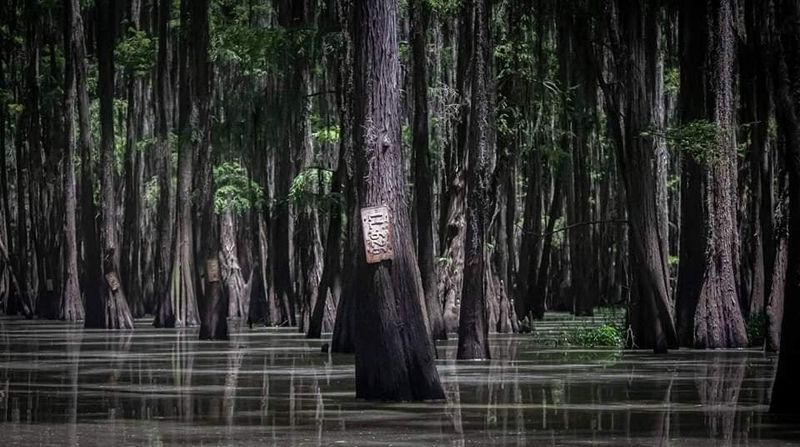
Spanish moss hangs from ancient cypress trees like curtains in a forgotten theater, and the water reflects every twisted trunk and tangled root. This isn’t the Texas most people picture. Caddo Lake feels more like Louisiana bayou country, with mysterious channels winding through a flooded forest that seems to belong to another era entirely.
Paddling here means navigating a maze of waterways where every turn reveals something new—a heron standing motionless, a turtle sunbathing on a log, or suddenly finding yourself in open water after squeezing through narrow passages. The cypress knees poke up from the lake bottom like natural sculptures. Morning mist rolls across the surface, making the whole place feel otherworldly and slightly magical.
Fishing enthusiasts come for the bass and crappie, but even non-anglers appreciate the tranquility of drifting through these waters. The park offers canoe and kayak rentals if you don’t have your own boat. Guided pontoon tours provide fascinating insights into the lake’s ecosystem and history, including stories about how it became Texas’s only natural lake.
Camping options range from screened shelters to RV sites with full hookups, and several cabins offer more comfortable overnight stays. Hiking trails wind through the surrounding pine and hardwood forest, giving landlubbers their own way to explore. The 1.5-mile Saw Mill Pond Trail loops through bottomland hardwoods and offers excellent birdwatching opportunities.
Wildlife sightings happen constantly—alligators bask in sunny spots, wood ducks paddle through the shallows, and occasionally you’ll spot a river otter playing in the channels. Spring brings blooming water lilies that carpet sections of the lake in white and yellow. Fall transforms the cypress trees into rusty gold before they drop their needles for winter, creating completely different scenery depending on when you visit.
2. Enchanted Rock State Natural Area (Fredericksburg)
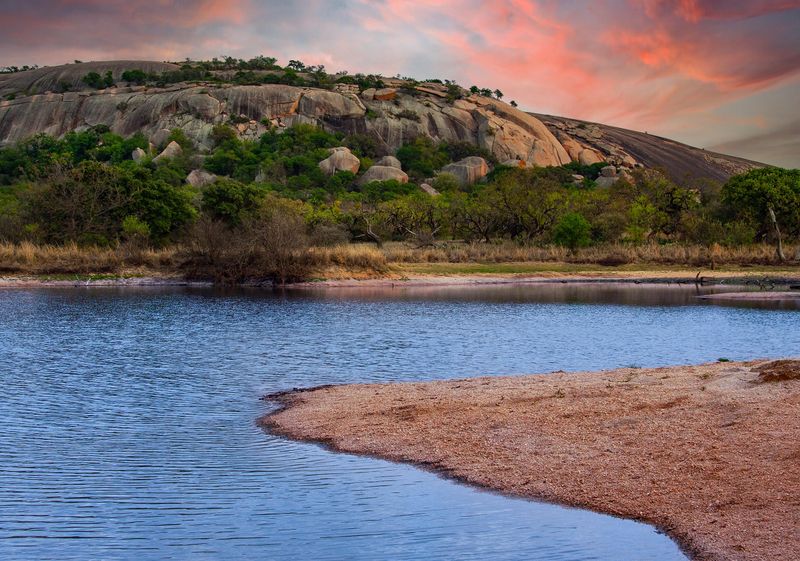
A massive pink granite dome rises 425 feet above the Hill Country, visible for miles around like a bald mountain plopped in the middle of Texas. Walking up the smooth rock face feels like climbing a giant’s back—the surface stays surprisingly grippy even though it looks slippery. Reaching the summit rewards you with 360-degree views that stretch across rolling hills covered in oak trees and prickly pear cactus.
The rock itself formed over a billion years ago deep underground, then erosion slowly exposed this enormous batholith. Geologists get excited about the exfoliation process that creates the dome’s distinctive rounded shape, but most visitors just think it looks really cool. At night, the rock supposedly makes creaking sounds as it cools and contracts, which early settlers found spooky enough to inspire the “enchanted” name.
Summit Trail covers just over a mile round trip, but that mile climbs steeply enough to get your heart pumping. Wear proper shoes—flip-flops and the smooth granite don’t mix well. Weekends get crowded, so arriving early or visiting on weekdays makes for a better experience.
The park limits daily visitors to protect the area, and they sometimes close the gates when capacity fills up.
Beyond the main dome, several smaller rock formations offer their own adventures. Loop Trail circles the base for four miles, passing through oak groves and rocky terrain with less climbing involved. Rock climbers tackle various routes on the smaller domes, and you’ll often see colorful ropes and gear decorating the rocks.
Primitive camping sites scattered around the park let you watch sunset paint the granite orange and pink.
Spring wildflowers carpet the surrounding areas in bluebonnets, Indian paintbrush, and other colorful blooms. Summer heat makes early morning hikes essential—the bare rock offers zero shade and temperatures soar. Winter and fall provide the most comfortable climbing conditions, though you might need a jacket at the windy summit.
3. Padre Island National Seashore (Corpus Christi)
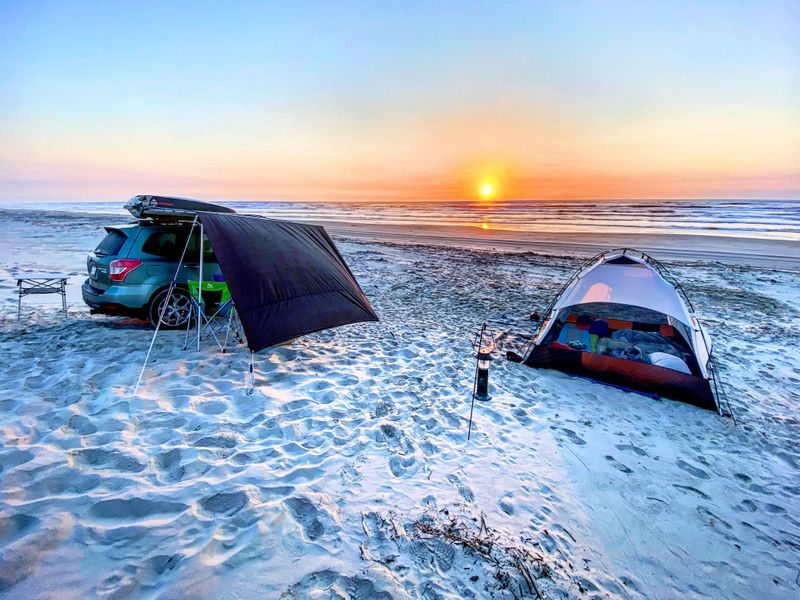
Seventy miles of undeveloped beach stretch along the Gulf Coast, making this the longest remaining natural seashore in the United States. No hotels, no restaurants, no boardwalks—just sand, waves, and sky for as far as you can see. The island feels wild and untamed, especially when you drive down the beach and civilization disappears in your rearview mirror.
Four-wheel-drive vehicles can travel miles down the sand, accessing remote stretches where you might not see another person all day. The hard-packed sand near the waterline makes for easier driving, but inexperienced beach drivers sometimes get stuck in soft spots. Watching the sunrise over the Gulf from a completely empty beach creates one of those perfect moments that makes you forget the rest of the world exists.
Sea turtle nesting season from April through July brings Kemp’s ridley turtles to shore, and the park runs a conservation program to protect these endangered creatures. Watching hatchlings make their first journey to the ocean during public releases becomes an unforgettable experience. Rangers also lead programs about the island’s ecosystem and the various birds, fish, and marine life that call it home.
Fishing opportunities abound both from the beach and in the Laguna Madre on the bay side. Redfish, speckled trout, and black drum swim these waters, along with occasional tarpon and sharks. Beachcombers discover shells, driftwood, and sometimes interesting items washed up from who-knows-where.
Bird watchers spot over 380 species throughout the year, including pelicans, terns, and various shorebirds.
The Malaquite Visitor Center area offers the easiest beach access with parking, restrooms, and covered pavilions. Camping ranges from developed sites with water and restrooms to primitive beach camping miles down the shore. Bring everything you need—no stores exist once you enter the park.
Wind blows constantly, so secure your tent well and prepare for sand in absolutely everything.
4. Gorman Falls at Colorado Bend State Park (Bend)
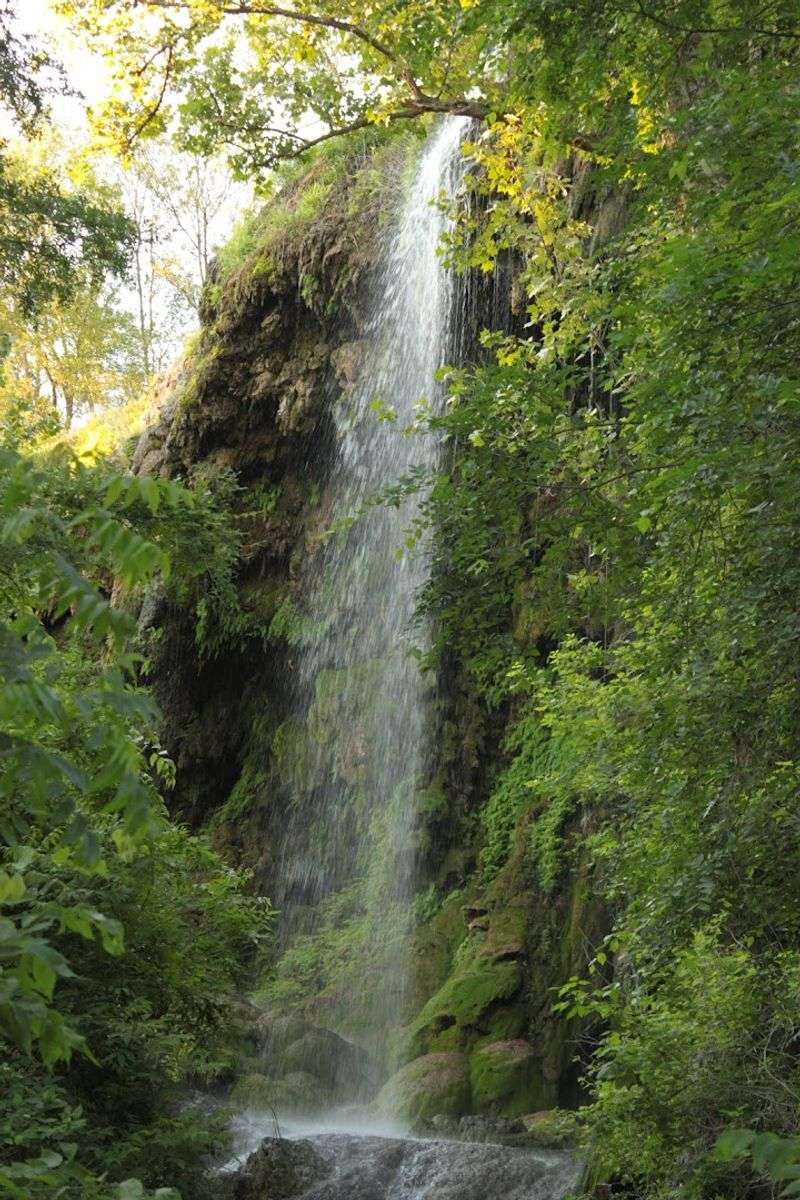
Water tumbles 70 feet down a moss-covered travertine cliff, creating one of the most photogenic waterfalls in Texas. The green and gold vegetation clinging to the limestone looks almost tropical, completely unexpected in the middle of Hill Country ranchland. Getting there requires a challenging three-mile hike each way, which keeps the crowds manageable and makes reaching the falls feel like discovering a secret.
The trail follows the Colorado River through rocky terrain before climbing and descending through oak-juniper woodland. Several creek crossings require hopping across rocks or just accepting wet feet. The last section drops steeply down to the falls overlook, where you’ll understand why the hike was worth every sweaty step.
Travertine formations build up as mineral-rich water deposits calcium carbonate, creating the unique terraced appearance. Bright green mosses, ferns, and other water-loving plants coat every surface, thriving in the constant spray. The falls flow year-round thanks to Gorman Creek’s spring-fed source, though volume varies with rainfall.
After heavy rains, the waterfall roars impressively, while drier periods create a gentler cascade.
Photography enthusiasts love this spot, though capturing the falls’ full beauty proves challenging—the narrow canyon and overhanging vegetation make lighting tricky. Morning light works best, but the hike timing depends on the season and when the park opens. Bring plenty of water for the trek, especially during summer when temperatures climb and shade becomes scarce on parts of the trail.
The park itself offers additional adventures beyond Gorman Falls. Spicewood Springs Trail leads to another spring-fed waterfall and swimming hole. Cave tours explore Gorman Cave on weekends, requiring reservations made well in advance.
The Colorado River provides excellent kayaking and tubing opportunities, with clear water flowing over limestone bedrock. Primitive camping sites dot the park, though the remote location means bringing all your own supplies and preparing for limited facilities.
5. The Cave Without a Name (Boerne)
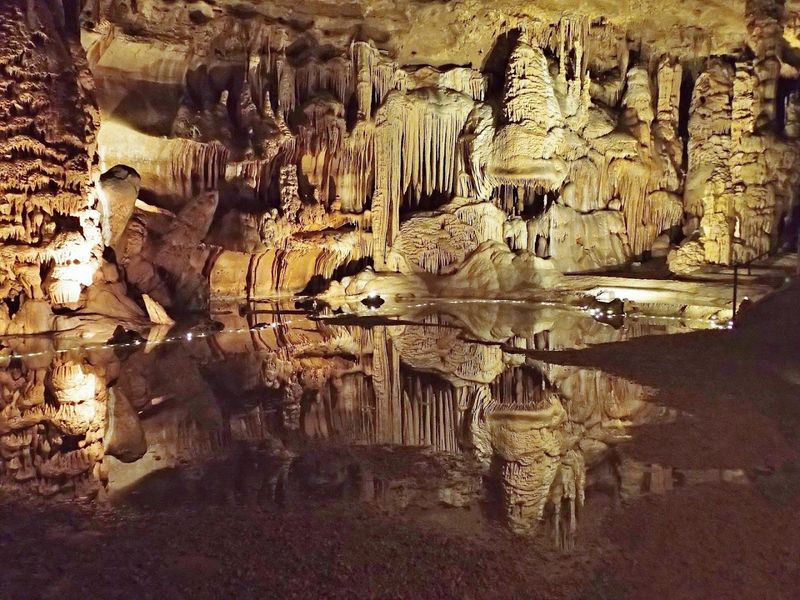
A six-year-old boy discovered this cave in 1939 while searching for a lost goat, crawling through a small opening that led to spectacular underground chambers. The family who owned the land decided to open it for tours, and when they held a naming contest, one child submitted “a cave without a name” because it was too beautiful to name. That entry won, giving the cave its charmingly contradictory title.
Guided tours descend into a living cave where formations still grow, dripping and building microscopic layers year after year. Stalactites hang from the ceiling like stone icicles, while stalagmites rise from the floor to meet them. Some have already connected into columns that span floor to ceiling.
The formations display incredible variety—delicate soda straws, flowing draperies, and bizarre shapes that spark imagination.
The cave maintains a constant 66 degrees year-round, making it a refreshing escape during Texas summers and a relatively warm retreat in winter. Humidity stays near 99 percent, so glasses fog up and cameras need careful handling. The tour covers about six-tenths of a mile along well-lit, paved walkways with handrails, making it accessible for most ages and fitness levels.
Guides share geological explanations about how water, limestone, and thousands of years create these underground sculptures. They also point out formations that resemble recognizable objects—a fried egg, a chandelier, a castle. Occasionally, tiny cave crickets or other small creatures appear, reminding visitors that this underground world supports its own ecosystem.
The cave’s relatively small size compared to some commercial caves actually works in its favor, creating an intimate experience rather than an overwhelming cavern.
Photography is allowed without flash, though the low light challenges most phone cameras. The cave’s natural beauty doesn’t need filters or editing. Above ground, the property includes picnic areas and a small gift shop.
The location near Boerne makes it easy to combine with Hill Country wine tasting or visits to other nearby attractions.
6. Palo Duro Canyon State Park (Canyon)
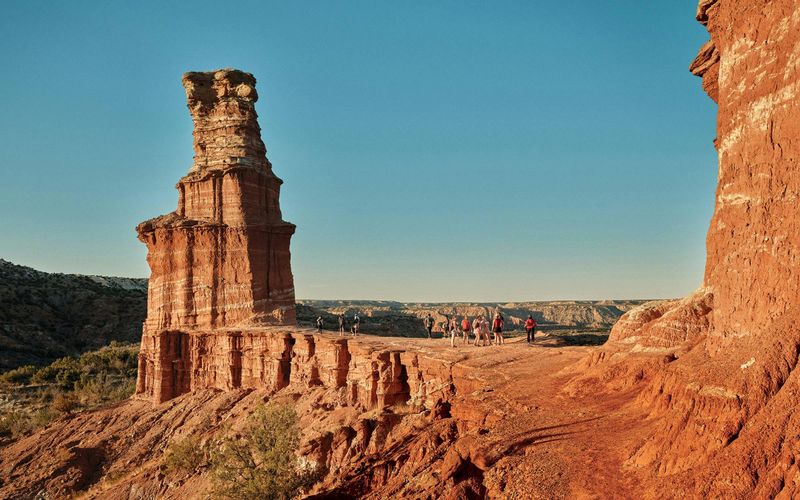
The second-largest canyon in the United States hides in the flat Panhandle, invisible until you’re practically at its edge. Then the earth suddenly drops away 800 feet, revealing 120 miles of colorful canyons carved by the Prairie Dog Town Fork of the Red River. Layers of red, orange, yellow, and white rock tell 250 million years of geological history in striped cliffs that glow at sunrise and sunset.
Most visitors drive the 16-mile scenic road that winds down into the canyon and along its floor, stopping at overlooks and trailheads. But seeing Palo Duro from a car barely scratches the surface. Hiking trails range from easy walks to challenging climbs, with the Lighthouse Trail being the most popular—a six-mile round trip to a distinctive rock formation that stands like a sentinel over the canyon.
Mountain bikers love the Givens, Spicer, Lowry trail system that offers 25 miles of paths through varied terrain. Horseback riding lets you explore like the Native Americans and early settlers who sheltered in these canyons for thousands of years. The canyon’s protected walls create a unique microclimate, supporting plants and animals that couldn’t survive on the harsh plains above.
Summer brings the musical drama “TEXAS,” performed in an outdoor amphitheater carved into the canyon wall. The production tells the story of Panhandle pioneers through song, dance, and special effects, including real horses on stage. Even people who normally avoid musicals find themselves entertained by the spectacle against the natural backdrop.
Camping options include everything from tent sites to cabins built by the Civilian Conservation Corps in the 1930s. Waking up inside the canyon as morning light illuminates the rocks creates a completely different experience than just visiting for the day. Wildlife sightings might include roadrunners, wild turkeys, mule deer, and the occasional Texas horned lizard.
Spring wildflowers add splashes of color to the desert landscape, while fall brings comfortable temperatures perfect for longer hikes.
7. Medina River (Bandera)
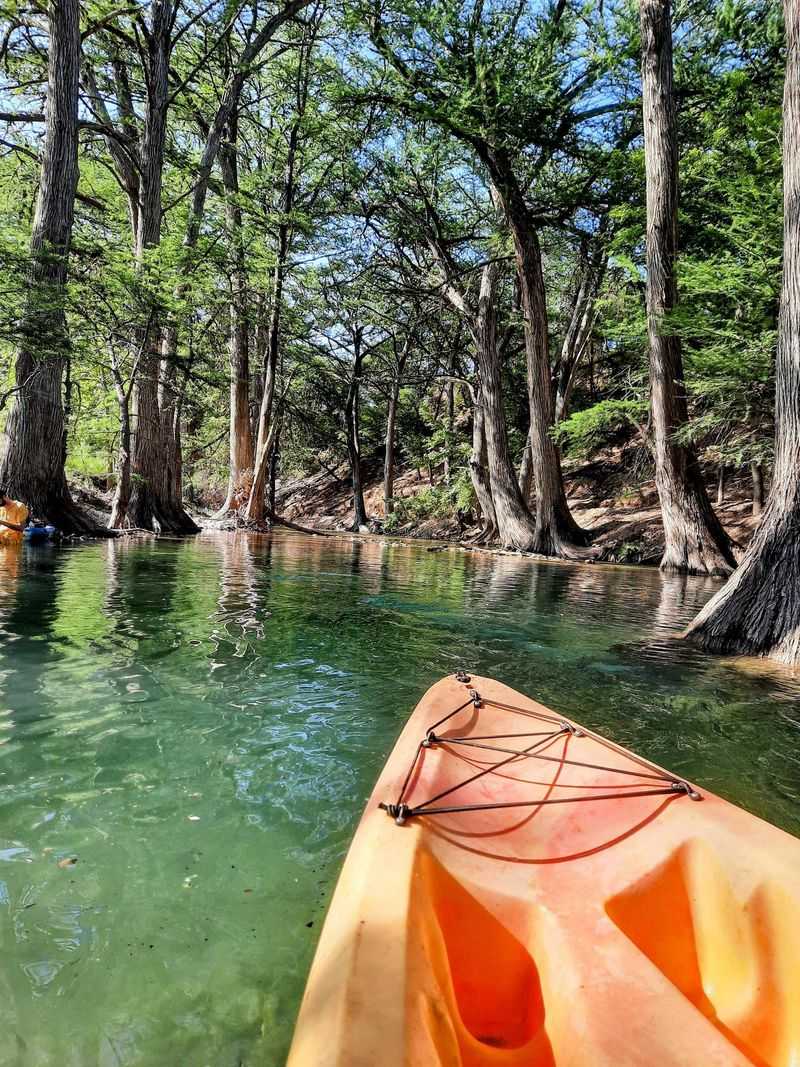
Crystal-clear water flows over limestone bedrock through the heart of cowboy country, creating one of the prettiest river experiences in Texas. The Medina stays cooler than many Hill Country rivers thanks to spring-fed sources, and the clarity lets you see fish swimming and rocks on the bottom even in deeper sections. Cypress trees line the banks, their roots creating natural sculptures in and around the water.
Tubing the Medina offers a more relaxed pace than the party atmosphere of some other Texas rivers. Families float peacefully, stopping at sandy beaches and shallow areas where kids can wade and play. The river’s natural character remains largely intact—no concrete banks or overdevelopment, just trees, rocks, and flowing water.
Several outfitters in Bandera rent tubes and provide shuttle services for different length trips.
Kayaking and canoeing work well here too, especially for people who want more control than a tube provides. The river includes some small rapids and rocky sections that add mild excitement without requiring whitewater skills. Fishing for bass, catfish, and perch happens year-round, with certain spots known among locals as reliable producers.
Swimming holes with deeper pools appear frequently, perfect for cooling off between floating sections.
Bandera calls itself the “Cowboy Capital of the World,” and the town’s Western heritage shows in everything from the old storefronts to the rodeos held regularly. Combining a river day with exploring downtown Bandera, grabbing barbecue, or even staying at a dude ranch creates a full Hill Country experience. The area’s relatively lower elevation compared to rivers further west means slightly warmer water temperatures and a longer comfortable floating season.
Summer weekends bring crowds, but weekdays and spring or fall visits offer more solitude. The river flows through private land in many sections, so respecting property boundaries and using designated access points keeps everyone happy. Bring water shoes—the limestone rocks can be sharp, and the river bottom varies from sandy to rocky throughout the course.
8. Longhorn Cavern State Park (Burnet)
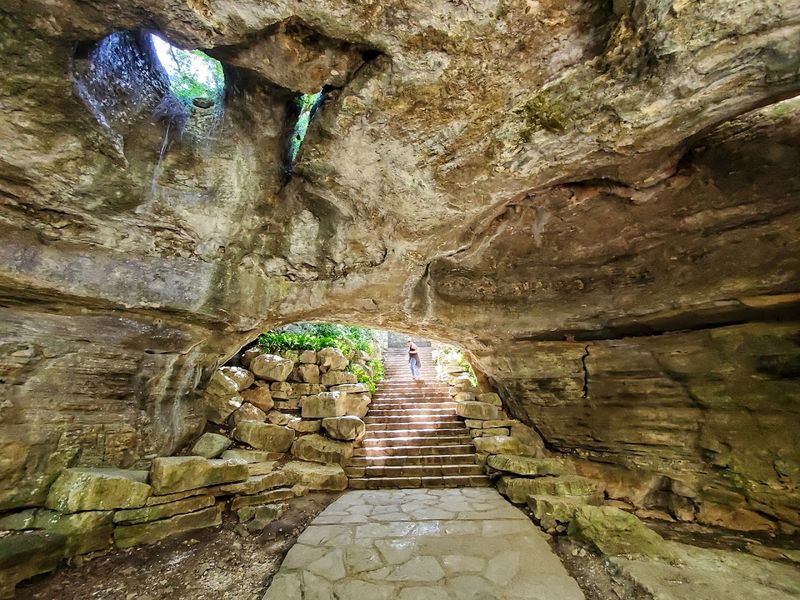
Unlike most caves formed by water dripping from above, Longhorn Cavern was carved by an underground river that flowed through cracks in the limestone millions of years ago. This unusual formation process created smooth, flowing walls and unique shapes rarely seen in typical drip-stone caves. Walking through feels like exploring the inside of a giant sculpture rather than a traditional cavern.
The cave has served many purposes throughout history—Native Americans used it for shelter, Confederate soldiers allegedly manufactured gunpowder here during the Civil War, and during Prohibition, the space supposedly hosted a speakeasy and dance hall. Whether all these stories are completely true or partially legend, they add colorful history to the geological wonder. The Civilian Conservation Corps developed the cave for tourism in the 1930s, building the trails and lighting system still used today.
Tours last about 90 minutes and cover 1.3 miles through various chambers and passages. The walking is moderate, with some stairs and uneven surfaces but nothing requiring climbing or crawling. Temperature stays around 68 degrees year-round with high humidity, so light layers work better than heavy jackets.
The lighting highlights interesting formations and creates dramatic shadows along the smooth walls.
Guides share both geological information and historical tales, keeping the tour educational but entertaining. The cave’s relative lack of traditional stalactites and stalagmites disappoints some visitors expecting those classic formations, but the unusual smooth passages and the cave’s size impress in different ways. One chamber is large enough that it actually did host dances back in the day, which seems almost impossible when you’re standing in it underground.
Above ground, the park offers picnic areas and hiking trails through typical Hill Country terrain. The location near Inks Lake and other Highland Lakes attractions makes it easy to combine with other outdoor activities. Summer weekends book up quickly, so reservations are highly recommended.
The cave provides a welcome air-conditioned break during hot Texas days, making it a popular stop for families road-tripping through the area.
9. Hamilton Pool Preserve (Dripping Springs)
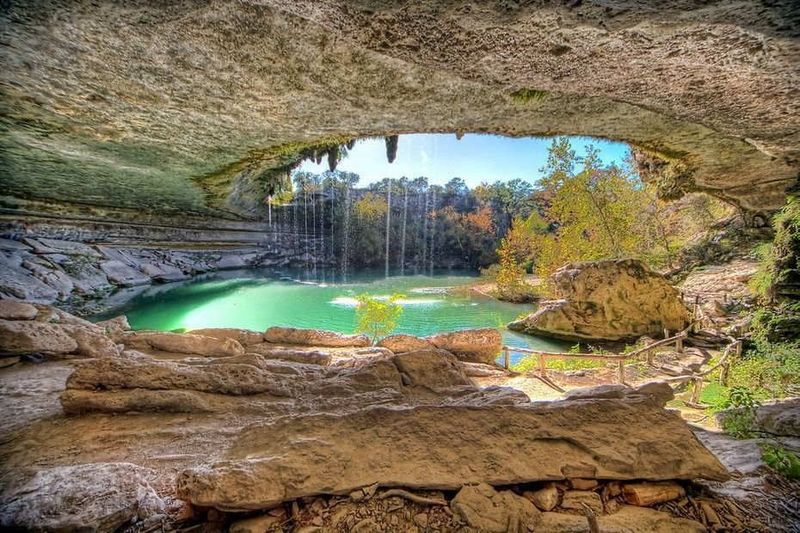
A 50-foot waterfall spills over a limestone overhang into a jade-green pool surrounded by canyon walls covered in ferns and moss. The grotto formed when the dome of an underground river collapsed thousands of years ago, creating this natural cathedral that looks almost too perfect to be real. Sunlight filters through the opening above, creating constantly changing light patterns on the water and walls.
Swimming in the pool feels like entering another world—the water stays cool year-round, fed by the creek flowing over the falls. Stalactites still hang from the remaining portion of the grotto ceiling, dripping occasionally and reminding visitors that geological processes continue slowly shaping this space. The pool’s depth varies from shallow edges to deeper sections near the center, accommodating different swimming abilities.
Travis County purchased the property in 1990 to preserve it after decades as a private swimming hole. Now it operates as a nature preserve with limited daily access to protect the delicate ecosystem. Reservations are required and often book weeks in advance, especially for summer weekends.
The preserve also closes swimming periodically when bacteria levels rise, typically after heavy rains, so checking status before visiting is essential.
The hike from the parking area to the pool covers about a quarter mile on a sometimes steep, rocky trail. The path winds through beautiful Hill Country vegetation before descending into the canyon. Wear sturdy shoes with good traction—the trail and rocks around the pool can be slippery.
A separate trail leads to an overlook above the grotto, offering a spectacular bird’s-eye view without the swimming crowds.
Photography rules prohibit tripods and commercial shoots without permits, but the natural beauty makes even phone snapshots look amazing. The preserve’s popularity means sharing the space with other visitors, so don’t expect a private paradise. Early morning reservations typically offer the best light and smaller crowds.
The grotto stays shaded much of the day, keeping temperatures comfortable even in summer, though the cool water provides its own relief from Texas heat.
10. Monahans Sandhills State Park (Monahans)
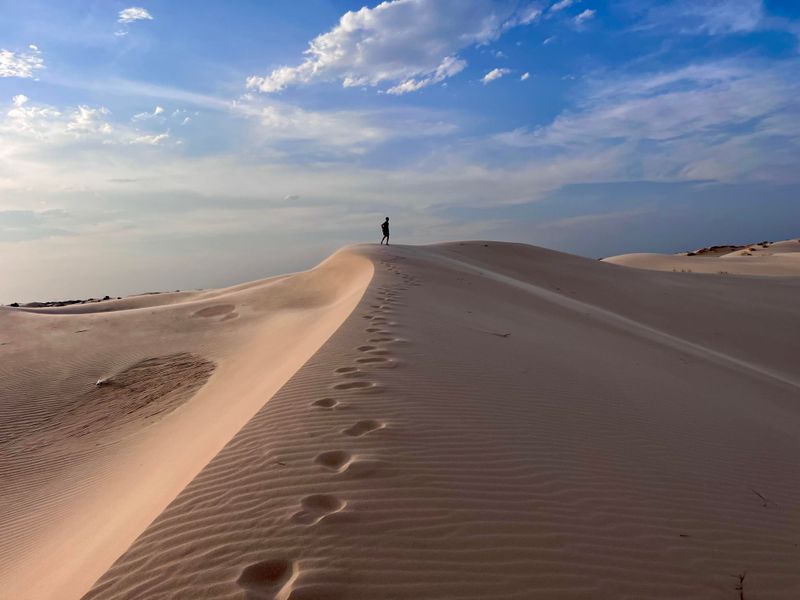
Massive sand dunes rise up to 70 feet high in the middle of West Texas, creating a landscape that looks more like the Sahara than the Lone Star State. The fine, white sand stretches for miles, shaped by wind into constantly shifting hills and valleys. Walking barefoot across the dunes feels surreal—soft sand, big sky, and an otherworldly quiet broken only by the wind.
These aren’t beach dunes but desert formations made from ancient deposits left when the area was covered by shallow seas millions of years ago. The sand is actually Permian-age gypsum, which explains its unusual white color and fine texture. Only a few hardy plants manage to survive here, including Harvard shin oak that somehow grows in this harsh environment, with root systems extending deep underground to find water.
The park encourages sandboarding and sand sledding, renting discs specifically designed for sliding down the dunes. Kids and adults alike discover that climbing back up after each run provides a serious workout—the soft sand makes every step challenging. Some people bring their own sleds or boards, though the park’s rental equipment works best for the specific sand conditions.
A short interpretive trail explains the ecology and geology of this unusual environment. The visitor center features exhibits about the formation of the dunes and the plants and animals adapted to survive here. Wildlife sightings might include lizards, roadrunners, and various birds that somehow make a living in this harsh habitat.
The most famous resident is the sand dune lizard, found only in these specific West Texas dunes.
Camping facilities include sites with water and electricity, though the exposed location means wind and blowing sand are constant companions. Summer temperatures soar brutally hot, making spring and fall much better visiting times. Sunset transforms the white dunes into shades of pink and gold, creating spectacular photo opportunities.
The lack of light pollution makes stargazing incredible on clear nights, with the Milky Way stretching across the sky above the pale dunes.
11. Santa Elena Canyon (Big Bend National Park)
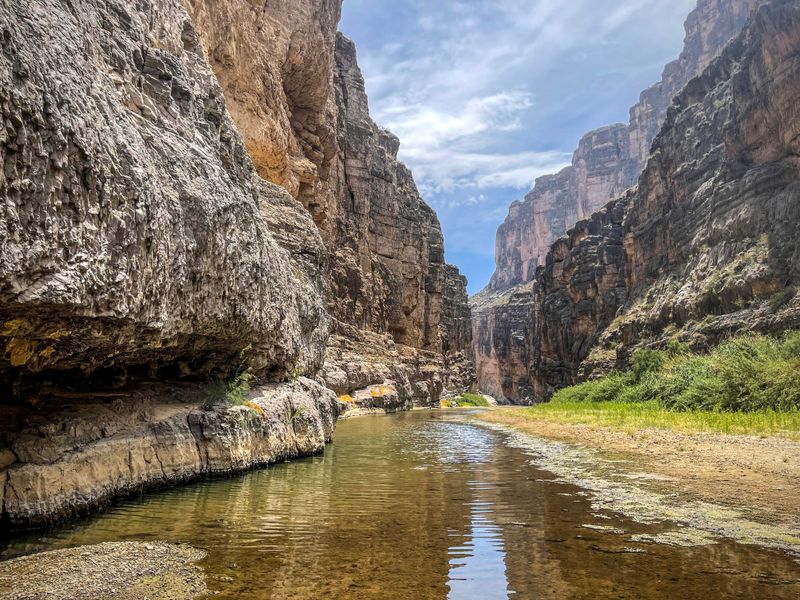
Limestone cliffs shoot straight up 1,500 feet on both sides of the Rio Grande, creating a narrow canyon that marks the border between Texas and Mexico. The scale is staggering—the walls dwarf everything, making people look like tiny ants on the trail below. Paddling through the canyon in a canoe or kayak puts you right in the heart of this geological wonder, with the ancient rock faces towering above on both sides.
The Santa Elena Canyon Trail offers an easier way to experience the majesty without a boat. A short but steep path climbs into the mouth of the canyon, following a ledge carved into the rock. The trail only penetrates a short distance into the canyon, but the views are still spectacular.
Looking back toward the entrance frames the desert landscape through the canyon walls, creating a natural window onto the Chihuahuan Desert.
Floating through the entire canyon requires permits, proper equipment, and serious planning. The eight-mile trip takes most paddlers a full day, and the remote location means self-rescue if anything goes wrong. Rapids at the entrance can flip boats during high water, and the canyon itself offers almost no exit points once you’re committed.
Experienced paddlers consider it one of the best river trips in Texas, but inexperienced boaters should stick to the hiking trail.
The canyon cuts through the Mesa de Anguila, part of the Sierra Ponce mountain range that straddles the border. Geologists study the exposed rock layers that reveal millions of years of sediment deposition and uplift. The Rio Grande continues its slow work of cutting deeper into the limestone, though the process now takes thousands of years to make any noticeable change.
Big Bend’s remote location means planning carefully—services are limited, and the nearest towns are hours away. The park’s vastness contains many other spectacular features, but Santa Elena Canyon ranks among the most iconic. Visiting during cooler months makes the desert heat manageable, and spring brings wildflowers that soften the harsh landscape.
The night sky here is among the darkest in the continental United States, perfect for stargazing after a day exploring the canyon.
12. Jacob’s Well Natural Area (Wimberley)
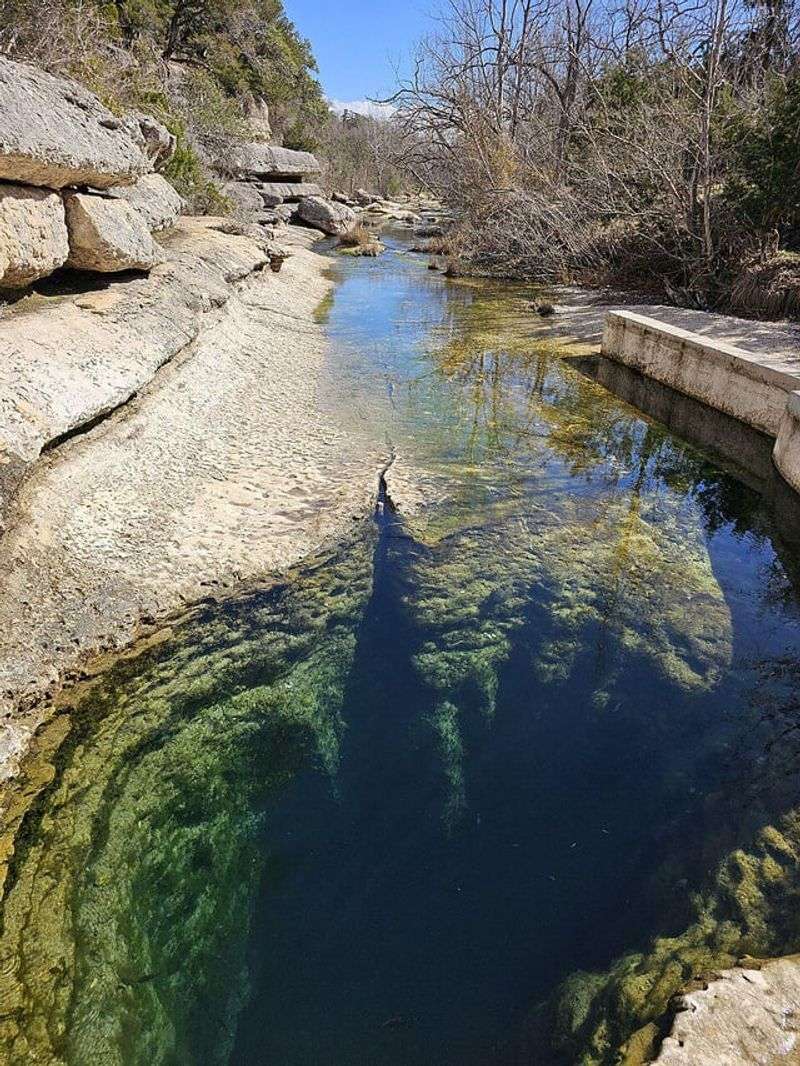
An artesian spring flows from a submerged cave opening, creating a swimming hole so clear you can see straight down into the mysterious depths. The water emerges at a constant 68 degrees year-round, pumping thousands of gallons daily from the underground Trinity Aquifer. Local legend and tourist hype have made this one of the most sought-after swimming spots in Texas, though access is now strictly controlled to protect the fragile ecosystem.
The well itself is actually a deep vertical cave—the opening drops straight down over 140 feet, with underwater passages extending even deeper. Divers have explored the cave system, though several deaths over the years led to the underwater entrance being permanently gated. Now people can only swim in the pool above the spring opening, floating over the mysterious depths rather than exploring them.
Hays County bought the property in 2010 and created the Jacob’s Well Natural Area to preserve this unique resource. Reservations are required and limited to protect the spring and surrounding habitat. The preserve only allows a set number of visitors per day, and swimming is restricted to certain hours.
This careful management prevents the overcrowding and environmental damage that threatened the spring when it was less regulated.
The spring sits at the head of Cypress Creek, which flows through the preserve creating additional swimming holes downstream. The creek offers easier access than the well itself, with reservations often available when the spring is booked up. Hiking trails wind through the property, showcasing the typical Hill Country landscape of oaks, juniper, and limestone outcrops.
Educational programs teach about aquifer protection and the importance of springs in Texas.
The preserve’s popularity stems partly from social media—countless photos and videos show the impossibly clear blue water and tempting swimming hole. This fame is both blessing and curse, bringing awareness and funding for conservation while also creating massive demand that requires strict limits. Summer reservations book within minutes of becoming available, so planning ahead is essential.
The spring’s natural beauty and the chance to swim in water flowing from deep underground make the effort worthwhile.
13. Caprock Canyons State Park (Quitaque)
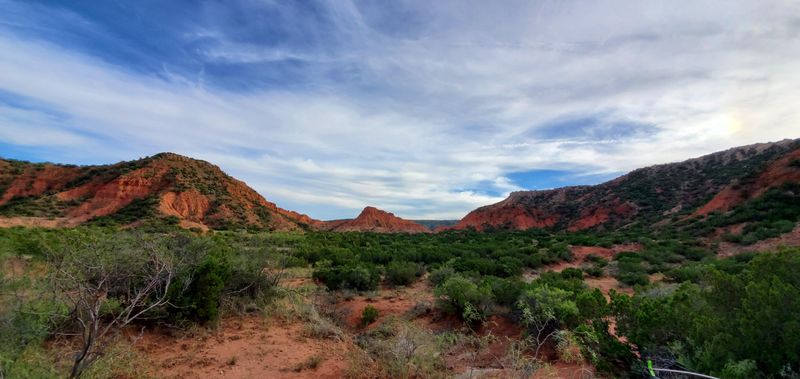
Red rock canyons carved by erosion reveal layers of geological history dating back 250 million years, and a herd of bison roams freely through this rugged landscape. The Texas State Bison Herd lives here, descendants of the Southern Plains bison that once numbered in the millions before being hunted to near extinction. Seeing these massive animals against the backdrop of red cliffs and prairie grassland connects you to Texas before fences and highways divided everything.
The park covers 15,000 acres of canyons, mesas, and prairie in the scenic Caprock Escarpment region. This dramatic geological feature marks where the flat High Plains suddenly drop away into broken canyon country. The 64-mile Caprock Canyons Trailway follows an old railroad bed through the park and beyond, popular with hikers, mountain bikers, and horseback riders.
The relatively flat grade makes it accessible while still offering spectacular scenery.
Over 90 miles of trails explore different sections of the park, from easy walks to challenging backcountry routes. The Upper Canyon Trail System provides moderate hiking through juniper breaks and along canyon rims. More adventurous visitors tackle the primitive trails that require route-finding skills and serious preparation.
The varied terrain supports diverse wildlife beyond the famous bison—mule deer, wild turkeys, roadrunners, and numerous raptors call the park home.
The bison herd usually numbers around 100 animals, managed to maintain genetic diversity and healthy population levels. They roam freely, so sightings aren’t guaranteed, but patient visitors often spot them grazing in the canyons or praising across open areas. Keeping a safe distance is essential—these are wild animals weighing up to 2,000 pounds, not tame photo props.
Rangers provide information about where the herd has been spotted recently.
Camping options include developed sites and primitive backcountry camping for those seeking solitude. The park’s remote location means dark skies perfect for stargazing and a genuine sense of wilderness. Fall brings comfortable temperatures and beautiful colors as the canyon vegetation changes.
Spring wildflowers paint the landscape, while summer heat requires early morning or evening adventures. Winter can be surprisingly harsh with cold winds and occasional snow, but the solitude and stark beauty attract hardy visitors.