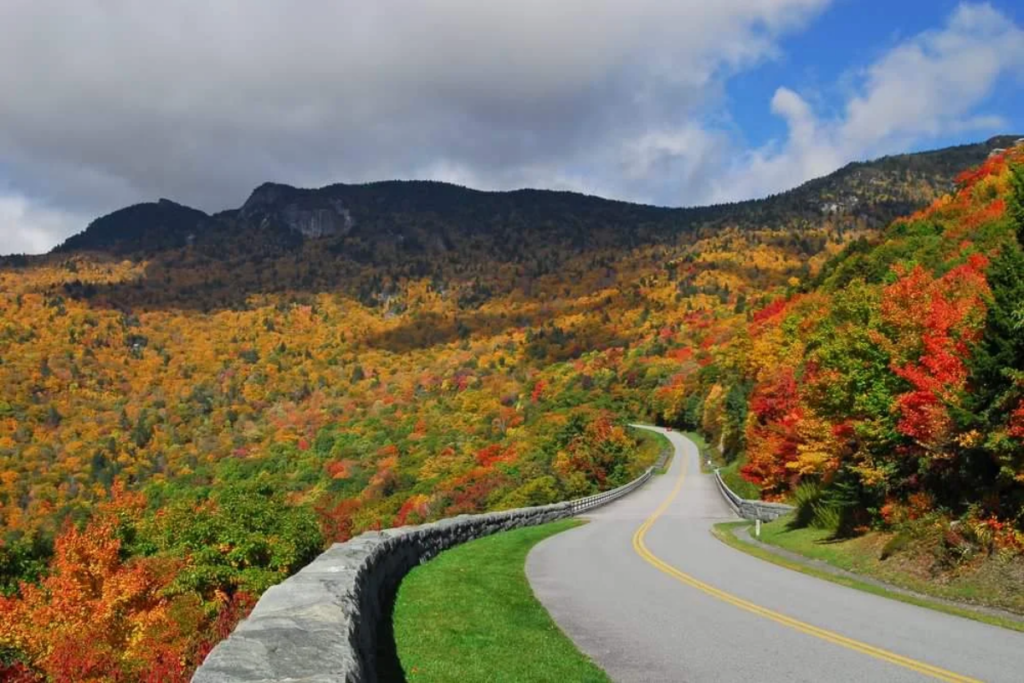
Tennessee stretches across three distinct regions, each offering something completely different from the next. From underground lakes to mountain peaks, honky-tonk streets to ancient Greek temples, this state refuses to fit into a single category.
Whether you’re chasing waterfalls, walking through music history, or exploring cypress swamps, these thirteen stops represent the experiences that make Tennessee trips truly memorable.
1. Great Smoky Mountains National Park – Gatlinburg and Townsend
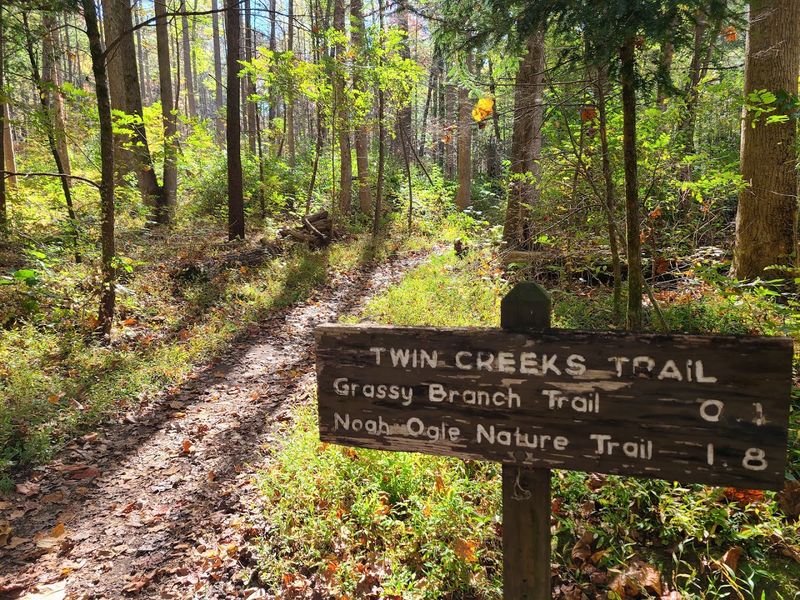
America’s most-visited national park sits right on Tennessee’s eastern border, and honestly, the crowds make sense once you see what’s here. Ancient mountains wrapped in morning fog, black bears wandering through valleys, and over 800 miles of trails create outdoor opportunities that could fill an entire week. Cades Cove Loop Road winds past preserved homesteads and churches from the 1800s, offering both history lessons and excellent wildlife spotting.
Waterfalls seem to appear around every bend. Laurel Falls pulls in families with its paved trail, while Grotto Falls lets hikers walk behind the cascade itself. Alum Cave Trail climbs toward dramatic rock formations and sweeping overlooks that photographers dream about.
Even the drive-through options deliver, especially along Newfound Gap Road where pull-offs reveal layer after layer of blue-tinted peaks.
Gatlinburg anchors the park’s northern entrance with restaurants, attractions, and that unmistakable mountain-town energy. Townsend takes the opposite approach on the western side—quieter, slower, perfect for visitors who’d rather hear streams than traffic. Both work as base camps, but the park itself remains the main event.
Timing matters more than most realize. October brings fall color that stops traffic, while summer weekends mean parking lots fill before breakfast. Spring wildflowers carpet the forest floor in April and May, drawing botanists and casual hikers alike.
Winter offers solitude and snow-dusted views, though some roads close seasonally.
Plan for more time than you think. This park rewards early starts, packed lunches, and flexible schedules. Whether you’re tackling a strenuous ridge hike or just pulling over for creek-side picnics, the Smokies deliver mountain experiences that smaller parks simply can’t match.
2. Graceland – Memphis
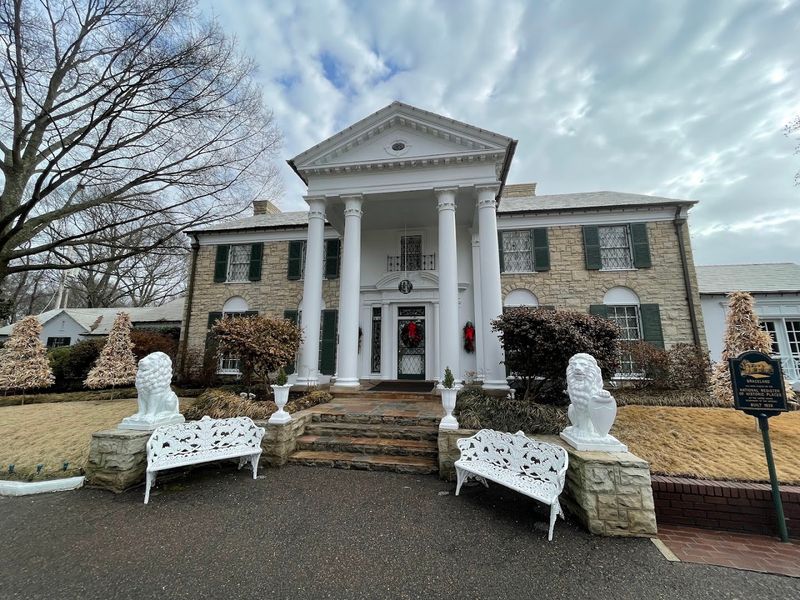
Elvis Presley purchased this Memphis mansion in 1957, and it’s remained frozen in that exact era of rock-and-roll royalty ever since. Walking through rooms filled with gold records, jumpsuits, and personal belongings creates an oddly intimate experience—like touring a time capsule that just happens to belong to one of music’s biggest legends.
The Jungle Room alone, with its green shag carpet and tiki-style furniture, captures a specific moment in American pop culture that you can’t quite believe was real.
Beyond the mansion itself, the complex sprawls across multiple buildings and exhibits. The car museum showcases Elvis’s pink Cadillac and other vehicles that defined his larger-than-life image. The trophy building displays awards, stage costumes, and artifacts from his Hollywood years.
Two custom jets sit ready for tours, complete with 1970s interior design that makes modern first-class look boring.
Meditation Garden holds the gravesites of Elvis and several family members, and the atmosphere shifts noticeably here. Fans leave flowers, notes, and mementos daily. Whether you’re a devoted follower or just culturally curious, this spot acknowledges the genuine impact one person had on American music.
Audio guides walk you through at your own pace, sharing stories and context that printed plaques never could. Peak summer days bring serious crowds, so arriving right when doors open helps. The whole experience typically takes three to four hours if you explore everything thoroughly.
Memphis built itself around music, and Graceland remains the most tangible connection to that heritage. You don’t need to own every Elvis album to appreciate what’s preserved here. The mansion tells a story about fame, taste, and a specific slice of Southern culture that changed entertainment forever.
3. Beale Street – Memphis
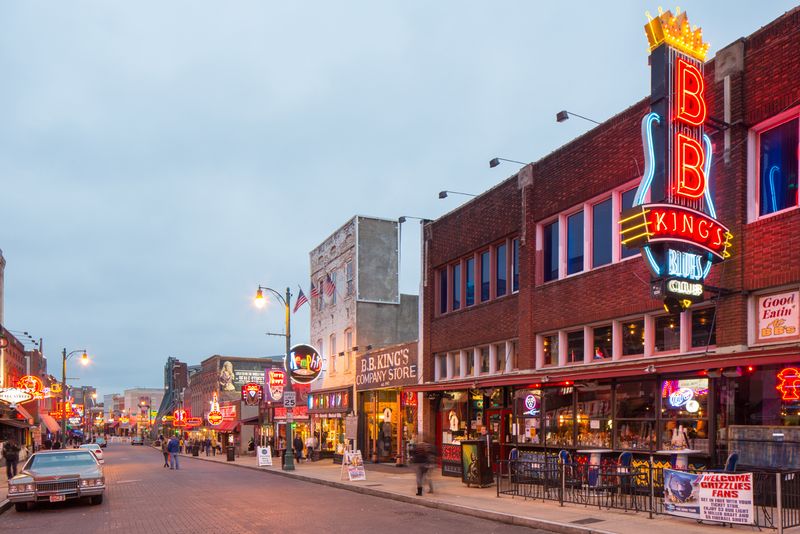
Three blocks of concentrated Memphis energy run between Second and Fourth Streets, and once the sun sets, this strip transforms into exactly what blues music sounds like in physical form. Neon signs glow above doorways leading into clubs where live bands start early and finish late. BB King’s Blues Club anchors one end, while smaller venues pack in locals and tourists who all came for the same reason—authentic music in the city that helped create it.
Daytime Beale Street operates at a different tempo. Shops sell records, souvenirs, and blues memorabilia. Restaurants serve Memphis barbecue and Southern comfort food that pairs perfectly with afternoon wandering.
The brass notes embedded in the sidewalk honor musicians who shaped this street’s legacy, turning a simple walk into an impromptu history lesson.
Friday and Saturday nights bring the biggest crowds, but weeknight shows often feature equally talented musicians playing to smaller, more intimate rooms. Cover charges vary by venue, and some spots let you peek inside before committing. Street performers set up between clubs, adding another layer of sound to an already music-saturated environment.
Food options range from quick barbecue sandwiches to sit-down restaurants with full menus. Dyer’s Burgers has been frying in the same grease (seriously, they claim it) since 1912. Blues City Cafe serves massive portions alongside live music.
Even the chain spots here carry more character than usual, adapting to Beale Street’s particular vibe.
This isn’t a manufactured tourist district trying to recreate something that once existed. Real musicians still launch careers here. The blues still sounds raw and honest.
Memphis protects this street because it represents something that can’t be replicated—a living connection to the music that influenced everything that came after.
4. Discovery Park of America – Union City
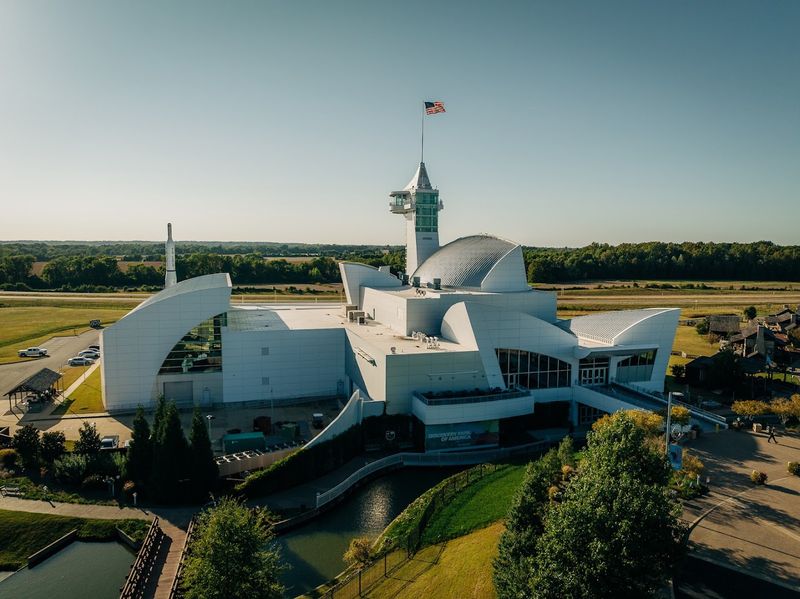
Out in West Tennessee where most travelers never think to stop, this 50-acre campus combines natural history, regional heritage, military exhibits, and hands-on science into one unexpectedly impressive complex. The main building alone covers 100,000 square feet, with galleries exploring everything from earthquakes to space travel. A full-size replica of a World War II B-17 bomber hangs overhead while kids operate earthquake simulators below—that’s the energy level we’re talking about.
Transportation enthusiasts will lose hours in the vehicle collections. Antique cars, military machines, and farm equipment tell the story of how Americans moved across landscapes and through history. The outdoor Heritage Park features restored historic buildings, including a one-room schoolhouse and pioneer cabin that ground all that technology in human context.
What makes this place work is how it refuses to pick a single focus. One gallery examines the New Madrid earthquakes that reshaped this region in 1811-1812. Another lets visitors explore the human body through interactive displays.
The Discovery Garden outside includes a treehouse village, splash pad, and educational play areas that keep younger visitors engaged while parents catch their breath.
Union City isn’t Memphis or Nashville, which means crowds stay manageable even during peak travel seasons. The museum opened in 2013, so everything still feels fresh and well-maintained. Local schools bring students here regularly, but weekday mornings offer the quietest browsing if you prefer exploring without navigating around field trips.
Plan for at least three hours, possibly more if you have curious kids or a genuine interest in any of the specialized collections. The admission price covers everything, including outdoor areas and special exhibits. West Tennessee doesn’t always get the attention it deserves, but Discovery Park makes a strong case for why travelers should venture beyond the interstate.
5. Reelfoot Lake State Park – Tiptonville
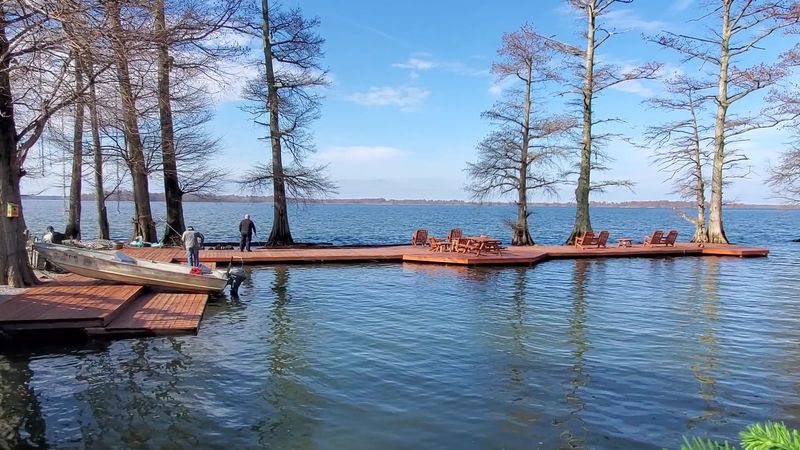
Earthquakes created Reelfoot Lake back in 1811 when the ground literally collapsed and the Mississippi River flowed backward to fill the depression. That violent origin story produced one of Tennessee’s most peaceful landscapes—shallow waters dotted with bald cypress trees, their knobby knees breaking the surface while Spanish moss drapes from branches overhead. It looks more like Louisiana than anything else in the state.
Birders consider this lake essential territory. Bald eagles winter here in impressive numbers, with January and February offering the best viewing. Great blue herons, egrets, and dozens of other species nest in the cypress stands.
The lake sits along the Mississippi Flyway, so migration seasons bring even more variety. Boat tours led by park staff provide the best access to both birds and the lake’s unique ecology.
Fishing draws another crowd entirely. Crappie and bluegill thrive in these shallow, vegetation-rich waters. Local guides know where fish congregate around submerged stumps and lily pad beds.
Even casual anglers casting from the shore catch enough to make the trip worthwhile. The lake’s average depth barely reaches five feet, which concentrates fish and makes navigation interesting.
Two visitor centers explain the earthquake history and ongoing ecological research. Hiking trails loop through bottomland forests where you might spot deer, wild turkeys, or the occasional snake sunning itself on the path. The Spillway Trail offers lake views without requiring a boat.
This isn’t a place for jet skis or party boats. Reelfoot operates at a different speed, appealing to photographers, nature watchers, and anyone who appreciates landscapes that refuse to look like the rest of Tennessee. The drive here takes you through rural counties that most maps barely acknowledge, but that isolation preserves exactly what makes the lake special.
6. The Parthenon – Nashville
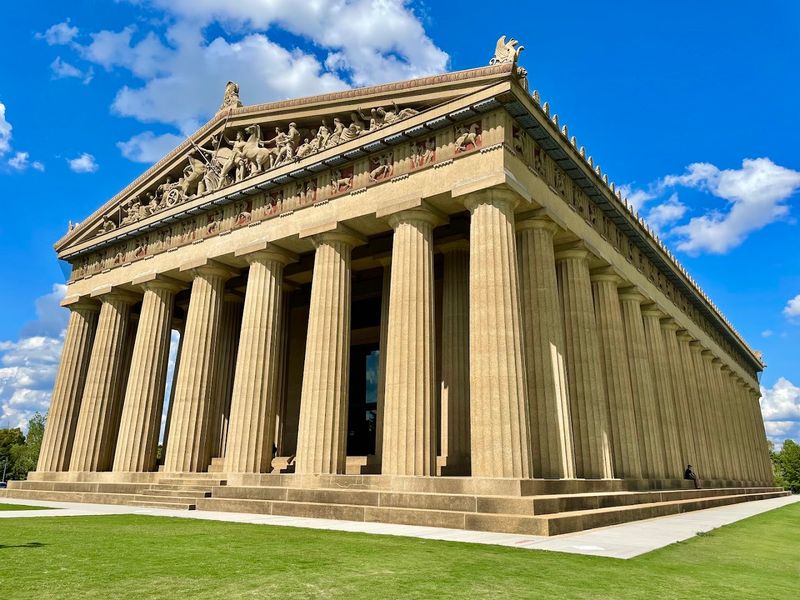
Nashville built a full-scale replica of Athens’ most famous temple, stuck it in a city park, and somehow that decision makes perfect sense once you visit. Constructed for Tennessee’s 1897 Centennial Exposition, this concrete Parthenon stands exactly where ancient Greece’s version would if you transported it to the American South.
Inside, the art gallery displays American paintings from the 19th and 20th centuries—a surprisingly strong collection that many visitors never expect. But the real showstopper stands in the main chamber: a 42-foot statue of Athena Parthenos, recreated based on ancient descriptions of Phidias’s original. Gilded in gold leaf and holding a smaller Nike figure, she dominates the space exactly as intended.
Looking up at her face drives home just how different ancient religious experiences must have felt.
Centennial Park surrounds the Parthenon with walking paths, gardens, and green space that locals use for everything from yoga classes to afternoon reading sessions. The lake adds scenic value, especially when you catch the Parthenon’s reflection at sunset. Free concerts happen regularly during warmer months, turning the park into Nashville’s unofficial backyard.
This isn’t kitsch or a roadside oddity. Nashville’s nickname “Athens of the South” came from its focus on education and culture, and the Parthenon represents that identity in literal concrete form. The building serves as both an art museum and an architectural statement, reminding visitors that Tennessee’s largest city has always taken culture seriously—even when that culture involves recreating ancient Greek temples.
Admission costs less than most Nashville attractions, and the crowds never reach honky-tonk levels. Photographers love the exterior at golden hour. History teachers bring students to connect textbook lessons with physical scale.
Everyone leaves slightly amazed that this thing just sits here, free for the taking.
7. Country Music Hall of Fame and Museum – Nashville
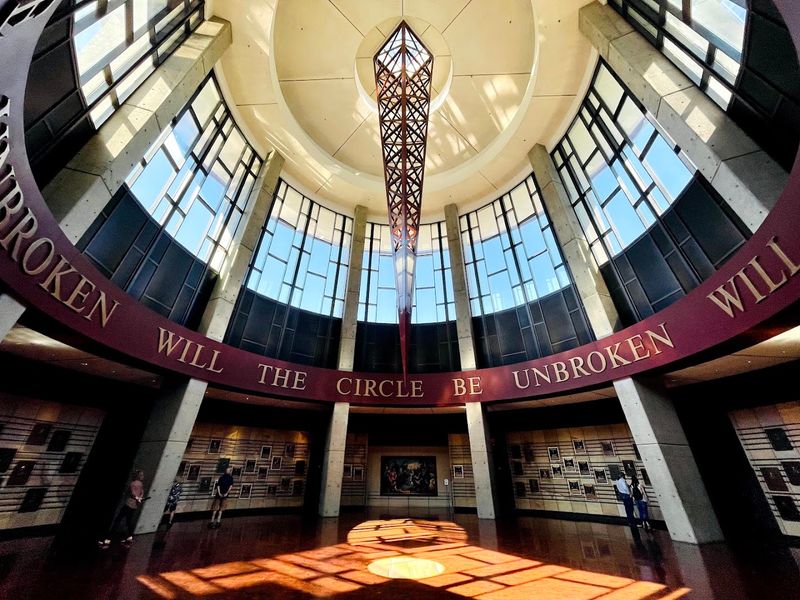
Country music’s most important archive sits in downtown Nashville, preserving everything from Hank Williams’ handwritten lyrics to Taylor Swift’s sequined stage outfits. The museum takes its role seriously—this isn’t just a collection of guitars and cowboy hats, though those certainly appear.
Curators have assembled recordings, photographs, instruments, and personal items that trace country music from its Appalachian roots through modern pop-country crossovers.
The building itself makes a statement. Designed to resemble a bass clef when viewed from above, it features windows arranged like piano keys. Inside, permanent galleries walk chronologically through country music’s evolution, introducing the artists, songwriters, and industry figures who shaped each era.
Listening stations let you hear the actual recordings being discussed, connecting names to sounds.
Rotating exhibits focus on specific artists or themes, often featuring items pulled from the museum’s massive archives. Recent shows have explored everything from Dolly Parton’s songwriting to the role of women in country music. The Hall of Fame rotunda honors inductees with plaques that feel more respectful than flashy, acknowledging genuine artistic contributions rather than just commercial success.
Studio B, located in a separate building, offers guided tours of the historic RCA recording studio where Elvis, Dolly, and countless others cut tracks. Standing in that room where “Crazy” and “Are You Lonesome Tonight?” were recorded adds tangible connection to music you’ve heard your entire life. The studio still functions occasionally, maintaining its working-space atmosphere.
Plan for two to three hours minimum. The museum packs in enough content to overwhelm, so focusing on eras or artists you already care about helps. Audio guides provide deeper context, and staff members often have their own stories about the collection.
Nashville markets itself as Music City, and this museum explains exactly why that nickname stuck.
8. Jack Daniel’s Distillery – Lynchburg
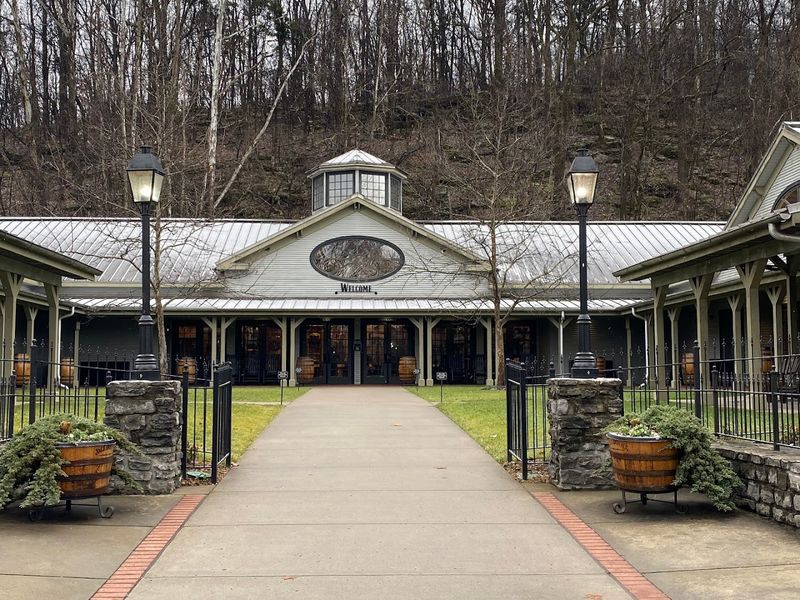
Lynchburg operates as a dry town, which means you can tour one of America’s most famous whiskey distilleries but can’t buy a bottle to take home from local stores. That irony defines this place—a tiny Moore County community of fewer than 1,000 residents that produces millions of cases of Jack Daniel’s annually. The contrast between small-town square and global brand recognition makes the whole experience feel slightly surreal.
Tours walk you through the entire whiskey-making process, starting at the cave spring that provides the iron-free water Jack Daniel originally chose. Guides explain the charcoal mellowing process that defines Tennessee whiskey as distinct from bourbon. You’ll see the massive rick yards where sugar maple burns down to charcoal, the fermentation tanks bubbling with sour mash, and barrel warehouses holding whiskey that won’t be bottled for years.
The air smells sweet and yeasty, and that scent alone makes the trip worthwhile.
Different tour options range from basic distillery walks to premium tastings (yes, you can sample on-site despite the dry county status—welcome to Tennessee’s creative liquor laws). The Taste of Lynchburg tour includes food pairings. The Angel’s Share tour ventures into private barrel selections.
Even the standard tour ends with a tasting for those 21 and over, though minors can absolutely join the facility portions.
Lynchburg’s town square deserves exploration after your tour. Miss Mary Bobo’s Boarding House serves traditional Southern lunch family-style, requiring reservations but delivering an experience that feels genuinely local. Small shops sell Jack Daniel’s merchandise you won’t find elsewhere.
Weekends and holidays bring crowds, so booking tours in advance helps. The distillery operates year-round except for major holidays. Lynchburg sits about 90 minutes from both Nashville and Chattanooga, making it a natural day-trip addition to either city’s itinerary.
9. Fall Creek Falls State Park – Spencer
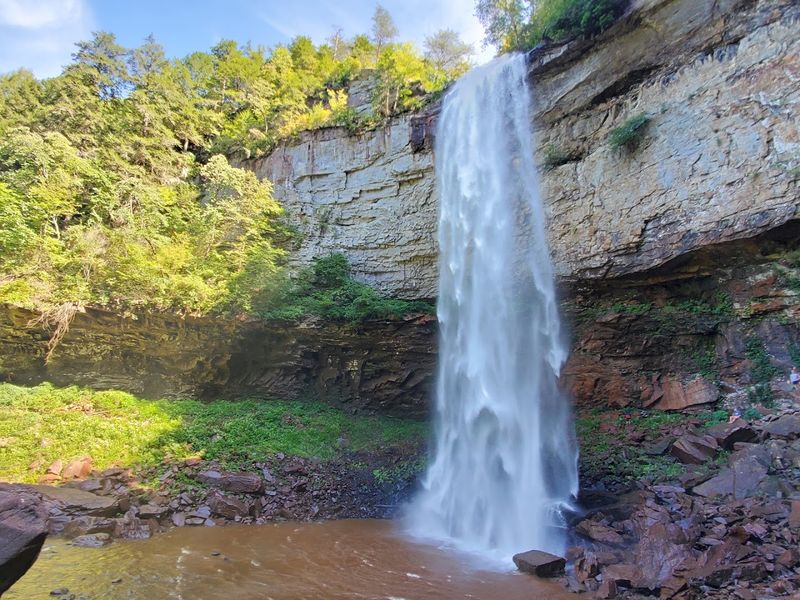
Tennessee’s tallest waterfall drops 256 feet into a gorge so deep that mist hangs in the air even on sunny days. Fall Creek Falls gives this park its name, but four other major waterfalls, numerous cascades, and miles of gorge rim trails make this one of the state’s most scenically packed destinations. The Cumberland Plateau creates dramatic elevation changes that rivers have carved into waterfalls, rock shelters, and overlooks that photographers circle on their maps.
Hiking options range from easy paved walks to challenging backcountry loops. The Fall Creek Falls overlook requires just a short walk from the parking area, making it accessible for visitors who can’t handle strenuous trails. Cane Creek Falls and Cane Creek Cascades both offer their own distinct beauty.
The Gorge Rim Trail connects various overlooks across 5.5 miles of moderate terrain, providing the best overall park experience for hikers with a few hours.
Accommodations include everything from primitive campsites to full cabins with kitchens and fireplaces. The inn offers hotel-style rooms and a restaurant overlooking the golf course. Having lodging inside the park means you can catch sunrise at the falls before day-trippers arrive, and that early-morning light transforms already impressive scenery into something genuinely special.
Swimming holes dot Fall Creek Lake, and the park maintains a swimming area with a beach. Fishing is allowed throughout, with bass and bluegill populating most waters. Mountain biking trails wind through less-trafficked sections.
The nature center explains the plateau’s unique geology and ecology, helping visitors understand why this landscape looks so different from the rest of Middle Tennessee.
Fall brings color that rivals the Smokies, with fewer crowds. Summer weekends fill the campgrounds and parking areas, so arriving early matters. Spring showcases wildflowers and full water flow over the falls.
Even winter visits work, as waterfalls freeze into ice sculptures and trails stay accessible except during rare snowstorms.
10. Rock Island State Park – Rock Island
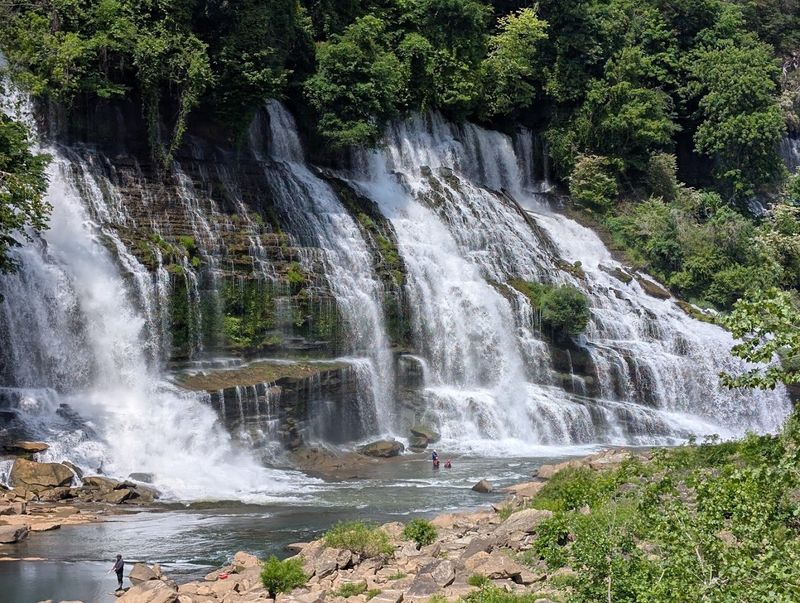
Great Falls thunders over a series of rock ledges where the Caney Fork River drops 30 feet in a dramatic display that early settlers harnessed for water power. The ruins of a massive cotton mill still stand near the falls, brick walls and empty windows telling stories about Tennessee’s industrial past. That combination—raw natural power meeting human ambition—defines Rock Island’s particular appeal.
The overlook platform sits close enough to the falls that you feel the spray on windy days. Photographers work overtime here, capturing water movement against ancient rock formations. Below the falls, the river pools into deep blue-green water where kayakers play in rapids and locals jump from rock ledges despite posted warnings.
Watching the action from above provides entertainment without the risk.
Hiking trails loop through forests and along the gorge rim, offering different perspectives on the river valley. The Twin Falls Trail leads to a separate waterfall system that sees fewer visitors than Great Falls. Backcountry camping is available for those willing to hike in their gear.
The park feels less developed than Fall Creek Falls, which means more solitude but fewer amenities.
Fishing access is excellent, with the Caney Fork River known for trout below Center Hill Dam. The tailwater stays cold year-round, supporting a fishery that draws serious anglers from across the region. Wading is possible in many areas, and local outfitters offer guided trips for those unfamiliar with the river.
Rock Island sits between Nashville and Chattanooga, making it a logical stop for travelers moving between cities. The small town of Rock Island offers basic services but not much else, so plan accordingly. Summer weekends bring local swimmers and cliff jumpers, creating a different atmosphere than quiet weekday visits.
The historic mill ruins are accessible and worth exploring, adding context to what the falls once meant economically to this region.
11. Chattanooga’s Lookout Mountain – Chattanooga
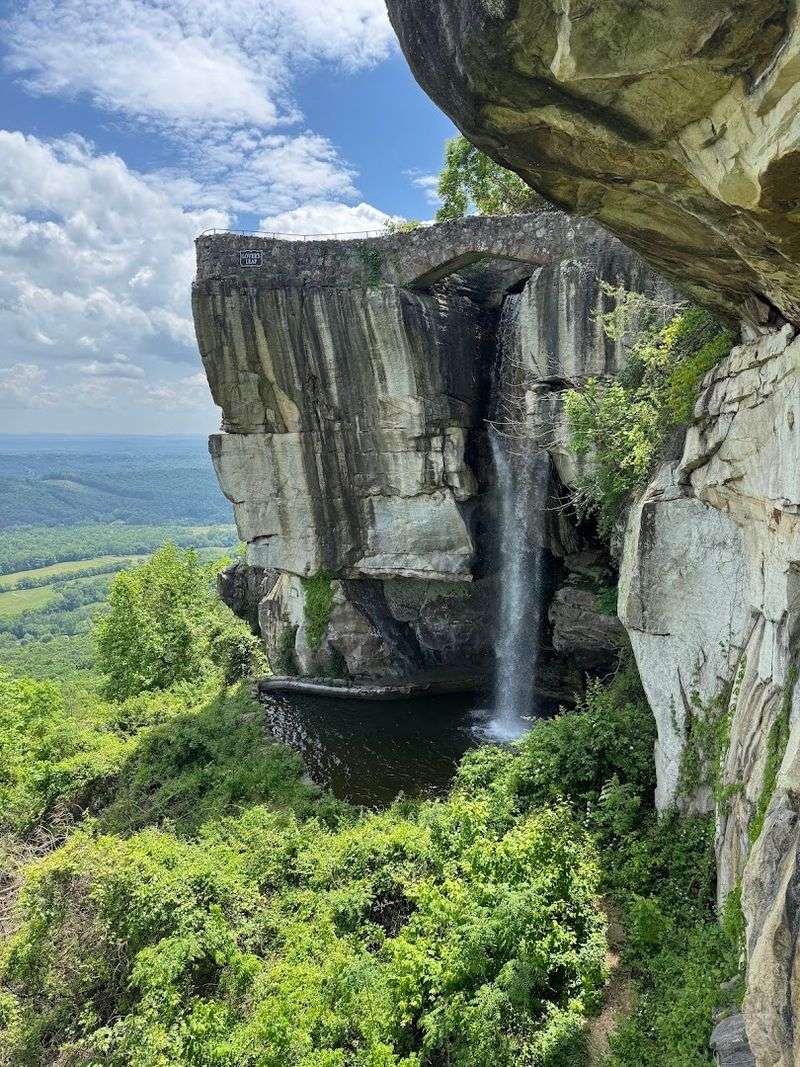
One mountain hosts three of Tennessee’s most-visited attractions, plus Civil War history and views stretching across seven states on clear days. Lookout Mountain rises dramatically above Chattanooga, and developers have maximized every tourist opportunity that elevation provides. Rock City, Ruby Falls, and the Incline Railway each deserve their own stop, but tackling all three in one day creates a full Chattanooga experience.
Rock City gardens wind through massive rock formations, past gnome statues, and along trails that squeeze between boulders taller than houses. The Swing-A-Long Bridge sways above a gorge while visitors grip the railings. Lover’s Leap overlook delivers those famous seven-state views, though you’ll have to trust the markers since state lines aren’t visible.
The whole place feels like 1950s roadside Americana preserved in stone, and that vintage charm works better than it should.
Ruby Falls takes you 260 feet underground to view a 145-foot waterfall inside the mountain. Guides lead groups through narrow passages and cavern rooms, building anticipation before the main event. When the waterfall finally appears—illuminated by colored lights in a massive underground chamber—the spectacle justifies the hype.
It’s touristy, sure, but also genuinely impressive.
The Incline Railway climbs at angles that seem impossible, pulling passenger cars up a 72.7% grade near the top. Operating since 1895, it claims to be America’s steepest passenger railway. The ride takes about 15 minutes, and views improve with every foot of elevation.
You can drive up Lookout Mountain instead, but the Incline itself qualifies as an attraction.
Point Park preserves the Civil War battlefield where the “Battle Above the Clouds” took place in 1863. Walking these grounds adds historical weight to what otherwise feels like pure tourist territory. Chattanooga invested heavily in making Lookout Mountain accessible and entertaining, and the strategy worked.
Plan a full day and buy combination tickets to save money across attractions.
12. The Lost Sea Adventure – Sweetwater
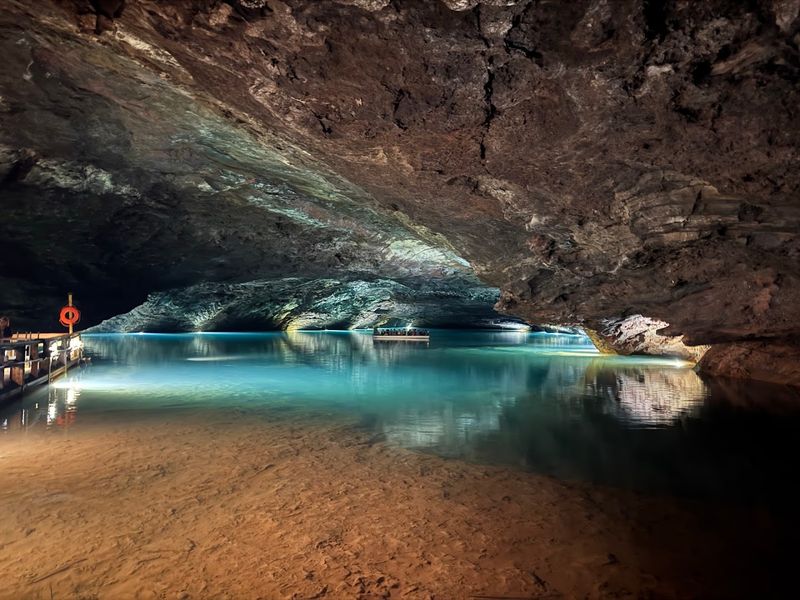
America’s largest underground lake sits beneath the hills of East Tennessee, and yes, you can take a boat ride on it. The Lost Sea has been pulling tourists underground since the 1960s, offering tours that combine cave geology with the surreal experience of floating on water that never sees sunlight. Walking down into the cavern feels like entering a different world—temperature drops, sounds change, and the scale of empty space overhead becomes impossible to judge in the dim light.
Guides lead groups through dry passages first, pointing out formations and explaining how soldiers used these caves to mine saltpeter during the Civil War. The path descends gradually, building anticipation for the main event. When you finally step into the chamber holding the lake, the size registers slowly.
Four and a half acres of water stretch beyond what flashlights can illuminate, disappearing into darkness that cave explorers still haven’t fully mapped.
Glass-bottom boats carry visitors across a section of the lake while guides explain how this underground system formed and what lives down here. Rainbow trout were stocked decades ago and still swim in the cold, clear water—a strange sight in complete darkness. The boat ride only lasts about 15 minutes, but floating on underground water creates memories that last considerably longer.
Above ground, the property includes a nature trail and a small village of shops that feel frozen in 1970s tourist-attraction style. That dated charm actually adds to the experience rather than detracting from it. This isn’t a slick, modern operation—it’s a family-run cave tour that’s been showing people the same incredible underground lake for generations.
Tours run year-round and stay around 58 degrees regardless of surface weather, so bring a light jacket. The whole experience takes about an hour and fifteen minutes. Sweetwater sits between Knoxville and Chattanooga, making the Lost Sea a natural addition to road trips through East Tennessee.
13. Bristol’s Birthplace of Country Music Museum – Bristol
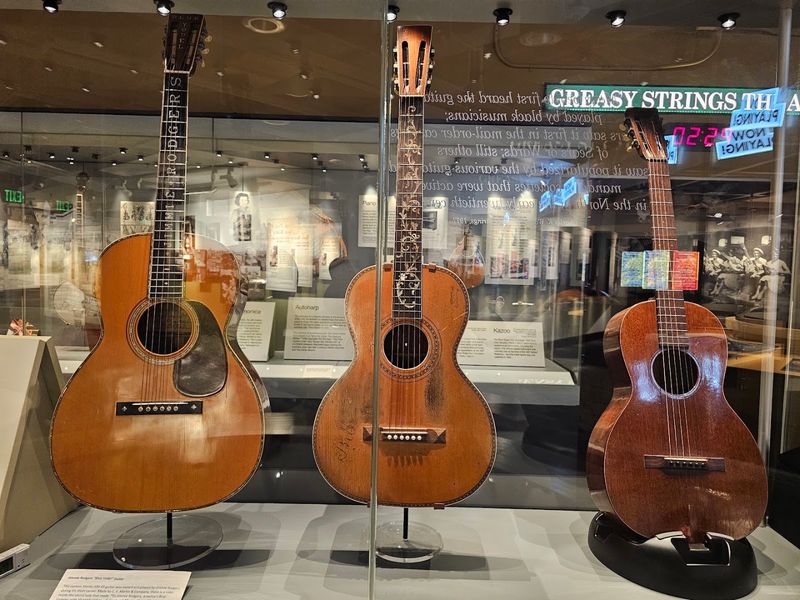
The 1927 Bristol Sessions recorded Jimmie Rodgers and the Carter Family in a temporary studio set up in a hat warehouse, and those recordings essentially launched country music as a commercial genre. This museum sits near that original location, preserving the story of how talent scout Ralph Peer traveled to the Tennessee-Virginia border and captured performances that changed American music forever. Understanding what happened here helps explain why Nashville became Music City decades later.
Interactive exhibits let visitors experience the recording process, mixing tracks and exploring how technology shaped early country sound. Listening stations feature the actual Bristol Sessions recordings alongside explanations of each artist’s influence.
The museum doesn’t just focus on Rodgers and the Carters—it examines the broader Appalachian music traditions that fed into country music’s development, acknowledging the African American, Scottish, Irish, and other cultural streams that blended in these mountains.
State Street runs through downtown Bristol with the state line literally painted down the center—Tennessee on one side, Virginia on the other. That geographic quirk adds character to an already music-saturated town. Murals depicting country music legends cover building walls.
Small venues still host live performances, maintaining Bristol’s connection to the music it helped birth.
The museum works well as either a standalone destination or the final stop on a Tennessee music tour that started in Memphis or Nashville. It’s smaller than the Country Music Hall of Fame but more focused, telling one specific story in depth rather than covering everything at once. Staff members tend to be genuinely knowledgeable and passionate about this history, which elevates the experience beyond just reading plaques.
Bristol sits in the far northeastern corner of Tennessee, making it a natural stop for travelers heading to or from Virginia. The museum opened in 2014, so exhibits still feel fresh and well-maintained. Admission is reasonable, and the whole visit takes about 90 minutes to two hours depending on how deeply you engage with the listening stations and interactive elements.