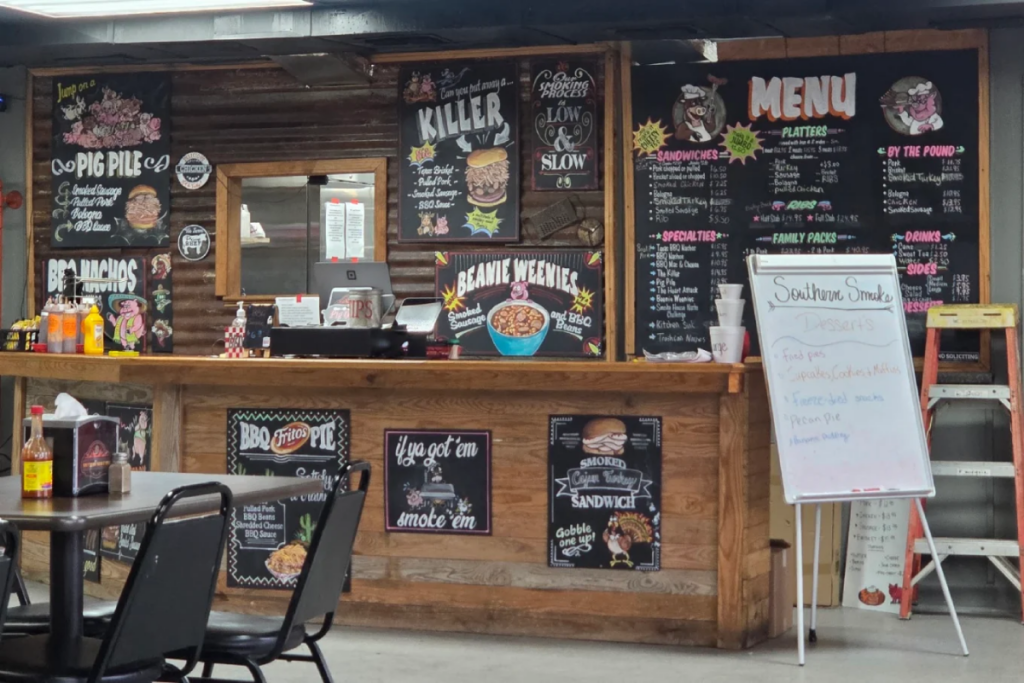
Tennessee’s barbecue reputation usually centers on Memphis and Nashville, but the state’s most memorable smoke-filled meals often happen in places most visitors never find. Tucked along rural highways, down gravel roads, and in towns you’d miss if you blinked, these ten smokehouses represent a quieter side of Tennessee’s barbecue tradition.
Locals know them well but rarely advertise their existence, preferring to keep the lines short and the atmosphere unchanged.
1. Shaffer Farms Texas Bar-B-Q & Custom Meats — Summertown
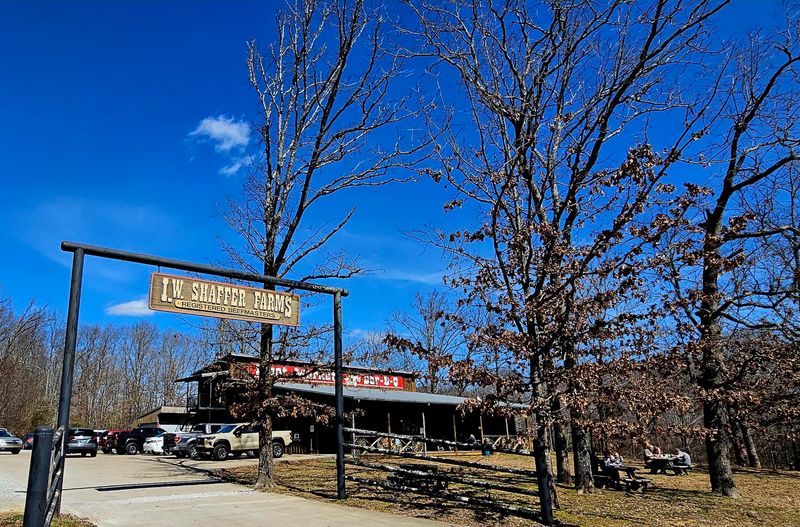
Summertown doesn’t appear on most Tennessee travel itineraries, which suits the regulars at Shaffer Farms just fine. This combination butcher shop and barbecue counter sits near Highway 43 in Lawrence County, where farmland stretches in every direction. The building itself looks unassuming from the road, but step inside and the smell of slow-smoked meat immediately tells you this place takes its craft seriously.
What sets Shaffer Farms apart is its Texas-style approach in a state dominated by Memphis and Nashville traditions. The brisket here gets rubbed with a simple blend of salt and pepper, then smoked low and slow until it develops that signature pink ring and tender texture. Each slice pulls apart easily, releasing juice and smoky flavor that doesn’t need sauce to impress.
The smoked sausage, made in-house, snaps when you bite into it and delivers a satisfying kick of spice.
But locals will tell you the real secret weapon might be the enormous baked potatoes. These aren’t your typical side dish—they’re massive, fluffy, and loaded with your choice of smoked meat, cheese, butter, and all the fixings. One potato easily feeds two people, though most regulars tackle them solo anyway.
The butcher shop side of the operation means you can also take home fresh cuts to smoke yourself, along with house-made seasonings and rubs. The staff knows their meat and will happily share cooking tips or recommendations. During lunch hours, the small dining area fills quickly with farmers, construction workers, and anyone else who knows good barbecue doesn’t require fancy decor.
Getting to Shaffer Farms requires intentional navigation—this isn’t a place you stumble upon by accident. But once you’ve made the trip, you’ll understand why locals guard this secret so carefully.
2. Small Town BBQ — Friendsville
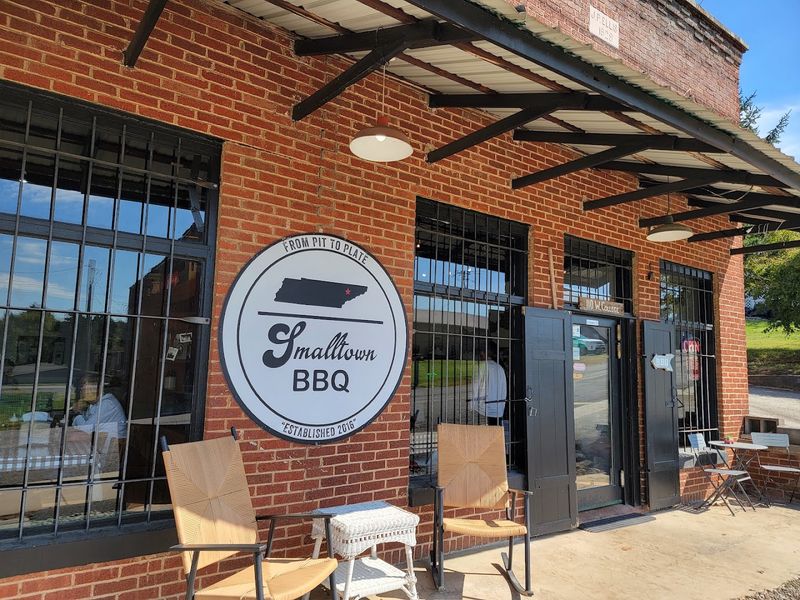
Friendsville earned its name honestly—it’s the kind of East Tennessee community where everyone waves at passing cars and newcomers become regulars after one visit. Small Town BBQ fits perfectly into this landscape, having grown from humble beginnings into a destination worth the drive through winding foothill roads. The restaurant’s origin story involves a traveling smoker and a dream, which sounds almost too perfect except it’s actually true.
Walking in, you’ll notice the atmosphere feels more like visiting a neighbor’s backyard cookout than dining at a restaurant. The staff remembers orders, asks about your family, and treats first-timers like old friends. This warmth extends to the food, which covers all the barbecue bases with genuine skill.
The pulled pork arrives tender and smoky, requiring minimal sauce to shine. Ribs come off the bone cleanly but not too easily—that perfect texture that shows proper cooking technique.
Brisket makes an appearance here too, showing East Tennessee pitmasters can compete with Texas traditions when they put their minds to it. The meat gets a beautiful bark and maintains moisture throughout, slicing cleanly without falling apart. But what really catches attention are the creative sandwiches that go beyond standard barbecue fare.
These aren’t just meat-between-bread situations. The kitchen experiments with combinations that somehow work—pulled pork with coleslaw and pickles, brisket with pepper jack and crispy onions, smoked chicken with unexpected toppings that locals request by name. Each sandwich reflects the kind of playful creativity that happens when a kitchen feels comfortable taking risks.
The sides deserve mention too, particularly the mac and cheese and the beans, both made from scratch without cutting corners. Portions lean generous, prices stay reasonable, and the overall experience reminds you why small-town restaurants often outshine their big-city counterparts.
3. B.E. Scott’s Bar-B-Que — Lexington
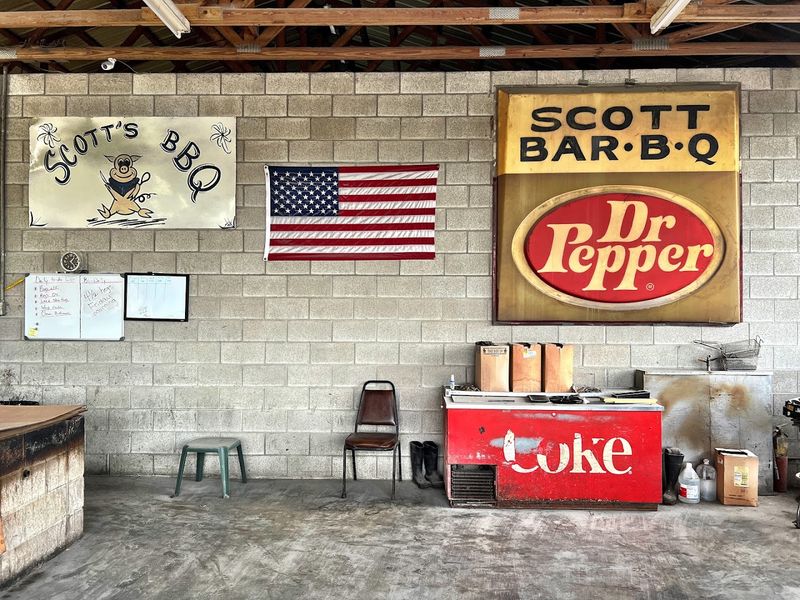
Whole-hog barbecue is becoming harder to find across Tennessee as more pitmasters switch to easier, more predictable cooking methods. B.E. Scott’s stands as one of the holdouts, maintaining traditions that require more time, effort, and skill than most modern operations bother with.
The weathered building sits along Highway 412 outside Lexington’s main commercial strip, looking exactly like a barbecue joint should—worn, unpretentious, and completely authentic.
Cooking a whole hog properly demands patience and constant attention. You can’t rush the process or rely on shortcuts. The meat needs to smoke for hours at carefully controlled temperatures, with the pitmaster monitoring and adjusting throughout.
This old-school approach produces barbecue with complex flavor that changes subtly from bite to bite, depending on which part of the hog you’re eating.
The result tastes different from the pulled pork you’ll find at most barbecue chains. It’s more nuanced, with varying textures and fat content that create interest across an entire plate. Some bites deliver pure smoky tenderness, others offer crispy edges with concentrated flavor.
Eating whole-hog barbecue feels like experiencing barbecue history, connecting with techniques that predate modern convenience.
B.E. Scott’s doesn’t try to modernize or upgrade its image. The interior remains basic, the menu stays focused, and the service keeps things simple.
This isn’t a place for Instagram-worthy presentations or trendy fusion experiments. It’s a place where barbecue purists come to eat meat cooked the way their grandparents remember.
The location itself requires a deliberate decision to visit—you won’t accidentally end up here while running errands. But for anyone serious about understanding Tennessee barbecue beyond the famous names, B.E. Scott’s represents an essential education.
The whole-hog tradition won’t last forever, which makes places like this increasingly valuable. Locals know this, which explains their protective attitude toward sharing its existence with outsiders.
4. Prater’s Bar-B-Que — Morrison
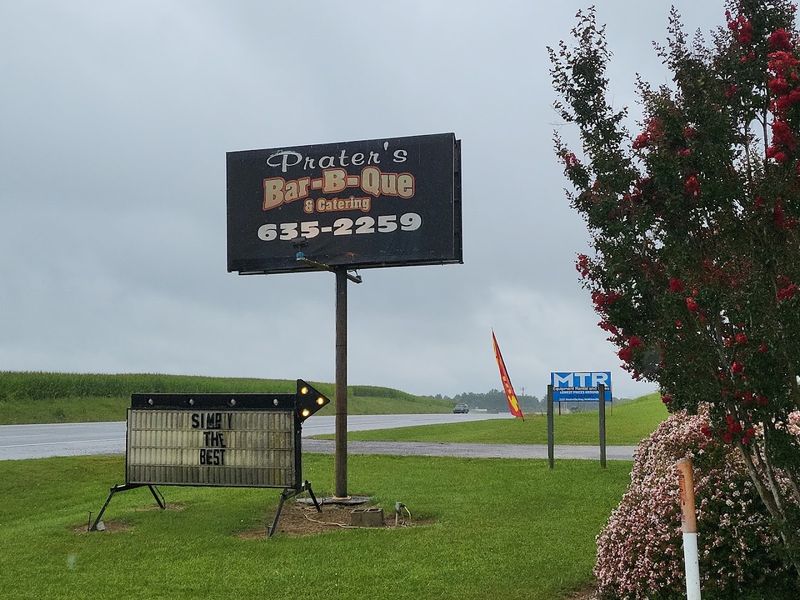
Morrison sits in that in-between space where rural Tennessee stretches between McMinnville and Manchester, surrounded by working farms and rolling hills. Prater’s Bar-B-Que occupies this landscape perfectly, requiring visitors to make a purposeful detour rather than stumbling upon it during routine travel.
The location alone signals this isn’t barbecue designed for tourists or casual passers-through—it’s cooking meant for people who know the difference.
Ribs have built Prater’s reputation among longtime customers. These aren’t competition-style ribs glazed with sweet sauce and arranged for presentation. They’re working-person ribs, substantial and smoky, with meat that pulls cleanly from the bone without being overcooked into mush.
The seasoning stays balanced, allowing the smoke and pork flavor to lead while spices play a supporting role.
What makes ribs truly great often comes down to timing and temperature control. Cook them too fast and they toughen. Cook them too slow without proper moisture and they dry out.
Prater’s has clearly figured out that sweet spot where everything comes together—the texture, the smoke penetration, the rendering of fat that keeps everything juicy. Regulars will tell you which days the ribs come out best, though honestly, even an off day here beats most places’ best effort.
The surrounding farmland isn’t just scenery—it connects to the food itself. This is agriculture country, where people understand meat and cooking from a practical, generational perspective. That knowledge shows up in how Prater’s approaches barbecue, treating it as craft rather than novelty.
The dining area keeps things straightforward without fussing over atmosphere. You come here to eat, not to admire decor or take photos for social media. Portions satisfy hungry appetites built by physical work, and prices reflect small-town economics rather than tourist markup.
Finding Prater’s requires a map and intention, but the reward is barbecue that tastes like it belongs exactly where it is.
5. Bar-B-Que Caboose Café — Lynchburg
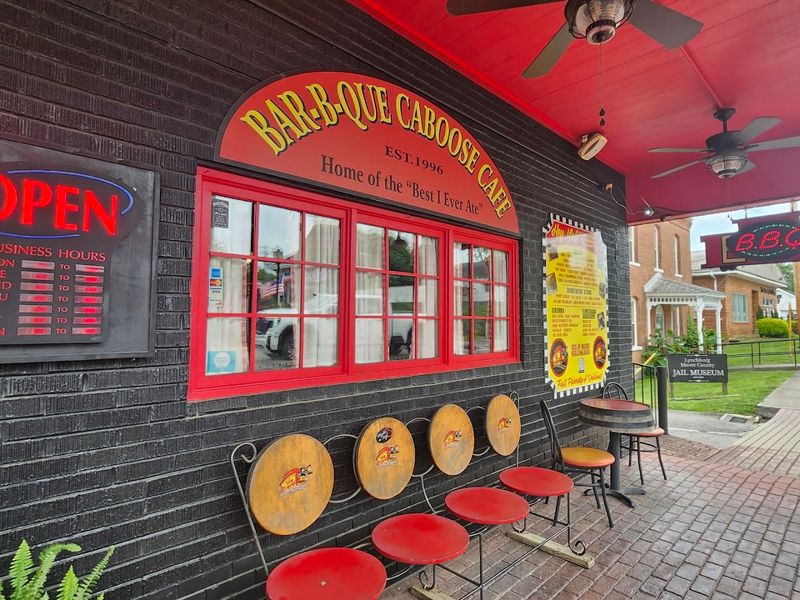
Lynchburg might be famous for something distilled, but locals will quietly point you toward the square where Bar-B-Que Caboose Café serves food that deserves equal attention. This family-run operation occupies a prime spot in one of Tennessee’s most picturesque small towns, yet somehow manages to avoid the tourist-trap pitfalls that plague many such locations. The café maintains its authenticity despite serving visitors from around the world who come to tour the nearby distillery.
The menu covers barbecue fundamentals with competence and care. Pulled pork arrives properly smoked with that essential pink ring, tender enough to shred easily but not mushy from overcooking. Smoked chicken stays moist, which takes more skill than most people realize since chicken dries out quickly under heat.
Ribs hold their own against any in the region, showing proper smoke penetration and texture.
But the menu also ventures into creative territory that sets this café apart. Barbecue pizza might sound like a gimmick, but here it works—smoky meat over tangy sauce and melted cheese on a crust that holds up to the toppings. Loaded baked potatoes transform into full meals, piled high with meat, cheese, and fixings that turn a simple spud into something memorable.
The family-run aspect shows in small details. Recipes feel consistent, suggesting someone cares about maintaining standards rather than just moving product. The service carries that small-town friendliness that can’t be faked or trained—it’s genuine hospitality from people who take pride in their work.
Despite Lynchburg’s tourist traffic, the café maintains a laid-back atmosphere that welcomes everyone equally. Locals still eat here regularly, which tells you everything about the quality and value. The setting on the square means you can walk off your meal exploring historic buildings and shops, making it easy to spend a full afternoon in town.
But the barbecue alone justifies the visit, offering substance behind the small-town charm.
6. Ridgewood Barbecue — Bluff City
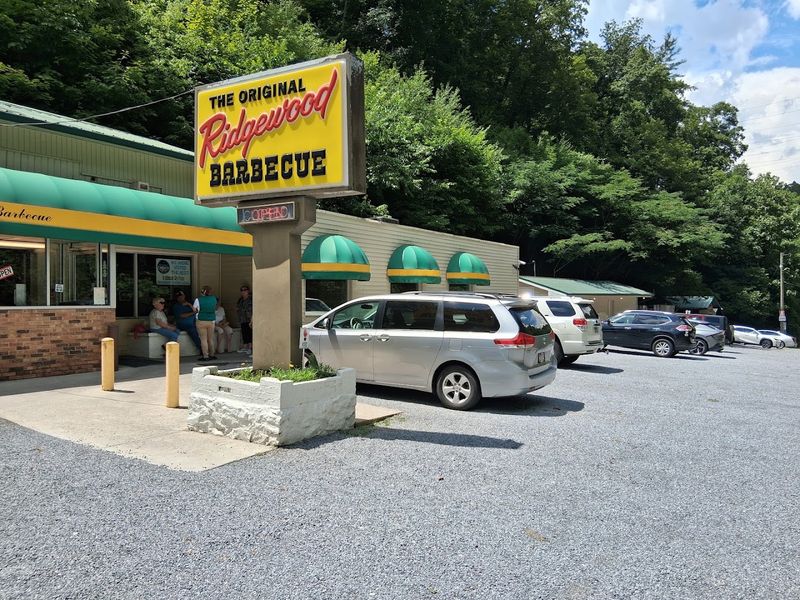
Most Tennessee barbecue follows predictable patterns—pulled pork, ribs, brisket, with regional variations in sauce and seasoning. Ridgewood Barbecue takes a different path entirely, specializing in smoked ham barbecue that sets it apart from virtually every other smokehouse in the state. Located along a winding road outside Bluff City, the restaurant feels geographically and culinarily removed from Tennessee’s main barbecue circuit.
Smoked ham barbecue sounds simple until you taste how different it is from standard barbecue fare. Ham brings its own distinct flavor profile—slightly sweet, deeply savory, with a texture that differs completely from pork shoulder or ribs. Smoking it adds complexity without overwhelming the meat’s inherent character.
The result is barbecue that tastes familiar yet completely unique, satisfying that craving for smoke and meat while offering something genuinely different.
Ridgewood’s rich tomato-based sauce complements the ham perfectly. Where vinegar-based sauces might clash with ham’s sweetness and heavier sauces might overwhelm it, this tomato sauce finds the right balance. It’s thick enough to coat the meat without drowning it, tangy enough to cut through richness, and sweet enough to harmonize with the ham’s natural flavor.
The restaurant itself maintains a low profile despite its distinctive offerings. You won’t see billboards or aggressive marketing—Ridgewood relies on reputation and word-of-mouth from customers who understand they’ve found something special. The interior keeps things simple, focusing attention on the food rather than atmosphere or trendy decor.
Finding Ridgewood requires navigation skills and determination. The winding roads leading there don’t appear on many tourist maps, and you’ll need to pay attention to avoid missing the turn. But this remoteness is part of the appeal, filtering out casual diners and preserving the restaurant’s authentic character.
Locals appreciate this separation from more accessible barbecue spots, knowing that geographic barriers help maintain quality and atmosphere. The smoked ham alone makes the journey worthwhile, offering a taste of Tennessee barbecue tradition that few people even know exists.
7. Exit 87 BBQ — Jackson
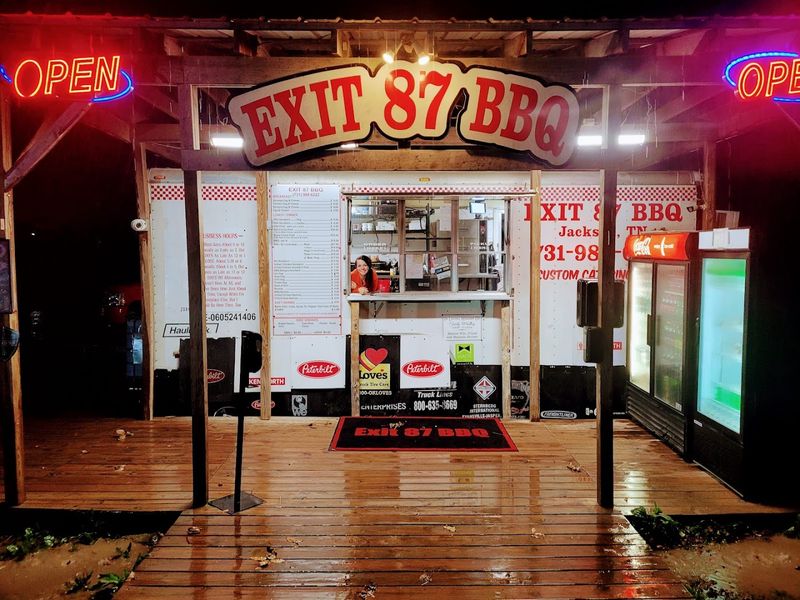
Exit 87 BBQ carries a Jackson address technically, but calling it a city restaurant misses the point entirely. This humble outdoor stand sits beside Interstate 40, feeling more like a roadside discovery than an urban dining establishment. The setup is straightforward—smoker, serving window, picnic tables, and a menu that focuses on doing a few things well rather than trying to impress with variety.
Roadside barbecue stands represent an important piece of Southern food culture that’s slowly disappearing. These operations strip barbecue down to its essentials: meat, smoke, fire, and time. Without dining rooms to maintain or extensive staff to manage, they can focus entirely on the cooking process.
Exit 87 embraces this philosophy, letting the food speak for itself without distraction.
The menu stays straightforward—pulled pork, ribs, maybe brisket depending on the day, with standard sides that complement rather than compete with the meat. This simplicity isn’t laziness; it’s confidence. When you cook barbecue well, you don’t need to hide behind elaborate preparations or fusion experiments.
The smoke and meat tell the story themselves.
Eating at picnic tables beside an interstate might not sound glamorous, but it connects to authentic barbecue tradition more than any upscale restaurant with white tablecloths ever could. Barbecue started as outdoor cooking, meant to be eaten in casual settings where grease on your fingers and sauce on your shirt were expected outcomes. Exit 87 maintains that spirit, offering an experience that feels genuine rather than manufactured for tourists.
The interstate location means Exit 87 serves both locals and travelers, creating an interesting mix of regulars who know exactly what they want and first-timers figuring out what to order. The stand handles both groups with equal efficiency, moving lines quickly without sacrificing quality. For travelers, it offers a legitimate taste of Tennessee barbecue without requiring detours or research.
For locals, it provides reliable smoke-cooked meat without the pretension that sometimes accompanies barbecue restaurants trying too hard to be authentic.
8. Southern Smoke BBQ llc. — Lexington
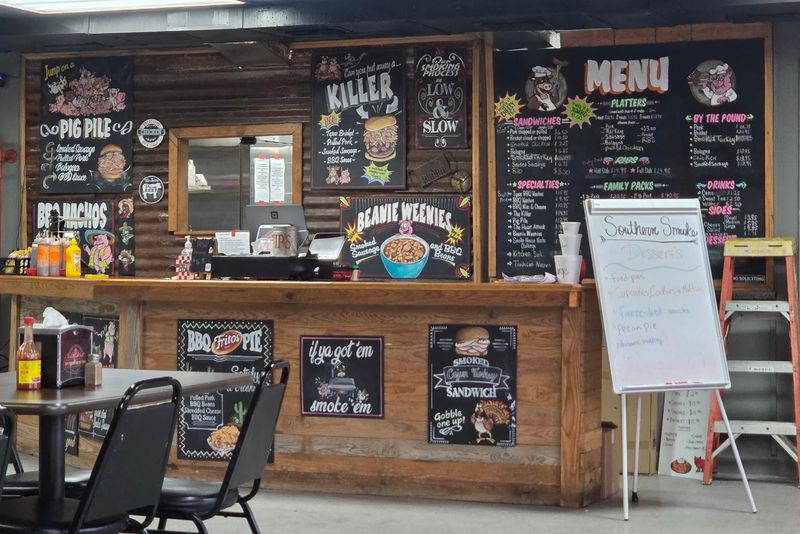
Lexington appears twice in Tennessee’s hidden barbecue landscape, which tells you something about Henderson County’s appreciation for properly smoked meat. Southern Smoke BBQ llc. brings a slightly more contemporary approach than some of the area’s older establishments, but don’t mistake modern for inauthentic. This operation understands that respecting tradition doesn’t mean refusing to evolve or improve techniques.
The “llc” in the name might suggest corporate structure, but the reality is a small business run by people who care deeply about their product.
Southern Smoke’s menu covers traditional territory with competence. The pulled pork delivers proper smoke and tenderness, ribs show good bark and texture, and sides complement without overwhelming. But the restaurant also demonstrates a willingness to experiment within reason, offering occasional specials or variations that keep regular customers interested without alienating purists who want classic barbecue done right.
The physical space strikes a balance between comfort and simplicity. It’s clean and well-maintained without feeling sterile or corporate. You can bring a date here without embarrassment, but you can also show up in work clothes covered in sawdust and fit right in.
This accessibility makes Southern Smoke a community gathering spot rather than a destination for barbecue tourists exclusively.
Lexington’s barbecue scene benefits from having multiple strong options, each with slightly different approaches and specialties. Southern Smoke fills an important role in this ecosystem, offering reliability and consistency that locals depend on when they want good barbecue without surprises. The name might sound like marketing, but the food backs it up with substance.
In a region where barbecue reputations get built over years rather than through viral social media posts, Southern Smoke is earning its place through the old-fashioned method: cooking good meat and treating customers right.
9. Jacks Creek BBQ — Jacks Creek
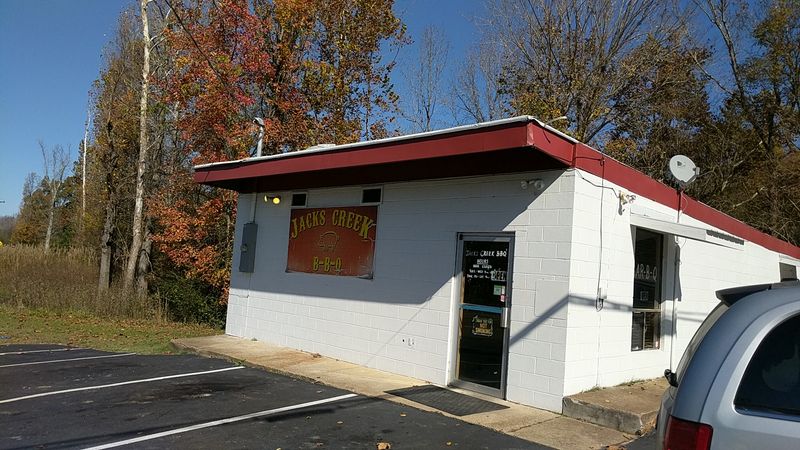
Some Tennessee towns are so small they barely register on maps, existing as names on road signs that most drivers pass without slowing down. Jacks Creek is one of these places—a community rather than a proper town, where everybody knows everybody and outsiders stand out immediately. Jacks Creek BBQ serves as a focal point for this tight-knit area, functioning as much as a community gathering spot as a restaurant.
Places like this operate on different economics than urban restaurants. They’re not trying to maximize profit margins or expand into multiple locations. They exist to serve their community, providing good food at fair prices to people who might not have many other dining options nearby.
This mission shows in the welcoming atmosphere and the way regulars treat the space like a second living room.
The barbecue itself reflects local preferences developed over generations. Seasoning and sauce align with what people in this specific area expect and enjoy, which might differ slightly from what you’d find twenty miles away in any direction. These hyperlocal variations make Tennessee barbecue endlessly interesting for people willing to explore beyond the famous names.
Each small community has its own take on smoke and meat, shaped by available ingredients, cooking methods, and family traditions passed down through the years.
Jacks Creek BBQ doesn’t need to advertise or maintain a social media presence. The people who need to know about it already do, and they visit regularly enough to keep the operation running. Word spreads slowly through personal recommendations rather than online reviews, maintaining a level of obscurity that suits the community just fine.
Visiting requires accepting that you’re entering someone else’s space as a guest rather than a customer entitled to specific treatment. Show respect, appreciate the food for what it is, and understand that authenticity sometimes means things don’t match your preconceived expectations. The reward is experiencing Tennessee barbecue in its most genuine form—cooked for locals by locals, in a place where tradition matters more than trends.
10. Stoney Lonesome BBQ — Hohenwald
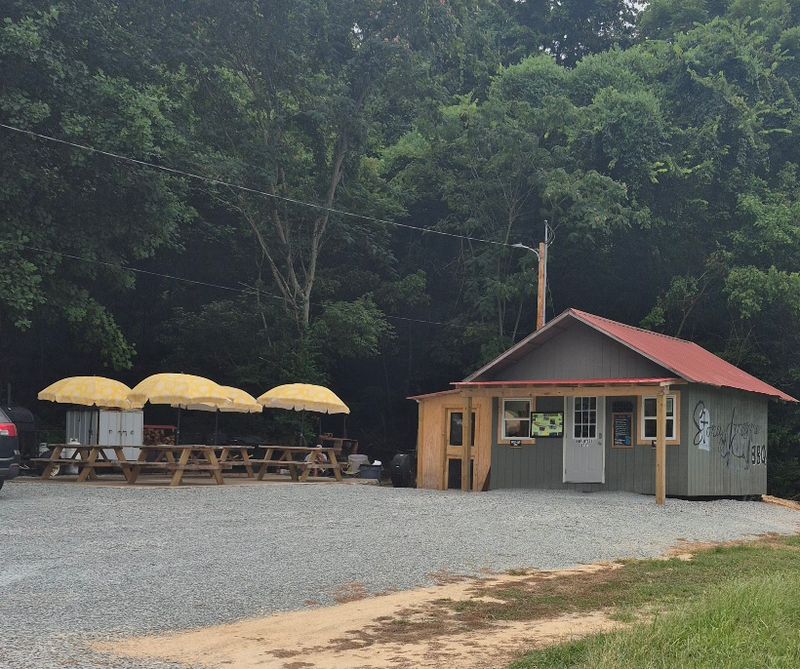
Hohenwald occupies a quiet corner of Lewis County where the pace of life moves slower and people still measure distances by landmarks rather than mile markers. Stoney Lonesome BBQ fits this environment perfectly, operating without fanfare or self-promotion in a town that values substance over style. The name itself suggests a certain isolation—stoney lonesome refers to remote, rocky places where only determined folks venture.
Getting to Hohenwald requires commitment. It’s not on the way to anywhere else, meaning every visitor arrives intentionally. This geographic reality filters the crowd naturally, ensuring that people who show up actually want to be there rather than just passing through.
For a barbecue restaurant, this creates an ideal customer base—folks who appreciate what they’re eating because they made an effort to find it.
Stoney Lonesome’s approach to barbecue emphasizes fundamentals executed well. The meat gets proper smoke time, seasoning stays balanced, and sides receive the same attention as the main attractions. Nothing on the menu tries too hard or reaches for unnecessary complexity.
This confidence in simplicity reflects the surrounding culture, where people value things that work reliably over things that look impressive but fail to deliver.
The restaurant operates on a schedule that makes sense for the community it serves, which might not align with tourist expectations. Calling ahead or checking hours before making the drive is smart, as rural restaurants sometimes close unexpectedly for family events or slow days. This flexibility is part of small-town life—businesses serve the community rather than the other way around.
Locals guard Stoney Lonesome with the same protective instinct they apply to other community treasures. They’ll recommend it to people they trust but won’t broadcast its existence to the world at large. This gatekeeping isn’t mean-spirited; it’s practical.
Small operations can only handle so much traffic before quality suffers and atmosphere changes. By keeping things quiet, regulars help preserve the restaurant they love, ensuring it remains available for years to come without being overwhelmed by discovery.