Tennessee holds more than its share of strange and forgotten chapters that seem too bizarre to be real. From failed states and executed elephants to underwater towns and armed uprisings, the Volunteer State’s past is filled with episodes that defy belief. Many of these stories have faded from public memory, preserved only in dusty archives and local legends.
Here are ten wild Tennessee tales that actually happened.
1. The Tennessee Territory That Tried To Become The State Of Franklin
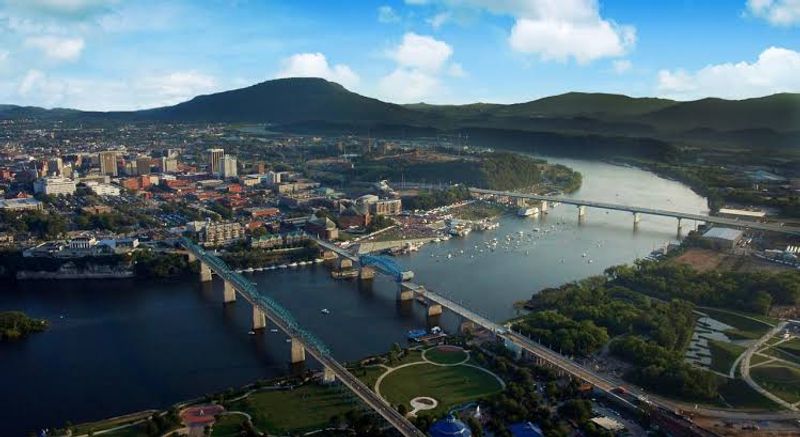
Between 1784 and 1788, a chunk of what’s now East Tennessee operated as its own independent government with its own constitution, legislature, and elected officials. Settlers frustrated with North Carolina’s governance decided they’d had enough waiting around. They declared independence, named their territory after Benjamin Franklin, and elected Revolutionary War hero John Sevier as governor.
Franklin operated like a real state for about four years. They printed their own currency, established courts, negotiated with Native American tribes, and even tried to get Congress to recognize them as the 14th state. The vote fell just two states short of the two-thirds majority needed for admission.
Political tensions with North Carolina escalated as both governments tried to collect taxes from the same settlers.
Things got messy when armed conflicts broke out between Franklin loyalists and North Carolina supporters. Sevier was eventually arrested for treason, though he was quickly pardoned and later became Tennessee’s first governor when it actually achieved statehood in 1796. The whole Franklin experiment collapsed under financial strain and political pressure, but it left behind a fascinating what-if scenario in American history.
Today, the story of the Lost State of Franklin survives mainly in historical markers and local museums scattered across East Tennessee. Some descendants still take pride in their Franklin heritage. The episode demonstrates just how uncertain and chaotic the early American frontier could be, where determined settlers genuinely believed they could carve out their own state from the wilderness.
2. The Circus Elephant Publicly Hanged In Erwin
September 13, 1916, brought one of the most disturbing spectacles in Tennessee history to the small town of Erwin. A five-ton Asian elephant named Mary, billed as the largest elephant in captivity, killed her handler during a circus parade in nearby Kingsport. The inexperienced trainer had apparently prodded her near a painful abscess.
Mary reacted violently, throwing him against a building and then stomping him.
Public outrage erupted immediately. Townspeople demanded the elephant be put to death, and circus owners feared losing business if they didn’t comply. Shooting Mary seemed impractical given her size, so authorities decided on hanging.
They transported her by rail to Erwin, which had a crane strong enough for the grim task.
Between 2,500 and 3,000 spectators gathered at the Clinchfield Railroad yard to witness the execution. The first chain broke, dropping Mary and causing chaos in the crowd. A second, stronger chain held, and Mary died by asphyxiation.
Photographs of the hanging circulated for decades, though their authenticity has been debated by historians.
The incident haunts Erwin’s history to this day. Some residents wish the story would fade away, while others believe it should be remembered as a cautionary tale about mob justice and animal welfare. A small monument now acknowledges what happened.
The tragedy of Murderous Mary, as newspapers called her, remains a dark reminder of how differently society once treated performing animals and how quickly fear can override compassion.
3. The Earthquakes That Created Reelfoot Lake
Imagine sleeping peacefully when suddenly the ground begins shaking so violently that the Mississippi River temporarily flows backward. That’s exactly what happened during the winter of 1811-1812 when the most powerful earthquake sequence in recorded American history struck the central United States. The New Madrid earthquakes, centered near the Missouri-Tennessee-Kentucky border, fundamentally reshaped the landscape of northwest Tennessee.
Contemporary accounts describe terrifying scenes. Church bells rang from the shaking hundreds of miles away. Fissures opened in the earth, swallowing trees and buildings.
The ground rolled in visible waves across open fields. Eyewitnesses reported sulfurous gas escaping from cracks and sand blows erupting like geysers.
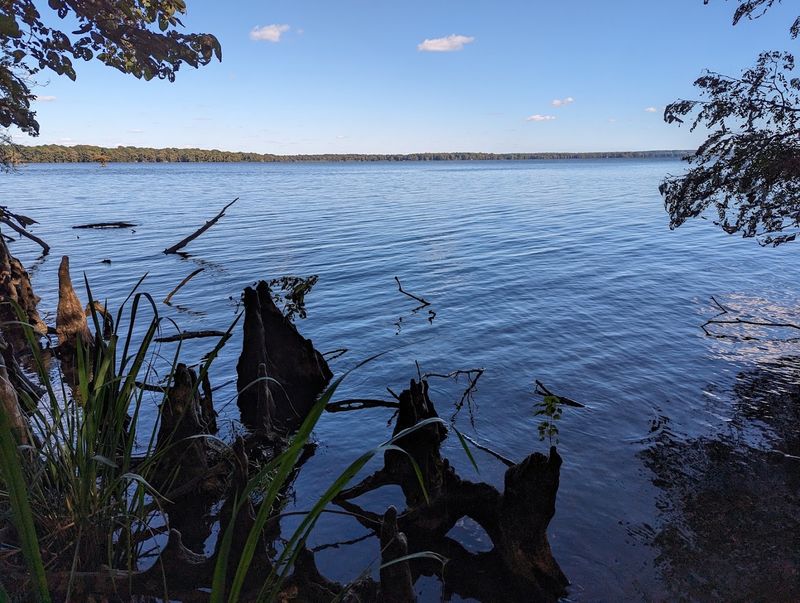
In northwest Tennessee, a large area of land suddenly dropped several feet, creating a depression that quickly filled with water from nearby streams and the Mississippi River. This geological catastrophe formed what we now know as Reelfoot Lake, roughly 15,000 acres of shallow water dotted with drowned trees. The lake became an important ecosystem almost overnight, attracting waterfowl and fish.
Scientists estimate the main quakes registered between 7.0 and 8.0 on the Richter scale. Aftershocks continued for months. Today, Reelfoot Lake stands as a permanent reminder of nature’s awesome power to reshape the earth in moments.
The lake has become a beloved destination for fishing and wildlife observation, its haunting beauty masking its violent origins. Geologists warn that the New Madrid fault zone remains active and could produce another major earthquake someday.
4. The Tennessee Towns Now Sitting Beneath Lakes
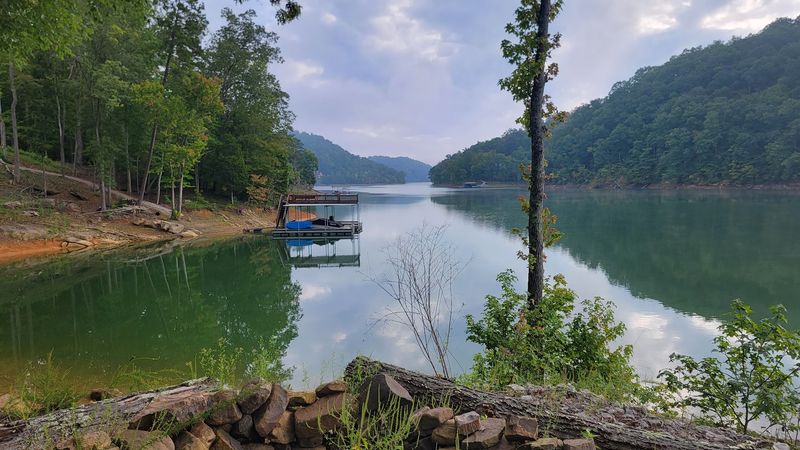
Progress came at a steep price for dozens of Tennessee communities during the 20th century. The Tennessee Valley Authority and Army Corps of Engineers constructed massive dams that created sprawling reservoirs throughout the state. Beautiful as these lakes are today, they hide entire towns, farms, churches, schools, and cemeteries beneath their surfaces.
Thousands of families were displaced, their homes and histories flooded forever.
Butler in Johnson County represents one of the most famous examples. The entire town was relocated in 1948 before Watauga Lake filled the valley. Residents had to move or watch their homes demolished.
Some buildings were physically relocated to higher ground, but most were simply destroyed. Old Butler now rests under more than a hundred feet of water.
Similar stories played out across Tennessee. Communities like Loyston, Willow Grove, and dozens of others vanished beneath Kentucky Lake, Norris Lake, and other reservoirs. Cemeteries presented particular challenges—thousands of graves had to be carefully exhumed and moved to new burial grounds.
Some families chose to leave their ancestors where they lay, now forever beneath the water.
During severe droughts when lake levels drop dramatically, remnants of these lost towns occasionally resurface. Foundations, roads, bridge supports, and other structures emerge like ghosts from Tennessee’s past. Local historians and divers have documented what remains.
These submerged settlements remind us that the scenic lakes we enjoy for recreation came at the cost of entire communities whose residents had to abandon everything they knew and start over elsewhere.
5. The Remote Community Called No Business That Disappeared
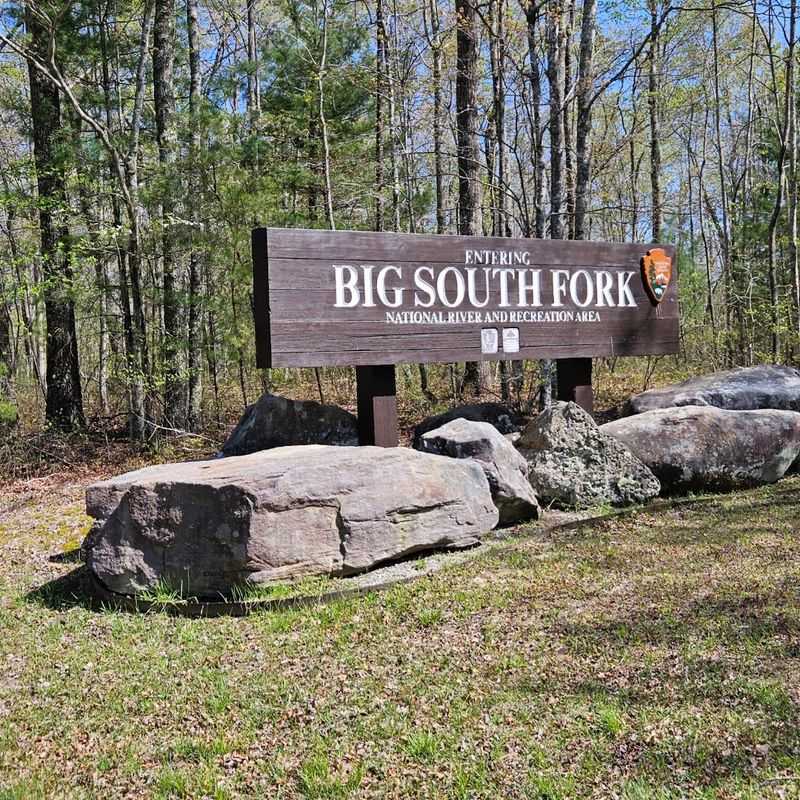
Deep in what’s now the Big South Fork National River and Recreation Area, a thriving community once existed in a place with the peculiar name of No Business. The settlement got its unusual name from No Business Creek, which supposedly earned its title when early hunters found the area too rugged and remote to be worth their time. Despite the discouraging name, hardy families made it their home.
At its peak in the early 1900s, No Business supported several hundred residents spread across the hollow and surrounding ridges. The community had everything needed for self-sufficient mountain life: multiple one-room schools, general stores, churches, a post office, and even a small sawmill. Families farmed the hillsides, raised livestock, and supplemented their income with timber work and coal mining.
But isolation that once provided independence eventually became a liability. As roads improved elsewhere and modern conveniences spread across Tennessee, No Business remained stubbornly inaccessible. Young people left for opportunities in towns with electricity, indoor plumbing, and easier access to the outside world.
The population steadily dwindled through the mid-20th century.
The last permanent resident departed in 1960, and the forest quickly reclaimed what people had carved from it. Today, hikers occasionally stumble upon stone foundations, rusted farm equipment, and old cemeteries hidden among the trees. The National Park Service maintains some trails through the area, and a few structures have been stabilized.
No Business serves as a poignant reminder of countless isolated Appalachian communities that simply faded away when the modern world passed them by.
6. The Coal Miners Who Took Up Arms Against Tennessee’s Prison Labor System
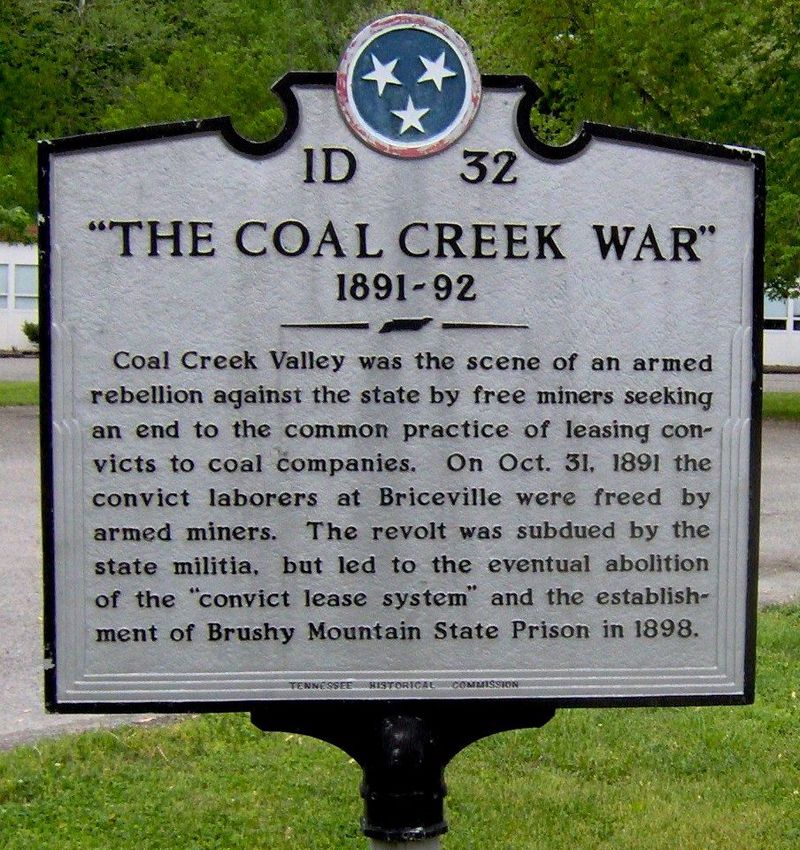
Coal Creek War sounds like something from a history book about labor struggles in distant countries, but it erupted right here in East Tennessee during the 1890s. Coal companies in Anderson and Campbell counties had discovered a profitable but morally bankrupt practice: leasing convicts from the state to work in the mines for pennies per day. This undercut free miners who couldn’t compete with essentially slave labor.
In July 1891, frustrated miners took direct action. Hundreds of them marched to the Briceville stockade, overpowered the guards without bloodshed, loaded the convicts onto trains, and sent them back to the state penitentiary in Nashville. They weren’t violent revolutionaries—they simply wanted fair wages and the ability to support their families.
Coal company executives and state officials were furious.
The state sent militia forces to restore order and returned the convicts to the mines. The miners responded by freeing the prisoners again and burning the stockades to the ground. This cycle repeated multiple times over the next year.
Skirmishes broke out between miners and guards, though casualties remained relatively light considering the scale of the conflict.
The rebellion finally ended in 1892 after troops occupied the mining region, but the miners had made their point. Public opinion gradually turned against convict leasing, which was finally abolished in Tennessee in 1896. The Coal Creek War demonstrated that ordinary working people would risk everything when pushed too far by corporate greed and government corruption.
It remains one of the most significant labor uprisings in American history, though it’s largely forgotten outside East Tennessee.
7. The World War II Veterans Who Fought Their Own Local Government
August 1946 brought an armed insurrection to Athens, Tennessee, but this wasn’t a foreign conflict—it was returning World War II veterans fighting corruption in their own hometown. McMinn County had fallen under the control of a political machine led by Sheriff Paul Cantrell and his deputies. For years, they had allegedly intimidated voters, stuffed ballot boxes, and turned law enforcement into their personal enforcement arm.
Veterans returning from the war had just fought to defend democracy abroad. They weren’t about to tolerate its mockery at home. A group of ex-GIs formed a reform ticket and challenged the machine in the August primary election.
On election day, armed deputies seized ballot boxes and took them to the county jail, refusing to allow opposition poll watchers to observe the count.
That’s when things escalated. Veterans armed themselves with weapons from the National Guard armory and surrounded the jail, demanding an honest count. When deputies refused and opened fire, the Battle of Athens began in earnest.
The veterans laid siege to the jail through the night, eventually using dynamite to blast the building and force the surrender of the deputies inside.
The veterans took control of the ballot boxes and conducted their own count, which showed their candidates had won decisively. The state government, perhaps recognizing which way the wind was blowing, chose not to intervene. The reformers took office, cleaned up county government, and restored honest elections.
The Battle of Athens stands as one of the few times in American history that armed citizens successfully overthrew a corrupt local government, then peacefully returned to civilian life.
8. The Luxury Smoky Mountains Resort Town That Became A Ghost Town
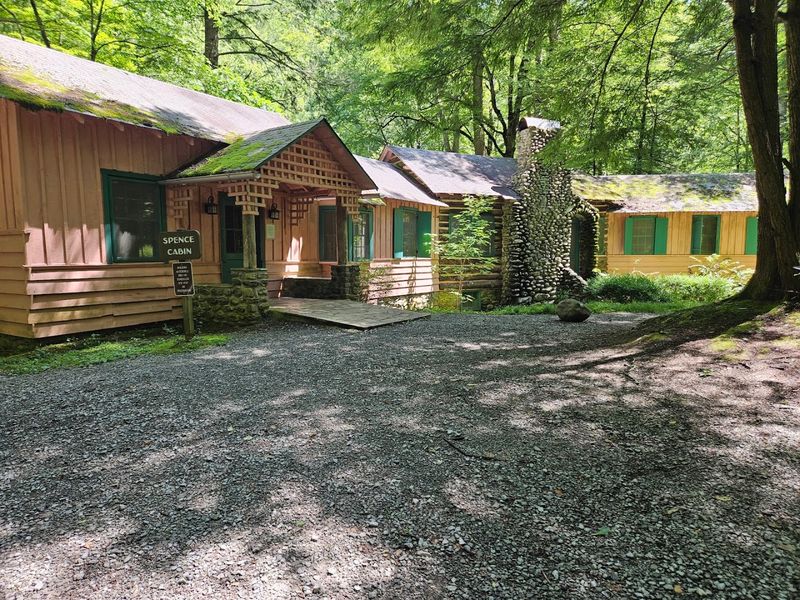
Elkmont started as a rough logging camp in the late 1800s when the Little River Lumber Company harvested timber from the Smoky Mountains. After the logging boom ended, something unexpected happened: wealthy families from Knoxville and beyond discovered the area’s beauty and cool summer climate. They bought land and built elaborate vacation cottages, transforming a working-class lumber town into an exclusive mountain retreat.
By the 1920s, Elkmont had become a fashionable destination with two private clubs—the Appalachian Club and the Wonderland Club. Families built impressive summer homes with stone fireplaces, screened porches, and all the amenities money could buy. Social life revolved around club gatherings, fishing in mountain streams, and escaping the summer heat of the lowlands.
For several decades, Elkmont thrived as a playground for Tennessee’s elite.
Then the National Park Service came calling. When Great Smoky Mountains National Park was established in the 1930s, Elkmont fell within its boundaries. The government allowed existing owners to keep their properties under lifetime leases, but the clock was ticking.
As leases expired and owners died, buildings were left to decay. The last lease expired in 2001.
Today, Elkmont exists in a strange limbo between ghost town and preserved history. Some structures have been restored, including the Appalachian Clubhouse, while others remain abandoned and slowly crumbling. Visitors can walk among the ruins, imagining the laughter and luxury that once filled these now-silent buildings.
It’s a haunting reminder that even the most exclusive enclaves eventually succumb to time and changing circumstances.
9. The Missing Frenchman Who Inspired Tennessee’s First European Fort
René-Robert Cavelier, Sieur de La Salle, was exploring the Mississippi River in 1682 when one of his expedition members vanished without a trace near the Chickasaw Bluffs in what’s now western Tennessee. The missing man was Pierre Prudhomme, the expedition’s armorer and gunsmith—someone they absolutely couldn’t afford to lose in hostile territory. La Salle ordered an immediate search, but Prudhomme had seemingly disappeared into the wilderness.
While search parties scoured the area, La Salle made a practical decision. He ordered his men to construct a small fortification on a bluff overlooking the Mississippi River. The fort would serve as a base of operations for the search and provide protection if they encountered hostile forces.
They built a wooden stockade and named it Fort Prudhomme in honor of their missing comrade.
Ten days later, Prudhomme stumbled back into camp, half-starved and exhausted but very much alive. He had gotten lost while hunting and spent the time wandering through unfamiliar forest, unable to find his way back to the river. His unexpected return was cause for celebration, though the expedition had already invested considerable effort building the fort that bore his name.
Fort Prudhomme holds the distinction of being the first European fortification built in what would become Tennessee, though it was quickly abandoned when the expedition continued south. The exact location remains debated by historians, with several sites near Memphis claiming the honor. Prudhomme’s misadventure left a small but permanent mark on Tennessee history—proof that sometimes getting lost can make you famous, at least in a footnote.
10. The Young Legislator Whose Mother Helped Change The Constitution
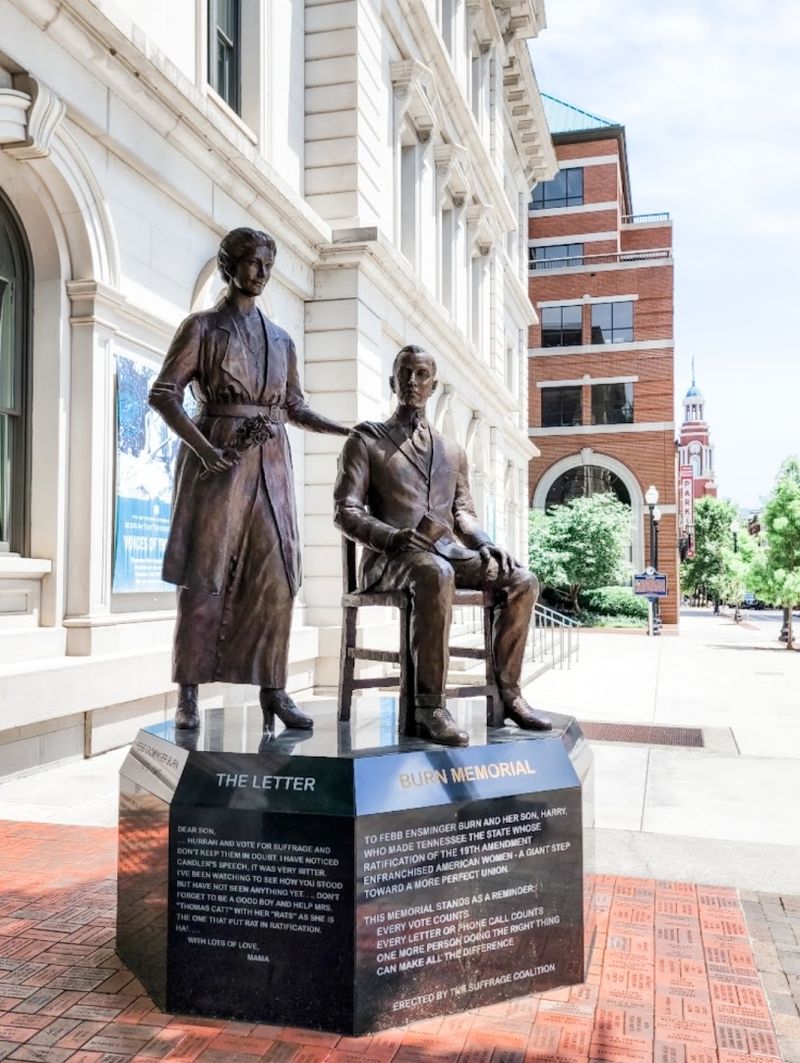
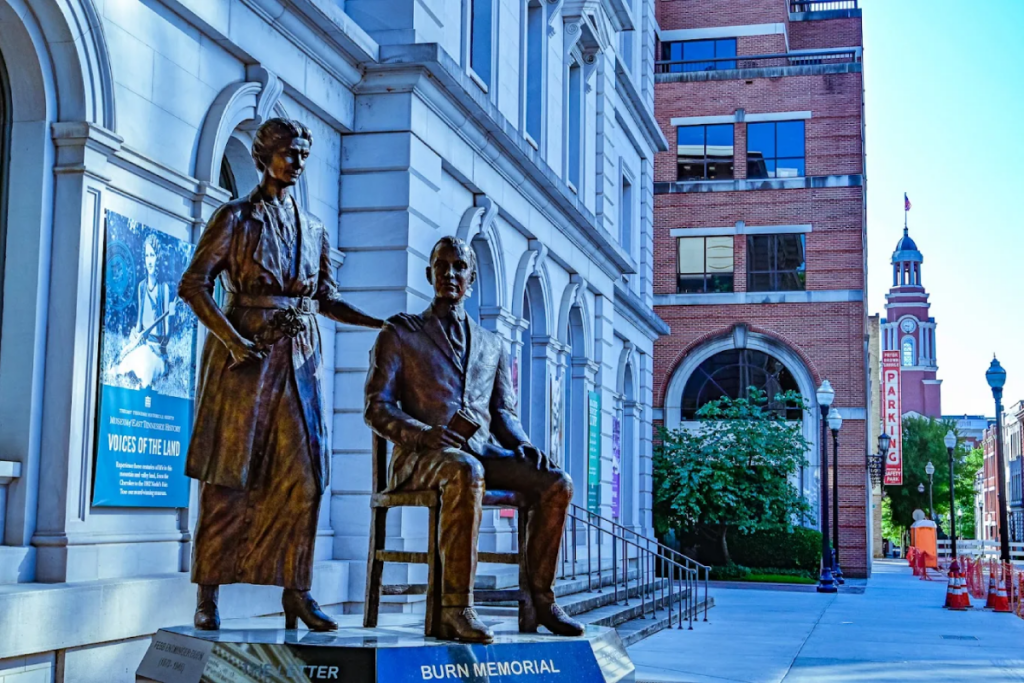
August 18, 1920, was supposed to be just another day of deadlocked voting in the Tennessee General Assembly. The legislature was considering ratification of the 19th Amendment, which would guarantee women the right to vote nationwide. Tennessee had become the crucial 36th state needed for ratification, and the vote was tied.
Twenty-four-year-old Representative Harry Burn from McMinn County had consistently voted against ratification in preliminary votes, wearing a red rose to signal his opposition.
But that morning, Burn received a letter from his mother, Febb Ensminger Burn. She wrote: “Dear Son, Hurrah and vote for suffrage! Don’t keep them in doubt. I noticed some of the speeches against. They were bitter. I have been watching to see how you stood, but have not noticed anything yet. Don’t forget to be a good boy and help Mrs. Catt put the ‘rat’ in ratification.”
When the final vote came, Burn shocked everyone by voting yes. Tennessee ratified the 19th Amendment by a single vote, providing the final state needed to make women’s suffrage part of the Constitution. Anti-suffrage legislators were furious, and Burn had to hide in the capitol attic to escape an angry mob.
He later explained his vote by saying he believed in full suffrage as a right and wanted to honor his mother’s request.
Febb Burn’s letter changed American history. Without her influence on her son, ratification might have been delayed for years. The letter is now preserved in Tennessee archives.
Harry Burn went on to serve in the state senate and practice law, but he’s remembered primarily for that one courageous vote and the mother who inspired it.