
Ohio has a way of surprising you when you look beyond the usual road trip stops, especially if you love the stories told through molten glass, hand-shaped clay, and generations of creative work. Across the state, small cities and museum galleries hold remarkable evidence of industrial skill, artistic ambition, and community pride, making each visit feel like part treasure hunt and part time travel experience.
If you are planning a 2026 itinerary that goes deeper than standard sightseeing, these heritage sites offer live demonstrations, beautifully preserved collections, and a stronger sense of how Ohio helped shape American decorative arts. From Lancaster and Newark to East Liverpool, Zanesville, and beyond, this list gives you thirteen memorable places where craftsmanship is not just displayed behind glass, but felt in the atmosphere, the history, and the people keeping these traditions alive.
1. Ohio Glass Museum And Glass Blowing Studio, Lancaster
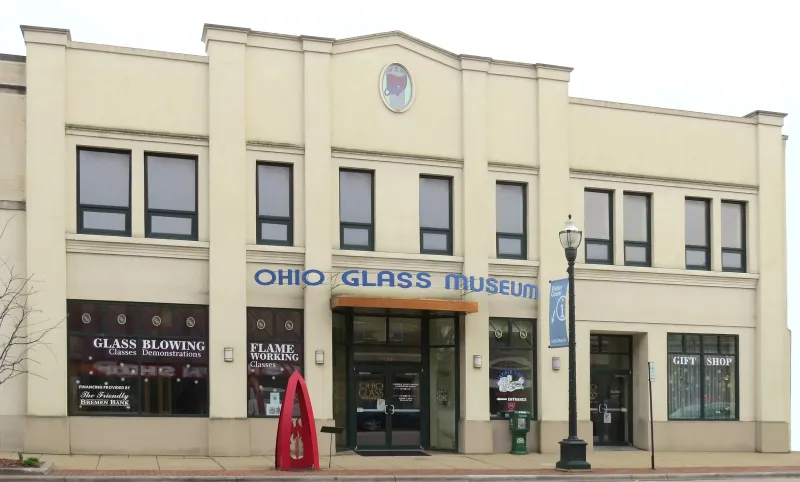
If you want to see Ohio craftsmanship in action instead of only reading labels in a gallery, this is the kind of stop that instantly earns a place on your 2026 list. The experience in Lancaster connects the region’s industrial past with the excitement of watching something beautiful take shape right in front of you.
That blend of history and live creativity gives the Ohio Glass Museum and Glass Blowing Studio an energy that feels welcoming rather than formal.
Inside the museum, you can follow the story of glassmaking in Fairfield County and better understand why Lancaster became important in American decorative arts. The exhibits highlight local production, tools, finished wares, and the people whose skill turned raw material into objects that still catch the light generations later.
Instead of feeling overwhelming, the collection is approachable, so even first-time visitors leave with a clearer sense of what makes Ohio glass distinctive.
The studio side is where the visit often becomes unforgettable, because heat, motion, and timing suddenly make the craft feel real. Watching artists gather molten glass, turn it, shape it, and coax color from a glowing mass gives you a stronger respect for how much control the medium demands.
If a demonstration is happening during your visit, you will probably find yourself lingering longer than planned just to see the final form emerge.
Lancaster itself adds to the appeal, making it easy to pair this stop with a relaxed downtown walk or a broader arts-focused day trip. For anyone curious about heritage that still feels alive, the Ohio Glass Museum and Glass Blowing Studio delivers exactly that.
You leave with more than facts, because the memory of fire, craftsmanship, and local pride stays with you long after the visit ends.
2. Museum Of Ceramics, East Liverpool
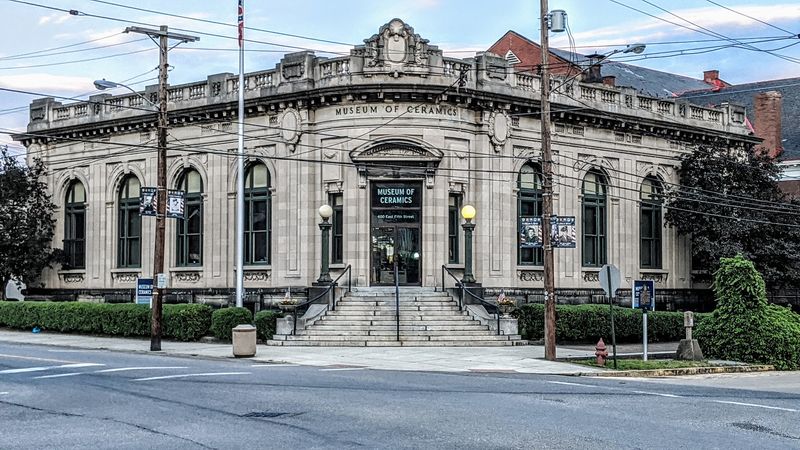
For anyone drawn to the history of everyday objects, this stop in eastern Ohio shows how plates, cups, and decorative wares can reveal an entire community’s identity. East Liverpool was once so deeply tied to pottery production that the town earned a reputation as a national center of ceramic manufacturing.
A visit to the Museum Of Ceramics helps you see that legacy not as distant history, but as a living story of labor, design, and regional pride.
The collection is strong because it balances beauty with context, giving you pieces to admire while also explaining how they were made and why they mattered. You can trace changing styles, production methods, and consumer tastes through displays that make the rise of Ohio ceramics easier to understand.
Rather than presenting pottery as something delicate and untouchable, the museum shows it as part of daily American life, shaped by workers, factories, and local ambition.
What makes the experience especially rewarding is the sense of place. East Liverpool is not just a backdrop here, because the city itself is central to the story, and that connection gives the galleries a grounded, authentic feel.
If you enjoy heritage travel that links objects to real streets, real industries, and real families, the Museum Of Ceramics offers exactly that kind of satisfying depth.
This is also a smart stop if you want variety in your Ohio itinerary, since it complements glass-focused museums without repeating them. You come away seeing ceramics as both art and industry, with a richer appreciation for the craftsmanship behind forms that once sat on American tables every day.
In 2026, the Museum Of Ceramics remains one of the state’s clearest windows into Ohio’s manufacturing and decorative arts heritage.
3. Ohio Craft Museum, Columbus
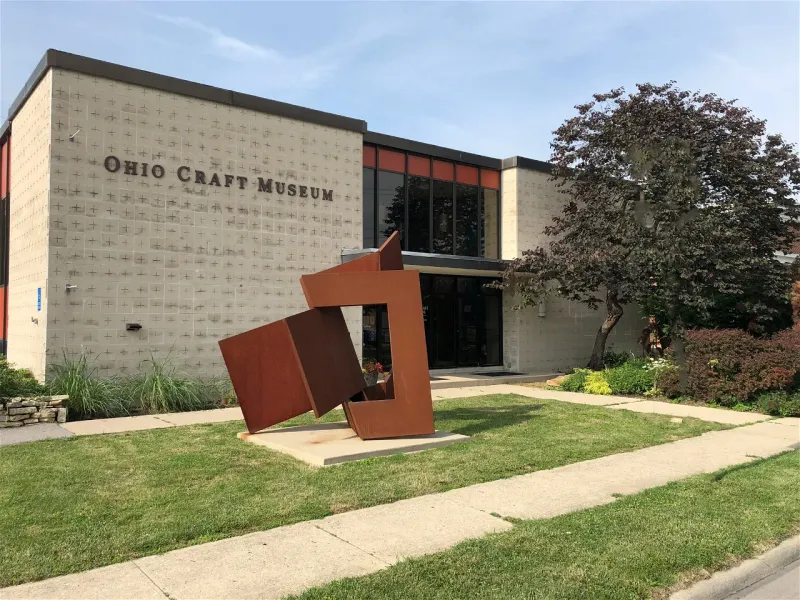
Not every heritage stop has to feel rooted only in the distant past, and this Columbus museum proves that point beautifully. Here, traditional techniques and contemporary creativity meet in a way that shows how craft continues to evolve across Ohio.
The Ohio Craft Museum is a rewarding place to visit when you want history, artistry, and present-day makers all in one experience.
The exhibitions often span materials and styles, so you are not limited to a single craft tradition. Ceramics, fiber, metal, wood, jewelry, and mixed media can all appear in thoughtful displays that reveal how much skill and intention go into handmade work.
That variety keeps the visit engaging, especially if you enjoy comparing techniques and seeing how artists reinterpret familiar forms through modern perspectives.
What stands out most is the museum’s ability to make craftsmanship feel personal and relevant. Instead of presenting objects as isolated masterpieces, it encourages you to notice process, texture, function, and the maker’s choices behind each piece.
That approach can deepen your appreciation even if you are not already a dedicated collector or craft expert, because the work feels accessible and grounded in real human effort.
Being in Columbus also gives this stop practical appeal for a broader trip, since it fits easily into a day of exploring the capital city’s neighborhoods, galleries, and cultural institutions. If your Ohio itinerary includes both historic industrial sites and more current creative spaces, the Ohio Craft Museum offers an excellent bridge between those worlds.
In 2026, it is well worth exploring as a place where the state’s handmade traditions are not only preserved, but actively reimagined for new audiences.
4. Glass Heritage Gallery, Fostoria
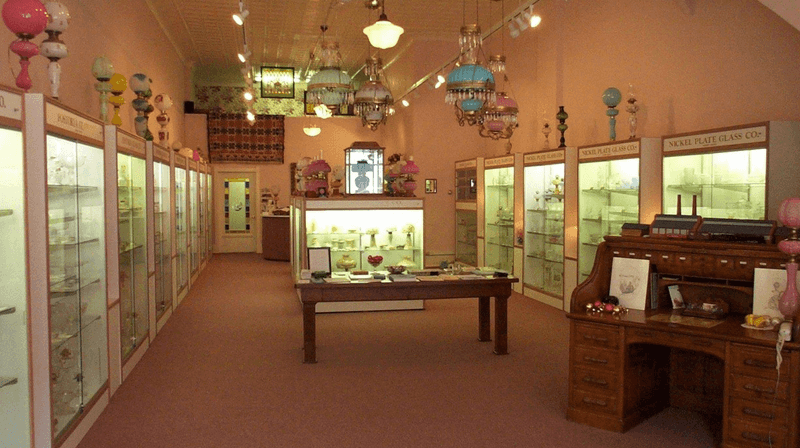
Some of the most memorable heritage stops are the ones that feel a little more intimate, and this gallery in Fostoria has that exact appeal. It offers a focused introduction to a city whose name became closely tied to American glassmaking and collectible tableware.
If you appreciate places where local identity shines through every display case, the Glass Heritage Gallery is an easy choice for your Ohio travels.
The visit is especially satisfying because it connects beautiful finished objects with the broader story of production, design, and regional reputation. You are not just looking at elegant glassware, but also seeing evidence of the standards and visual tastes that helped make Fostoria glass so admired.
Details in pattern, clarity, and form become much more interesting once you understand the craftsmanship and branding behind them.
Another strength here is the scale, which makes the experience feel approachable rather than exhausting. You can slow down, study individual pieces, and notice how changing light brings out subtle differences in color and texture.
That kind of close attention is often harder in larger museums, so the Glass Heritage Gallery rewards visitors who prefer a more personal, less hurried encounter with decorative arts history.
Fostoria itself adds an extra layer of context, especially if you enjoy visiting towns where industry and memory still shape local pride. This is the sort of place that can inspire conversation about collecting, design, and how ordinary household objects become historical artifacts over time.
In 2026, the Glass Heritage Gallery remains one of Ohio’s worthwhile stops for anyone interested in the beauty and legacy of glass made to be used, admired, and remembered.
5. The Clay Center Of Ohio, Roseville
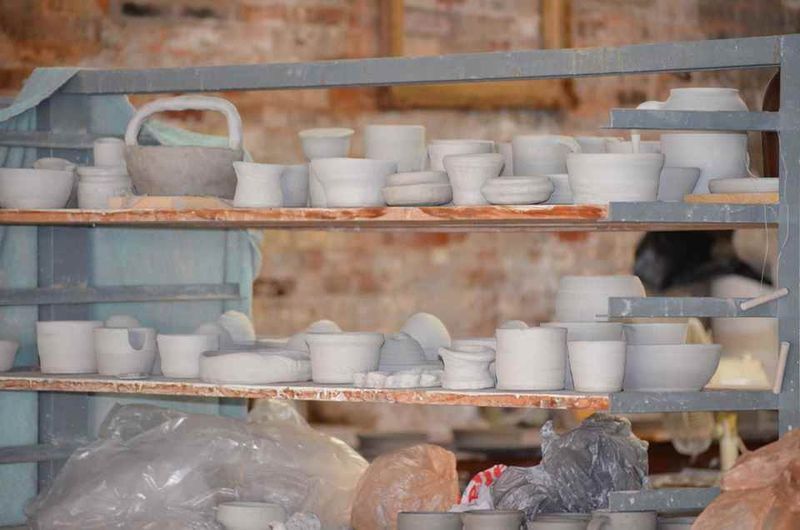
If your idea of a great road trip stop includes learning how a region’s natural resources shaped its identity, this Roseville destination deserves a closer look. Clay has played a major role in Ohio’s artistic and industrial story, and this center helps bring that legacy into focus.
The Clay Center Of Ohio feels especially meaningful because it ties material, labor, and design together in a way that is easy to appreciate.
During a visit, you can expect to encounter pottery and ceramics within a broader story about community and craft. The exhibits help explain how clay-rich areas supported production, how makers refined their techniques, and how local styles and practical wares developed over time.
That context makes each finished piece feel less like an isolated object and more like the result of geography, knowledge, and generations of experience.
What makes this stop stand out is its grounded sense of authenticity. Roseville has long associations with pottery, so being there adds emotional weight to the displays and helps you imagine the rhythm of work that once defined the area.
If you enjoy destinations where history is not overly polished or detached, The Clay Center Of Ohio offers a more connected, place-based experience that feels honest and memorable.
This is a smart addition to an Ohio heritage itinerary because it complements museums devoted to glass and decorative arts while giving clay its own well-deserved spotlight. You leave with a better understanding of how central ceramics have been to the state’s creative and manufacturing history.
For 2026 travelers seeking a meaningful stop beyond the biggest cities, The Clay Center Of Ohio offers substance, regional character, and a satisfying sense of discovery.
6. Decorative Arts Center Of Ohio, Lancaster

When you want a heritage stop that feels polished, inspiring, and broad in scope, this Lancaster institution delivers a strong mix of design and history. Decorative arts can sometimes sound niche until you stand in front of objects that reveal how people once lived, entertained, and expressed taste.
The Decorative Arts Center Of Ohio makes that connection easy, turning furniture, ceramics, glass, and design into a story you can actually feel.
The setting contributes a lot to the experience, because architecture and atmosphere often frame the exhibitions in a way that enhances their impact. Instead of walking through a neutral box, you are entering a place that already suggests refinement, domestic life, and historical continuity.
That sense of context helps the objects resonate more deeply, especially if you enjoy seeing decorative arts presented in ways that highlight their original purpose and visual power.
Exhibitions here can introduce you to different eras, styles, and collecting traditions without becoming too academic. You might notice how craftsmanship intersects with fashion, social habits, and changing American ideas about beauty and status.
The result is a visit that feels both educational and pleasurable, which is a valuable combination when planning a cultural stop for a day trip or weekend away.
Lancaster already appears more than once on this Ohio heritage list, and that alone tells you something about the city’s cultural depth. Pairing this museum with the local glass museum creates a rewarding contrast between industrial material history and the world of finely made decorative objects.
In 2026, the Decorative Arts Center Of Ohio is worth exploring if you want to understand not just what Ohio made, but also how those creations fit into larger stories of style, craftsmanship, and daily life.
7. National Heisey Glass Museum, Newark

If pressed glass, elegant tableware, and the legacy of American glass companies interest you, this Newark museum is one of Ohio’s essential stops. The collection celebrates the Heisey name while also giving you a richer understanding of how craftsmanship and brand identity worked together in the glass industry.
A visit to the National Heisey Glass Museum feels both specialized and inviting, which is a difficult balance to achieve well.
What often surprises visitors is how much variety can exist within one glassmaker’s output. Differences in pattern, weight, color, finish, and intended use reveal just how carefully these objects were designed to appeal to households and collectors.
Once you start noticing those distinctions, the displays become far more than rows of pretty glass, and the museum’s interpretive value really begins to shine.
Newark is an ideal setting for this story because it grounds the collection in the city where the company left its strongest mark. That local connection helps you appreciate the museum not merely as a showcase for beautiful objects, but as a record of work, enterprise, and regional identity.
If you enjoy seeing how one manufacturer can influence both a town and the broader decorative arts market, this stop delivers plenty to think about.
The museum also fits beautifully into a larger Ohio itinerary focused on material culture, especially if you are pairing it with nearby art, history, or technology attractions. In 2026, the National Heisey Glass Museum remains one of the clearest places to understand why Ohio matters in the national story of glass.
You leave with sharper eyes for detail and a stronger appreciation for how function, beauty, and manufacturing excellence can coexist in a single object.
8. Museum Of American Porcelain Art, South Euclid
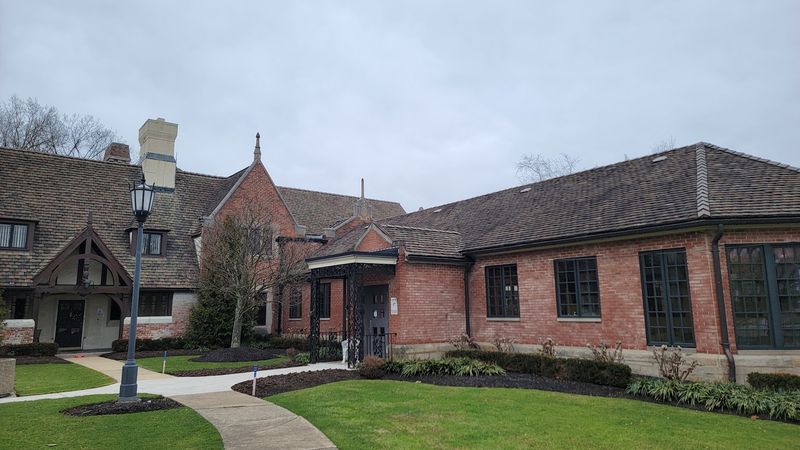
Porcelain has a way of drawing you in with delicacy first and complexity second, and that is part of what makes this South Euclid museum so intriguing. A visit here offers the chance to look closely at a material often associated with refinement, precision, and decorative ambition.
The Museum Of American Porcelain Art is especially rewarding if you enjoy small details, careful craftsmanship, and collections that invite a slower pace.
What makes porcelain compelling is the combination of technical control and artistic expression required to produce it well. Forms, glazes, painted details, and firing outcomes all matter, and the museum helps you understand those factors without making the experience feel overly technical.
As you move through the displays, you begin to appreciate how much planning and discipline lie behind objects that can seem effortless at first glance.
This stop also broadens an Ohio craft itinerary in an important way. While glass and utilitarian pottery often dominate regional heritage conversations, porcelain adds another layer to the story of what Americans made, collected, and valued in their homes.
Seeing it in South Euclid gives you a chance to explore a more specialized branch of decorative arts while still staying connected to the state’s wider cultural landscape.
If you are the kind of traveler who likes museums that reward patience and close observation, the Museum Of American Porcelain Art deserves your time. It may not shout for attention, but it offers a refined experience that can stay with you because of its focus and precision.
In 2026, this is one of Ohio’s most interesting niche stops for visitors who want to deepen their understanding of ceramics beyond the expected highlights.
9. Millersburg Glass Museum, Millersburg
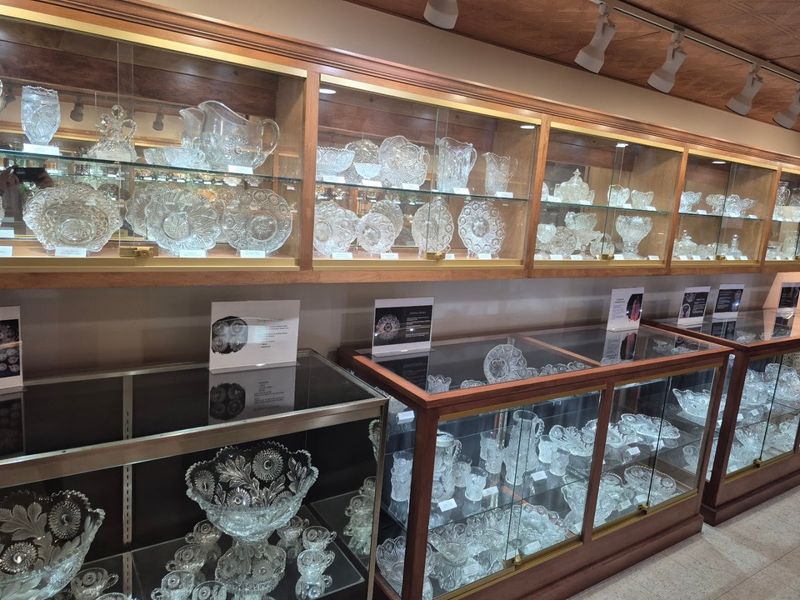
Anyone who loves dramatic color and shimmering surfaces should pay attention to this Holmes County stop. Millersburg glass is known for visual richness that can feel almost theatrical under the right lighting, making the museum a delight even if you arrive with only casual knowledge of glass history.
The Millersburg Glass Museum gives you a focused look at a company and style that continue to fascinate collectors.
One of the pleasures of visiting is seeing how different pieces respond to light, angle, and proximity. Iridescence, pattern, and form work together in ways that reward slow looking, and you may find yourself circling a case more than once just to watch colors shift.
That sensory appeal makes the museum enjoyable on a purely visual level, while the historical context adds substance for visitors who want a fuller understanding.
The story behind the glass also matters, because it reflects Ohio’s role in innovation, competition, and craftsmanship within the broader American decorative arts landscape. Learning about production and reputation helps explain why Millersburg pieces hold such interest today.
Instead of seeing them as simply collectible antiques, you begin to understand them as the outcome of design ambition and skilled manufacturing rooted in a specific place.
Millersburg itself contributes to the charm, especially if you are exploring smaller Ohio communities in search of heritage destinations that feel personal and distinct. This museum may be modest in scale, but it offers a strong sense of identity and a memorable visual payoff.
In 2026, the Millersburg Glass Museum is worth exploring for anyone who wants to experience a more colorful, specialized corner of Ohio’s remarkable glassmaking tradition.
10. Packer Creek Pottery, Genoa
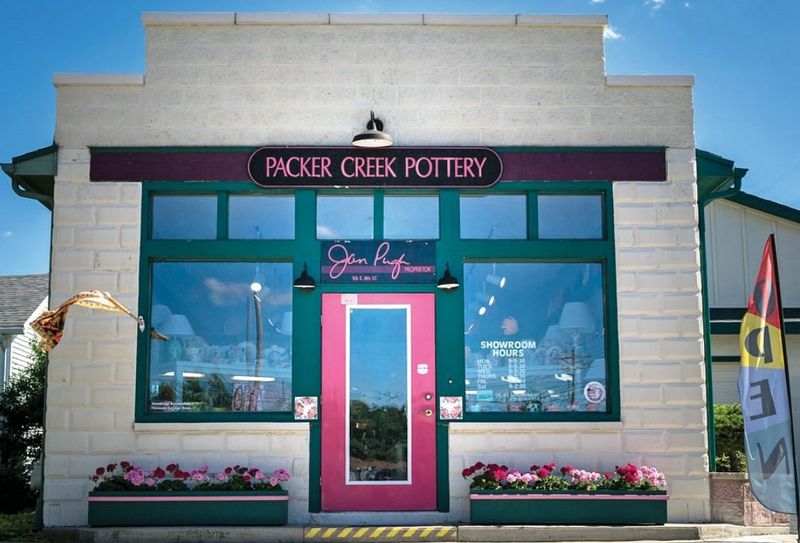
Some places on a heritage itinerary stand out because they keep old skills active instead of only preserving their memory, and this Genoa destination has that appeal. Pottery becomes much more meaningful when you can connect finished pieces to the hands, tools, and repeated practice behind them.
Packer Creek Pottery offers a chance to experience Ohio craft as something alive, tactile, and deeply rooted in tradition.
In a studio setting, the process itself becomes part of the draw. You start noticing how clay behaves, how forms are balanced, and how glaze choices change the final personality of a piece.
That awareness can transform the way you look at ceramics everywhere else on your trip, because objects that once seemed simple begin to reveal their technical and artistic decisions more clearly.
There is also something refreshing about visiting a place where the line between artist, maker, and teacher can feel wonderfully blurred. Whether you are browsing finished work or learning more about technique, the atmosphere tends to be more personal than in a large institution.
That intimacy makes Packer Creek Pottery especially appealing if you like heritage experiences that feel conversational and direct rather than heavily curated.
As part of a 2026 Ohio journey, this stop adds balance to museums and historical collections by reminding you that craft traditions survive through continued practice. It is one thing to admire legacy pieces in cases, and another to stand near a working space that carries those values forward in the present.
Packer Creek Pottery is worth exploring because it shows that Ohio’s clay heritage is not just a chapter from the past, but an ongoing creative language still being shaped today.
11. Blair Museum Of Lithophanes, Elmore
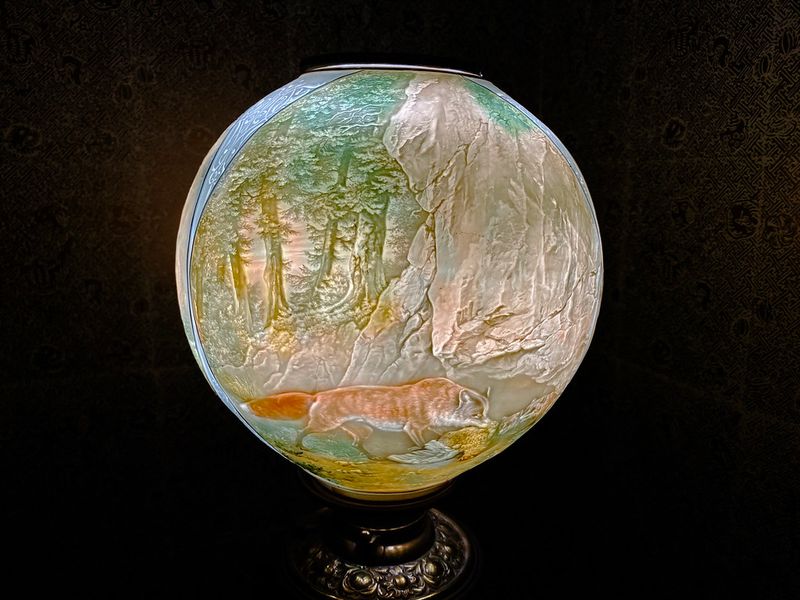
If you enjoy discovering unusual collections that most travelers overlook, this Elmore museum can feel like a real hidden gem. Lithophanes are delicate works that reveal images when light passes through them, and that simple transformation makes the experience instantly memorable.
The Blair Museum Of Lithophanes offers one of those rare visits where technique, surprise, and beauty all work together in a quiet but powerful way.
What makes lithophanes so compelling is the blend of subtlety and skill they require. At first glance, some pieces can seem understated, but illumination brings out depth, shading, and image detail that completely changes your perception.
That moment of visual revelation gives the museum a special quality, and it helps you appreciate how inventive decorative arts can be when artists use material properties so intelligently.
This is also a wonderful stop for broadening your understanding of Ohio’s heritage landscape beyond the better-known categories of glass and industrial pottery. While the museum focuses on a more specialized subject, it still fits beautifully into a statewide craft itinerary because it highlights technical mastery and the desire to create beauty from fragile materials.
Visitors who enjoy niche collections often find these smaller institutions among the most memorable parts of a trip.
Elmore may not be the first place many travelers think of when planning an Ohio cultural route, which is exactly why this stop feels rewarding. It invites curiosity and slows you down long enough to notice something rare and finely made.
In 2026, the Blair Museum Of Lithophanes is worth exploring if you want your Ohio journey to include at least one place that surprises you with its specificity, elegance, and almost magical relationship with light.
12. The Works: Ohio Center For History, Art And Technology, Newark

For travelers who like their cultural stops interactive, energetic, and broad enough to appeal to different interests, this Newark center is a standout choice. It combines history, art, and technology in ways that help you see craft not as an isolated subject, but as part of larger stories about industry, invention, and community.
The Works: Ohio Center For History, Art And Technology is especially useful when you want one destination to offer variety without losing focus.
A major draw is the opportunity to engage with glass in a more active, process-oriented setting. Demonstrations and hands-on educational elements can make the material feel immediate, especially for visitors who learn best by seeing how skill, heat, and timing come together.
That dynamic quality sets this place apart from more static museums and gives it strong appeal for families, curious first-timers, and anyone who enjoys practical context.
The broader exhibits help expand the story beyond a single craft tradition. By connecting local history, industrial development, and creative expression, the center shows how Newark and Ohio fit into wider patterns of innovation and making.
That layered approach can make your visit feel especially satisfying, because you leave with not only visual impressions, but also a better understanding of how technology and art have influenced each other over time.
As part of a 2026 Ohio itinerary, this is one of the most versatile destinations on the list. It pairs well with the nearby National Heisey Glass Museum, giving you two very different but complementary perspectives on glass heritage in the same city.
The Works is worth exploring because it captures something essential about Ohio itself: the idea that imagination, skilled labor, and industrial knowledge have long shared the same space.
13. Zanesville Museum Of Art, Zanesville

A strong finale for this Ohio heritage list, this Zanesville museum shows how ceramics and decorative arts can be understood within a larger artistic conversation. The city has long associations with pottery, so visiting an art museum here adds valuable depth to any craft-focused itinerary.
The Zanesville Museum Of Art rewards you with a setting where regional tradition, fine art, and cultural memory intersect in thoughtful ways.
One of the biggest strengths of this stop is the chance to see ceramics not only as industry or utility, but also as art worthy of close interpretation. Exhibitions can help you notice form, glaze, decoration, and aesthetic intention in ways that complement what you may have learned at more specialized pottery museums.
That broader framing is useful because it reminds you that handcrafted objects can carry both practical purpose and serious artistic weight.
Zanesville’s history gives the visit extra resonance. Knowing the city played an important role in Ohio pottery helps the museum feel connected to place rather than detached from it, and that connection often makes collections more memorable.
If you enjoy institutions that balance local heritage with wider artistic perspectives, this museum offers a particularly satisfying combination of both.
It is also a pleasant stop for travelers who want a calmer, reflective museum experience after more process-driven destinations like glass studios or active craft centers. You can take your time, absorb visual details, and think about how Ohio’s making traditions fit into the state’s cultural identity as a whole.
In 2026, the Zanesville Museum Of Art remains well worth exploring for anyone who wants to end an Ohio craft journey with a deeper appreciation for ceramics as history, design, and art at once.