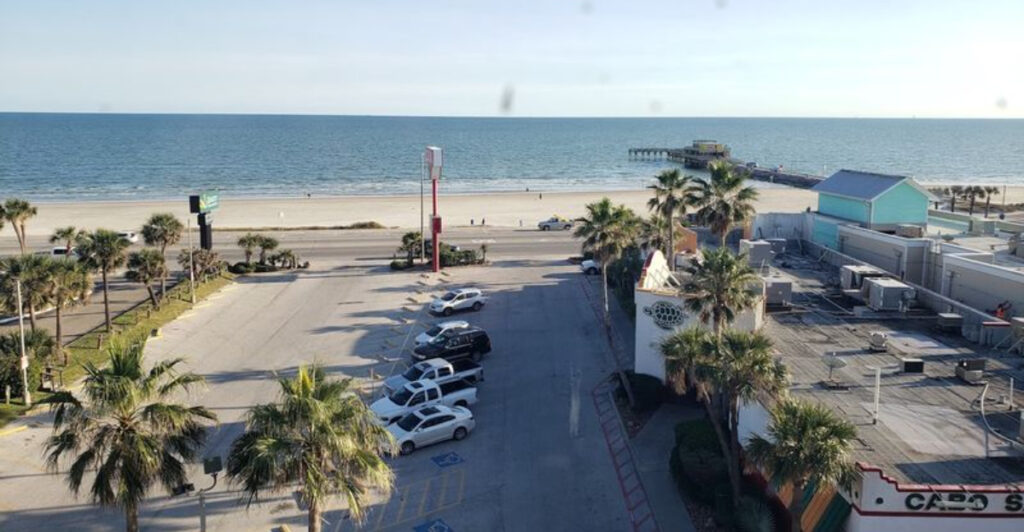
Texas coastal communities have always had their own special charm, but some have taken transformation to a whole new level. From sleepy fishing villages to thriving cultural hubs, these beach towns refused to stay stuck in the past. Whether through creative downtown revivals, eco-tourism booms, or bold new visions for their waterfronts, they’ve rewritten their stories and become must-visit destinations along the Gulf Coast.
1. High Island
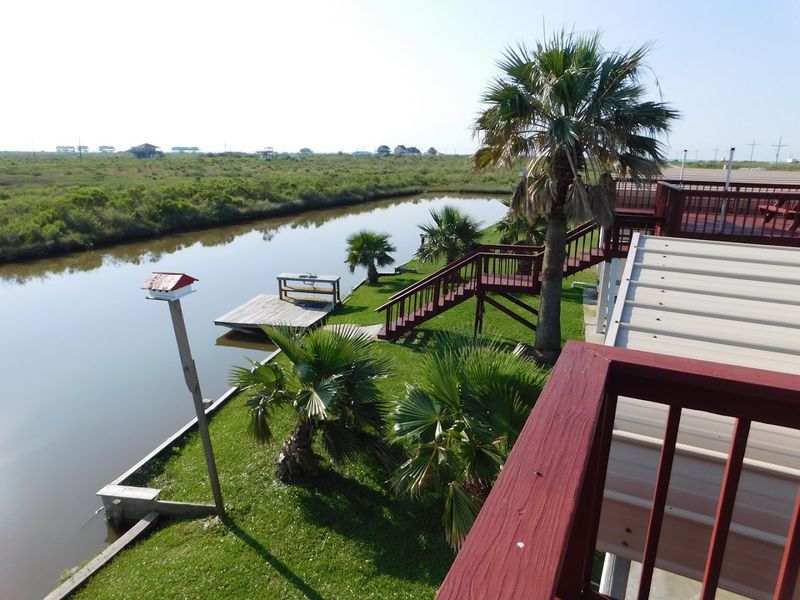
Birders from around the world now flock to this tiny community that once seemed destined to fade away. What started as a salt dome rising above the coastal plains has become one of North America’s premier bird-watching destinations. The transformation happened when conservation groups recognized its position along the Central Flyway migration route and began protecting critical habitat.
Spring migration season turns this quiet spot into an international gathering place. Hundreds of species pass through between March and May, creating a natural spectacle that draws enthusiasts with binoculars and cameras. The Houston Audubon Society maintains several sanctuaries here, with boardwalks and observation platforms that didn’t exist a generation ago.
Local businesses have adapted to serve this specialized tourism market. Small bed-and-breakfasts cater specifically to early-rising birders, offering packed breakfasts and trail maps. Photography workshops fill up months in advance, teaching visitors how to capture warblers, tanagers, and buntings in their colorful breeding plumage.
The economic shift has been remarkable for a place with fewer than 500 permanent residents. Gift shops sell field guides and nature-themed artwork instead of typical beach souvenirs. Restaurants stay busy during migration peaks, feeding visitors who might spend entire days in the sanctuaries.
Education programs have grown alongside tourism. School groups visit to learn about habitat conservation and migration patterns. Volunteer opportunities attract people who want to help maintain trails and monitor bird populations.
This reinvention saved the community from decline while protecting precious coastal ecosystems. Unlike beach towns that focus on waterfront development, High Island found its identity in the marshes and woodlands just inland. The strategy created sustainable tourism that respects natural resources rather than exploiting them.
Year-round residents appreciate the seasonal rhythm this brings. Quiet winters give way to bustling springs, then settle back into peaceful summers and falls. It’s a transformation built on feathers and wings rather than concrete and neon.
2. Corpus Christi
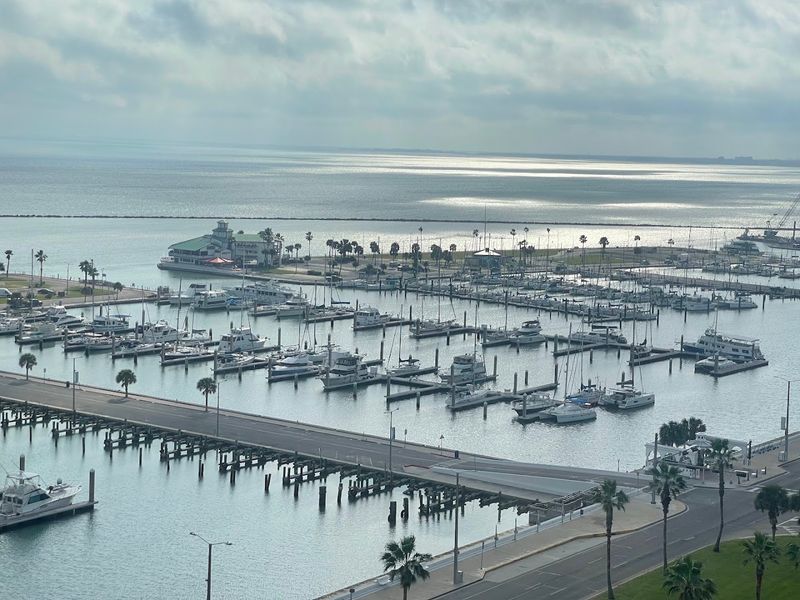
Once dismissed as just another industrial port city, this Gulf Coast hub completely reimagined its relationship with the water. The bayfront that locals once avoided has become the heart of a cultural renaissance. Massive investments in museums, parks, and public spaces transformed neglected industrial zones into destinations that rival any coastal city.
The Texas State Aquarium expansion turned a modest facility into a world-class attraction. Interactive exhibits now showcase Gulf ecosystems, rescue programs save sea turtles, and dolphin encounters create memories for thousands of families yearly. This wasn’t just building renovation—it represented a fundamental shift in how the city saw itself.
Downtown streets that emptied after business hours now buzz with activity. Art galleries occupy formerly vacant storefronts, while restaurants serve everything from fresh Gulf seafood to international cuisine. The Marina Arts District emerged where warehouses once stood, bringing studios, performance spaces, and monthly art walks.
Sports tourism became another economic driver through strategic thinking. The Hooks baseball stadium brought minor league games to a waterfront setting, while the American Bank Center hosts concerts and conventions. Beach volleyball tournaments and sailing regattas fill the calendar, attracting participants and spectators who spend money throughout the community.
Infrastructure improvements made the waterfront accessible and enjoyable. The seawall path stretches for miles, perfect for walking, jogging, or cycling with bay breezes. Hurricane improvements doubled as beautification projects, proving that storm protection doesn’t require ugly concrete barriers.
Education institutions partnered in this transformation. Texas A&M University-Corpus Christi expanded its marine science programs, attracting students and research funding. The connection between academic excellence and coastal identity strengthened the city’s reputation beyond regional boundaries.
Neighborhoods near downtown benefited from spillover development. Historic homes got restored, new businesses opened, and property values climbed. The ripple effects reached communities that had struggled for decades.
This wasn’t overnight success—it took vision, investment, and persistence. But the results speak loudly: a city that almost disappeared into industrial anonymity now stands as a model for coastal urban renewal.
3. Surfside Beach
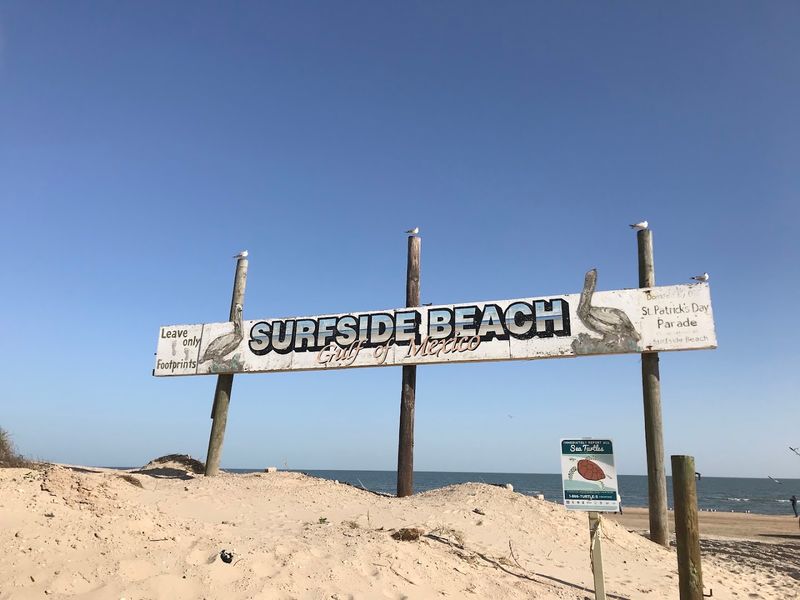
Families seeking an alternative to crowded tourist traps discovered this hidden gem that smartly avoided overdevelopment. While other beaches built high-rises and chain restaurants, Surfside stuck to a different plan. The result is a community that feels authentic, accessible, and refreshingly low-key.
Free beach access sets it apart immediately. No paid parking lots or restricted entry points—just open coastline where anyone can spread a towel. This democratic approach to the Gulf attracted visitors tired of fees and crowds, building a loyal following of return guests.
The fishing pier underwent a major renovation that respected its heritage while adding modern amenities. Anglers still line the rails hoping for redfish and speckled trout, but now they enjoy better lighting, safer railings, and a renovated bait shop. Sunset views from the pier became Instagram-famous without any marketing budget.
Small businesses thrived by keeping things simple and genuine. Local restaurants serve fried shrimp and cold beer without pretension. Surf shops rent boards and offer lessons at reasonable prices.
Ice cream stands do steady business with kids covered in sand and salt water.
Vacation rentals replaced hotels as the primary lodging option, which changed the visitor experience entirely. Families rent entire beach houses for weeks, shopping at local grocery stores and cooking meals together. This creates deeper connections to the community than any resort stay could.
Environmental awareness shaped development decisions. Dune restoration projects protect the shoreline while creating habitat for shorebirds and sea turtles. Educational signs teach visitors about coastal ecosystems without being preachy.
The beach stays clean through community volunteer efforts rather than paid crews.
Events celebrate local culture rather than manufactured attractions. The annual sandcastle competition draws creative teams from across the region. Fishing tournaments support youth programs and marine conservation.
These activities feel organic, not like tourist traps.
The transformation here wasn’t about becoming bigger or flashier. Instead, Surfside reinvented itself by staying true to what beach towns used to be—places where families could relax, kids could play freely, and everyone could afford to make memories without breaking the bank.
4. Brownsville
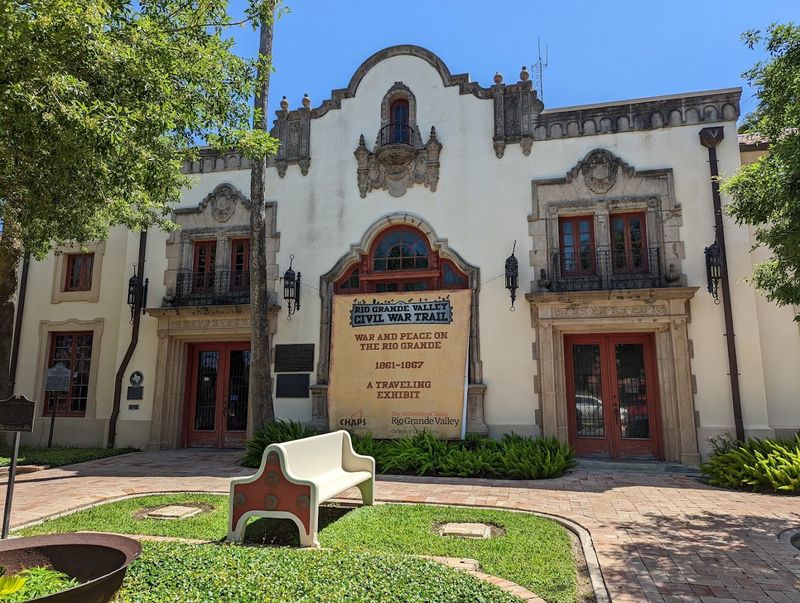
Right on the Mexican border, this city embraced its bicultural identity to create something entirely new. For decades, Brownsville struggled with its image as merely a border crossing point. Then civic leaders realized their unique position was actually their greatest asset, not a limitation to overcome.
The historic downtown district got a complete makeover that honored its Spanish colonial roots. Crumbling buildings became boutique hotels and restaurants serving authentic regional cuisine. Murals depicting local history turned blank walls into outdoor galleries.
Walking tours now guide visitors through architecture that tells stories spanning three centuries.
SpaceX chose nearby Boca Chica Beach for its launch facility, bringing unexpected attention and economic activity. Suddenly, this border community found itself at the center of space exploration. Hotels fill with engineers and space enthusiasts hoping to witness rocket launches.
The contrast between historic missions and futuristic spacecraft creates a narrative no marketing team could invent.
Nature tourism discovered the Rio Grande Valley’s incredible biodiversity. The World Birding Center headquarters attracts international visitors to nearby wetlands and nature preserves. Butterfly migrations through the area rival anything in North America, creating seasonal tourism that supports local guides and eco-lodges.
Cultural festivals celebrate the blended heritage that makes Brownsville distinctive. Charro Days has grown from a local tradition into a major cross-border celebration featuring parades, concerts, and traditional performances. The event demonstrates how cultural pride can become economic development when done authentically.
Educational institutions invested heavily in the community’s future. The University of Texas Rio Grande Valley expanded programs in engineering, medicine, and business, creating pathways for local students while attracting faculty and students from elsewhere. Research partnerships with Mexican universities leverage the border location as a bridge rather than a barrier.
The port underwent modernization that increased shipping capacity while adding recreational marinas. Commercial fishing still matters, but now sportfishing charters and pleasure boats share the waterways. This diversification protected the economy from depending too heavily on any single industry.
Brownsville’s reinvention required embracing complexity rather than simplifying its identity. The city stopped trying to be something it wasn’t and instead celebrated everything it actually is—border community, historic treasure, nature destination, and launching pad for the future.
5. Sabine Pass
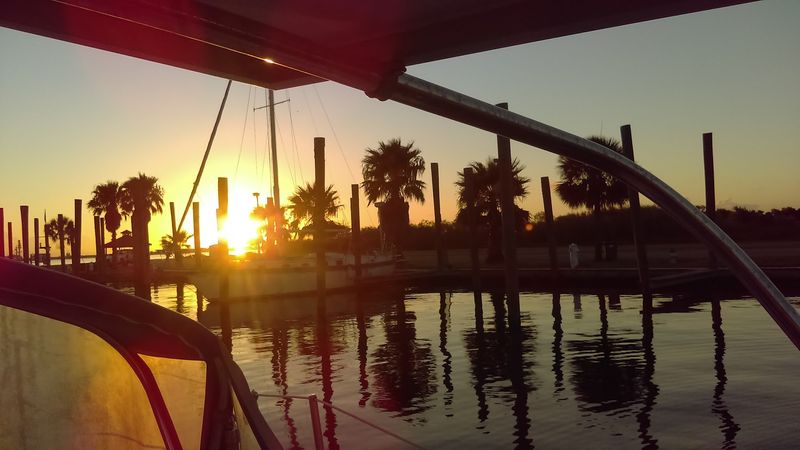
Where the Sabine River meets the Gulf, this tiny community turned Civil War history into its ticket to relevance. Most people had never heard of the Battle of Sabine Pass, one of the most lopsided Confederate victories. Now, thanks to smart heritage tourism development, thousands visit annually to learn about this unlikely triumph and explore the surrounding coastal wilderness.
The Dick Dowling monument and battleground park underwent extensive interpretation improvements. Interactive exhibits help visitors understand the 1863 battle where 47 Texans repelled a Union invasion force. Living history demonstrations bring the story alive during special events.
School groups arrive by the busload for field trips that make textbooks real.
Fishing culture remains central to local identity, but it’s been packaged for visitors in ways that didn’t exist before. Charter captains offer guided trips targeting redfish, flounder, and speckled trout in the productive waters where river meets sea. Fish-cleaning stations and storage facilities serve tournament anglers who compete for substantial prizes.
The lighthouse, though no longer operational, became an iconic photo opportunity. Restoration work stabilized the structure and improved access. Sunset shots with the lighthouse silhouetted against colorful skies flood social media, providing free marketing that draws curious visitors.
Kayaking and paddleboarding found enthusiastic audiences in the calm backwaters and marshes. Outfitters rent equipment and lead eco-tours through habitats teeming with birds, fish, and occasional alligators. This low-impact recreation appeals to environmentally conscious travelers seeking authentic experiences.
Local restaurants capitalized on the influx by serving home-style Gulf Coast cooking. Fresh-caught seafood, gumbo, and boudin attract visitors who want to taste authentic regional flavors. These aren’t fancy establishments—they’re the kind of places where fishermen eat breakfast before heading out and families gather for Friday night fish fries.
RV parks and cabin rentals provide affordable lodging options. Many visitors stay several days, using Sabine Pass as a base for exploring the entire upper Texas coast. The extended stays benefit local businesses far more than quick drive-through traffic ever could.
This transformation happened without losing the community’s essential character. Sabine Pass didn’t become a theme park version of itself. Instead, it found ways to share its genuine history and natural assets with people who appreciate authenticity over manufactured attractions.
6. Port Aransas
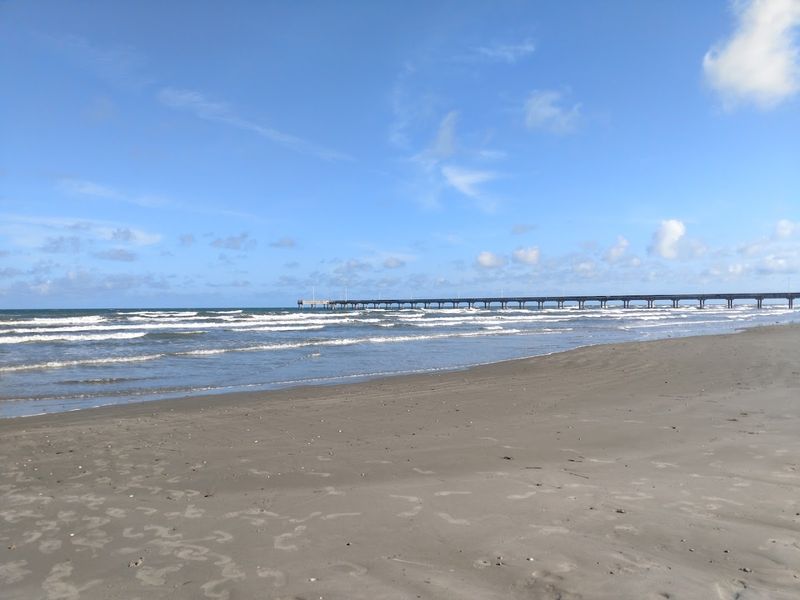
Hurricane Harvey devastated this beloved fishing village in 2017, but the rebuilding process created something stronger and better than before. Total destruction forced difficult questions about the community’s future. Rather than simply rebuilding what was lost, residents and business owners reimagined what Port Aransas could become.
The new building codes required elevated structures and hurricane-resistant construction. What could have been purely functional instead became an opportunity for creative architecture. Colorful beach houses on stilts now define the streetscape, creating a distinctive look that’s both practical and appealing.
The aesthetic accidentally became a draw for visitors who appreciate the fresh, modern vibe.
Downtown businesses reopened with renewed energy and innovation. Restaurants that had served the same menu for decades introduced new concepts. Art galleries and boutiques filled spaces that previously held generic souvenir shops.
The tragedy sparked entrepreneurial creativity that might not have emerged otherwise.
The ferry system, an iconic part of reaching Port Aransas, got upgraded with better boats and improved scheduling. The short ride across the ship channel remains free, maintaining accessibility while providing a memorable arrival experience. First-time visitors often cite the ferry as a highlight, setting the tone for their entire trip.
Fishing remains the heart and soul, but the industry adapted and expanded. The deep-sea fishing fleet rebuilt with modern vessels equipped with better safety equipment and fish-finding technology. Nearshore and bay fishing guides grew their businesses, offering options for families and beginners.
Fishing tournaments now run year-round, creating consistent economic activity.
Beach access improvements made the shoreline more user-friendly without commercializing it. New boardwalks cross the dunes, protecting vegetation while providing easy paths to the water. Showers and changing facilities got upgraded.
Parking expanded to handle peak season crowds without overwhelming the small-town feel.
Environmental recovery efforts protected sea turtle nesting sites and restored dune systems. Volunteer programs engage visitors in conservation work, turning passive tourists into active stewards. This connection to place creates emotional bonds that bring people back year after year.
Port Aransas proved that resilience isn’t just about surviving disaster—it’s about using adversity as a catalyst for positive change. The community that emerged from Harvey’s destruction is more vibrant, sustainable, and welcoming than ever before.
7. Orange
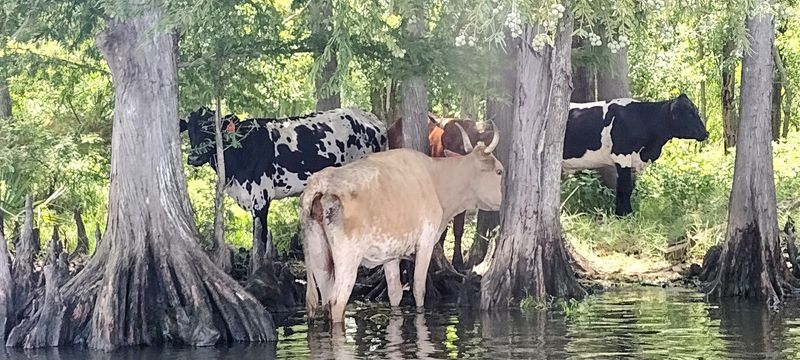
This industrial city on the Sabine River discovered that its gritty shipbuilding past could become cultural gold. Orange spent decades as a place people drove through rather than visited. Shipyards and refineries dominated the economy and landscape, leaving little room for tourism or quality-of-life amenities.
Then preservationists and civic boosters started connecting dots between history, culture, and economic development.
The Stark Museum of Art houses an extraordinary collection of Western American art and Native American artifacts. This world-class facility exists in Orange because the Stark family chose to invest in their hometown rather than donate collections to major cities. Free admission removes barriers, allowing anyone to experience museum-quality exhibitions.
The Heritage House Museum showcases life in Southeast Texas during the early 1900s. Period furnishings and personal items create intimate glimpses into how families lived, worked, and entertained themselves. School programs use the house to teach local history in tangible, memorable ways.
Shangri La Botanical Gardens transformed industrial land into a stunning nature preserve and garden complex. Ruby-throated hummingbirds, painted buntings, and other spectacular birds attract nature photographers and casual visitors alike. The educational center offers programs on native plants, wildlife conservation, and sustainable landscaping that have practical applications beyond just pretty gardens.
Downtown revitalization brought new life to historic commercial buildings. Antique shops, cafes, and specialty retailers occupy spaces that sat vacant for years. Murals depicting local history add color and interest to streetscapes.
The farmers market draws crowds on Saturday mornings, creating community gathering spaces that didn’t exist before.
The Sabine River waterfront got attention it had long deserved. A riverwalk provides public access to water views previously blocked by industrial facilities. Fishing piers and boat launches serve recreational users.
Festivals and concerts use the waterfront setting to create memorable experiences.
Orange’s Mardi Gras celebration grew from neighborhood parties into a regional draw. Parades roll through downtown streets, bringing thousands of spectators who support local businesses. The event celebrates the area’s Louisiana cultural connections while creating its own distinctive traditions.
This transformation didn’t abandon industrial heritage—it contextualized it within a broader identity. Orange now offers visitors history, art, nature, and culture alongside its working waterfront, proving that industrial communities can reinvent themselves without erasing their past.
8. South Padre Island
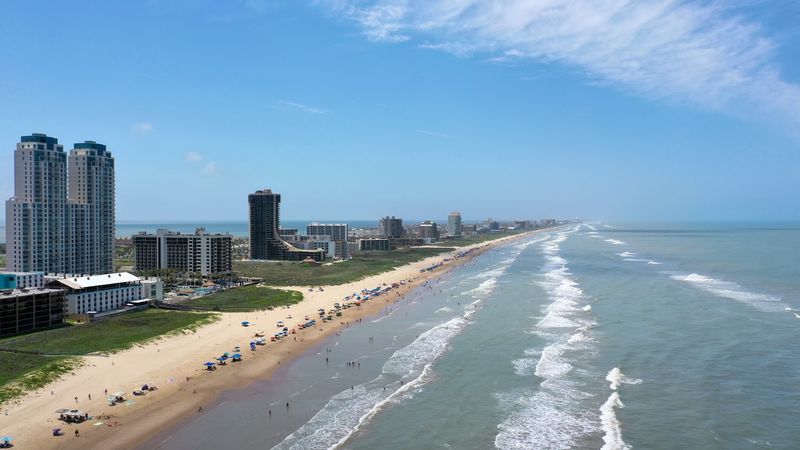
From spring break party destination to year-round family resort, this barrier island executed one of Texas’s most dramatic image makeovers. The wild reputation from the 1980s and 1990s nearly became permanent branding, but community leaders decided that wasn’t the future they wanted. The transformation required changing perceptions while maintaining the fun, energetic vibe that made the island special.
Sea Turtle Inc. became an unexpected star attraction. This rescue and rehabilitation facility treats injured sea turtles and educates visitors about marine conservation. Families crowd around tanks to watch turtles being fed and learn about threats they face.
The facility demonstrates that education and entertainment aren’t mutually exclusive.
Adventure sports replaced beer bongs as the island’s signature activities. Kiteboarding competitions attract athletes from around the world, taking advantage of consistent winds and warm water. Parasailing, jet skiing, and dolphin-watching tours keep visitors active and engaged.
These activities appeal to families and active adults rather than just college students.
The convention center brought business travelers and their expense accounts. Corporate meetings, medical conferences, and association gatherings fill hotels during off-peak seasons. This diversification smoothed out the boom-and-bust cycle that plagued the island when spring break was the only major draw.
Dining options expanded far beyond beach bars and pizza joints. Seafood restaurants now compete on quality rather than just quantity and price. Farm-to-table concepts and craft cocktail bars appeal to sophisticated palates.
Food festivals celebrate Gulf Coast cuisine and attract culinary tourists.
Nature tourism capitalized on the island’s location along migration routes. Birding trails guide visitors to prime observation spots. Beach cleanups and dune restoration projects engage environmentally conscious travelers.
The message shifted from exploiting natural resources to protecting and celebrating them.
Luxury accommodations raised the bar for visitor experiences. Upscale resorts offer spa services, infinity pools, and fine dining alongside beach access. These properties attract guests willing to spend more for premium experiences, changing the economic equation for local businesses.
Spring break still happens, but it’s managed rather than defining the island’s identity. Designated entertainment zones contain the chaos while family-friendly areas remain peaceful. The balance allows South Padre to serve multiple markets without alienating any of them completely.
9. Lake Jackson
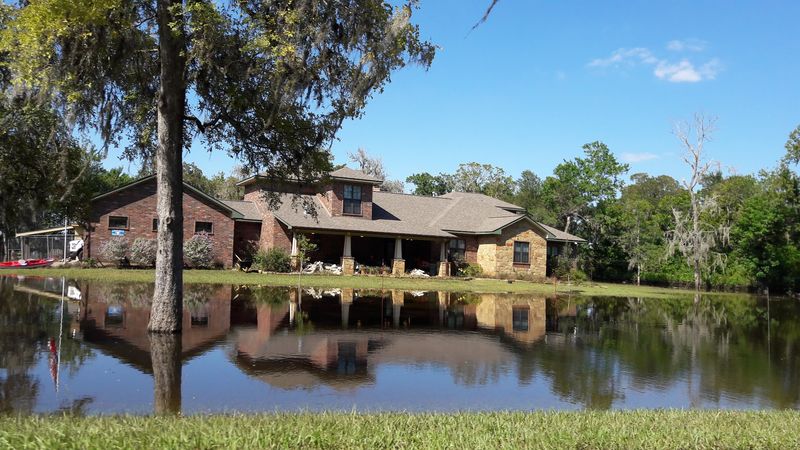
Not technically on the coast but close enough to count, this planned community transformed from a company town into a nature lover’s paradise. Dow Chemical created Lake Jackson in the 1940s to house employees, designing it with more green space and amenities than typical industrial towns. Decades later, those planning decisions provided the foundation for reinvention as demographics and economics shifted.
The Sea Center Texas became a major attraction for families and fishing enthusiasts. This state fish hatchery and visitor center lets guests watch redfish and speckled trout being raised for release into Gulf waters. Touch tanks allow kids to interact with marine life safely.
Educational programs teach conservation principles that shape future generations of anglers and environmentalists.
Wilderness Park offers 450 acres of coastal prairie, wetlands, and forest just minutes from residential neighborhoods. Miles of trails accommodate hikers, mountain bikers, and bird watchers. The park preserves native ecosystems that have disappeared elsewhere, creating a living laboratory for ecological study and outdoor education.
The Brazosport Museum of Natural Science expanded its focus on regional ecology and paleontology. Fossil displays showcase creatures that roamed the area millions of years ago. Live animal exhibits feature native species like alligators, snakes, and birds of prey.
School partnerships make the museum an extension of science classrooms.
Recreation facilities rival those in much larger cities. The Clute Aquatic Center provides year-round swimming and water play. Sports complexes host tournaments that bring teams and families from across the region.
These amenities improve quality of life for residents while creating economic activity through sports tourism.
The community’s proximity to multiple beach towns allows residents to enjoy coastal life without coastal prices or hurricane risk. Surfside Beach, Quintana, and Freeport are all within 15 minutes, providing beach access whenever desired. This positioning attracted families seeking affordable housing with easy beach access.
Business diversification reduced dependence on a single employer. Healthcare, education, and service industries grew alongside chemical manufacturing. Entrepreneurial ventures found support through small business development programs.
The economic base broadened, creating resilience against industry downturns.
Lake Jackson’s transformation shows that reinvention doesn’t always mean dramatic change. Sometimes it means recognizing existing assets and building on them strategically. The community had green space, good planning, and proximity to natural attractions—it just needed to highlight those strengths and market them effectively.
10. Galveston
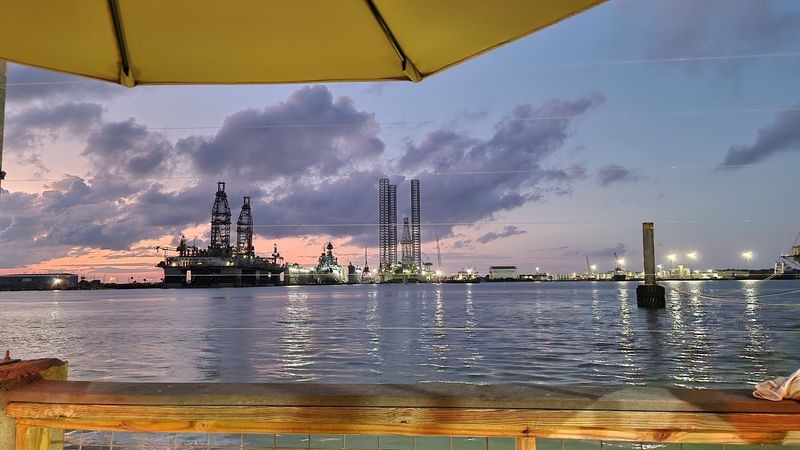
After decades of decline following the devastating 1900 hurricane, Galveston pulled off one of the most impressive urban comebacks on the Gulf Coast. The island that once rivaled New Orleans as a commercial powerhouse had become a faded shadow of former glory. Crumbling Victorian mansions, neglected beaches, and limited economic opportunities defined Galveston through much of the 20th century.
Then preservationists, entrepreneurs, and civic leaders decided enough was enough.
The Strand Historic District restoration turned abandoned warehouses into thriving shops, galleries, and restaurants. Victorian-era commercial buildings got meticulous renovations that honored original architecture while adding modern functionality. Mardi Gras celebrations and Dickens on the Strand festivals bring hundreds of thousands of visitors who spend money throughout the historic downtown.
Moody Gardens created a major attraction complex on previously undeveloped land. The distinctive glass pyramids house a rainforest, aquarium, and discovery museum that educate while entertaining. The hotel and convention center provide venues for meetings and events that keep facilities busy year-round.
This wasn’t just building an attraction—it was creating an economic engine that employs thousands and generates millions in revenue.
The cruise ship terminal transformed Galveston into a departure port for Caribbean vacations. Passengers arrive days early to explore the island before sailing, filling hotels and restaurants. The terminal expansion allowed larger ships and more frequent sailings, multiplying economic impact.
This connected Galveston to global tourism markets in ways that wouldn’t have seemed possible decades earlier.
Beach improvements made the seawall area more appealing without destroying its character. The seawall itself got repairs and extensions that protect against storms while providing a promenade for walking, cycling, and rollerblading. Beach renourishment projects widened the sand, creating more space for sunbathing and play.
These investments paid off in increased visitation and longer stays.
Historic home tours showcase stunning Victorian architecture that survived the 1900 storm. The Bishop’s Palace, Moody Mansion, and dozens of other properties demonstrate the wealth and craftsmanship of Galveston’s golden age. Preservation easements protect these treasures while allowing them to function as museums and event venues.
The medical district expanded with University of Texas Medical Branch growth. Research facilities, teaching hospitals, and clinics employ thousands of professionals and attract patients from across the region. This economic diversification provides stability that tourism alone couldn’t deliver.