Texas is enormous, and most visitors stick to the same handful of famous spots. But if you’re willing to venture beyond the usual tourist traps, you’ll discover some truly incredible places that feel like secrets only locals know about. From hidden swimming holes to quiet canyon trails and quirky museums, these lesser-known destinations offer authentic Texas experiences without the crowds.
1. Seminole Canyon State Park & Historic Site (Comstock)
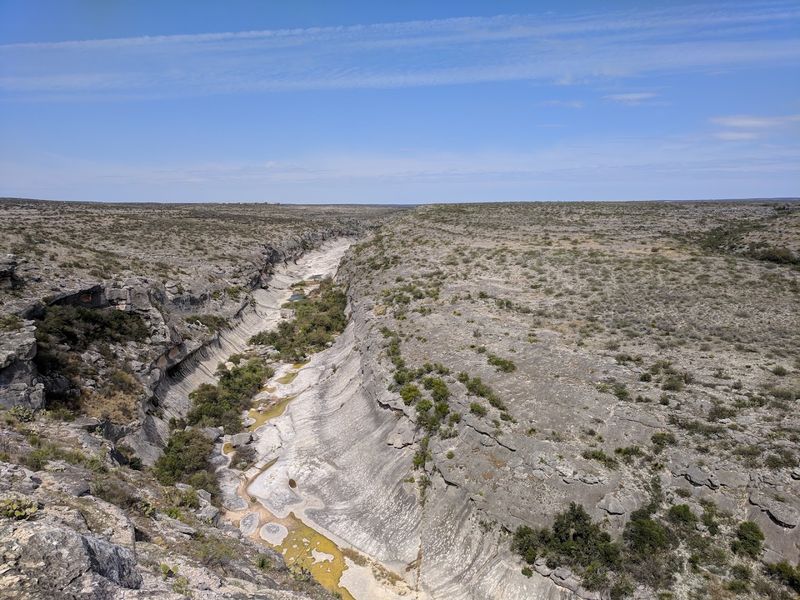
Ancient rock art covers the canyon walls here, painted thousands of years ago by people who called this rugged landscape home. The pictographs at Seminole Canyon are some of the oldest and best-preserved in North America, with vivid colors that have somehow survived centuries of wind and weather. Guided tours take you down into the canyon to see these incredible artworks up close, and the hike itself is an adventure through dramatic desert terrain.
The park sits in one of the most remote corners of Texas, about 45 miles northwest of Del Rio. That isolation is part of its charm—you won’t find tour buses or selfie sticks here. The silence is almost startling, broken only by the wind whistling through the canyons and the occasional call of a hawk overhead.
Camping is available if you want to spend the night under some of the darkest, starriest skies in the state. The campground is basic but well-maintained, with sites that offer stunning views of the surrounding landscape. Morning light in the canyon is particularly magical, casting long shadows and illuminating the rock formations in shades of gold and amber.
Bring plenty of water and sun protection—this is harsh desert country, especially in summer when temperatures regularly soar above 100 degrees. Spring and fall are the best times to visit, with milder weather that makes hiking much more comfortable. The park also offers miles of trails beyond the main pictograph site, leading to overlooks and hidden corners of the canyon system.
If you’re fascinated by ancient history or just want to experience a part of Texas that feels untouched by modern life, Seminole Canyon delivers. It’s a place that reminds you how long humans have been drawn to this dramatic landscape and how small we are in the grand sweep of time.
2. Big Thicket National Preserve (Kountze)
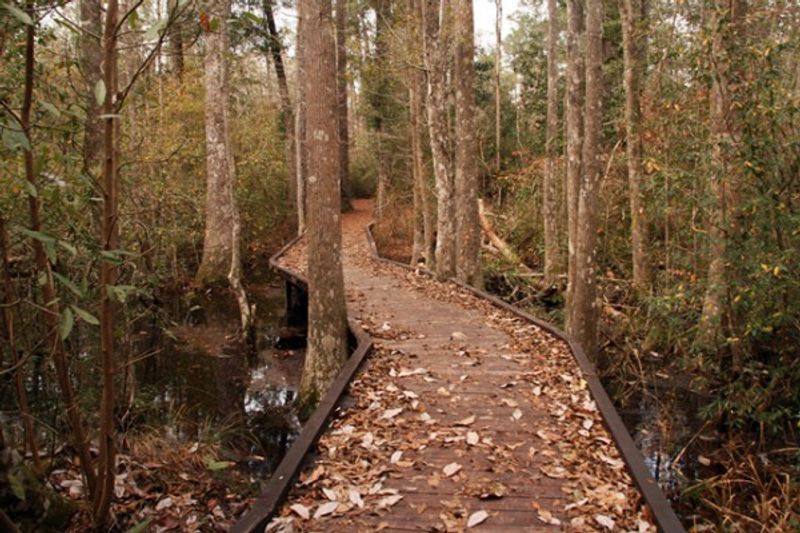
They call this place the “biological crossroads of North America,” and once you step into its tangled forests, you’ll understand why. Big Thicket is where ecosystems collide—desert plants grow near swamp cypresses, and you might spot an alligator basking in the same area where roadrunners dart through the brush. This ecological mashup creates one of the most biodiverse areas in the country, packed into 100,000 acres of protected wilderness.
Nine different ecosystems converge here, from longleaf pine forests to palmetto hardwood flats. The preserve has over 40 miles of hiking trails, ranging from easy boardwalk strolls to challenging backcountry routes that take you deep into areas few people ever see. The Kirby Nature Trail is perfect for beginners, with a loop that showcases the area’s incredible plant diversity without requiring serious hiking skills.
Paddling is another fantastic way to explore Big Thicket. Several waterways wind through the preserve, including sections of the Neches River and Village Creek. Gliding silently through these waterways in a kayak or canoe gives you a completely different perspective on the landscape, and you’re likely to see wildlife that stays hidden from hikers.
Spring brings an explosion of wildflowers, including several rare orchid species that bloom in the preserve’s bogs and wet prairies. Birdwatchers flock here year-round, as the preserve sits along a major migration route and hosts an impressive variety of species. You might spot everything from painted buntings to pileated woodpeckers in a single morning.
The preserve is free to visit, though you’ll want to stop at the visitor center in Kountze first to grab maps and get current trail conditions. Summer heat and humidity can be brutal, so plan accordingly. Bug spray is essential—the mosquitoes here are legendary and show no mercy to unprepared visitors.
3. Balmorhea State Park (Toyahvale)
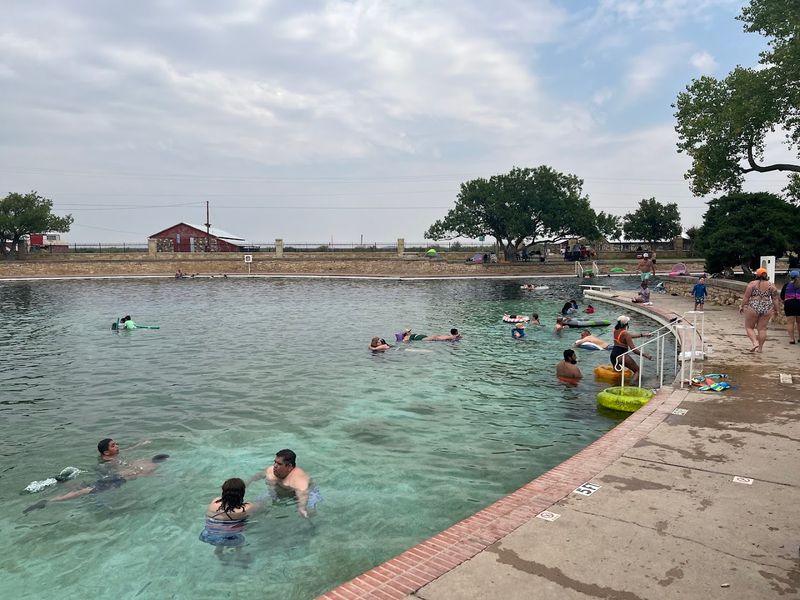
Picture a massive spring-fed pool in the middle of the West Texas desert, so clear you can see every pebble on the bottom 25 feet down. Balmorhea’s San Solomon Springs pump out 15 million gallons of crystal-clear water daily, maintaining a constant temperature around 72-76 degrees year-round. The pool is enormous—nearly two acres—and feels more like swimming in a natural spring than a typical state park facility.
Underwater, you’ll find an entire ecosystem thriving in the spring water. Two endangered fish species live here: the Comanche Springs pupfish and the Pecos mosquitofish. Bring a mask and snorkel to get a better look at the underwater world, including the thick beds of aquatic vegetation that wave gently in the current from the springs.
The park was built by the Civilian Conservation Corps in the 1930s, and their craftsmanship shows in the stone walls and structures that surround the pool. The diving board and observation pier are popular spots, though serious swimmers often lap the pool’s perimeter for exercise. Scuba divers with proper certification can explore the springs themselves, descending into the source of all this remarkable water.
Camping is available in the park, with sites that range from primitive tent spots to full hookup RV sites. Staying overnight means you can hit the pool early before day visitors arrive, when the water is at its most peaceful and the morning light makes everything glow. The surrounding desert landscape is stark but beautiful, with the Davis Mountains visible in the distance.
Summer weekends get crowded, so weekdays or off-season visits offer a more tranquil experience. The water stays comfortably cool even in the blazing summer heat, making this a perfect escape when temperatures elsewhere in West Texas become unbearable. There’s something almost surreal about floating in this desert oasis, surrounded by dry mountains and endless sky.
4. Wild Basin Wilderness Preserve (Austin)
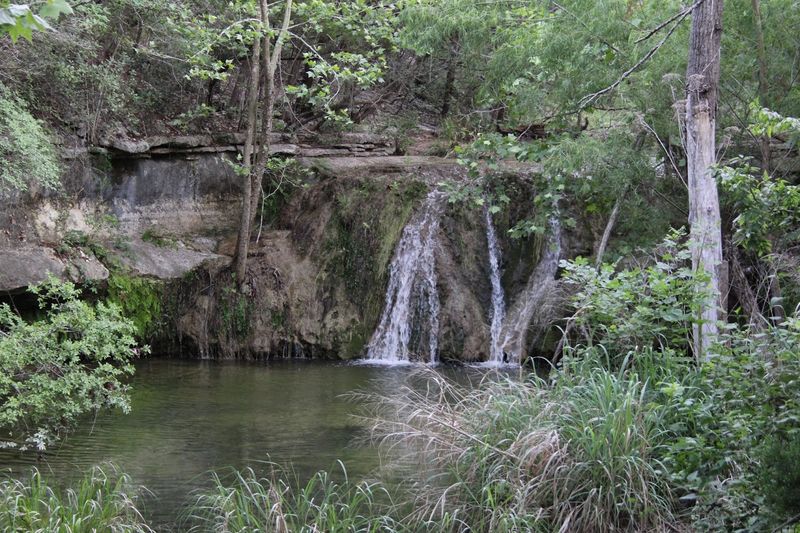
Just minutes from downtown Austin, this 227-acre preserve feels like stepping into a completely different world. Wild Basin protects a pristine slice of the Hill Country, with trails that wind through oak-juniper woodlands, past limestone outcrops, and alongside seasonal waterfalls that flow after good rains. It’s the kind of place Austin residents treasure as their secret escape from city noise and traffic.
The preserve focuses on conservation and education, with naturalists leading regular guided hikes that teach visitors about the area’s ecology. Over 200 bird species have been recorded here, making it a hotspot for birdwatchers. The trails are well-maintained but natural, meaning you’ll be scrambling over rocks and roots rather than walking on paved paths.
Creek Trail is the most popular route, following Bee Creek through the heart of the preserve. After heavy rains, several small waterfalls appear along this trail, creating picture-perfect scenes that seem impossible to find so close to a major city. The preserve’s highest point offers views across the Hill Country, with downtown Austin’s skyline visible in the distance.
Spring wildflower season transforms Wild Basin into a riot of color, with bluebonnets, Indian paintbrush, and dozens of other species carpeting the hillsides. The preserve’s staff works hard to maintain the area’s ecological health, controlling invasive species and protecting native plants. That dedication shows in the incredible biodiversity packed into this relatively small area.
There’s a small admission fee to help support conservation efforts, and the preserve is open daily except during extreme weather. Dogs aren’t allowed, which helps protect the wildlife and keeps the trails peaceful. The preserve also hosts special events throughout the year, including night hikes, astronomy programs, and nature camps for kids.
Parking is limited, so arriving early is smart, especially on weekends. The preserve can close temporarily after heavy rains when trails become unsafe, so check their website before making the trip. It’s a gentle reminder that this is a real wilderness area, not a manicured park.
5. Caprock Canyons State Park & Trailway (Quitaque)
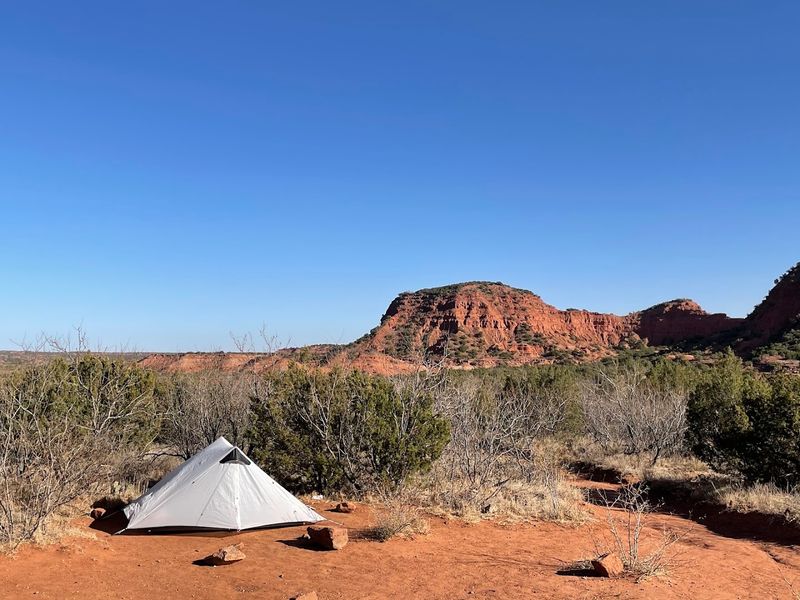
Red rock canyons cut deep into the flat plains of the Texas Panhandle, creating a landscape that looks like it belongs in Utah or Arizona. Caprock Canyons is where the High Plains suddenly drop away into dramatic gorges and mesas, revealing millions of years of geological history in colorful layers of rock. But the real stars here are the bison—an official state herd that roams freely through the park.
Seeing these massive animals in their natural habitat is genuinely thrilling. The herd descends from the Southern Plains bison that once numbered in the millions before being hunted nearly to extinction. Now protected and thriving, they graze the canyon grasslands just as their ancestors did centuries ago.
Keep your distance and stay in your vehicle if you encounter them—bison are wild animals and can be dangerous despite their calm appearance.
The Trailway, a converted railroad bed, runs for 64 miles through the park and surrounding area, making it the longest rail-trail in Texas. It’s perfect for mountain biking or horseback riding, with relatively flat terrain and stunning canyon views. The trail passes through the historic Clarity Tunnel, a 750-foot passage carved through solid rock that stays cool even on scorching summer days.
Hiking trails lead to scenic overlooks and hidden corners of the canyons. The trail to the Lighthouse formation is the park’s signature hike—a challenging 6-mile round trip that ends at a distinctive rock pillar rising 75 feet above the canyon floor. The views from the top are spectacular, especially at sunrise or sunset when the red rocks glow like fire.
Camping options range from primitive backcountry sites to developed campgrounds with water and electricity. The park’s remote location means dark skies perfect for stargazing, with the Milky Way visible on clear nights. Fall colors can be surprisingly vibrant here, with cottonwoods and other trees turning gold against the red canyon walls.
6. National Cowgirl Museum & Hall of Fame (Fort Worth)
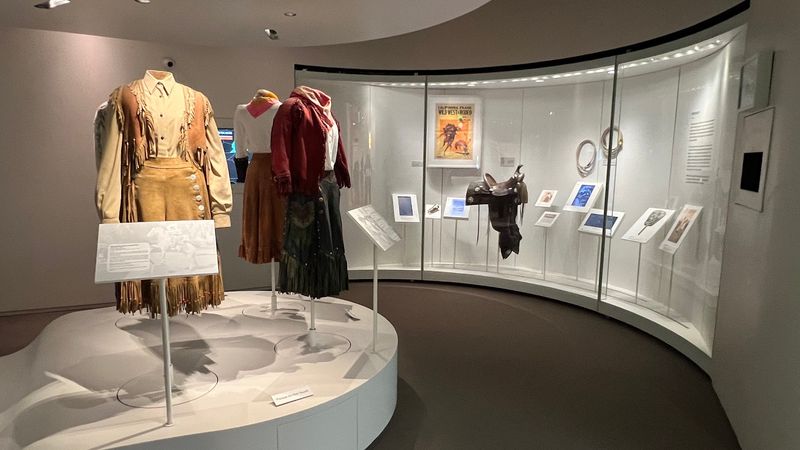
This isn’t your typical dusty Western museum filled with boring plaques and faded photographs. The National Cowgirl Museum celebrates the bold, tough, and talented women who helped shape the American West, from rodeo champions and ranchers to artists and entrepreneurs. The exhibits are engaging and modern, using interactive displays and multimedia presentations to bring these remarkable stories to life.
You’ll discover women like Lucille Mulhall, who could rope eight horses at once and outperformed most male cowboys in Wild West shows. Or Annie Oakley, whose sharpshooting skills made her an international celebrity. The museum honors over 200 inductees in its Hall of Fame, representing women from all aspects of Western culture and heritage.
The rotating exhibits keep things fresh, covering topics from contemporary cowgirls competing in professional rodeo to the role of women in Western film and literature. One gallery focuses on the practical skills and daily life of ranch women, showcasing the hard work and ingenuity required to thrive in harsh frontier conditions. Another explores how cowgirl imagery has influenced fashion and popular culture.
Interactive elements make the museum especially appealing for kids. They can test their roping skills, climb aboard a saddle, or try on Western gear in the hands-on areas. The museum also hosts special events throughout the year, including lectures, film screenings, and temporary exhibitions that dig deeper into specific aspects of cowgirl history.
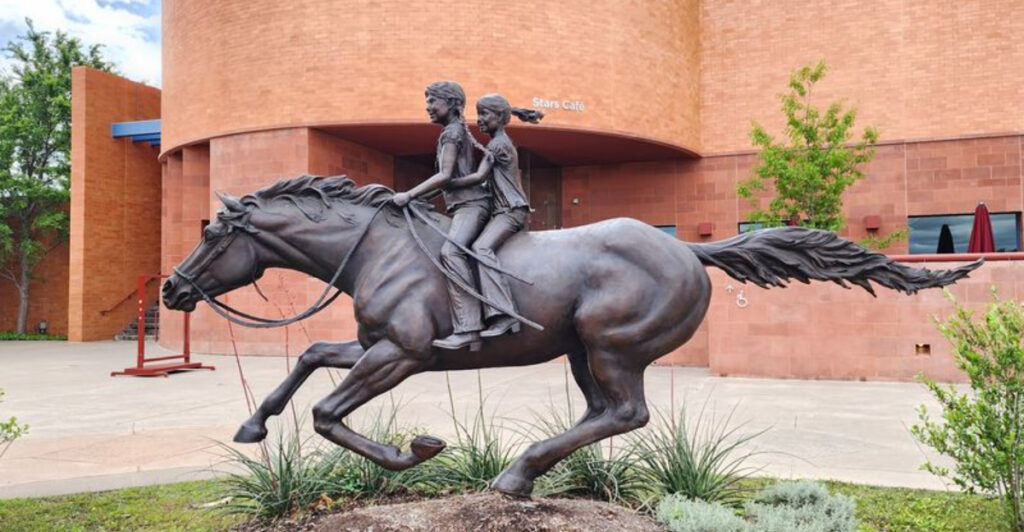
Located in Fort Worth’s Cultural District near the Modern Art Museum and the Kimbell, it’s easy to combine a visit here with other attractions. The building itself is architecturally striking, with a rotunda featuring larger-than-life bronze sculptures of horses and riders. The gift shop is excellent, offering unique Western-themed items you won’t find elsewhere.
Admission is reasonable, with discounts for seniors, students, and military personnel. Plan to spend at least two hours to properly explore all the galleries and exhibits. It’s a refreshing alternative to the cowboy-focused museums that dominate Fort Worth’s Western heritage sites.
7. Balcones Canyonlands National Wildlife Refuge (Marble Falls)
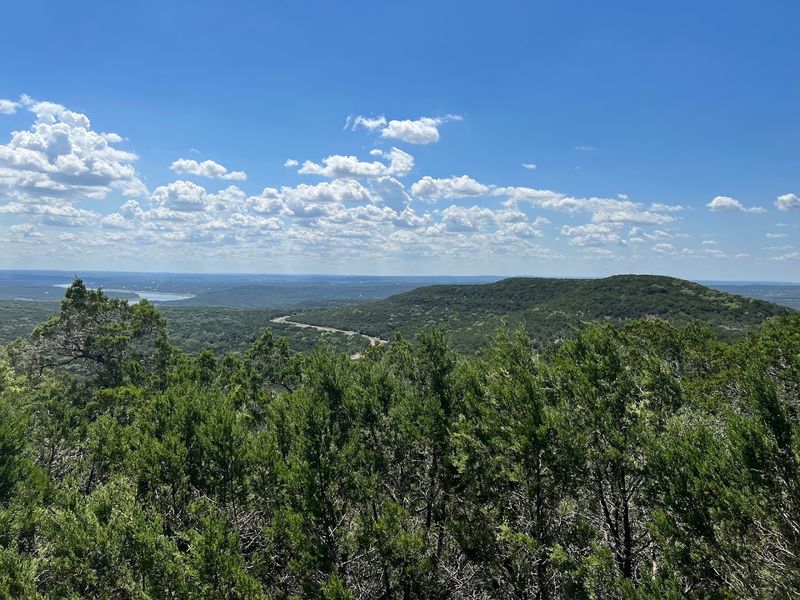
Established to protect the endangered golden-cheeked warbler and black-capped vireo, this 27,000-acre refuge preserves some of the most beautiful and ecologically important land in the Hill Country. The landscape is classic Texas terrain—rolling hills covered in juniper and oak, cut by steep canyons and seasonal creeks. It’s also remarkably peaceful, with far fewer visitors than nearby state parks.
The refuge is broken into several separate tracts, with some areas closed to the public during bird nesting season to protect the endangered species that call this place home. When open, the trails offer excellent hiking through terrain that ranges from easy walks to challenging scrambles over rocky hillsides. Wildflowers are spectacular in spring, and the fall colors can be surprisingly vibrant.
Birdwatching is obviously the main draw for many visitors. Besides the golden-cheeked warblers that nest here from March through July, you might spot canyon wrens, black-chinned hummingbirds, and numerous raptors soaring above the canyons. The refuge staff conducts regular bird surveys and can often point visitors toward recent sightings of rare species.
Several of the refuge tracts allow hunting during designated seasons, so check the schedule before visiting if you’re planning to hike. The Doeskin Ranch tract is one of the most accessible areas, with trails that showcase the refuge’s diverse habitats. Parking is limited at most trailheads, and facilities are minimal—this is a true wilderness area, not a developed park.
The refuge also plays an important role in research and conservation beyond just protecting endangered birds. Scientists study everything from cave fauna to native plant restoration here. Educational programs help visitors understand the complex ecology of the Hill Country and why protecting these lands matters.
Visiting requires some planning—cell service is spotty, and you’ll want to download maps before arriving. Bring all the water you’ll need, as none is available at trailheads. The reward for this extra effort is experiencing a piece of Texas that remains wild and relatively untouched.
8. El Paso
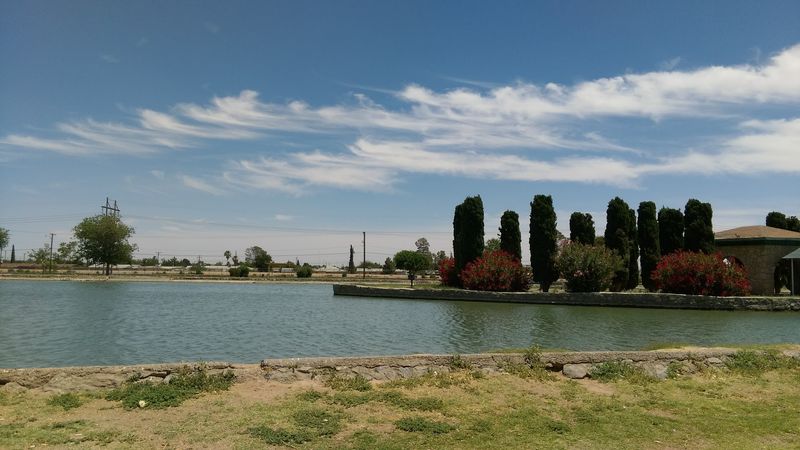
Squeezed between the Franklin Mountains and the Rio Grande, El Paso sits at the westernmost tip of Texas, feeling more connected to New Mexico and Mexico than to the rest of the state. This is the largest bilingual, binational metropolitan area in the Western Hemisphere, with deep cultural roots that stretch back centuries before Texas even existed. The city’s blend of Mexican and American influences creates a unique vibe you won’t find anywhere else in Texas.
The Franklin Mountains slice right through the city, offering hiking, rock climbing, and mountain biking within minutes of downtown. Franklin Mountains State Park is one of the largest urban parks in the country, with trails that range from easy nature walks to challenging peak climbs. The views from the mountain ridges are stunning, especially at sunset when the city lights begin to twinkle below.
Downtown El Paso has undergone a remarkable transformation in recent years, with historic buildings restored and new restaurants, bars, and shops opening regularly. The arts scene is vibrant, with numerous galleries, theaters, and music venues showcasing local talent. The El Paso Museum of Art houses an impressive collection, including works by European masters and contemporary Southwestern artists.
Food is a major reason to visit El Paso. The Mexican food here is authentic and incredible, from street tacos to elaborate mole dishes you won’t find in other Texas cities. Local specialties like green chile cheeseburgers and breakfast burritos the size of your forearm are legendary.
The city’s proximity to Juarez means you can easily cross the border for even more culinary adventures.
Hueco Tanks State Park, just east of the city, is a world-famous rock climbing and bouldering destination, with ancient pictographs adding historical significance to the stunning rock formations. The park requires reservations for most areas to protect both the rocks and the ancient artwork, so plan ahead if climbing or hiking there is on your agenda.
El Paso’s climate is pure desert—hot, dry summers and mild winters with occasional snowfall in the mountains. The low humidity makes even summer heat more bearable than in other parts of Texas.
9. Pedernales Falls State Park (Johnson City)
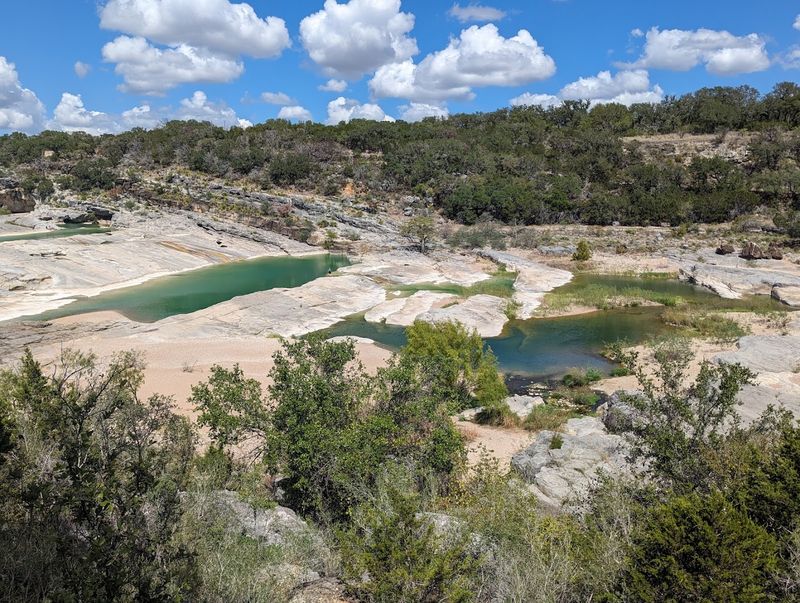
When water flows over the layered limestone ledges of Pedernales Falls, it creates a spectacular cascade that stretches across the entire width of the river. During dry periods, the falls are more like rapids, with water trickling through the exposed rock formations. But after heavy rains, the river transforms into a powerful torrent that roars over the falls with impressive force—beautiful but dangerous, which is why swimming is prohibited in the falls area itself.
The park offers much more than just the namesake falls. Over nine miles of hiking and mountain biking trails wind through the Hill Country landscape, passing through juniper woodlands, across limestone outcrops, and along the river’s edge. The trails range from easy to moderately challenging, with some steep sections that reward hikers with panoramic views of the surrounding hills.
Upstream from the falls, designated swimming areas provide safe spots to cool off during hot Texas summers. The river here is calmer, flowing over smooth rock beds and collecting in pools perfect for wading or floating. Tubing is popular when water levels are right, offering a relaxing way to enjoy the scenery while drifting downstream.
Camping facilities include both developed sites with water and electricity and primitive backpacking sites for those wanting a more remote experience. The park’s equestrian trails and campsites attract horseback riders, and it’s not uncommon to encounter riders on the multi-use trails. Birdwatching is excellent year-round, with golden-cheeked warblers nesting in the park during spring and summer.
The park sits in the heart of Texas wine country, with numerous wineries and tasting rooms scattered throughout the surrounding area. Johnson City, just a few miles away, offers dining and lodging options, plus historical sites related to President Lyndon B. Johnson, who grew up in this area.
The LBJ Ranch and State Park are nearby if you’re interested in presidential history.
Wildflower season brings visitors from across the state to see bluebonnets, Indian paintbrush, and other native flowers blanketing the hillsides. Fall colors are subtle but lovely, with the cypress trees along the river turning rusty gold before dropping their needles.
10. Galveston
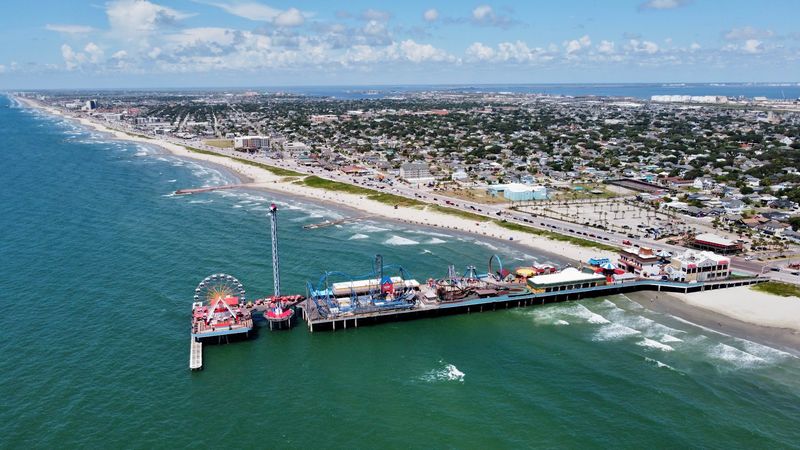
This barrier island an hour south of Houston has survived hurricanes, economic booms and busts, and waves of change that would have destroyed lesser places. Galveston’s Victorian-era architecture tells stories of when this was the wealthiest city in Texas, a major port that rivaled New Orleans in importance. Today it’s a beach town with character, offering Gulf Coast relaxation mixed with genuine historical significance and cultural attractions you wouldn’t expect in a typical seaside resort.
The Strand Historic District preserves dozens of beautifully restored 19th-century buildings now housing galleries, restaurants, shops, and museums. Walking these streets feels like stepping back in time, especially on quieter weekday mornings when you can appreciate the architecture without fighting crowds. The Grand 1894 Opera House still hosts performances, and several museums document the island’s fascinating maritime and cultural history.
Beaches stretch for miles along the island’s Gulf-facing side, from the more developed areas near the Seawall to quieter stretches on the west end. The water isn’t Caribbean-clear—this is the Gulf of Mexico—but it’s warm, swimmable, and perfect for boogie boarding or just floating around. Stewart Beach and East Beach are the most popular spots, with facilities, rentals, and lifeguards during summer.
The Galveston Island Historic Pleasure Pier juts into the Gulf, offering amusement park rides, games, and restaurants suspended over the water. It’s touristy but fun, especially for families with kids. For a completely different experience, Moody Gardens features aquariums, rainforest exhibits, and a fascinating museum complex that’s educational and entertaining.
Seafood is naturally a highlight, with restaurants serving fresh Gulf shrimp, oysters, and fish in preparations ranging from classic fried platters to sophisticated preparations in upscale dining rooms. The island’s restaurant scene has improved dramatically in recent years, with talented chefs opening creative establishments alongside the traditional seafood shacks.
Galveston works as a day trip from Houston but deserves at least a weekend to properly explore. Historic homes offer bed-and-breakfast accommodations, while beachfront hotels provide classic resort experiences. The island’s laid-back vibe and genuine character make it more interesting than typical Texas Gulf Coast destinations.
11. Fort Worth
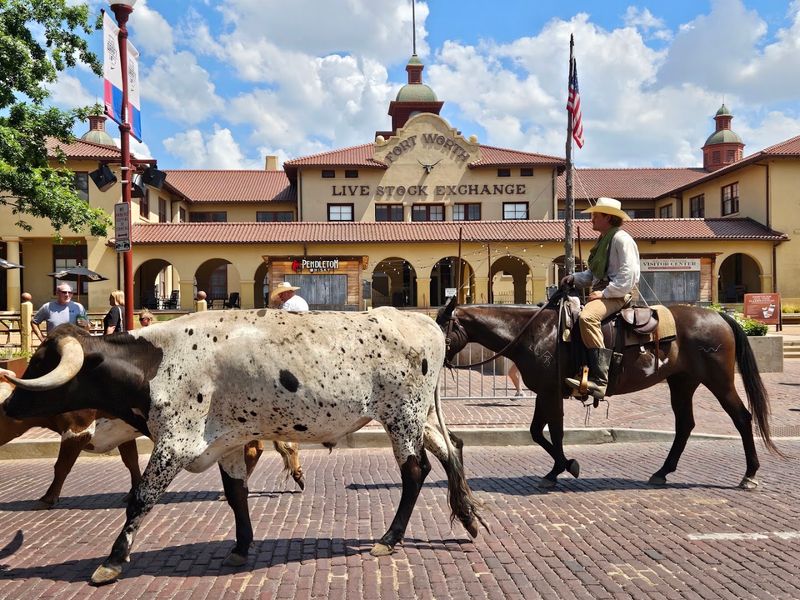
While Dallas gets the skyscrapers and corporate headquarters, Fort Worth kept its cowtown soul. The Fort Worth Stockyards still echo with the sound of hooves twice daily when longhorns are driven down Exchange Avenue, just as cattle were moved through these streets over a century ago. But Fort Worth isn’t stuck in the past—it’s a sophisticated city that’s figured out how to honor its Western heritage while building a thriving arts scene, innovative food culture, and vibrant neighborhoods.
The Cultural District rivals any museum district in the country, with the Kimbell Art Museum, the Modern Art Museum of Fort Worth, and the Amon Carter Museum of American Art all within walking distance of each other. These aren’t dusty old institutions—they’re world-class museums with rotating exhibitions that bring in masterpieces from around the globe. The Modern’s building alone, designed by Tadao Ando, is worth seeing even if you’re not particularly interested in contemporary art.
Downtown Fort Worth has transformed dramatically, with Sundance Square offering restaurants, bars, shops, and entertainment in a walkable urban environment that feels much more authentic than Dallas’s downtown areas. The historic buildings have been beautifully preserved and repurposed, creating spaces that feel both historic and contemporary. Food halls, rooftop bars, and chef-driven restaurants have made Fort Worth a legitimate dining destination.
The Stockyards remain touristy but genuinely fun, especially if you embrace the Western theme rather than roll your eyes at it. Honky-tonks offer live country music nightly, and you can still get custom boots made by skilled craftspeople who’ve been practicing their trade for decades. Billy Bob’s Texas, claiming to be the world’s largest honky-tonk, is an experience—part concert venue, part dance hall, part museum of country music history.
Fort Worth’s neighborhoods each have distinct personalities. The Near Southside has become an arts district with galleries, studios, and creative businesses occupying formerly industrial spaces. West 7th offers upscale dining and shopping, while the Trinity River trails provide miles of paths for hiking, biking, and enjoying nature without leaving the city.
The city is more affordable and less pretentious than Dallas, with residents who are genuinely friendly rather than just Texas-polite. It’s a place that works equally well for a weekend getaway or as a base for exploring North Texas.