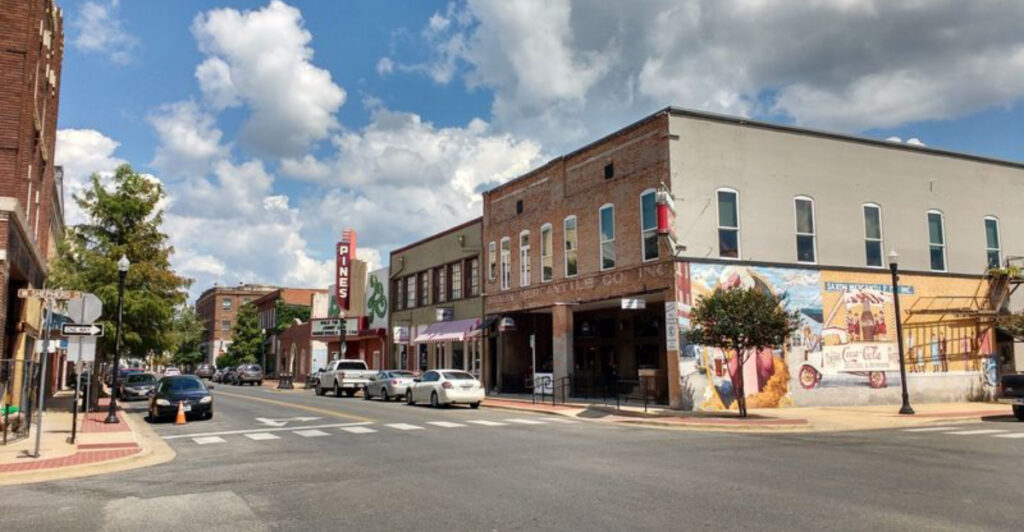
Texas is home to some of the most charming small-town downtowns you’ll ever stroll through. These historic districts capture the spirit of classic Americana with their brick-lined streets, vintage storefronts, and old-fashioned town squares that feel like stepping back in time. Whether you’re hunting for antiques, savoring local barbecue, or simply soaking in the architecture, these eleven downtowns offer a refreshing escape from modern hustle and a genuine taste of Texas heritage.
1. Mineola
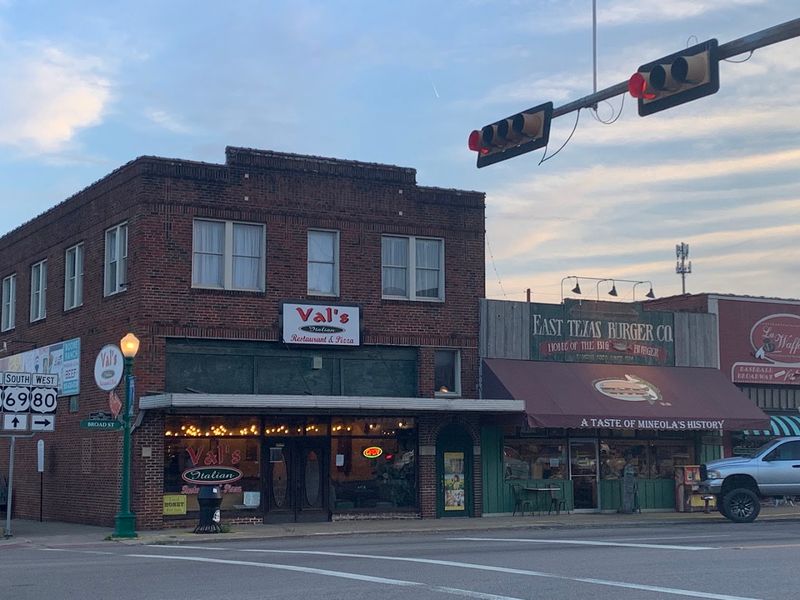
Picture a place where train whistles still echo through tree-lined streets and antique shops outnumber chain stores by a landslide. That’s the magic waiting in this East Texas gem, where the downtown district feels frozen in the best possible era. The historic depot anchors the whole scene, reminding visitors that this town once thrived as a major railway hub connecting travelers across the Lone Star State.
Strolling along the main drag feels like wandering through a living postcard. Red brick buildings house everything from vintage clothing boutiques to old-school diners serving chicken-fried steak that’ll make you forget your diet. The storefronts still have their original pressed-tin ceilings and wooden floors that creak just right under your boots.
Antique hunters consider this spot a goldmine. You can spend hours digging through treasures in multiple shops packed with everything from Depression-era glassware to mid-century furniture. Local dealers know their stuff and love sharing stories about the pieces they’ve collected over decades of hunting.
The town square hosts regular events that bring the whole community together. From car shows featuring pristine vintage automobiles to seasonal festivals celebrating everything Texas, there’s always something happening that draws both locals and visitors into the heart of downtown. Live music often drifts from the gazebo on weekend evenings.
What really sets this place apart is how genuine it feels. Nobody’s putting on a show for tourists or trying to manufacture charm. The hardware store has been family-owned for generations, the pharmacy still has a working soda fountain, and locals actually gather at the coffee shop every morning to catch up on news.
It’s small-town Texas exactly as it should be.
The surrounding streets showcase beautifully preserved Victorian homes that add to the nostalgic atmosphere. Many have been converted into bed-and-breakfasts where you can stay in rooms filled with period furnishings. Walking these neighborhoods at dusk, with porch lights glowing and the scent of magnolias in the air, completes the time-travel experience perfectly.
2. Cuero
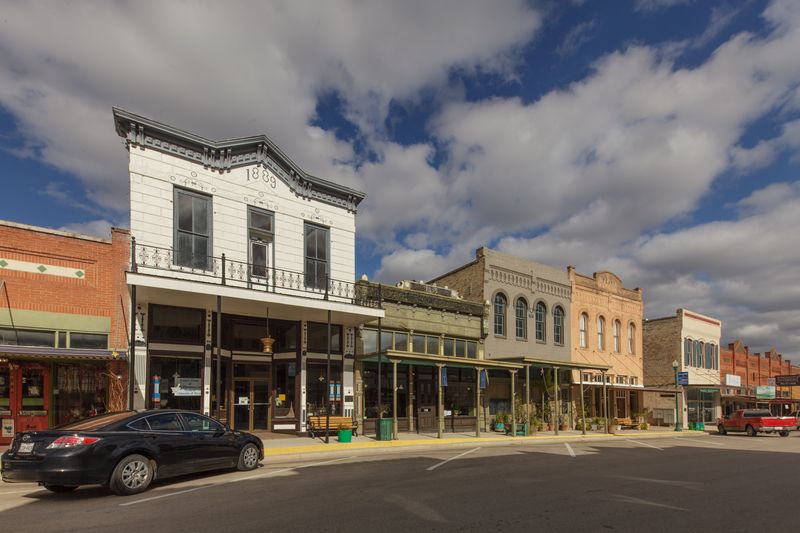
Known as the Turkey Capital of the World, this South Texas town wears its quirky heritage with pride while maintaining one of the most authentic downtown districts you’ll find anywhere. The DeWitt County Courthouse dominates the square with its impressive Second Empire architecture, complete with a mansard roof and clock tower that’s been keeping time since the 1890s. It’s the kind of building that makes you stop and stare.
The surrounding blocks overflow with character. Old drugstores, family-run cafes, and shops selling everything from Western wear to home decor fill buildings that have stood for over a century. Many still feature their original facades with elaborate cornices and tall windows designed to catch the breeze before air conditioning existed.
Barbecue lovers make pilgrimages here for good reason. Local joints have been smoking meat using family recipes passed down through generations, and the result is brisket that falls apart at the first touch of a fork. The sides are pure Texas comfort food, from creamy potato salad to tangy coleslaw that cuts through the richness of the meat perfectly.
History buffs appreciate the attention paid to preservation. Walking tours reveal stories about cattle drives, oil booms, and the agricultural heritage that built this community. Plaques and markers throughout downtown explain the significance of various buildings, giving context to the architecture surrounding you on every corner.
The town celebrates its turkey legacy each October with Turkeyfest, but the downtown stays lively year-round. Local merchants know their customers by name, and they’re just as friendly to visitors passing through. The pace is slower here, inviting you to linger over coffee or browse without feeling rushed.
Vintage neon signs still illuminate the streets at night, casting a warm glow that enhances the nostalgic vibe. A few businesses have maintained their original signage from the 1940s and 50s, adding authentic retro appeal. The whole scene feels like it could be a movie set, except everything is real and still functioning as it has for decades.
3. Lockhart
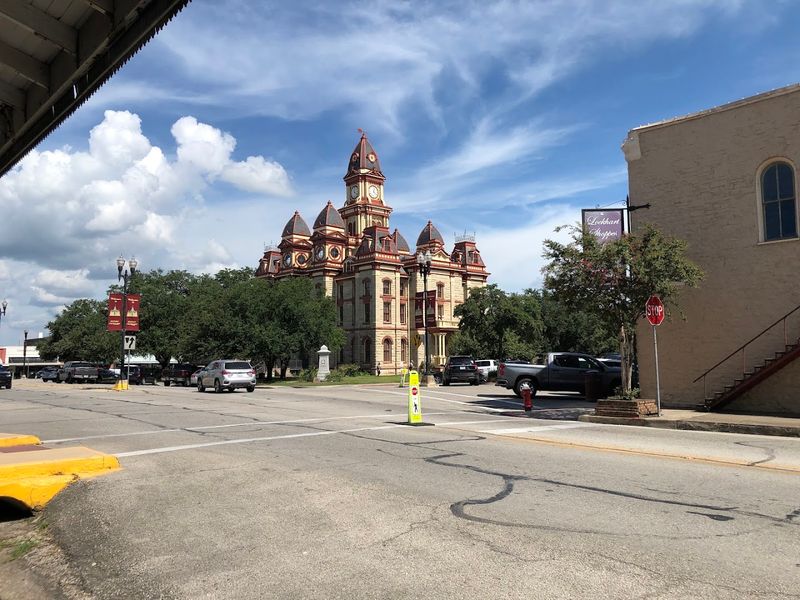
Smoke from legendary barbecue pits perfumes the air in this Central Texas town that takes its meat seriously. But beyond being the undisputed Barbecue Capital of Texas, the downtown offers a perfectly preserved slice of Americana that draws history enthusiasts and architecture lovers from across the state. The Caldwell County Courthouse anchors everything with its stunning Romanesque Revival design featuring pink granite and a distinctive clock tower visible for miles.
Four iconic barbecue joints have operated here for decades, each claiming to serve the best brisket in Texas. The friendly rivalry adds to the town’s character, and locals love debating which spot reigns supreme. You can spend a whole day hopping between them, sampling different styles and techniques that have been perfected over generations of pit masters.
The downtown square buzzes with activity most days. Antique stores fill historic buildings with collections that range from rustic farmhouse pieces to elegant Victorian furniture. You’ll find genuine treasures here, not the mass-produced stuff that passes for vintage in some places.
Shop owners are passionate collectors who enjoy sharing the history behind their finds.
Movie fans might recognize the streets from several films shot here. The authentic small-town atmosphere attracts production crews looking for locations that don’t require much set dressing. Walking the same sidewalks where scenes were filmed adds an extra layer of interest to exploring the area.
Local businesses maintain the traditional character of their storefronts. Original tile entryways, vintage signage, and old-fashioned window displays create visual interest at every turn. Even newer businesses respect the aesthetic, blending in rather than standing out with modern materials that would clash with the historic surroundings.
The town hosts several annual events that transform the square into a festival ground. From chili cook-offs to classic car shows, these gatherings showcase Texas hospitality at its finest. Live music, craft vendors, and food trucks join the permanent establishments in creating memorable experiences that keep visitors coming back year after year.
4. Fredericksburg
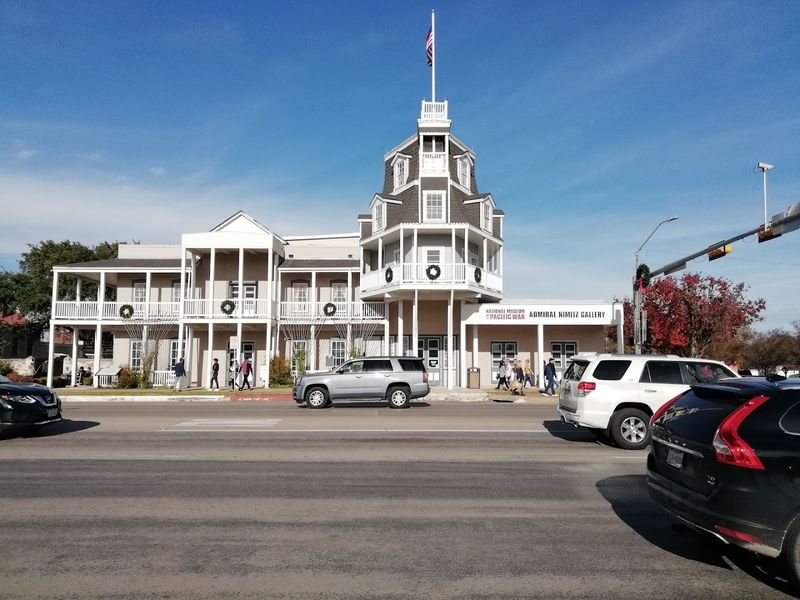
German heritage runs deep through every street and building in this Hill Country favorite. Founded by German immigrants in the 1840s, the downtown district preserves that cultural legacy through distinctive architecture, European-style beer gardens, and family recipes that have been treasured for generations. Main Street stretches for blocks, lined with limestone buildings that house everything from authentic German bakeries to boutique wineries.
The shopping scene here rivals much larger cities. Galleries showcase work by local artists inspired by the surrounding landscape, while specialty shops sell handcrafted items you won’t find anywhere else. Antique stores overflow with European imports and Texas treasures, making it easy to lose track of time browsing through carefully curated collections.
Food options range from traditional German fare to innovative Texas cuisine. You can start your morning with fresh-baked strudel and strong coffee, enjoy bratwurst and sauerkraut for lunch, then finish with peach cobbler made from Hill Country fruit. The quality stays consistently high because many restaurants source ingredients locally and maintain standards set by previous generations.
Wine tasting has become a major draw, with numerous tasting rooms dotting the downtown area. The Hill Country wine industry has exploded in recent years, and sampling different varietals while strolling the historic district makes for a perfect afternoon. Many establishments offer outdoor seating where you can sip and people-watch.
Historic sites provide context for the town’s unique character. The Pioneer Museum complex includes original settlers’ homes and buildings that show how early residents adapted German building techniques to Texas materials and climate. Walking through these structures brings history to life in ways that plaques and photos simply cannot match.
The town manages to balance tourism with authenticity remarkably well. Yes, visitors flock here on weekends, but local culture remains strong. German is still spoken by some longtime residents, traditional festivals draw genuine community participation, and family businesses that have operated for decades continue serving regulars alongside newcomers discovering the area for the first time.
5. Nacogdoches
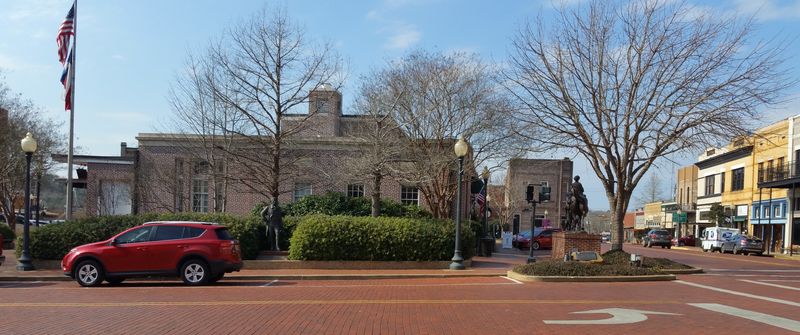
Calling itself the oldest town in Texas isn’t just marketing hype here. This East Texas city can trace its roots back to 1779, and that deep history permeates every corner of the downtown district. Red brick buildings line streets that follow the same paths established centuries ago, and the sense of continuity with the past feels almost tangible as you explore the area.
The Old Stone Fort Museum stands as a replica of the original 1779 structure that witnessed countless historical events. Spanish, French, Mexican, and eventually American flags have all flown over this site, making it a symbol of the region’s complex past. Walking its rooms provides insight into frontier life and the challenges faced by early settlers in this heavily forested region.
Downtown shops reflect the town’s dual nature as both a historic site and a college town. Stephen F. Austin State University brings youthful energy to the streets, with coffee shops, bookstores, and casual eateries catering to students while maintaining the vintage charm that defines the district.
This blend creates an interesting dynamic that keeps things lively without sacrificing character.
The courthouse square serves as the community’s gathering place. Shaded by massive oak trees that have stood for generations, the grounds host farmers markets, concerts, and festivals throughout the year. Benches invite you to sit and watch the world go by at a pace that feels refreshingly unhurried compared to modern life elsewhere.
Antique enthusiasts find plenty to explore in multiple shops packed with East Texas treasures. Pine furniture, vintage quilts, and Depression-era pottery fill spaces in beautifully maintained historic buildings. Dealers here tend to specialize, so you might find one shop focused entirely on primitives while another carries refined Victorian pieces.
Local restaurants serve Southern comfort food that sticks to your ribs. Chicken and dumplings, fried catfish, and pecan pie are menu staples, prepared using recipes that haven’t changed much over the decades. The portions are generous, the prices are reasonable, and the atmosphere is welcoming to everyone who walks through the door looking for a good meal.
6. La Grange
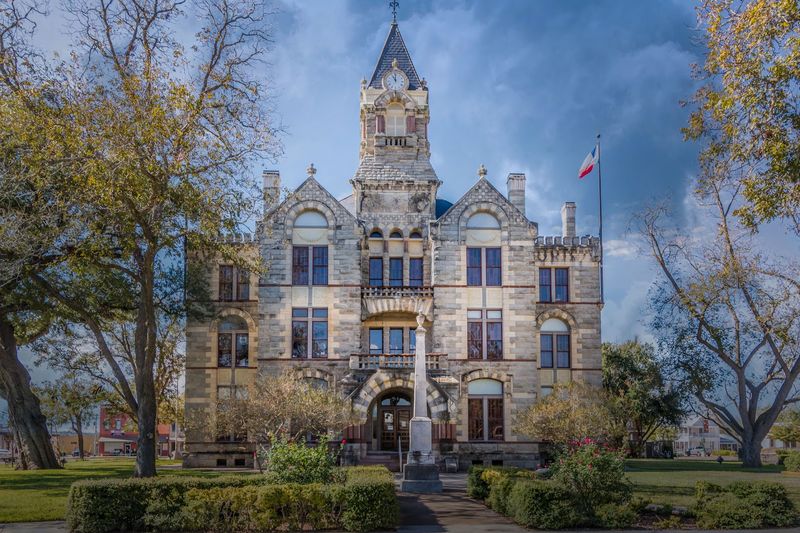
Immortalized in a certain ZZ Top song, this Fayette County seat offers way more than its colorful past suggests. The downtown square centers around a stunning courthouse built in 1891, featuring Romanesque Revival architecture with red sandstone walls and a distinctive clock tower. It’s one of those buildings that photographs beautifully from every angle, especially when the Texas sun hits the stone just right.
The square itself invites lingering. Mature trees provide shade for benches where locals gather to chat, and the surrounding businesses maintain a genuine small-town vibe. Hardware stores, cafes, and gift shops operate in buildings that have served the community for generations.
Many storefronts retain their original pressed-tin ceilings and wooden floors worn smooth by decades of foot traffic.
Czech and German heritage influences everything from the architecture to the food. Kolaches from local bakeries are the real deal, not the gas station imposters you’ll find elsewhere. The pastries come filled with fruit, poppy seed, or savory options like sausage and cheese.
Grabbing a few for breakfast while exploring downtown has become a ritual for regular visitors.
Antique shoppers discover quality pieces at prices that haven’t been inflated by big-city demand. Farmhouse tables, vintage advertising signs, and collections of old bottles and jars fill multiple stores around the square. Dealers are knowledgeable and happy to negotiate, making it possible to score genuine bargains if you’re willing to dig through the inventory.
The town celebrates its agricultural roots with pride. Nearby farms and ranches have supplied the community for generations, and that connection to the land remains strong. Local restaurants serve beef raised just outside town, and seasonal produce shows up on menus when it’s at peak freshness.
Historic markers throughout downtown tell stories of frontier days, cattle drives, and the various waves of immigration that shaped the community. Taking time to read them adds depth to your visit, connecting the buildings and streets you’re seeing to the people who built them and the events that unfolded here over more than a century and a half of Texas history.
7. Jefferson
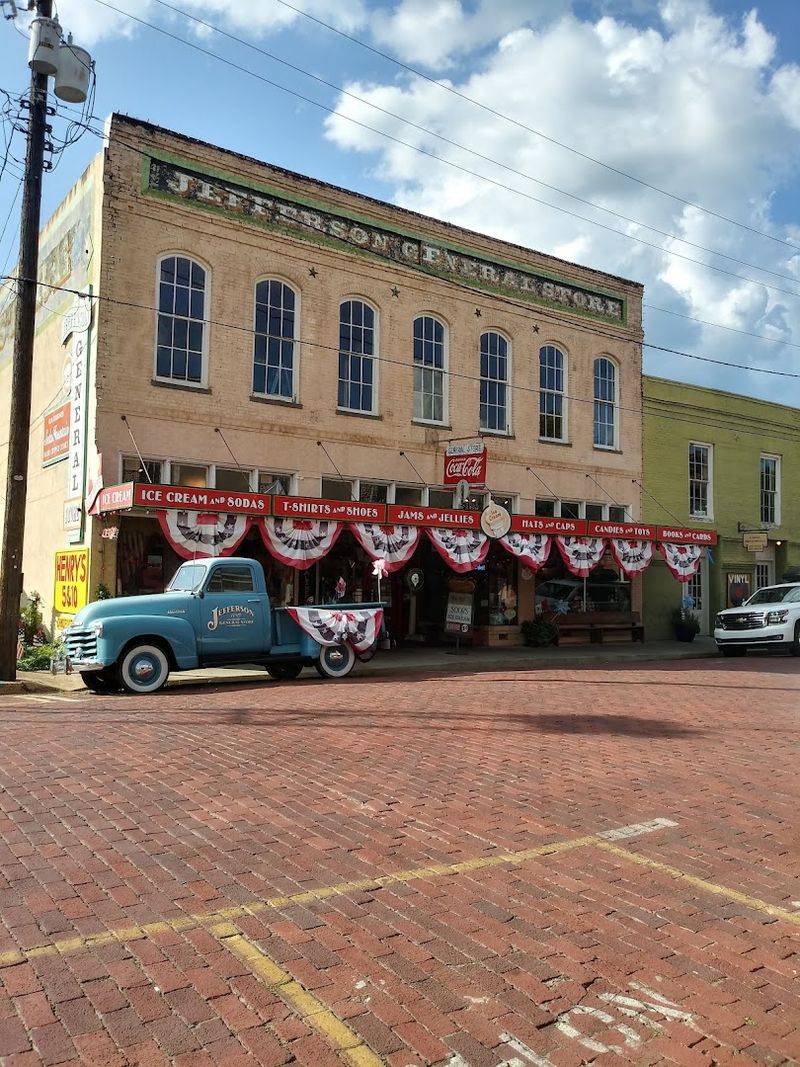
Step into this East Texas riverboat town and you’ve essentially time-traveled to the 1800s. Once the second-largest port in Texas, the downtown preserves an incredible collection of antebellum and Victorian architecture that survived because the town’s economy collapsed after the river became unnavigable. What seemed like tragedy at the time now feels like a gift, leaving behind one of the most intact historic districts in the entire state.
Bed and breakfasts occupy beautifully restored mansions that once housed wealthy merchants and riverboat captains. Staying in these homes, with their period furnishings and ghost stories whispered by innkeepers, enhances the experience of exploring the town. Many properties offer tours even if you’re not spending the night, allowing you to peek inside these architectural treasures.
The downtown shopping district stretches along streets that haven’t changed much since the late 1800s. Antique stores here are legendary, attracting serious collectors and casual browsers alike. You’ll find everything from Civil War memorabilia to Victorian furniture, often with fascinating provenance that ties pieces directly to local families who’ve lived here for generations.
Ghost tours have become a major attraction, and honestly, the town’s atmosphere makes it easy to believe the stories. Buildings creak, shadows fall in mysterious ways, and the weight of history feels heavier here than in most places. Whether you’re a believer or a skeptic, the tours provide entertaining historical information wrapped in spine-tingling tales.
Restaurants occupy historic buildings that add to the dining experience. Enjoying catfish in a structure that once served as a general store or sipping wine in a former bank vault creates memorable moments. The food quality matches the ambiance, with Southern favorites prepared using traditional methods that honor the town’s culinary heritage.
Annual events draw crowds who appreciate authentic historical experiences. The Candlelight Tour of Homes showcases private residences decorated for the holidays, while the Historical Pilgrimage offers access to buildings usually closed to the public. These events provide rare opportunities to see inside some of the most significant structures in town and hear stories directly from owners and historians.
8. Seguin
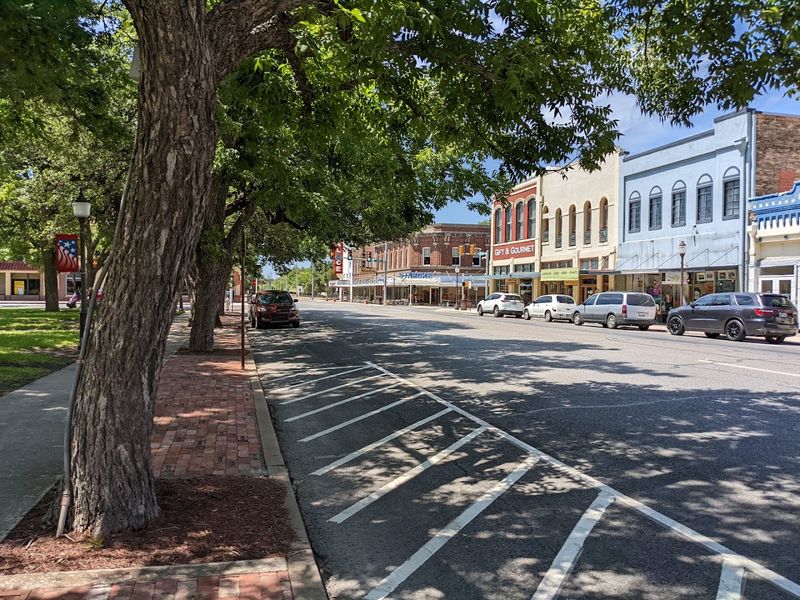
Pecan trees line the streets of this Guadalupe River town, creating a canopy that shades sidewalks and adds to the old-fashioned atmosphere. The Guadalupe County Courthouse anchors the downtown square with its Classical Revival design, complete with columns and a dome that glows when illuminated at night. It’s the kind of structure that reminds you of a time when public buildings were designed to inspire civic pride.
The town’s connection to pecans runs deep, reflected in everything from street names to local businesses. You can buy fresh pecans, pecan candy, and pecan pies that showcase the nut that helped build the local economy. During harvest season, the scent of pecans fills the air, and you’ll see them piled high in markets around the square.
Historic homes surrounding downtown showcase various architectural styles from different eras of Texas development. Greek Revival, Victorian, and Craftsman structures stand side by side, creating an outdoor museum of residential design. Many have been meticulously maintained by families who’ve owned them for generations, while others have been lovingly restored by newcomers who appreciate their historical significance.
Downtown businesses maintain a welcoming, unhurried atmosphere. Coffee shops invite you to settle in with a book, boutiques encourage browsing without pressure, and restaurants serve meals at a pace that allows for conversation and savoring. This approach to commerce feels increasingly rare in our hurried modern world.
The town celebrates its German heritage through annual festivals and in the architecture of some downtown buildings. German settlers arrived in the mid-1800s, bringing building techniques and cultural traditions that still influence the community. You’ll spot limestone construction methods and design elements that reflect European sensibilities adapted to the Texas climate.
Outdoor recreation opportunities complement the downtown experience. The Guadalupe River flows nearby, offering tubing, kayaking, and fishing within minutes of the historic district. After spending a morning exploring shops and museums, you can cool off in the river, then return to town for dinner at one of the locally-owned restaurants serving everything from barbecue to Tex-Mex prepared with pride and attention to quality.
9. Lufkin
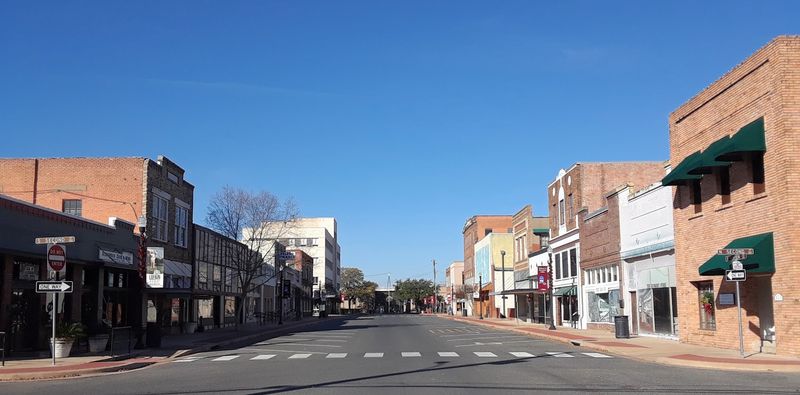
Timber built this East Texas city, and that forestry heritage still shapes the downtown character today. Brick buildings that once housed lumber company offices and banks serving the timber industry now contain shops, galleries, and restaurants that maintain the area’s historic feel. The architecture reflects the prosperity that flowed through here during the timber boom, with substantial structures built to last generations.
The Ellen Trout Zoo sits just minutes from downtown, offering a surprising attraction that draws families from across the region. After exploring the historic district, you can wander through exhibits featuring animals from around the world. This combination of cultural and natural attractions makes the area appealing to visitors with varied interests.
Downtown murals add color and artistic interest to building exteriors. Local artists have created pieces that celebrate the region’s history, from depicting early logging operations to honoring the Native American heritage of the area. These works transform ordinary walls into outdoor galleries that enhance the experience of walking through the district.
The Texas Forestry Museum preserves and presents the story of the industry that defined the region. Exhibits include vintage logging equipment, photographs documenting the early days of commercial timber operations, and displays showing how forests are managed sustainably today. It’s fascinating stuff, especially for anyone interested in how natural resources shaped Texas development.
Local restaurants serve East Texas specialties that reflect the region’s Southern roots. Catfish, barbecue, and country-style vegetables appear on menus alongside more contemporary options. The quality stays solid because competition keeps everyone honest, and locals won’t tolerate subpar food from establishments claiming to represent their community.
Shopping options range from antiques to contemporary boutiques. You’ll find vintage tools and furniture that came from old logging camps, alongside modern home decor and clothing. The mix creates an interesting retail environment where you never quite know what you’ll discover next, which is half the fun of exploring a downtown district like this one that balances history with current vitality.
10. Llano
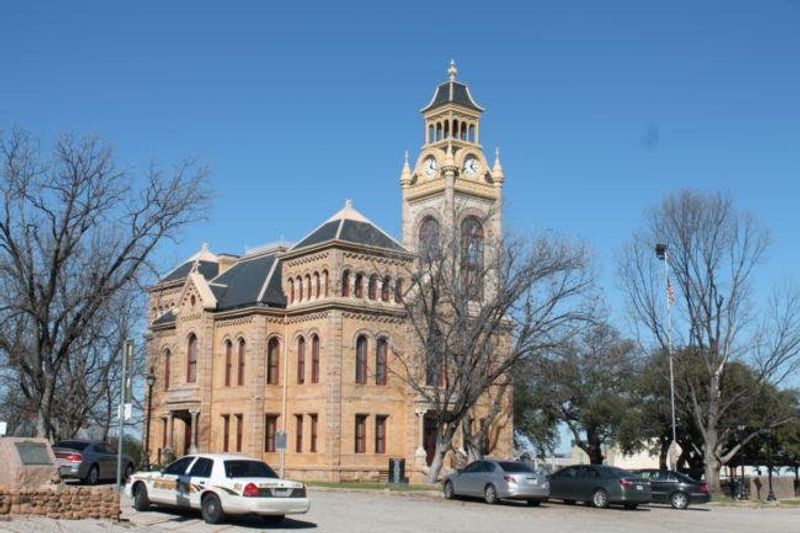
Granite built this Hill Country town, and you’ll see evidence everywhere you look. The Llano County Courthouse, constructed from locally quarried pink granite, dominates the square with its impressive Second Empire architecture. The same stone appears in commercial buildings throughout downtown, giving the entire district a cohesive appearance that reflects the geology and history of the surrounding landscape.
The Llano River flows nearby, drawing fishermen who consider this area some of the best bass fishing in Texas. After a morning on the water, anglers head downtown for lunch and supplies, creating a steady stream of visitors who appreciate the authentic small-town atmosphere. Tackle shops and outdoor outfitters cater to this crowd while maintaining the vintage character of their historic buildings.
Antique stores here specialize in rustic pieces that fit Hill Country aesthetics. Ranch furniture, vintage Western wear, and collections of old tools and farm equipment fill shops around the square. Prices remain reasonable because the town hasn’t been overrun by tourists yet, though word is spreading about the quality of merchandise available here.
Local eateries serve hearty Texas fare without pretension. Chicken-fried steak, burgers, and barbecue dominate menus, prepared the way they’ve been made for decades. Portions are generous, service is friendly, and the atmosphere is casual enough that you won’t feel out of place whether you’re dressed for fishing or just passing through on a road trip.
The granite industry still operates in the area, and you can visit quarries where stone has been extracted for over a century. Seeing the massive operations that supplied granite for the Texas State Capitol and other significant buildings across the country adds appreciation for the rock that literally built this community and continues supporting it economically.
Annual events like the Llano River Chuck Wagon Cook-Off bring the community together and draw visitors interested in authentic Western experiences. Cowboys, ranchers, and locals gather for competitions, live music, and storytelling that preserve traditions reaching back to cattle-drive days. These gatherings feel genuine rather than staged, offering glimpses into a culture that remains very much alive in rural Texas communities.
11. Granbury
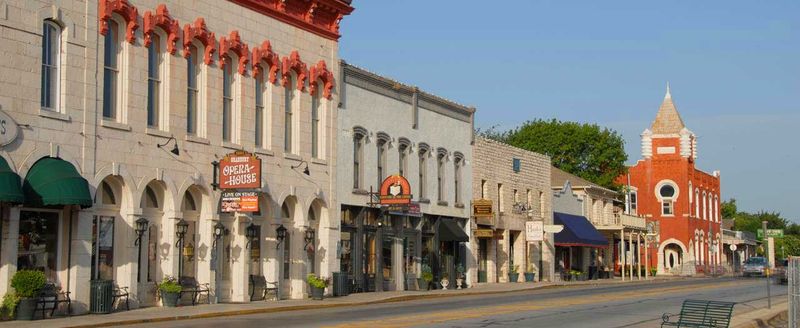
Victorian architecture defines this Hood County seat perched on the shores of Lake Granbury. The town square, listed on the National Register of Historic Places, showcases an impressive collection of 1880s buildings that have been immaculately preserved and restored. Walking these streets feels like stepping onto a movie set, except everything is real and still functioning as it has for over a century.
The Opera House remains the cultural heart of downtown, hosting live theater productions that draw audiences from across North Texas. Built in 1886, the venue has been continuously operating for most of its existence, making it one of the oldest theaters in the state still presenting shows. Catching a performance here, surrounded by original architectural details, creates memories that last long after the curtain falls.
Shopping options overflow with variety. Boutiques selling women’s clothing and accessories occupy buildings alongside antique stores packed with furniture, glassware, and collectibles. Candy shops, bookstores, and gift shops round out the retail mix, ensuring that browsers can easily spend several hours exploring without exhausting the options.
Restaurants and cafes line the square, offering everything from casual sandwiches to upscale dining experiences. Many establishments occupy historic buildings with original details like tin ceilings and hardwood floors. Outdoor seating allows you to enjoy meals while watching activity on the square, which stays lively most days with both locals and visitors strolling the sidewalks.
The courthouse at the center of the square anchors everything with its distinctive Second Empire architecture. The building has served the community since 1891, and its clock tower remains a prominent landmark visible from throughout downtown. The surrounding lawn hosts festivals and concerts that transform the square into a gathering place for the entire community.
Lake Granbury provides a scenic backdrop to the historic downtown, with the waterfront just a short walk from the square. You can easily combine exploring the shops and museums with time by the water, perhaps renting a boat or simply enjoying the views. This combination of historic charm and natural beauty makes the town appealing to visitors with diverse interests who want more than just shopping or sightseeing.