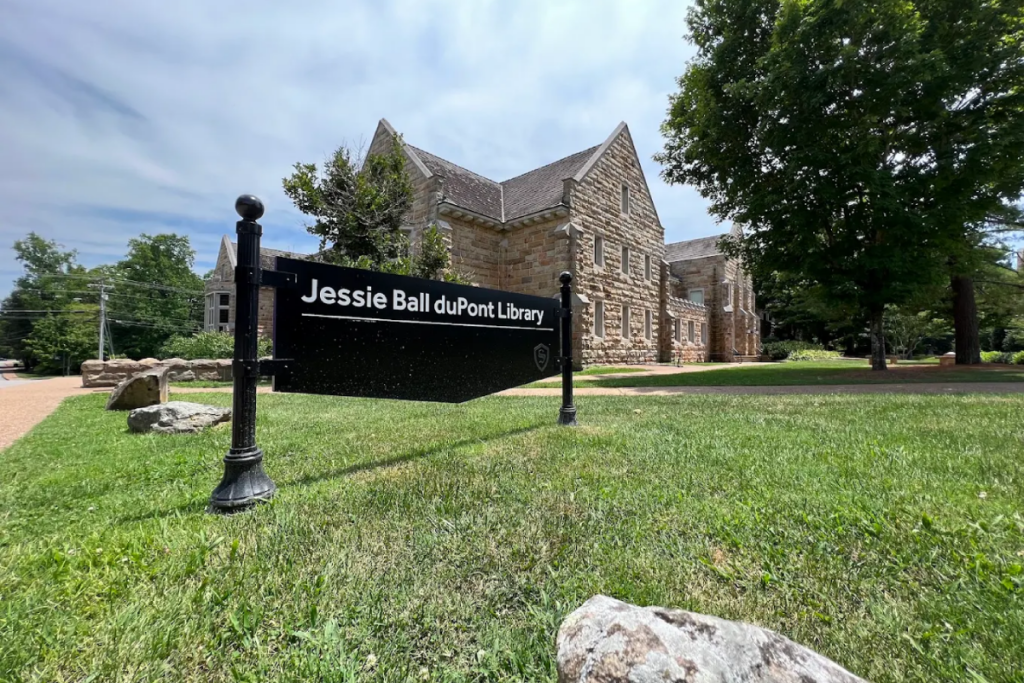
Tucked away on a mountaintop campus in Sewanee, Tennessee, stands a library that looks like it belongs in a fairy tale rather than a college town. The Jessie Ball duPont Library serves the University of the South with its stunning architecture and rich history that dates back decades.
Whether you’re a student cramming for exams or a visitor exploring the scenic campus, this remarkable building offers far more than just rows of books and study desks.
A Quiet Landmark In The Heart Of Sewanee
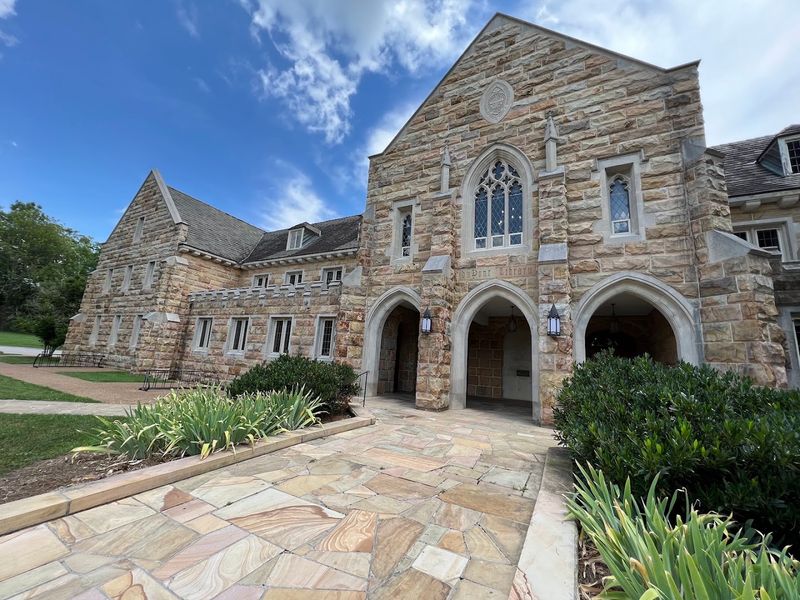
Most people drive right past Sewanee without realizing what sits atop this Cumberland Plateau town. At 178 Georgia Ave, the duPont Library anchors the University of the South campus with a presence that commands attention. The building serves as both functional study space and architectural showpiece, drawing curious visitors year-round.
Students know this place opens early at 7:30 AM on weekdays, staying accessible until 1 AM for late-night study sessions. Weekend hours shift to accommodate a more relaxed campus rhythm, with Saturday running 9 AM to 6 PM and Sunday wrapping up by 8 PM. That Friday 10 PM closing time gives everyone a gentle nudge toward weekend plans.
People don’t casually hand out perfect scores to buildings, especially university libraries that could easily feel institutional or cold. Yet visitors consistently praise the welcoming atmosphere they encounter inside.
Location matters when you’re talking about a place like this. Sewanee sits high enough that fog rolls through campus on cool mornings. The elevation creates a unique setting where stone buildings feel right at home among old-growth trees and winding pathways.
The Architecture Blends Beautifully With The Historic Campus
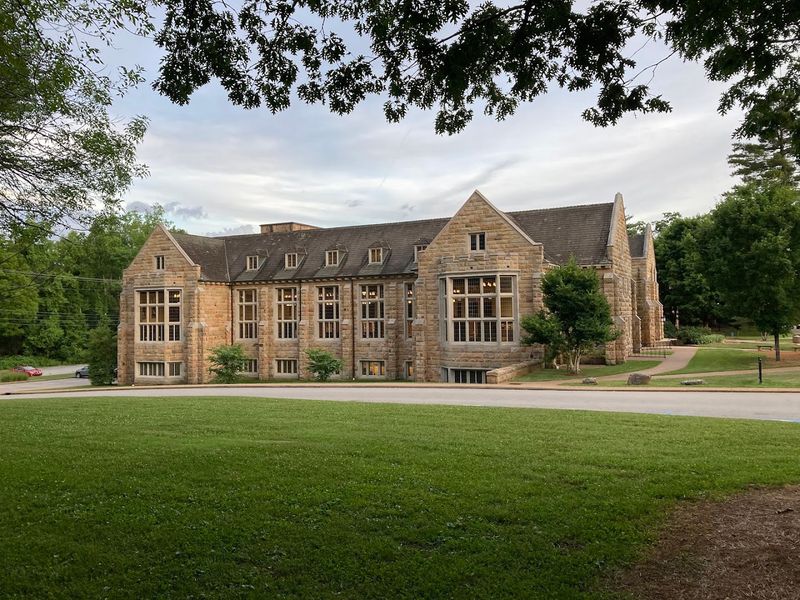
Walking toward the duPont Library feels like stepping into a different century altogether. The Gothic Revival design doesn’t just complement the University of the South campus—it defines the visual identity students and visitors remember long after leaving. Stone walls rise with the kind of craftsmanship that modern construction rarely attempts anymore.
Architects who designed this building understood something important about learning spaces. They knew that inspiration doesn’t only come from books but also from the environment surrounding students as they study. The result blends medieval European influences with practical American educational needs, creating something genuinely distinctive in Tennessee.
Large windows punctuate the stone exterior, allowing natural light to flood interior spaces throughout the day. Those same windows create dramatic shadows across reading rooms as the sun moves overhead. The effect transforms ordinary study time into something more contemplative and focused.
Castle-like elements appear throughout the structure without feeling forced or theme-park artificial. Turrets, stone archways, and carefully proportioned facades all work together to create visual interest from every angle. You could photograph this building a hundred times and find new details worth capturing each visit.
The historic campus surrounding the library features similar architectural choices, creating cohesive visual harmony across the grounds. Old trees frame pathways between buildings, their branches sometimes brushing against stone walls worn smooth by decades of Tennessee weather. Seasons change the campus dramatically—fall colors contrast beautifully with gray stone, while spring blooms soften the medieval edges.
Students studying here gain more than just access to academic resources. They inherit a physical environment that reminds them daily about tradition, permanence, and the long history of scholarship. That connection to something larger than immediate coursework adds unexpected value to the college experience.
Step Inside To Discover A Warm And Welcoming Interior
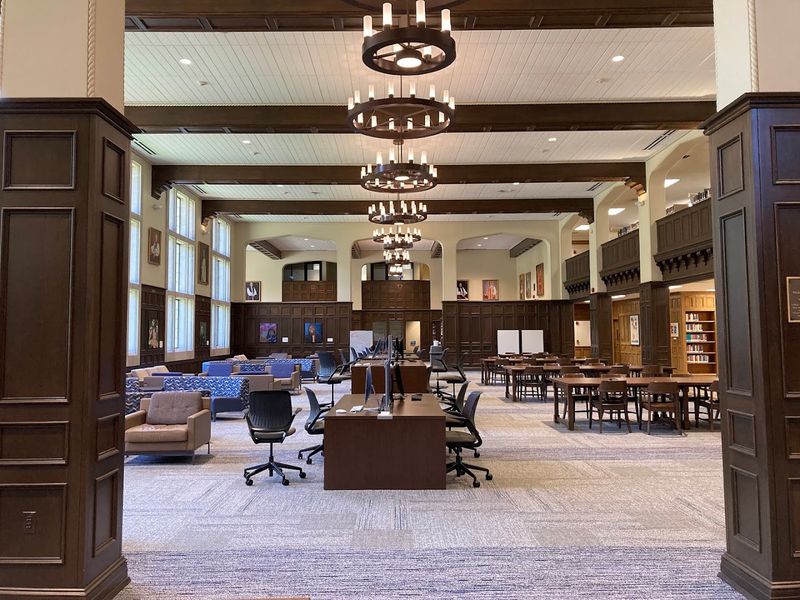
Forget everything you think you know about intimidating university libraries. The moment you walk through the duPont Library entrance, warmth replaces any castle-induced expectations of cold stone chambers. Thoughtful design choices create spaces where students actually want to spend time rather than endure it.
Natural wood tones balance the stone exterior aesthetic, bringing organic warmth to reading areas and study nooks. Comfortable seating arrangements replace rigid institutional furniture, acknowledging that real learning happens when people feel physically relaxed.
Lighting designers clearly understood their assignment here. Instead of harsh fluorescent glare, layered lighting creates pockets of focused brightness where needed while maintaining ambient warmth throughout. Table lamps, overhead fixtures, and natural window light all contribute to an environment that feels residential rather than institutional.
Computer labs occupy dedicated spaces without dominating the overall atmosphere. Technology integration happens thoughtfully, supporting modern research needs without sacrificing the library’s character. Students can toggle between digital resources and physical books without feeling like they’re in two different buildings.
The listening library mentioned by reviewers offers something increasingly rare—dedicated space for audio materials and multimedia learning. Not every university library bothers with this amenity anymore, making its presence here particularly noteworthy. Students studying music, languages, or oral histories benefit from having proper equipment and quiet listening areas.
Multiple floors create natural separation between different activities and noise levels. Upper floors tend toward quieter individual study, while ground-level areas accommodate more collaborative work and casual reading. The writing center and leadership center integrate into the library ecosystem, recognizing that modern academic support happens across disciplines.
More Than Books Fill The Shelves And Study Spaces
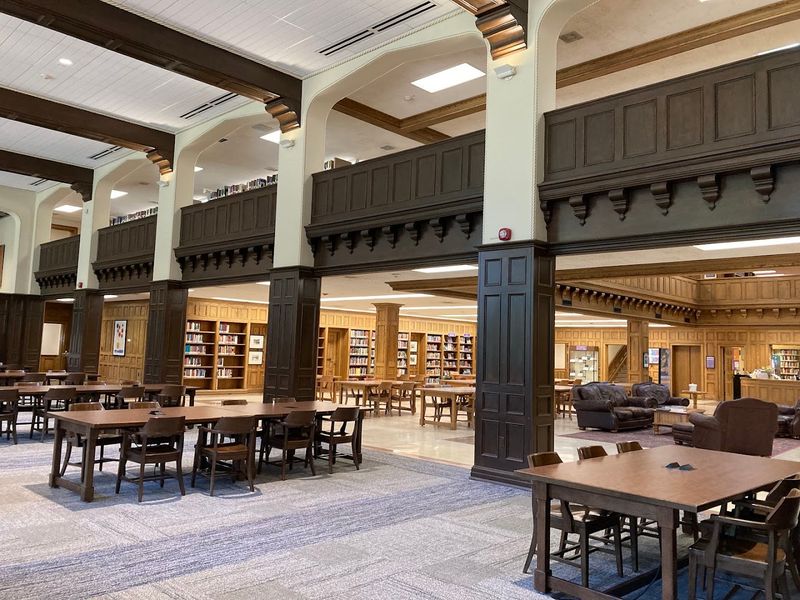
Academic libraries have evolved far beyond their traditional book-repository role. The duPont Library embraces this shift wholeheartedly, offering resources that reflect how modern students actually learn and research. Academic titles certainly fill the shelves, but they share space with popular reading materials that acknowledge students are humans with varied interests.
The collection spans disciplines taught across the University of the South, from literature and history to sciences and theology. School of Theology materials occupy dedicated space, serving both seminary students and anyone interested in religious scholarship. That specialized collection adds depth you wouldn’t find in a typical undergraduate library.
Popular reading sections give students permission to read for pleasure without guilt. Mystery novels, contemporary fiction, and current bestsellers line shelves near more serious academic works. This mixing of scholarly and recreational reading reflects a healthy understanding that intellectual development happens through diverse exposure.
Multimedia resources have claimed significant territory as learning formats diversify. The listening library houses audiobooks, music collections, language learning materials, and recorded lectures. Students preparing presentations can access video equipment and editing software, turning the library into a production hub.
Periodicals and journals maintain their importance despite digital availability. Something about browsing physical magazines and academic journals still sparks unexpected research directions. Current issues sit in accessible displays, inviting casual discovery alongside intentional research.
Special collections deserve their own mention but integrate naturally into the broader library ecosystem. Historical documents, rare books, and university archives coexist with circulating materials, creating connections between past and present scholarship. Students researching Sewanee history can access primary sources without traveling to distant archives.
Reference librarians provide expertise that search engines can’t replicate. Their knowledge of collections and research strategies helps students navigate overwhelming information landscapes. That human element transforms the library from a warehouse into a genuine learning partner, supporting academic success in tangible ways.
Special Collections Preserve Stories From Sewanee’s Past
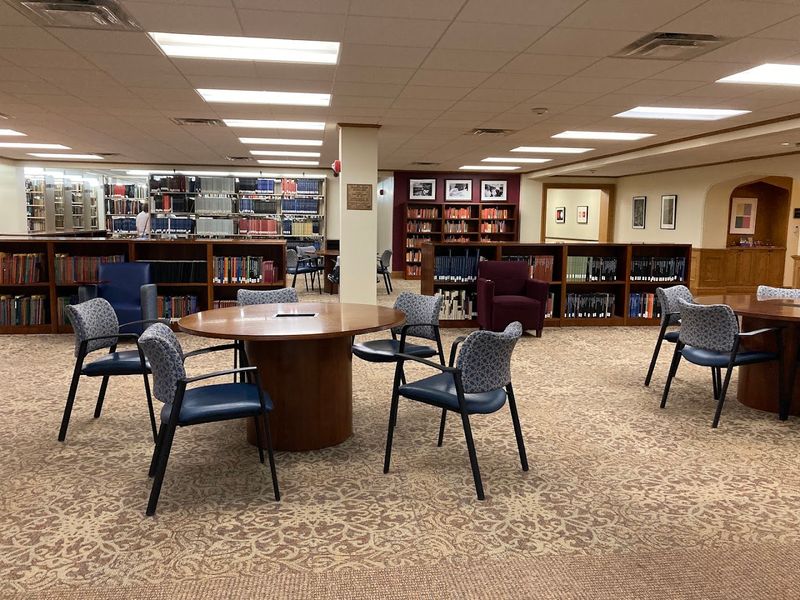
Every university accumulates stories worth preserving, and Sewanee’s history runs particularly deep. The duPont Library houses special collections that document the institution’s evolution from its 1857 founding through the present day. These archives offer researchers primary source materials unavailable anywhere else, making the library a destination for serious historical scholarship.
Manuscript collections contain personal papers from notable faculty, administrators, and alumni who shaped the university’s character. Letters, diaries, and unpublished writings provide intimate glimpses into campus life across different eras. Researchers studying Southern education, Civil War impacts, or Episcopal Church history find invaluable materials here.
Rare book holdings extend beyond Sewanee-specific materials to encompass broader literary and historical significance. First editions, limited printings, and volumes with notable provenance occupy climate-controlled spaces. Serious collectors and scholars travel specifically to examine these holdings, knowing the collection contains items worth the journey.
University archives document institutional decisions, campus changes, and student life through official records and ephemera. Old yearbooks reveal fashion shifts and changing campus culture. Meeting minutes track policy debates that shaped current university structure.
Even mundane administrative documents gain historical value as decades pass.
Photographic collections capture Sewanee’s visual evolution in striking detail. Early campus images show raw construction and sparse landscapes that contrast sharply with today’s mature grounds. Student life photos document everything from formal ceremonies to casual daily activities, creating rich social history records.
Access policies balance preservation needs with research accessibility. Archivists help visitors navigate collections efficiently, pulling materials and explaining proper handling procedures. Digital initiatives gradually make portions of collections available online, though nothing replaces examining original documents firsthand.
Local history researchers benefit alongside university scholars. The library’s Sewanee-focused materials document broader Cumberland Plateau development, making collections relevant to regional historians. That community connection extends the library’s impact beyond campus boundaries, serving Tennessee’s collective memory.
Peaceful Corners Make It Easy To Slow Down And Explore
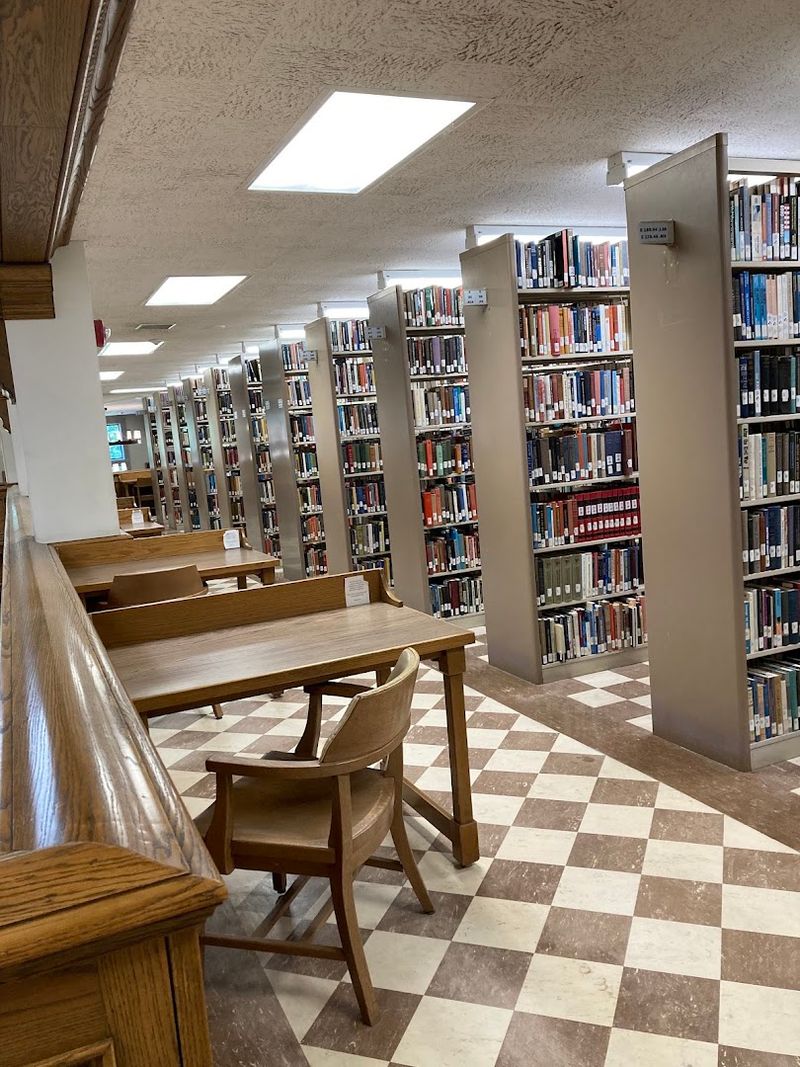
Finding actual quiet in modern life takes intentional effort. The duPont Library creates spaces where silence feels natural rather than enforced, where contemplation happens organically. Architectural nooks and thoughtfully arranged furniture encourage the kind of focused attention that deep reading and thinking require.
Window seats catch afternoon light perfectly, creating ideal spots for getting lost in a good book. These coveted spaces fill quickly during peak study times, but patient visitors usually find their moment. The view outside shifts with seasons, providing gentle visual breaks without demanding attention.
Upper-floor alcoves offer semi-private study zones where students can spread out research materials without disturbing others. High ceilings and stone walls naturally dampen sound, creating acoustic environments conducive to concentration. These architectural features work better than any “quiet please” signage ever could.
Reading rooms furnished with substantial wooden tables and proper chairs acknowledge that posture affects thinking. Comfortable doesn’t mean slouchy here—seating supports good positioning for extended work sessions. Adequate surface area lets researchers organize multiple sources simultaneously, facilitating comparative analysis and synthesis.
The building’s castle-like qualities actually enhance rather than distract from study focus. Thick walls block external noise effectively, while the substantial architecture creates psychological insulation from outside pressures. Students report feeling protected from everyday stress once they settle into library rhythm.
Late evening hours transform the atmosphere into something almost meditative. Fewer people, dimmer lighting, and campus quiet all contribute to productive solitude. Night-owl students claim these hours offer peak concentration, when the building feels like it belongs exclusively to serious scholars.
Even quick visits can provide mental reset value. Stepping inside for twenty minutes between classes offers breathing room that campus bustle doesn’t provide. The library functions as a sanctuary in addition to a resource center, serving emotional and psychological needs alongside academic ones.
That welcoming quality reviewers mention isn’t accidental—it results from countless intentional design choices that prioritize human experience.
Why This Tennessee Library Is Worth A Closer Look
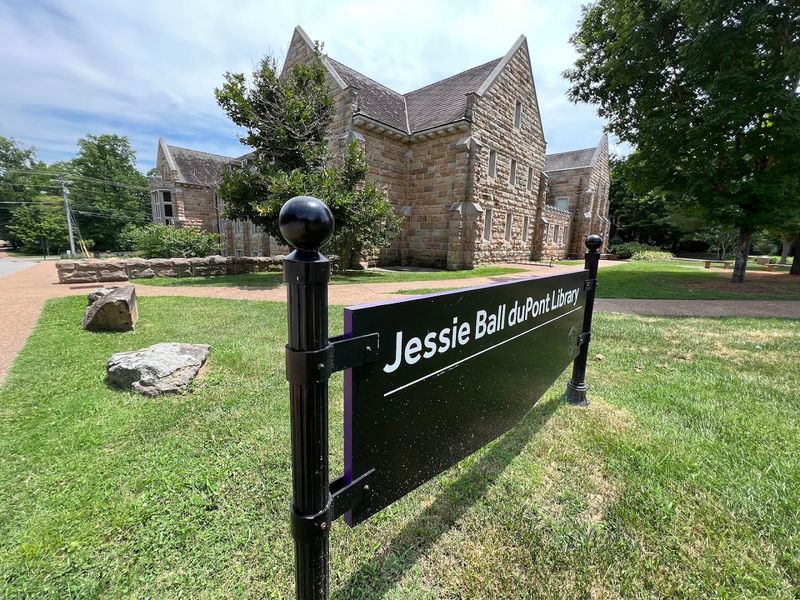
Most travelers skip right past Sewanee on their way to Chattanooga or Nashville. That oversight means missing one of Tennessee’s most architecturally significant educational buildings. The duPont Library deserves recognition beyond university circles for what it represents about valuing learning environments.
People don’t unanimously praise places unless those spaces deliver exceptional experiences consistently. The library achieves this through attention to both grand architectural gestures and small comfort details that together create memorable visits.
Non-students can visit during open hours, making this a legitimate tourist destination for architecture enthusiasts and library lovers. The university welcomes respectful visitors who want to admire the building and browse public-access areas. Just remember this remains a working academic library where students have priority access.
Photography opportunities abound both inside and outside the structure. The exterior presents differently throughout the day as light angles change and weather patterns shift. Interior spaces offer compositional challenges with their mix of stone, wood, and natural light creating complex visual relationships.
Sewanee’s elevation means the campus experiences distinct seasonal changes. Fall colors provide spectacular backdrops for the stone buildings, while winter fog creates moody atmospheric effects. Spring blooms soften the medieval architecture, and summer’s full foliage frames everything in green abundance.
Combining a library visit with broader campus exploration makes sense. The University of the South grounds feature walking trails, historic buildings, and scenic overlooks worth discovering. The entire campus functions as a designed landscape where architecture and nature integrate thoughtfully.
Cultural value extends beyond the university community. Buildings like this preserve architectural traditions while serving contemporary needs, demonstrating that historic design principles remain relevant. The duPont Library proves that functional spaces can inspire while they educate.
Sometimes the best Tennessee destinations hide in small towns rather than major cities. Sewanee rewards curious travelers willing to venture off obvious tourist paths with discoveries that feel personal rather than packaged.