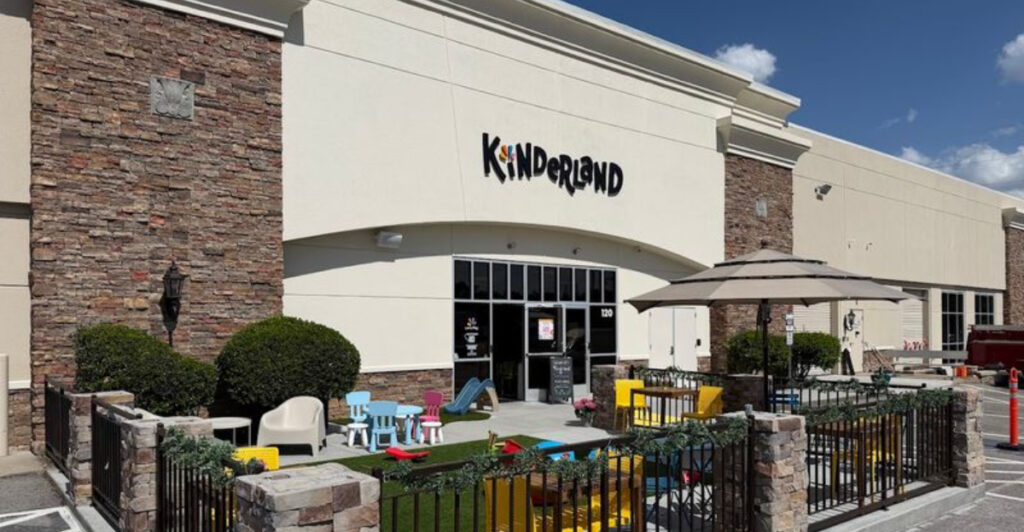
Finding a place where kids can run wild while parents actually relax sounds too good to be true, but Kinderland Hendersonville makes it happen every single day. This indoor playground and café combo in Hendersonville has earned a near-perfect rating from families who keep coming back for more.
With thoughtful design that keeps little ones entertained and grown-ups caffeinated, it’s become the go-to spot for playdates, birthday parties, and those rainy Tennessee days when everyone needs to burn off energy.
A Massive Open Play Space That Gives Kids Room to Really Move
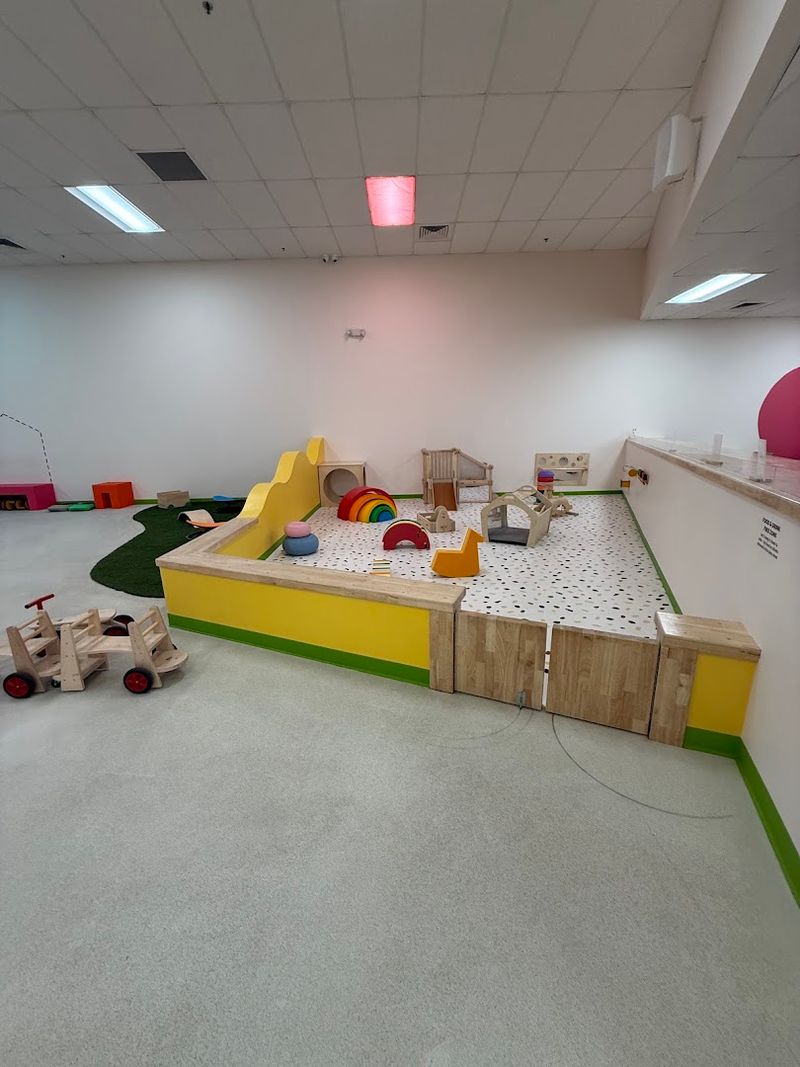
Walking into Kinderland feels different from those cramped, overstimulating play places where you’re dodging bodies every two seconds. The space stretches out with high ceilings and an open layout that lets kids actually run without crashing into someone else’s toddler.
Parents can see the entire play area from almost anywhere, which means you can sip your coffee without doing constant head counts.
The design uses soft curves and muted colors that somehow manage to be fun without making your brain hurt. Background music stays where it belongs—in the background—so you can actually have a conversation with another adult.
Everything feels intentional, from the spacing between play zones to the way natural light fills the room.
Kids of different ages find their groove here because there’s enough variety to keep everyone happy. Your crawler won’t get trampled by the bigger kids racing around, and your energetic five-year-old won’t get bored after ten minutes.
The open concept means siblings can play separately but you can still watch both without developing a neck cramp.
Families mention how the space never feels crowded even during busy times. The thoughtful layout creates natural flow patterns that prevent bottlenecks and chaos.
You’ll notice staff members wiping down surfaces throughout the day, maintaining that fresh, clean feeling that makes you comfortable letting your baby mouth everything in sight.
This isn’t just a place to kill time on a rainy afternoon. The spaciousness transforms it into somewhere kids genuinely want to go, and parents don’t dread.
That combination explains why families buy membership passes and return week after week, making Kinderland part of their regular routine rather than a one-time visit.
The Legendary Sand Room That Kids Won’t Stop Talking About
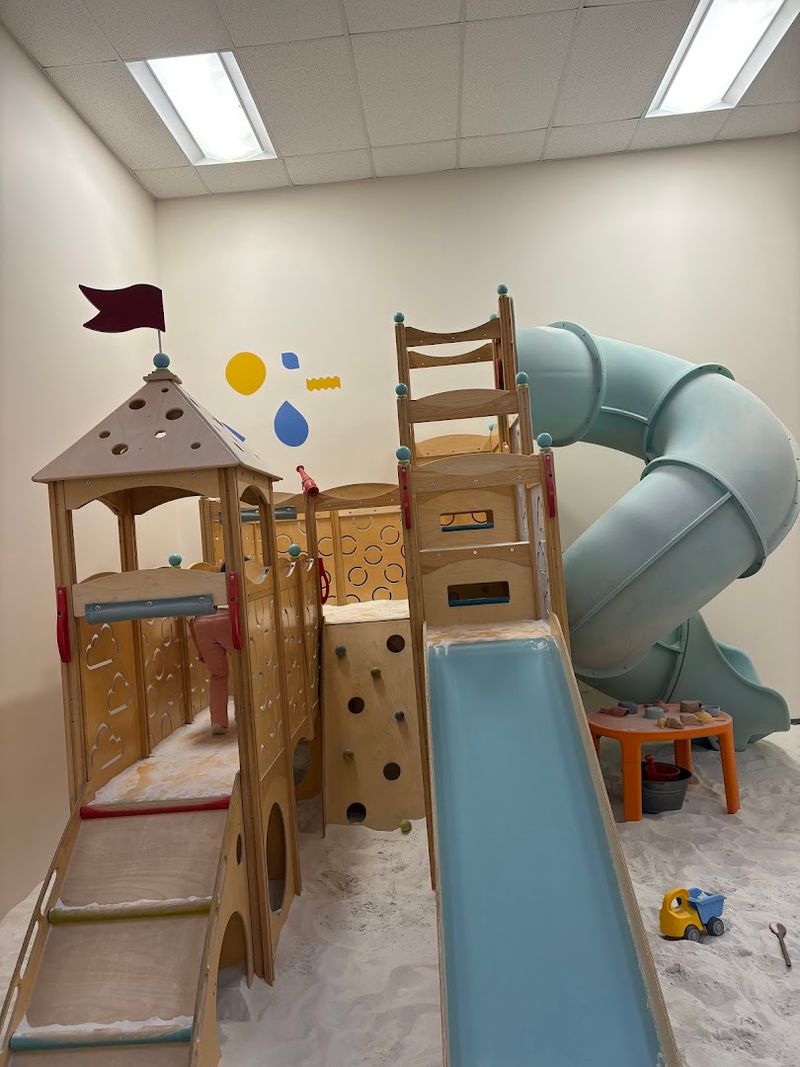
Parents whisper about the sand room like it’s some kind of secret weapon for exhausting their kids in the best possible way. Picture a full playground set planted right in the middle of an indoor sand area, giving children that beach experience without the sunburn or gritty car seats.
Four-year-olds literally lose track of time digging, building, and climbing in this setup.
The genius here is combining two things kids naturally love—sand play and climbing—into one contained space. Your child gets the sensory experience of beach sand with the physical challenge of playground equipment, all while you stay comfortably inside.
No wind blowing sand into anyone’s eyes, no random dogs running through the sandcastles, just pure uninterrupted play.
What makes this different from a basic sandbox is the scale and cleanliness. The sand stays remarkably clean because it’s indoors and regularly maintained.
Parents notice this immediately because letting kids play in sand usually means accepting a certain level of grossness, but Kinderland keeps it surprisingly pristine.
The playground structure within the sand adds vertical play to the tactile experience. Kids climb up, slide down into soft sand, then start the whole process over.
It’s the kind of repetitive play that somehow never gets old for children but would drive adults crazy if they had to participate.
Families specifically book return visits just for sand room access. One mom mentioned her child brought it up unprompted days later, which any parent knows is the ultimate seal of approval.
The combination of physical activity and creative play wears kids out in that good way where they’ll actually nap in the car on the way home.
Plant-Based Coffee That’s Actually Good Enough to Brag About
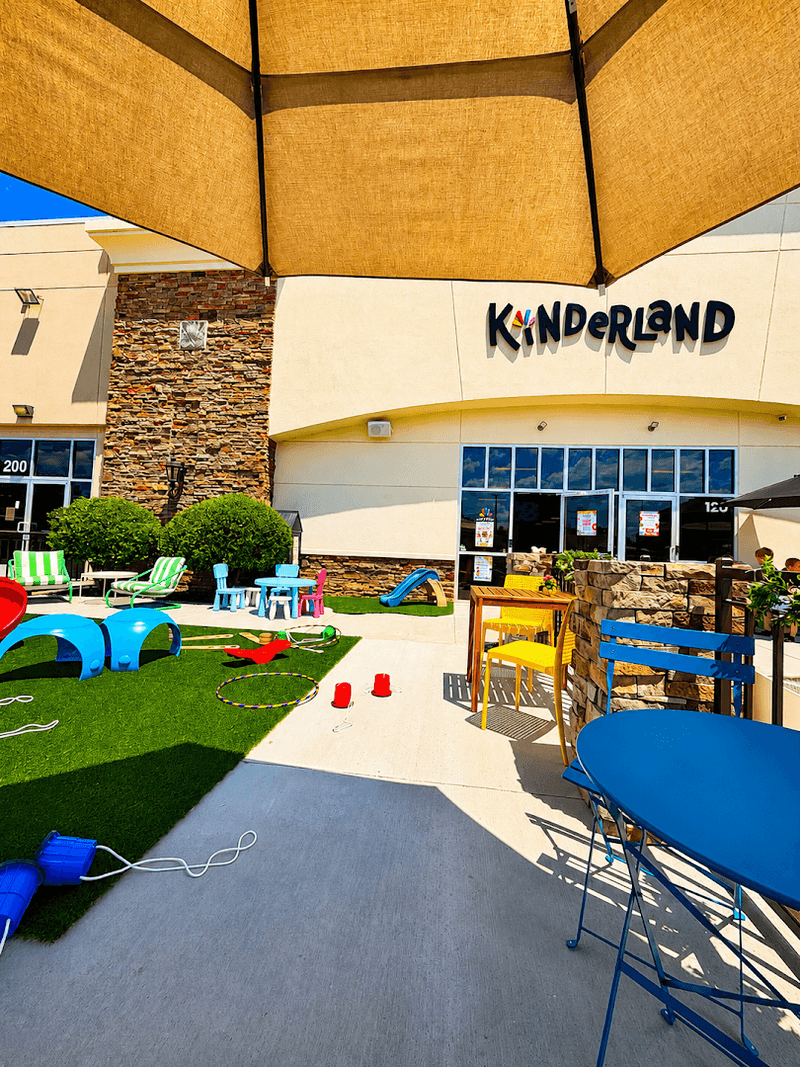
Most play place coffee tastes like it was brewed sometime last week and reheated in a microwave that’s seen better days. Kinderland’s café flips that script completely with plant-based drinks that parents genuinely get excited about.
One visitor called it some of the best coffee she’d ever had, which is saying something when you’re comparing it to actual coffee shops, not just kid venue standards.
The menu goes beyond basic drip coffee with options like pink glow matcha and hazelnut dream lattes. These aren’t dumbed-down versions of coffee drinks—they’re legit beverages that happen to be available while your toddler destroys a block tower.
The baristas know what they’re doing, which matters when you’re paying for quality and desperately need caffeine.
Parents specifically mention adding the barista package to birthday parties, treating it like a real amenity rather than an afterthought. That tells you the coffee stands on its own merit.
Adults actually recommend arriving early to parties just to grab a cup before things get chaotic, which never happens when the coffee is mediocre.
The plant-based focus means dietary restrictions don’t become a whole thing. Whether you’re vegan, lactose intolerant, or just prefer oat milk, you’re covered without having to explain your life choices to a confused teenager behind a counter.
The café integrates seamlessly into the play space, so you can order, grab your drink, and get back to watching your kid without missing anything.
Having legitimately good coffee available transforms the parent experience from tolerable to actually pleasant. You’re not just surviving your child’s playtime—you’re enjoying a quality beverage while they burn energy.
That small upgrade makes spending hours here feel less like a parental duty and more like a decent way to pass a morning.
Birthday Parties Where Parents Don’t Have to Do Anything
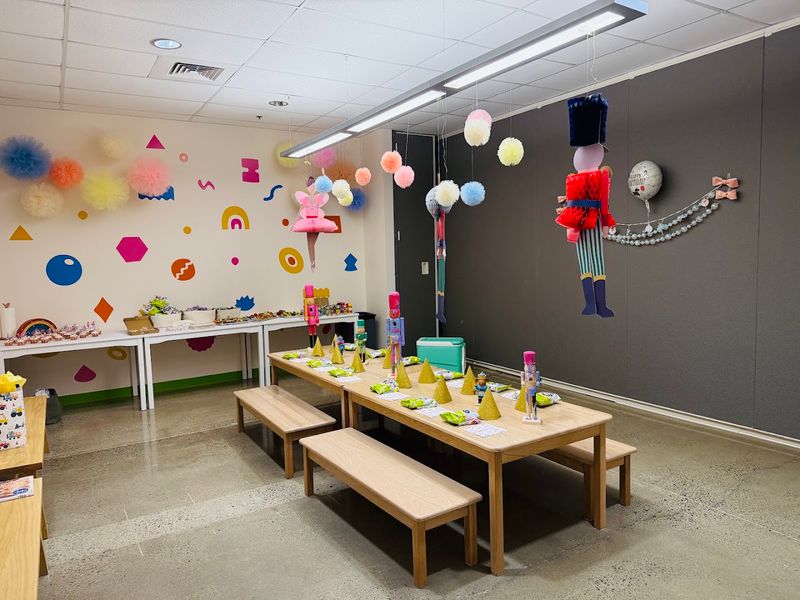
Hosting a birthday party usually means you’re simultaneously entertaining kids, cutting cake, cleaning up spills, and wondering why you didn’t just do pizza at home. Kinderland removes basically all of that stress by assigning you a party concierge who handles everything from setup to cleanup.
Staff members literally meet you at your car to help unload, which already puts them ahead of 99% of party venues.
The party room comes decorated with standard setups that look good enough you don’t need to bring much. One family added nutcracker music for their daughter’s obsession, and staff had it playing when they arrived—that kind of attention to detail makes parents feel heard.
The room stays spacious even with ten kids running around, preventing that claustrophobic feeling some party spaces create.
Throughout the event, staff check in periodically without hovering. They help serve food, manage timing, and clean up spills as they happen.
When the party ends, they handle breakdown while you load presents into your car. Parents consistently mention how this setup lets them actually enjoy their child’s birthday instead of stress-sweating through it.
The optional add-ons like candy bars and barista service turn a good party into something kids remember. The German candy is dye-free and comes in enough variety that picky eaters find something they like.
Having coffee available for early parties means adults show up willingly rather than grudgingly, improving the whole vibe.
Families book return parties after experiencing how smooth the process runs. When your biggest party task is showing up and enjoying yourself, that venue becomes your automatic choice for future celebrations.
The built-in entertainment of the play space means kids stay occupied without elaborate planning, and exhausted children at the end count as a major win for everyone involved.
A Dedicated Toddler Area Where Babies Can Explore Safely
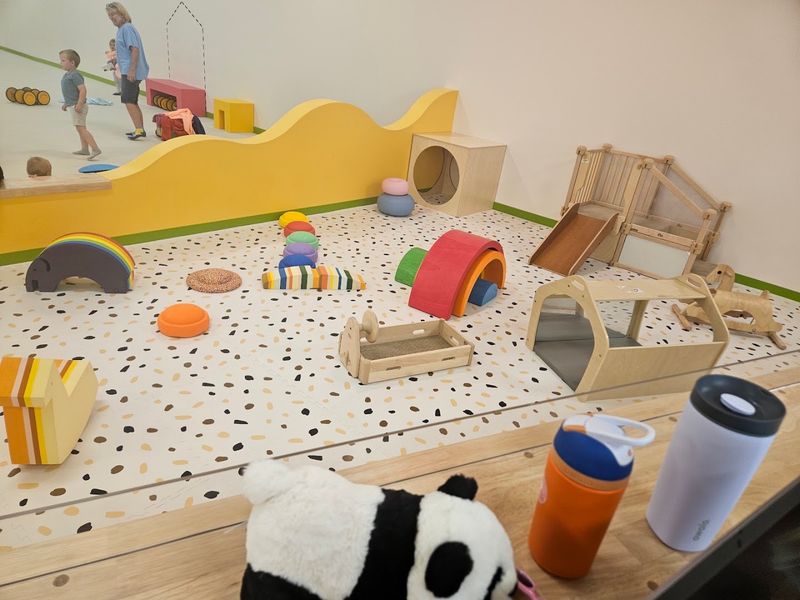
Bringing an infant or young toddler to a general play space usually means hovering constantly to prevent bigger kids from accidentally flattening your crawler. Kinderland’s separated toddler zone solves this problem by creating a contained area with age-appropriate toys where little ones can explore without getting steamrolled.
An 11-month-old can practice crawling without mom having a heart attack every three seconds.
The toy selection in this area focuses on developmental stages rather than just shrinking down regular toys. You’ll find items that encourage crawling, standing, and early walking—activities that matter when your baby is figuring out how their body works.
Everything stays low to the ground because toddlers have zero sense of self-preservation and will absolutely test gravity given the chance.
Parents with multiple kids especially appreciate this setup because their toddler gets appropriate stimulation while older siblings play elsewhere. You can position yourself where you see both areas, giving everyone age-appropriate fun without constant intervention.
The seven-month-old isn’t bored watching big kids, and the four-year-old isn’t restricted to baby activities.
The space stays clean enough that you don’t panic when your baby inevitably puts toys in their mouth. Staff maintain this area with the same attention as the rest of the facility, which matters tremendously when dealing with the under-two crowd who taste-test everything.
The soft surfaces and rounded edges show someone actually thought about what babies need.
First-time visitors with infants often express relief at finding a space designed for their child’s stage. Many indoor play places cater to the preschool crowd, leaving parents of babies feeling like they showed up too early.
This dedicated area makes Kinderland accessible from infancy through elementary years, extending its usefulness across your child’s entire early childhood.
The Private Reading Nook That Gives Everyone a Break
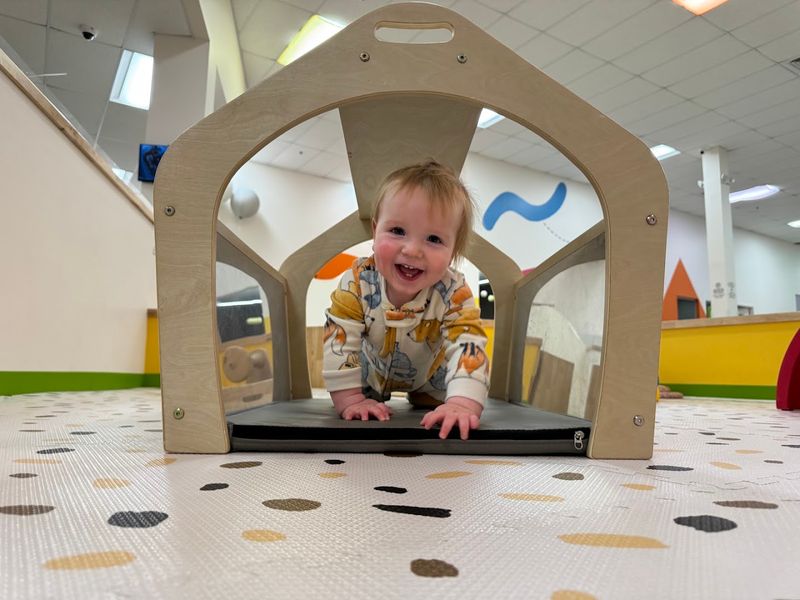
Sometimes kids need to downshift from full-speed chaos to something calmer, and the reading nook provides that transition space perfectly. Tucked away from the main action, it offers books and comfortable seating where an overstimulated toddler can reset without leaving the facility.
One mom mentioned using it for quiet time after her 11-month-old got overwhelmed by all the activity.
The nook serves double duty as a parent sanctuary when you need five minutes of relative peace. You can sit with your child and actually read a book together without competing with playground noise and other kids demanding attention.
It’s the kind of thoughtful addition that recognizes not every moment needs to be high-energy entertainment.
Having this space prevents meltdowns by giving kids an escape route when things get too intense. Instead of forcing overstimulated children to keep playing or dragging them home early, you can retreat to the reading area and let them decompress naturally.
This extends your visit time because kids can regulate themselves without a full exit.
The book selection includes options for various ages, so your preschooler finds picture books while your early reader tackles chapter books. Parents use this area strategically—after running wild in the sand room, a story break helps transition to lunch or prevents the overtired crash that ruins the car ride home.
What makes this feature special is its existence at all. Most play spaces maximize every square foot for active play, figuring parents want pure energy burn.
Kinderland understands that quality play includes quiet moments, giving children’s brains a chance to process all the stimulation. That balance between active and calm activities shows a deeper understanding of how kids actually function throughout a visit.
Adaptive Bathroom Features That Make Potty Training Less Painful
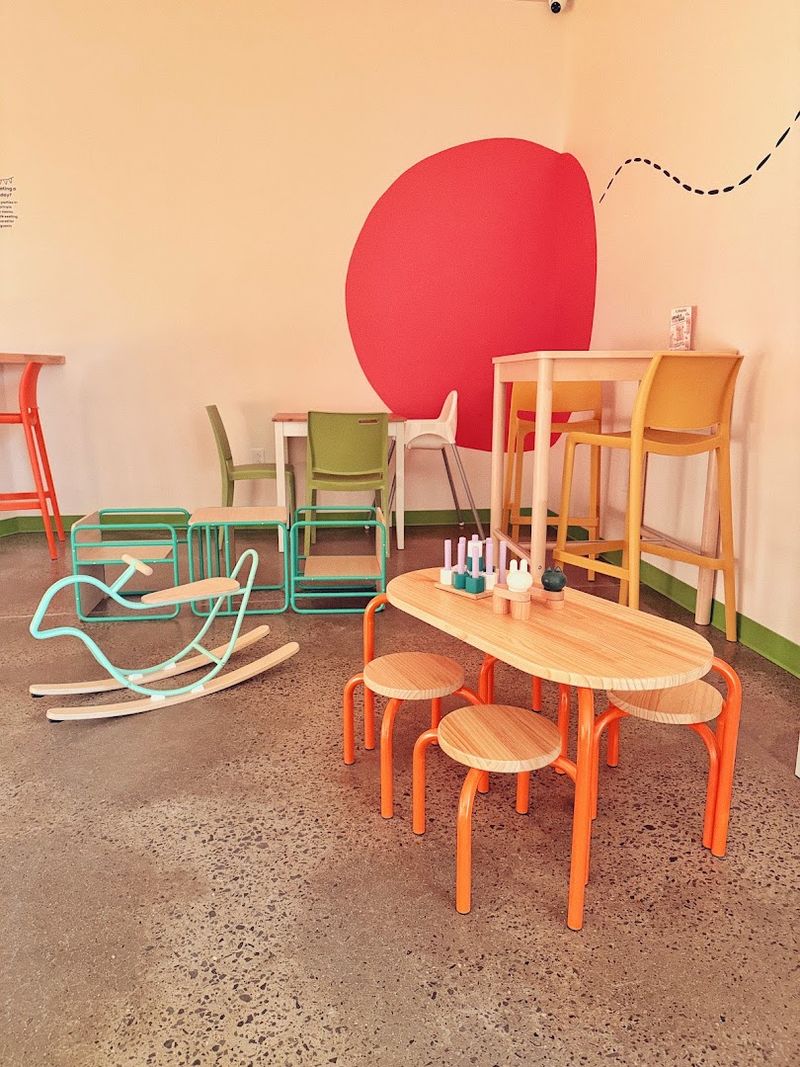
Public bathrooms with small children typically involve awkward hovering, risky balancing acts, and at least one near-disaster. Kinderland’s bathrooms include adaptive equipment specifically for potty-training toddlers, which sounds minor until you’re dealing with a three-year-old who insists they can do it themselves but definitely cannot reach anything.
These modifications transform bathroom trips from stressful negotiations into manageable routines.
The toddler-accessible features mean your child can actually participate in the process rather than you doing bathroom gymnastics to hold them over a regular toilet. Step stools, appropriately sized fixtures, and thoughtful placement of supplies let kids practice independence in a safe environment.
This matters enormously when you’re in the trenches of potty training and every successful attempt builds confidence.
Parents notice these details immediately because they’re so rarely considered in public spaces. Most places assume adults will handle everything, but anyone potty-training knows that children need to feel capable and in control.
The adaptive setup respects where kids are developmentally while keeping things sanitary and safe.
The bathrooms stay impressively clean throughout the day, which matters when your toddler touches every surface despite your protests. Staff maintain them with the same attention given to play areas, recognizing that bathroom anxiety can ruin an otherwise great outing.
Clean facilities mean you’re not doing the awkward hover-and-hope routine while your child uses the toilet.
This thoughtful approach to something as basic as bathrooms demonstrates Kinderland’s overall philosophy—design everything with actual families in mind rather than just meeting minimum requirements. When even the bathrooms make your life easier, you know someone really thought through the entire parent experience.
These small touches accumulate into a genuinely family-friendly environment rather than a kid space where adults merely supervise.
Dye-Free German Candy That Parents Actually Feel Okay About
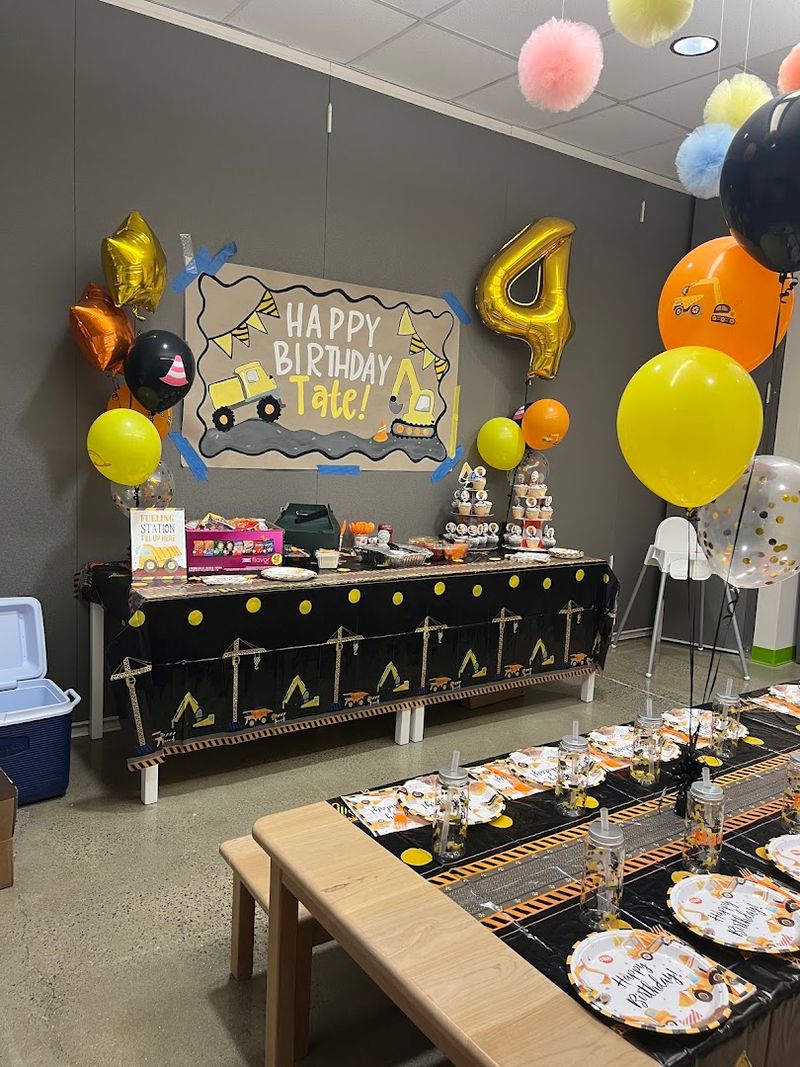
The candy bar situation at Kinderland deserves its own recognition because finding treats without artificial dyes and flavors feels nearly impossible in America. The German candy selection gives kids that sugar rush they’re after while parents avoid the artificial ingredients that turn children into tiny tornados.
Staff offer free samples, letting picky eaters test options before committing to anything.
What makes this special is the variety available within the dye-free constraint. German candy culture embraces natural ingredients and real fruit flavors, producing sweets that taste good without the chemical aftertaste.
Kids don’t feel deprived choosing from these options because the selection looks appealing and colorful despite lacking artificial dyes.
Parents add the candy bar to birthday party packages specifically because it solves the treat problem without compromise. You can let kids pick candy as a party favor or activity without worrying about ingredient lists or triggering sensitivities.
The dye-free aspect means children with restrictions or sensitivities can participate fully rather than watching everyone else enjoy treats.
The three-year-old who felt grown-up ordering his own selection demonstrates how the candy bar creates special moments beyond just eating sweets. Kids enjoy the process of choosing and the independence of making decisions, turning candy selection into an experience rather than just a transaction.
That engagement matters when you’re trying to make outings memorable.
Having quality candy available on-site prevents the post-play begging for gas station treats on the way home. Kids get their sugar fix from better-quality options, and parents avoid that awkward convenience store negotiation.
The German sourcing adds an educational element too—children experience treats from another culture, even if they’re too young to fully appreciate the geography lesson happening alongside their gummy bears.
Extended Hours That Actually Work for Working Parents
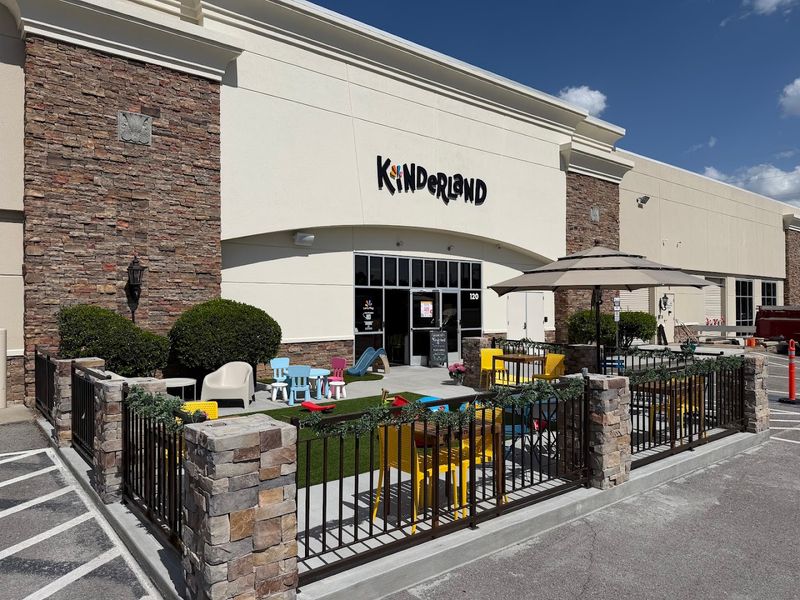
Finding kid activities outside traditional weekday morning hours challenges working parents who can’t make 10 AM playdates. Kinderland recently extended their hours after recognizing this gap, now offering Friday evenings until 6 PM and weekend availability that accommodates various schedules.
Parents specifically thanked them for this change because it demonstrates responsiveness to community needs.
The extended hours mean families can visit after work and school rather than only during business hours when most people are unavailable. Friday evening visits become a weekly ritual for some families, giving kids something fun to anticipate at the week’s end.
This flexibility transforms Kinderland from a stay-at-home parent resource into an option for all family structures.
Weekend hours from 10 AM to 6 PM on Saturdays provide generous windows for visits without requiring early morning commitments. Families can sleep in, have a relaxed breakfast, and still enjoy hours of play before dinner.
Sunday hours from 10 AM to 4 PM work well for those awkward weekend afternoons when everyone’s restless but it’s too late to start something major.
The Tuesday through Thursday morning schedule from 8 AM to 2 PM serves families with young children who aren’t in school yet. Early opening times accommodate parents who want to tire out toddlers before naptime, making the afternoon easier.
This variety in scheduling shows understanding that different families operate on different rhythms.
Being closed Mondays gives staff a consistent break while still offering six days of availability. The schedule balances business sustainability with community access, preventing burnout while maximizing usefulness.
Parents appreciate knowing they can plan visits around their schedules rather than rearranging life to fit limited hours. That accessibility makes Kinderland a realistic option for regular visits rather than special occasions only.
Staff Who Actually Understand Kids and Parents
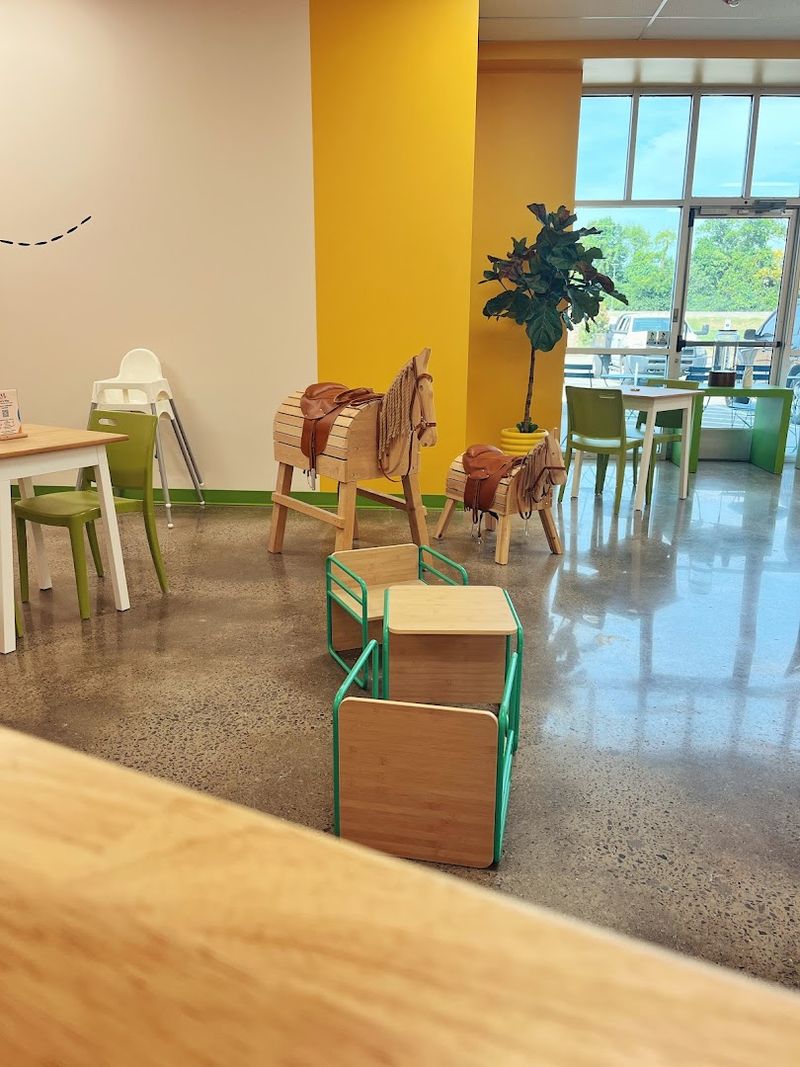
Staff quality makes or breaks any kid-focused business, and Kinderland’s team consistently earns specific mentions in reviews. Shelly gets called out by name multiple times for making families feel welcome from the moment they walk through the door.
That level of personal recognition doesn’t happen unless someone genuinely connects with visitors rather than just processing transactions.
The staff demonstrates attentiveness without hovering, checking in during parties and wiping down equipment between uses without making a production of it. Parents notice this balance because it’s rare—many places either ignore you completely or micromanage everything you do.
The Kinderland approach trusts parents to handle their children while remaining available for support.
During birthday parties, staff become legitimate helpers rather than just room monitors. They assist with unloading cars, setting up decorations, serving food, and managing cleanup.
This hands-on approach removes the stress that typically accompanies hosting events, letting parents actually participate in their child’s celebration. The party concierge concept works because staff genuinely engage with the role.
Team members show flexibility when weather or circumstances require schedule changes, working with families to reschedule rather than enforcing rigid policies. One family needed to move their party due to an ice storm, and Jan helped them find an alternative date without hassle.
That kind of understanding creates loyalty because parents remember who made their lives easier during stressful situations.
The staff’s knowledge about child development shows in how they’ve arranged spaces and selected toys. They understand what different ages need and can suggest activities when parents seem stuck.
This expertise elevates Kinderland beyond just providing space—they’re creating an environment where children genuinely thrive because knowledgeable adults designed everything with developmental stages in mind.