Property taxes across Tennessee have climbed sharply in recent years, and the impact is hitting families hard. Towns that once offered affordable living are now seeing longtime residents struggle to keep up with bills that have doubled or even tripled in some cases.
From Nashville to small rural communities, the story is the same: rapid growth, infrastructure demands, and reappraisals are pushing tax rates higher, forcing families to make difficult choices about whether they can afford to stay in the homes they’ve lived in for decades.
1. Nashville
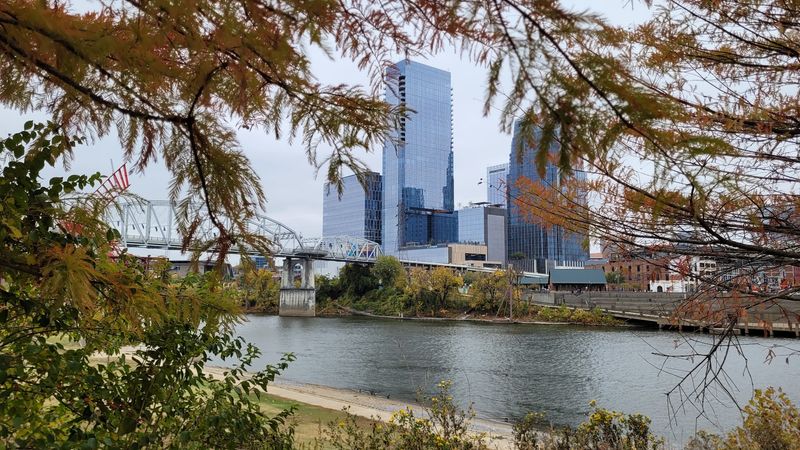
Nashville homeowners got hit with sticker shock in 2025 when a countywide reappraisal sent property values soaring. The median residential value jumped roughly 45%, and then the city followed up with a property-tax rate increase that compounded the pain. Families who had been comfortably making their payments suddenly faced bills hundreds or even thousands of dollars higher each year.
One Nashville resident made headlines when he publicly shared his fear of losing the family home he’d owned for decades. His story resonated with thousands of others in similar situations across Davidson County. The combination of skyrocketing appraisals and higher rates created a perfect storm that left many wondering if they could afford to stay in the city they’d called home for years.
The increases weren’t just numbers on paper—they represented real financial strain for working families, retirees on fixed incomes, and middle-class households already stretched thin by rising costs elsewhere. Many longtime Nashvillians found themselves priced out not by selling pressure but by their own tax bills. The city’s explosive growth brought jobs and development, but it also brought a tax burden that not everyone could shoulder.
Nashville officials argued the revenue was necessary to fund schools, infrastructure, and services for the rapidly expanding population. But for families facing displacement, those explanations offered little comfort. Some began looking at surrounding counties where tax rates remained lower, even if it meant longer commutes.
Others considered downsizing or moving out of Tennessee altogether.
The situation highlighted a painful reality: growth and affordability don’t always go hand in hand. Nashville’s success as a destination city came with a price tag that many of its existing residents simply couldn’t afford to pay.
2. Clarksville
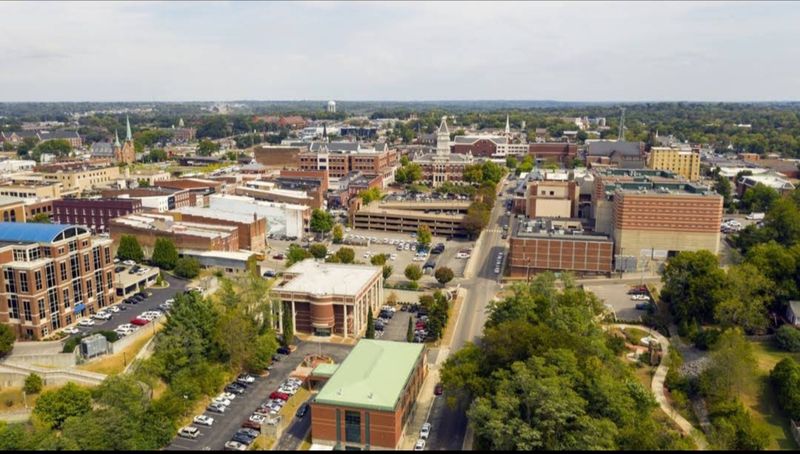
Clarksville approved property-tax increases in back-to-back budget cycles, leaving homeowners with little breathing room between hikes. The city council greenlit a nine-cent increase in July 2026, adding to an earlier bump that had already stretched household budgets. City leaders pointed to rapid growth as the culprit—new residents meant new demands for roads, schools, utilities, and emergency services.
The town’s proximity to Fort Campbell made it a magnet for military families and defense contractors, driving a population boom that strained existing infrastructure. Roads needed widening, water lines required expansion, and the school system scrambled to accommodate hundreds of new students each year. All of that cost money, and property taxes became the primary funding mechanism.
For longtime Clarksville residents, the consecutive increases felt relentless. Many had chosen the town specifically because it offered affordable living compared to Nashville, just an hour away. Now they watched their tax bills climb year after year with no sign of slowing down.
Retirees who had paid off their mortgages found themselves struggling with tax payments that rivaled what some younger families paid in rent.
Local officials defended the increases as necessary investments in the community’s future. They argued that without adequate infrastructure and services, growth would stall and property values would suffer. But that reasoning didn’t ease the burden for families living paycheck to paycheck or those on fixed incomes who couldn’t simply earn more to cover higher taxes.
Some Clarksville homeowners began questioning whether they’d made the right choice settling there. The town’s affordability advantage was eroding fast, and families started exploring options in neighboring counties where tax rates hadn’t climbed as steeply.
3. Mount Juliet
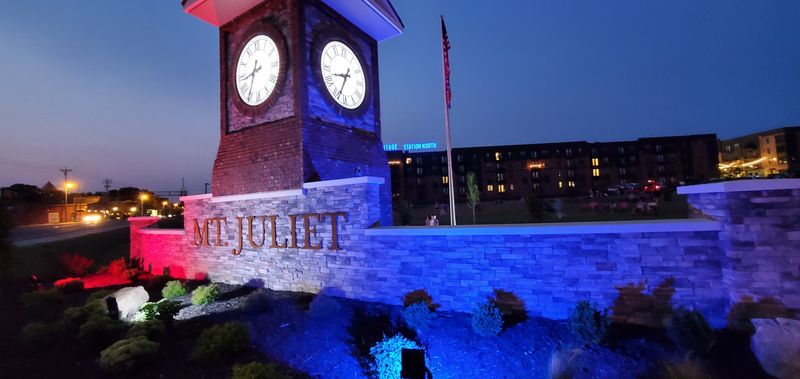
Mount Juliet city commissioners shocked homeowners when they more than doubled the municipal property-tax rate for the 2025–26 budget. The rate jumped from $0.11 to $0.29 per $100 of assessed value, representing one of the steepest single-year increases in the state. For a home assessed at $300,000, that meant an extra $540 in city taxes alone—not counting county and school levies.
The dramatic increase caught many residents off guard. Mount Juliet had marketed itself as an affordable alternative to Nashville, attracting young families and professionals who wanted suburban living without crushing costs. The rate hike shattered that image overnight and left homeowners scrambling to adjust their budgets.
City officials explained that years of keeping rates artificially low had created a funding shortfall. The town’s population had exploded, but its tax base hadn’t kept pace with the need for police, fire protection, parks, and road maintenance. Rather than continue cutting services or deferring maintenance, commissioners decided to make a significant one-time adjustment to bring revenues in line with expenses.
Homeowners didn’t see it that way. At packed city council meetings, residents voiced anger and frustration over what they viewed as fiscal mismanagement. Some argued the city should have raised rates gradually rather than hitting them with a massive increase all at once.
Others questioned whether Mount Juliet’s rapid growth had been properly planned or if officials had simply encouraged development without considering the long-term costs.
The fallout was immediate. Real estate agents reported increased interest from Mount Juliet homeowners looking to relocate to nearby towns with lower tax rates. Some families felt betrayed by a city that had promised affordability but delivered the opposite.
4. Jonesborough
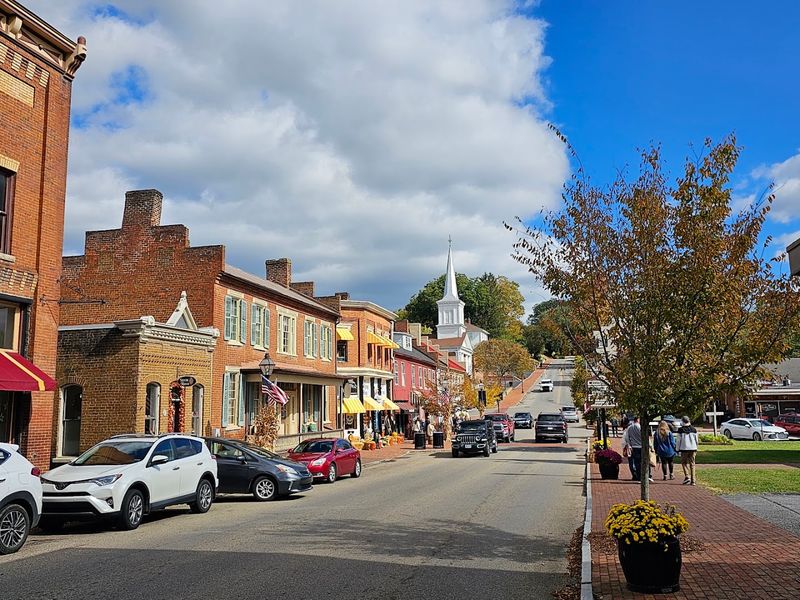
Jonesborough, Tennessee’s oldest town, joined a wave of municipalities approving higher property-tax rates for the 2025–26 fiscal year. The historic community, known for its preserved 18th-century architecture and storytelling festival, found itself facing the same budget pressures as larger cities across the state. Rising costs for basic services forced town leaders to choose between cutting programs or asking residents to pay more.
The decision to raise taxes wasn’t easy in a town where many residents took pride in Jonesborough’s small-town character and affordable living. Families who had spent years restoring historic homes or running small businesses on the main square worried that higher taxes would undermine the very qualities that made the town special. Some feared that increased costs would drive away the artists, retirees, and young families who had revitalized the community in recent decades.
Town officials emphasized that the increase was modest compared to what other Tennessee communities were implementing. They also noted that Jonesborough’s tax rate had remained stable for several years, meaning the town had absorbed cost increases without passing them along to residents. Eventually, though, inflation in wages, fuel, equipment, and insurance made holding the line impossible.
For homeowners on fixed incomes, even a modest increase created hardship. Jonesborough attracted retirees drawn to its walkable downtown, cultural events, and slower pace of life. Many had bought homes specifically because they could afford the total cost of ownership, including taxes.
When that calculation changed, some began reconsidering whether they could afford to stay.
The situation illustrated how even small towns with stable populations couldn’t escape the broader economic forces driving tax increases across Tennessee. Jonesborough’s historic charm couldn’t shield its residents from modern fiscal realities.
5. Elizabethton
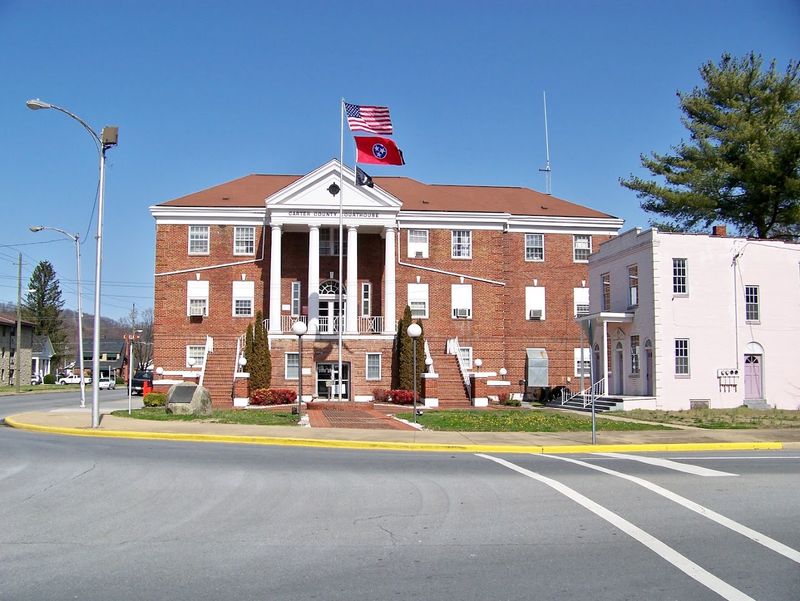
Elizabethton’s City Council voted unanimously to adopt a property-tax rate increase alongside its 2025–26 budget, marking a significant shift for the small East Tennessee community. The unanimous vote suggested officials saw no alternative to raising rates, even knowing it would burden residents already dealing with inflation in groceries, utilities, and healthcare. The increase reflected broader trends affecting rural Tennessee towns struggling to maintain services with limited revenue sources.
Located in the mountains of Carter County, Elizabethton had long offered affordable living for working-class families, retirees, and those seeking a slower pace of life. The town’s economy, once anchored by manufacturing, had diversified over the years, but it never became a major growth hub like cities closer to interstates. That meant property values remained relatively stable—until they didn’t.
The tax increase came at a particularly difficult time for Elizabethton residents. Many worked in industries hit hard by economic shifts, and wages in the region lagged behind state averages. Adding higher property taxes on top of stagnant incomes created real financial stress for households with little margin for error.
Some families began falling behind on payments, risking liens or even foreclosure.
City officials pointed to aging infrastructure, rising health insurance costs for municipal employees, and increased demand for emergency services as drivers of the budget shortfall. They argued that without the increase, the town would have to cut police patrols, reduce park maintenance, or delay road repairs. Residents understood the reasoning but still struggled with the outcome.
The unanimous vote didn’t mean residents supported the increase—it meant elected officials felt they had no other choice. That reality offered little comfort to families wondering how they’d cover the extra expense each year.
6. Humboldt
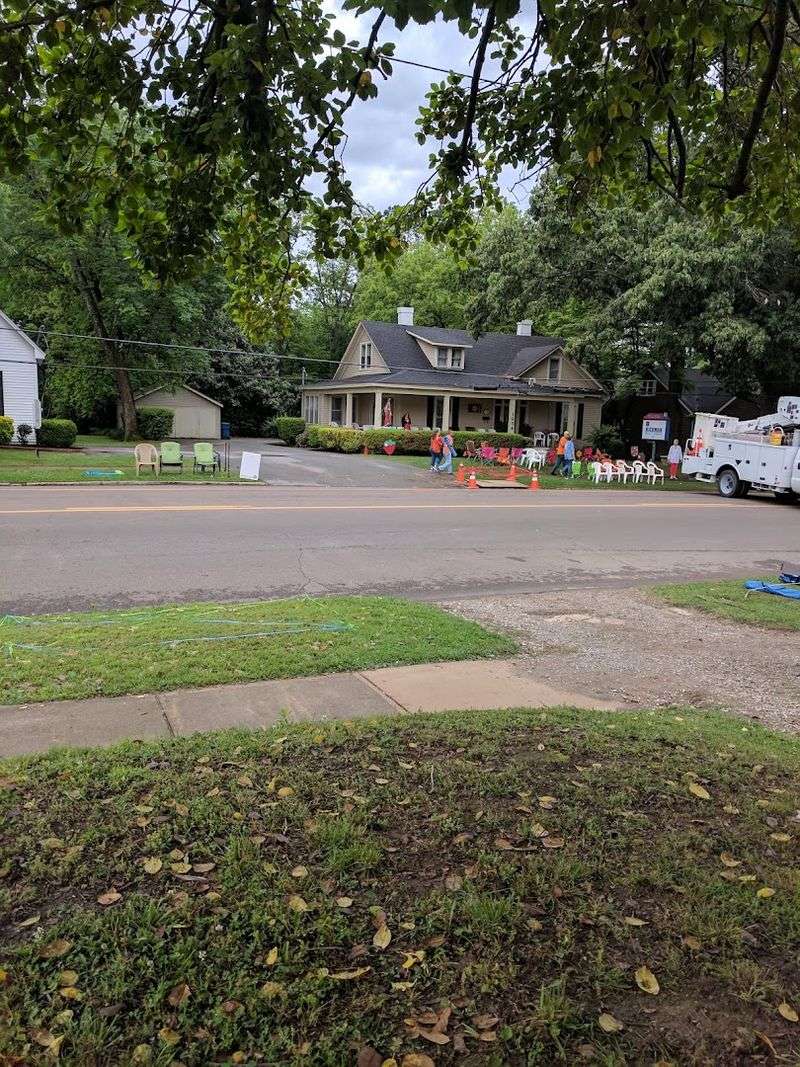
Humboldt officials approved a substantial 15-cent property-tax increase for the 2026–27 budget, citing cleanup costs and mounting municipal expenses. The West Tennessee town, located in Gibson County, had avoided major tax hikes for years, but deferred maintenance and unexpected costs finally caught up with the budget. The 15-cent jump represented one of the larger increases in the region and sent homeowners scrambling to figure out how it would affect their bottom line.
Cleanup expenses became a particularly contentious issue in Humboldt. The town faced costs related to environmental remediation, abandoned property maintenance, and storm damage that insurance didn’t fully cover. Officials argued these were one-time or irregular expenses that couldn’t be absorbed by the existing budget without cutting essential services.
Residents questioned why the town hadn’t built reserves to handle such situations.
For homeowners in Humboldt, where median property values remained well below state averages, even a 15-cent increase translated to meaningful dollars. Many residents worked in agriculture, manufacturing, or service jobs that didn’t offer big raises each year. Their property taxes were rising faster than their paychecks, squeezing household budgets that were already tight.
Some families started looking at homes across the county line where tax rates were lower.
Municipal expenses also climbed as Humboldt tried to maintain aging infrastructure and provide services residents expected. Water and sewer systems needed upgrades, streets required repaving, and the town’s small police and fire departments needed equipment and personnel. All of that cost money, and property taxes were the primary local revenue source.
The increase sparked heated debate at town meetings, with some residents accusing officials of mismanagement and others defending the difficult choices leaders faced. Either way, homeowners were left holding the bill.
7. Ashland City
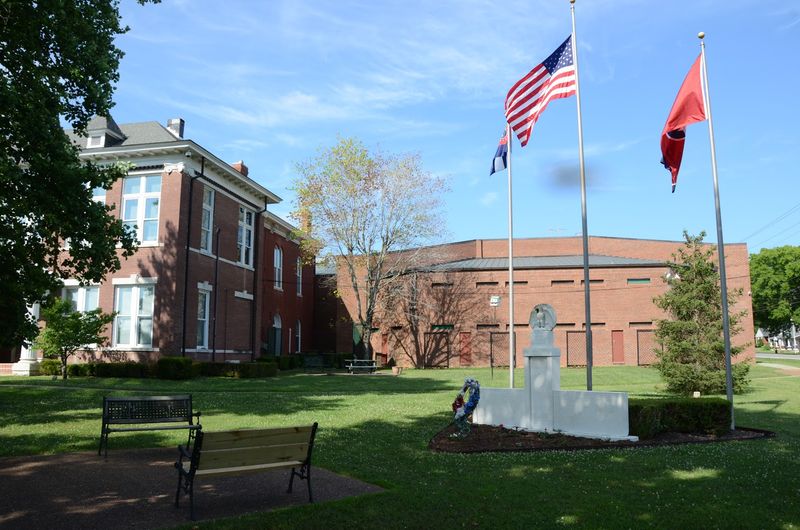
Ashland City’s budget for the fiscal year included a ten-cent property-tax increase as officials worked to balance employee compensation with growing town expenses. The Cheatham County seat faced pressure to raise wages for police officers, firefighters, and public works employees who were leaving for higher-paying jobs in nearby counties. Without competitive salaries, the town risked losing experienced personnel and struggling to recruit replacements.
The wage issue became a flashpoint in budget discussions. Town employees argued they deserved pay that reflected their skills and the cost of living in Middle Tennessee, which had risen sharply in recent years. Officials agreed but pointed out that higher salaries required higher revenues, and property taxes were the most reliable source.
Homeowners found themselves caught between supporting fair wages for public employees and protecting their own financial stability.
Ashland City’s location along the Cumberland River made it attractive to Nashville commuters seeking more affordable housing and a small-town atmosphere. That appeal drove steady population growth, which in turn increased demand for services. More residents meant more calls for police and fire departments, more wear on roads, and more need for parks and recreation programs.
For families who had moved to Ashland City specifically to escape higher costs in Davidson County, the tax increase felt like the affordability advantage was slipping away. Some had stretched their budgets to buy homes, counting on lower property taxes to offset longer commutes. Now they watched those savings erode year by year as Ashland City’s rates crept upward.
Town officials emphasized that the increase was modest compared to other Middle Tennessee communities and that Ashland City still offered better value than many alternatives. But homeowners facing tighter budgets didn’t find much comfort in being less expensive than places they couldn’t afford in the first place.
8. Pulaski
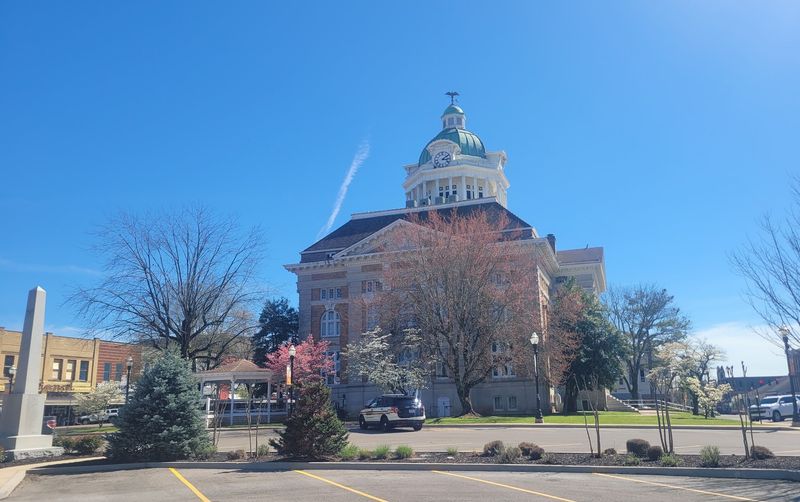
Pulaski homeowners found themselves in the crossfire of a contentious Giles County budget debate where officials considered a massive 56-cent county property-tax increase. While the town itself didn’t control the county rate, Pulaski residents would bear the brunt of any increase since they paid both municipal and county taxes. The proposed hike sent shockwaves through the community and triggered intense public opposition.
Giles County officials argued the increase was necessary to fund schools, maintain roads, and provide basic services across the rural county. Revenues hadn’t kept pace with expenses, and the county faced tough choices about whether to cut programs or raise taxes. The 56-cent proposal represented one of the steepest increases under consideration anywhere in Tennessee that year, reflecting just how severe the budget shortfall had become.
Pulaski residents packed county commission meetings to voice their opposition. Many argued the increase was too large, too sudden, and would devastate families already struggling with inflation. Retirees on fixed incomes said they couldn’t absorb such a dramatic jump without making painful sacrifices.
Young families worried they’d have to choose between paying property taxes and saving for their children’s education or their own retirement.
The debate revealed deep divisions within the community about priorities and fiscal responsibility. Some residents blamed county leaders for poor planning and wasteful spending. Others defended officials, arguing that years of holding taxes artificially low had created an unsustainable situation.
The proposed increase became a lightning rod for broader frustrations about government, taxes, and the direction of the county.
Whether or not the full 56-cent increase ultimately passed, Pulaski homeowners faced the reality of higher bills. Even a scaled-back version would significantly impact household budgets and force difficult decisions about whether staying in Giles County made financial sense.
9. Memphis
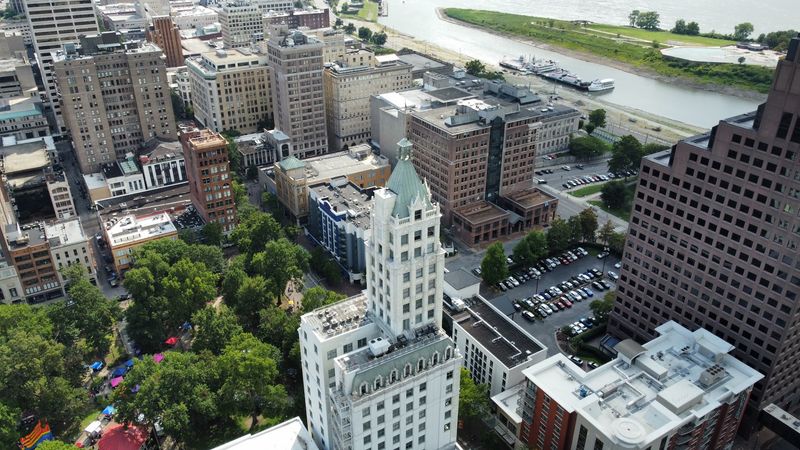
Memphis recorded one of the nation’s sharpest recent increases in average single-family property-tax bills, with reported growth of roughly 34%. For Tennessee’s second-largest city, that translated to thousands of homeowners seeing their bills jump by hundreds or even thousands of dollars annually. The increases hit a city already grappling with economic challenges, population loss, and a tax base that hadn’t kept pace with the need for services.
The dramatic jump stemmed from a combination of factors, including reappraisals that caught up with market values, rate adjustments by overlapping taxing jurisdictions, and the city’s ongoing struggle to fund schools and basic services. Memphis faced unique pressures as an urban center with aging infrastructure, high poverty rates, and limited revenue sources beyond property taxes. When those taxes spiked, the burden fell hardest on working-class neighborhoods and longtime residents.
Many Memphis homeowners felt blindsided by bills that seemed to bear no relation to their actual ability to pay. Property values in some neighborhoods had risen on paper, but residents weren’t seeing corresponding increases in income or wealth. They weren’t planning to sell, so the higher assessed values offered no benefit—just a bigger tax bill.
Some elderly residents, who had paid off mortgages decades ago, now faced the prospect of losing homes to tax liens.
The situation sparked calls for property-tax reform at the state level, with Memphis advocates arguing that Tennessee’s heavy reliance on property taxes created unsustainable burdens for homeowners. Critics pointed out that the state had no income tax, meaning local governments had fewer options for raising revenue. That left property taxes as the default solution whenever budgets came up short.
For families deciding whether to stay in Memphis or relocate to suburbs in DeSoto County, Mississippi, or Fayette County, Tennessee, property taxes became a major consideration. The city’s higher rates and steeper increases pushed some residents to leave.
10. Franklin
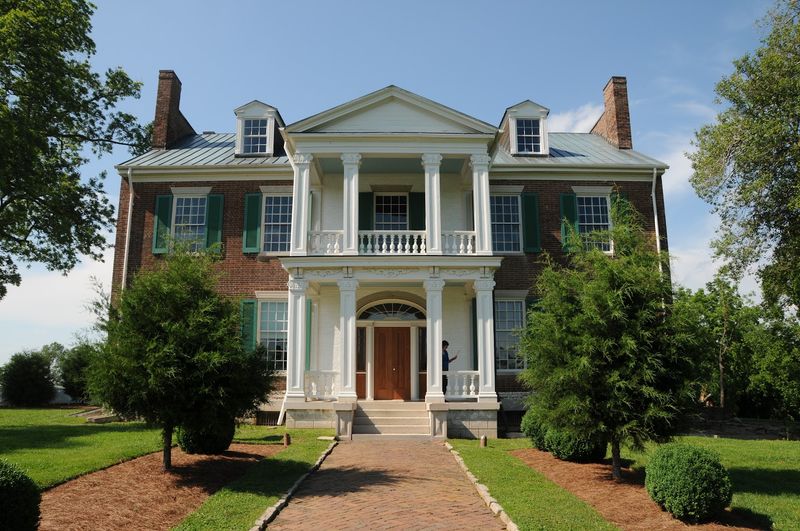
Franklin homeowners faced potential sticker shock from Williamson County’s rapid appreciation and 2025 reappraisal, which placed many at risk of significantly larger tax bills. The county’s popularity as a destination for Nashville commuters, corporate relocations, and affluent retirees drove property values to record levels.
When reappraisals captured those gains, homeowners discovered their assessed values had jumped 30%, 40%, or even 50% in some cases.
The math behind property taxes confused many Franklin residents who assumed reappraisal automatically meant higher bills. In reality, if all properties appreciated equally, the county could lower the tax rate proportionally and homeowners would pay roughly the same amount. But appreciation wasn’t uniform—some neighborhoods and property types increased faster than others.
Homeowners in hot areas got hit with bigger increases while those in slower-growth pockets saw smaller jumps or even decreases.
Franklin’s desirability created a double-edged sword for existing residents. Their home equity soared, which was great if they planned to sell and move somewhere cheaper. But for families who wanted to stay, that equity was locked up while their tax bills climbed year after year.
Retirees who had bought homes decades ago for a fraction of current values now owed taxes based on assessments that seemed absurdly high compared to what they originally paid.
Williamson County officials walked a tightrope between maintaining services that attracted residents and businesses while keeping taxes manageable for existing homeowners. The county’s excellent schools, low crime, and quality of life came with a price tag that not everyone could afford. Some longtime Franklin families began looking at surrounding counties where they could buy similar homes with lower tax burdens.
The situation highlighted how success and growth could price out the very people who built a community. Franklin remained one of Tennessee’s most desirable places to live, but for an increasing number of residents, desirability came at a cost they could no longer afford.