Tennessee road trips don’t have to drain your bank account to deliver memorable experiences. From ancient earthworks and Civil War battlefields to quirky small towns and waterfall hikes, the state offers dozens of destinations where parking is free, admission is low or nonexistent, and the scenery rivals anything you’d pay premium prices to see elsewhere.
Whether you’re planning a weekend getaway or a series of day trips, these budget-friendly spots prove that the best adventures often cost the least.
1. Tiptonville and Reelfoot Lake
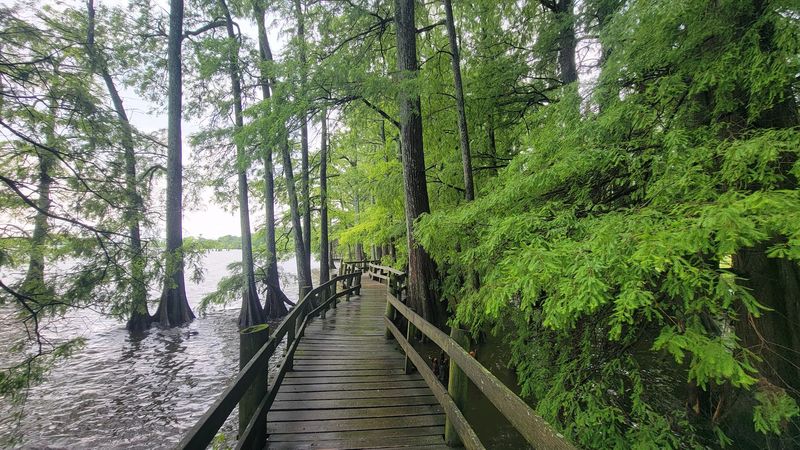
Reelfoot Lake sits in Tennessee’s northwest corner like a secret the rest of the state forgot to mention. Formed by earthquakes in the early 1800s, this shallow natural lake stretches across nearly 15,000 acres of flooded cypress forest, creating one of the most unusual landscapes you’ll find anywhere in the South. Boardwalks wind through the trees, giving you front-row seats to turtles, herons, and the occasional bald eagle without requiring a boat or a guide.
Winter transforms Reelfoot into one of the best eagle-watching spots in the region. Dozens of bald eagles migrate here between December and March, perching in the bare cypress branches and diving for fish just offshore. The state park offers free eagle tours on weekends during peak season, led by naturalists who know exactly where the birds like to hang out.
Tiptonville itself is a tiny town with a handful of local restaurants and a laid-back vibe that matches the lake. You won’t find chain hotels or tourist traps here—just mom-and-pop catfish joints, a small museum, and plenty of locals who’ll point you toward the best sunset spots. Pack a picnic, bring binoculars, and plan to spend the afternoon wandering the boardwalks.
The park charges no entrance fee, and most trails are short enough for families with young kids. Fishing is popular year-round, and if you time your visit right, you might catch one of the park’s seasonal programs on lake ecology or local history. Reelfoot Lake State Park proves that some of Tennessee’s most striking scenery comes without a price tag, and the drive through rural farmland only adds to the charm of discovering this hidden gem.
2. Trenton
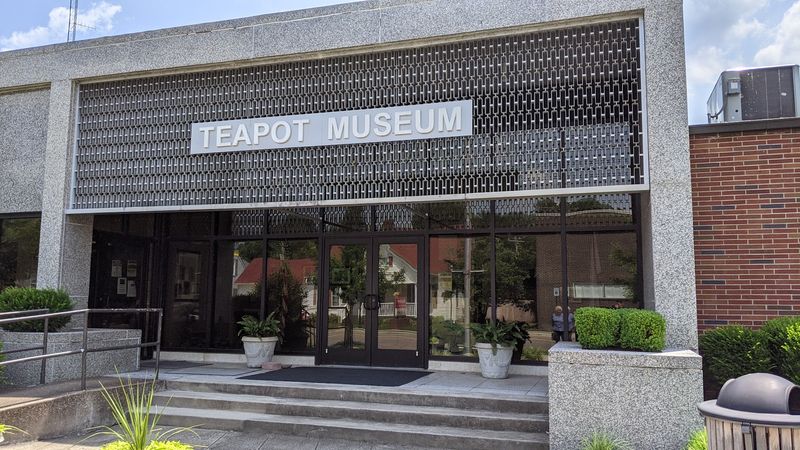
Trenton built a museum dedicated entirely to teapots, and somehow that one quirky decision turned this small West Tennessee town into a destination worth the detour. The Teapot Museum houses hundreds of teapots in every shape, size, and level of absurdity you can imagine—ceramic chickens, miniature castles, presidential portraits, and designs so strange you’ll wonder who greenlit them in the first place.
Downtown Trenton radiates small-town charm without trying too hard. Historic storefronts line the square, several converted into antique shops and local boutiques where you can browse without feeling pressured to buy. A handful of cafes and diners serve up Southern comfort food at prices that remind you what lunch used to cost before everything got expensive.
The town also hosts the annual Teapot Festival each May, drawing vendors, live music, and teapot collectors from across the region. Even if you’re not a teapot enthusiast—and let’s be honest, most people aren’t—the festival offers a fun excuse to explore Trenton when the weather’s perfect and the town’s at its liveliest.
Trenton sits close enough to Reelfoot Lake that you can easily combine both into a single day trip, giving you a mix of natural beauty and offbeat Americana. The teapot theme might sound gimmicky, but the museum’s sincerity and the town’s unpretentious friendliness make it work.
Sometimes the best road trips involve destinations you’d never think to visit on purpose, and Trenton delivers exactly that kind of pleasant surprise without asking you to spend much money in the process.
3. Pinson Mounds
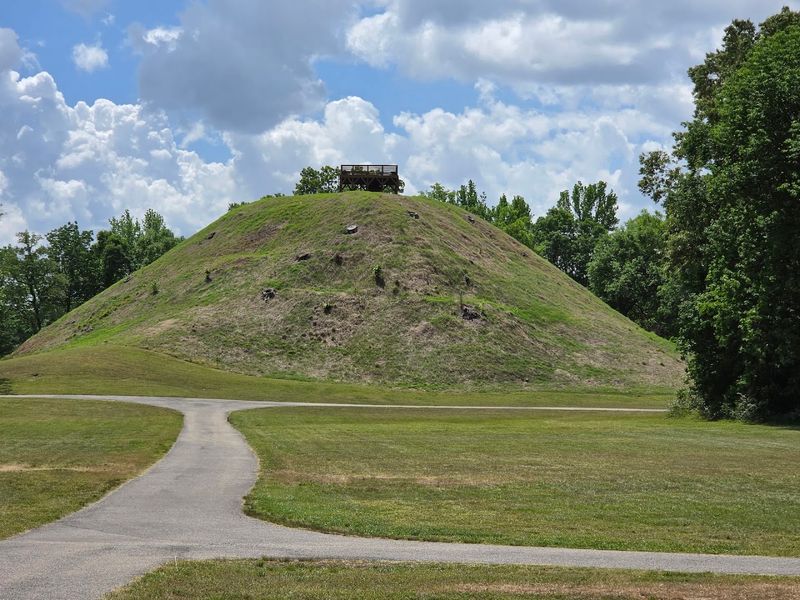
Walk among some of the largest prehistoric earthworks in the United States, and you won’t pay a dime to do it. Pinson Mounds State Archaeological Park protects a complex of ceremonial mounds built by Indigenous peoples more than a thousand years ago. The largest mound rises 72 feet above the surrounding forest, and trails wind past smaller mounds, ancient village sites, and interpretive markers that explain what archaeologists have learned from decades of excavation.
The park’s museum offers context you’ll want before hitting the trails. Exhibits showcase artifacts recovered from the site—pottery, tools, ornaments—and explain the social structures and trade networks that connected these early communities across the Southeast. The museum building itself is designed to blend into the landscape, with large windows overlooking the mounds and forest beyond.
Hiking here feels different from other state parks because you’re walking through a landscape shaped by human hands long before European contact. The trails are easy, mostly flat, and shaded by hardwood forest that turns brilliant in autumn. Spring wildflowers carpet the understory, and the lack of crowds means you’ll often have entire sections of the park to yourself.
Pinson Mounds sits in rural West Tennessee, far enough off the interstate that most tourists skip it entirely. That’s their loss. The site offers a rare chance to connect with Tennessee’s deep history without fighting through gift shops or paying admission fees.
Bring water, wear comfortable shoes, and give yourself a couple of hours to explore both the museum and the trails. The mounds have stood for over a millennium, and visiting them costs nothing but time and attention—a pretty good deal for experiencing something genuinely ancient and significant.
4. Savannah and Shiloh
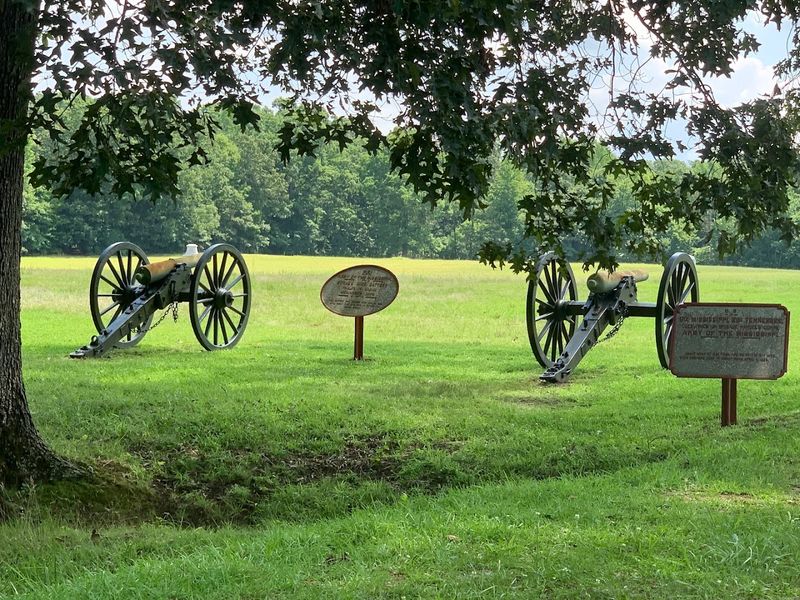
Shiloh National Military Park preserves one of the Civil War’s bloodiest battlefields, where more than 23,000 soldiers were killed, wounded, or went missing over two April days in 1862. The park sprawls across nearly 4,000 acres of rolling terrain that looks much as it did during the battle—open fields, patches of forest, and monuments marking where regiments fought and fell.
Driving or biking the tour route takes you past key sites, and interpretive signs explain the battle’s progression without glorifying the violence.
The visitor center offers a short film and museum exhibits that provide essential context before you explore the grounds. Rangers lead programs on weekends, and the bookstore stocks detailed histories if you want to go deeper. Admission to the park is free, though there’s a small fee per vehicle that helps maintain the roads and facilities.
Savannah, just a few miles north, sits along the Tennessee River with a historic downtown worth an hour or two of wandering. The town served as a strategic river port during the Civil War, and several buildings from that era still stand. Local restaurants serve catfish, barbecue, and other regional staples at prices that won’t make you wince when the check arrives.
Combining Savannah and Shiloh makes sense logistically and thematically—you get riverfront charm and somber history in one trip. The battlefield’s quiet landscape invites reflection, especially if you visit on a weekday when fewer visitors are around.
Walking among the monuments and reading the regimental markers brings home the scale of the conflict in a way that textbooks never quite manage, and doing it on a budget makes the experience accessible to anyone willing to make the drive into rural West Tennessee.
5. Paris and Paris Landing State Park
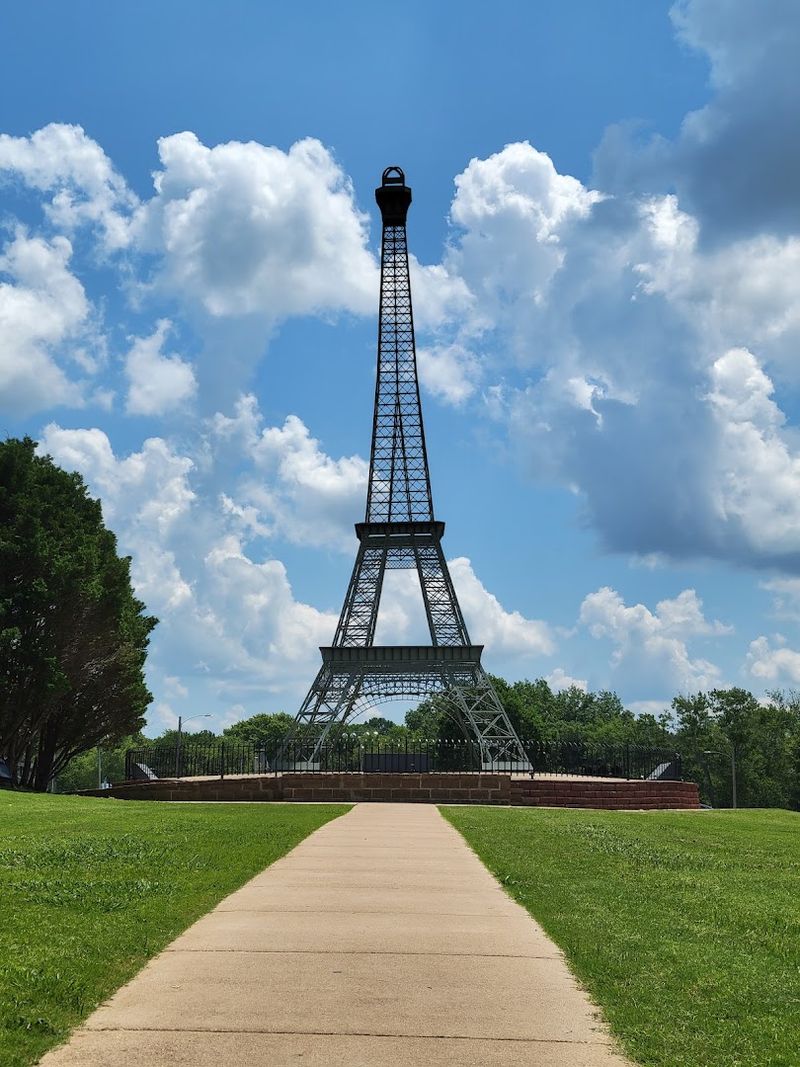
Paris, Tennessee, built a 60-foot Eiffel Tower replica in the 1990s, and it’s become the town’s calling card ever since. The tower stands in a small park near downtown, complete with a red crown that nods to the town’s high school mascot.
Downtown Paris itself is compact but charming, with locally owned shops, a historic courthouse square, and cafes that serve breakfast all day.
Paris Landing State Park sits about 15 miles east, right on the shores of Kentucky Lake. The park offers picnic areas, a swimming beach, hiking trails, and a marina where you can launch a boat if you brought one. Even if you didn’t, the lakeside views alone justify the drive.
Sunsets over the water are spectacular, and the park’s layout makes it easy to find a quiet spot away from the main beach area.
The combination of small-town quirkiness and lakeside recreation makes Paris a solid budget destination. You can spend the morning exploring downtown, grab lunch at a local diner, and spend the afternoon swimming or hiking at the state park—all without spending much beyond gas and a meal or two. The town hosts festivals throughout the year, including a World’s Biggest Fish Fry in the spring, but even on regular weekends, there’s enough to fill a day.
Paris doesn’t pretend to be anything other than a small Tennessee town with a sense of humor about its name. The Eiffel Tower replica is endearing rather than tacky, and the locals are genuinely friendly. Paris Landing State Park adds outdoor options that elevate the trip beyond just a novelty photo stop, making this northwest Tennessee destination a surprisingly well-rounded choice for travelers looking to stretch their dollars without sacrificing fun.
6. Hohenwald and the Natchez Trace Parkway
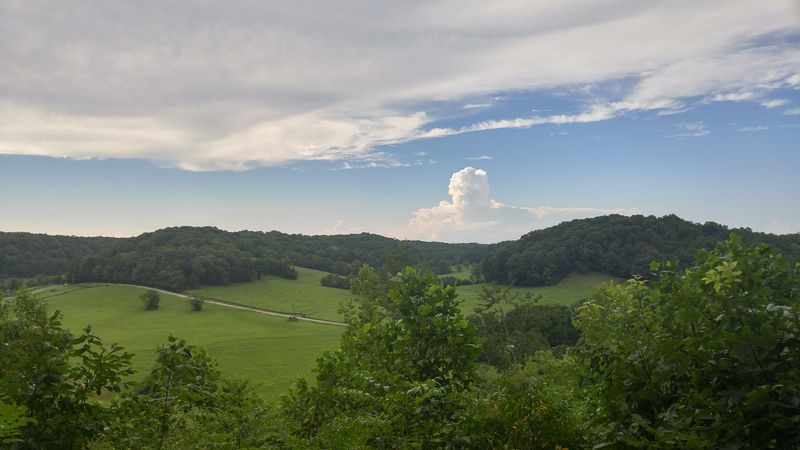
The Natchez Trace Parkway cuts diagonally through Tennessee’s midsection, offering 444 miles of two-lane blacktop free from billboards, stoplights, and commercial development. The National Park Service maintains the road, which follows a historic route used by Native Americans, traders, and settlers for centuries.
Driving it feels like stepping into a slower version of Tennessee, where the biggest decision is which overlook or trailhead to stop at next.
Hohenwald sits near the northern end of the Tennessee section, serving as a convenient base for exploring the parkway and surrounding area. The town is small and unpretentious, with a few local restaurants and a historic downtown that hasn’t changed much in decades. The Elephant Sanctuary is located here, though it’s not open to the public—still, knowing retired circus elephants roam nearby adds an unexpected layer to the town’s character.
The parkway itself offers dozens of free stops: short trails to waterfalls, overlooks with long views across ridges, historic markers explaining the route’s significance, and picnic areas tucked into the woods. Fall Branch Falls is a quick walk from the road and rewards you with a 30-foot cascade. Meriwether Lewis’s grave and monument sit just off the parkway, marking where the explorer died under mysterious circumstances in 1809.
Driving the Natchez Trace doesn’t cost anything except time and gas, and that’s precisely the point. The parkway encourages slow travel, frequent stops, and appreciation for landscapes that haven’t been paved over or developed. Hohenwald provides a low-key starting point, and the surrounding section of the Trace offers some of the prettiest scenery in Middle Tennessee.
7. Bell Buckle
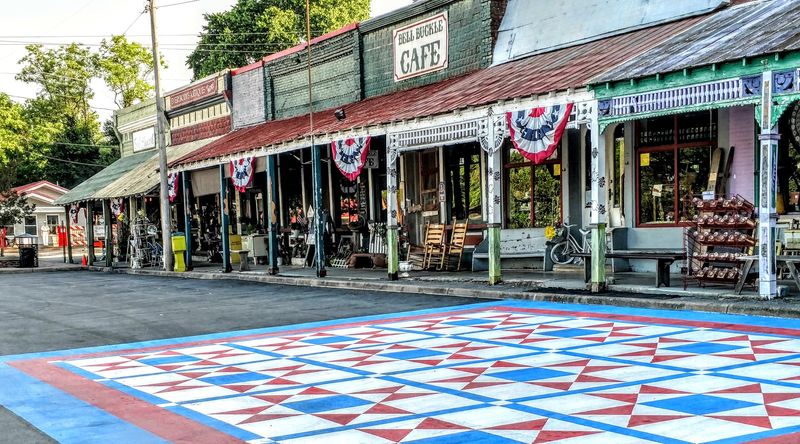
Bell Buckle might be Tennessee’s smallest town with the most personality per capita. The entire downtown fits into about two blocks, but those blocks pack in antique stores, a bookshop, a craft gallery, and enough Victorian architecture to make you feel like you’ve wandered onto a movie set. The town’s population hovers around 500, and locals seem genuinely pleased when visitors show up to browse and explore.
The Bell Buckle Cafe serves Southern comfort food that locals swear by, and the prices reflect small-town economics rather than tourist markups. Antique hunters will find plenty to browse, with shops specializing in everything from vintage furniture to old advertising signs. Even if you’re not buying, wandering through the stores offers a pleasant way to spend an hour or two, and shopkeepers are happy to chat about the town’s history.
Bell Buckle hosts several festivals throughout the year, including the RC Cola and Moon Pie Festival each June—a celebration of two Southern staples that draws crowds from across the region. The town also has a reputation for live music, with bluegrass and folk acts performing at local venues on weekends.
The town’s charm lies in its authenticity. Bell Buckle isn’t trying to manufacture a quaint small-town experience for tourists—it just happens to be a quaint small town that welcomes visitors. You won’t need an expensive itinerary or a packed schedule.
Walk the two-block downtown, stop for lunch, browse a few shops, and enjoy the fact that not every destination requires a hefty budget or elaborate planning. Sometimes the best road trips involve places that remind you what Tennessee looked like before everything got paved, franchised, and homogenized—and Bell Buckle delivers that experience without charging admission.
8. Lynchburg
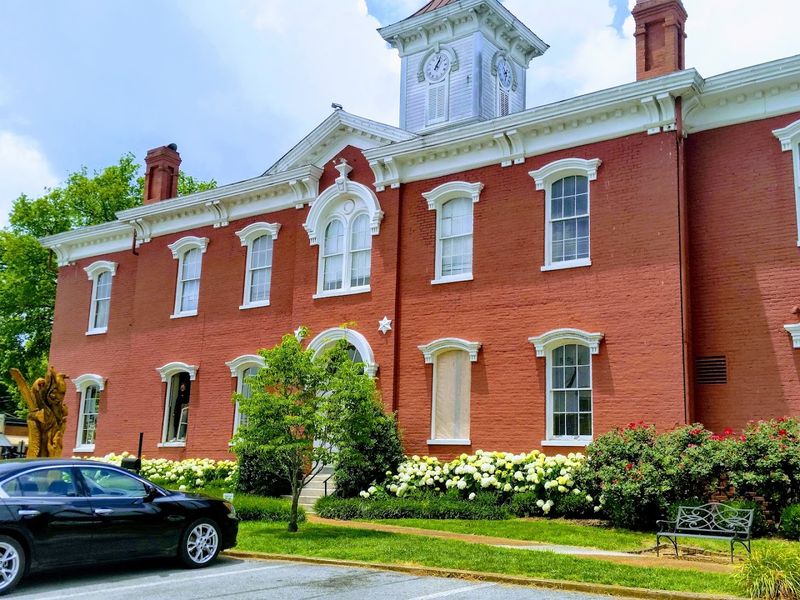
Lynchburg is famous for one thing, but you don’t have to spend money on that one thing to enjoy the town. The courthouse square looks like it hasn’t changed since the 1950s, with brick storefronts housing local shops, cafes, and the kind of hardware store where they still know your name. Walking around downtown costs nothing, and the surrounding countryside offers rolling hills, winding roads, and scenery that’s especially pretty in autumn.
Local shops sell everything from handmade crafts to vintage collectibles, and browsing is free even if you don’t buy. Several cafes and diners serve Southern staples—fried chicken, biscuits, barbecue—at prices that remind you what eating out used to cost.
Lynchburg’s location in the rolling hills of southern Middle Tennessee makes the drive part of the experience. State Route 55 winds through farmland and forest, passing old barns and creeks that beg for a photo stop. The town sits far enough from major highways that it retains a quiet, unhurried atmosphere, even on weekends when visitors outnumber locals.
You can easily spend a half-day in Lynchburg without spending much money. Walk the square, grab lunch, browse a shop or two, and enjoy the fact that not every destination needs a long checklist of attractions. Sometimes the best trips involve places where doing nothing in particular feels like exactly the right plan.
Lynchburg delivers that low-key experience while offering enough charm and history to make the drive worthwhile. The surrounding countryside adds bonus value, especially if you take the scenic route and stop whenever something catches your eye along the way.
9. McMinnville and Rock Island State Park
McMinnville’s downtown surprises first-time visitors with its collection of restored storefronts, local boutiques, and cafes that serve more than just basic coffee. The town square centers on a historic courthouse, and the surrounding blocks offer antique stores, art galleries, and restaurants that source ingredients locally.
You can park for free and spend an hour or two wandering without feeling pressured to spend money at every stop.
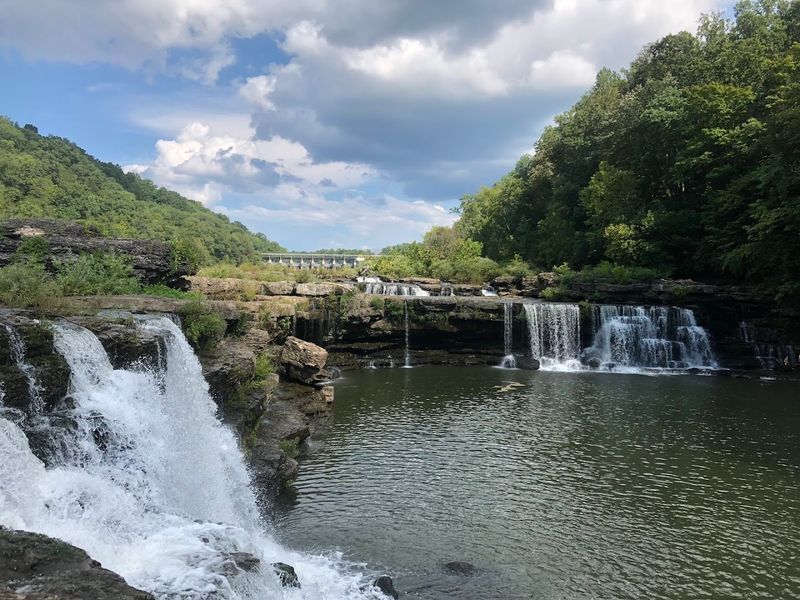
Rock Island State Park sits about 20 minutes north, where the Caney Fork River plunges over a series of dramatic waterfalls before entering the gorge below. The park offers overlooks, hiking trails, and picnic areas, all accessible for a minimal day-use fee. The main waterfall is visible from multiple viewpoints, and trails lead down to the river for closer looks.
During summer, locals swim in the calmer sections downstream, though the currents near the falls can be dangerous.
The combination of McMinnville’s walkable downtown and Rock Island’s natural beauty makes this pairing a smart budget choice. You get small-town charm and outdoor adventure in one trip, and neither requires an expensive admission fee nor a guided tour. The drive between the two takes you through rural farmland and along ridges that offer long views across the Highland Rim.
McMinnville also serves as the gateway to the Collins River and other natural areas worth exploring if you have extra time. The town itself has leaned into its role as a regional hub, with enough local restaurants and shops to support a tourism economy without losing its authenticity. Rock Island State Park remains less crowded than more famous Tennessee waterfalls, giving you a better chance at enjoying the scenery without fighting through crowds.
Together, they offer a full day of exploring that won’t strain your budget or require advance planning beyond checking park hours and packing a lunch.
10. Cookeville and Burgess Falls
Cookeville’s WestSide district has become the town’s answer to walkable urban neighborhoods, with local breweries, coffee roasters, and restaurants occupying renovated buildings along a few compact blocks. You can park once and explore on foot, stopping for lunch or a drink without committing to a big bill. The area hosts live music on weekends, and the vibe skews local rather than touristy, which keeps prices reasonable.
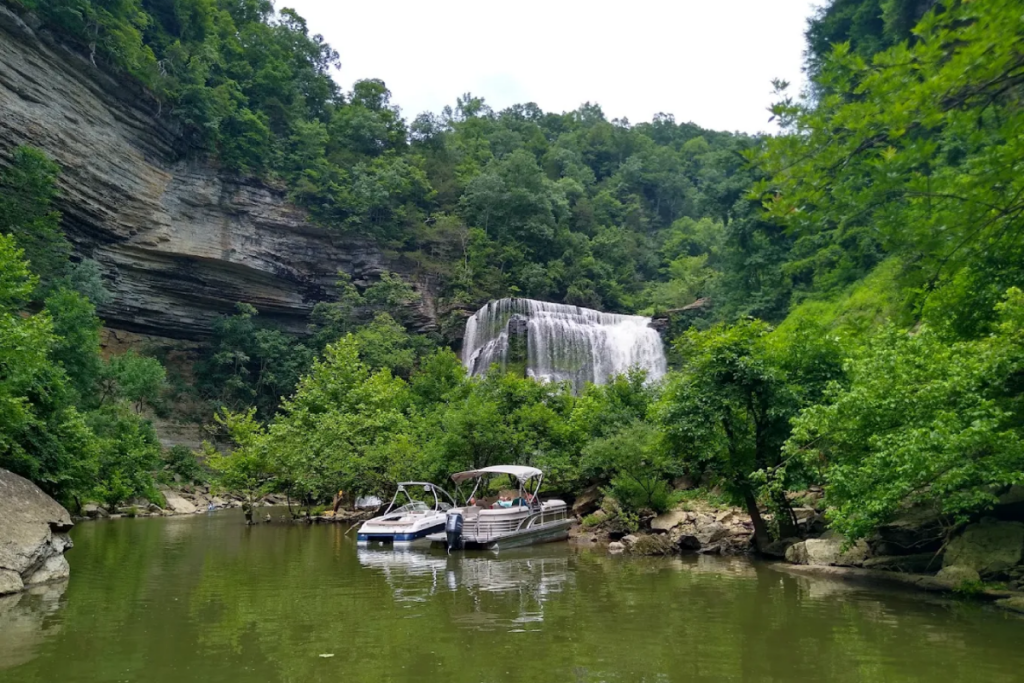
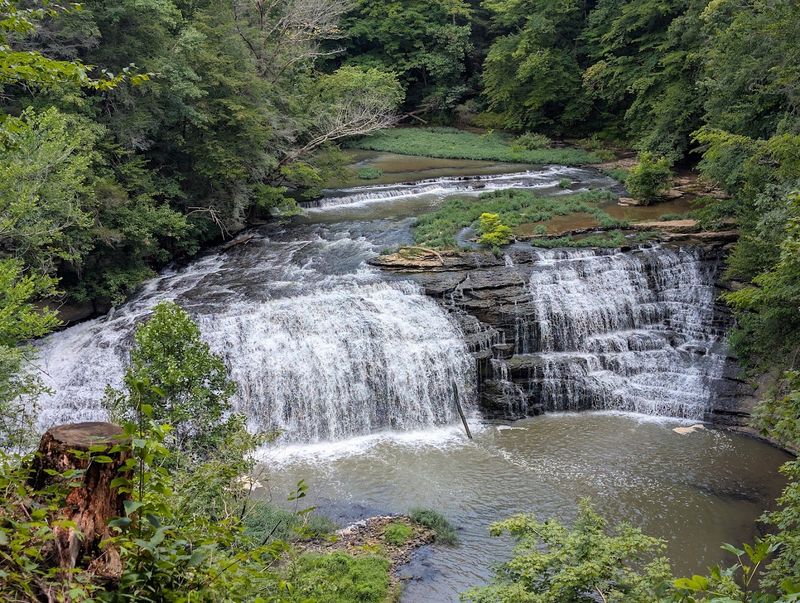
Burgess Falls State Park sits about 15 miles south, protecting a series of waterfalls along the Falling Water River. The main event is a 130-foot cascade that drops into a limestone gorge, visible from an overlook at the end of a mile-long trail. The hike is moderate, with some elevation change and stairs near the end, but the payoff justifies the effort.
Earlier sections of the trail pass two smaller waterfalls, giving you multiple photo opportunities along the way.
The park charges no entrance fee, and the trail is well-maintained enough for families with older kids. Summer weekends can get crowded, so visiting on a weekday or arriving early improves your chances of enjoying the falls without competing for space at the overlook. Bring water and wear shoes with good traction—the rocks near the falls can be slippery.
Pairing Cookeville and Burgess Falls gives you a mix of small-city amenities and natural beauty without requiring a big budget. The WestSide district offers enough dining and shopping options to fill a morning, and the falls provide an afternoon of outdoor adventure. The drive between the two is short and scenic, passing through farmland and rolling hills typical of the Cumberland Plateau’s western edge.
Together, they make a strong case for exploring Tennessee’s smaller towns and lesser-known parks, where you’ll often find better value and fewer crowds than at the state’s marquee destinations.
11. Historic Rugby and Big South Fork
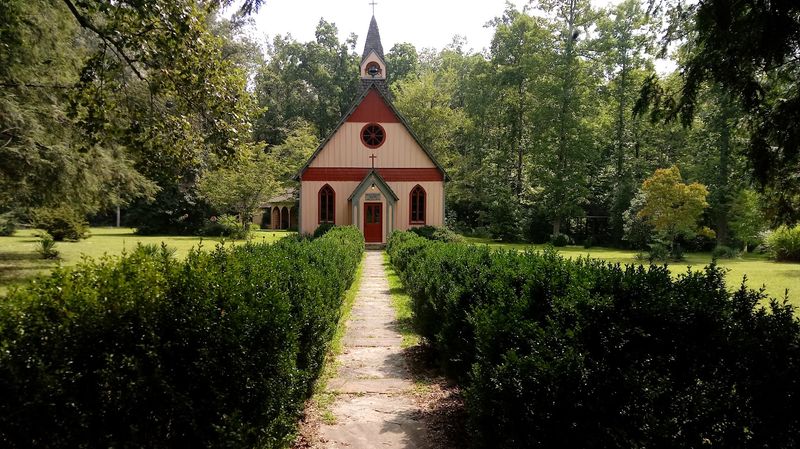
Historic Rugby is a Victorian village frozen in time, founded in the 1880s by English author Thomas Hughes as a utopian community for younger sons of British gentry. The experiment didn’t last, but the buildings did, and today you can tour original structures including the library, church, and several homes.
Guided tours cost a modest fee and provide context you’ll want—stories of the community’s idealistic beginnings, the challenges that led to its decline, and the preservation efforts that saved it from disappearing entirely. The library still houses its original book collection, including rare first editions, and the Christ Church Episcopal remains an active congregation.
Big South Fork National River and Recreation Area sprawls across more than 125,000 acres just a few miles south, offering sandstone cliffs, river gorges, and miles of hiking trails. The park straddles the Tennessee-Kentucky border, and the Tennessee side offers easier access from Rugby.
Admission is free, and the park’s size means you can usually find solitude even on busy weekends.
Combining Rugby and Big South Fork creates a full day of exploration that mixes history and nature without requiring deep pockets. The drive through the plateau’s back roads is scenic, and the area’s remoteness adds to the sense of discovery. Pack a picnic, wear hiking boots, and give yourself time to explore both destinations.
Rugby’s Victorian charm and Big South Fork’s wild landscapes represent two sides of Tennessee’s history—one shaped by human ambition, the other by ancient geology—and visiting both in a single trip offers perspective on how different forces have shaped the state’s character.
12. Greeneville
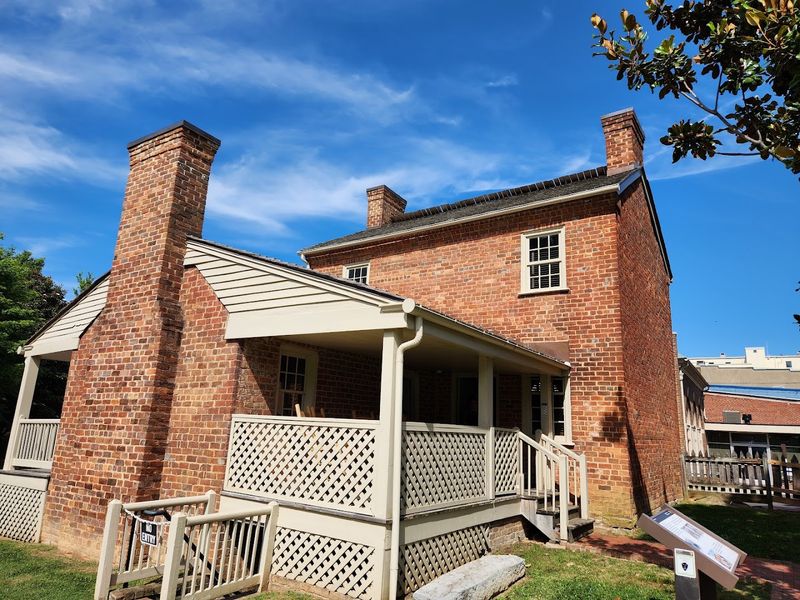
Greeneville doesn’t get much attention from travelers racing toward the Smokies, which is exactly why it’s worth a stop. The town served as Tennessee’s second capital briefly during the 18th century, and later became home to Andrew Johnson, the 17th president. The Andrew Johnson National Historic Site preserves his tailor shop, homes, and cemetery, offering a window into the life of a president who rose from poverty and faced impeachment.
Admission is free, and rangers provide tours that explain Johnson’s complicated legacy.
Downtown Greeneville radiates historic charm without feeling like a museum. The Main Street district features brick buildings from the 1800s, many converted into antique stores, cafes, and local businesses. You can park for free and spend an hour or two browsing shops or grabbing lunch at a diner that’s been serving the same menu for decades.
The town square hosts farmers markets and festivals throughout the year, adding extra reasons to visit if you time it right.
The surrounding countryside offers scenic drives through rolling farmland, and several Civil War sites sit within a short drive. Greeneville itself was divided during the war, with residents fighting on both sides—a complexity reflected in the town’s historic markers and preserved buildings. Walking the downtown area gives you a sense of how East Tennessee towns developed around courthouses and commerce, and how many have managed to preserve their historic cores despite economic pressures.
Greeneville proves that presidential history doesn’t require a trip to Washington or a big entrance fee. The National Historic Site is well-maintained and informative, and the town itself offers enough to justify a half-day visit. Combine it with a drive through the countryside or a stop at a nearby state park, and you’ve got an inexpensive East Tennessee itinerary that most travelers overlook entirely.
Sometimes the best discoveries happen when you veer off the main route and give smaller towns a chance to surprise you.
13. Townsend and Cades Cove
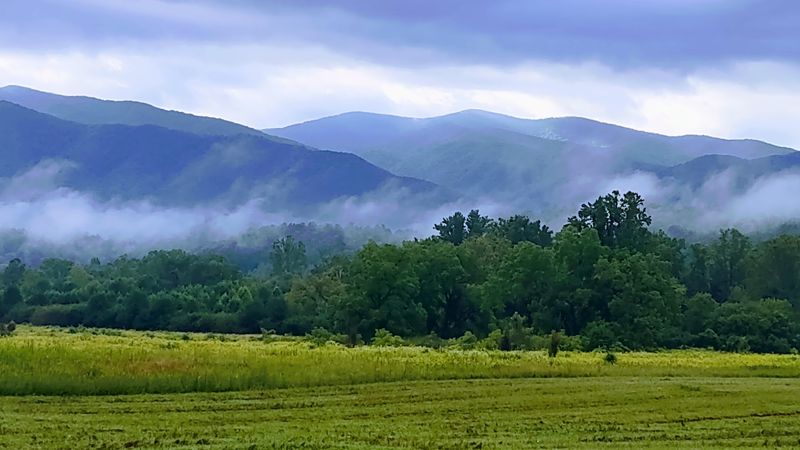
Townsend calls itself the peaceful side of the Smokies, and the nickname fits. While Gatlinburg and Pigeon Forge pack in tourists and traffic, Townsend remains quiet, with a handful of local restaurants, cabin rentals, and river access points that don’t require fighting for parking. The Little River runs right through town, offering spots to wade, picnic, or just sit and watch the water flow past.
Using Townsend as your base for exploring the Smokies saves money and stress.
Cades Cove sits about 20 minutes from Townsend, accessible via a scenic drive through the national park. The 11-mile loop road winds through a broad valley surrounded by mountains, passing historic homesites, churches, and a working grist mill. Wildlife is abundant—black bears, white-tailed deer, turkeys, and coyotes are all commonly spotted, especially in early morning or late afternoon.
The loop is one-way and can get congested on summer weekends, so visiting on a weekday or arriving at sunrise improves the experience dramatically.
Hiking trails branch off from the loop, ranging from short walks to old cemeteries to longer climbs up to mountain ridges. The park charges no entrance fee, and all the historic buildings are free to explore. Bring a picnic and plan to spend several hours—rushing through Cades Cove defeats the purpose.
The valley’s open landscape and preserved structures offer a rare glimpse into how Appalachian families lived before the park was established.
Townsend’s low-key vibe makes it a better budget choice than the busier gateway towns. Lodging is cheaper, restaurants are less crowded, and you’re closer to some of the Smokies’ best features without the tourist infrastructure that drives up prices. Cades Cove delivers everything people come to the Smokies for—mountains, history, wildlife, hiking—without charging admission or requiring reservations.
Together, they prove that experiencing one of America’s most-visited national parks doesn’t have to mean spending a fortune or tolerating endless crowds.