
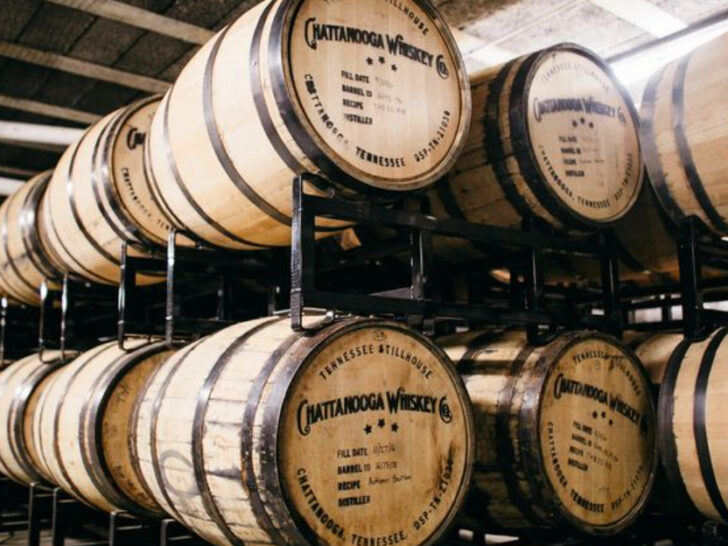
For a long time, Chattanooga and whiskey had the kind of relationship that makes locals shake their heads and say, “It’s complicated.”
This is a river city with deep Southern roots, railroad history, and plenty of appetite for a good pour, yet for roughly a century, it wasn’t legally distilling its own whiskey. Then Chattanooga Whiskey came along and changed the conversation.
Founded in 2011, the company did more than launch a brand. It pushed for a legal overhaul, helped end Hamilton County’s century-old distilling ban, and brought whiskey-making back to town in a way that felt both rebellious and proudly local.
The distillery’s recent 14th Anniversary Blend is a neat reminder that this was never just about selling bottles. It was about restoring a piece of Chattanooga’s identity, then giving it a modern accent.
In a state that knows its brown spirits, that is no small feat.
Chattanooga Went Dry for a Century Until This Distillery Changed Everything
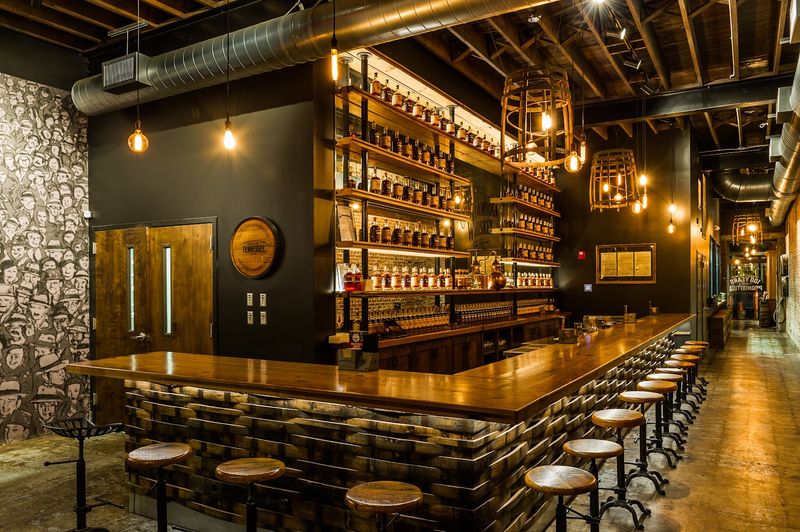
A hundred years is a long time for a Southern city to go without making the spirit it once knew so well. Chattanooga’s whiskey drought traces back to Prohibition-era restrictions and local laws that outlasted the national ban by decades.
So while Tennessee built a worldwide reputation for whiskey, Chattanooga sat on the sidelines, watching that chapter of its own history gather dust. That is what makes the Chattanooga Whiskey story hit differently.
This was not a sleepy brand launch with a nice label and a gift-shop tasting bar. It started with a city that had been cut off from one of its old traditions, then found a way to bring it back.
Chattanooga Whiskey says its mission from the beginning was to restore legal distilling to the city, and by 2013, the company’s efforts helped change Hamilton County law for the first time in more than 100 years.
Around here, that counts as more than business. That is civic plot twist territory.
How Chattanooga Whiskey Helped Bring Distilling Back to the Scenic City
The clever part of this comeback is that Chattanooga Whiskey did not wait for the rules to magically get friendlier. It leaned into the absurdity of the moment.
The company launched even though it could not yet legally distill in Chattanooga, then used that irony to rally locals around its now-famous “Vote Whiskey” campaign.
What could have stayed a niche gripe for spirits nerds turned into a public push to update a law that felt frozen in amber.
That campaign helped build momentum for what became known as “The Whiskey Bill,” which passed in 2013 and reopened the door to distilling in Hamilton County.
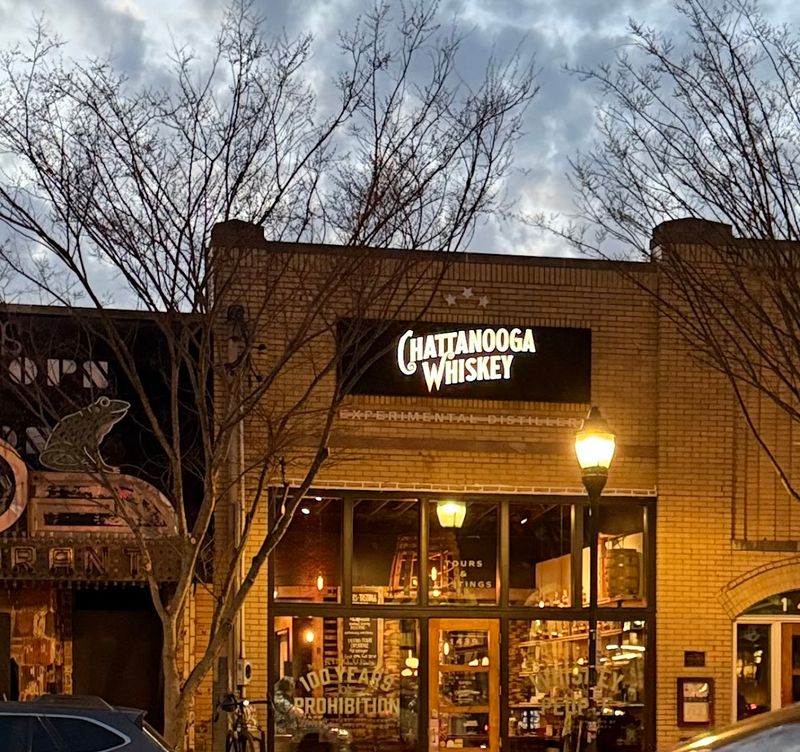
By 2015, Chattanooga Whiskey had opened its downtown Experimental Distillery, becoming the first legal whiskey distiller in Chattanooga in roughly a century.
That timeline matters because it shows this was not some overnight success story polished for Instagram. It took years, plenty of public buy-in, and a willingness to make local history look surprisingly lively.
The Local Whiskey Story That Turned Into a Tennessee Comeback
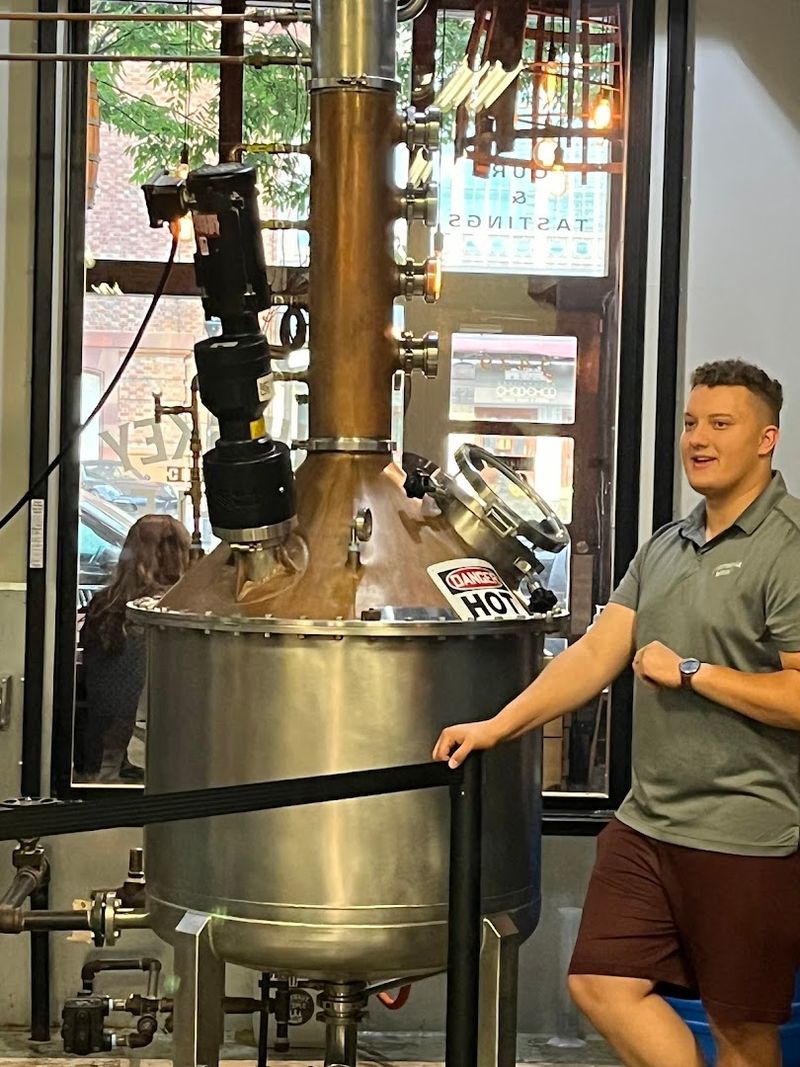
Chattanooga Whiskey may be rooted in one city, but its return landed as part of a much bigger Tennessee story. This is a state where whiskey is not just a beverage category.
It is heritage, identity, and, depending on the county and the decade, a political argument. That is why Chattanooga’s reentry into distilling carried extra weight.
It signaled that Tennessee whiskey culture was not locked inside a few legacy names or old power centers. There was room for a newer city voice, one that respected tradition without acting trapped by it.
Chattanooga Whiskey leaned into that balance by developing what it calls a Tennessee High Malt style, using malted grains to create a different flavor profile while still working within the broader world of Tennessee whiskey.
The result is a revival story with regional swagger.
Chattanooga was not trying to cosplay another whiskey town. It was reclaiming its own lane, then putting enough personality into the glass to make people pay attention.
Why Chattanooga Whiskey Means More Than Just Another Bottle Release

Anyone can drop an anniversary bottle and slap a sentimental press release on it. Chattanooga Whiskey’s annual Founder’s blend lands harder because the whiskey itself is built as a story about the company’s evolution.
According to the distillery, the 14th Anniversary Blend is drawn from three solera barrels designed to represent its past, present, and future. One barrel nods to older, more traditional bourbon styles.
Another centers on the brand’s now-signature Tennessee High Malt approach. The third looks forward with more experimental whiskey, including a toasted wheat expression in this year’s release.
So when people talk about this bottle, they are not just talking about caramel notes and proof points. They are talking about a distillery that turned its own timeline into a blending concept.
That is a pretty Chattanooga move, honestly. Practical, creative, and a little stubborn in the best way.
The release becomes a yearly checkpoint, not just a collectible. It says the city’s whiskey story is alive, still changing, and clearly having fun with itself.
From Prohibition-Era Roadblock to Chattanooga Success Story

There is something especially satisfying about a success story that begins with a rule everyone quietly accepted for too long. In Chattanooga’s case, the barrier was not a lack of interest, talent, or local pride.
It was a legal holdover that made the city’s whiskey future feel stuck in permanent rerun mode. Chattanooga Whiskey’s founders, Tim Piersant and Joe Ledbetter, stepped into that mess in 2011 and built a brand around changing it.
That required a strange mix of optimism and nerve. They were effectively asking the city to imagine a whiskey identity it had not legally practiced in generations.
Once the law changed, the company still had to prove that the revival would be more than symbolic. It did that by opening a working distillery, developing new expressions, and making the comeback tangible.
Suddenly Chattanooga was not just talking about whiskey history at a distance. It was making new history, barrel by barrel.
That shift from legal dead end to visible local institution is why the story has lasted.
How One Distillery Reconnected Chattanooga With Its Whiskey Roots
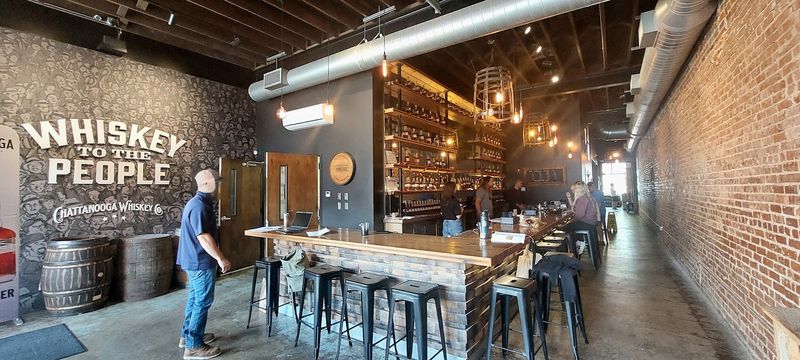
What Chattanooga Whiskey really restored was not just production. It restored continuity.
Cities like Chattanooga are full of stories that get interrupted by economics, laws, changing tastes, and plain old bad timing. A local tradition disappears, then people start acting like it never belonged there in the first place.
This distillery pushed back on that amnesia. Its own historical framing makes clear that Chattanooga once had a distilling culture worth remembering, and the company has used that idea as more than branding wallpaper.
Even the early limited release called Chattanooga Whiskey 100 nodded to the century that had passed before legal distilling returned. That kind of detail matters because it turns whiskey into civic memory with a cork.
The city’s comeback is not frozen in sepia, either. The Experimental Distillery spent years developing recipes and playing with grain bills, helping tie old roots to a distinctly modern style.
Chattanooga got its whiskey back, yes, but it also got a fresh way to talk about itself.
The Anniversary Blend That Tells Chattanooga Whiskey’s Full Story
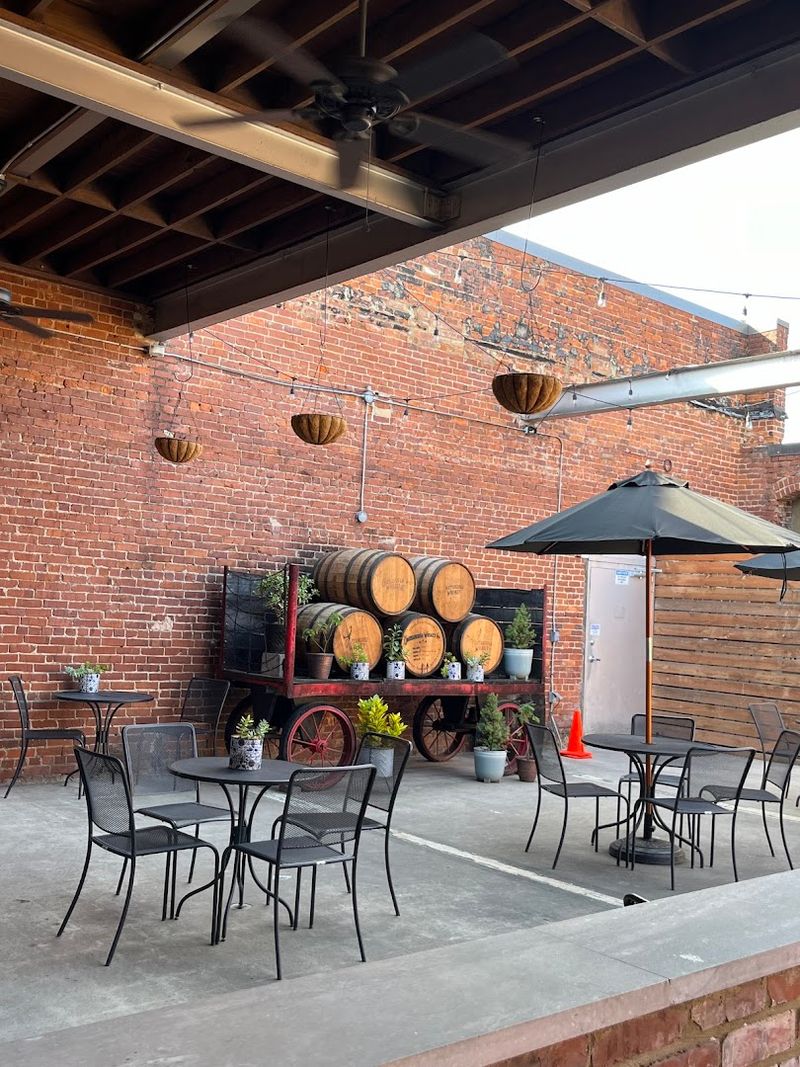
Some limited releases feel built for trophy shelves. This one feels built to summarize a whole saga in liquid form.
Chattanooga Whiskey’s Founder’s Anniversary Blend uses a solera-style system, meaning each year’s bottling draws from barrels that are then replenished, allowing the story to continue rather than reset.
The distillery says its three custom-charred solera barrels symbolize past, present, and future, which could sound overly neat if it were not so tied to the company’s actual arc.
The historical barrel references traditional bourbon character. The present barrel highlights the house style people now associate with Chattanooga Whiskey.
The future-facing barrel folds in more experimental work, showing that the brand still sees curiosity as part of its identity. In the 14th Anniversary Blend, those pieces come together as something more meaningful than a birthday pour.
It is Chattanooga’s whiskey revival in miniature. Not a museum piece, not a nostalgia act, but a blend that keeps one eye on history and the other on what happens next.
What Chattanooga Whiskey’s Latest Release Says About the City It Calls Home
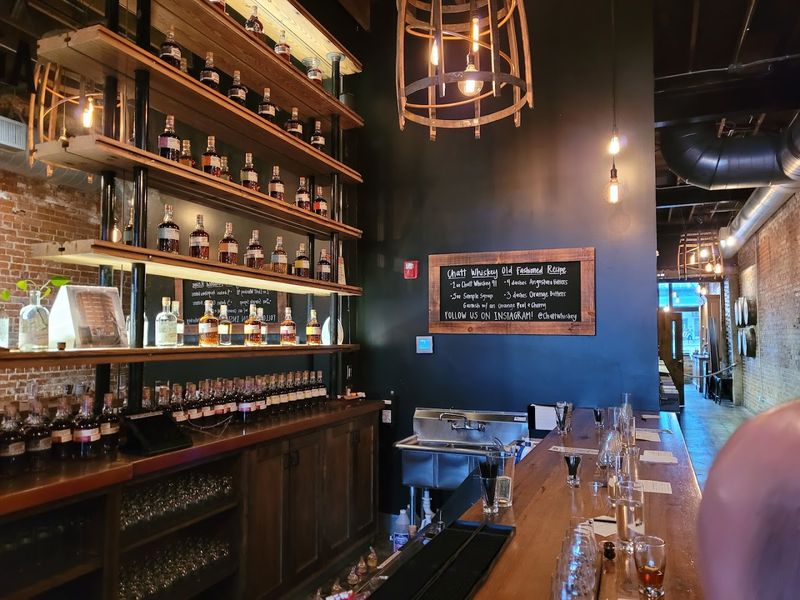
The best thing about Chattanooga Whiskey’s latest anniversary release is that it reflects the city without feeling like forced hometown branding. Chattanooga likes to mix heritage with reinvention.
It is a place that can honor old buildings, old rail lines, old stories, and still find room for a sharply modern identity. This distillery has followed that same rhythm.
Its rise was rooted in local history, but it did not stop there. It built an Experimental Distillery, developed uncommon grain-forward styles, and kept pushing beyond the obvious.
That makes the 14th Anniversary Blend feel like a small portrait of Chattanooga itself. There is reverence in it, but not stiffness.
There is confidence, but not swagger for swagger’s sake. Mostly, there is momentum.
A city that once went a century without legal whiskey-making now has a distillery confident enough to bottle its own past, present, and future in one release. For Chattanooga, that is not just good whiskey theater.
It is proof the comeback stuck.