
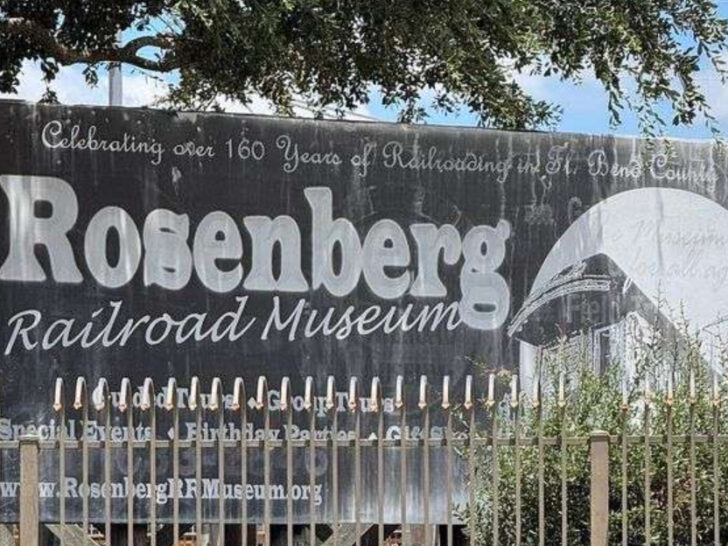
In downtown Rosenberg, a unique museum keeps the legacy of Texas railroads alive. The Rosenberg Railroad Museum captures the spirit of the steam era with restored train cars, interactive model layouts, and passionate guides eager to share stories from the golden age of rail travel. Whether you’re a dedicated train enthusiast or just planning an affordable family outing, this local gem offers history, hands-on fun, and plenty of charm.
1. Guided Tours That Bring History to Life
Walking through on your own is fine, but the real magic happens when you join one of the guided tours that kick off hourly starting at 10:30 AM. The docents here aren’t just reading from a script—they’re genuinely passionate about Rosenberg’s railroad heritage and know how to make century-old history feel relevant and exciting. You’ll hear stories about how the railroad transformed this small Texas town into a bustling hub and learn details you’d never pick up from just reading plaques.
Tours typically last about an hour and take you through the main exhibits, out to the caboose, up into the historic Tower 17, and inside the beautifully restored 1879 Quebec business car. The guides adjust their presentations based on who’s listening, so whether you’ve got curious toddlers or serious railroad historians in your group, everyone walks away learning something new. Parents especially appreciate how patient the staff are with little ones who have a million questions.
The best part? The tour comes included with your admission, which is already incredibly affordable. Many visitors mention in reviews that they didn’t expect such a thorough, personalized experience for the price.
Plan to arrive early enough to catch the first tour if you want to beat any weekend crowds and have the exhibits mostly to yourselves.
2. Tower 17 – A Rare Piece of Railroad Engineering
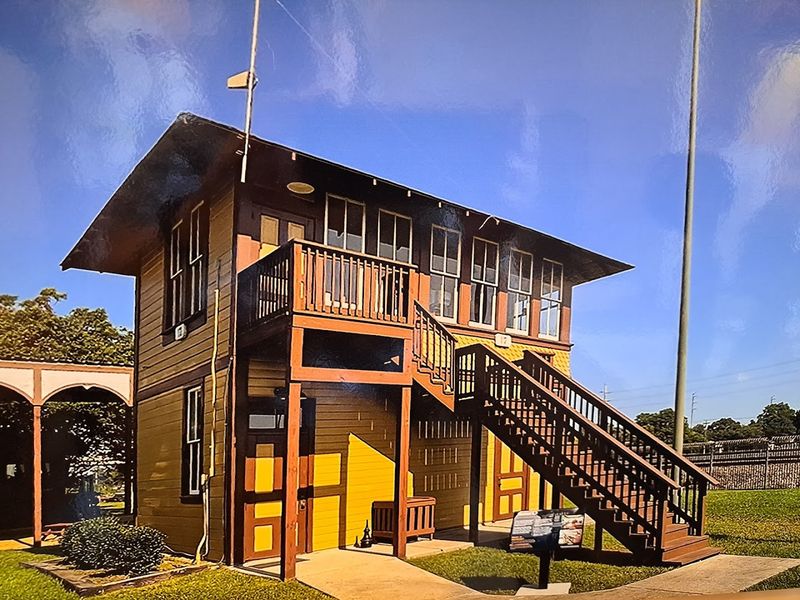
Most folks drive past old railroad towers without giving them a second thought, but Tower 17 is one of the last remaining examples of its kind in all of Texas. This isn’t just some replica built to look old—it’s the genuine article, carefully preserved and open for visitors to climb up and explore. From the top, you get a real sense of what railroad dispatchers experienced when they controlled the busy junction below, manually switching tracks and coordinating train movements before computers took over.
The tower itself is packed with original equipment, levers, and communication devices that once kept trains running safely through Rosenberg. Your guide will explain how operators worked long shifts in this cramped space, making split-second decisions that could mean the difference between smooth operations and disaster. The mechanical systems are fascinating even if you’re not particularly tech-minded, and kids love seeing all the moving parts.
Standing inside Tower 17 while watching modern freight trains rumble past creates an incredible connection between past and present. You’re literally standing where railroad workers stood decades ago, doing one of the most critical jobs in transportation history. The museum has done an outstanding job keeping the tower authentic while making it safe and accessible for visitors of all ages to experience.
3. The Luxurious 1879 Quebec Business Car
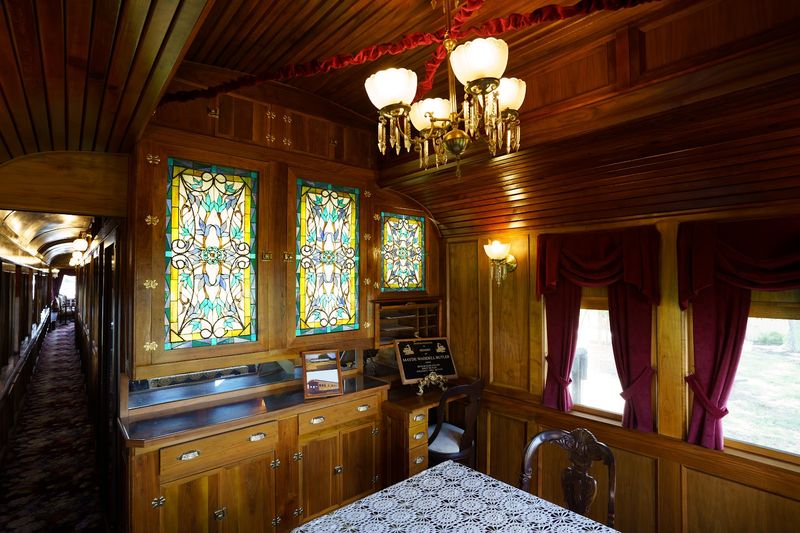
Step aboard the Quebec and you’ll immediately understand how the other half traveled during railroading’s golden age. This meticulously restored 1879 business car showcases the kind of luxury that railroad executives and VIP passengers enjoyed long before airplanes existed. Rich wood paneling, elegant fixtures, and period-appropriate furnishings transport you straight back to an era when train travel meant sophistication and style, not just getting from point A to point B.
What makes this car particularly special is how well-preserved everything remains. The museum hasn’t just stuck some old furniture in an empty rail car and called it done—they’ve researched and recreated the authentic experience down to small details. Walking through, you can easily imagine important business deals being made over brandy, or wealthy families traveling cross-country in comfort that rivaled the finest hotels of the time.
The climate control inside the Quebec is another thoughtful touch that visitors consistently praise in reviews. You get to experience authentic Victorian-era luxury without suffering through Texas heat, which means you can actually take your time examining the craftsmanship and imagining what travel was like when this rolling palace was brand new. It’s a stark contrast to the utilitarian caboose elsewhere on the grounds, showing the full spectrum of railroad life.
4. Model Train Layouts That Captivate All Ages
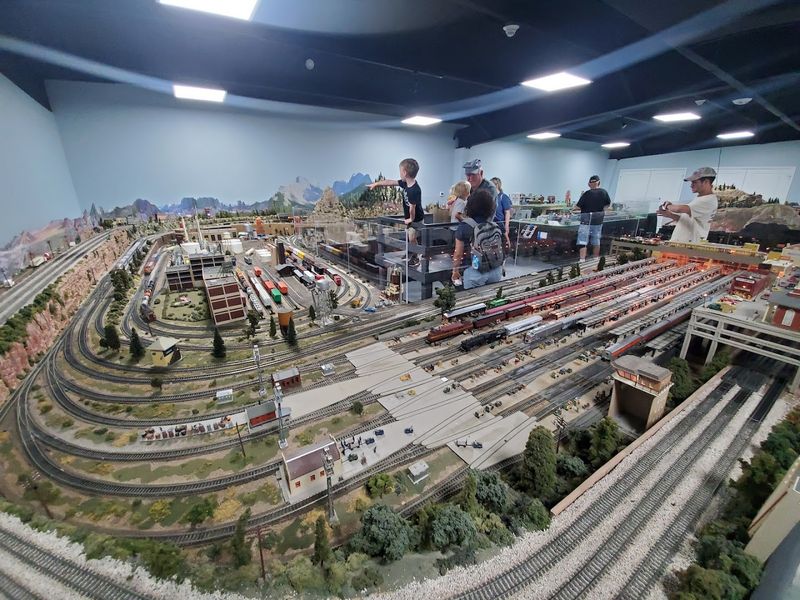
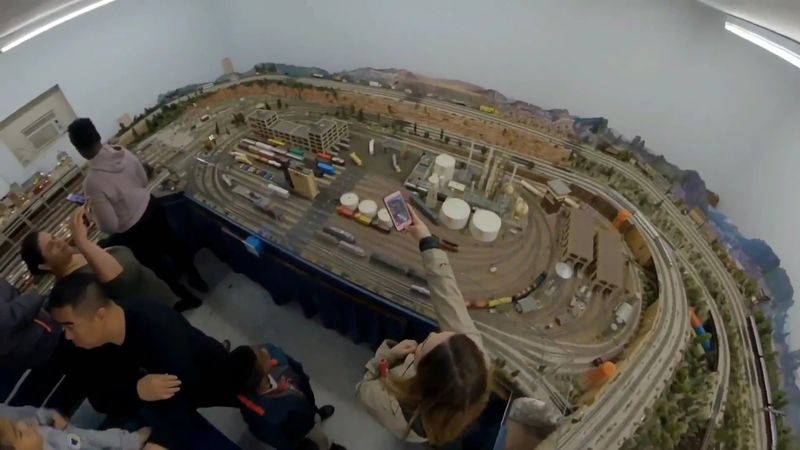
Even people who claim they’re not into trains find themselves mesmerized by the museum’s extensive model railroad displays. Multiple layouts featuring different scales bring tiny worlds to life, complete with miniature towns, countryside scenes, and trains that actually run along their tracks. The level of detail in these setups is genuinely impressive—you could spend an hour just spotting all the little touches that make each scene feel alive and realistic.
The indoor layouts range from simple loops perfect for younger kids to follow, to complex systems with multiple trains, working signals, and intricate scenery that serious hobbyists will appreciate. Volunteers and staff members are usually on hand to answer questions about the models and sometimes even let visitors help operate certain trains. It’s this interactive element that transforms what could be a passive viewing experience into something engaging for everyone.
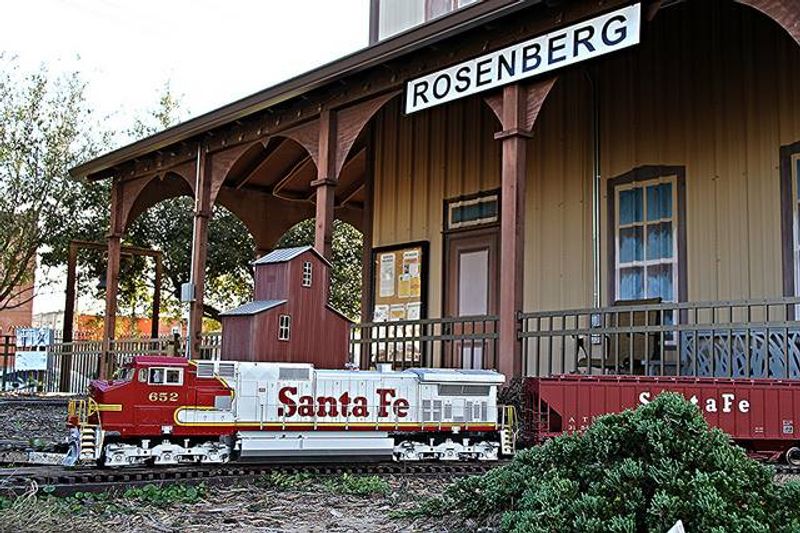
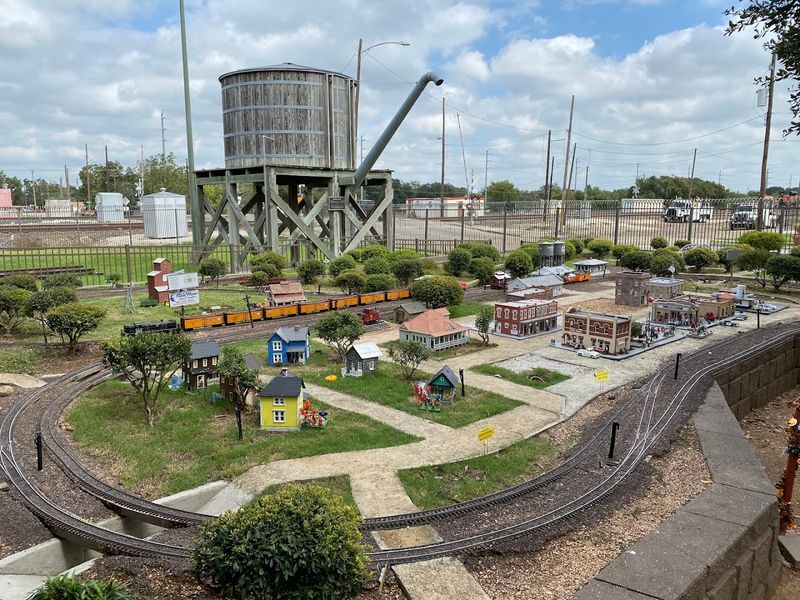
Beyond the indoor displays, the museum also features a G scale garden railroad outside that operates on special weekends. Watching larger model trains wind through outdoor scenery adds another dimension to the experience. Parents love that the model train room sits right next to the play area, so kids can bounce between watching the trains and playing with their own train sets without anyone missing out on the fun.
5. Hands-On Play Areas for Young Train Enthusiasts
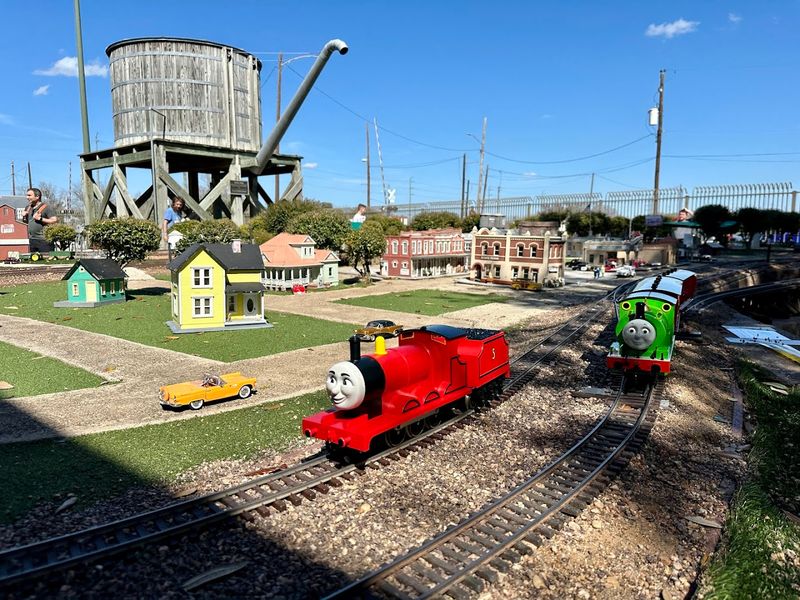
Smart museum planners know that little kids can only look at static displays for so long before needing to burn some energy. That’s why the Rosenberg Railroad Museum includes a dedicated playroom stocked with Thomas and Friends toys, wooden train sets, and plenty of track pieces for children to build their own miniature railroads. This isn’t just a corner with a few toys tossed in—it’s a thoughtfully designed space where kids can play and learn simultaneously.
The playroom gives parents a brilliant option when younger children start getting antsy during the tour. One parent can finish exploring the exhibits while the other supervises playtime, or the whole family can take a break together before continuing. Reviews consistently mention how this setup saved their museum visit from becoming a meltdown situation, and how their train-obsessed toddlers could have stayed all day building track layouts.
Outside, there’s also a wooden train climber and a playground area where kids can run around between indoor exhibits. The museum essentially functions as both an educational destination and a family activity center, which explains why local families return multiple times. On hot Texas days, having these indoor play options with good air conditioning makes a huge difference in everyone’s comfort and enjoyment level throughout the visit.
6. Authentic MoPac Caboose Experience
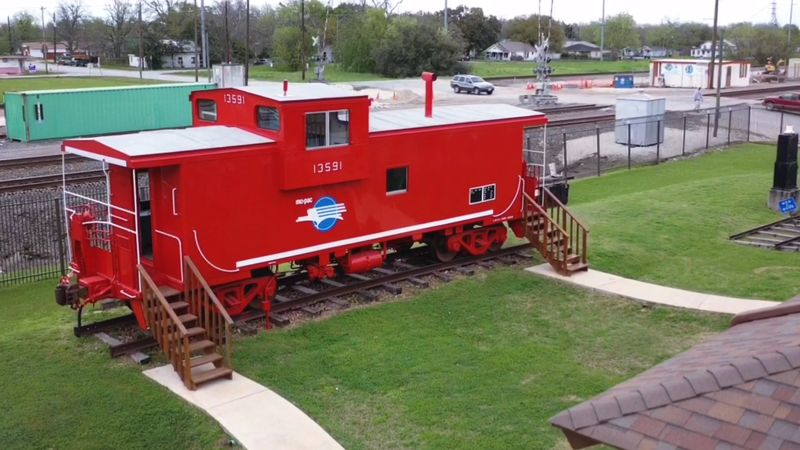
Cabooses hold a special place in railroad history as the homes away from home for train crews, and the museum’s restored MoPac caboose lets you climb aboard to see exactly what life was like for the workers who rode at the back of freight trains. Unlike the fancy business car, this space was purely functional—a rolling office and bunkhouse where crews spent long hours monitoring their trains and grabbing whatever rest they could between duties.
Inside, you’ll find the original layout mostly intact, including sleeping quarters, a small kitchen area, and the cupola where crew members could watch for problems along the train. The compact space really drives home how tough railroad work was, spending days at a time in these cramped quarters while the train rumbled along mile after mile. Modern railroading has eliminated the need for cabooses, making preserved examples like this one increasingly rare and valuable for understanding transportation history.
Kids particularly love climbing into the caboose because it feels like exploring a secret hideout, while adults appreciate the historical context and authentic details. The museum keeps it climate-controlled, which reviewers mention gratefully—you get the full authentic experience without suffering through the heat or cold that actual railroad workers endured. It’s these thoughtful touches that make the museum accessible and enjoyable for visitors of all ages and comfort levels.
7. Prime Trainspotting From the Observation Platform
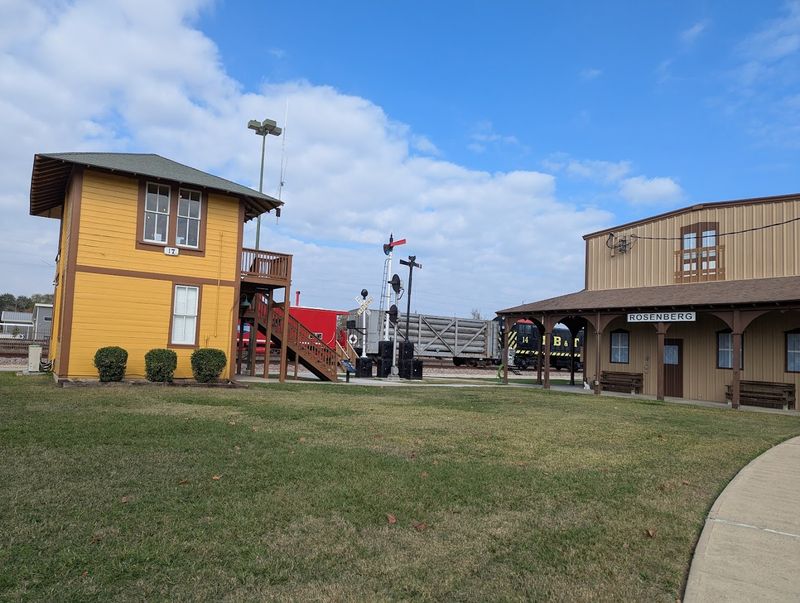
Here’s something most railroad museums can’t offer—the chance to watch real, full-sized trains thunder past while you’re learning about railroad history. Rosenberg sits along active rail lines that see regular freight traffic, and the museum has built an observation platform where visitors can safely watch modern trains roll through. For train enthusiasts, this combination of historical exhibits and contemporary railroading creates the perfect experience.
The platform isn’t crowded like famous trainspotting locations can be, which several reviewers specifically call out as a major plus. You can set up with a camera, bring the kids to watch for trains, or just enjoy the rumble and power of a fully loaded freight train passing within viewing distance. The museum staff can often tell you about train schedules and what types of traffic to expect, helping serious railfans plan their visits around the best viewing times.
This feature transforms the museum from a place you visit once into somewhere worth returning to repeatedly. Even after you’ve toured all the indoor exhibits and climbed through the historic cars, there’s always the possibility of catching something interesting on the rails. Parents mention how watching real trains go by helps kids connect the historical displays to the working railroad system that still moves goods across America every single day.
8. Special Events and Themed Weekends
Beyond the regular exhibits and tours, the museum hosts special themed weekends and events throughout the year that bring extra excitement to the experience. Thomas the Train visits are particularly popular with younger children, creating memories that parents say their kids talk about for months afterward. These events often include additional activities like scavenger hunts, hands-on projects, and special demonstrations that go beyond the everyday museum offerings.
The garden railroad operates on select weekends, weather permitting, giving visitors a chance to see the outdoor G scale layout in action. Watching trains wind through miniature landscapes under the Texas sky adds a different dimension to the model railroad experience. The museum’s calendar fills up with seasonal celebrations, educational programs, and community events that give locals plenty of reasons to return throughout the year rather than treating it as a one-time destination.
What stands out in visitor reviews is how the museum manages to keep these special events affordable and accessible for families on any budget. The staff and volunteers clearly put tremendous effort into making each themed weekend feel special without pricing out regular families. Check their website or call ahead to see what’s scheduled during your visit—you might luck into something extra that makes your trip even more memorable than expected.
9. Unbeatable Value for Families and History Buffs
Let’s talk money, because in an age where family outings can easily cost a fortune, the Rosenberg Railroad Museum stands out as a genuine bargain. Admission prices are remarkably reasonable, and that ticket includes your guided tour, access to all exhibits, model train rooms, play areas, and the ability to come and go throughout the day. Many families mention stepping out for lunch in downtown Rosenberg and returning to explore more without paying again—that kind of flexibility is rare and appreciated.
The all-day admission policy means you’re not being rushed through or feeling like you need to cram everything into a short window to get your money’s worth. Take your time, let the kids play, watch some trains go by, grab lunch, and come back for another look at whatever caught your interest. This relaxed approach to visiting makes the whole experience more enjoyable and less stressful for families with young children who don’t always move on anyone’s schedule but their own.
Memberships are available for families who live nearby and want to visit regularly, which several reviewers mention as being worthwhile if you’ll come more than a couple times per year. Even without a membership, the single-visit price point makes this an easy yes when you’re looking for weekend activities that educate and entertain without emptying your wallet.