Tennessee is full of small towns that feel like stepping into a postcard. Before autumn brings the leaf-peepers and weekend tourists, summer offers a perfect window to explore these hidden gems at your own pace.
These ten towns blend history, natural beauty, and genuine Southern hospitality in ways that bigger cities just can’t match.
1. Jonesborough
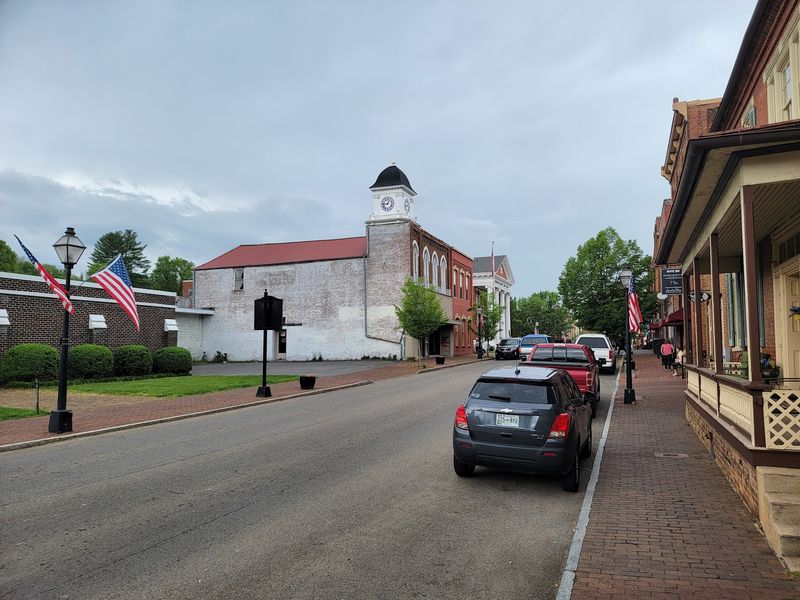
Walking through Tennessee’s oldest town feels like time travel without the science fiction. Jonesborough earned its place in history back in 1779, and the downtown district hasn’t forgotten those roots.
Red brick buildings line Main Street, their windows filled with antiques, local crafts, and cozy cafes that actually remember your coffee order.
The Appalachian character runs deep here. You’ll notice it in the covered porches, the handmade quilts hanging in shop windows, and the way strangers still wave hello.
Summer mornings are particularly magical when the mist rolls off the hills and settles over the historic courthouse. It’s the kind of scene that makes you reach for your camera before your coffee.
Storytelling built this town’s modern reputation. The National Storytelling Festival draws massive October crowds, but visit in July or August and you’ll have the sidewalks mostly to yourself.
Browse the bookshops without bumping elbows, actually get a table at the popular lunch spots, and take your time photographing those Instagram-worthy storefronts.
The Chester Inn Museum offers a peek into 18th-century hospitality, complete with tales of famous guests like Andrew Jackson. Meanwhile, the Salt House showcases Appalachian art and music in a restored 1800s building.
Both are walkable from anywhere downtown because the whole historic district spans just a few charming blocks.
Local tip: Park near the visitor center and grab a walking tour map. The self-guided route hits all the architectural highlights and takes about an hour if you don’t get distracted by the shops.
Spoiler alert: you will absolutely get distracted by the shops. That’s half the fun of Jonesborough’s unhurried summer pace.
2. Townsend
Gatlinburg gets the billboards and the traffic jams. Townsend gets the actual peace and quiet.
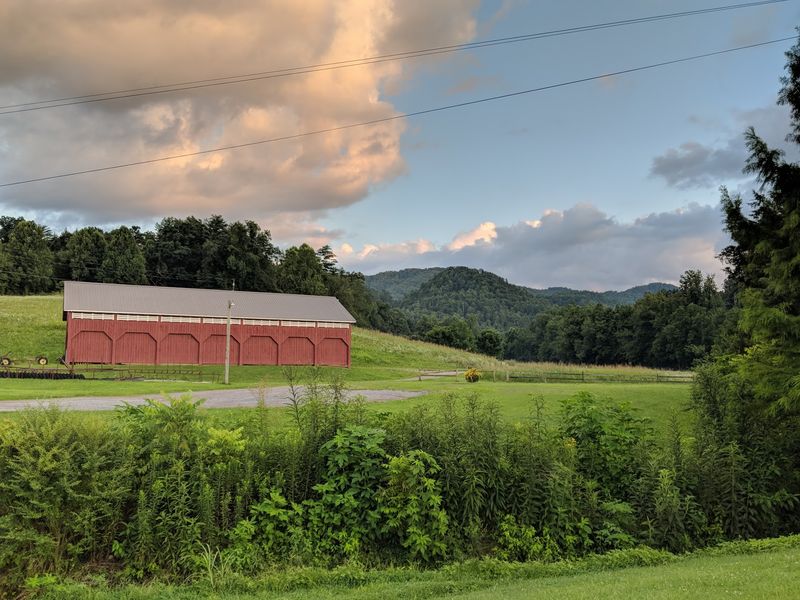
Tucked along the Little River on the Tennessee side of Great Smoky Mountains National Park, this gateway town earned its nickname honestly. The “Peaceful Side of the Smokies” isn’t just marketing talk when you can still hear birdsong over car engines.
Summer here means tubing down crystal-clear mountain streams without waiting in line for an hour first. The Little River runs cold enough to make you yelp and clean enough to see trout darting between rocks.
Several outfitters rent tubes, but the experience feels wonderfully low-key compared to touristy water parks. Pack a picnic, claim a riverside spot, and let the current do the work.
Cades Cove sits just minutes away, offering the Smokies’ most famous wildlife loop without Gatlinburg’s bumper-to-bumper chaos. Early summer mornings bring deer, wild turkeys, and occasionally black bears into the meadows.
The 11-mile loop road gets busy by midday even in summer, so sunrise visits reward early risers with practically private mountain views.
Downtown Townsend won’t take long to explore because there simply isn’t much downtown to speak of. That’s entirely the point.
A handful of restaurants, a visitor center, and some cabin rental offices serve a community that values natural beauty over neon lights. The Dark Sky community designation means nighttime stargazing rivals anything you’d see from a mountaintop.
Laurel Falls and other popular Smokies trailheads are closer from Townsend than from Gatlinburg, with easier parking and smaller crowds. Visit before September’s leaf season transforms every road into a slow-moving parade, and you’ll understand why locals guard this town’s peaceful reputation so carefully.
3. Dandridge
Second-oldest town in Tennessee, first in lake views. Dandridge sits pretty on the shores of Douglas Lake, where the French Broad River widens into 30,000 acres of fishing, boating, and sunset-watching opportunities.
The town avoided the fate of other riverside communities when TVA created the lake in 1943 by literally moving buildings uphill to safety. That determination to preserve history shows in every carefully maintained storefront.
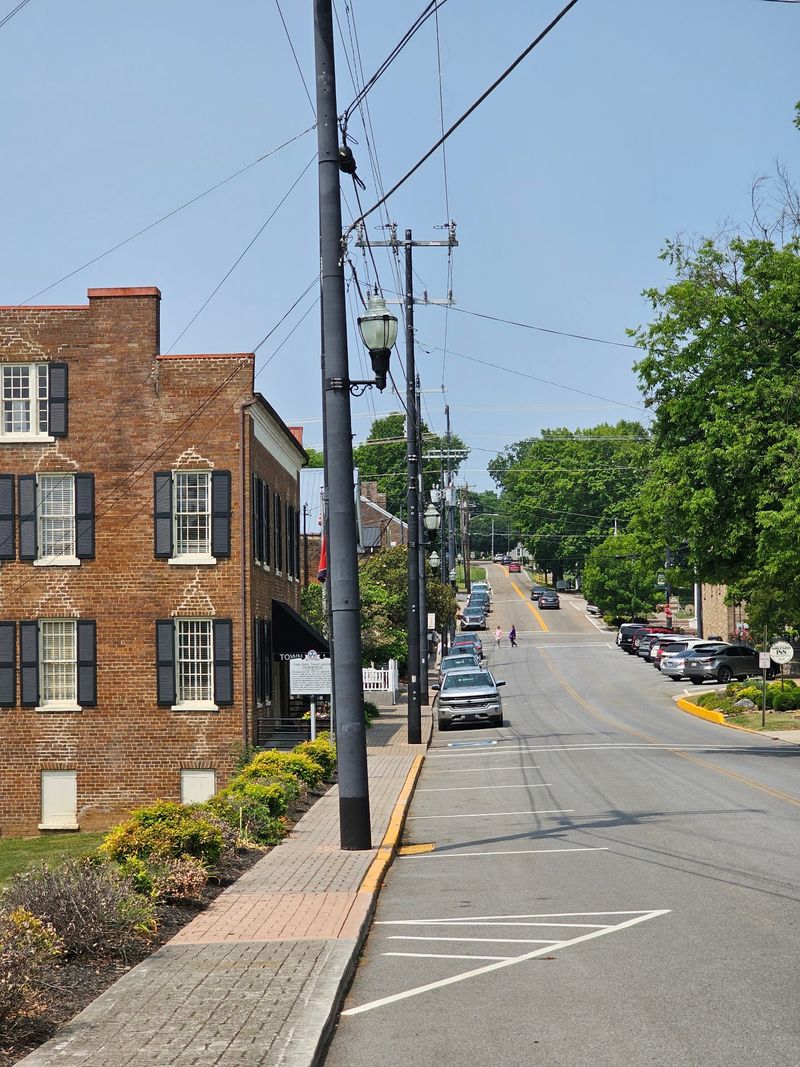
The courthouse square anchors downtown with that classic Southern town layout. Brick sidewalks connect antique shops, local restaurants, and the kind of hardware store where employees actually know which screwdriver you need.
Summer Saturday mornings bring a farmers market that’s heavy on homegrown tomatoes and light on corporate vendor booths. Real farmers selling real produce to neighbors who know their names.
Douglas Lake dominates summer recreation here. Rent a pontoon boat and explore the 500 miles of shoreline, or just claim a picnic table at one of the public access points and watch the water.
The lake stays less crowded than nearby Cherokee or Norris, partly because Dandridge hasn’t chased the tourist dollar quite as aggressively. Fishing for bass, crappie, and catfish stays consistently good through the warm months.
History buffs appreciate the Tinsley-Bible House and other preserved buildings that showcase Federal and Victorian architecture. The whole downtown earned National Register status, which sounds fancy but really just means the town cares about keeping things authentic.
No chain stores pretending to be quaint, just actual quaint buildings doing their jobs for over two centuries.
September brings the Balloon Glow and Scottish Festival, packing the town with visitors. July and August offer the same lake access and historic charm with actual parking spaces and restaurant tables available on a whim.
4. Greeneville
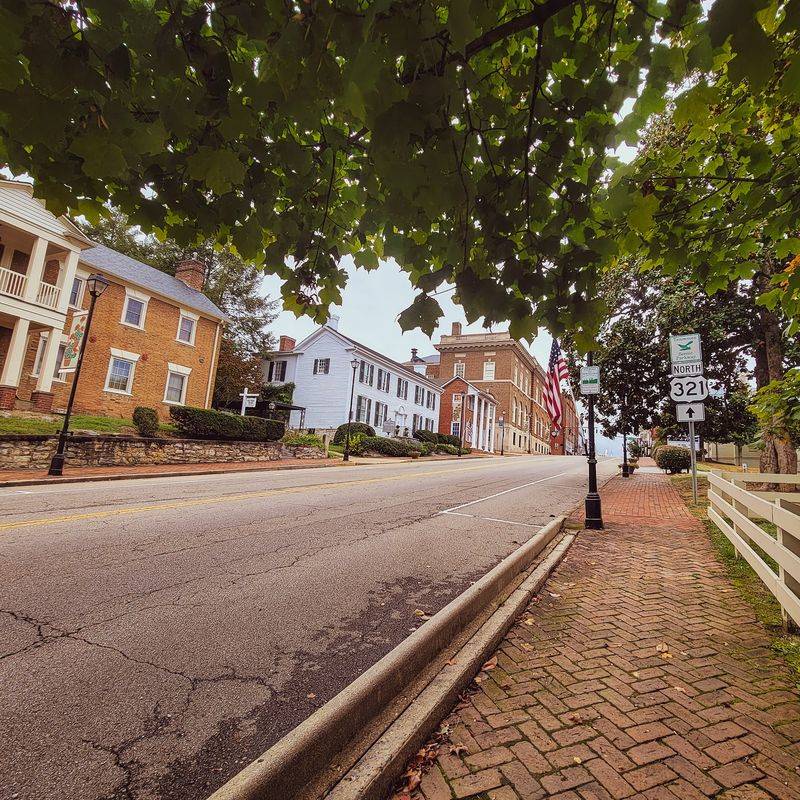
Andrew Johnson’s hometown wears its presidential connection proudly but doesn’t let it overshadow everything else worth seeing. The 17th president’s tailor shop and homestead draw history enthusiasts, sure, but Greeneville’s appeal runs deeper than one complicated political figure.
Mountain scenery frames a downtown that balances preservation with actual daily life, not just tourist performance.
Main Street still functions as an actual main street where locals shop, eat, and conduct business. The Historic District spans several blocks of buildings dating back to the early 1800s, their architecture telling stories about prosperity, survival, and stubborn East Tennessee independence.
Summer means window boxes overflowing with flowers and outdoor seating at cafes where iced tea comes properly sweetened unless you specify otherwise.
The Tusculum University campus adds youthful energy to this town of about 15,000 people. Founded in 1794, it claims the title of oldest college in Tennessee and oldest coeducational college affiliated with the Presbyterian Church.
The historic campus buildings blend seamlessly with Greeneville’s overall aesthetic of preserved brick and careful landscaping.
Cherokee National Forest surrounds the area, offering endless hiking, fishing, and camping opportunities within a short drive. The Appalachian Trail crosses through nearby sections, and several outfitters in town can set you up with gear or guided trips.
Summer temperatures in the mountains run cooler than the valley floor, making afternoon escapes to higher elevations particularly appealing.
Fall brings the Greene County Fair and autumn color seekers, but summer visitors get the town at its most relaxed. The farmers market runs Thursday afternoons with local produce, handmade goods, and live music that leans toward bluegrass and traditional country.
It’s the kind of scene where you’ll hear three-part harmonies echoing off historic storefronts while you pick through heirloom tomatoes.
5. Bell Buckle
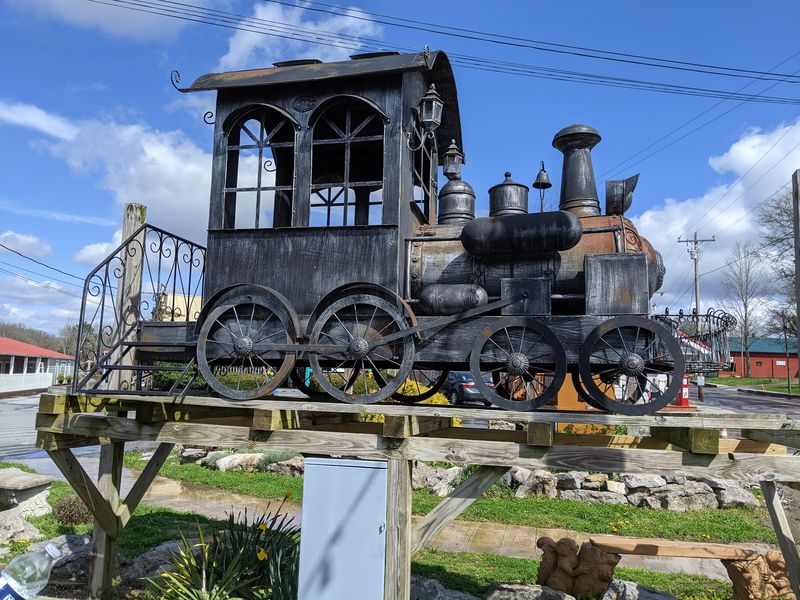
Population 500-ish, charm level off the charts. Bell Buckle packs more personality per square foot than towns ten times its size, and it knows exactly what it’s doing.
This former railroad stop transformed itself into an antique lover’s paradise without losing the authentic small-town soul that makes wandering its handful of streets genuinely delightful rather than manufactured-cute.
Railroad Avenue serves as the main drag, lined with shops housed in buildings that remember when trains regularly stopped here. The antique stores aren’t the dusty, disorganized kind where you need a tetanus shot to browse safely.
These are curated collections where serious pickers and casual browsers both find treasures. Vintage furniture, old farm tools, collectible glassware, and oddities that make you wonder about their previous owners fill every available space.
The Bell Buckle Cafe deserves its reputation for plate-lunch Southern cooking that tastes like somebody’s talented grandmother made it. The pie case alone justifies the drive, with rotating flavors that follow seasonal fruit availability.
Lunch crowds can fill the dining room, but summer weekdays usually offer easier seating than fall weekends when leaf-peepers descend.
Boutiques selling handmade jewelry, local art, and gifts occupy the spaces between antique shops. The whole downtown spans maybe three blocks, making it perfectly walkable even in July heat.
Covered porches and shade trees provide respite, and several shops keep rocking chairs out front for tired shoppers or patient spouses.
The RC Cola and Moon Pie Festival in June draws huge crowds celebrating these Southern staples with music, crafts, and good-natured silliness. Visit in July or August for the same quirky shops and friendly locals without festival parking challenges.
The town’s size means you can genuinely see everything in an afternoon, but most visitors end up lingering longer than planned because Bell Buckle’s charm works slowly and thoroughly.
6. Leiper’s Fork
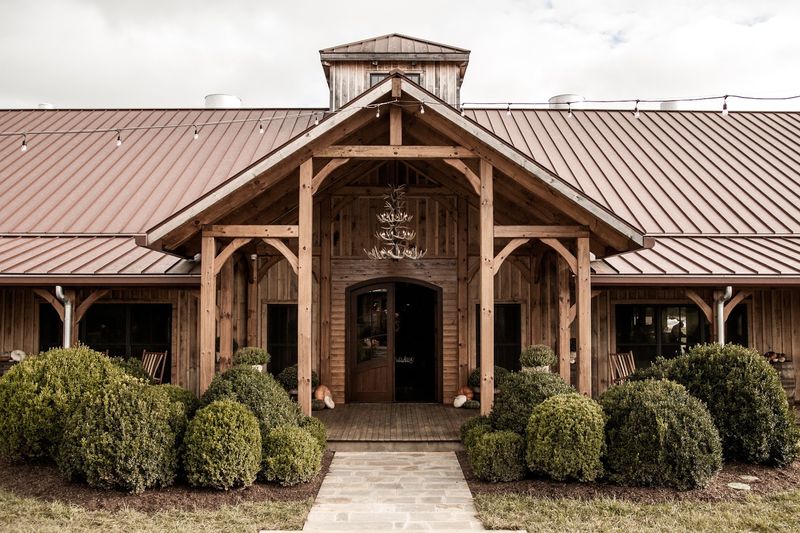
Twenty miles from Franklin’s bustling downtown, Leiper’s Fork operates on an entirely different frequency. This unincorporated community never incorporated for good reason: residents prefer keeping things small, authentic, and resistant to the development pressure that’s transformed much of Williamson County.
Rolling pastures still outnumber subdivisions, and the village center maintains a scale that feels genuinely rural rather than resort-town precious.
Artists and musicians claimed this area decades ago, drawn by affordable space and natural beauty. That creative community shaped Leiper’s Fork into a place where galleries, live music venues, and working studios coexist with feed stores and everyday rural life.
Summer weekends bring acoustic sessions at Puckett’s Grocery, where the front porch serves as an impromptu stage and the audience spills onto the lawn with pulled pork sandwiches and cold drinks.
The village stretches along Old Hillsboro Road, with most businesses clustered in a walkable area that takes maybe ten minutes to traverse end to end. Serenite Maison, Leiper’s Creek Gallery, and other shops showcase everything from fine art to handmade furniture to vintage finds.
Prices reflect the Williamson County zip code, but the quality and curation justify the investment for serious collectors.
Foxglove Antiques occupies a restored church building, its stained glass windows now illuminating European furniture and architectural salvage. The juxtaposition of sacred space and retail commerce somehow works perfectly in Leiper’s Fork’s quirky context.
Nearby, the Country Boy restaurant serves meat-and-three plates to locals and visitors who don’t mind waiting for a table during peak lunch hours.
Fall brings the Leiper’s Fork Lawn Chair Catfish Race and other events that pack the village with visitors. Summer offers the same pastoral scenery, live music, and gallery browsing with actual breathing room and available parking along the roadside.
7. Lynchburg
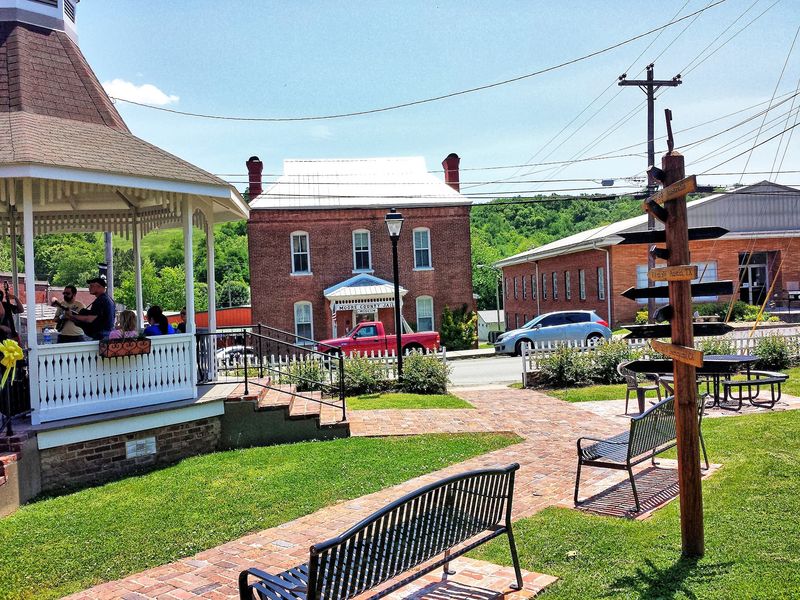
Yes, that Lynchburg. Jack Daniel’s Distillery dominates the tourism economy here, but Moore County’s seat offers plenty beyond whiskey tours if you know where to look.
The courthouse square represents small-town Tennessee architecture at its most photogenic, with the 1885 courthouse anchoring a layout that’s changed remarkably little in over a century. Ironically, the county stays dry despite producing America’s most famous whiskey.
The square’s shops cater heavily to distillery visitors, selling everything from Jack Daniel’s branded merchandise to local crafts and antiques. Miss Mary Bobo’s Boarding House serves traditional Southern dinners family-style, with reservations required and strangers seated together at communal tables.
The experience feels authentically old-fashioned because it genuinely is: the boarding house has fed visitors since 1908, long before whiskey tourism became an industry.
Beyond the distillery and square, Lynchburg reveals a working town of about 6,000 people navigating the blessing and burden of international fame. Residential streets feature well-maintained historic homes, churches that predate the Civil War, and quiet neighborhoods where tour buses never venture.
The contrast between tourist zone and local life happens within just a few blocks.
Tims Ford Lake sits about 15 minutes away, offering fishing, boating, and swimming without the crowds that pack more famous Tennessee lakes. The state park includes a marina, campground, and hiking trails through hardwood forests.
Summer weekdays find the lake surprisingly peaceful given Lynchburg’s overall visitor numbers, because most tourists stick to the distillery tour and square shopping.
September’s Jack Daniel’s World Championship Invitational Barbecue brings thousands of competitors and spectators, making parking nearly impossible and restaurants packed beyond capacity. July and August offer the same historic square and whiskey tours with manageable crowds and actual elbow room in the shops and restaurants.
8. Granville
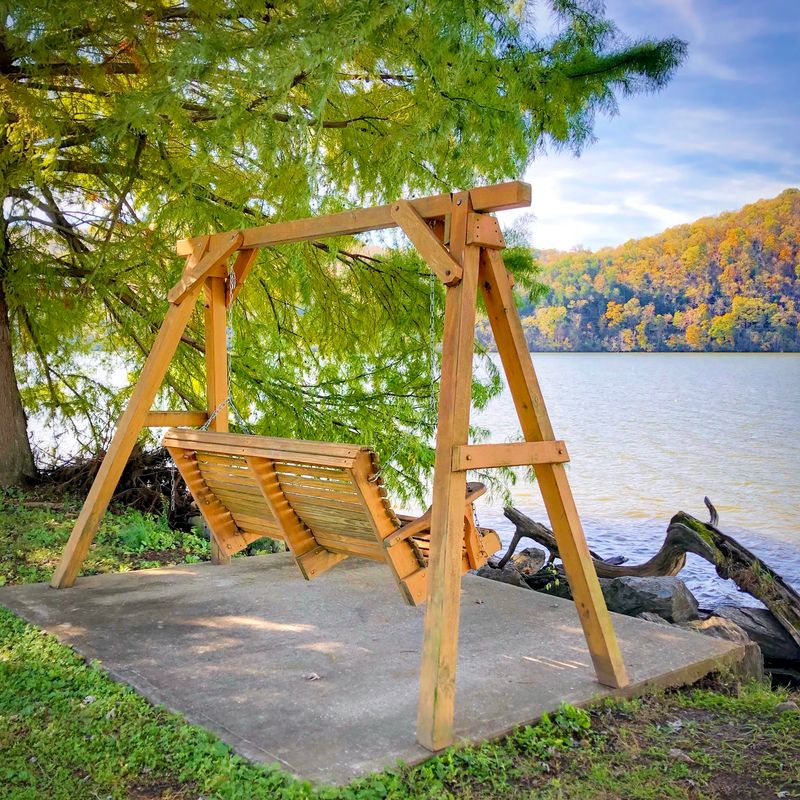
Blink while driving through Jackson County and you might miss Granville entirely. This community of fewer than 500 souls sits along Cordell Hull Lake with the kind of quiet dignity that comes from surviving floods, economic shifts, and the general indifference of a world rushing past on nearby highways.
The historic district earned National Register status for buildings dating to the early 1800s, but don’t expect museum-quality restoration. Granville’s charm lies partly in its gentle, lived-in authenticity.
The old buildings still serve their communities rather than just posing for photographs. The general store operates much as it has for generations, selling fishing tackle alongside groceries and local gossip.
The Methodist church welcomes the same families whose ancestors built it. This isn’t a preserved historic village: it’s a living town that happens to be old.
Cordell Hull Lake dominates recreational life here. Created by the Army Corps of Engineers in 1973, the lake flooded the original townsite and forced Granville to relocate slightly uphill.
That history gives the current waterfront a peculiar quality, as if the town is perpetually aware of what lies beneath the surface. Launch a boat from the nearby marina and you’re fishing over former farmland and forgotten roads.
Summer lake activities include fishing for bass and crappie, leisurely pontoon rides, and swimming at designated areas. The lack of major development means no jet ski rental operations or crowded public beaches, just quiet coves and long stretches of natural shoreline.
Locals appreciate this low-key atmosphere and tend to eye rapid growth skeptically.
The Granville Museum occupies a former Masonic Lodge building and chronicles local history through photographs, artifacts, and stories collected from longtime residents. Hours can be irregular, so calling ahead prevents disappointment.
Fall foliage season brings some color tourists, but Granville never gets truly crowded because it’s simply too small and too far off major routes.
9. Paris
Not that Paris. Tennessee’s version trades the Eiffel Tower for a 60-foot replica and the Seine for Kentucky Lake, but it matches the French original in absolutely no other way.
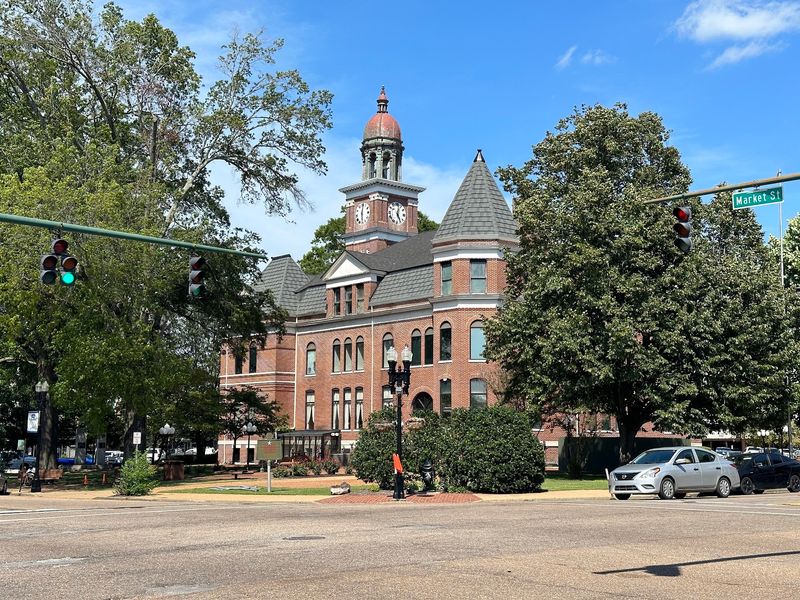
This West Tennessee town of about 10,000 people centers on a classic courthouse square where locals still conduct actual business rather than performing small-town life for tourists. The Henry County Courthouse anchors downtown with Second Empire architecture that photographs beautifully on sunny afternoons.
The square’s shops include the expected antique stores and boutiques, but also working offices, banks, and services that keep downtown functioning as a legitimate business district. Summer Friday evenings sometimes bring live music to the square, with families spreading blankets and local bands playing everything from country to classic rock.
It’s the kind of scene that feels increasingly rare: genuine community gathering without corporate sponsorship or admission fees.
Kentucky Lake sits about ten miles north, its massive expanse offering some of Tennessee’s best fishing and water recreation. Paris serves as a convenient base for lake visitors who prefer hotel beds to campground tents.
Several marinas, boat ramps, and fishing guides operate from nearby communities, making Paris an easy launching point for days spent chasing bass, crappie, or catfish.
The Eiffel Tower replica stands in Memorial Park complete with a red beret on top, because why not lean into the name coincidence? It’s exactly the kind of quirky landmark that makes small Southern towns endearing.
Nearby, the Paris-Henry County Heritage Center chronicles local history in a former post office building, with exhibits covering everything from Civil War battles to the town’s role in West Tennessee agriculture.
Fall brings the World’s Biggest Fish Fry, a week-long festival that’s been running since 1954 and packs the town with visitors, carnival rides, and approximately 13,000 pounds of fried catfish. Visit in summer for the same lake access and historic square without navigating festival crowds and closed streets.
10. Collierville
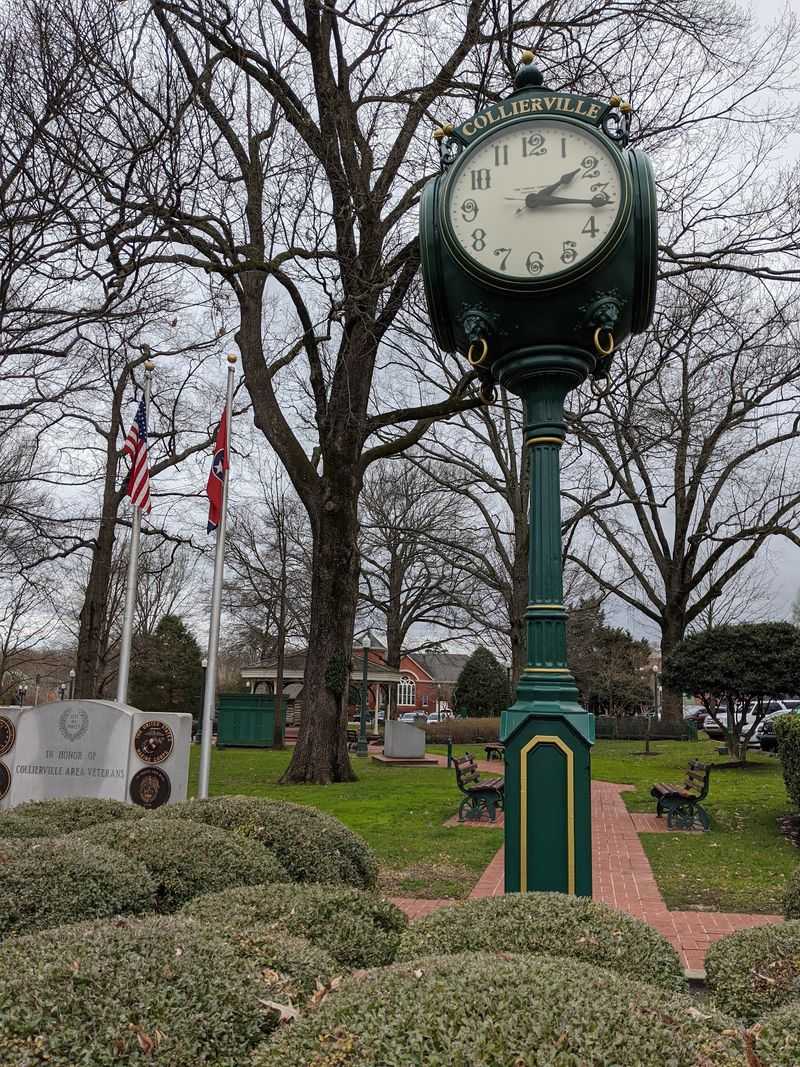
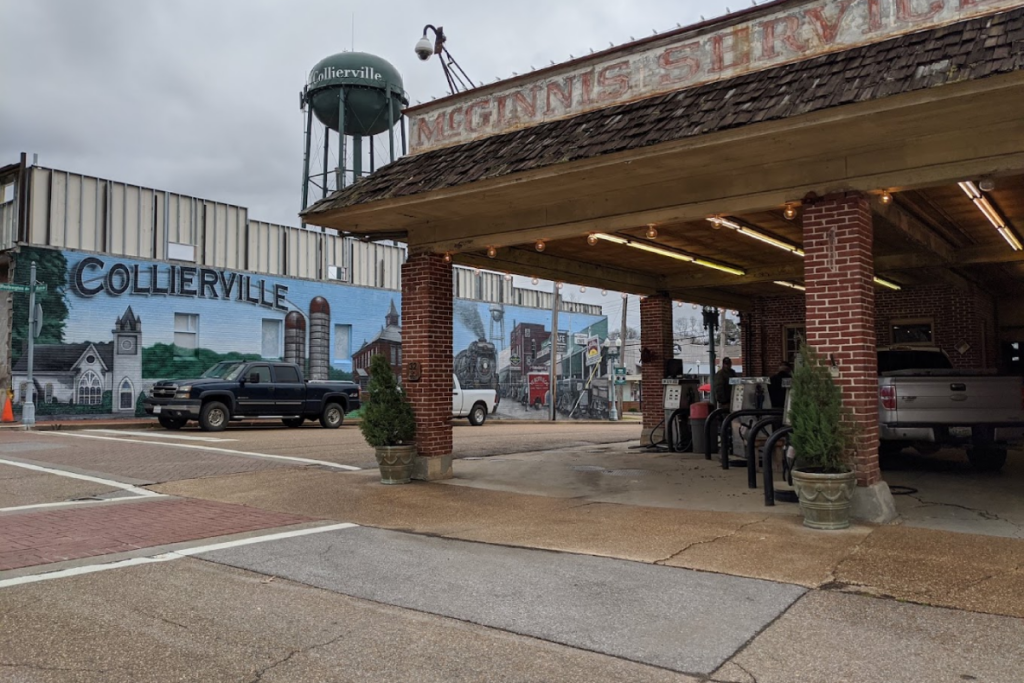
Memphis sprawl hasn’t swallowed Collierville despite steady suburban growth pressuring its borders. The historic town square survives as a remarkably intact example of late 19th-century commercial architecture, with brick storefronts, wide sidewalks, and the kind of mature tree canopy that takes generations to grow.
Modern Collierville balances carefully between preservation and progress, maintaining small-town character while accommodating a population approaching 52,000.
The square functions as both working downtown and heritage site. Local businesses occupy historic buildings alongside restaurants, coffee shops, and specialty retailers that draw shoppers from across the Memphis metro.
Summer evenings bring Sunset on the Square concerts, with lawn chairs filling the green space and food vendors setting up alongside the music stage. The free concert series runs through warm months, offering everything from jazz to bluegrass without the crowds or ticket prices of bigger festivals.
Morton Museum of Collierville History occupies the town’s original train depot, chronicling the community’s evolution from railroad stop to Memphis suburb. Civil War history features prominently: the Battle of Collierville in 1863 saw Union and Confederate forces clash right on the square.
Interpretive markers around downtown explain the fighting’s progression and aftermath.
Shopping ranges from antiques to contemporary boutiques, with particular strength in home decor and gifts. The Historic District includes not just the square but surrounding residential streets where Victorian homes showcase the wealth that railroad commerce brought to 19th-century Collierville.
Walking tours cover both commercial and residential architecture, though summer heat makes early morning or evening strolls more comfortable.
W.C. Johnson Park offers hiking trails, fishing ponds, and picnic areas just minutes from the square, providing quick nature escapes without leaving town.
Fall festivals pack the square with craft vendors and seasonal activities, but summer visitors enjoy the same historic setting, live music, and shopping with easier parking and shorter restaurant waits. The town’s proximity to Memphis means day-trippers can combine urban attractions with small-town charm in a single outing.
Share this story