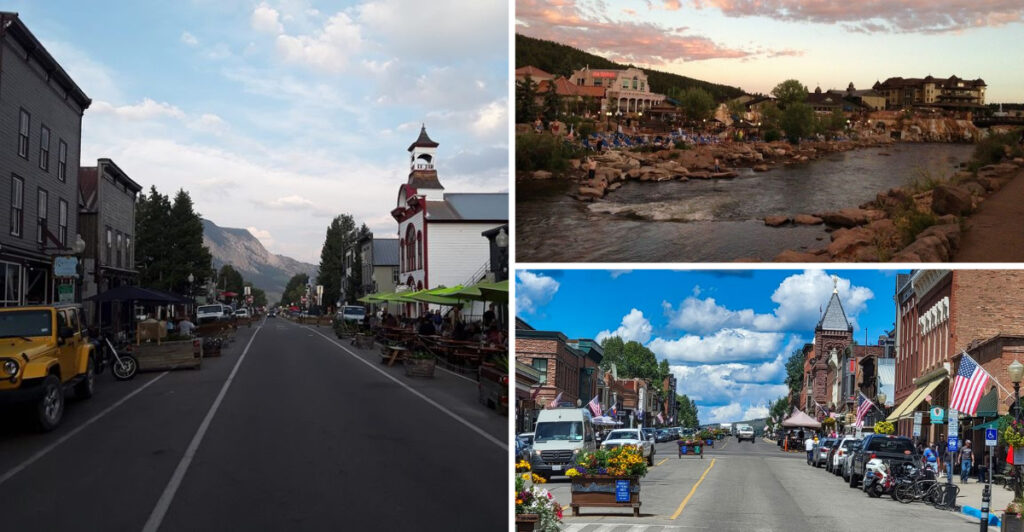
The best Colorado adventures do not end at the trailhead—they continue around the dinner table. Across the state, a handful of mountain towns have mastered the perfect pairing of unforgettable hiking and memorable dining, making it easy to trade hiking boots for a patio seat without missing a beat.
Spend the morning climbing to alpine lakes, waterfalls, or panoramic summits, then reward yourself with everything from wood-fired pizza and craft beer to fresh pastries, farm-to-table cuisine, and hearty comfort food. If your favorite trips revolve around both spectacular scenery and exceptional meals, these 10 Colorado towns deserve a place on your travel list.
1. Ouray
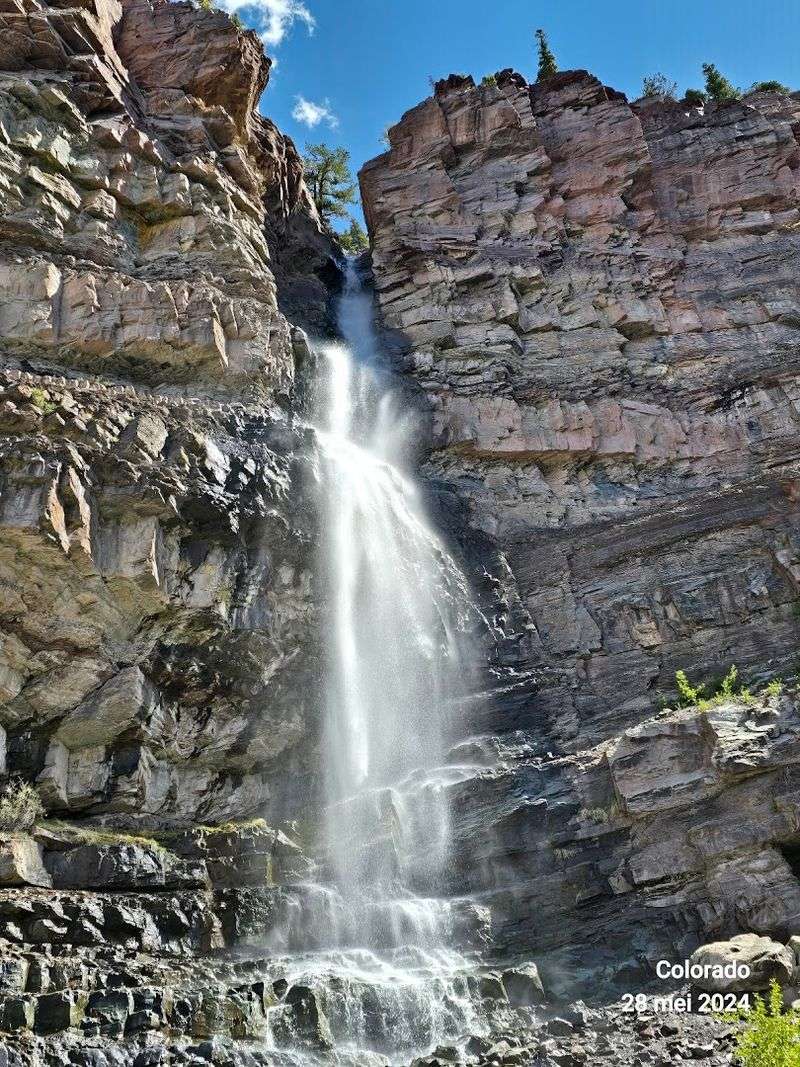
Ouray knows how to make a hiker hungry. The scenery starts working on you early, with sheer peaks, narrow valley views, and trails that climb fast enough to make lunch feel like a distant memory.
Even a shorter outing around town can turn into a full appetite once waterfalls, stair-step climbs, and those big San Juan backdrops enter the picture.
The Perimeter Trail is a classic way to understand the setting without committing to an all-day expedition. If you go bigger, the surrounding alpine routes deliver that satisfying mix of effort, thin air, and unforgettable overlooks that practically demand a serious dinner afterward.
By the time boots are off, downtown sits close at hand, compact and easy to wander without overthinking the evening.
That is where Ouray really locks in its appeal. You can aim for a casual cafe, slide into a brewery for something cold, or settle into a steakhouse mood and make the most of the calorie deficit.
Comfort food lands especially well here, whether that means a burger, a basket of fries, green chile, or a plate that leans hearty and simple.
The historic core helps, too. Brick buildings, mountain walls on every side, and a walkable main stretch give dinner a little extra texture without trying too hard.
Nothing feels too far apart, so you can browse menus, peek into bakeries, and choose based on smell, mood, or whichever patio has the best people-watching.
If the day also includes a soak in the hot springs, dinner hits on another level. Warm muscles and mountain air sharpen the whole reward system, and suddenly dessert seems like a strong decision.
Ouray does not separate outdoor adventure from eating well – it stacks them beautifully into one very satisfying day.
2. Telluride
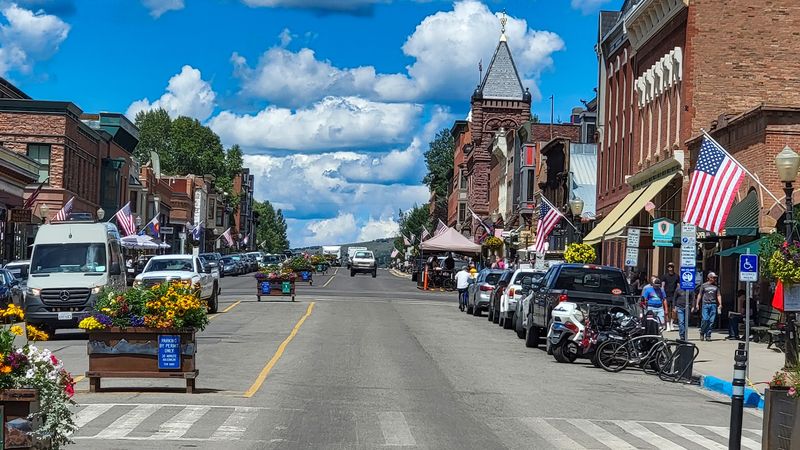
Telluride has a way of making the post-hike meal part of the plan before you even lace up. The box canyon setting is dramatic enough to raise expectations, and the trails nearby usually deliver on them.
Spend a few hours climbing, tracing a creek, or staring up at those steep walls, and your next thought naturally shifts toward pizza, pastries, or something much slower and more polished.
Bear Creek Trail is a strong example of the local rhythm. It gives you forest, water, elevation gain, and constant reminders to stop and look around, all without needing an elaborate backcountry strategy.
Bridal Veil Falls adds a more iconic target, with scenery that earns every calorie you chase later in town.
Back downtown, Telluride makes it easy to match your meal to your energy level. Maybe you want a bakery stop and coffee first, just enough to reset before dinner.
Maybe you go straight for craft beer and a table loaded with pizza, or lean into a more refined evening with a menu built for lingering.
The best part is the contrast. One minute you are on a rocky path with peaks filling the horizon, and not long after, you are under string lights or tucked into a warm dining room with a plate that looks like someone took real care with it.
That shift never feels forced here because the town is compact, polished, and still grounded in the outdoors. Telluride works for travelers who want a hike with a reward that goes beyond convenience food.
You can build a whole day around trail miles, then land somewhere memorable without changing the mood. In a state full of strong mountain towns, this one pairs altitude and appetite with unusual precision.
3. Crested Butte
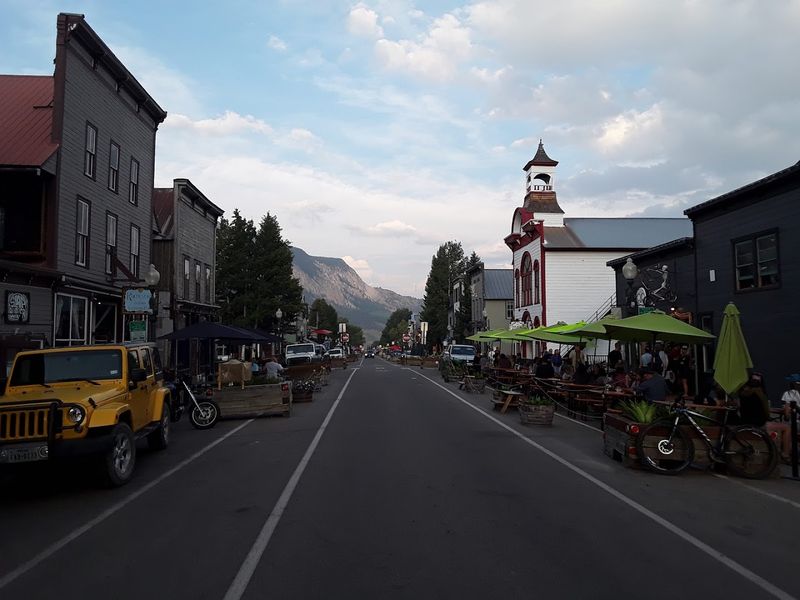
Crested Butte makes a strong case for lingering after the hike instead of racing to the next stop. The trails around town are famous for summer color, but even outside peak wildflower season, the terrain has a bright, open, high-country look that keeps your camera busy.
After a few miles through meadows and up toward broad alpine views, the thought of a good meal arrives right on schedule.
There is variety here, which matters. You can go for a mellow scenic walk with flower-packed edges and easy conversation, or choose a route that pushes higher and asks more from your legs.
Either way, the reward at the end is not isolated at a highway exit – it is a downtown with personality, walkability, and plenty of places that understand hungry people.
The dining scene fits the town nicely. Cafes handle the late breakfast crowd and post-hike pastry urge, breweries cover the casual reset, and locally loved restaurants give dinner a little more range without becoming stuffy.
It is the kind of place where a sandwich can be memorable at lunch and a comforting plate later can still feel like the right move.
Crested Butte also benefits from scale. Nothing requires a big logistical effort once you are back in town, so you can park the car, stretch your legs, and wander until a menu clicks.
Historic storefronts, mountain views at the end of the street, and that active summer energy keep the evening moving at an easy pace.
For travelers who want scenery with substance, this town delivers both parts cleanly. The hikes are photogenic, the downtown is inviting without being overdone, and the food side holds up after a serious day outside. Crested Butte understands a simple truth: beautiful miles are even better when dinner is handled well.
4. Rollinsville
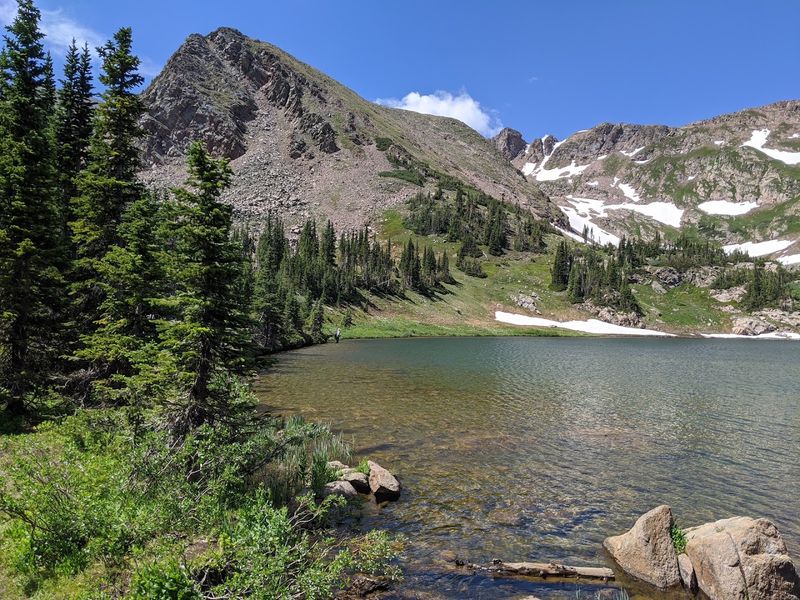
Rollinsville is small enough that you could miss it if you were only chasing bigger-name mountain towns, which would be a mistake.
This pocket of the Front Range puts you within reach of forested trails, high-country lakes, and the rough-edged history around Rollins Pass. After a day out there, the low-key food scene matches the setting better than any flashy finish could.
The appeal starts with access. James Peak Wilderness and nearby trailheads open the door to hikes with changing terrain, old railroad context, and the kind of mountain quiet that makes your legs feel the work by the end.
You can spend hours moving between shaded sections, open views, and that distinct Colorado mix of granite, timber, and sky.
Back in Rollinsville, the reset is refreshingly straightforward. A welcoming cafe, a local eatery, maybe something warm to drink if the weather swings cooler than expected – that is often all you need after a long climb or a windy afternoon above treeline.
The meal becomes part of the outing rather than a separate event dressed up for tourists. That easygoing rhythm is the real draw. There is no pressure to turn the evening into a production, and no sense that you have to reserve your way into a good time.
You just come back hungry, find a table, and settle into food that tastes better because the day already gave you the hard part.
Rollinsville works best for hikers who like substance over scene. The nearby landscapes bring the adventure, while town supplies a comfortable landing spot that does not compete with it.
When the trails include alpine lakes, railroad-country views, and enough elevation to sharpen your appetite, a relaxed meal here lands exactly where it should.
5. Estes Park
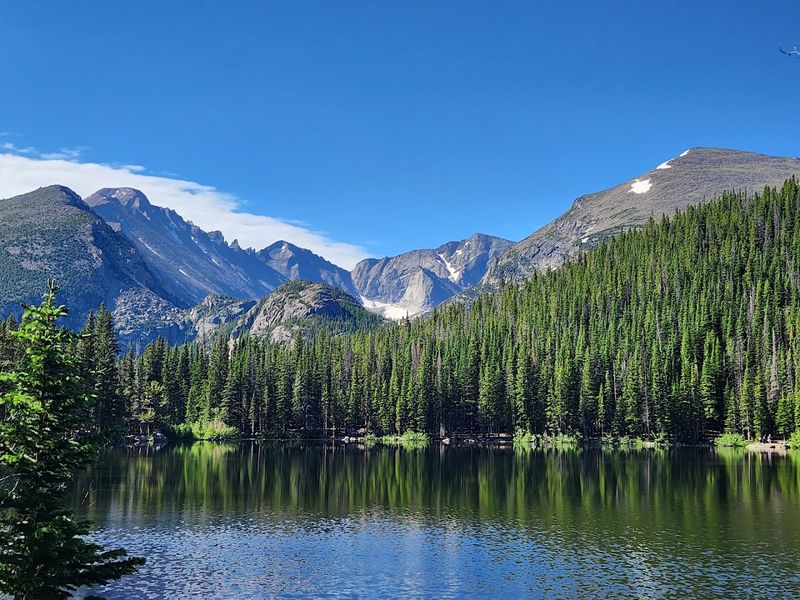
Estes Park starts with an obvious advantage: trail access that barely needs an introduction. As the front door to Rocky Mountain National Park, it puts famous hikes within easy reach, which means your day can begin at an alpine lake and end with a table full of food without much wasted motion.
That combination is hard to beat when you want scenery and convenience in the same package. Emerald Lake is the type of outing that gets plenty of attention for good reason, with steady visual payoff and a finish that invites a longer pause.
Sky Pond pushes things farther, asking for more effort and rewarding it with dramatic terrain that tends to stay in your head long after you are back in town.
Either choice builds the kind of appetite that makes your first restaurant decision of the evening feel unusually important.
Fortunately, Estes Park gives you options. Downtown leans lively, with casual burger spots, bakeries, breweries, and places where you can clean up and shift into a slower dinner.
That range matters because not every post-hike craving points in the same direction, and this town can handle hungry, tired, celebratory, or all three at once.
The setting helps keep the energy up after the trail. You can stroll through the center, browse a little, and let the evening unfold instead of locking into one plan too early.
Mountain views remain close, and the town stays busy enough that grabbing dessert, another drink, or a second round of snacks never seems unreasonable.
Estes Park is especially good at the classic national-park town formula when it is working well: strong trail access, plenty of services, and a satisfying finish to the day. You go out for lakes, peaks, and big air, then come back for beer, baked goods, and a dinner that confirms the effort was a smart investment.
6. Buena Vista
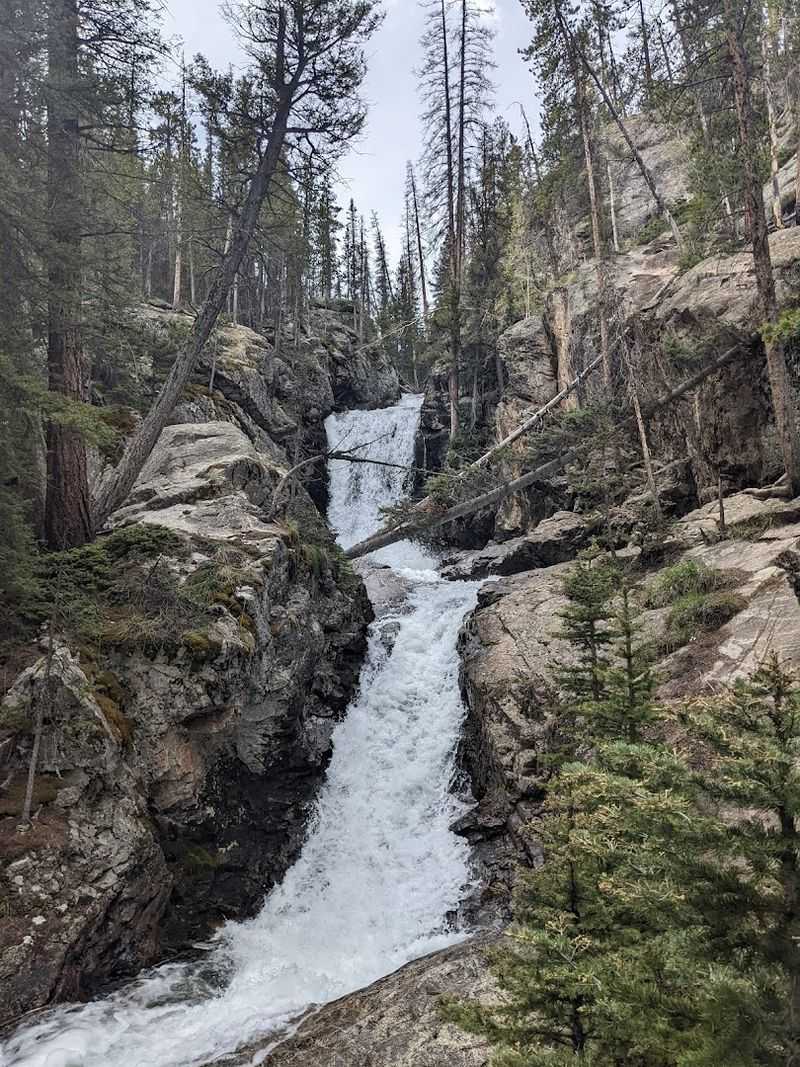
Buena Vista is built for people who want their outdoor day to stay active right up until dinner. The Arkansas Valley setting puts serious mountain objectives nearby, but the town itself stays approachable and unfussy.
You can chase a Fourteener, pick a scenic waterfall route, or spend the day on gentler trails and still return with an appetite that deserves more than a gas-station snack.
Browns Creek Falls is one of those hikes that hits a satisfying middle ground, giving you movement, forest, water, and just enough elevation to make lunch disappear from memory. Bigger ambitions in the surrounding high country raise the stakes and the hunger level.
Either way, the terrain around Buena Vista tends to leave hikers sun-tired, happy, and ready to sit down somewhere that understands post-trail priorities.
Food options here match that mood well. Craft breweries offer the obvious reset, wood-fired pizza covers the fast answer, and locally owned restaurants give you enough variety to turn dinner into a proper second act.
Riverside patios do extra work in warm weather, especially when you want one more dose of open air without adding another mile.
The town strikes a useful balance between adventure base and place you actually want to hang around in. You are not rushing through on the way somewhere else, because the downtown has enough life, enough flavor, and enough mountain-town ease to reward a slower evening.
That makes it easy to stack coffee, a late lunch, drinks, and dinner if the day runs long. Buena Vista earns its place on this list because the hiking is strong and the eating keeps pace.
You can spend the day looking up at high-country giants, then settle into a patio meal that lands exactly right. Boots off, cold drink down, pizza on the table – that is a very convincing finish.
7. Pagosa Springs
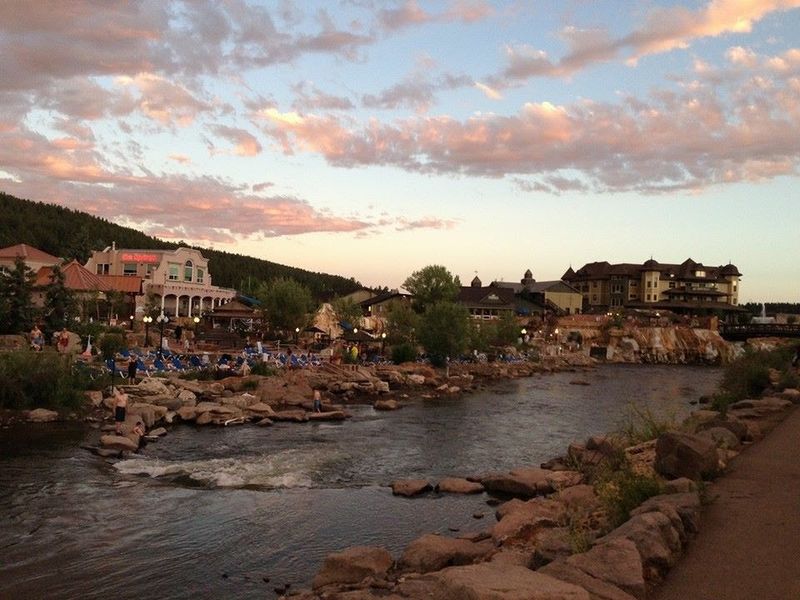
Pagosa Springs has a post-hike advantage that few mountain towns can match: soaking before dinner. That extra layer of recovery changes the whole evening, especially after a day spent on trails in the surrounding San Juan National Forest.
By the time you slide into a booth or claim a patio table, your legs are calmer, your appetite is louder, and the meal tends to land with excellent timing.
The hiking nearby gives you options without locking you into one style of day. You can spend hours in forests, climb toward bigger views, or track down routes that mix shade, open slopes, and plenty of mountain silence.
It is easy to build the kind of outing that leaves you pleasantly worn out instead of completely flattened, which is ideal when good food is part of the plan.
Back in town, Pagosa Springs has range. Southwestern flavors make a lot of sense here, but bakeries, breweries, and cozy restaurants help round out the evening depending on your mood.
Maybe you want a quick pastry and coffee after an early start, or maybe you are holding out for a full dinner with something comforting, a little spice, and a long exhale between bites.
The hot springs piece ties it together. Even if you only soak briefly, the transition from trail dust to warm mineral water to dinner table is hard to top.
It turns a standard hike-and-meal day into something more complete, with recovery built into the reward instead of treated like an afterthought.
Pagosa Springs works especially well for travelers who like their mountain towns with a little variety in the finish. You are not choosing between adventure and downtime, because both fit naturally into the same day. Hike hard, soak awhile, then eat well – that sequence is simple, practical, and extremely convincing.
8. Grand Junction
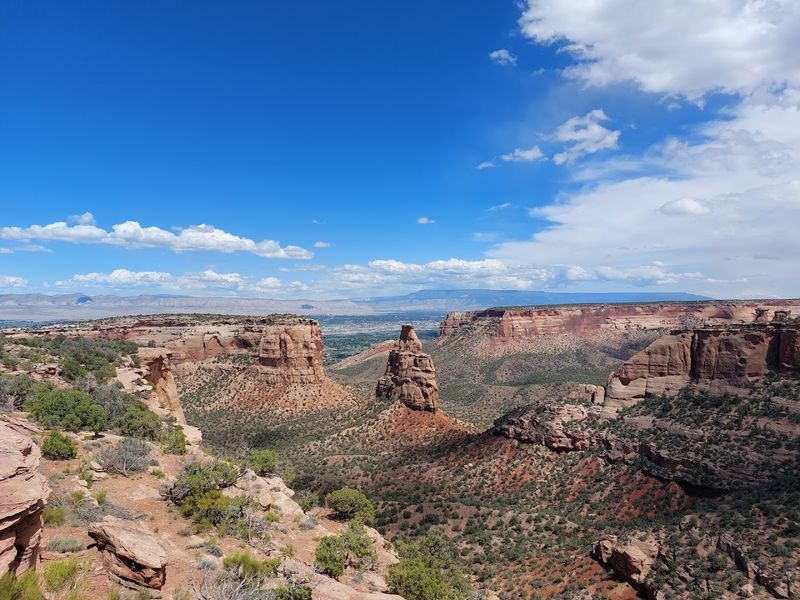
Grand Junction changes the visual palette in the best possible way. Instead of alpine lakes and dense evergreens, you get red-rock canyons, mesas, open sky, and the kind of sunlit sandstone scenery that makes a hike feel raw and cinematic.
After spending the day in terrain like that, coming back to a downtown meal has a sharper contrast, and that contrast is exactly why the place works.
Colorado National Monument is the obvious anchor, and for good reason. Trails there move through towering formations and wide views that can make a few miles feel bigger than the map suggests.
The dry air, exposed sections, and dramatic colors add their own appetite-building power, so by late afternoon, food stops being optional and starts becoming the main event.
Downtown Grand Junction answers with range instead of one signature lane. Restaurants cover different moods, breweries handle the casual reset, wineries bring in a slower local angle, and cafes fill the gaps before or after dinner.
That means you can keep the day simple with a burger and beer, or stretch it into a more layered evening with a tasting room stop and a long meal.
The desert-meets-dining contrast keeps everything interesting. You go from rugged rock walls and big horizon lines to tree-lined blocks, patio tables, and menus that reward some thought.
It is a different rhythm from the classic ski-town version of Colorado, and that is part of its appeal for hikers who want scenery with a little more edge.
Grand Junction belongs on this list because it pairs effort and payoff in a distinctive way. The hikes are bold, dry, and memorable, and the food scene gives you plenty to do once the trail dust settles. When sandstone towers are still in your head and dinner arrives hot, the whole day clicks into place.
9. Silverton
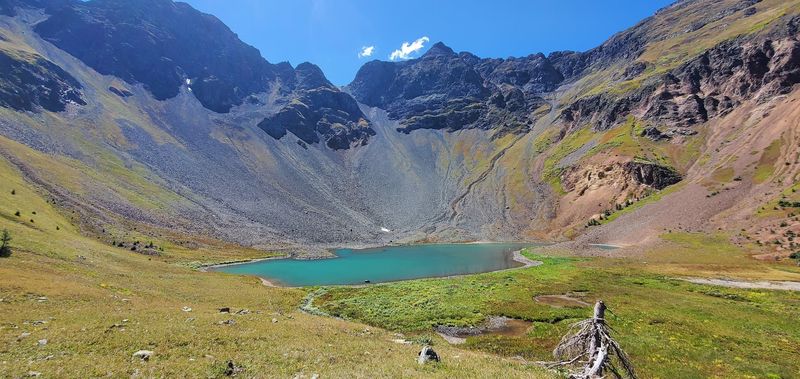
Silverton leans fully into the rugged side of Colorado, and that is exactly why the food tastes so good afterward. Surrounded by steep San Juan terrain, this old mining town puts alpine lakes, waterfalls, and rough historic routes within reach.
A day here tends to involve real elevation, changing weather, and enough scenery to keep you distracted until hunger suddenly takes over.
The nearby hiking experience is rarely bland. Trails can lead through basins, past remnants of mining history, and up toward high views that look carved out of effort itself.
Even when the route is not technically extreme, the altitude and terrain usually make you earn the evening in a very direct way.
Back on Main Street, Silverton offers the kind of places that make sense in a mountain town with hard-working appetites. Cafes, bakeries, and locally owned restaurants cover the essentials, with hearty meals that fit the setting better than anything delicate ever could.
After a long day outside, warm food and a table indoors can be all the luxury you need. The historic streetscape adds a lot without trying to modernize the whole experience.
Old buildings, mountain walls close by, and a slightly rougher edge give dinner context that feels tied to the landscape rather than separate from it.
You are not just refueling in any town – you are winding down in one that still carries the look of its surroundings.
Silverton is a strong pick for hikers who want alpine drama followed by straightforward satisfaction. The trails deliver lakes, peaks, and plenty of mountain mileage, while town provides a comfortable landing spot once the work is done. By the time you are eyeing dessert or another cup of coffee, the day has already made its point clearly.
10. Salida
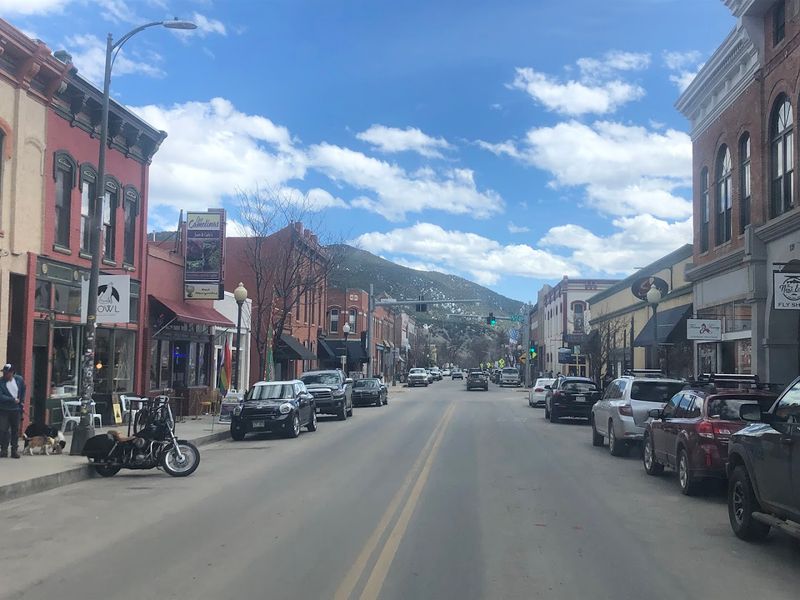
Salida has quietly put together one of the most satisfying hike-to-dinner combinations in Colorado. The access is broad, with nearby routes tied to the Colorado Trail, Monarch Pass, and the Sawatch Range, so your day can swing from quick movement to full alpine commitment depending on your ambition.
That flexibility makes the town especially good for travelers who want options without sacrificing the quality of the payoff.
The hiking around Salida covers a lot of moods. You can go after bigger climbs, choose riverfront or lower-elevation miles, or set out toward higher country with a full day in mind.
No matter the route, the return to town is easy to appreciate because Salida has the kind of downtown that invites wandering before you finally sit down and order.
Food is part of that draw. Artisan bakeries handle morning fuel and late treats, coffee shops keep the energy steady, breweries cover the casual celebratory drink, and standout restaurants give dinner enough depth to turn the evening into more than a simple refuel.
It is easy to build a full day around this sequence and never feel like any part of it is filler. The walkable core helps sharpen the experience.
You can move from the river to a patio, from a pastry case to a dinner table, without needing to overplan every transition. That keeps the town lively but not hectic, which is a sweet spot after a dusty, sun-heavy day on the trail.
Salida earns its spot because it treats good food as a natural extension of outdoor life rather than a bonus feature. The nearby hikes give you all the mountain reward you could want, and the downtown backs it up with flavor and variety. When a place can handle coffee, beer, pastry, and dinner equally well, hikers tend to notice.
Share this story