Texas food culture runs deep, shaped by generations of ranchers, Mexican influences, European immigrants, and backyard pit masters who perfected their craft over wood smoke and time. The flavors here tell stories of border crossings, cattle drives, and family recipes passed down through decades. Whether you’re a lifelong Texan or just passing through, these ten dishes capture the heart and soul of what makes eating in the Lone Star State an unforgettable experience.
1. San Antonio Puffy Tacos
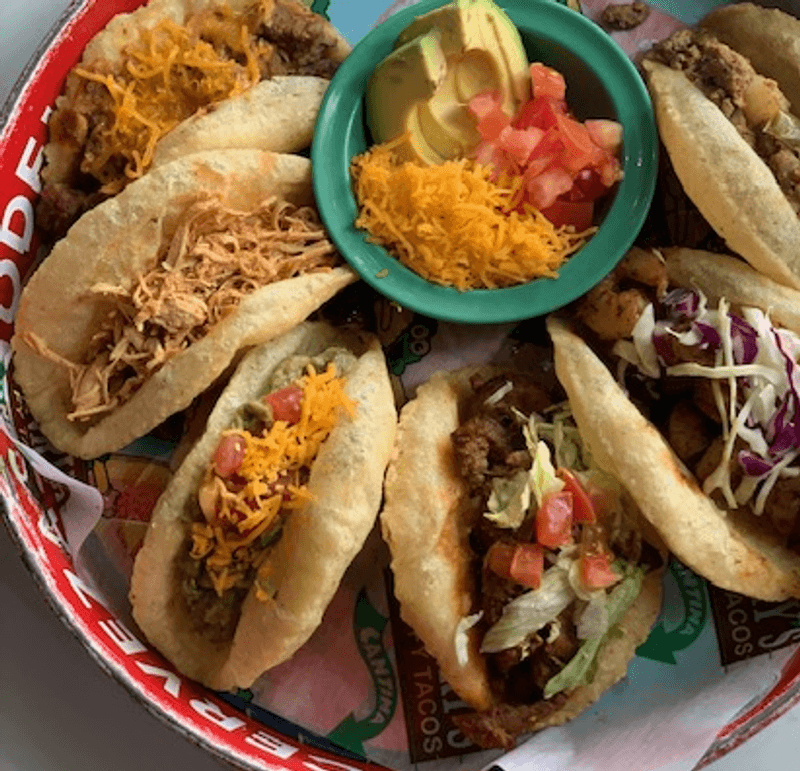
Walk into any taqueria on San Antonio’s West Side and you’ll spot them immediately: those gloriously puffed-up shells that look like edible clouds. The dough gets dropped into hot oil and balloons up within seconds, creating a crispy-yet-tender vessel that’s nothing like the flat tortillas most people know. Ray’s Drive Inn on the South Side claims to have invented these beauties back in the 1950s, though plenty of families insist their abuelas were making them long before that.
What makes these tacos special isn’t just the shell, though that’s certainly the star attraction. The way the puffy exterior shatters when you bite down, giving way to that soft, pillowy interior, creates a texture experience you won’t find anywhere else. Most places pile them high with seasoned ground beef, shredded lettuce, diced tomatoes, and a mountain of cheese that melts slightly from the heat of the freshly fried shell.
The technique takes practice to master. The masa dough needs the right consistency, not too wet or it won’t puff, not too dry or it’ll crack. Oil temperature matters tremendously, too hot and the outside burns before the inside cooks, too cool and you end up with a greasy mess instead of that signature puff.
Watching an experienced cook work the fryer is like watching a small magic show, each taco bobbing to the surface perfectly inflated.
You’ll find variations across the city now, some stuffed with barbacoa or picadillo, others topped with guacamole or sour cream. A few ambitious spots even make breakfast versions with eggs and bacon tucked inside. But the classic ground beef version remains the gold standard, the one that locals crave and visitors remember long after they’ve left town.
The shell stays crispy for maybe five minutes before it starts to soften, so timing matters. Eat them fresh, eat them fast, and understand why San Antonio considers these puffy creations a point of civic pride worth defending.
2. Texas Pecan Pie
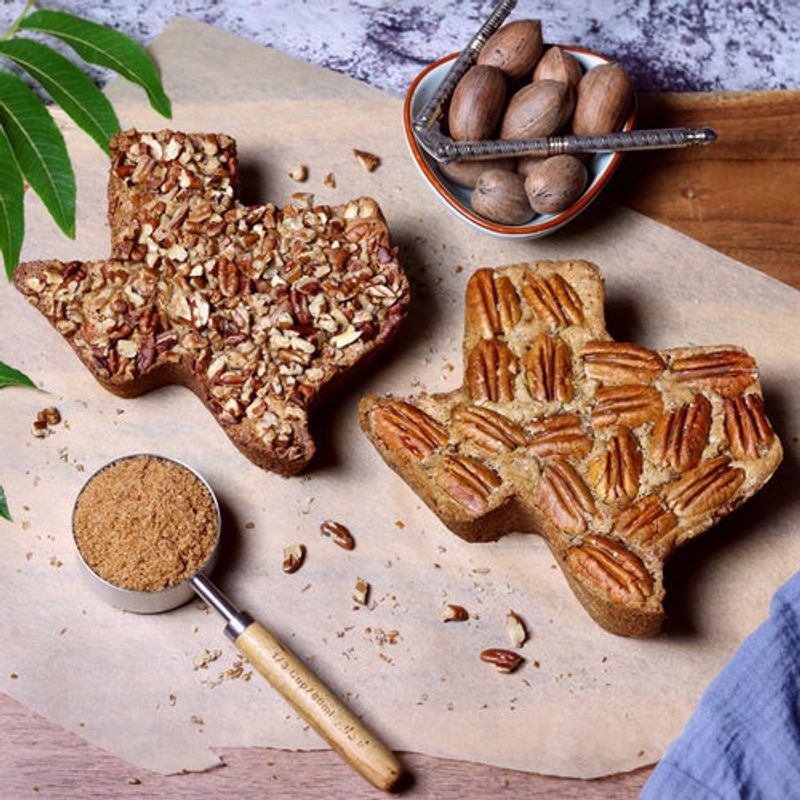
Pecan trees grow wild across much of Texas, dropping their nuts each fall in quantities that inspired generations of cooks to find creative uses for them. Somewhere along the way, someone had the brilliant idea to suspend those buttery nuts in a sweet, gooey filling and bake it all into a flaky crust. The result became as Texan as bluebonnets and armadillos, showing up at every holiday table, church potluck, and roadside diner from Amarillo to Brownsville.
The filling walks a delicate line between sweet and rich without tipping into cloying territory. Corn syrup provides the base in most recipes, though some old-timers swear by cane syrup or sorghum for a deeper flavor. Eggs bind everything together while butter adds richness that balances the sweetness.
Vanilla extract and a pinch of salt round out the flavors, though some cooks add a splash of bourbon or a hint of cinnamon to make their version stand out.
Native Texas pecans taste different from the cultivated varieties grown in other states. They’re smaller, with a more intense, almost wild flavor that comes through even when baked. The best pies use halves rather than pieces, arranged in neat concentric circles or scattered randomly depending on the baker’s aesthetic preferences.
As the pie bakes, the pecans toast slightly while the filling sets into that signature texture, firm enough to slice but still yielding a bit when you press your fork through it.
Serving temperature sparks fierce debates among pie enthusiasts. Some insist it must be warm, preferably with vanilla ice cream melting into the filling. Others prefer it at room temperature when the flavors have had time to settle and develop.
A few rebels even like it straight from the refrigerator, claiming the cold makes the filling less overwhelming. Whichever camp you fall into, the combination of crunchy pecans, sweet filling, and buttery crust creates something that transcends simple dessert and becomes a celebration of Texas agriculture and culinary tradition.
3. Chicken-Fried Steak
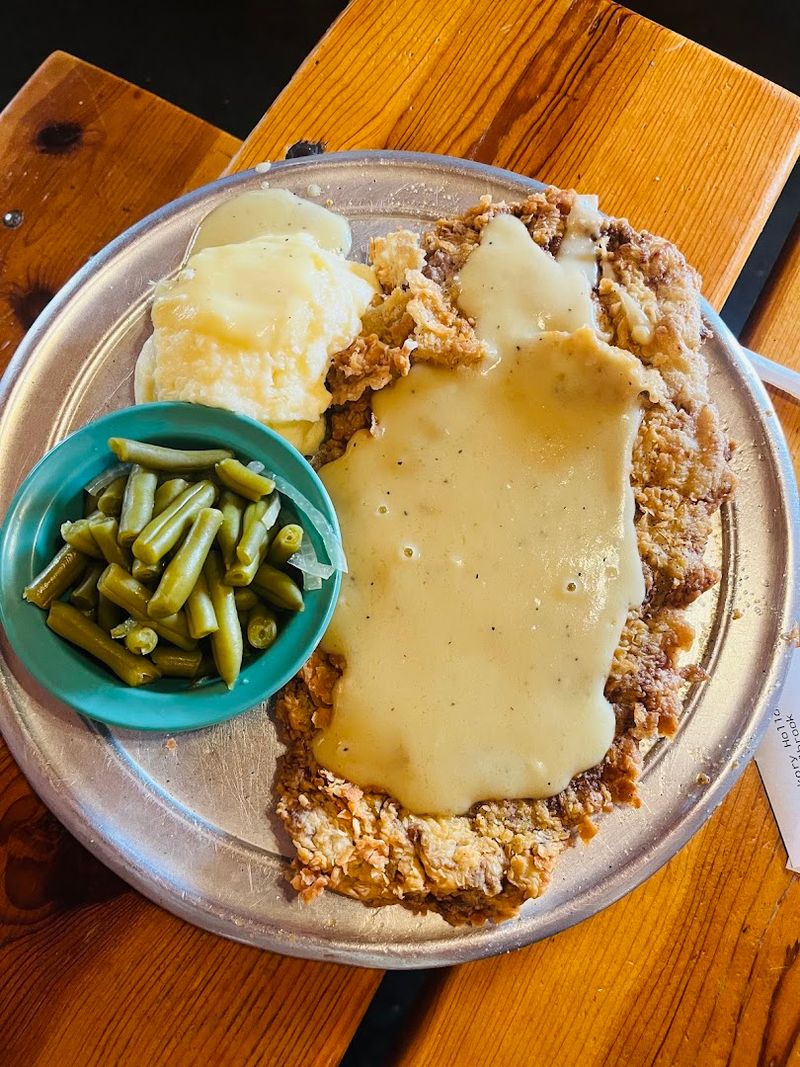
Someone looked at a tough cut of beef and decided to treat it like fried chicken, pounding it thin, dragging it through seasoned flour, and dropping it into hot oil until it emerged golden and crispy. That person deserves a medal because chicken-fried steak has become the ultimate Texas comfort food, the dish that appears on every diner menu and in countless home kitchens across the state. The German and Austrian immigrants who settled in Central Texas probably brought the technique with them, adapting their schnitzel recipes to use local beef instead of veal or pork.
The preparation starts with a cheap cut, usually cube steak that’s already been tenderized by running it through a mechanical tenderizer. Pounding it even thinner helps, breaking down the tough muscle fibers until the meat practically melts when you cut into it. The breading process happens in stages: flour, then egg wash, then flour again, creating a thick coating that crisps up beautifully in the hot oil.
Buttermilk in the egg wash adds tang and helps the flour stick better.
Cream gravy makes or breaks the dish. After frying the steaks, you pour off most of the oil but leave the browned bits stuck to the bottom of the pan. Sprinkle in flour, cook it briefly to eliminate the raw taste, then slowly whisk in milk until you have a thick, peppery gravy that blankets the steak like a savory snowfall.
Some cooks add a dash of hot sauce or a crack of black pepper, but the gravy should taste primarily of cream and pan drippings.
Size matters in Texas, and chicken-fried steaks often hang over the edges of dinner plates like edible Frisbees. The meat inside stays juicy despite the frying, protected by that crispy coating. Mashed potatoes make the traditional side, ready to soak up excess gravy, though green beans or corn also show up frequently.
The whole plate represents Texas excess in the best possible way, proof that sometimes the most satisfying meals come from transforming humble ingredients into something spectacular through technique and tradition.
4. Czech-Texas Kolaches
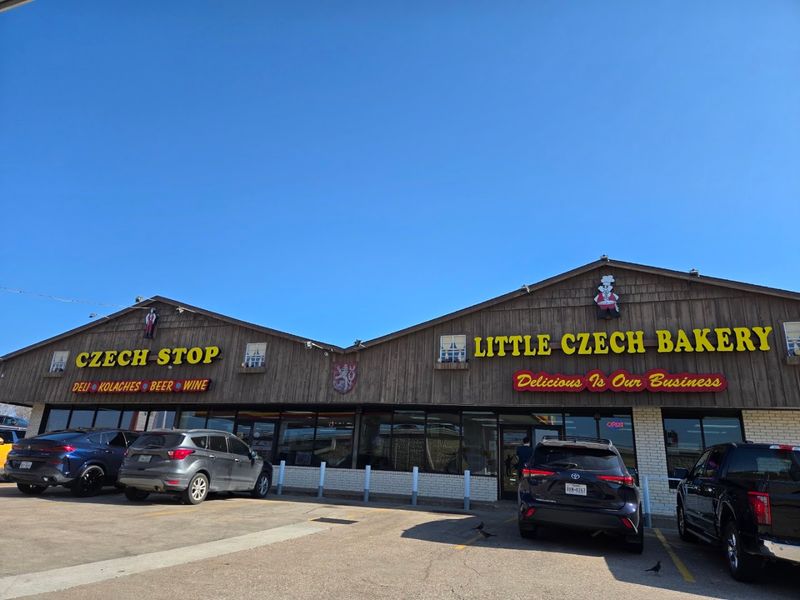
Czech immigrants landed in Central Texas during the mid-1800s, bringing with them a tradition of sweet pastries filled with fruit preserves or poppy seeds. These kolaches became a staple in towns like West, Caldwell, and La Grange, where bakeries still open before dawn to prepare batches for locals and highway travelers who’ve learned to plan their road trips around a kolache stop. The pillowy dough, slightly sweet and wonderfully tender, cradles fillings that range from traditional fruit to decidedly Texan innovations like sausage and cheese.
Authentic fruit kolaches feature a thumbprint indentation in the center of each round of dough, filled with thick fruit preserves that caramelize slightly around the edges during baking. Apricot, prune, cherry, and poppy seed represent the classic options, flavors that connect modern Texas to villages in Moravia and Bohemia. The dough rises twice before baking, developing a texture that’s lighter than a dinner roll but more substantial than a croissant, perfect for soaking up coffee on a early morning drive.
Then came the Texas twist. Someone, probably in the 1950s or 60s, decided to wrap that beautiful dough around a sausage link, creating what purists insist should be called a klobasnik rather than a kolache. Texans ignored the technicality and started calling everything a kolache regardless of filling.
Now you can find versions stuffed with brisket, pulled pork, jalapeño and cheese, even boudin in Southeast Texas where Czech and Cajun cultures overlap.
The best kolache shops bake throughout the day, ensuring you get yours warm from the oven. The dough should pull apart easily, releasing steam and the aroma of whatever filling hides inside. Gas stations across Texas stock them now, though they rarely compare to what you’ll find at a proper Czech bakery where recipes have been passed down through four or five generations.
Stop in West, Texas, where several competing bakeries ensure the standards stay high, and grab a mixed dozen to understand why these pastries have become as Texan as they are Czech, a perfect example of how immigrant foodways adapt and thrive in new soil.
5. Beef Fajitas
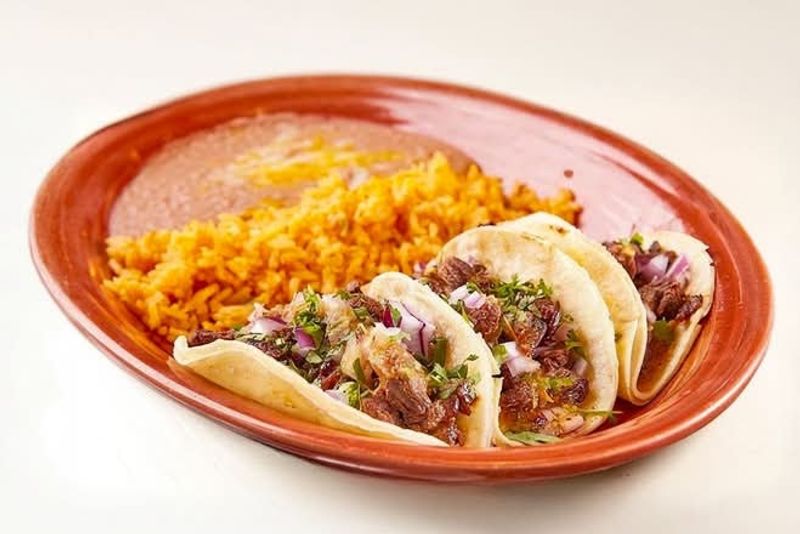
Ranch hands along the Rio Grande got the throwaway cuts after cattle were butchered, including the tough skirt steak that nobody else wanted. They learned to marinate it in lime juice and spices, then grill it hot and fast over mesquite coals before slicing it thin against the grain. Rolled into a flour tortilla with some grilled peppers and onions, this workers’ meal eventually migrated from ranch camps to restaurants, where it became one of Texas’s most famous culinary exports.
The word fajita comes from faja, Spanish for belt or sash, referring to the skirt steak’s location on the cow. For decades, this cut remained cheap because most Americans didn’t know how to cook it properly. Mexican vaqueros and their families understood that the key was high heat and quick cooking, anything longer and the meat turned into boot leather.
The marinade helped too, acids from citrus and tomatoes breaking down tough muscle fibers while spices added flavor that could stand up to the char from the grill.
When fajitas hit restaurant menus in the 1970s, they arrived on sizzling cast iron platters that announced their presence with a dramatic cloud of steam and the smell of caramelized onions. The presentation became part of the experience, waiters carrying the smoking platters through dining rooms while other customers turned to look. Suddenly everyone wanted to order the dish that came out making that sound, looking that good, smelling that irresistible.
Building your own fajita at the table adds an interactive element that makes the meal feel like an event rather than just dinner. Warm flour tortillas get piled with sliced beef, grilled vegetables, maybe some guacamole, sour cream, cheese, and pico de gallo. The combination of hot and cold, rich and fresh, soft and crispy creates layers of flavor and texture in every bite.
Skirt steak prices have climbed dramatically as fajitas gained popularity, but the dish remains worth the cost, a reminder that the best food often comes from making something extraordinary out of ingredients other people overlooked.
6. Frito Pie
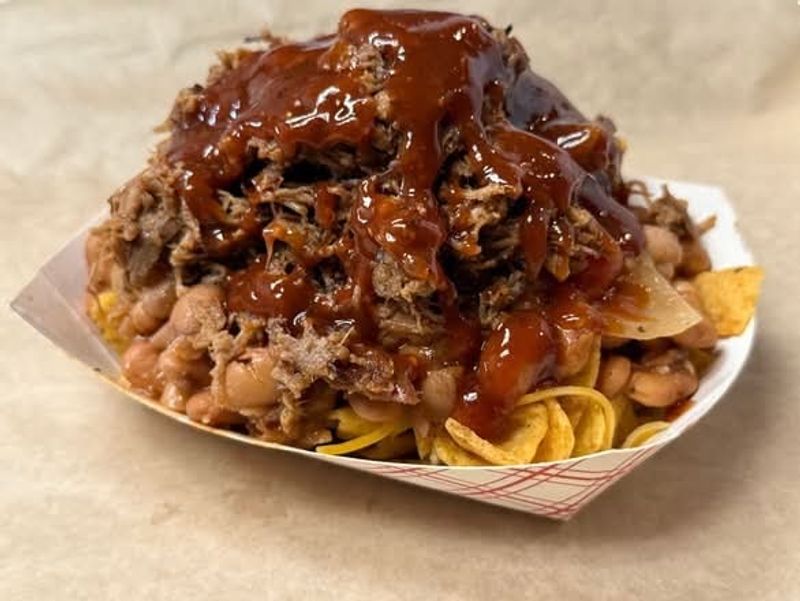
Crack open a small bag of Fritos, pour in some hot chili, top it with shredded cheese and diced onions, and you’ve got yourself a Frito pie. This gloriously unsophisticated dish probably originated at high school football games or county fairs, somewhere that needed portable food that could be eaten while standing up and cheering. The genius lies in using the chip bag as the bowl, eliminating dishes entirely and ensuring that every scoop includes those salty corn chips that somehow taste better when they’ve been sitting in chili for a few minutes.
Purists argue about what belongs in the chili. Some insist on Texas red chili, the kind with no beans and plenty of beef and chile peppers. Others accept a heartier version with beans, especially pinto beans that have simmered until they’re creamy and thick.
The chili needs to be hot enough to slightly melt the cheese you pile on top, creating that perfect moment when you dig in and everything combines into a messy, delicious spoonful of salt, spice, and comfort.
Fritos themselves were invented in Texas, created by Charles Elmer Doolin in San Antonio during the Great Depression. He bought a corn chip recipe from a local restaurant, tweaked it, and started making them in his mother’s kitchen. The original Fritos had a distinctive corn flavor that came from using masa, the same treated corn used for tortillas.
That flavor stands up remarkably well to chili, the saltiness and crunch providing contrast to the rich, spiced meat.
You’ll find Frito pie at rodeos, school cafeterias, roadside stands, and even some sit-down restaurants that serve it in actual bowls for folks who prefer using a fork. The walking taco version, served in the bag, remains the most authentically Texan way to eat it, though you’ll need plenty of napkins and a willingness to embrace the mess. It’s not elegant food, not sophisticated or refined, but sometimes that’s exactly the point.
Frito pie celebrates the kind of straightforward, no-pretense eating that Texans excel at, turning simple ingredients into something that hits the spot every single time.
7. Texas-Style Smoked Brisket
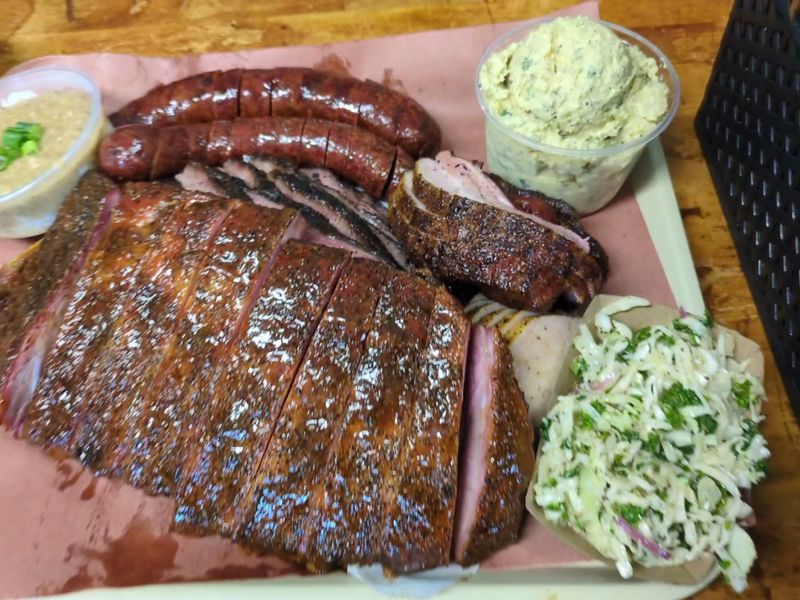
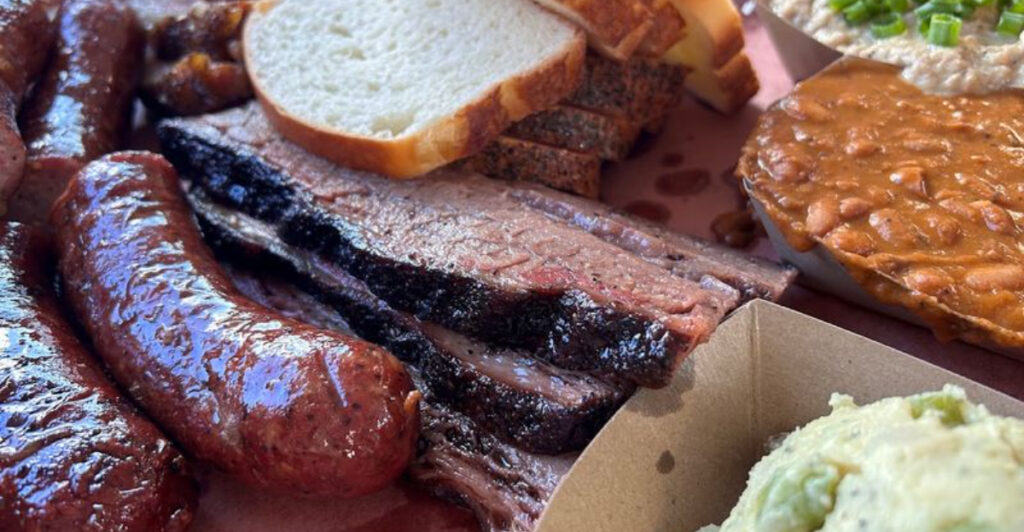
Brisket comes from the chest of the cow, a massive hunk of meat laced with fat and connective tissue that requires hours of low, slow cooking to transform from tough to tender. Texas pit masters figured out that smoking it over wood for twelve to sixteen hours breaks down all that collagen into gelatin, creating meat so tender it barely needs chewing. The process demands patience, attention, and a willingness to wake up in the middle of the night to check your fire, but the results justify every bit of effort.
Central Texas style keeps things simple, just salt and coarse black pepper rubbed onto the meat before it goes into the smoker. Post oak provides the traditional wood, burning clean and imparting a subtle smokiness that doesn’t overpower the beef. The brisket sits fat-side up in the smoker, slowly rendering that fat cap down through the meat while smoke penetrates the surface, creating a dark, crusty bark that’s intensely flavorful.
Inside, the meat develops a pink smoke ring just beneath the surface, a chemical reaction between smoke and myoglobin that signals proper smoking technique.
Temperature control separates great brisket from merely good. The smoker needs to hover around 225 to 250 degrees, hot enough to cook the meat but cool enough to give the collagen time to break down properly. Rush the process with higher heat and you end up with dry, tough meat despite hours of cooking.
The flat and point sections of the brisket cook at different rates, the lean flat drying out more easily while the fatty point stays moist longer. Experienced pitmasters know when to wrap the meat in butcher paper, when to spritz it with liquid to keep the surface moist, and most importantly, when to pull it from the smoker.
Proper brisket gets served on butcher paper with white bread, pickles, and onions on the side. Sauce is optional and sometimes considered offensive, the sign of someone trying to cover up mediocre meat. Each slice should show that smoke ring, the bark clinging to the edges, and fat that’s rendered down to a silky texture.
The meat pulls apart with just a gentle tug, releasing juice and smoke flavor that represents the pinnacle of Texas barbecue tradition.
8. Cheese Enchiladas With Chili Gravy
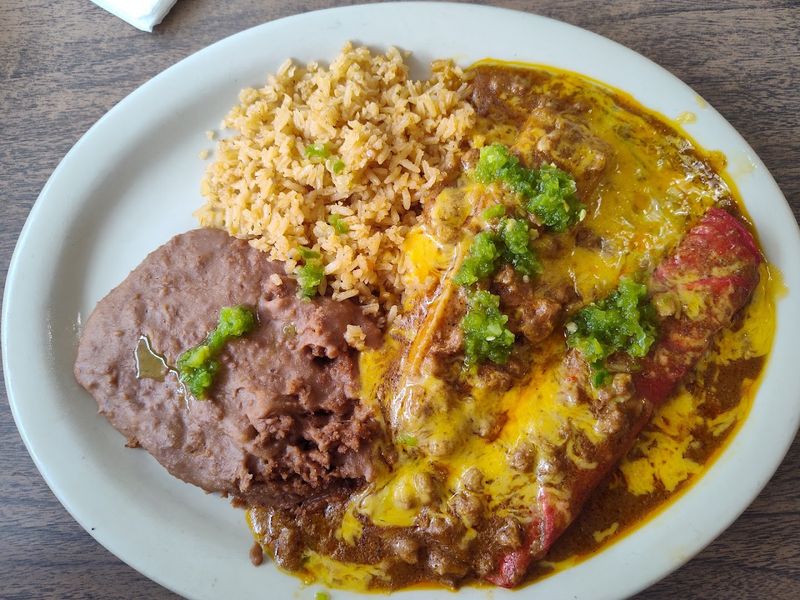
Tex-Mex cuisine evolved along the border, blending Mexican techniques with American ingredients and Texas tastes. Cheese enchiladas represent one of the style’s greatest hits, a dish that’s harder to find in Mexico than in San Antonio, Houston, or Dallas. Corn tortillas get dipped briefly in hot oil to soften them, filled with shredded cheese, rolled up tight, and blanketed in a brick-red chili gravy that’s more Texas than Mexico.
The whole plate goes under the broiler until the cheese melts and bubbles, emerging as pure comfort food that’s been perfecting itself for over a century.
The chili gravy starts with a roux, flour cooked in oil until it smells toasty and turns the color of rust. Ground chili powder gets stirred in, usually a blend that includes ancho, guajillo, and maybe some cumin for earthiness. Beef or chicken stock gets whisked in gradually until you have a smooth, pourable sauce that’s more gravy than salsa, thick enough to coat the enchiladas without running all over the plate.
Garlic and onion powder add depth, while a pinch of oregano connects it back to Mexican seasonings.
Cheese selection matters more than you might think. Most Tex-Mex joints use a combination of yellow cheddar and Monterey Jack, the cheddar providing sharp flavor while the Jack melts smoothly. Some places throw in a bit of American cheese for extra meltability, a trick that produces that satisfying cheese pull when you cut into the enchiladas.
The cheese goes both inside the tortillas and on top, creating layers of dairy richness that balance the spiced gravy.
Traditional accompaniments include rice and refried beans, both scooped onto the same plate in the efficient Tex-Mex style that treats every dish like a complete meal. Shredded lettuce and diced tomatoes often get piled on top, adding freshness and crunch to contrast with the rich, soft enchiladas. Some restaurants add a fried egg on top, the runny yolk mixing with the gravy to create an even richer sauce.
The whole combination represents Tex-Mex at its finest, food that doesn’t apologize for being neither authentically Mexican nor typically American, but something uniquely Texan instead.
9. Breakfast Tacos
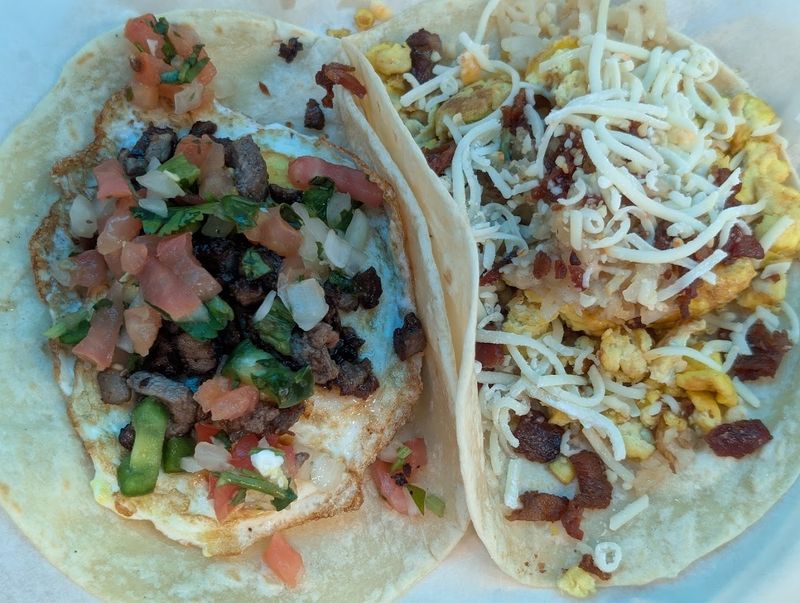
Morning in Texas often starts with a stop at a taco stand or drive-through window, ordering breakfast tacos that get assembled to order and handed over wrapped in foil. Scrambled eggs form the base, fluffy and just-cooked, piled into warm flour tortillas along with whatever combination of fillings sounds good that morning. Bacon, potato, cheese, chorizo, beans, avocado, the options vary by location but the concept remains constant: portable, satisfying breakfast food that you can eat with one hand while driving to work.
Flour tortillas dominate breakfast taco culture, their soft texture and mild flavor making them the perfect wrapper for eggs and other morning fillings. The tortillas need to be fresh and pliable, warmed just enough to become soft without turning crispy. Size matters too, most breakfast tacos use smaller tortillas than their lunch and dinner cousins, creating a better ratio of filling to wrapper.
Street vendors and taquerias make their tortillas fresh throughout the morning, the smell of cooking masa drawing customers from blocks away.
The beauty of breakfast tacos lies in their customizability. Want bacon and egg with cheese? Done.
Prefer chorizo and potato with salsa verde? No problem. Vegetarian with black beans, cheese, and pico de gallo?
Coming right up. This flexibility makes them perfect for feeding crowds with different preferences, everyone ordering exactly what they want without requiring the cook to prepare completely different dishes. The fillings stay hot while wrapped in foil, making them ideal for eating later if you grab them on your way somewhere.
Salsa selection can make or break a breakfast taco. Some folks want fiery red salsa that wakes them up faster than coffee, while others prefer mild pico de gallo that adds freshness without heat. Avocado or guacamole adds creamy richness that balances the eggs, while hot sauce provides a vinegary kick.
The combination of hot eggs, melted cheese, savory meat, and fresh salsa all wrapped in a soft tortilla has become so essential to Texas mornings that many people can’t imagine starting their day any other way. Gas stations sell them, fancy brunch spots serve elevated versions, and home cooks whip them up on weekends, proving that the best food often comes in the simplest packages.
10. Texas Red Chili
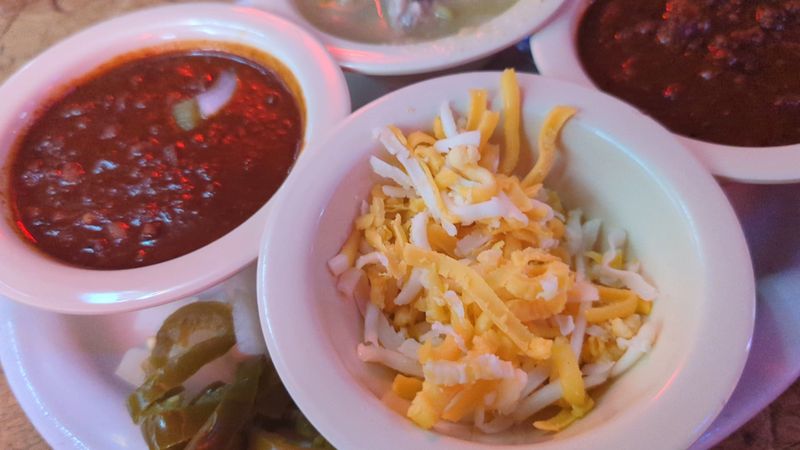
Real Texas chili contains no beans, no tomatoes, and definitely no ground beef. This polarizing stance has sparked arguments at cook-offs and family gatherings for generations, but traditionalists refuse to budge. The dish traces back to San Antonio’s chili queens, women who set up stands in the plazas during the late 1800s, serving bowls of spiced beef stew to workers and travelers.
Their recipe focused on chunks of beef, dried chiles, and spices, creating something that was more stew than soup, thick and intensely flavored.
The chile peppers do most of the work, usually a combination of ancho, guajillo, and maybe some chipotle for smokiness. The dried chiles get toasted lightly to wake up their flavors, then rehydrated and blended into a smooth paste that becomes the base of the sauce. This process takes time but produces a depth of flavor that chili powder alone can’t match.
Cumin, Mexican oregano, and garlic round out the spice profile, while the beef provides richness and substance.
Chuck roast works best, cut into chunks rather than ground. The meat needs to simmer for hours, slowly breaking down until it’s tender enough to cut with a spoon but still holding its shape. Some cooks sear the beef first to develop a crust, others skip that step and let everything cook together from the start.
The chili should be thick enough to coat the back of a spoon, the sauce clinging to the meat rather than pooling around it like soup.
Serving Texas red chili sparks its own debates. Purists eat it straight from the bowl, maybe with some saltine crackers on the side. Others pile it over Fritos for a Frito pie, or ladle it onto hot dogs for chili dogs.
Some folks add cheese and onions on top, while others insist that’s gilding the lily. Cornbread makes a natural accompaniment, perfect for soaking up the rich, spicy sauce. The lack of beans means the beef and chiles take center stage, their flavors melding together during the long simmer into something that’s become as symbolic of Texas as cowboy boots and oil wells, a dish that proudly refuses to compromise or conform to anyone else’s definition of what chili should be.
Share this story