Texas is huge, wild, and packed with experiences that don’t require you to empty your wallet. From natural wonders to historic landmarks, the Lone Star State offers adventures that are completely free and totally unforgettable. Whether you’re a local looking for weekend fun or a visitor exploring on a budget, these ten spots prove that the best things in Texas really don’t cost a thing.
1. Watch the Congress Avenue Bridge Bats
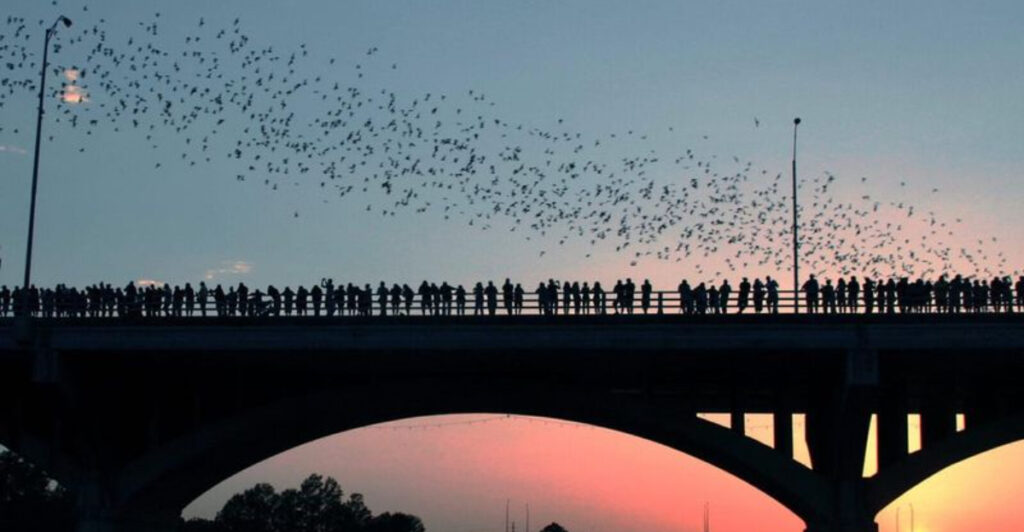
Every evening from March through October, something magical happens beneath a regular-looking bridge in downtown Austin. Around 1.5 million Mexican free-tailed bats emerge from their roost under Congress Avenue Bridge, creating one of nature’s most spectacular shows. The best part?
You don’t pay a single cent to witness this incredible phenomenon.
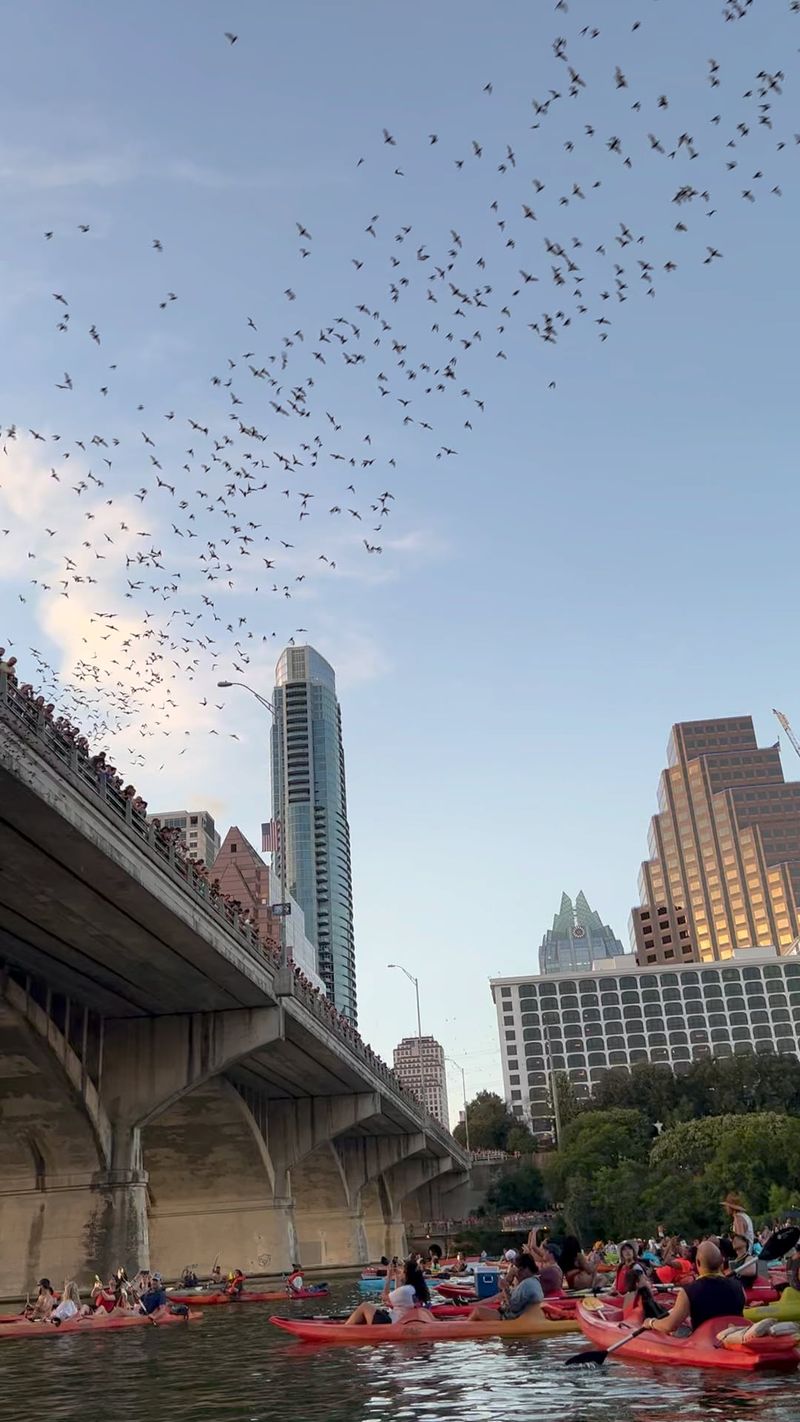
The bats start their nightly flight around sunset, pouring out in dark, swirling clouds that stretch across the sky. They’re heading out to hunt insects, and they’ll devour tons of them before dawn. Locals and tourists gather on the bridge walkway, along the shores of Lady Bird Lake, or on boats below to watch the exodus.
Timing matters when you’re planning your visit. The colony is largest during August, when bat pups born earlier in the summer join the nightly flights. Arrive about 30 minutes before sunset to claim a good viewing spot, especially on weekends when crowds gather.
The area around the bridge offers plenty of viewing angles. You can stand on the bridge itself, sit on the grassy slopes near the lake, or grab a spot at a nearby restaurant patio if you want to combine dinner with the show. Bring a camera, but know that capturing the bats in flight takes patience and practice.
This isn’t just entertainment. Austin’s bat colony is the largest urban bat colony in North America, and these flying mammals play a crucial role in controlling insect populations. Watching them reminds you that wildlife and city life can coexist in surprising ways.
It’s weird, wonderful, and completely free—exactly what makes Austin special.
2. Explore the Fort Worth Stockyards
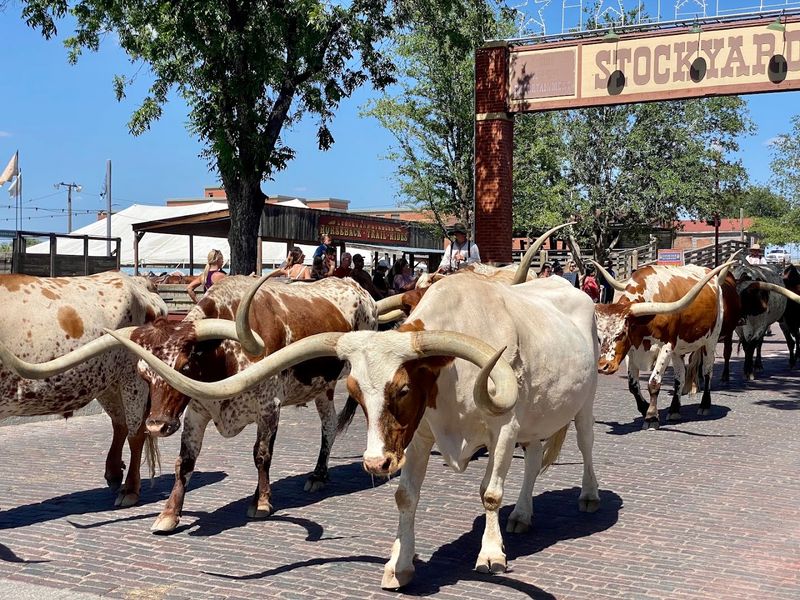
Step into the Old West without spending a dime at the Fort Worth Stockyards, where cowboy culture is alive and kicking. This historic district once served as a major livestock market, and today it preserves that heritage with free attractions that transport you straight into Texas history. Brick streets, wooden boardwalks, and authentic cattle pens set the scene for an unforgettable experience.
The main event happens twice daily when real Texas Longhorns are driven down Exchange Avenue by actual cowboys and cowgirls. At 11:30 a.m. and 4 p.m., these massive animals with their iconic horns walk right through the heart of the Stockyards. You can stand just feet away as they pass, which makes for incredible photos and a genuine taste of ranching tradition.
Beyond the cattle drives, the entire district invites exploration. Wander through the maze of shops, admire the historic architecture, and soak up the Western atmosphere. Live music often fills the air from various venues, and street performers add to the lively energy.
The Livestock Exchange Building, where cattle deals were once made, stands as a reminder of the area’s commercial past.
Weekends bring extra entertainment with rodeos at the Cowtown Coliseum, though those require tickets. However, plenty of free activities keep you busy. Watch cowboys practice roping, check out the horses in the stables, or simply people-watch as visitors from around the world experience Texas culture.
The Stockyards also host seasonal events and holiday celebrations that add even more excitement.
Parking can be tricky, but free street parking exists if you’re willing to walk a few blocks. The best strategy is arriving early, especially for the morning cattle drive when crowds are smaller and the Texas heat hasn’t peaked yet.
3. Visit the Alamo
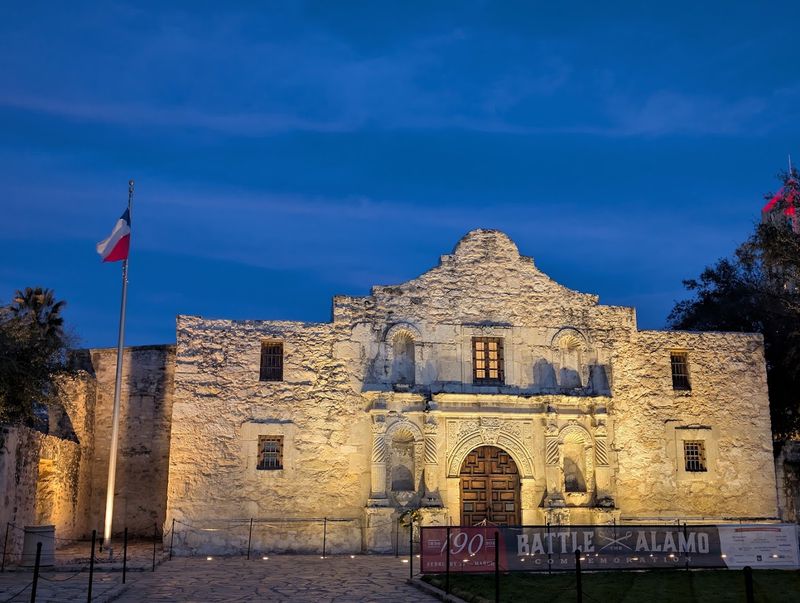
You’ve heard the phrase “Remember the Alamo” your entire life, and now you can stand where history was made without paying admission. This former Spanish mission turned fortress sits in the heart of downtown San Antonio, and walking through its doors connects you directly to the 1836 battle that became a rallying cry for Texas independence. The limestone walls have stories to tell, and they share them for free.
The mission itself is smaller than most people expect, but that intimacy makes the experience more powerful. You can touch the same walls that defenders fought to protect, walk through the chapel where wounded soldiers took shelter, and stand in the courtyard where desperate fighting took place. The site includes several buildings and gardens spread across a few acres.
Inside the chapel, exhibits showcase artifacts from the battle and the mission period. Weapons, personal items, and historical documents help you understand what happened during those thirteen days in early 1836. The displays change periodically, so even repeat visitors find something new.
Rangers and volunteers are stationed throughout to answer questions and share details that bring the history to life.
The surrounding grounds include the Long Barrack Museum, where more extensive exhibits explore Texas history beyond just the battle. Gardens filled with native plants provide quiet spots to reflect on what you’ve learned. A wall of names honors those who died defending the Alamo, making the sacrifice feel personal rather than abstract.
Crowds can be intense, especially during spring break and summer vacations when school groups descend. Early morning visits offer the most peaceful experience. The Alamo also hosts special events and living history demonstrations throughout the year.
Photography is allowed in most areas, though flash isn’t permitted inside the chapel out of respect for its sacred history.
4. Discover Art at the Menil Collection
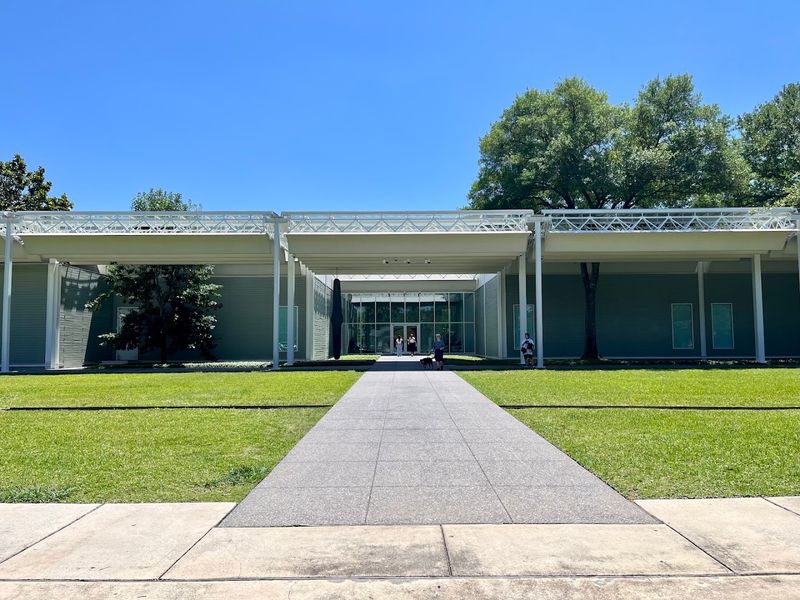
World-class art doesn’t require an admission ticket at the Menil Collection, where over 17,000 works span from ancient to contemporary periods. Located in a quiet Houston neighborhood, this museum complex proves that accessing culture shouldn’t depend on your bank account. The buildings themselves are architectural gems designed by Renzo Piano, with natural light flooding the galleries through innovative ceiling systems.
The permanent collection includes treasures from every corner of the globe and every era of human creativity. Ancient Mediterranean pieces sit near African sculptures, Surrealist paintings hang alongside Byzantine icons, and contemporary installations challenge your perceptions. The Menil’s founders, John and Dominique de Menil, believed art should be freely available to everyone, and their vision continues today.
Multiple buildings make up the campus, each offering different experiences. The main museum houses rotating exhibitions from the permanent collection. The Cy Twombly Gallery, a separate building, is dedicated entirely to this important American artist’s work.
The Byzantine Fresco Chapel contains rescued frescoes from Cyprus in a meditative space designed for quiet contemplation. A newer building showcases the collection’s surrealist works.
The surrounding neighborhood adds to the appeal. Menil-owned bungalows painted in shades of gray create a unified aesthetic along the tree-lined streets. Grassy lawns between buildings invite picnicking, and the whole area feels more like a park than a museum district.
Nearby, the Rothko Chapel offers another free experience—a non-denominational space for reflection featuring Mark Rothko’s powerful paintings.
The museum is closed Mondays and Tuesdays, so plan accordingly. Photography is generally allowed but check current policies. The bookstore tempts with art books and unique gifts, though browsing costs nothing.
Free parking is available in designated lots, and the museum’s cafe offers reasonably priced refreshments if you need a break between galleries.
5. Tour the Texas State Capitol
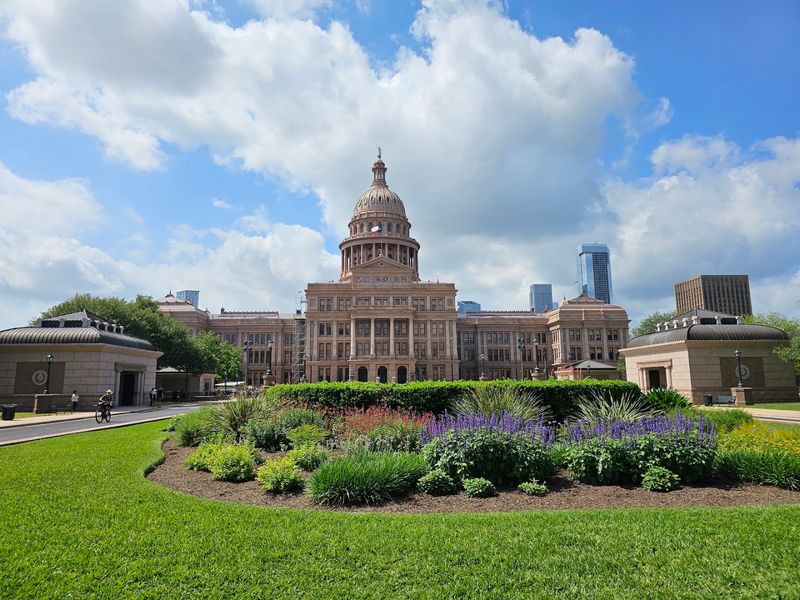
Rising taller than the U.S. Capitol in Washington, D.C., the Texas State Capitol dominates the Austin skyline with its pink granite exterior and gleaming dome. Free guided tours take you through this stunning building where state government happens daily.
The architecture alone justifies the visit, but the history, art, and sheer Texas-sized ambition make it unforgettable.
Tours run throughout the day, and you don’t need reservations for the general public tours. Knowledgeable guides lead you through the rotunda, legislative chambers, and hallways lined with portraits and historical displays. The rotunda floor features terrazzo designs representing the six nations whose flags have flown over Texas.
Look up to see the dome’s interior, painted with heroes and battles from Texas history.
The Senate and House chambers showcase different design styles, both ornate and impressive. When the legislature is in session (odd-numbered years, January through May), you might witness actual lawmaking. Even when empty, these rooms communicate the weight of decisions made within their walls.
The building underwent massive renovations in the 1990s, restoring original details while adding modern functionality.
Underground, the Capitol Extension adds four floors of office space and committee rooms, connected by tunnels. The extension’s design keeps it hidden below ground to preserve the original building’s prominence. Visitors can explore these areas, which include more artwork and historical exhibits.
The Capitol Complex Visitors Center offers additional displays and a short film about Texas history.
The grounds surrounding the Capitol span 22 acres filled with monuments, trees, and walking paths. Seventeen monuments commemorate various aspects of Texas history, from the Texas Rangers to the Confederate soldiers. The grounds are free to explore anytime, making them popular for lunch breaks and tourist photos.
Security screening is required to enter the building, so avoid bringing large bags or prohibited items.
6. Stroll the San Antonio River Walk
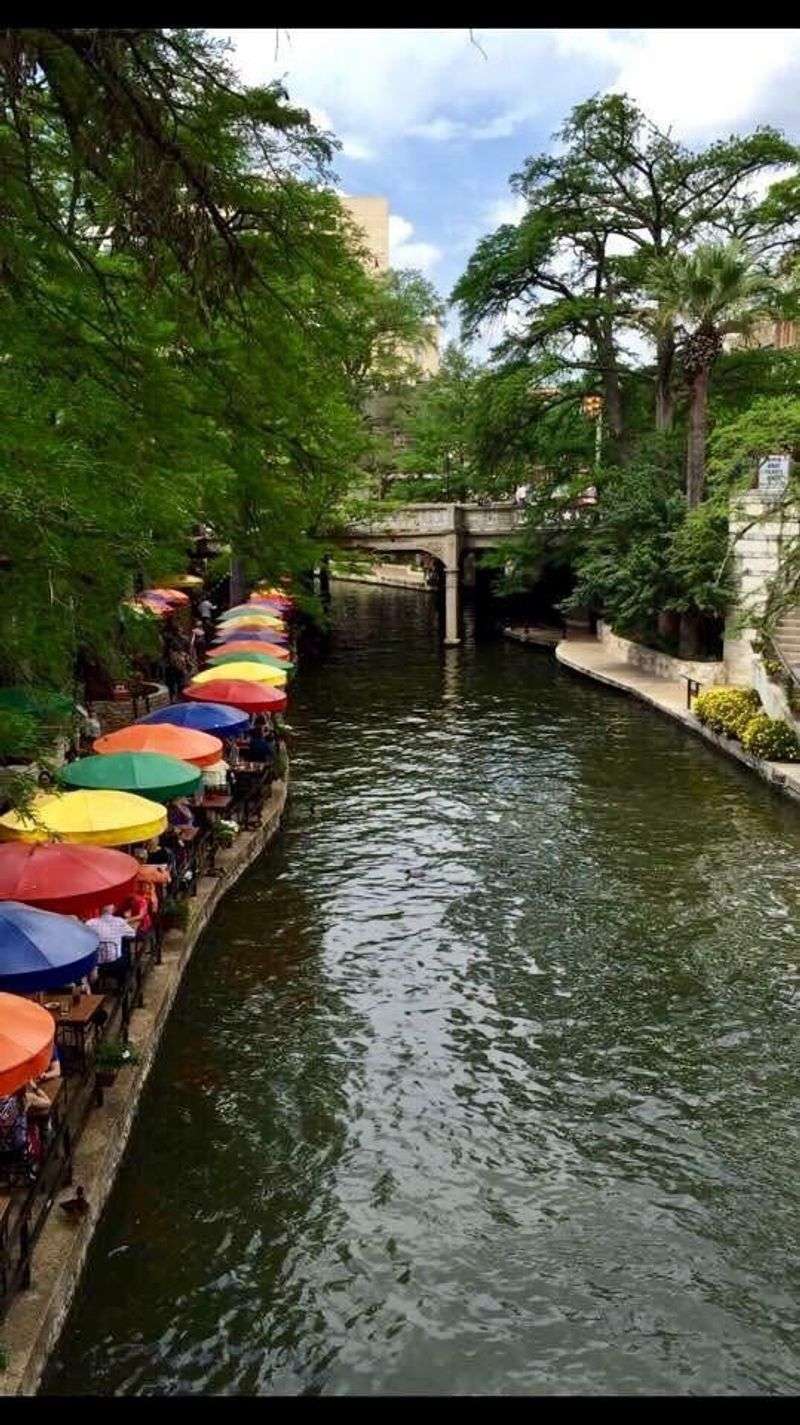
Winding through downtown San Antonio, the River Walk transforms an ordinary waterway into an enchanting urban oasis that costs nothing to enjoy. Stone pathways line both sides of the San Antonio River, taking you below street level into a world of cypress trees, arched bridges, and colorful architecture. Originally built as a flood control project during the Depression, it’s now the city’s most famous attraction.
The main stretch runs about 15 miles, though the most developed section covers a few miles through downtown. Walking the entire downtown loop takes an hour or two, depending on how often you stop to admire views or watch river barges float past. Each section has its own character—the Museum Reach features public art and native landscaping, while the downtown area bustles with restaurants and shops.
You’ll pass under numerous bridges, each offering different perspectives on the river and surrounding buildings. Staircases connect the River Walk to street level throughout, so you can easily hop up to explore downtown or duck back down to continue your waterside journey. The pathway is mostly flat and accessible, though some older sections have uneven stones.
Seasonal decorations transform the River Walk’s appearance throughout the year. During the holidays, thousands of lights create a magical atmosphere. Spring brings blooming plants and perfect weather for walking.
Summer means shade from the trees provides relief from the heat, though it’s still warm. Local events often center on the River Walk, from festivals to parades.
While restaurants and boat rides along the river cost money, walking is completely free and equally enjoyable. Bring your own snacks and drinks to save even more. Early morning walks offer peaceful solitude before crowds arrive, while evenings provide romantic lighting and lively energy.
The River Walk is accessible 24 hours, though it’s busiest during typical tourist hours. Free parking is nearly impossible downtown, so consider using public transportation or parking in cheaper lots farther from the center.
7. Swim at Hamilton Pool Preserve
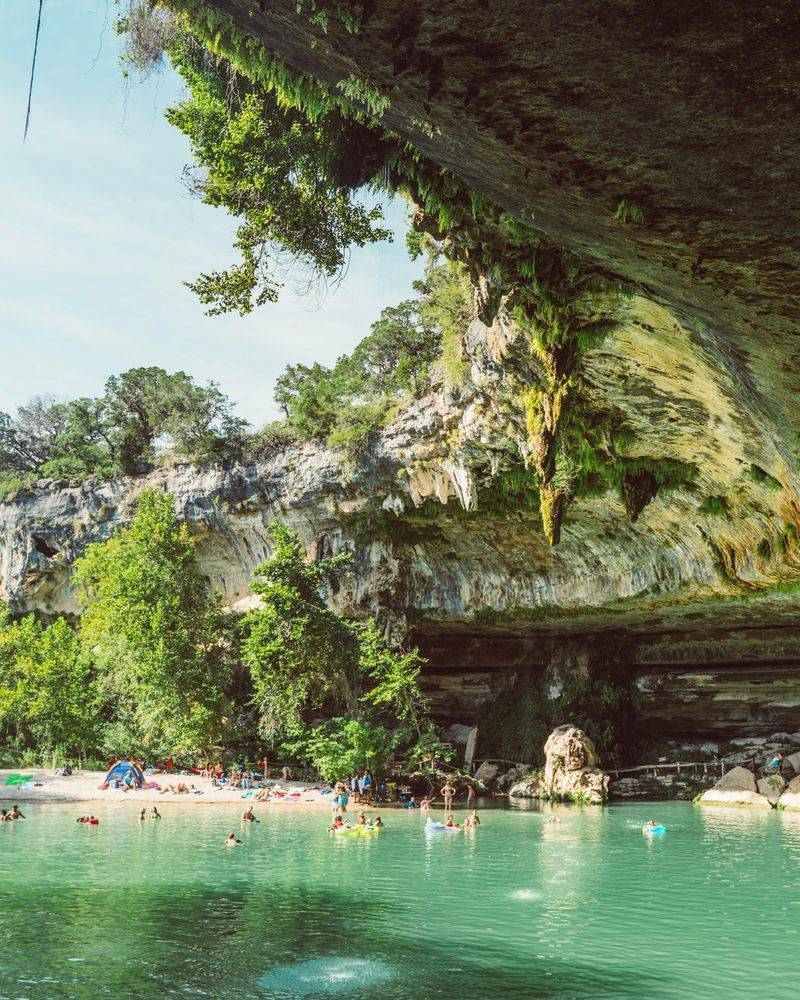
Nature carved out something spectacular at Hamilton Pool Preserve, where a collapsed grotto created a stunning swimming hole about 30 minutes from Austin. Jade-green water collects beneath a limestone overhang that drips with ferns and moss, while a 50-foot waterfall cascades from the cliff above. Swimming here feels like discovering a secret paradise, and reservations are your only cost—the preserve itself charges no admission.
The pool formed thousands of years ago when the dome of an underground river collapsed, exposing this hidden gem. The overhang creates a natural shelter on one side, providing shade and an otherworldly atmosphere. Sunlight filters through the opening, illuminating the water and highlighting the contrasting textures of smooth limestone and rough rock.
The pool stays cool year-round, fed by underground springs.
A short but steep trail leads from the parking area down to the pool, taking about 10-15 minutes. The path can be slippery, especially after rain, so wear appropriate footwear. Once at the bottom, you’ll find the pool isn’t huge—maybe 50 feet across—but it’s deep enough for swimming.
Rocks and pebbles line the bottom, and the water is clear enough to see straight through.
Swimming isn’t always allowed. The preserve closes swimming when bacterial levels rise, which happens periodically. Check the preserve’s website or call ahead to confirm swimming status before making the trip.
Even when swimming is closed, you can still hike down to view the pool and waterfall, which remains beautiful year-round.
Reservations are required and do cost a small vehicle fee, but it’s minimal compared to many attractions. The preserve limits daily visitors to protect the fragile ecosystem, so weekends book up quickly. Weekday visits offer better availability and smaller crowds.
Bring water shoes, towels, and snacks—there are no facilities beyond restrooms at the parking area. The preserve also features upland trails through the Hill Country landscape if you want to extend your visit beyond the pool.
8. Relax at Barton Springs Pool
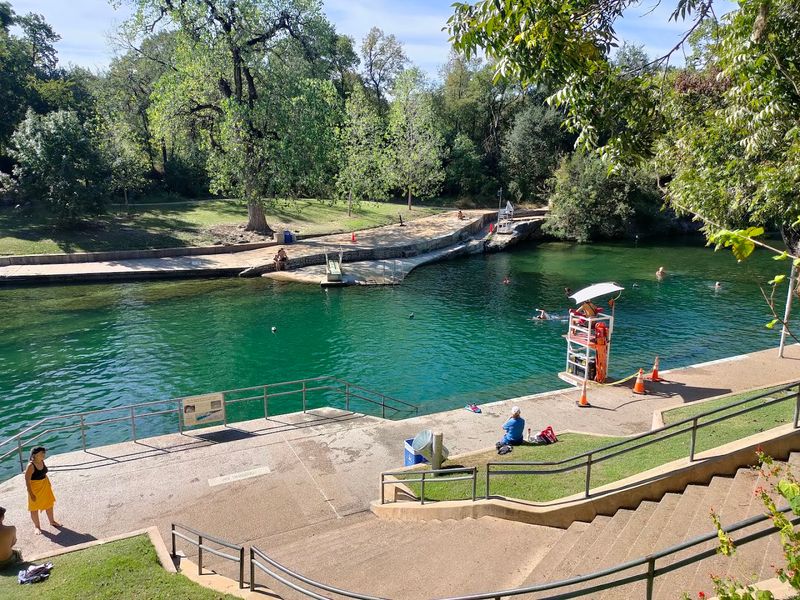
Fed by underground springs that maintain a constant 68-70 degrees year-round, Barton Springs Pool offers three acres of swimming bliss right in the heart of Austin’s Zilker Park. This isn’t your typical swimming pool—it’s a natural spring that’s been enhanced with concrete walls and a diving board, creating a unique hybrid of nature and recreation. Locals consider it Austin’s liquid heart, and swimming here ranks as an essential Austin experience.
The pool stretches about 900 feet long, making it one of the largest natural pools anywhere. Spring water flows through continuously, keeping the water crystal clear and chemical-free. The steady temperature means comfortable swimming even in winter, though summer brings the biggest crowds seeking relief from the heat.
The bottom is natural, with some areas of grass and silt that feel different from typical pool surfaces.
Admission does cost a few dollars, but it’s remarkably cheap compared to most attractions—just a few bucks for adults, less for kids, and even cheaper for residents. Some hours are free for everyone, typically early mornings before 8 a.m. and occasionally during winter. The pool is open daily except for weekly cleaning closures and occasional emergency closures for water quality issues.
Beyond swimming, the pool area includes grassy sections perfect for sunbathing, picnicking, or just hanging out. Huge pecan trees provide shade around the edges. A smaller, shallower area on one end works well for kids or nervous swimmers.
The deep end reaches 18 feet and features a diving board that sees constant action during busy times.
The pool sits within Zilker Park, which offers additional free activities. After your swim, explore the park’s trails, play volleyball on the courts, or relax under the trees. The park hosts festivals throughout the year, and the pool serves as a natural gathering spot for Austin’s diverse community.
Parking can be challenging during peak times, so arrive early or consider biking or using rideshare services.
9. Hike Big Bend Ranch State Park
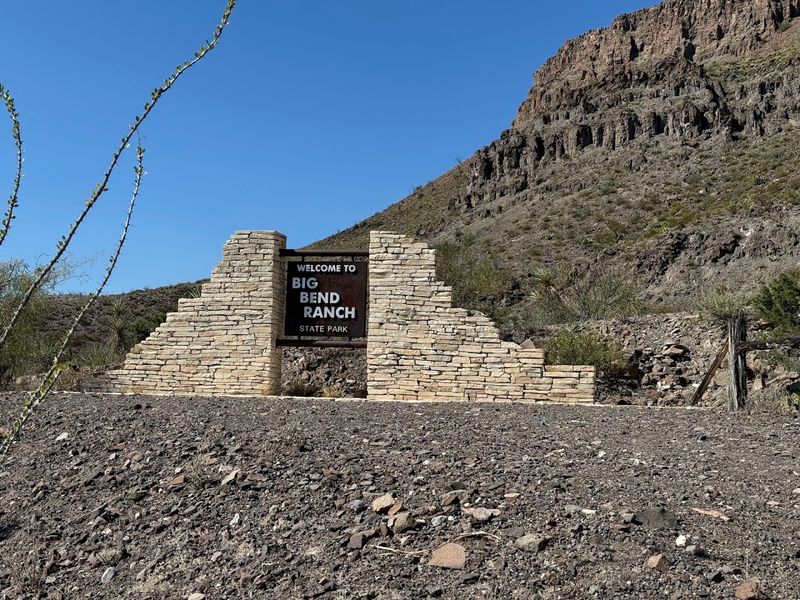
Raw, remote, and utterly spectacular, Big Bend Ranch State Park protects nearly 300,000 acres of Chihuahuan Desert wilderness along the Rio Grande. This is Texas at its most dramatic—volcanic peaks, deep canyons, and endless vistas that make you feel microscopic. Unlike the more famous Big Bend National Park next door, the state park sees fewer visitors, which means more solitude and unspoiled landscapes.
Hiking options range from short nature walks to multi-day backpacking expeditions. The Closed Canyon Trail is a favorite, leading you through a narrow slot canyon where walls tower overhead and you can touch both sides at once. The Rancherias Loop offers a challenging 19-mile trek through varied terrain, passing old ranch sites and natural springs.
Dozens of other trails explore different ecosystems and geological features.
The park’s geology tells stories millions of years old. Ancient volcanoes shaped the landscape, leaving behind colorful rock formations and mineral deposits. The Rio Grande carved its path through the terrain, creating dramatic canyons and fertile floodplains.
Desert plants like ocotillo, lechuguilla, and various cacti dot the landscape, adapted to survive extreme conditions. Wildlife includes javelinas, roadrunners, and occasionally mountain lions.
This isn’t a park for casual visitors—it demands respect and preparation. Summer temperatures can exceed 110 degrees, making hiking dangerous or deadly without proper planning. Winter offers better conditions but can still be harsh.
Always carry more water than you think you need, tell someone your plans, and understand that cell service doesn’t exist. The park’s remoteness is part of its appeal, but it also means self-sufficiency is essential.
The park does charge a modest daily entrance fee, but it’s one of the cheapest ways to access this incredible landscape. Primitive camping is allowed in designated backcountry sites for those wanting multi-day adventures. The park headquarters offers maps, advice, and current trail conditions.
Getting here requires driving—Presidio is the nearest town, and even that’s remote. But the journey to Big Bend Ranch rewards you with landscapes unlike anywhere else in Texas.
10. Explore Palo Duro Canyon State Park
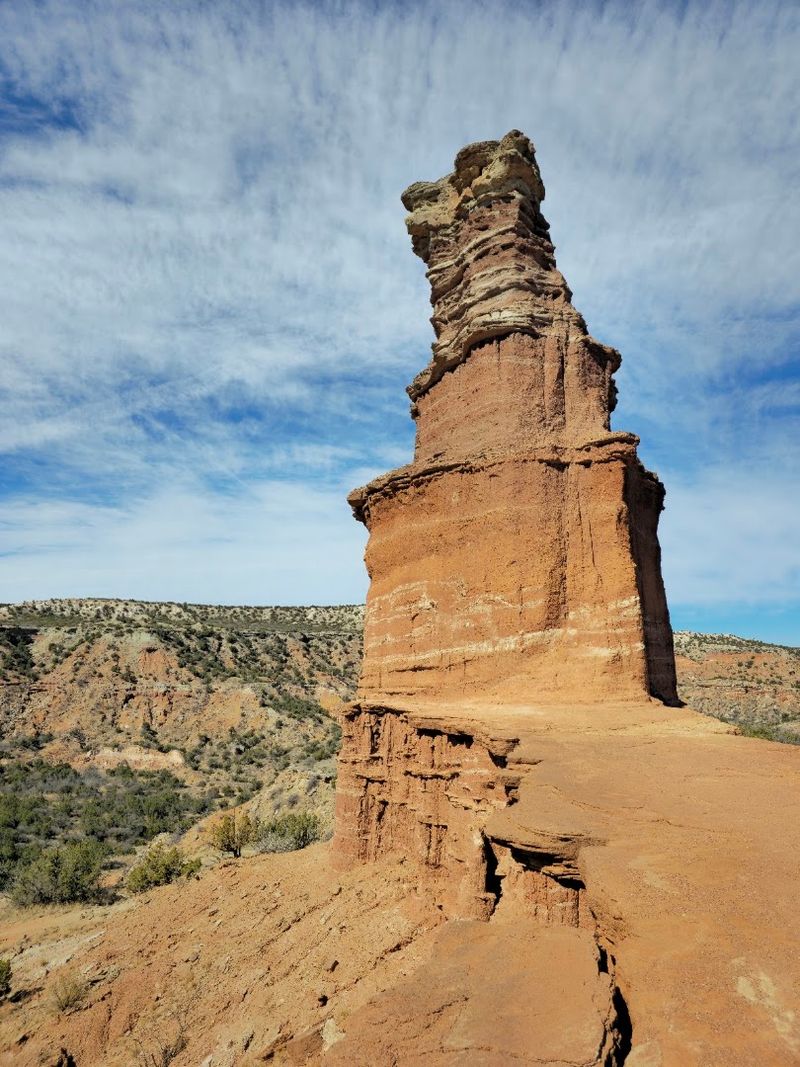
Slicing 120 miles across the Texas Panhandle, Palo Duro Canyon surprises everyone who sees it for the first time. The second-largest canyon in the United States drops 800 feet below the surrounding plains, revealing layers of red, orange, and white rock that glow in the sunlight. Most people don’t realize Texas has anything like this, which makes discovering it feel like finding a secret the state has been keeping.
The canyon formed over millions of years as the Prairie Dog Town Fork of the Red River carved through ancient sediments. Different colored layers represent different geological periods, creating striped patterns on the canyon walls. The most famous formation, called the Lighthouse, rises as a distinctive pillar that’s become the park’s symbol.
Hiking to its base takes a few hours round-trip and offers stunning views.
Over 30 miles of trails wind through the canyon, ranging from easy walks to strenuous climbs. The Lighthouse Trail is the most popular, but others explore side canyons, creek beds, and different sections of the main canyon. Some trails allow mountain biking, and horseback riding is permitted on designated routes.
The canyon floor offers relatively flat terrain, while trails climbing the canyon walls challenge your endurance.
Wildlife thrives in the canyon’s protected environment. Mule deer, roadrunners, and various lizards are common sightings. Birds of prey soar on thermals rising from the canyon floor.
Texas Longhorns, descended from the state’s original cattle herds, roam freely as a living connection to ranching history. The canyon’s vegetation includes juniper, mesquite, and cottonwood trees along the creek.
The park does charge a small entrance fee per vehicle, but it’s minimal and covers access to all facilities and trails. Camping is available for additional fees if you want to stay overnight. Summer brings extreme heat, so spring and fall offer the best hiking conditions.
The outdoor musical “Texas” performs in the canyon’s amphitheater during summer months, though that requires separate tickets. Winter can be surprisingly harsh, but also beautiful when snow dusts the red rocks.
Share this story