
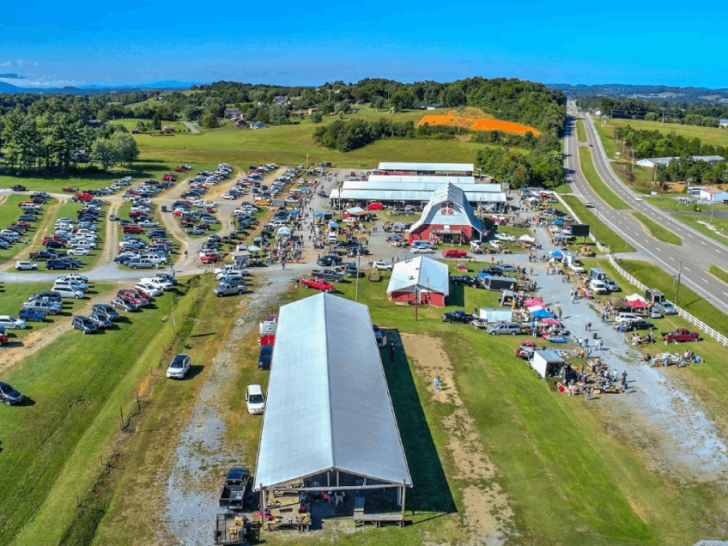
Tennessee’s flea market scene is packed with treasure-hunting opportunities that turn casual shoppers into dedicated collectors. From the Smoky Mountains to rolling hills and bustling cities, these markets offer everything from vintage records and antique furniture to handmade crafts and quirky collectibles.
Whether you’re searching for a specific item or just love the thrill of discovering something unexpected, these legendary spots have built their reputations on delivering exactly what bargain hunters crave. Get ready to explore ten markets where leaving without at least one amazing find feels nearly impossible.
1. Nashville Flea Market — Nashville
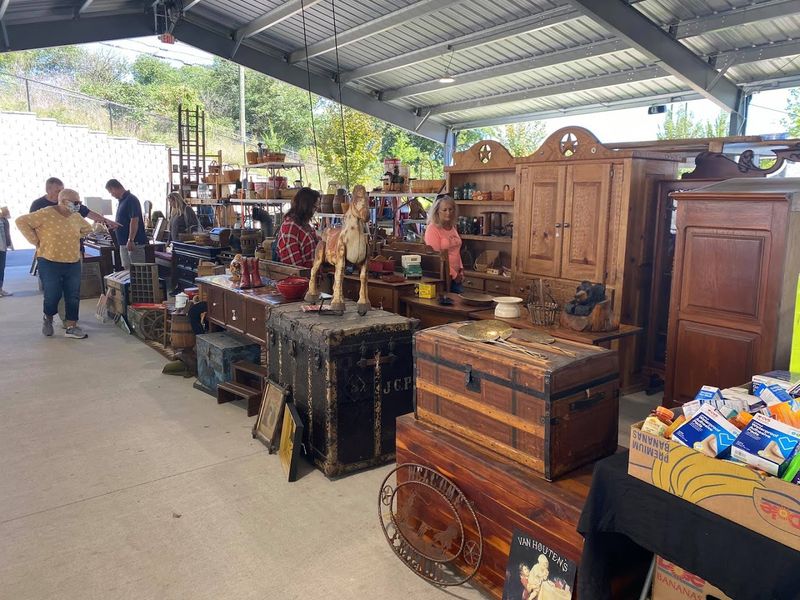
Since 1969, this market has been drawing crowds from across Tennessee and beyond, earning its spot as the state’s most recognizable flea market destination. Hundreds of vendors fill the Nashville Fairgrounds on the second weekend of every month, creating a treasure hunter’s paradise that spans multiple buildings and outdoor spaces.
Walk through aisles packed with vintage clothing, retro furniture, handmade jewelry, and quirky home décor you won’t find anywhere else. The mix changes constantly because vendors rotate, so even regular visitors discover something new each time they visit. Antique lovers can spend hours examining old tools, glassware, and collectibles while craft enthusiasts browse handmade soaps, pottery, and artwork.
Food vendors keep shoppers fueled throughout the day, making it easy to spend an entire Saturday exploring every corner. Serious collectors arrive early to snag the best deals, but bargains exist at every hour. The sheer variety means everyone finds something worth taking home, whether it’s a $5 vintage record or a $500 antique dresser.
Parking fills up quickly on popular weekends, so arriving before 9 a.m. gives you the best selection and easier navigation through the crowds.
2. Crossville Flea Market — Crossville
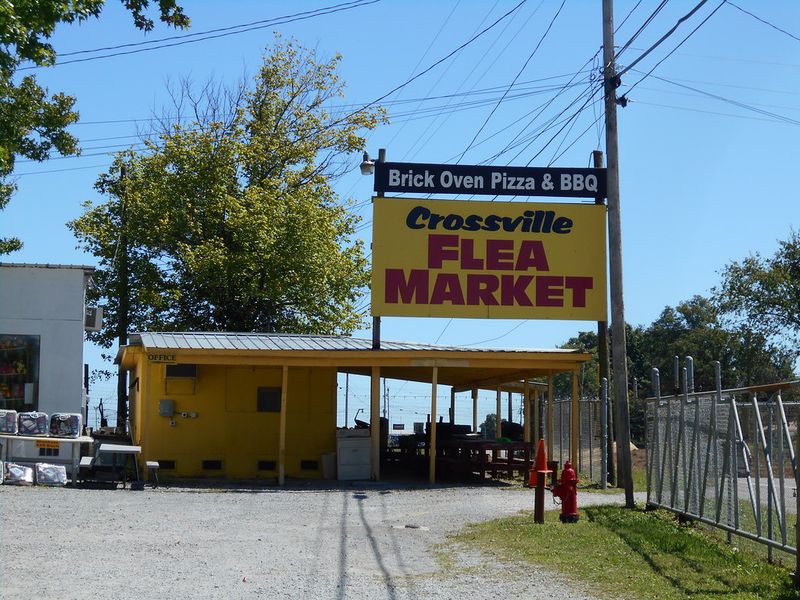
Operating since 1977, this Upper Cumberland gem has built a loyal following among locals and tourists exploring the Cumberland Plateau region. The open-air setup gives it an authentic, old-school feel that modern indoor markets sometimes lack, with vendors setting up under pavilions and open sky.
Shoppers appreciate the relaxed pace and friendly atmosphere where vendors actually enjoy chatting about their merchandise. You’ll find everything from used tools and fishing gear to vintage kitchen items and handmade quilts spread across dozens of booths. The market attracts both professional dealers and casual sellers cleaning out their attics, creating an unpredictable mix that keeps things interesting.
Unlike some markets that focus heavily on crafts or new merchandise, Crossville maintains a strong secondhand and antique presence. Furniture hunters often score solid wood pieces at prices that make refinishing projects worthwhile. Collectors searching for specific items like old Mason jars, vinyl records, or vintage advertising signs should plan multiple visits since inventory changes weekly.
The market runs on weekends year-round, though spring and fall bring the biggest crowds and best selection.
3. Great Smokies Flea Market — Kodak
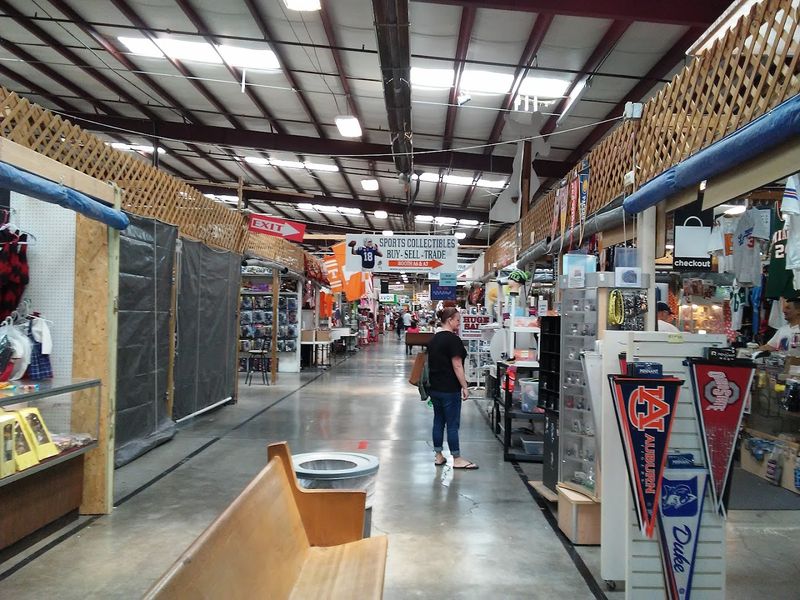
More than 1,000 rotating vendors and 200,000 square feet of shopping space make this East Tennessee powerhouse one of the largest flea markets in the region. Located just minutes from popular Smoky Mountain tourist destinations, it attracts both locals and vacationers looking for deals on everything imaginable.
Climate-controlled indoor sections mean comfortable browsing regardless of weather, while outdoor areas expand the options during peak seasons. The sheer scale can feel overwhelming at first, but that’s part of the appeal for serious shoppers who want maximum variety. You’ll pass booths selling new clothing, used electronics, handmade soaps, imported goods, sports memorabilia, and kitchen gadgets all within a few steps of each other.
Antique sections feature furniture, glassware, vintage signs, and collectibles that draw dealers from multiple states. Toy collectors find bins of action figures and die-cast cars, while music lovers flip through thousands of CDs and vinyl records. The phrase “just browsing” rarely applies here because something always catches your eye and ends up in your cart.
Plan at least three hours for a thorough visit, and wear comfortable shoes because you’ll cover serious ground.
4. Parkland Flea Market — Lebanon
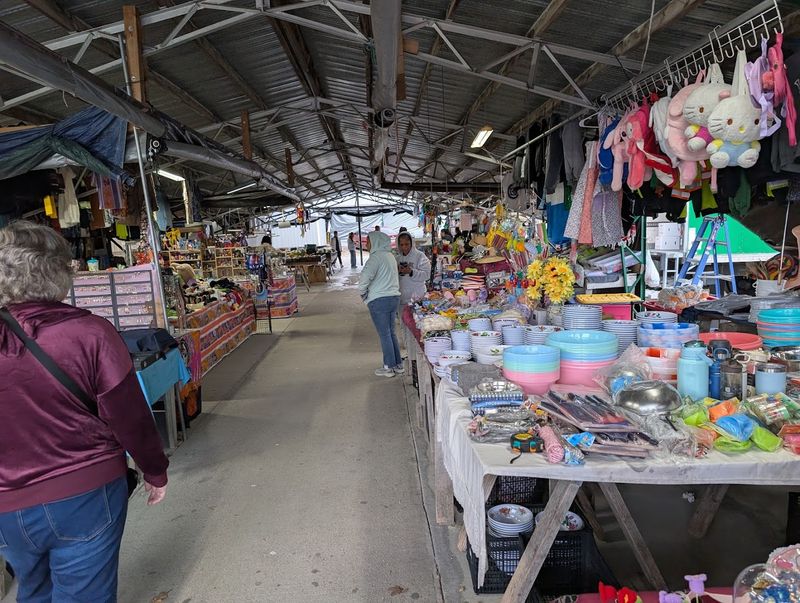
Over 300 booths create a classic flea market experience that Middle Tennessee shoppers have relied on for decades. The mix here goes beyond typical flea market fare by including fresh produce, plants, and baked goods alongside antiques, collectibles, and used household items.
This variety makes Parkland a one-stop destination where you might buy vintage glassware, heirloom tomato plants, and homemade jam all in one trip. The vendor community includes longtime regulars who’ve operated the same booths for years, building relationships with repeat customers. Their expertise means you’re shopping with people who genuinely know their merchandise rather than just reselling random items.
Antique furniture hunters appreciate the steady supply of dressers, tables, and chairs that need minor restoration work. Collectors seeking Depression glass, old quilts, or vintage kitchen tools find new additions regularly. The ever-changing inventory from individual sellers cleaning out estates or downsizing keeps the treasure hunt exciting.
Saturday mornings bring the biggest crowds and fullest vendor participation, though Sunday offers a more relaxed browsing experience. The market operates year-round with covered areas providing shelter during rainy weather. Bargaining is expected and usually successful, especially when buying multiple items from the same vendor.
5. Franklin Flea Market — Franklin
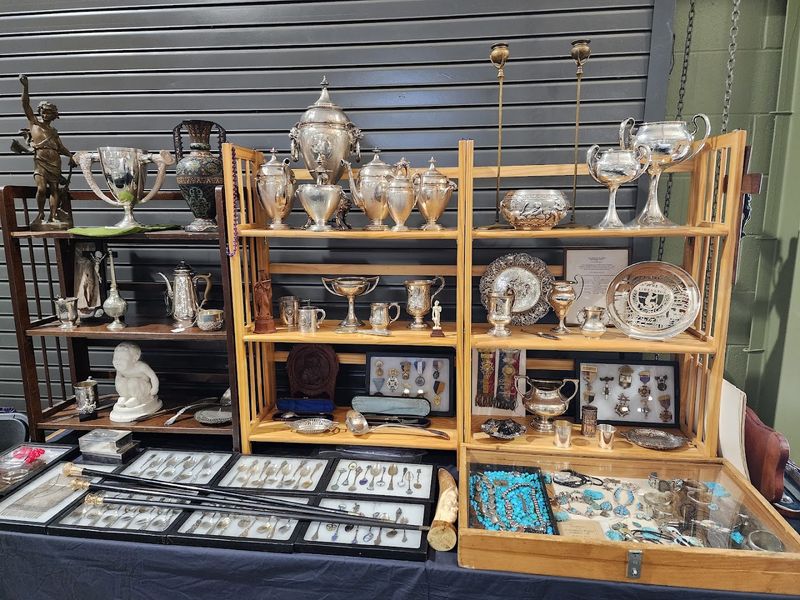
Held at the Williamson County Ag Expo Park, this market draws serious bargain hunters from across the Nashville metro area and beyond. The combination of indoor climate-controlled spaces and outdoor vendor areas provides hundreds of shopping options regardless of season or weather conditions.
Franklin’s proximity to affluent neighborhoods means vendors often source high-quality secondhand items from estate sales and downsizing homeowners. You’ll spot designer clothing, upscale furniture, and premium kitchenware mixed among the typical flea market goods. This creates opportunities for finding genuinely valuable items at flea market prices if you know what to look for.
Antique dealers set up alongside crafters selling handmade jewelry, woodwork, and home décor, giving shoppers a broad range of price points and styles. Vintage toy collectors frequently discover rare finds, while furniture flippers source pieces with good bones that just need refinishing. The market’s reputation for quality merchandise means competition can be stiff for the best items, making early arrival worthwhile.
Monthly scheduling on specific weekends means planning ahead, but the wait between markets builds anticipation and ensures fresh inventory.
6. Flea Traders Paradise — Sevierville
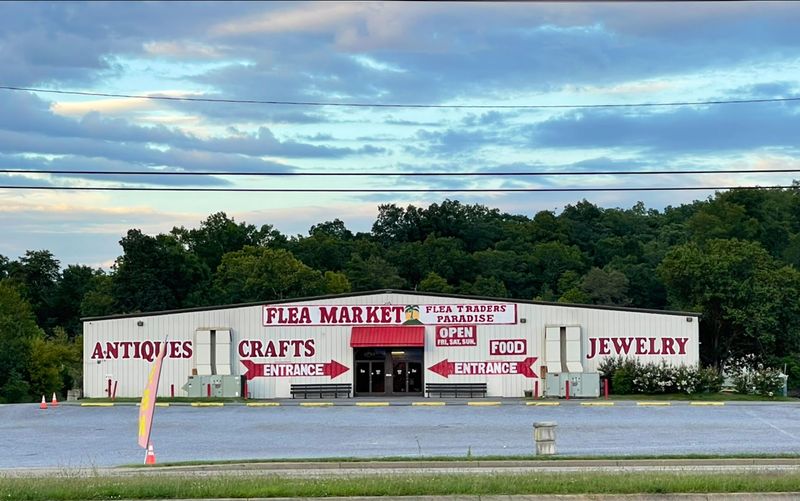
Sevierville’s tourist traffic gives this Smokies-area favorite a unique energy. Climate-controlled indoor comfort makes browsing pleasant even during summer heat or winter cold, while outdoor sections expand during peak tourist seasons.
The merchandise mix reflects both local culture and tourist interests, with souvenirs sharing space with genuine antiques and collectibles. Record collectors flip through bins of vinyl spanning every genre, while toy enthusiasts hunt for vintage action figures and games. Clothing racks offer everything from brand-new clearance items to vintage band t-shirts and retro fashion.
Crafters selling handmade soaps, candles, and artwork add local flavor that tourists appreciate as authentic Tennessee souvenirs. Antique furniture, old tools, and vintage advertising signs attract dealers who visit regularly to stock their own shops. The constant rotation of vendors means inventory stays fresh, rewarding frequent visits with new discoveries.
Located near major Smoky Mountain attractions, the market makes an excellent rainy-day activity or shopping break between hiking and sightseeing. Prices tend to be tourist-friendly rather than rock-bottom, but bargaining is still expected and usually successful. Weekends bring the fullest vendor participation and liveliest atmosphere, though weekday visits offer quieter browsing opportunities.
7. Green Acres Flea Market — Louisville
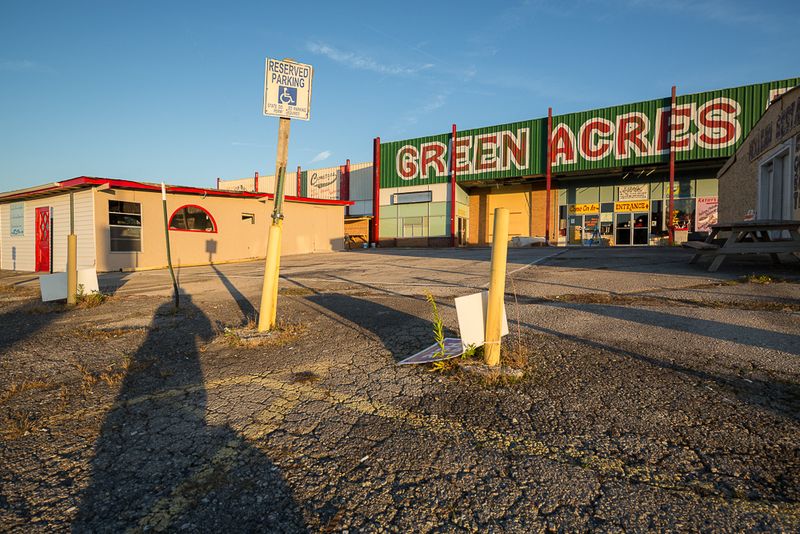
East Tennessee’s classic flea market experience comes alive at this Louisville location where antiques, collectibles, furniture, produce, and used merchandise create the perfect treasure-hunting environment. The unpretentious atmosphere attracts both serious collectors and casual browsers looking for weekend entertainment and unexpected bargains.
Vendors range from professional antique dealers to local families selling excess household items, creating a genuine mix that keeps shopping interesting. Furniture hunters find solid wood pieces that just need cleaning or minor repairs, while antique collectors examine glassware, pottery, and vintage tools. The produce section adds practical value, letting shoppers stock up on fresh vegetables alongside their flea market finds.
Green Acres maintains the kind of authentic, unpredictable inventory that makes flea market shopping exciting rather than predictable. You might discover a vintage cast-iron skillet, a box of old books, and a handmade quilt all within minutes of each other. Regular visitors develop relationships with favorite vendors who save interesting items or offer first dibs on new arrivals.
The market operates on weekends with outdoor and covered areas providing flexibility during changing weather. Cash remains the preferred payment method, though some vendors now accept digital payments. Arriving early ensures the best selection, but afternoon visits often offer better bargaining opportunities, as vendors prefer to sell items rather than pack them up.
8. Tri Cities Flea Market — Bluff City
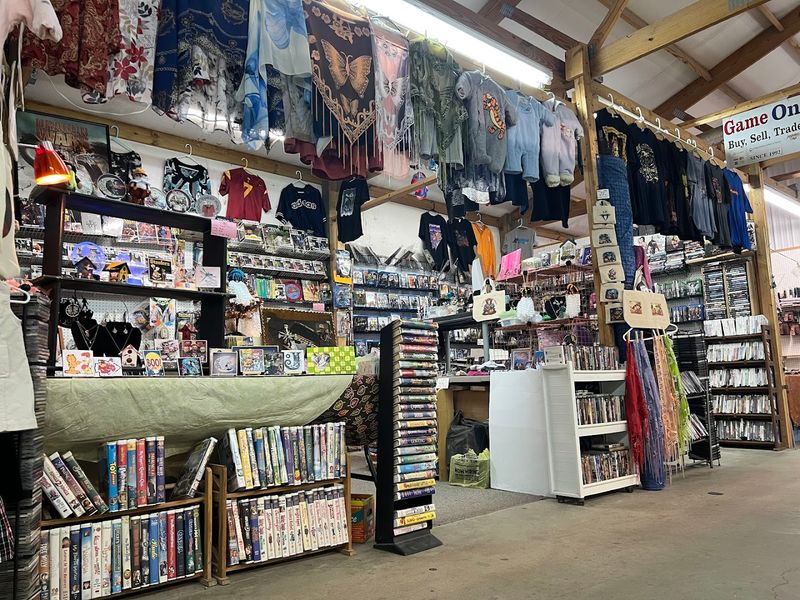
Serving the Northeast Tennessee Tri-Cities region, this Bluff City market has built a strong reputation among bargain hunters who appreciate consistent quality and variety. The vendor mix includes both regular dealers with permanent booths and rotating sellers who bring fresh merchandise weekly.
Shoppers find everything from vintage clothing and jewelry to power tools, sports equipment, and home décor spread across indoor and outdoor spaces. Antique sections feature furniture, glassware, and collectibles that attract dealers from Virginia and North Carolina in addition to Tennessee regulars. The cross-state appeal means merchandise reflects broader regional tastes rather than just local inventory.
Collectors searching for specific items like old fishing lures, vintage cameras, or Depression glass should visit regularly since new arrivals happen constantly. Crafters selling handmade items add variety, offering unique gifts and home accessories you won’t find in retail stores. The market’s location near major highways makes it accessible for shoppers traveling from surrounding communities.
Weekend mornings bring the biggest crowds and fullest vendor participation, creating an energetic atmosphere that makes browsing more enjoyable. Food vendors keep shoppers fueled throughout their visit, and ample parking handles even the busiest days. Prices remain reasonable with plenty of room for negotiation, especially when purchasing multiple items from the same vendor.
9. Dog Days Flea Market — Ardmore
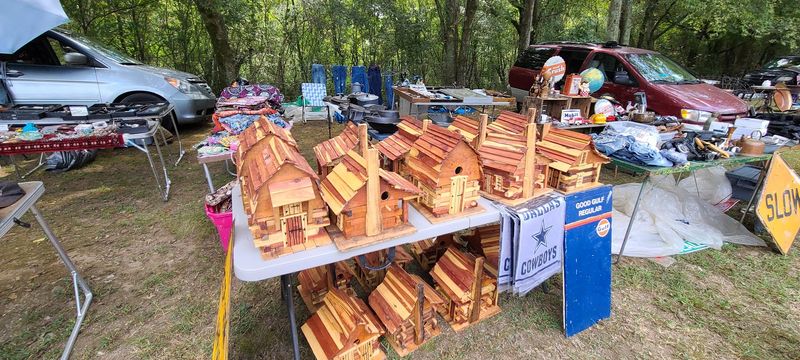
Straddling the Tennessee-Alabama border, this Ardmore market draws shoppers from both states who appreciate the blend of Southern hospitality and serious bargain hunting. The name reflects the laid-back atmosphere where browsing feels more like a social event than a shopping mission.
Vendors set up outdoor spaces filled with antiques, collectibles, used furniture, tools, and household goods that change weekly based on who’s selling. Estate sale finds frequently appear, giving shoppers opportunities to discover vintage treasures at prices well below antique shop rates. Furniture hunters find everything from complete bedroom sets to individual accent pieces that just need minor restoration.
The market’s border location creates interesting merchandise diversity as vendors source items from different regional markets and estate sales. Collectors appreciate the mix of Tennessee and Alabama goods, which sometimes includes items rarely seen in one state or the other. Regular visitors know that patience and repeat trips eventually turn up exactly what they’re seeking.
Operating on weekends, the market attracts both locals making it part of their routine and travelers stopping during road trips. Cash transactions remain standard, and bargaining is not just accepted but expected as part of the experience.
10. Jonesborough Flea Market — Telford
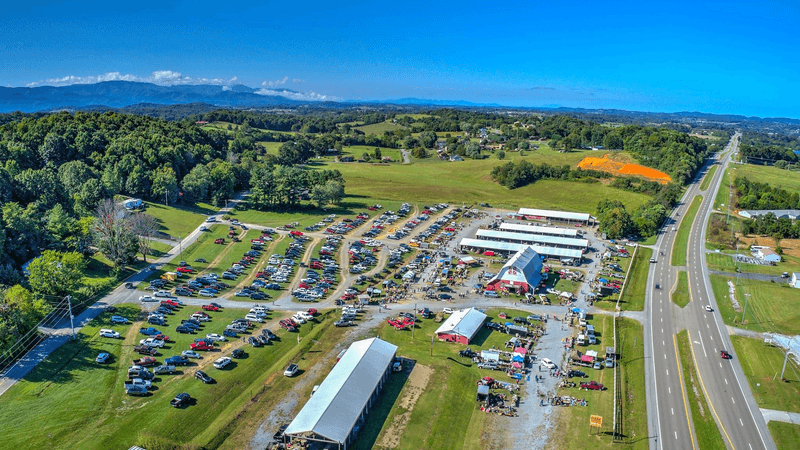
Located near Tennessee’s oldest town, this Telford market benefits from the area’s rich history and strong antique-collecting culture. Vendors understand that shoppers in this region appreciate genuine antiques and vintage items with stories behind them rather than just mass-produced merchandise.
The booth selection reflects this emphasis with strong representation of furniture, glassware, pottery, and tools dating back several decades or more. History enthusiasts find Civil War-era items, old farm equipment, and vintage photographs that connect to East Tennessee’s past. Collectors seeking specific antique categories often discover pieces that have been stored in local attics and barns for generations.
Beyond antiques, the market includes vendors selling used books, vinyl records, vintage clothing, and collectible toys that appeal to younger shoppers building their own collections. Crafters offer handmade items that reflect Appalachian traditions, including quilts, woodwork, and pottery. The mix creates a shopping experience that feels authentically rooted in the region rather than generic.
Weekend operations bring the fullest vendor participation, with covered areas providing shelter during unpredictable mountain weather. The market’s proximity to historic Jonesborough makes it easy to combine flea market shopping with exploring Tennessee’s oldest town. Serious antique buyers should bring cash and be prepared to negotiate, as vendors expect informed customers who know item values and market prices.