Texas is huge, bold, and full of surprises that can catch newcomers off guard. From weather that shifts faster than you can say howdy to barbecue styles that vary wildly from town to town, the Lone Star State has its own way of doing things. Knowing what to watch out for will help you enjoy your trip without looking like a total outsider or running into avoidable hassles.
1. Don’t Ignore the Weather – It Changes Fast

One minute you’re sweating under a blazing sun, and the next you’re dodging hailstones the size of golf balls. Texas weather has a reputation for being unpredictable, and that reputation is well-earned. The state’s massive size means you can experience wildly different conditions just a few hours apart, and even within a single day, temperatures can swing thirty degrees or more.
Spring brings the most notorious weather surprises. Thunderstorms can roll in with almost no warning, turning a sunny afternoon into a downpour complete with lightning and gusty winds. If you’re planning outdoor activities, always check the forecast that morning and keep an eye on the sky.
Locals know to carry an umbrella or light jacket even when it looks perfectly clear outside.
Winter can be just as tricky. While Texas is known for heat, parts of the state get cold snaps that drop temperatures below freezing. Snow isn’t common, but ice storms can shut down highways and make driving treacherous.
North Texas especially sees these sudden freezes, while South Texas might stay warm and humid year-round.
Summer heat is no joke either. Temperatures regularly climb past 100 degrees, and the sun feels relentless. Staying hydrated becomes critical, not optional.
Tourists often underestimate how draining the heat can be, especially if they’re walking around cities or visiting outdoor attractions.
The best approach is layering your clothing and packing for multiple scenarios. A light rain jacket, sunscreen, a hat, and a reusable water bottle should always be in your bag. Texans learn early to expect the unexpected when it comes to weather, and you should too.
Ignoring these rapid changes can ruin your plans or worse, put you in a dangerous situation. Respect the sky, and you’ll have a much smoother visit.
2. Don’t Assume Barbecue Means the Same Everywhere
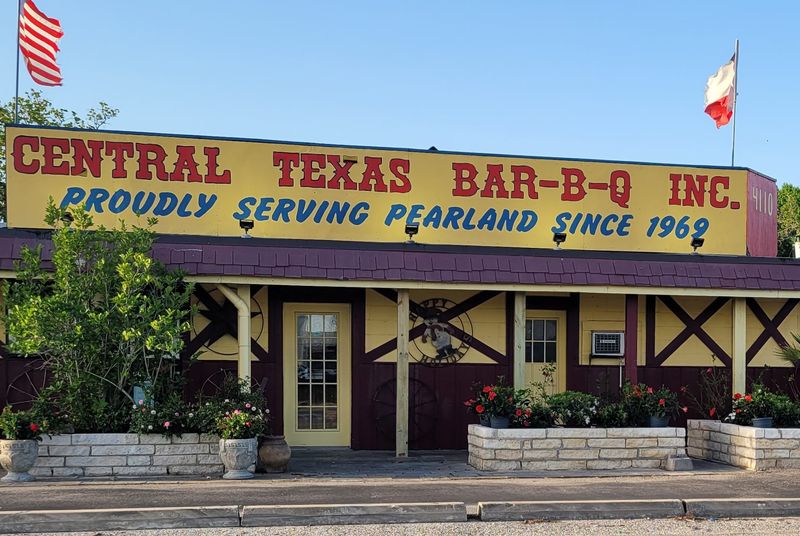
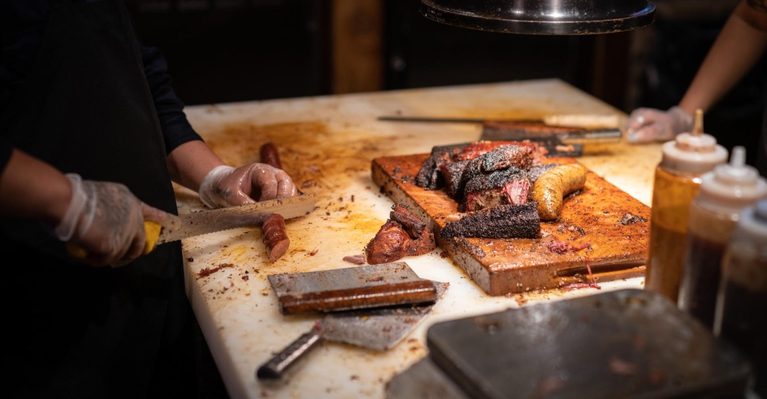
Walk into a barbecue joint in Central Texas and you’ll find brisket front and center, smoked low and slow with minimal seasoning. Head east toward the Louisiana border and you’ll encounter saucy ribs and chopped beef that tastes completely different. Texas barbecue isn’t one single thing, and assuming otherwise will leave you confused or disappointed.
Central Texas style focuses heavily on beef, particularly brisket, with just salt and pepper for rub. The meat speaks for itself, and sauce is often served on the side or not at all. This is what most people picture when they think of Texas barbecue, but it’s just one regional variation.
East Texas barbecue leans more toward pork and chicken, with sweeter, tomato-based sauces that coat the meat generously. The cooking method involves more moisture, and the flavors are bolder and tangier. It’s a style influenced by Southern traditions, and it tastes worlds apart from the dry-rubbed beef you’ll find in Austin or Lockhart.
South Texas adds its own twist with barbacoa and mesquite-smoked meats that carry a distinct, earthy flavor. West Texas uses direct heat more often, creating a different texture and char. Each region takes pride in its approach, and locals can get pretty passionate about which style reigns supreme.
Tourists who expect every barbecue restaurant to serve the same thing miss out on the rich variety the state offers. Instead of looking for a single authentic experience, embrace the differences. Try brisket in Lockhart, ribs in Tyler, and barbacoa in the Rio Grande Valley.
Ask locals where they go, and don’t be afraid to sample sauces and sides that might seem unfamiliar. Understanding that Texas barbecue is a collection of traditions, not a monolith, will make your culinary adventure far more rewarding and give you stories worth sharing when you get home.
3. Don’t Wear Cowboy Boots if You Can’t Walk in Them
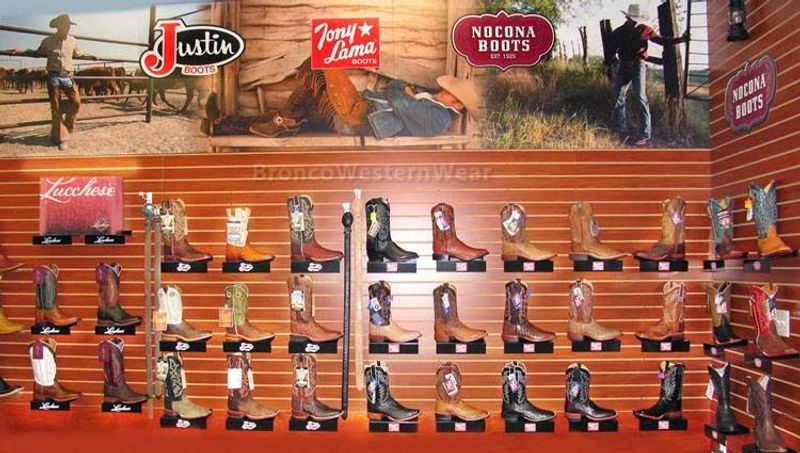
Cowboy boots look iconic, but they’re not the easiest footwear to break in or walk around in all day. Tourists often buy a pair right before their trip, thinking they’ll blend in with the locals, only to end up with blisters and sore feet by lunchtime. If you’re not used to the heel height and stiff leather, you’re setting yourself up for a painful experience.
Real cowboy boots are designed for riding horses, not pounding pavement in downtown Dallas or strolling through the San Antonio River Walk. The raised heel helps keep your foot in the stirrup, but it throws off your balance when you’re walking on flat surfaces for hours. The leather also needs time to mold to your feet, which means brand-new boots will rub and pinch in all the wrong places.
Plenty of Texans wear boots daily, but they’ve spent years getting comfortable in them. They know which brands fit their feet, how to wear the right socks, and when to switch to sneakers for a long day out. Visitors who try to fake it often end up limping back to their hotel or sitting out activities because their feet hurt too much.
If you really want to wear boots, buy them well in advance and break them in at home. Wear them around the house, to the store, and on short walks until the leather softens and conforms to your foot shape. Invest in quality insoles and moisture-wicking socks to reduce friction and provide cushioning.
Otherwise, just wear comfortable shoes. Texans won’t judge you for showing up in sneakers or sandals, especially in the summer heat. Authenticity is great, but not at the expense of enjoying your trip.
You’ll see plenty of locals in athletic shoes, flip-flops, or casual loafers depending on the setting. Save the boots for a photo op and stick with what actually feels good on your feet for the rest of the day.
4. Don’t Underestimate How Big Texas Really Is
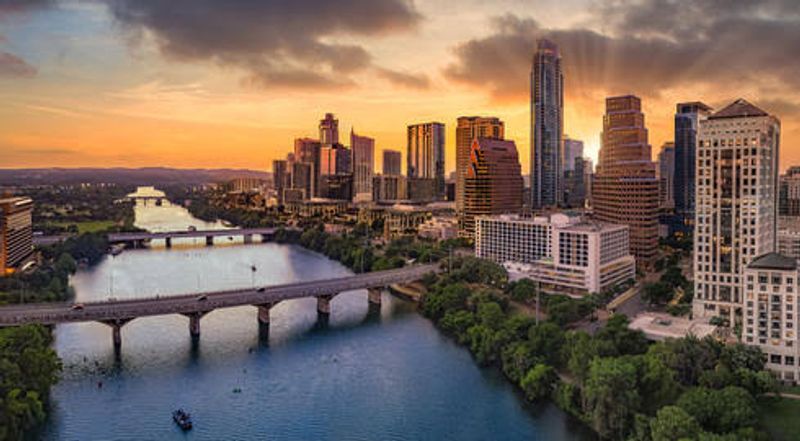
Texas covers more than 268,000 square miles, making it larger than most countries. Driving from one end to the other takes at least twelve hours, and that’s without stops. First-time visitors often glance at a map and assume they can hit multiple cities in a day, only to realize halfway through that they’ve wildly miscalculated the distances involved.
El Paso sits closer to San Diego, California, than it does to Houston. Amarillo in the Panhandle feels like a different state compared to Brownsville down by the Mexican border. Even traveling between major cities like Austin and Dallas means committing to a three-hour drive, and that’s under ideal traffic conditions.
This massive scale affects everything from your itinerary to your gas budget. Running out of fuel between small towns is a real possibility in rural areas, where gas stations can be fifty miles apart. Cell service also gets spotty in stretches of West Texas and the Hill Country, so relying on your phone for navigation isn’t always foolproof.
Tourists who try to cram too much into a short trip end up spending more time in the car than actually experiencing anything. Instead of seeing five cities in four days, you’ll feel rushed, exhausted, and frustrated. It’s smarter to pick one or two regions and explore them thoroughly rather than attempting a whirlwind tour of the entire state.
Plan your route carefully and build in extra time for breaks, meals, and unexpected delays. Check distances in hours, not just miles, because speed limits and road conditions vary. If you’re flying in, consider renting a car only for specific legs of your trip rather than driving everywhere.
Texas rewards patience and realistic expectations. Trying to conquer it all at once is a recipe for burnout and missed opportunities. Slow down, focus on quality over quantity, and remember that even Texans don’t see everything their state has to offer in one visit.
5. Don’t Call Tex-Mex Just Mexican Food
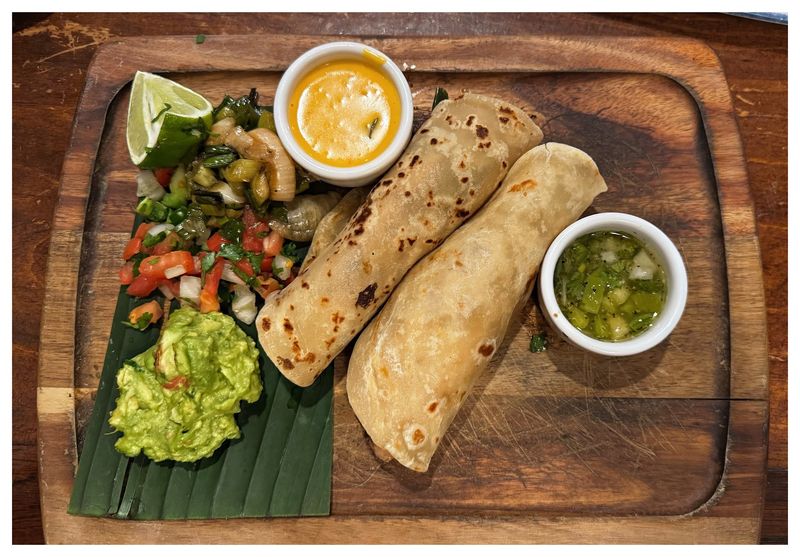
Tex-Mex and traditional Mexican cuisine are not interchangeable, and mixing them up can spark strong reactions from locals. Tex-Mex is its own distinct culinary tradition, born in Texas and shaped by generations of cultural blending. It features ingredients and flavors you won’t necessarily find south of the border, and Texans take pride in that unique identity.
Classic Tex-Mex staples include cheese enchiladas smothered in chili gravy, crispy beef tacos, queso dip, and fajitas sizzling on a hot skillet. Yellow cheese, flour tortillas, and cumin-heavy spice blends dominate the flavor profile. These dishes evolved in Texas kitchens, influenced by Mexican traditions but adapted to local tastes and available ingredients.
Traditional Mexican food, on the other hand, relies more on fresh corn tortillas, complex mole sauces, and regional specialties like barbacoa, pozole, and tamales made with masa. The flavors tend to be more subtle and layered, with less emphasis on melted cheese and heavy toppings.
Calling a plate of Tex-Mex enchiladas simply Mexican food ignores the history and creativity that went into developing this cuisine. It’s like calling Cajun food just French cooking. Texans, especially those with deep family roots in the region, see Tex-Mex as a point of cultural pride and a reflection of their state’s multicultural heritage.
You’ll find both styles of food across Texas, often in the same neighborhood. Border towns and cities with large Mexican populations offer authentic Mexican restaurants serving regional dishes from different parts of Mexico. Meanwhile, Tex-Mex joints serve up the cheesy, hearty comfort food that’s become synonymous with the state.
When you’re ordering, pay attention to the menu and ask questions if you’re unsure. Appreciating the difference shows respect for both culinary traditions and makes your dining experience richer. Enjoy the queso and fajitas for what they are, and seek out authentic Mexican spots when you want something different.
Both are delicious, and both deserve recognition on their own terms.
6. Don’t Forget to Tip Generously at Restaurants
Tipping culture in Texas runs strong, and servers, bartenders, and other hospitality workers rely heavily on gratuity to make a living. Wages for tipped employees can be as low as a few dollars per hour, with tips expected to make up the difference. Stiffing your server or leaving a measly few coins will earn you dirty looks and a reputation as a bad customer.
The standard tip at sit-down restaurants is 18 to 20 percent of the total bill before taxes. For exceptional service, 25 percent isn’t uncommon. At bars, a dollar or two per drink is typical, and for large or complicated orders, tipping more shows appreciation for the extra effort.
Food delivery, valet parking, and hotel housekeeping also operate on tips. Delivery drivers depend on gratuity since their base pay is often minimal, and valets who retrieve your car in scorching heat or pouring rain deserve a few bucks for their trouble. Housekeepers work hard to keep rooms clean, and leaving a tip on the nightstand is a courteous gesture that’s often overlooked.
Some visitors from countries where tipping isn’t customary struggle with this system, but in Texas, it’s not optional. Skipping the tip because you disagree with the practice only hurts the worker, not the restaurant owner. Servers remember stingy customers, and word spreads fast in smaller towns.
If you’re dining with a large group, check the bill carefully. Many restaurants automatically add an 18 or 20 percent gratuity for parties of six or more. Adding another tip on top of that means you’re double-tipping, which is generous but unnecessary unless the service was truly outstanding.
Cash tips are preferred when possible because they go directly to the worker without delay or deductions. If you’re paying by card, make sure to fill in the tip line clearly so there’s no confusion. Being generous with tips isn’t just about following social norms; it’s about recognizing the hard work that goes into making your meal or stay enjoyable.
Texans value hospitality, and showing gratitude through tipping is part of that tradition.
7. Don’t Expect Everyone to Say Y’all

Movies and TV shows love to portray every Texan as a drawling cowboy who says y’all in every sentence, but reality is far more nuanced. Texas cities are incredibly diverse, with people from all over the country and the world calling the state home. Expecting everyone to sound like they stepped out of a Western film will leave you surprised and maybe a little disappointed.
In Houston, Dallas, Austin, and San Antonio, you’ll hear accents from across the globe. Tech workers from California, immigrants from Latin America and Asia, transplants from the Midwest and East Coast—all of them live and work in Texas without adopting the stereotypical Southern drawl. Even native Texans, especially younger generations in urban areas, often speak with neutral or blended accents.
Rural areas and small towns tend to preserve the traditional Texas accent more strongly. Folks in places like Lubbock, Abilene, or deep East Texas are more likely to use y’all, fixin’ to, and other regional phrases. But even there, you’ll find variation depending on age, education, and personal preference.
Some Texans lean into the accent and slang because it’s part of their identity. Others consciously avoid it, either because they never picked it up or because they don’t want to be pigeonholed by stereotypes. Language is personal, and assuming everyone will sound a certain way based on where they live is reductive.
Y’all is widely used across the state, but it’s not universal. Plenty of Texans say you guys, folks, or nothing at all. The phrase has become a cultural marker more than a linguistic requirement, and you’ll hear it in casual settings far more often than in business meetings or formal environments.
The best approach is to listen and adapt. If the people around you use y’all, feel free to join in. If they don’t, stick with your natural speech patterns.
Texans appreciate authenticity over forced attempts to sound local. Respect the diversity of voices you’ll encounter, and don’t make assumptions based on outdated stereotypes. Texas is changing fast, and its language reflects that evolution.
8. Don’t Ignore Local Driving Etiquette on Highways
Texas highways are fast, wide, and full of unwritten rules that can confuse newcomers. Ignoring local driving etiquette won’t just annoy other drivers; it can also create dangerous situations. Texans take their highway behavior seriously, and blending in requires more than just following the speed limit.
The left lane is for passing, not cruising. If you’re camping in the left lane going the speed limit or slower, expect to get tailgated, flashed, or honked at. Move over to the right once you’ve passed slower traffic, even if you think you’re going fast enough.
Hogging the left lane is one of the quickest ways to irritate everyone around you.
Speed limits are often treated as suggestions, especially on rural highways where traffic is light. Driving exactly 65 in a 65 zone can make you a rolling roadblock if everyone else is doing 75 or 80. Match the flow of traffic when it’s safe to do so, and don’t be surprised if state troopers pass you going faster than you are.
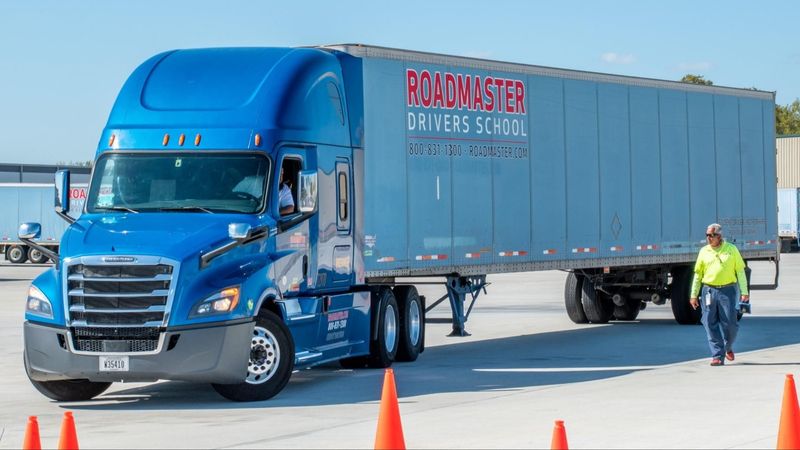
Trucks dominate Texas roads, and they need space to maneuver. Don’t cut off a semi or linger in their blind spots. Give them room to merge, and be patient when they’re passing each other.
Most truck drivers are professionals who know what they’re doing, but they can’t stop on a dime, and crowding them is asking for trouble.
Frontage roads run parallel to many Texas highways, and they can be confusing if you’re not used to them. Pay attention to signs, and don’t assume every exit leads back to the main highway immediately. Some frontage roads require you to drive a mile or more before you can re-enter the highway.
Turn signals are mandatory, but not everyone uses them religiously. Stay alert and anticipate sudden lane changes, especially in heavy traffic. Defensive driving is key, because aggressive drivers and distracted drivers share the road with cautious newcomers.
Keep a safe following distance, stay out of blind spots, and don’t let road rage get the better of you. Texas highways move fast, and keeping up with local norms will make your drive safer and less stressful.
9. Don’t Skip Learning a Bit of Texas History
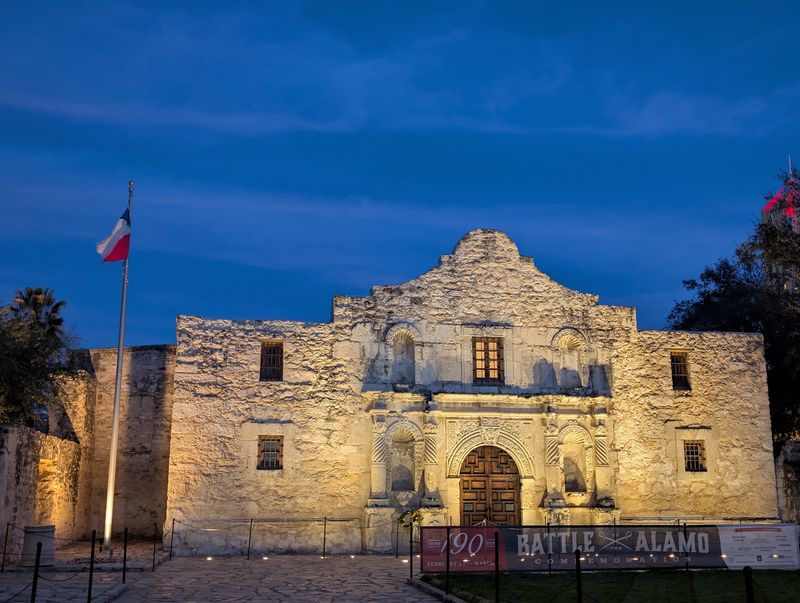
Texas history is everywhere, from monuments and museums to place names and local pride. Skipping out on even a basic understanding of the state’s past means missing context for a lot of what you’ll see and hear. Texans are proud of their history, and showing some knowledge or curiosity goes a long way in conversations with locals.
The Battle of the Alamo is probably the most famous event in Texas history, but it’s just one chapter. The Texas Revolution, the Republic of Texas era, and eventual statehood all shaped the culture and identity that define the state today. Knowing why the Alamo matters, or what Remember the Alamo actually refers to, helps you appreciate why it’s such a big deal to people who live here.
Texas was an independent nation for nearly a decade before joining the United States in 1845. That unique history fuels a sense of independence and pride that still influences politics, culture, and attitudes. The Lone Star flag isn’t just a design; it’s a symbol of that brief but significant period of sovereignty.
Oil booms, cattle drives, and frontier settlement all played major roles in shaping modern Texas. The state’s economy, cities, and cultural identity grew out of these industries, and their legacy is visible in everything from rodeos to skyscrapers. Understanding this background makes visiting places like the Fort Worth Stockyards or the oil fields of West Texas more meaningful.
Native American history, Spanish colonization, and Mexican influence are also critical pieces of the puzzle. Texas was part of Mexico before the revolution, and that heritage is still deeply embedded in the state’s food, language, and architecture. Ignoring this complexity flattens the story and disrespects the diverse communities that built Texas.
You don’t need to become a history expert, but spending an hour or two reading up before your trip pays off. Visit a museum, take a walking tour, or ask locals about their town’s history. Texans love sharing stories about their state, and showing genuine interest opens doors to richer conversations and experiences.
History isn’t just dates and battles; it’s the foundation of the Texas you’re visiting today.
10. Don’t Mess with Texas – Respect the Slogan
Don’t Mess with Texas is one of the most recognizable slogans in the country, but it’s widely misunderstood by outsiders. It’s not a general tough-guy motto or a warning about Texans’ attitudes. The phrase was created in 1986 as part of an anti-litter campaign by the Texas Department of Transportation, and it’s still used for that purpose today.
Littering was a serious problem on Texas highways in the 1980s, costing the state millions of dollars in cleanup every year. The campaign featured celebrities, musicians, and athletes urging Texans to keep their state clean. It worked, reducing litter by a significant percentage and turning the slogan into a cultural icon.
Over time, the phrase took on a life of its own, becoming a symbol of Texas pride and independence. People slap it on bumper stickers, T-shirts, and tattoos, often without knowing its original meaning. That’s fine for locals who’ve lived with the campaign their whole lives, but tourists who use it incorrectly or dismissively can come across as clueless.
Respecting the slogan means understanding its roots and not treating it like a joke. If you’re driving through Texas, don’t toss trash out your window. Use rest stops, keep a bag in your car for garbage, and dispose of waste properly.
Littering is still illegal and disrespectful, and the campaign’s message remains relevant.
Texans also use the phrase with a sense of humor and irony, especially when talking about state pride or defending their way of life. It’s become shorthand for don’t disrespect what we care about, whether that’s the landscape, the culture, or the people. Outsiders who mock the slogan or use it flippantly risk rubbing locals the wrong way.
If you see the signs along the highway, take a moment to appreciate the campaign’s success and its ongoing importance. Keeping Texas clean is a shared responsibility, and the slogan is a reminder that everyone, locals and visitors alike, plays a part. Respect the history, follow the message, and you’ll fit in just fine.
Don’t Mess with Texas isn’t just words on a sign; it’s a call to action that’s still making a difference decades later.
Share this story