A quiet road bends through the pines, a brick ruin peeks out of the brush, and suddenly New Jersey feels less like diners and shore traffic and more like a half-remembered story. The best part?
You do not need to hop fences, sneak past “No Trespassing” signs, or make questionable life choices for a good ghost town moment. Some of the state’s most interesting abandoned or half-abandoned places sit inside state forests, county reservations, national parkland, and preserved historic districts.
They are the kinds of spots where you can wander past old workers’ cottages, canal buildings, cranberry bogs, ironworks ruins, and vanished port sites while staying firmly on the right side of the law. Bring decent shoes, a little curiosity, and the common sense to admire closed buildings from the outside.
New Jersey has plenty of ghosts, but these are the ones that still welcome visitors.
1. Batsto Village
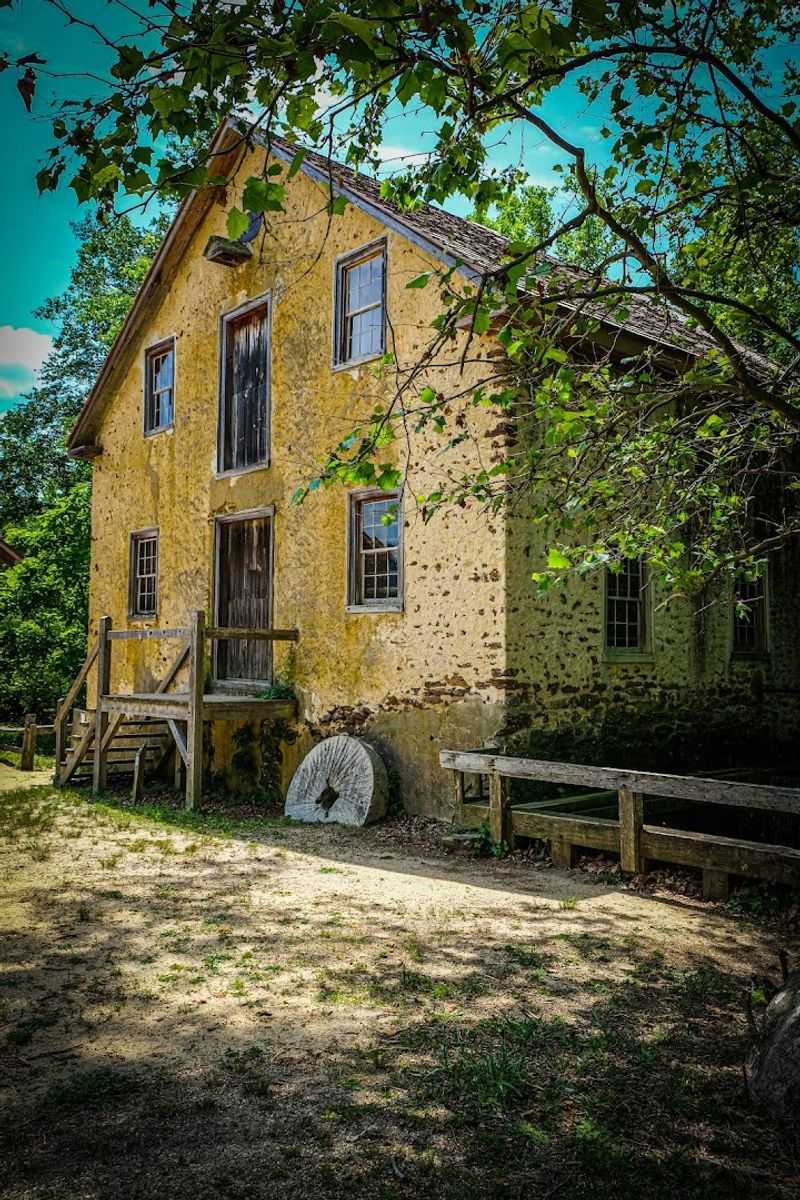
The smell of pine needles and cedar water does a lot of the work before you even reach the old buildings. Set inside Wharton State Forest, Batsto Village is one of New Jersey’s most satisfying ghost-town visits because it feels complete enough to imagine, but quiet enough to wonder what it must have been like when the place was busy.
This was once a bog-iron and glassmaking community, and its ironworks helped supply goods during the Revolutionary War. Today, the village still has the pieces that make the story easy to picture: the mansion, general store, sawmill, gristmill, workers’ homes, post office, and sandy paths between them.
What makes Batsto such an easy first stop is that it is not some sketchy ruin hidden behind a fence. It is a preserved historic village with public areas, a visitor center, and tours offered when available.
You can make the visit as casual or as nerdy as you want. Stroll the village, look toward the lake, peek at the old industrial buildings from the outside, or time your trip around a mansion tour.
It is especially good in fall, when the whole place gets that moody Pine Barrens look without requiring a horror-movie level of commitment. Parking is straightforward, and the legal-access part is simple: stay in the public village area and do not treat historic buildings like escape rooms.
2. Feltville / Glenside Park
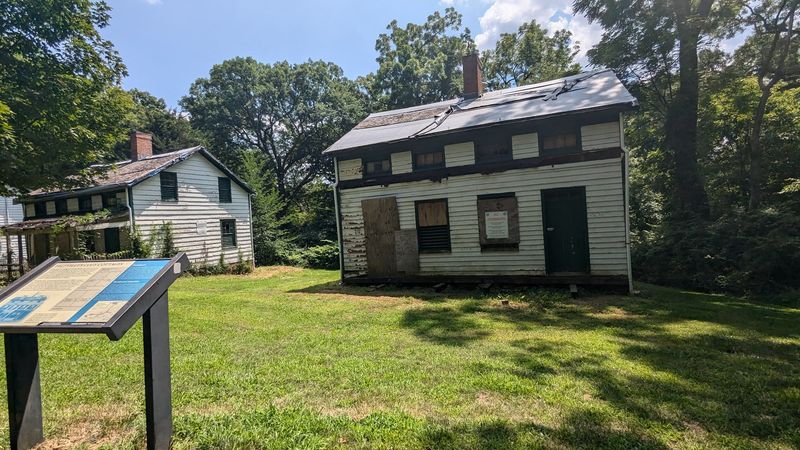
A row of old cottages in the Watchung woods is not what most people expect between suburban errands and Route 78 traffic, which is exactly why this place is so fun. Better known as the Deserted Village, Feltville began in the 1840s as a mill town built by David Felt, whose paper business gave the settlement its first life.
Later, the same cluster of buildings was reinvented as Glenside Park, a mountain resort for city-weary visitors before the Jersey Shore pulled vacationers in another direction. The result is a wonderfully odd little time capsule tucked inside Watchung Reservation.
You can follow the walking route through the village, look for the old church-store building, and imagine the workers’ cottages as both factory housing and later resort escapes.
The vibe here is less “collapsing ruin” and more “how is this still sitting in the woods?” Some buildings are preserved, some are private or restricted, and that distinction matters.
The grounds are meant for daylight wandering, not porch-climbing or window-peering. Feltville is perfect for anyone who wants a ghost town with guardrails: a short walk, a strange backstory, and just enough mystery to make the suburbs feel farther away than they are.
Pair it with a hike in the reservation and you have an easy afternoon that feels much weirder than the mileage suggests.
3. Double Trouble Village
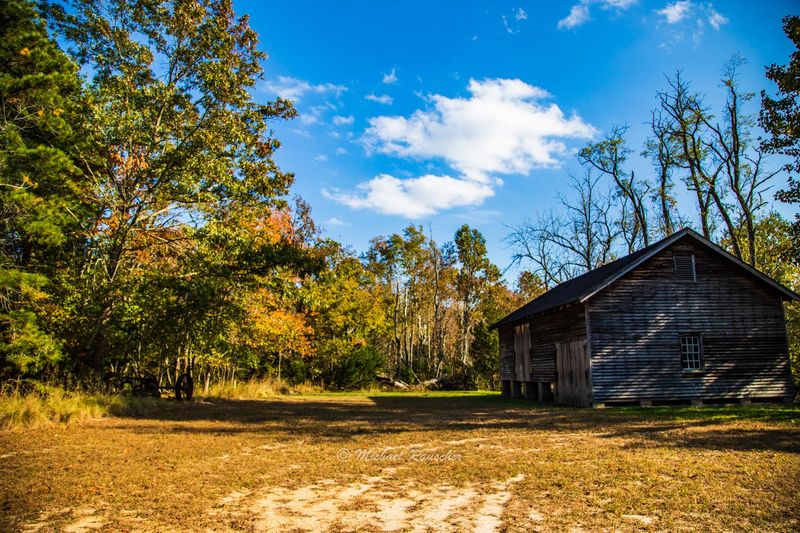
The name sounds like a roadside attraction someone invented after too much coffee, but Double Trouble Village is the real Pine Barrens deal. This Ocean County village grew around sawmilling and cranberry production, and the surviving buildings make it one of the clearest examples of a South Jersey company town.
You get the sawmill, cranberry sorting and packing house, workers’ cottages, schoolhouse, and general store, all sitting inside Double Trouble State Park. This is the spot for readers who like their ghost towns with a little landscape attached.
The old cranberry bogs are a major part of the scene, and the sandy paths around the village are flat enough for an easy walk. Depending on the season, the bogs add color, water, and a reminder that this was not a decorative village.
It was a place built around work, weather, trees, berries, and the people who kept the operation running. If tours or programs are available, they are worth catching, especially around the cranberry packing house.
Even without a tour, Double Trouble gives you plenty to see from legal public areas. It also has a gentler feel than some ruin-heavy ghost towns, which makes it a good pick for families or casual history fans.
The rule is simple: enjoy the buildings from designated spots, stick to official trails, and let the old cranberry town keep a few secrets.
4. Waterloo Village
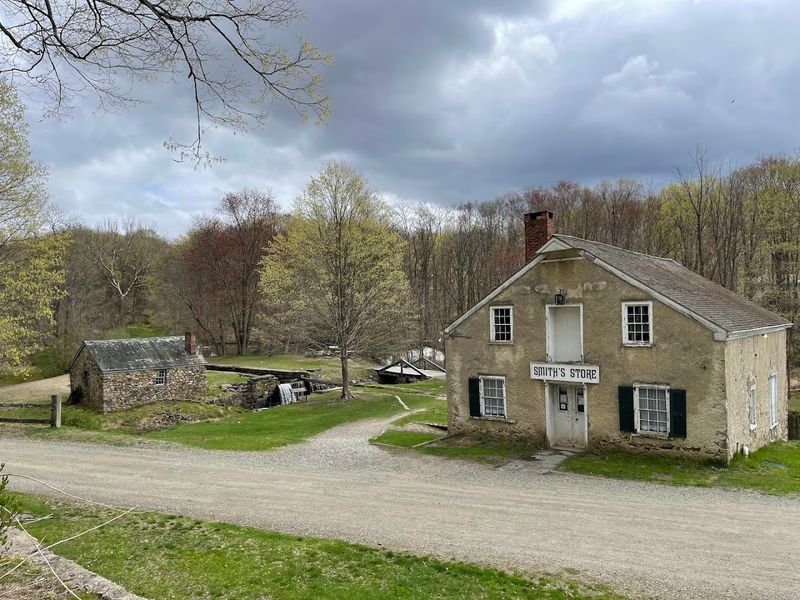
Canal towns have a particular kind of ghostliness: they do not just feel abandoned, they feel bypassed. Waterloo Village sits along the old Morris Canal, once one of the great transportation projects that moved goods across North Jersey before railroads and highways changed the map.
Today, the village is preserved as a 19th-century historic site, with the Musconetcong River nearby and old canal-era buildings giving the place a slower, older rhythm than the surrounding roads suggest. This is a strong pick for readers who want history without bushwhacking.
Waterloo has churches, homes, mills, canal features, and open grounds that can be explored as part of the public historic area. It is not abandoned in the “everything is collapsing” sense, but that is exactly why it belongs in a no-trespassing list.
You can walk through a former village landscape legally and still feel the gap between what it was and what it is now. The best way to approach Waterloo is slowly.
Look for the canal remnants, linger near the old buildings, and remember that this place once depended on boats, towpaths, warehouses, and the steady movement of goods. It also works nicely for people who want a less sandy alternative to the Pine Barrens ghost towns.
You get a vanished economy, preserved architecture, and a scenic North Jersey setting, all without treating “closed” as a personal challenge.
5. Walpack Center
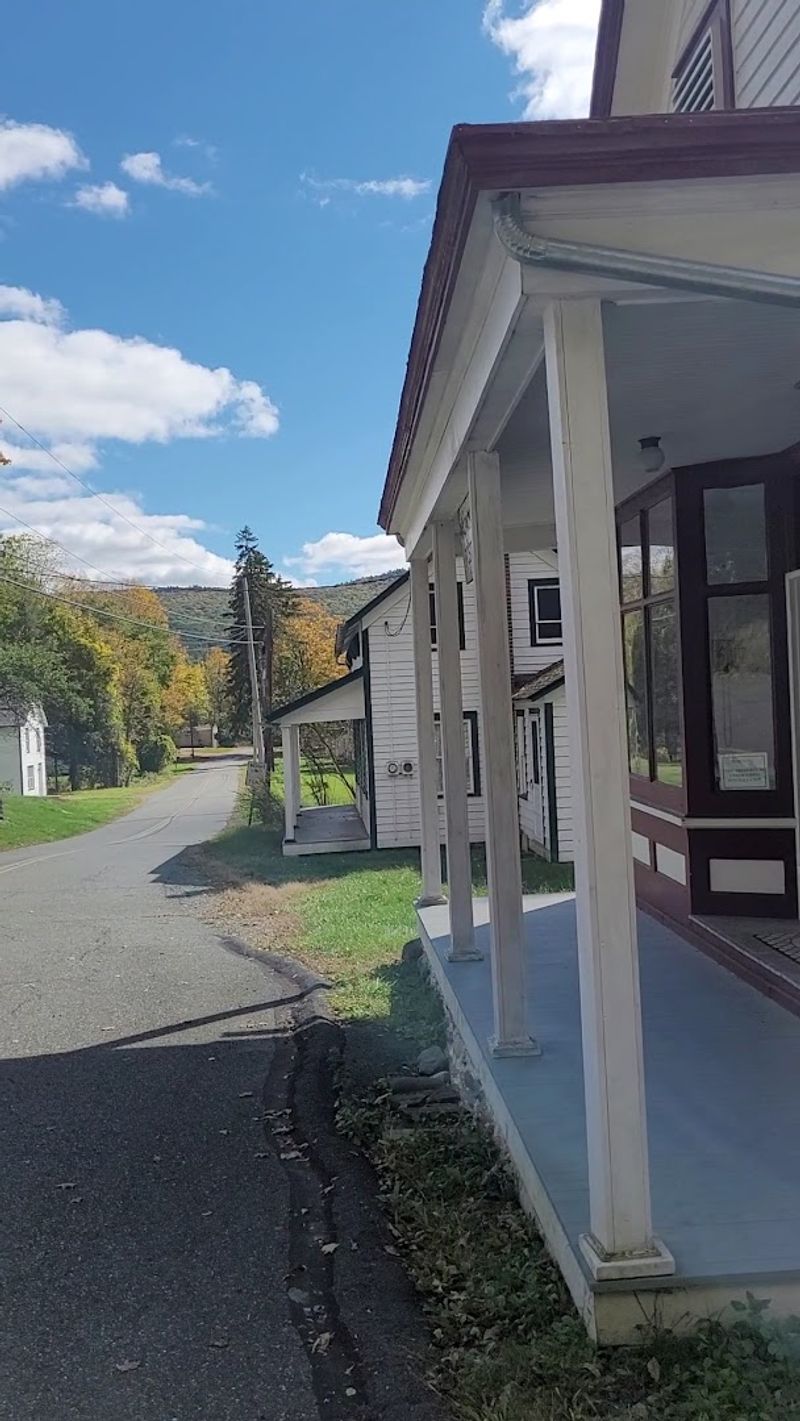
There is a strange quiet in Walpack Center that feels bigger than the village itself. Set within Delaware Water Gap National Recreation Area, this Sussex County community became one of New Jersey’s most haunting public-access ghost town experiences because of the abandoned Tocks Island Dam project.
Homes and land were acquired for a massive reservoir that never came, leaving behind a landscape shaped by a future that was planned, argued over, and ultimately canceled. The result is not a theatrical ghost town, but a real place interrupted.
Walpack’s appeal is in the leftovers: old houses, open fields, historic roads, and a sense that the landscape is still deciding what it wants to be. Nearby historic spots, including the Van Campen Inn and Rosenkrans House area, add more context if you want to stretch the visit beyond the village center.
This is the entry where the mood does most of the talking. Walpack is not about polished attractions or cute storefronts.
It is about standing in a national recreation area and realizing that “abandoned” can mean paperwork, displacement, and time as much as decay. Readers should stick to public roads, marked areas, trails, and open sites, and treat closed structures as part of the view, not an invitation.
The story is powerful enough without stepping where you should not.
6. Atsion Village
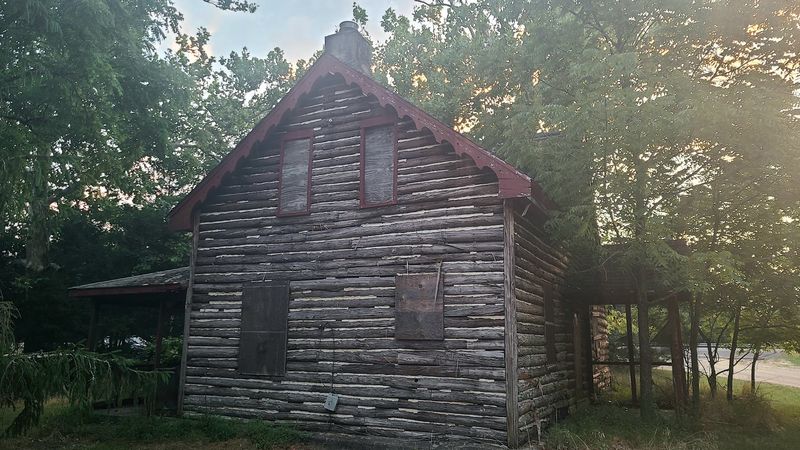
The white mansion at Atsion looks almost too composed for a ghost town, which makes the surrounding history even better. This was once an iron village in the Pine Barrens, part of the same bog-iron world that shaped several South Jersey communities before richer ore sources and changing industries pulled prosperity elsewhere.
Now part of Wharton State Forest, Atsion gives visitors a different kind of ghost-town experience: less raw ruin, more quiet remnant. The mansion is the obvious anchor.
It gives the site a focal point, especially for anyone who likes a little architecture with their pines and vanished-industry history. Around it, the broader recreation area adds the practical side: trails, forest roads, water, and that deep Pine Barrens stillness that makes even a short walk feel slightly removed from normal New Jersey.
Atsion is best understood as a ghost town with polish around the edges. It does not feel as dense as Batsto, and it does not have Harrisville’s broken-brick drama, but it has atmosphere in spades.
It is also a good reminder that abandoned places do not always look chaotic. Sometimes they look orderly, sunlit, and almost too calm.
Tour what is open, walk where public access allows, and let the mansion and surrounding village history do the storytelling. The past here does not shout.
It waits politely under the trees.
7. Harrisville
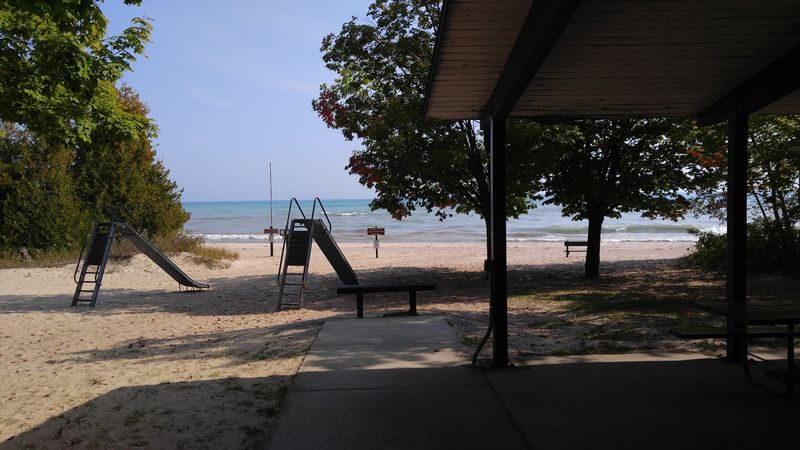
Brick walls in the woods hit differently when you know they once belonged to a busy paper mill town. Harrisville, hidden in Wharton State Forest, is one of the Pine Barrens’ classic ruin sites: a place where industry came in strong, burned through its moment, and left behind fragments for hikers and history hunters to puzzle over.
It was once part of the wider Pine Barrens pattern of settlements built around iron, paper, charcoal, glass, and forestry. When those industries faded or moved elsewhere, towns like Harrisville lost the reason they existed.
This is the entry for readers who want the most traditional “ghost town” feeling on the list. Harrisville is not manicured in the way Batsto or Allaire can be.
It is more fragile, more overgrown, and more dependent on visitors behaving well. That makes the no-trespassing angle especially important.
The ruins are interesting enough from public areas, and there is no reason to climb on masonry, move old materials, take souvenirs, or wander into unsafe spots. The reward is a moody Pine Barrens scene that feels earned without being illegal.
Go for the ruins, stay for the silence, and bring the mindset of a guest rather than a conqueror. Harrisville is not there to be conquered.
It is there to be noticed before the woods take back another inch.
8. Whitesbog Village
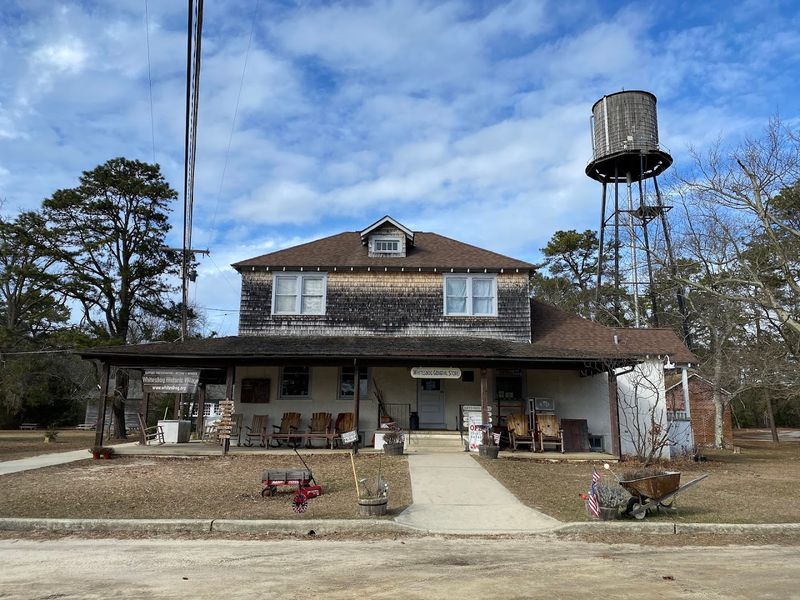
Blueberries make this ghost town sweeter than most. Whitesbog Village, in Brendan T.
Byrne State Forest, is a former cranberry and blueberry company town with historic buildings, sandy paths, bogs, and fields that still give the place an agricultural rhythm. Its best-known claim to fame is its connection to the first cultivated blueberry, developed here through the work of Elizabeth White and botanist Frederick Coville.
That detail alone gives Whitesbog a terrific hook: one of New Jersey’s quietest historic villages helped change breakfast forever. The site still feels agricultural rather than spooky.
You can walk past worker cottages, the general store, farm buildings, cranberry bogs, gardens, and blueberry fields, with the landscape doing as much storytelling as the structures.
Whitesbog is a great section to write with texture: weathered siding, sandy tracks, bog edges, and the sense of a company town built around harvests instead of smokestacks.
It is also one of the better choices for readers who want a gentle outing rather than a difficult hike. Check ahead if you care about store hours, tours, or special events; otherwise, come for a quiet walk and an easy dose of Pine Barrens history.
The village is preserved, not abandoned for free-for-all exploring, and that is exactly why it remains so rewarding to visit.
9. Allaire Village / Howell Iron Works
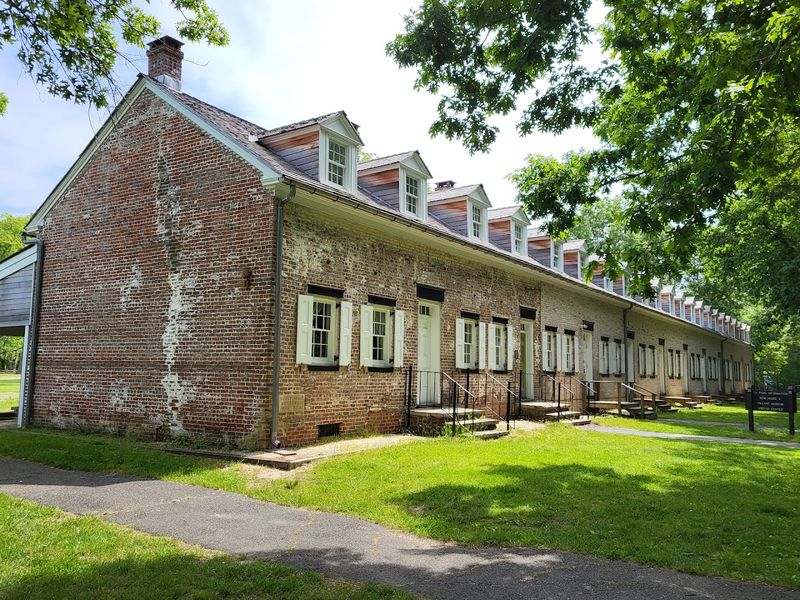
A blacksmith shop, a general store, a church, and workers’ housing make Allaire feel like someone paused an industrial town mid-sentence. Located inside Allaire State Park in Monmouth County, the restored Howell Iron Works Company was founded by James P.
Allaire in the 1820s and grew into a major 19th-century bog-iron community. At its peak, it was a working company town with hundreds of people tied to the iron business, from skilled tradesmen to laborers and their families.
This is not a hidden ruin, and that is a good thing. Allaire is one of the easiest ghost-town-style visits in the state because the village is interpreted as a living history museum, with preserved buildings that help explain how an early industrial community actually functioned.
You can see the general store, blacksmith shop, carpenter’s shop, owner’s house, foreman’s house, church, and other village landmarks without pretending you are an urban explorer. For readers, Allaire works especially well because it has layers.
History people get the ironworks story. Families get an easy park visit.
Walkers get trails through woods, old farmland, and the historic village area. The ghost-town feeling here is gentler and more organized than Harrisville or Walpack, but the bones are real.
It was a self-contained working community, and when the industry faded, the village became something rare: a legal, accessible window into New Jersey’s industrial past.
10. Raritan Landing
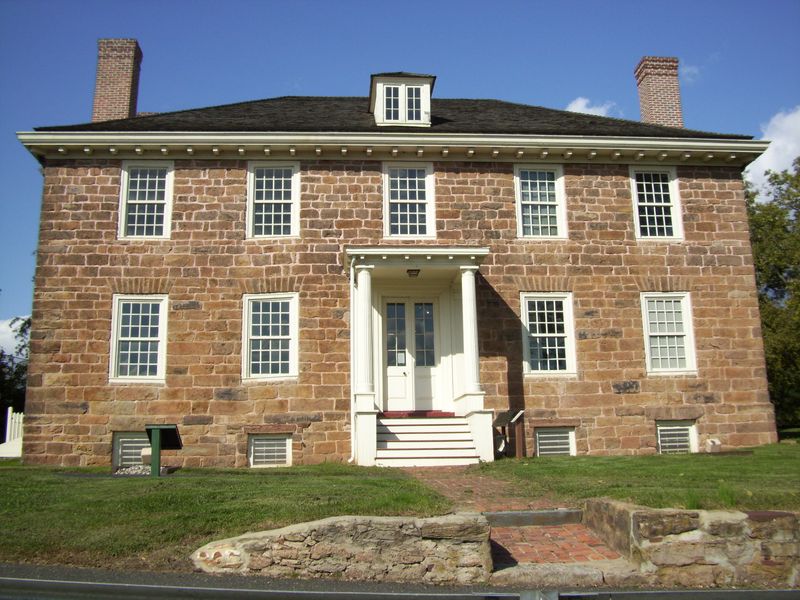
Not every ghost town leaves empty houses behind. Raritan Landing is the buried kind, which somehow makes it even more intriguing.
Once a colonial port community along the Raritan River in what is now Piscataway, it connected inland farms and merchants to wider trade routes before time, development, and changing transportation patterns erased most of it from the surface. This is the pick for readers who like their history with a little imagination.
Instead of strolling through a row of abandoned cottages, you are walking through a landscape where foundations, artifacts, and archaeological discoveries tell the story. Johnson Park and the surrounding historic area give visitors a way to experience the vanished community without trespassing or poking around where they should not.
The Cornelius Low House is the best visible anchor for the story. Built in the 18th century, it is one of the rare surviving connections to Raritan Landing’s prosperous merchant world, and nearby East Jersey Old Town adds more context for anyone who wants to make a fuller history stop out of it.
As a closer, Raritan Landing is especially smart because it proves a ghost town does not have to loom above ground to be worth visiting. Sometimes the most interesting vanished places are the ones hiding just beneath a park, a path, and a very ordinary-looking afternoon.
Share this story