A wooden bench beside a quiet river, an empty trail through the pines, and a parking space that does not require three laps around the block—sometimes the best New Jersey getaway is the one everyone else overlooked.
The state’s headline destinations certainly earn their attention, but popularity comes with traffic, waiting lists, and sidewalks that feel like moving walkways.
Fortunately, plenty of smaller communities still operate at a wonderfully unhurried pace. These are places where the main attraction might be a historic mill, a waterfront promenade, or a general store where conversations last longer than transactions.
Some sit near the Shore without the boardwalk commotion. Others hide among farmland, forests, and old stone buildings that seem barely touched by the last century.
None demands an elaborate itinerary. Bring comfortable shoes, leave room for an impromptu lunch, and enjoy ten New Jersey towns where slowing down feels less like a strategy and more like the local custom.
1. Cape May Point
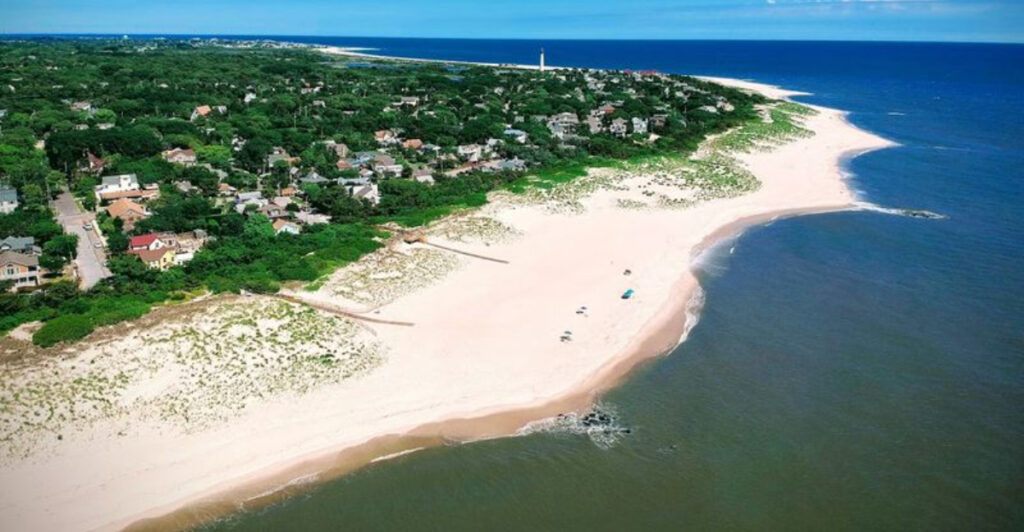
Just a few minutes from the restaurants, shops, and horse-drawn carriages of Cape May, the scenery abruptly changes. Victorian bustle gives way to dune grass, quiet residential lanes, and the unmistakable red-and-white tower of the Cape May Lighthouse.
Cape May Point feels like the Jersey Shore after somebody turned down the volume. There is no commercial boardwalk, no packed amusement pier, and no strip of souvenir stores competing for attention.
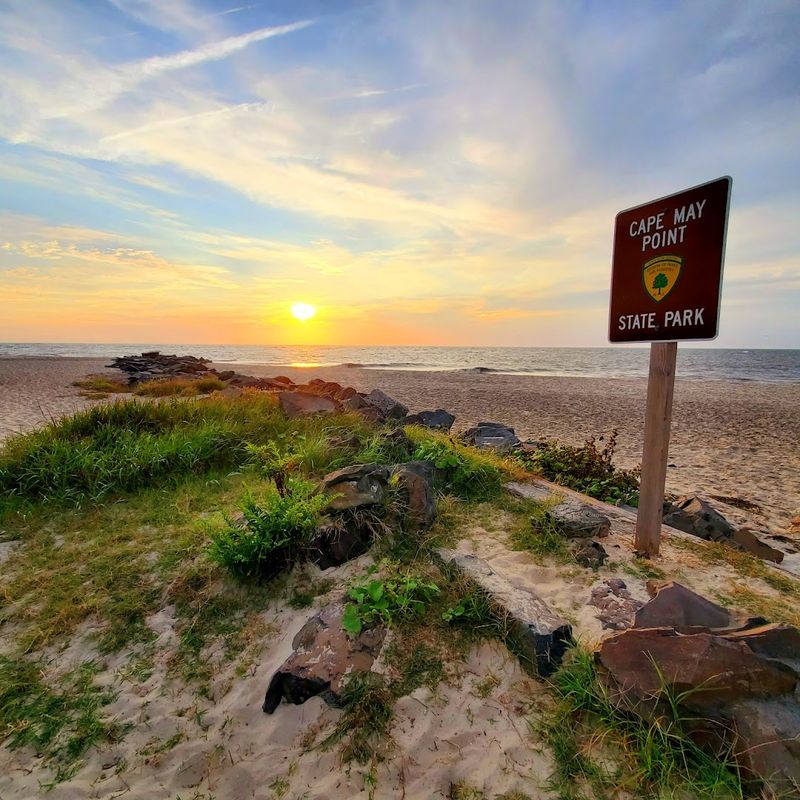
The centerpiece is Cape May Point State Park, where walking trails cross wetlands, coastal dunes, and wooded habitat used by migrating birds. Climbing the lighthouse’s 199 steps provides a sweeping look across the shoreline, but the ground-level pleasures are just as rewarding.
Follow one of the park’s nature trails, watch for swans and herons around the ponds, or settle onto a bench near the hawk-watching platform. Lake Lily, located in the middle of town, adds another peaceful loop for an easy walk.
Bird migration periods can bring dedicated wildlife watchers, especially in autumn, but the mood remains far calmer than in the major resort towns. Food and lodging choices are limited within the borough itself, which is part of its charm.
Pack water and a snack, then head into Cape May afterward if you want dinner. Cape May Point is best enjoyed without a checklist: climb, wander, watch the sky, and let the absence of noise become the main attraction.
2. Island Heights
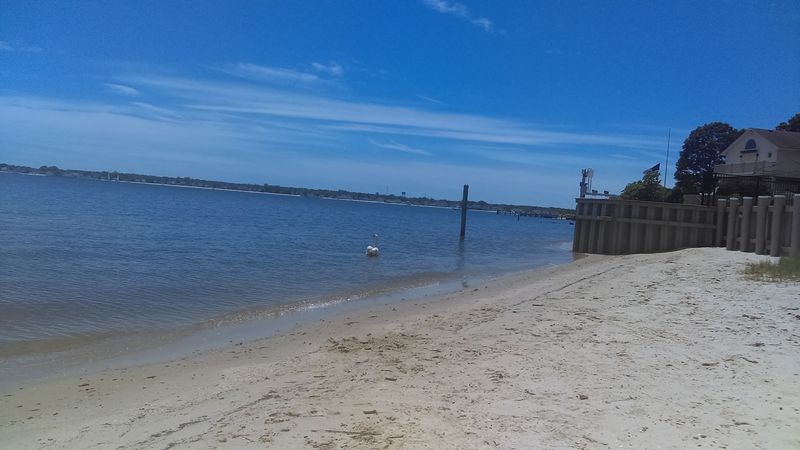
The Toms River glitters at the end of nearly every downhill street in this compact Ocean County borough. That waterfront setting once attracted prominent artists, writers, and religious camp-meeting visitors, but Island Heights never developed into a noisy resort.
Instead, it kept its gingerbread-trimmed houses, steep lanes, shady trees, and pleasantly old-fashioned riverfront. The boardwalk along River Avenue is the natural place to begin.
It is not the french-fry-and-arcade variety; this one is a simple wooden promenade with benches, gazebos, passing sailboats, and broad views across the water. A slow walk can easily turn into an hour of doing very little, which is precisely the point.
Architecture lovers should seek out the John F. Peto Studio Museum, the preserved home and workspace of the American still-life painter.
Its rooms, period furnishings, and collection reveal the creative history behind this tiny community. The nearby Ocean County Artists’ Guild continues that artistic thread with exhibitions and classes inside a historic building overlooking the river.
Island Heights has only a small selection of businesses, so it works better as a quiet afternoon stop than a tightly scheduled all-day excursion. Grab lunch elsewhere in the Toms River area, bring a coffee to the waterfront, and leave the itinerary loose.
Street parking is generally manageable away from community events, while comfortable shoes help with the hills. The reward is a Shore town where the loudest interruption may be a halyard tapping against a sailboat mast.
3. Cranbury
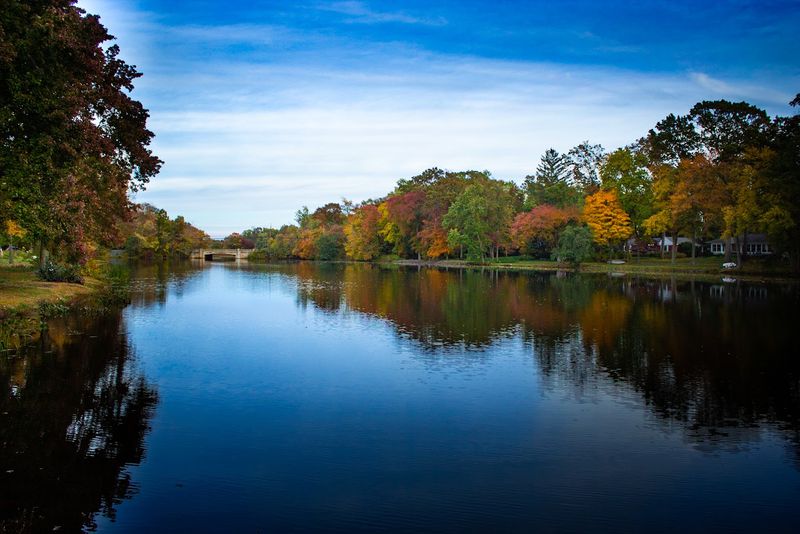
A bench beside Brainerd Lake offers one of central New Jersey’s simplest escapes. Ducks move across the water, mature trees shade the shoreline, and historic houses stand just beyond the green.
Meanwhile, the Turnpike traffic rushing between New York and Philadelphia feels much farther away than it actually is. Cranbury has preserved an unusually cohesive village center, with Main Street lined by Colonial, Federal, and Victorian buildings.
Walking is the best way to appreciate the details: brick sidewalks, tidy gardens, old storefronts, and plaques revealing how much history is packed into a few blocks. The Cranbury Museum, housed in an 1834 building, displays household objects, photographs, clothing, and other pieces of local life.
Gourgaud Gallery, located inside Town Hall, adds rotating art exhibitions without turning the visit into a major museum undertaking. After exploring Main Street, cross toward Village Park for open lawns, walking paths, picnic tables, and views of Brainerd Lake.
The Cranbury Preserve provides a wilder extension, with trails passing through woods and wetlands along Cranbury Brook. Downtown has a handful of places for coffee, casual meals, and treats, but it never feels built around tourism.
The historic Cranbury Inn is the town’s best-known dining landmark and adds a little old-school character to an evening visit. Weekdays and Sunday mornings are especially peaceful, while community festivals naturally draw more people.
For anyone who likes charming streets but dislikes the elbow-to-elbow part of famous small towns, Cranbury lands in a very comfortable middle ground.
4. Stockton
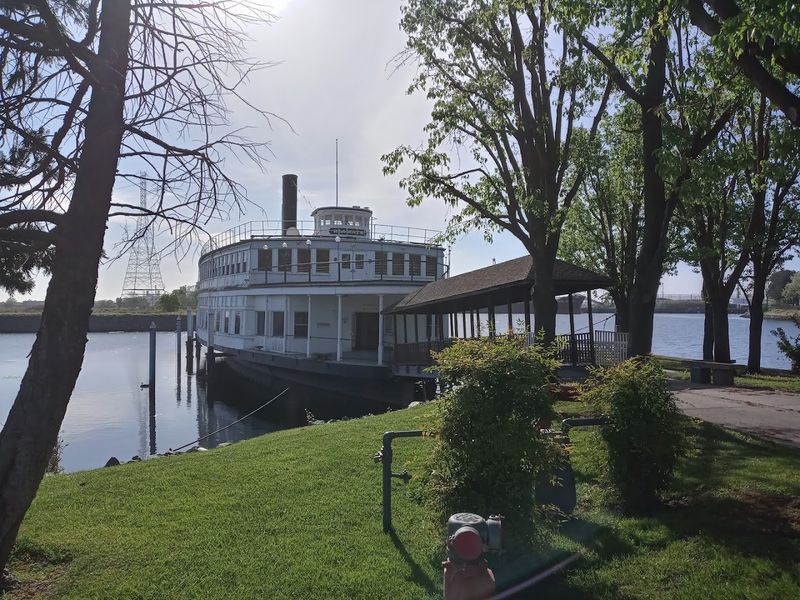
Blink while driving along the Delaware River and you could miss this little Hunterdon County borough. That would be a shame, because Stockton delivers exactly what an overwhelmed week needs: a few walkable streets, a handsome bridge, an old mill complex, and miles of riverside trail with no pressure to hurry.
Start near the Delaware and Raritan Canal towpath, which runs between the canal and river through a corridor of trees. The level surface makes it easy to walk or bike as far as energy permits, with water views and old canal structures appearing along the route.
North of the village, Prallsville Mills preserves a collection of historic industrial buildings beside the canal. The site hosts cultural programs and special events, but even when nothing is scheduled, the exterior and waterside setting are worth seeing.
Back in town, the bridge across the Delaware connects Stockton with Centre Bridge, Pennsylvania, and provides a fine look up and down the river. There is no sprawling shopping district waiting on either side.
The appeal comes from the scale: independent businesses, historic homes, passing cyclists, and the occasional kayak drifting below. A few local restaurants and specialty food stops make lunch easy, though checking operating days before visiting is sensible in a borough this small.
Parking can usually be found around the village, but avoid leaving a vehicle in private business lots while using the towpath. Visit outside major event weekends, and Stockton feels less like a destination engineered for visitors than a quiet river town that kindly allows you to borrow its pace.
5. High Bridge
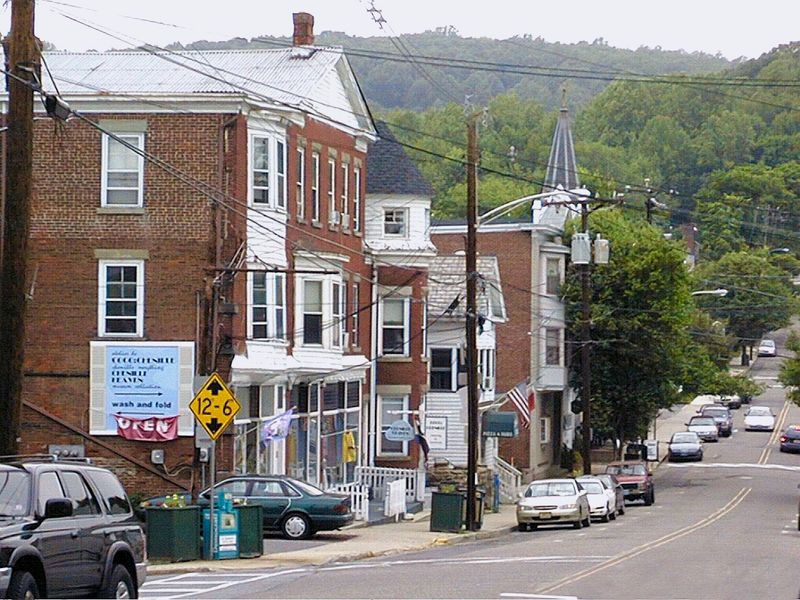
Railroad history and outdoor adventure meet in a place where the loudest traffic often comes from bicycle tires rolling over crushed stone. High Bridge marks the southern end of the Columbia Trail, a former railroad corridor extending north through wooded landscapes and communities along the South Branch of the Raritan River.
The trail’s gentle grade makes it approachable for walkers and casual cyclists, not just people dressed for a forty-mile workout. Before heading north, explore the Taylor SteelWorkers Historical Greenway, where interpretive signs and preserved remnants tell the story of the iron and steel industry that shaped the borough.
Continue toward Lake Solitude and its striking stone dam, an impressive piece of engineering tucked into a surprisingly serene landscape. The scenery changes beautifully with the seasons: fresh green along the river in spring, deep shade in summer, and bright foliage in autumn.
Downtown High Bridge is modest rather than polished for tourism, with a few dependable places to stop for coffee, drinks, or a casual meal. That lack of performance is exactly why the town works.
You can spend the morning on the trail, have lunch without joining a massive waiting list, and still find a quiet bench afterward. Public parking is available near the Columbia Trail entrance, though it can fill on especially pleasant weekend mornings.
Arriving early solves the issue and provides an even calmer walk. High Bridge suits visitors who want something to do but do not want to queue, pose, or follow a crowd to do it.
6. Hope
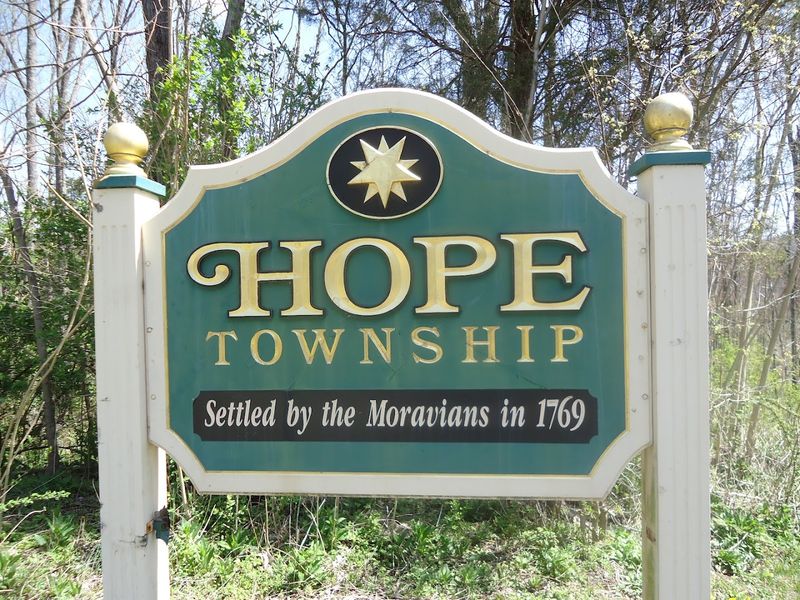
Long before New Jersey had shopping malls and six-lane highways, Moravian settlers planned this Warren County village around community, faith, and practical craftsmanship. Their stone buildings remain the defining feature of Hope, giving the historic district a look found nowhere else in the state.
The village was established in the 1760s, and several surviving structures—including the old gristmill, church buildings, and sturdy stone homes—make an unhurried walk feel like a small architectural scavenger hunt. There is no busy downtown circuit or long list of must-see attractions.
Hope rewards curiosity instead. Read the historic markers, notice the thick masonry walls, and follow the quiet roads through a landscape of fields and wooded hills.
The Moravian story was relatively brief here, but it left a remarkably durable footprint. Nearby Jenny Jump State Forest expands the outing with hiking trails, rocky ridges, and broad views across the rural countryside.
Trails range from manageable woodland walks to more rugged climbs, so good shoes are useful even if the day begins with a casual village stroll. Families may know Hope for the Land of Make Believe amusement park, which can draw summer visitors, but the historic center retains a much slower character.
Dining choices are scattered rather than concentrated, making this a good occasion to pack a picnic or plan a meal elsewhere in Warren County.
Come on an ordinary day, when no festival is underway, and Hope provides the rare pleasure of standing beside an 18th-century stone building with nobody waiting for you to move out of their photograph.
7. Tuckerton
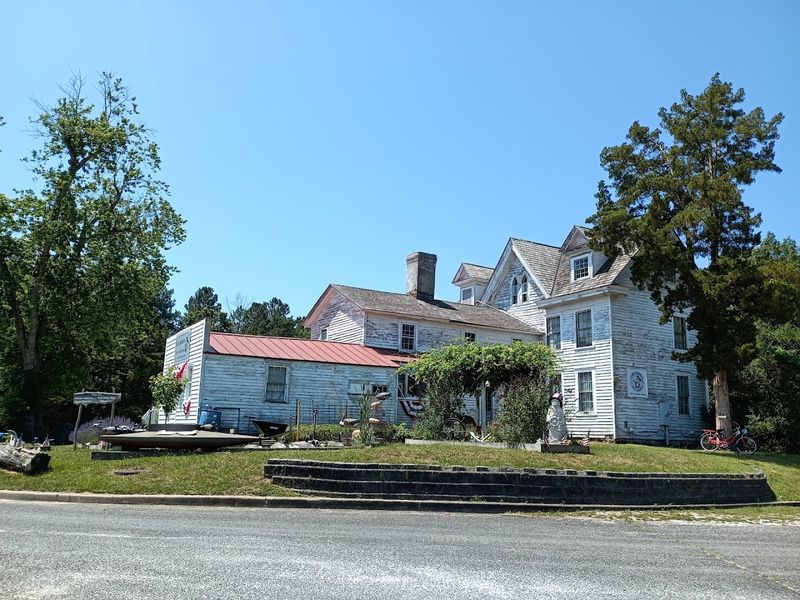
Weathered boats, carved decoys, and salt-marsh views tell the story here more clearly than any flashy boardwalk could. Tuckerton grew from a working maritime community, and it continues to celebrate that identity without sanding away all the rough edges.
Tuckerton Seaport is the essential stop, spreading exhibits and historic structures across a waterfront site beside Tuckerton Creek. Visitors can learn about boatbuilding, commercial fishing, decoy carving, coastal folklore, and the people who earned their living from South Jersey’s bays and marshes.
Boardwalk paths connect the buildings and provide plenty of places to pause near the water. The seaport hosts festivals that can become busy, so crowd-averse visitors should choose a regular weekday or a weekend without a major event.
Beyond the museum, the town has a small, lived-in center rather than a tourist strip. Seafood is the natural choice for lunch, whether that means a straightforward fish sandwich, crab cake, or platter served without unnecessary ceremony.
A short drive reaches the Bass River and Great Bay region, where paddling, fishing, and birdwatching continue the maritime theme. The nearby Tuckerton section of the Edwin B.
Forsythe National Wildlife Refuge protects salt marsh and coastal habitat used by egrets, ospreys, and migrating shorebirds. Bug spray is useful during warmer months, particularly around the marshes.
Tuckerton proves that a Shore getaway does not require roller coasters, beach bars, or a block-long line for pizza—sometimes a creek, a fishing boat, and a breeze off the bay are plenty.
8. Port Republic
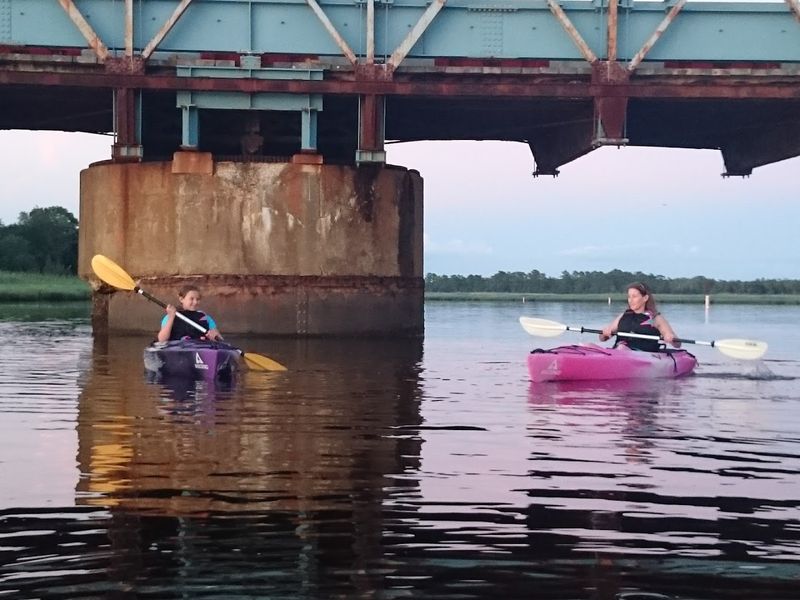
One of New Jersey’s smallest cities feels more like a rural village that accidentally received a grander title. Port Republic sits along Nacote Creek and the Mullica River watershed, where marshes, woods, and winding roads create a buffer from the heavily traveled Shore corridor.
Its history stretches back to the Revolutionary War, when British forces attacked the nearby port of Chestnut Neck in 1778. The Battle of Chestnut Neck Monument, topped by a figure of a Continental soldier, marks that chapter beside Route 9.
Stop to read the inscriptions, then explore the quieter roads around the historic village center, where old homes and a small church reinforce the sense that little here has been rearranged for tourists. Nature provides most of the recreation.
The Port Republic Wildlife Management Area and surrounding wetlands offer habitat for birds and other wildlife, while the Nacote Creek area appeals to anglers and paddlers familiar with tidal waterways. Access points and conditions vary, so it pays to check maps and tides before launching anything.
The city’s small beach is intended primarily for local use and may have access restrictions, so visitors should not treat it as a substitute for a public Shore resort. Port Republic is better approached as a scenic history-and-nature detour than a beach day.
Bring lunch or stop in nearby Smithville or Absecon, since restaurant choices within the city are limited. If your ideal outing includes marsh views, old roads, and almost no commercial noise, that limitation will sound less like a drawback and more like a promise.
9. Greenwich
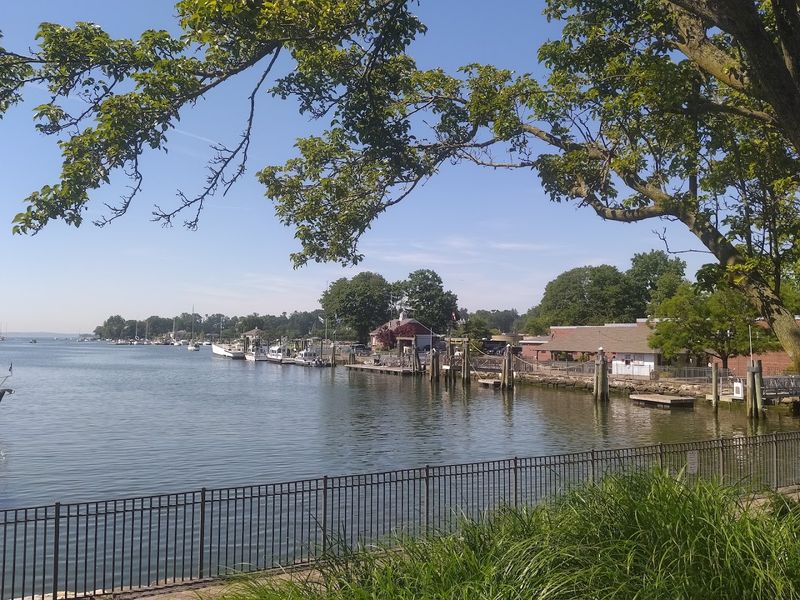
The rebellion in this Cumberland County village involved tea, a bonfire, and a group of residents who refused to let Boston have all the fun. In December 1774, local patriots burned a shipment of British tea in Greenwich, creating one of New Jersey’s liveliest Revolutionary stories.
Today, the town surrounding that history could hardly feel calmer. Broad lawns, mature trees, farmland, and historic houses line the roads leading toward the Cohansey River.
The Greenwich Tea Burning Monument commemorates the protest, while the nearby Gibbon House Museum helps place it within the wider history of the region. Built in the 18th century, the house contains period furnishings and exhibits connected to early Cumberland County life.
Museum hours can be limited or seasonal, so verify availability before making it the centerpiece of a trip. Even if the building is closed, the historic district and river landscape make the drive worthwhile.
Continue toward Hancock Harbor for broad views of the tidal Cohansey and the flat, open countryside that gives this corner of South Jersey its distinctive character. Birdwatchers should keep binoculars close; marshes and fields attract an impressive variety of species.
Greenwich has virtually no tourist infrastructure, which means no crowds but also few convenient places to eat or shop. Pick up sandwiches in Bridgeton or Millville, fill the fuel tank beforehand, and treat the town as a place to wander respectfully rather than consume quickly.
It is quiet, historically rich, and wonderfully resistant to being turned into an attraction.
10. Allentown
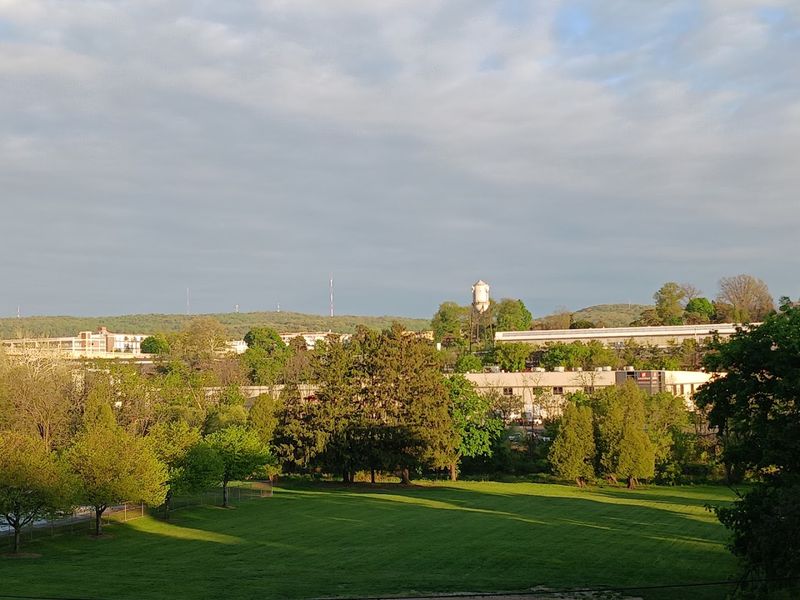
A millpond, a red-brick downtown, and a bakery box on the passenger seat make a much better Saturday than an hour spent circling for parking. Allentown offers the pleasures people want from a small-town excursion without the constant foot traffic found in New Jersey’s more famous shopping destinations.
Main Street packs antique stores, independent boutiques, cafes, and restaurants into a compact historic district where browsing remains pleasantly low-pressure. The Old Mill is the visual anchor, standing beside Doctors Creek near the edge of the lake.
Its weathered structure reflects the town’s agricultural past and provides an ideal starting point for a walk. Heritage Park stretches along the water with paths, footbridges, open lawns, and picnic spots.
It is especially appealing in the morning, when the pond is still and downtown businesses are beginning to open. Afterward, return to Main Street for coffee, baked goods, or an unfussy lunch.
Whether you choose a sandwich, pastry, or diner-style breakfast, the experience feels more like stopping in a real community than moving through a curated tourist district. Special events such as the fall festival bring sizable crowds, so anyone serious about solitude should choose a regular weekend or weekday instead.
Street parking and small public lots generally make exploring straightforward, though spaces closest to Main Street fill first around lunchtime. Allentown is not completely unknown, nor is it trying to be.
It simply remains relaxed enough that you can admire the old buildings, change lunch plans on a whim, and hear the water moving beneath the mill without fighting through a tour group.
Share this story