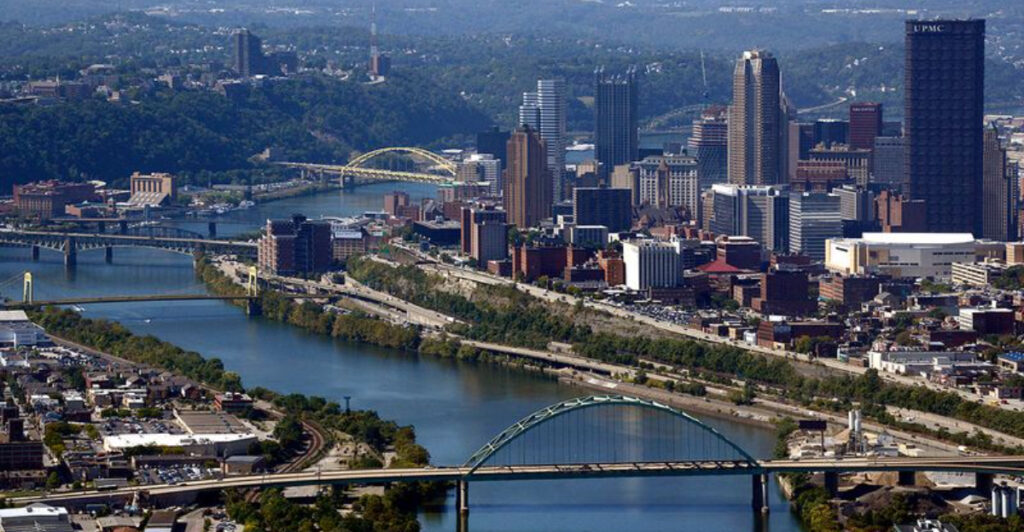
Pennsylvania tells a huge part of its story through water, and once you start tracing the state’s biggest rivers, the map feels a lot more alive. These waterways shaped old industrial cities, carved through mountain valleys, fed recreation economies, and still give you some of the best scenery in the commonwealth, whether you love fishing, paddling, local history, or just finding a road trip route with a view.
I think rivers are one of the easiest ways to understand a place because they connect landscapes that might otherwise seem separate, and in Pennsylvania that connection runs from forested highlands to urban shorelines and broad agricultural corridors. If you want to know the state beyond the usual landmarks, these ten rivers are absolutely worth your attention because each one reveals a different side of Pennsylvania’s geography, culture, and everyday character.
1. Allegheny River
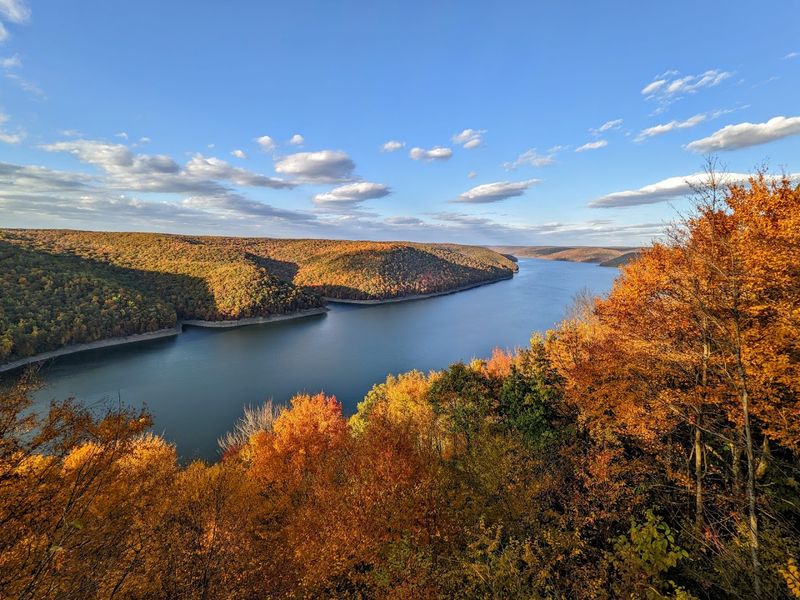
Flowing out of northern Pennsylvania with a steady, confident presence, this river feels like one of the state’s great scenic lifelines.
The Allegheny River winds past wooded hills, quiet communities, and stretches of shoreline that still feel refreshingly unspoiled.
If you are drawn to places where nature and history share the same view, this is a waterway that gives you both.
As it moves south and west, the Allegheny River connects recreation, ecology, and regional identity in a way that is easy to appreciate.
You can find boating, kayaking, fishing, and riverfront trails along different sections, with each bend offering a slightly different mood.
Some areas feel wild and spacious, while others show how closely Pennsylvania towns grew around dependable access to water.
I like that this river never seems limited to one story.
It is important for outdoor tourism, but it also carries the legacy of transportation, industry, and settlement that shaped western Pennsylvania over generations.
Near Pittsburgh, its role becomes even more visible, since the Allegheny joins with the Monongahela to form the Ohio River at one of the most recognizable urban river confluences in the country.
That combination of natural beauty and historical weight is what makes the Allegheny River worth knowing about.
It supports wildlife, frames memorable views, and offers a strong sense of place from its upper reaches to its final meeting point downtown.
Whether you experience it from a riverbank overlook, a city bridge, or a quiet canoe launch, the Allegheny River gives you a clear reminder that Pennsylvania’s biggest waterways are not just features on a map, but living corridors that continue shaping how people enjoy and understand the state.
2. Delaware River
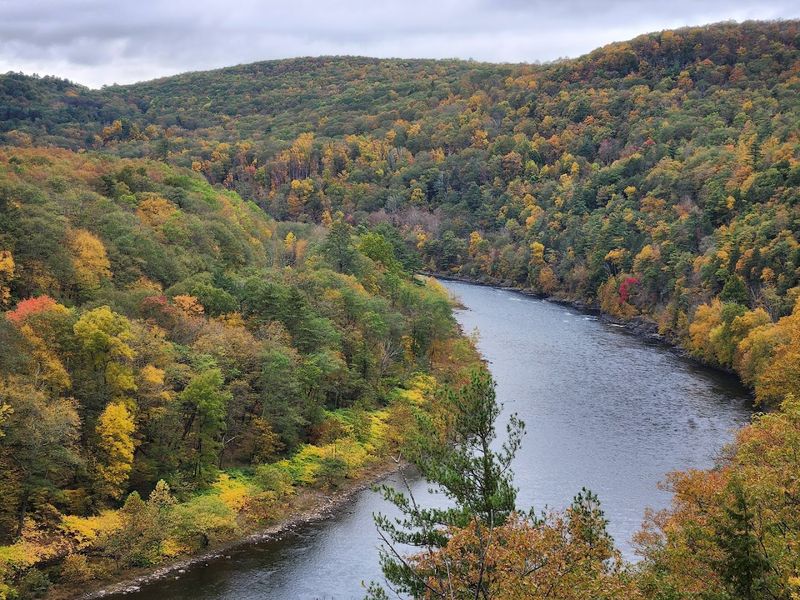
Stretching along Pennsylvania’s eastern edge, this river delivers some of the most striking border scenery in the state.
The Delaware River is broad, historically important, and full of places where you can slow down and appreciate the landscape without feeling far from major population centers.
For anyone who likes a mix of rugged beauty, small-town charm, and deep American history, it stands out immediately.
Different sections of the river reveal different personalities, which is part of its appeal.
In the Upper Delaware area, forested banks, cleaner water, and a more relaxed pace make it popular for canoeing, rafting, tubing, and fishing.
Farther south, the river becomes increasingly tied to transportation, trade, and urban development, showing just how much influence one waterway can have across an entire region.
The Delaware River also matters because it links Pennsylvania to bigger stories beyond the state line while still remaining rooted in local identity.
Historic crossings, canal remnants, and river towns all hint at how essential this corridor has been for movement and commerce over centuries.
At the same time, the river supports recreation and habitat, giving it modern value that goes far beyond the past.
What I find most interesting is how accessible the Delaware can feel while still offering moments of real escape.
You can spend part of the day exploring a lively borough, then head to a quieter riverside stretch where the view opens wide and the water sets the rhythm.
That balance makes the Delaware River worth knowing about if you want to understand Pennsylvania as a place shaped by both natural boundaries and human ambition, with a shoreline that continues to invite adventure, reflection, and appreciation in every season.
3. Lehigh River
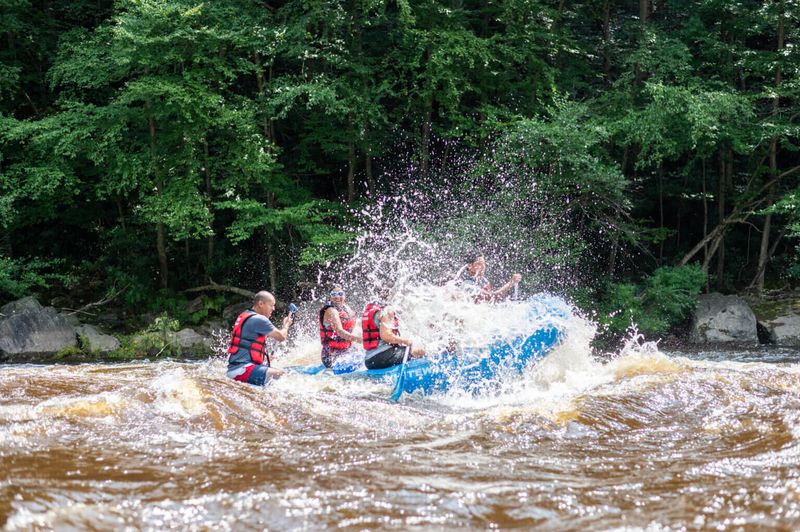
Running through eastern Pennsylvania with energy and character, this river is best known for the dramatic corridor it creates through valleys and mountain scenery.
The Lehigh River has a more active, adventure-friendly reputation than some of the state’s broader waterways, and that makes it especially appealing if you like landscapes that feel dynamic.
It is one of those rivers where the setting and the current work together to leave a strong impression.
In many places, the river is closely associated with outdoor recreation, particularly whitewater rafting, kayaking, and fishing.
The Lehigh Gorge area is especially popular because the scenery is bold and the terrain feels rugged without being inaccessible.
If you are looking for a Pennsylvania river that combines movement, elevation, and memorable views, this one makes a very strong case.
There is also a powerful industrial and transportation story attached to the Lehigh River.
It once played a major role in moving anthracite coal and supporting the growth of communities in the Lehigh Valley.
That history still shapes the region’s identity, and you can sense it in old infrastructure, canal connections, and towns that developed along the water’s path.
What makes the Lehigh River worth knowing about is the way it blends excitement with context.
You are not just looking at a scenic river or visiting a recreation spot, but stepping into a corridor that helped move Pennsylvania’s economy while now offering people a chance to reconnect with the outdoors.
I think that transition is part of its charm.
The Lehigh River feels useful, beautiful, and resilient all at once, and whether you experience it in the gorge, near a trail, or from a town overlook, it gives you a vivid example of how Pennsylvania’s rivers continue evolving without losing their identity.
4. Schuylkill River
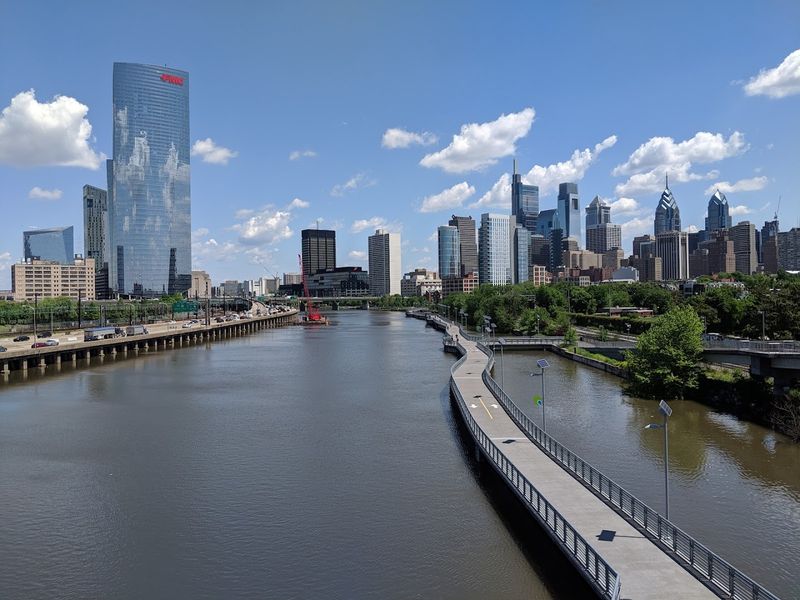
Moving from quieter inland stretches toward one of Pennsylvania’s most famous urban settings, this river shows how a waterway can tie together very different worlds.
The Schuylkill River begins in the state’s coal region and eventually reaches Philadelphia, creating a route that blends natural scenery, industrial memory, and modern city life.
If you want a river that tells a broad Pennsylvania story, this is an excellent one to follow.
Upstream areas can feel more rural and subdued, with wooded banks and smaller communities shaped by the landscape around them.
As the river progresses, it becomes linked to transportation networks, industry, and some of the most recognizable public spaces in southeastern Pennsylvania.
The Schuylkill River Trail has also helped more people connect with the water directly, whether on foot or by bike.
What stands out most is how the Schuylkill River remains relevant in everyday life.
It has supported commerce, influenced settlement patterns, and become part of environmental restoration conversations in a highly visible way.
In Philadelphia especially, the river is not some distant natural feature.
It is part of the city’s rhythm, its recreation culture, and its visual identity.
I think that combination of reach and familiarity makes the Schuylkill River worth knowing about.
It can feel historic without being frozen in the past, and urban without losing every trace of nature.
You might see rowers on the water, trails lined with runners, or quiet sections farther upstream where the river feels more reserved and local.
That variety is exactly why it matters.
The Schuylkill River reflects Pennsylvania’s ability to hold industry, recreation, and landscape in the same frame, offering a waterway that feels both intensely practical and surprisingly inviting from source to city.
5. Susquehanna River
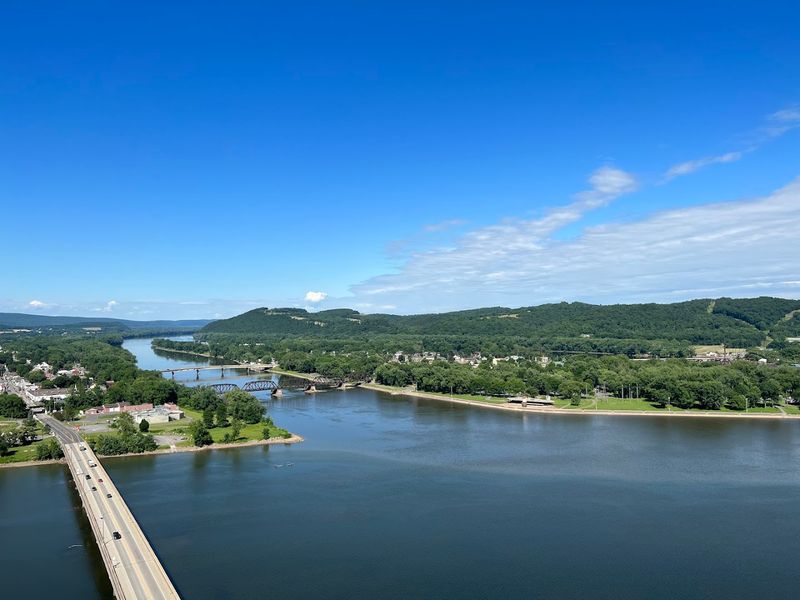
Few rivers in Pennsylvania feel as expansive and defining as this one.
The Susquehanna River is broad, powerful, and deeply woven into the geography of the state, crossing long distances and touching a remarkable range of communities and landscapes.
When you look at a map, it is immediately clear that this is not a minor feature, but one of Pennsylvania’s great natural frameworks.
The river passes through rural valleys, historic towns, and major population centers, and it often seems to widen the sense of space around it.
Islands, bridges, bluffs, and long open views give many sections of the Susquehanna River a dramatic quality that is hard to forget.
It is also important for boating, fishing, birding, and waterfront recreation, which means it continues to shape how people spend time outdoors today.
Its historical significance is just as impressive as its scale.
The Susquehanna River has long been central to travel, trade, settlement, and regional development, influencing where roads, towns, and industries took root.
You can still feel that legacy in places like Harrisburg and other river communities, where the water remains a visible and practical part of local identity.
What makes the Susquehanna River especially worth knowing about is its ability to feel both immense and personal.
In one place it may serve as a sweeping scenic backdrop, while somewhere else it becomes the center of a daily walk, a fishing trip, or a familiar bridge crossing.
I think that everyday closeness to something so large is part of its appeal.
The Susquehanna River reminds you that Pennsylvania’s landscapes were not shaped randomly.
They were organized, influenced, and connected by waterways like this one, which continue to define the state’s character with every broad, moving mile.
6. Juniata River
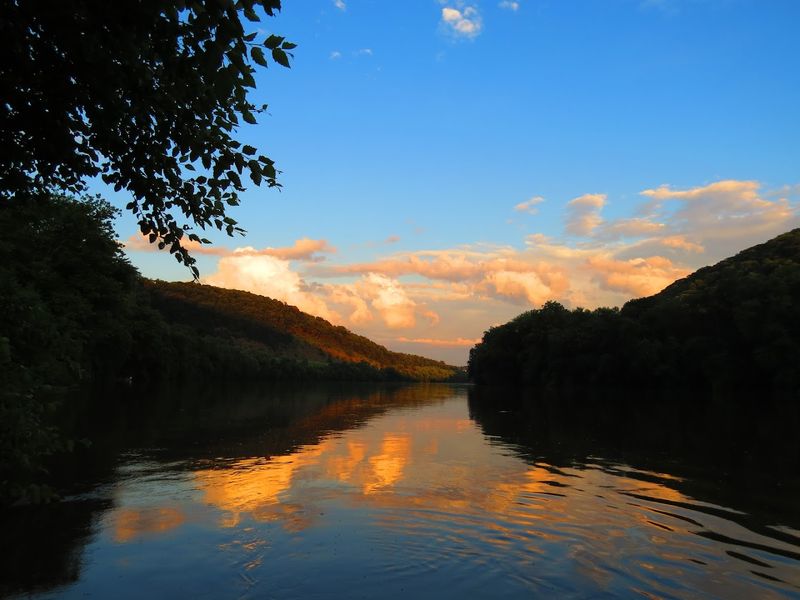
Winding through central Pennsylvania with broad curves and a distinctly rural atmosphere, this river has a character that feels both gentle and historically important.
The Juniata River passes through farmland, ridged landscapes, and towns that reflect the long agricultural and transportation story of the region.
If you enjoy scenery that feels grounded, lived-in, and unmistakably Pennsylvanian, this river is a great one to notice.
Its course creates a natural thread through valleys that have supported settlement for generations.
The Juniata River is associated with fishing, paddling, and quiet shoreline views, but it also works as a lens into the state’s interior geography.
Unlike rivers that feel dominated by a single city, this one seems to belong to a chain of smaller places and open spaces.
That setting gives the river a special kind of appeal.
It has been important for movement, local economies, and the development of communities that relied on nearby water and fertile land.
The historical role may not always appear dramatic at first glance, yet it becomes clear when you look at how closely roads, rail lines, and settlements align with the river valley.
What makes the Juniata River worth knowing about is its authenticity.
It does not need a skyline or a huge recreational brand to matter.
Instead, it offers a more intimate version of Pennsylvania, one shaped by fields, mountains, and practical connections between people and place.
I think that understated quality is exactly why the river stays with you.
The Juniata River shows that some of the state’s most meaningful landscapes are not necessarily the loudest or most advertised.
They are the ones that quietly supported everyday life, created enduring scenic routes, and still invite you to slow down long enough to see how much history and beauty can flow together.
7. Lackawanna River
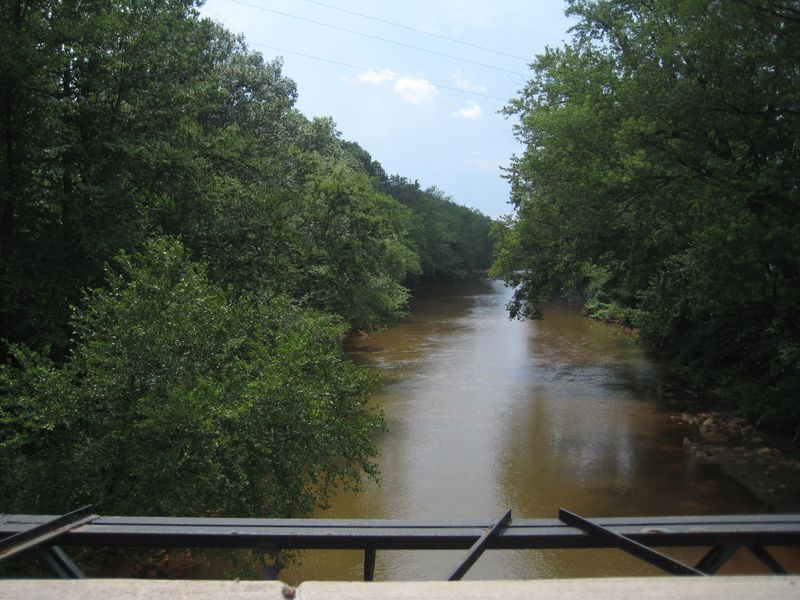
Flowing through northeastern Pennsylvania, this river carries a story that is closely tied to industry, recovery, and regional identity.
The Lackawanna River may not have the sheer scale of some larger waterways in the state, but it matters because of the place it holds in the history of the Wyoming Valley and the Scranton area.
If you are interested in rivers that reflect both hardship and renewal, this one stands out.
For many years, the river was heavily shaped by coal mining and urban development, and that legacy left visible marks on the surrounding environment.
Yet the Lackawanna River is also associated with restoration efforts that have helped people reconnect with a waterway once treated mainly as an industrial asset.
Today, sections of the river support recreation, local green spaces, and a growing appreciation for ecological health.
That change gives the river a compelling identity.
It is not simply a scenic stream or a historical footnote, but a living example of how Pennsylvania communities continue working to improve landscapes they once depended on in very different ways.
The river’s path through populated areas makes it especially meaningful because so many people can see that transformation up close.
I think the Lackawanna River is worth knowing about because it captures a real Pennsylvania theme: adaptation.
This is a state where waterways often powered industry first and became recreation and conservation priorities later, and the Lackawanna expresses that shift clearly.
You can look at it as part of the region’s industrial backbone, but also as a sign of what restoration can accomplish when a community values its natural setting again.
Whether you encounter it in Scranton or farther along its route, the river offers more than a geographical fact.
It tells a grounded, local story about environment, memory, and the effort to shape a better future without erasing the past.
8. Ohio River
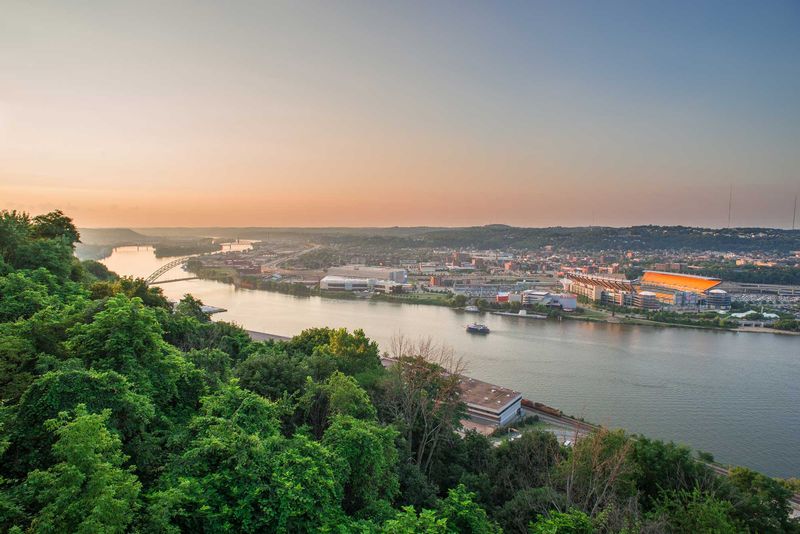
Beginning in Pittsburgh where two major rivers come together, this waterway carries Pennsylvania into a much larger national network.
The Ohio River is only in Pennsylvania for a relatively short distance, but its importance is enormous because it links the state to the interior of the country through one of America’s most historically significant river systems.
Even a brief stretch can have an outsized impact, and that is exactly the case here.
At the point where the Allegheny and Monongahela meet, the Ohio River starts with a dramatic urban setting that makes its significance easy to understand.
Bridges, riverfronts, and skyline views frame the water in a way that feels unmistakably Pittsburgh.
From there, the river continues westward, carrying with it stories of commerce, transportation, migration, and industrial expansion that helped shape both Pennsylvania and the nation.
Because of that role, the Ohio River feels less like a local stream and more like a gateway.
It has long supported navigation and trade, and its presence helped make western Pennsylvania strategically important.
Even today, the river remains tied to shipping, infrastructure, and recreation, showing how a historic waterway can stay active in modern economic life.
What makes the Ohio River worth knowing about is the scale of its influence compared with the distance it travels in the state.
I like how it shows Pennsylvania not as an isolated place, but as a participant in larger movements of goods, people, and ideas.
Standing near the river in Pittsburgh, you can really sense that transition from state geography to continental connection.
The Ohio River may occupy only a slice of Pennsylvania, but it represents one of the state’s most powerful links to the broader American landscape and to the long history of rivers driving growth, identity, and change.
9. Youghiogheny River
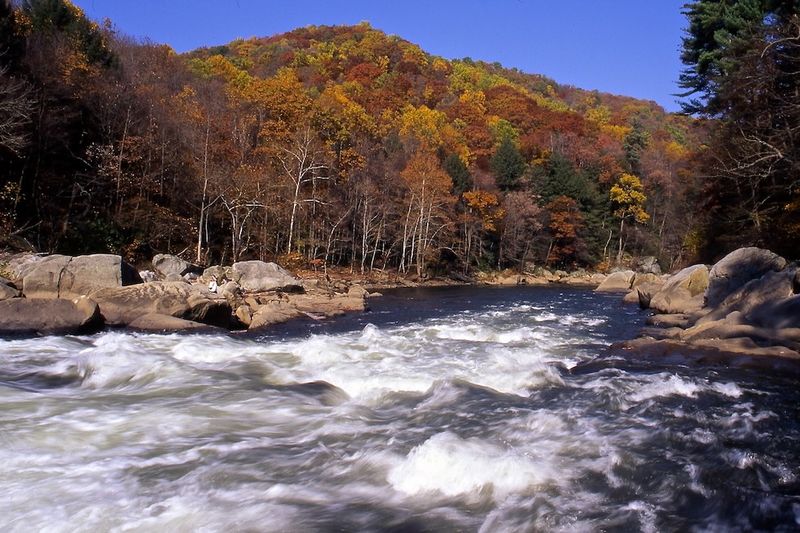
With a name you are unlikely to forget and a landscape that feels built for adventure, this southwestern Pennsylvania river has a personality all its own.
The Youghiogheny River moves through rugged terrain and is especially well known for outdoor recreation, making it one of the state’s most exciting waterways to experience.
If you are drawn to rivers that feel active, scenic, and slightly wild, this one deserves a spot on your list.
Many people know the river for whitewater rafting and kayaking, especially in areas where the current and topography combine to create more dramatic conditions.
The surrounding scenery adds to the appeal, with forested slopes, rocky edges, and stretches that feel immersive in a way larger urban rivers often do not.
The Great Allegheny Passage also helps connect people to the broader corridor, whether by bike, foot, or nearby overlooks.
Yet the Youghiogheny River is not only about adrenaline.
It also contributes to local identity, tourism, and appreciation for southwestern Pennsylvania’s mountain landscapes.
Its route through the region highlights how rivers can shape both ecological systems and recreation economies, supporting wildlife while drawing visitors who want a closer relationship with the terrain.
I think what makes the Youghiogheny River worth knowing about is how memorable it feels from the moment you encounter it.
The unusual name, the energy of the water, and the dramatic setting all help it stand apart, but it never feels like a novelty.
Instead, it feels essential to understanding this corner of Pennsylvania.
Whether you come for paddling, scenic drives, trail access, or simply a better sense of the state’s varied geography, the Youghiogheny River offers an experience that is distinct, energetic, and deeply tied to place.
It shows a more rugged side of Pennsylvania that is easy to admire and even easier to remember.
10. Monongahela River
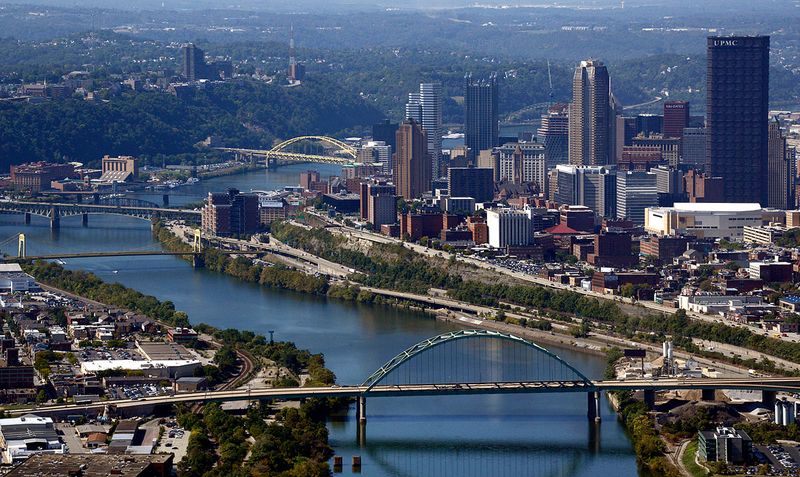
Flowing through southwestern Pennsylvania toward its meeting point in Pittsburgh, this river is one of the clearest examples of how water helped build the region’s identity.
The Monongahela River is closely associated with industry, transportation, and urban growth, yet it also offers scenic value and a very visible presence in daily life.
If you want to understand how Pennsylvania’s rivers shaped working landscapes, this is one of the most important places to start.
Along its route, the river passes communities that were deeply influenced by manufacturing, shipping, and the movement of raw materials.
The Monongahela supported economic development for generations, and its connection to coal and steel history gives it a major place in the story of western Pennsylvania.
Even now, the river continues to serve practical purposes while also contributing to recreation and waterfront revitalization.
What I find compelling is the way the Monongahela River holds onto its industrial character without feeling one-dimensional.
Bridges, hillsides, barges, trails, and city views combine to create a setting that is layered rather than purely nostalgic.
Near Pittsburgh, the river becomes part of one of the state’s defining visual scenes as it joins the Allegheny to form the Ohio.
That final approach is part of why the Monongahela River is worth knowing about.
It is not just a route on the map, but a waterway that helped power a region and still shapes how people move through it, work around it, and look at it.
I think the river represents Pennsylvania at its most practical and resilient.
There is beauty here, but it is the kind of beauty that comes with effort, history, and adaptation.
Whether you see it from a bridge, a riverfront path, or a hillside overlook, the Monongahela River leaves you with a strong sense of place and purpose.
Share this story