
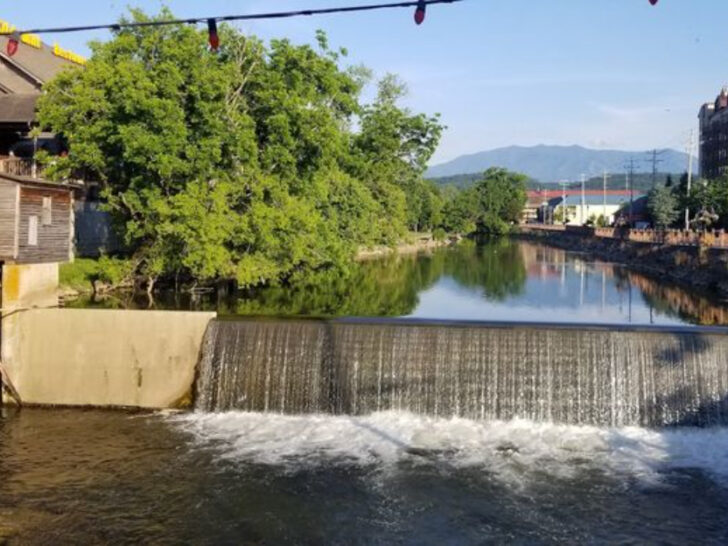
Tennessee has never exactly been a secret, but plenty of its smaller towns used to feel like places you discovered, not places you had to strategize around. That’s changed.
Over the last several years, a mix of social media hype, weekend road trips, festival culture, mountain tourism, whiskey pilgrimages, and music-fueled getaways has pushed a lot of once-easygoing spots into a new phase. More visitors means more money, sure.
It also means packed sidewalks, long waits, limited parking, and locals quietly reworking their routines around crowds that seem to show up year-round now. In some towns, the pressure comes in seasonal waves.
In others, it lands every weekend like clockwork. Either way, the vibe shifts when a place built for a few thousand people suddenly has to absorb a whole lot more.
These ten Tennessee towns still have the charm that made people fall for them in the first place. That’s exactly why the traffic keeps coming.
1. Gatlinburg
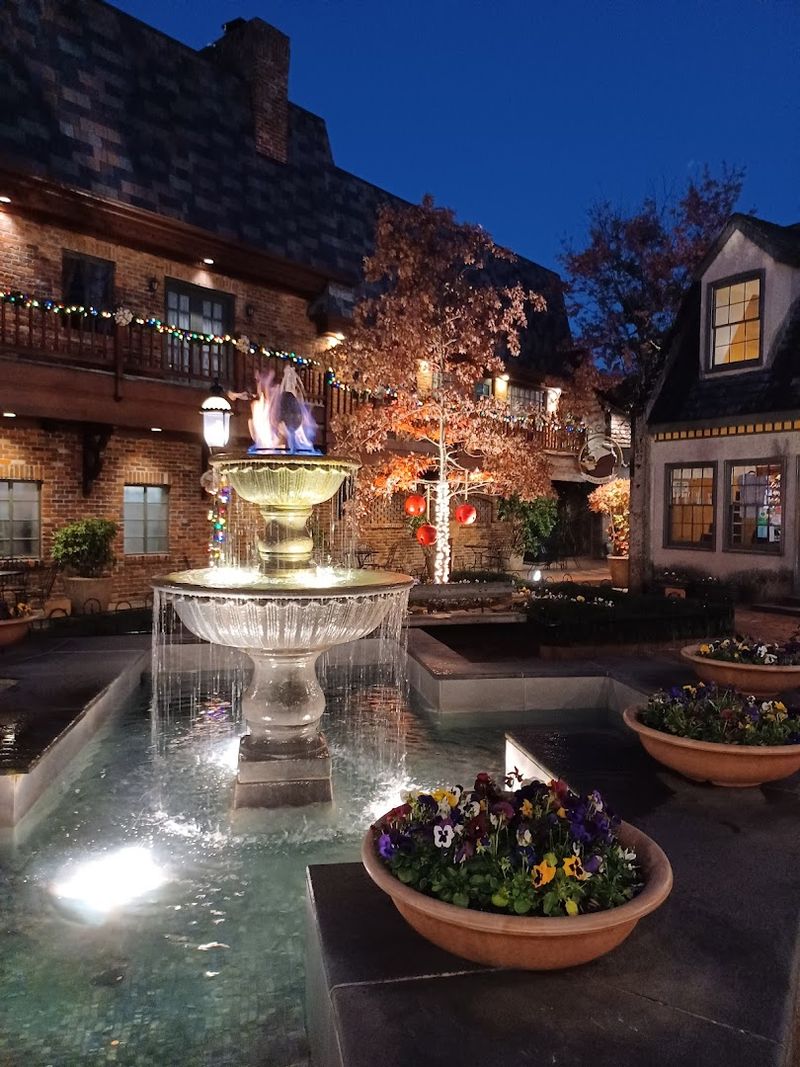
A stroll through Gatlinburg used to feel a lot more manageable than it does now. These days, this mountain town can feel like the entire Southeast had the same vacation idea at once.
The biggest magnet, of course, is its front-door access to Great Smoky Mountains National Park, which keeps cars pouring in before breakfast and long after sunset. The squeeze shows up everywhere.
Parkway traffic crawls. Parking fills early.
Side streets that once felt like shortcuts now feel just as jammed as the main drag. Add holiday weekends, fall color season, and summer family travel into the mix, and even a quick coffee run starts to require patience.
What makes Gatlinburg stand out is how small it still feels physically. The mountains close in, the roads do not magically widen, and there is only so much room to absorb the surge.
That creates a weird split-screen experience: gorgeous scenery on one side, full-blown congestion on the other. Locals know the rhythm.
Visitors still arrive surprised that such a scenic little town can feel so crowded, so fast, and so often.
2. Pigeon Forge
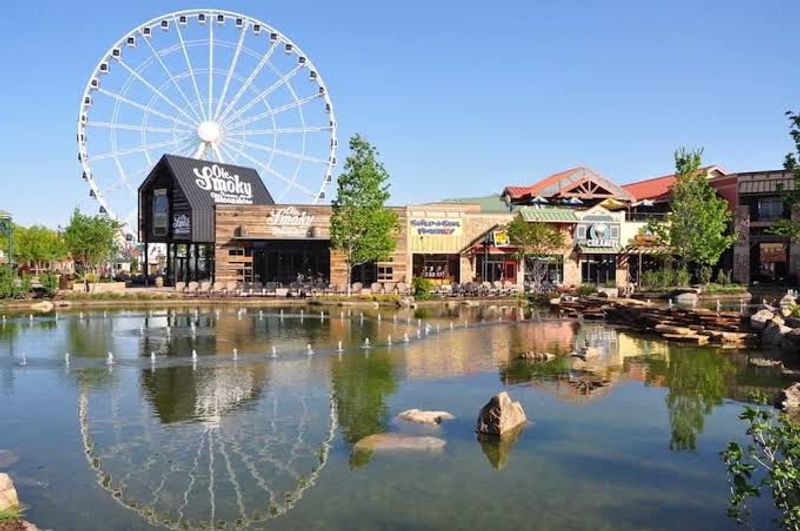
For a town built around entertaining crowds, Pigeon Forge is incredibly good at attracting even more of them. That has been the story here for years.
The problem is that the road network and daily flow can only stretch so far before busy turns into why are we still not moving. The main corridor does most of the heavy lifting, and everybody seems to need it at the exact same time.
Families headed to dinner, travelers trying to reach Dollywood, shoppers bouncing between attractions, and event traffic all pile onto the same routes. During car shows and seasonal festivals, the town can feel like it is vibrating with brake lights.
What makes Pigeon Forge such a strong example is that this is not hidden strain. It is visible.
Constantly. You can see it in the packed parking lots, in the trolleys trying to ease the load, and in the steady push for new connectors and traffic solutions.
People come here expecting energy, lights, and nonstop activity. They get all of that.
What they also get is a very clear reminder that one of Tennessee’s most famous tourism towns is now operating at a near-permanent crowd level.
3. Townsend
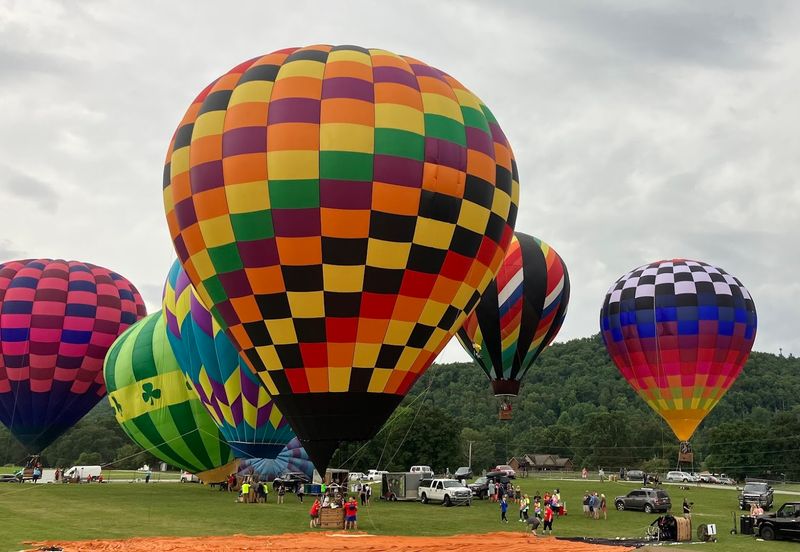
For a town built around entertaining crowds, Pigeon Forge is incredibly good at attracting even more of them. That has been the story here for years.
The problem is that the road network and daily flow can only stretch so far before busy turns into why are we still not moving. The main corridor does most of the heavy lifting, and everybody seems to need it at the exact same time.
Families headed to dinner, travelers trying to reach Dollywood, shoppers bouncing between attractions, and event traffic all pile onto the same routes. During car shows and seasonal festivals, the town can feel like it is vibrating with brake lights.
What makes Pigeon Forge such a strong example is that this is not hidden strain. It is visible.
Constantly. You can see it in the packed parking lots, in the trolleys trying to ease the load, and in the steady push for new connectors and traffic solutions.
People come here expecting energy, lights, and nonstop activity. They get all of that.
What they also get is a very clear reminder that one of Tennessee’s most famous tourism towns is now operating at a near-permanent crowd level.
4. Franklin
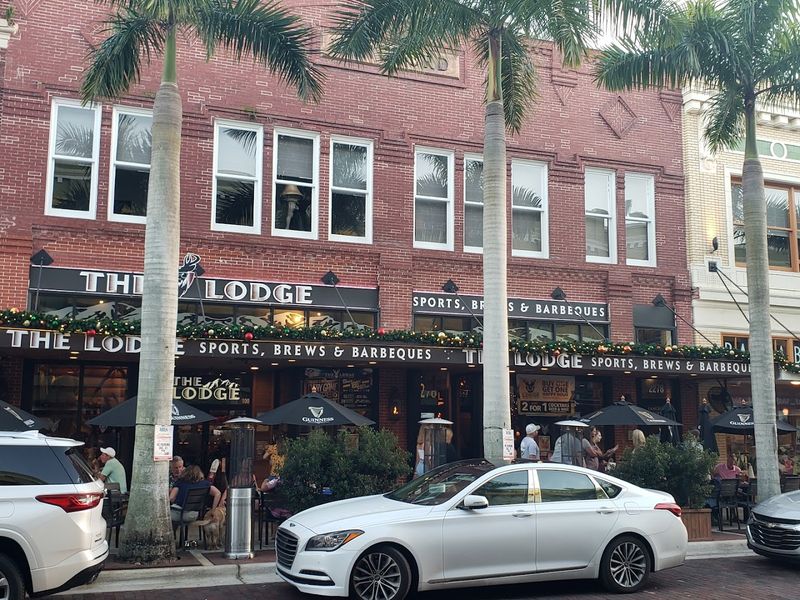
Franklin has gone from beloved day-trip destination to all-out magnet, and that shift is obvious the minute you try to navigate downtown on a weekend. The historic core still has the same brick storefronts, polished charm, and postcard-level curb appeal.
What it does not have is endless space. That matters because more people keep showing up.
Shoppers, wedding guests, Nashville escapees, festivalgoers, history lovers, and influencers hunting the perfect Main Street backdrop all want the same few blocks. The result is a town center that can feel packed well before lunch.
Franklin’s traffic problem is less about one giant tourist attraction and more about cumulative pressure. Every cute boutique, every event on the square, every restaurant reservation, and every seasonal market stacks onto roads and parking systems that were never meant for this much sustained demand.
The city has had to get serious about garages, shuttle options, and timed parking because the crowding is no longer occasional. Locals still love Franklin.
They just know better than to casually pop downtown when everybody else has the exact same plan.
5. Leiper’s Fork
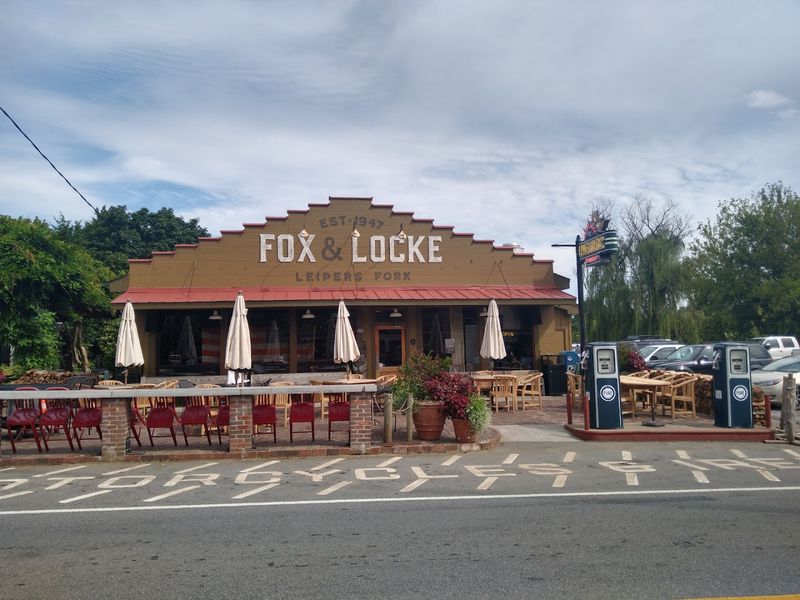
Tiny places feel tourism differently, and Leiper’s Fork is a textbook case. This village is small enough that even a modest surge can throw the whole place off balance.
One busy Saturday, one high-profile event, one fresh round of social media attention, and suddenly the roads, shoulders, and little clusters of parking start working overtime. The appeal is obvious.
It is artsy without trying too hard, polished without losing its rural edge, and close enough to Nashville and Franklin to make an easy escape. That convenience is part of the problem.
People can get there quickly, which means they do, especially when the weather is nice and the weekend calendar looks good. The road layout does not give the town much flexibility.
There is not a giant grid to disperse traffic. There is not endless parking hiding behind the shops.
Once visitors arrive in big waves, the bottlenecks show up fast. Leiper’s Fork still photographs like a dream.
In real life, though, there are days when that dreamy little stretch feels noticeably crowded, noticeably slower, and noticeably more curated for visitors than for the people who actually live nearby.
6. Lynchburg
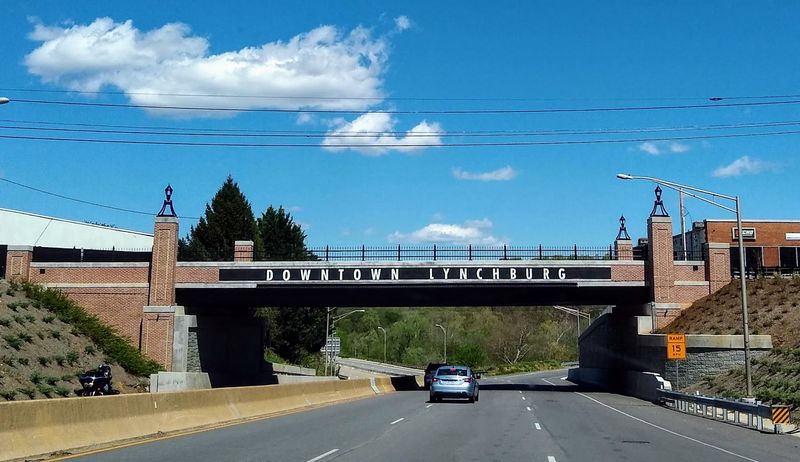
Lynchburg is one of the clearest examples of a small Tennessee town living in the shadow of a massive tourism draw. Jack Daniel’s put this place on the global map, and the distillery keeps bringing in visitors by the hundreds of thousands.
That is a lot of attention for a town that still feels compact and old-school once you get off the main visitor path. The traffic strain here has a different texture than in the Smokies.
It is less nonstop spectacle, more concentrated pressure. Distillery tours, day-trippers, tour buses, and road-trippers all funnel into a place where the streets are still shaped by small-town proportions.
That creates an odd mismatch between international fame and local-scale infrastructure. Downtown can feel full in a hurry.
Parking becomes part of the experience whether you planned for it or not. And because many visitors arrive with a one-stop agenda, the busiest zones get hammered while the town around them tries to keep its footing.
Lynchburg still has its laid-back character. But it also has the unmistakable rhythm of a place that has long since outgrown the idea of being just a quiet little stop on the map.
7. Jonesborough
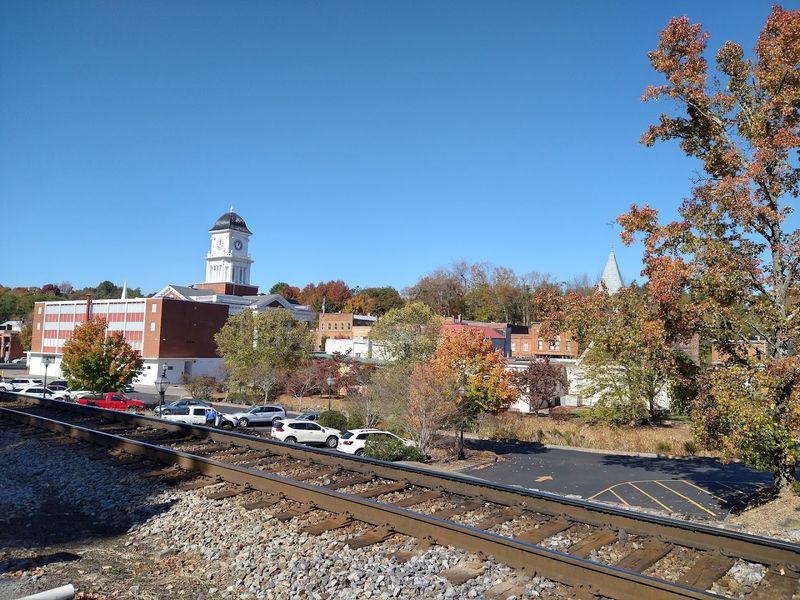
Jonesborough has the kind of downtown that makes people slow their car down on purpose. Tennessee’s oldest town knows how to work its historic appeal, and between storytelling events, seasonal festivals, and a packed calendar, it has become a bigger draw than its size might suggest.
That is where the pressure starts showing. On event weekends especially, the town has to think in terms of remote parking, street closures, traffic reroutes, and shuttle logistics.
Those are not the signs of a place dealing with a cute little trickle of visitors. That is infrastructure adapting to real crowd volume.
The challenge for Jonesborough is that so much of its charm depends on intimacy. Narrower streets, walkable blocks, preserved architecture, and a cozy downtown atmosphere are the whole point.
But those same qualities make it harder to absorb a flood of cars and festival foot traffic without feeling strained. Visitors see a lively, charming Tennessee town.
Locals also see the behind-the-scenes juggling act required to keep that charm from getting swallowed by its own popularity. Once a place starts needing transportation strategy for every big gathering, it is safe to say the quiet era is over.
8. Bell Buckle
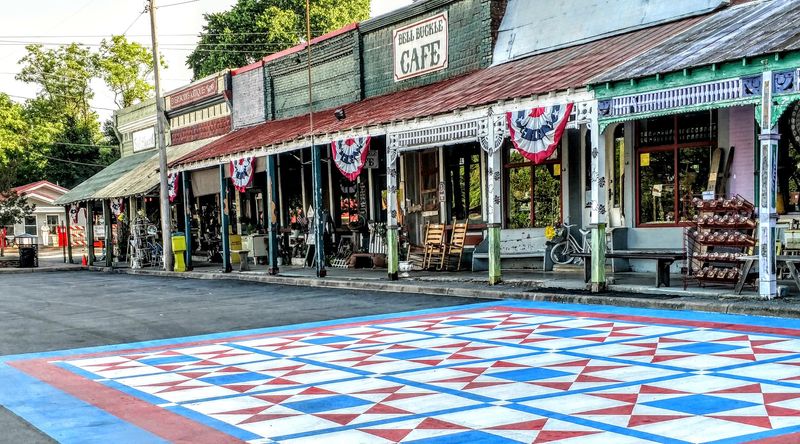
Bell Buckle has never been a big place, which is exactly why its festival surges hit so hard. This is a town where scale matters.
A crowd that might feel manageable somewhere else can completely transform the day here, especially during high-profile weekends when arts, crafts, antiques, and general small-town curiosity all collide. The famous events are a huge part of Bell Buckle’s identity, but they also show how quickly tourist traffic can overwhelm a place built on a much smaller rhythm.
Roads back up. Parking spreads outward.
Visitors are often told to grab the first available space they see, which tells you a lot about how the town operates under pressure. The thing about Bell Buckle is that people do not come here for speed or efficiency.
They come for atmosphere. But that atmosphere gets harder to enjoy when you are inching into town behind a long line of cars or weaving through sidewalks packed shoulder to shoulder.
On an ordinary day, Bell Buckle can still feel like a pleasant throwback. On a busy one, it feels like half the state had the same antique-shopping idea before breakfast.
9. Bristol
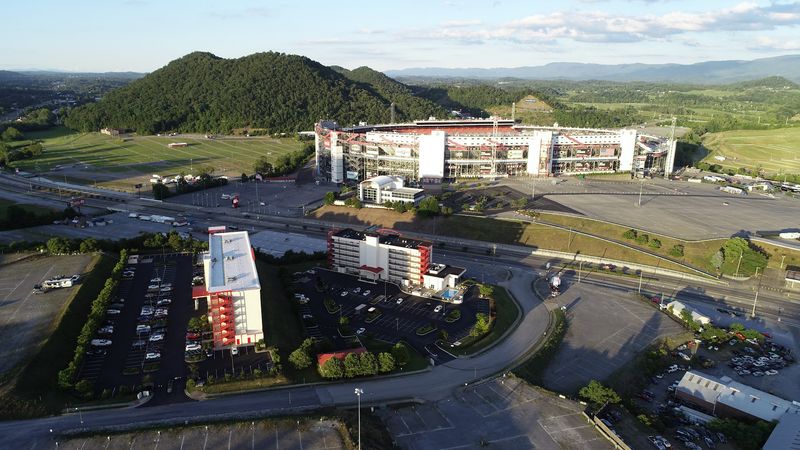
Bristol tends to be discussed through music history or racing, but tourism pressure here is very real, especially when big events hit. This border city has enough small-town flavor in parts of its core to fit the theme, even if its visitor story plays out on a larger regional stage than some other entries on this list.
The tension shows up downtown and around major event periods. Parking tightens.
Streets fill up. Restaurants and public spaces suddenly absorb a much heavier load.
And when Bristol Motor Speedway enters the equation, the area shifts into full traffic-management mode. That kind of event draw changes the tempo of everything around it.
What makes Bristol interesting is that its tourist identity comes from multiple directions at once. Music heritage, race weekends, downtown events, and regional curiosity all layer together.
That means congestion is not tied to one single attraction or one single season. For visitors, that energy can feel exciting.
For locals, it often means planning errands around calendars, avoiding certain corridors, and knowing exactly when the town is about to get a whole lot busier. Bristol still has character to spare.
It just has to share it with a lot more people now.
10. Granville
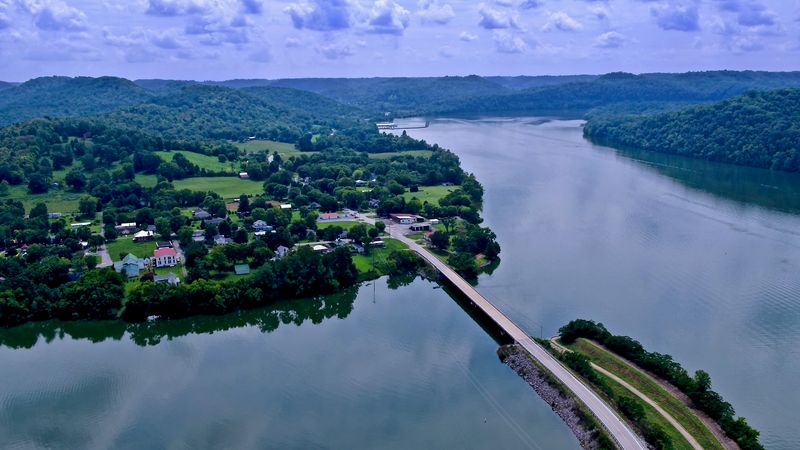
Granville is the kind of town people love to describe as a hidden gem right up until it stops being hidden. This tiny Upper Cumberland community has built a strong reputation around festivals, heritage charm, scenic appeal, and old-fashioned Tennessee atmosphere.
That recipe works. Maybe a little too well.
Because Granville is so small, tourism pressure does not need to be constant to be noticeable. It just needs to arrive in clusters.
Festival weekends, special events, and seasonal visits can instantly reshape the town’s pace. Extra parking becomes necessary.
Traffic patterns change. The whole place starts functioning less like a sleepy historic community and more like a carefully managed destination.
That shift is what puts Granville on this list. The charm is still very much there, but it now comes with crowd logistics attached.
Visitors may see a quaint riverside stop with plenty of personality. Residents and regulars see how much effort it takes to keep that personality intact when visitor numbers spike.
Granville has not turned into a circus. But it has definitely crossed into that modern small-town category where popularity arrives faster than infrastructure, and everybody feels the difference.