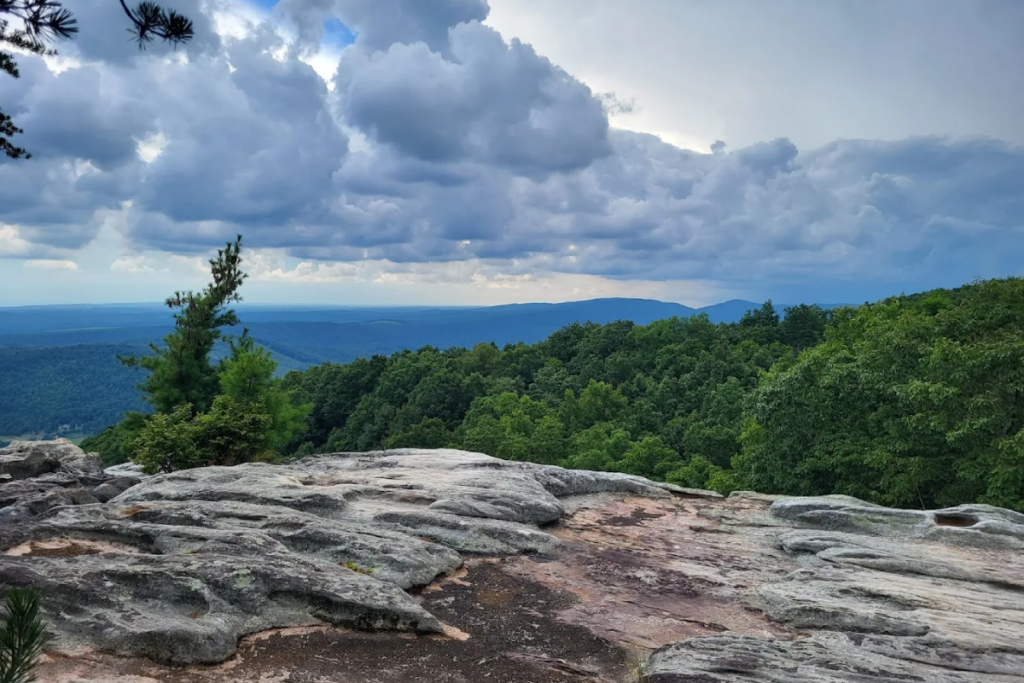
Tennessee hides some of the most stunning mountain views you’ve never heard of, tucked away from the usual tourist crowds. While everyone flocks to the same famous overlooks, locals know where the real magic happens—quiet ridges, hidden towers, and grassy balds that feel like your own private discovery.
These secret spots offer the kind of jaw-dropping scenery that makes you stop, stare, and forget to check your phone. Ready to find out where Tennessee keeps its best-kept mountain secrets?
1. Black Mountain Overlook — Cumberland Trail State Park
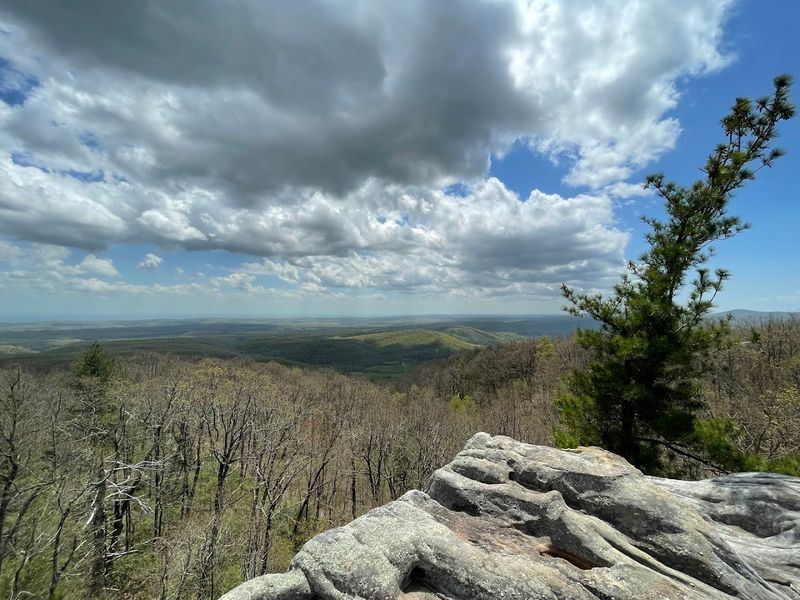
Perched around 2,900 feet on the Cumberland Plateau, Black Mountain Overlook delivers the kind of view that makes you understand why people lace up hiking boots in the first place. The ridgelines stack up like waves frozen in time, layer after layer fading into soft blue haze. It’s the sort of panorama that feels bigger than a photograph can capture.
Getting there involves navigating a rugged section of the Cumberland Trail, which keeps the casual sightseers away and rewards those willing to work a little. The trail itself winds through hardwood forests and over rocky outcrops, giving you glimpses of what’s coming before the full reveal. When you finally reach the overlook, the plateau spreads out below you in all directions, wild and unmanicured.
The overlook works year-round, though fall brings out the best colors as the hardwoods turn gold and crimson across the ridges. Spring wildflowers add their own charm, dotting the trail with color. Winter offers the clearest air and the longest views, when the humidity drops and the atmosphere sharpens.
Pack water and wear solid hiking shoes, because the terrain doesn’t apologize for being rough. The trail demands respect, but it gives back tenfold in scenery. Cell service gets spotty, which somehow makes the experience better.
Black Mountain Overlook proves that Tennessee’s best views aren’t always in the places everyone knows about—sometimes they’re hidden on lesser-traveled trails where the mountains still feel untamed and the overlooks still feel earned.
2. Look Rock Tower — Maryville
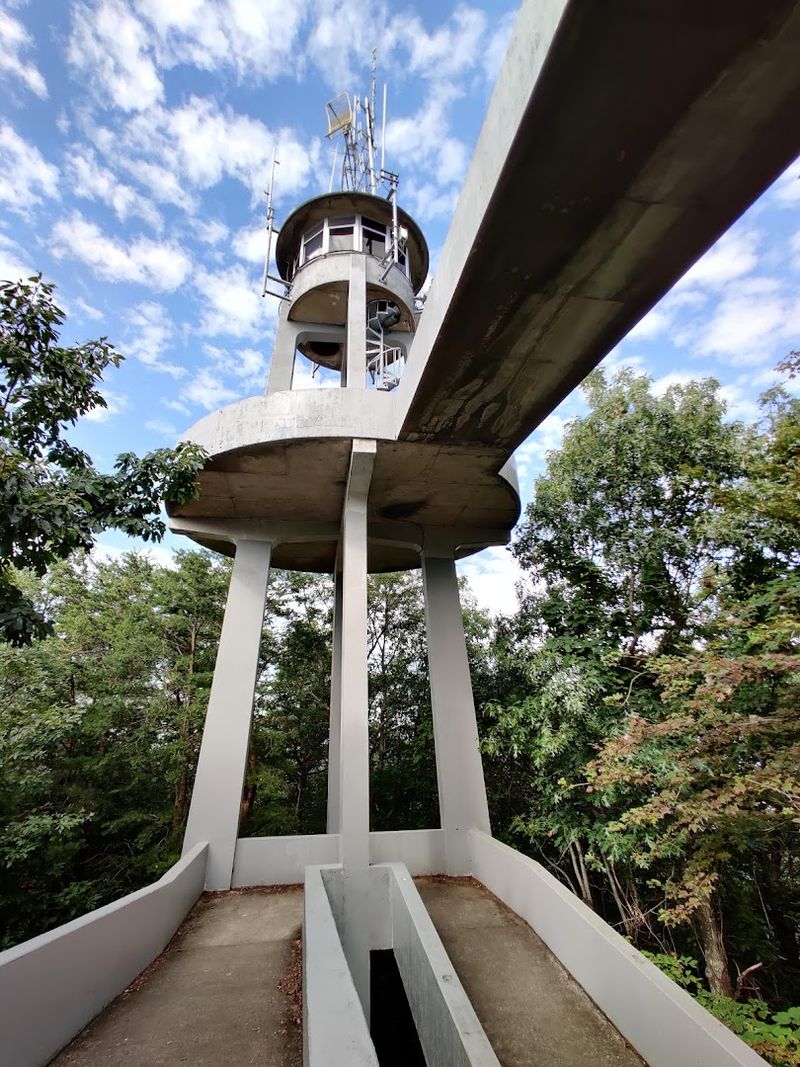
Most people speed past the Foothills Parkway entrance without a second thought, chasing the main Smokies attractions. That’s exactly why Look Rock Tower feels like a secret handshake among those who know. A quick 0.8-mile round-trip hike—barely enough to call it a workout—leads you to an observation tower with views that rival anything the crowded overlooks offer.
The tower itself rises above the tree canopy, giving you a bird’s-eye perspective of the Smokies rolling away to the south and Blount County spreading out below. On clear days, you can see ridgeline after ridgeline stacking up like a textbook example of Appalachian topography. The elevation gain is gentle, making this accessible for families and anyone who wants big views without the big effort.
What makes Look Rock special is its location on the Foothills Parkway, a scenic route that never gets the traffic of Newfound Gap Road or Cades Cove Loop. The parkway winds along the western edge of the Smokies, offering a different perspective than the park’s main corridors. Look Rock sits at one of the highest points, giving you that commanding view without the elbow-to-elbow crowds.
The tower’s metal stairs spiral upward, each level revealing more of the landscape. By the time you reach the top, you’re standing above the treetops with nothing but sky and mountains in every direction. Sunrise and sunset turn the scene into something painterly, with light washing over the ridges in shades of gold and purple.
Bring a jacket even in summer—the elevation and exposure can make it breezy up top. The short trail means you can visit Look Rock as a quick detour or combine it with a longer Foothills Parkway drive. Either way, you’ll wonder why more people don’t know about this gem tucked away in Maryville’s backyard.
3. Gregory Bald — Great Smoky Mountains National Park
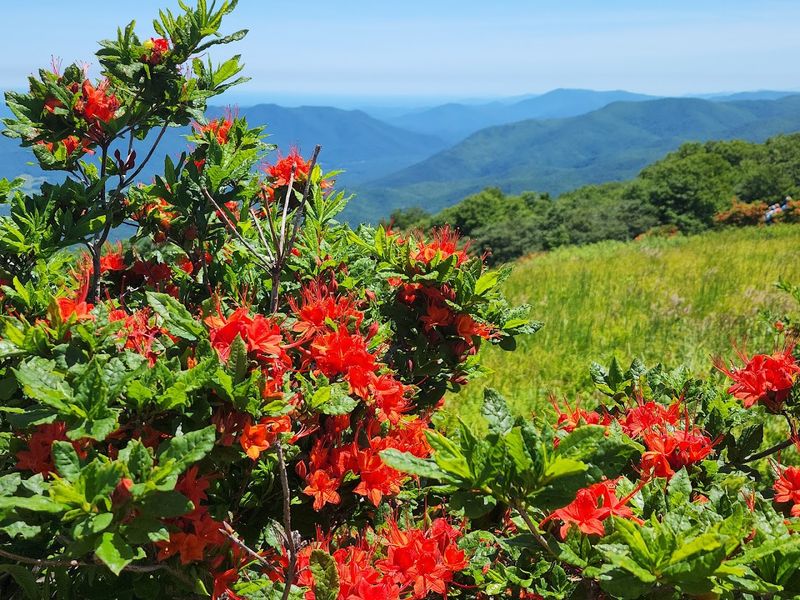
Gregory Bald sits high in the Smokies, but you won’t stumble across it by accident. The 9+ mile roundtrip hike filters out most of the casual visitors, leaving the summit to those willing to earn it. What you get in return is a wide-open mountaintop with views stretching over Cades Cove and waves of surrounding peaks, plus one of the best displays of flame azaleas in the entire park when June arrives.
The trail climbs steadily through hardwood forests before breaking into the open meadow at the top. That transition from shaded woods to sudden sky feels dramatic every time. The bald itself covers several acres, giving you room to spread out and find your own spot away from the handful of other hikers who made the trek.
Looking down over Cades Cove from this angle shows you the valley’s layout in a way the loop road never can. The patchwork of fields, the winding creek, the ring of mountains—it all makes sense from up here. On the opposite side, the Smokies roll away toward North Carolina in endless ridges that fade into blue distance.
The azaleas steal the show in mid-June, when the bald erupts in shades of orange, red, and yellow. Photographers plan their trips around this brief window, but the view holds up any time of year. Fall brings cooler temperatures and golden light, while summer offers the lush green that gives the Smokies their name.
Pack plenty of water and snacks for this one—the mileage adds up, and there’s no water source at the top. The trail starts from either Cades Cove or Parsons Branch Road, both requiring some planning and a good map. That extra effort keeps Gregory Bald feeling remote and special, a true secret even within a park that sees millions of visitors annually.
4. Andrews Bald — Great Smoky Mountains National Park
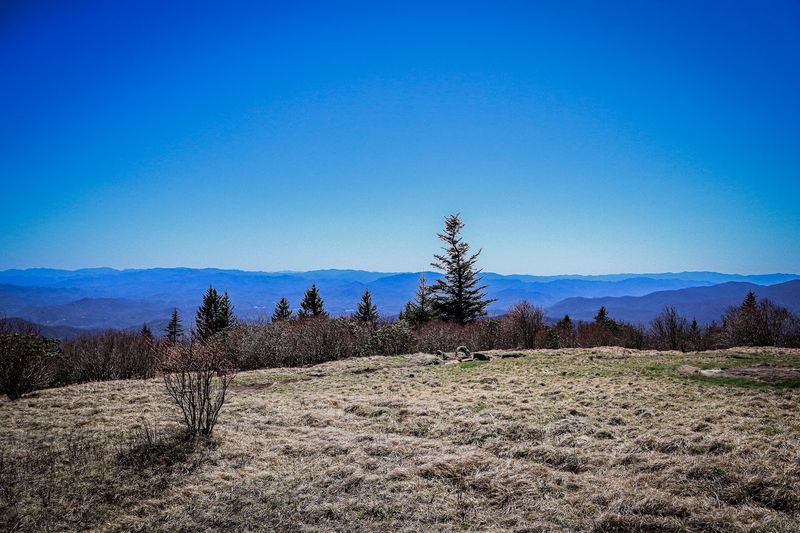
Start near Clingmans Dome—already one of the most visited spots in the Smokies—and hike just 3.6 miles roundtrip to reach a place that feels worlds away from the parking lot chaos. Andrews Bald rewards that modest effort with peaceful mountain views, summer azaleas, and a grassy summit that invites you to sit and stay awhile. The contrast between the crowded dome and this quiet meadow is almost comical.
The trail descends through spruce-fir forest, one of the few remaining stands of high-elevation evergreens in the southern Appalachians. The air smells different here—cool, piney, slightly mysterious. You might spot red spruce and Fraser fir, species that only survive at these elevations where conditions mimic forests hundreds of miles north.
When the trees open up and you step onto the bald, the shift is immediate. Suddenly you’re standing in an open meadow with views extending across multiple ridges. The grass sways in the breeze, and if you time it right in late June or early July, rhododendrons and azaleas add splashes of pink and white to the scene.
Andrews Bald feels more intimate than some of the bigger overlooks, partly because the meadow wraps around you rather than just presenting a single viewpoint. You can walk across the bald and see different angles, finding your favorite perspective. The relatively short distance means families with older kids can handle it, but the high elevation keeps it cooler and less humid than lower trails.
Weather changes fast up here, so bring layers even if the forecast looks perfect. Fog can roll in and transform the bald into something ethereal, with mist swirling through the grass and obscuring the views. That’s part of the experience—mountain weather does what it wants.
The trail sees steady use but never feels overcrowded, especially if you visit early morning or on weekdays when the Clingmans Dome crowds thin out.
5. Frozen Head Lookout Tower — Frozen Head State Park
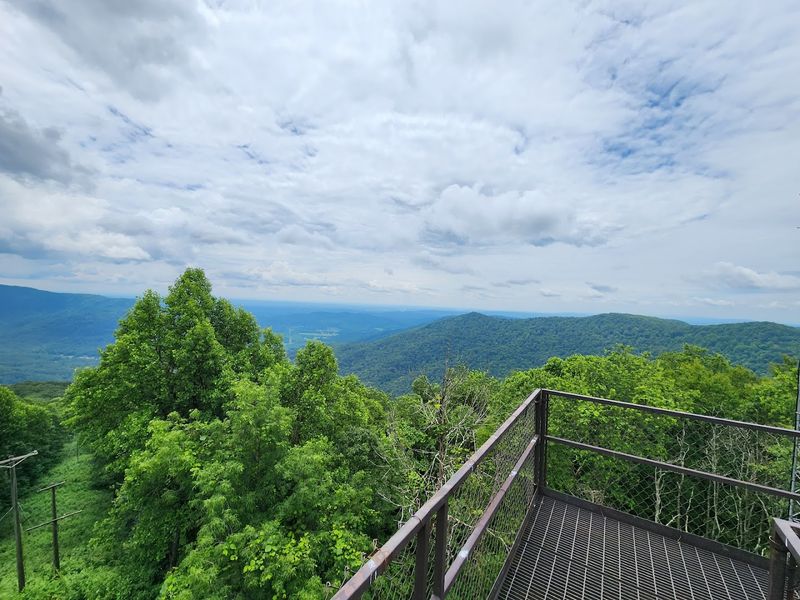
Frozen Head State Park flies under the radar compared to the Smokies, which means its Lookout Tower remains one of Tennessee’s most underrated summit experiences. The 360-degree panorama from the top takes in the Cumberland Mountains and Flat Fork Valley in every direction, giving you the kind of view that makes you appreciate how wild and wooded this part of the state still is.
Getting to the tower requires a solid hike—several trail options lead to the summit, ranging from moderate to challenging depending on your route. The park doesn’t hand out its views easily, but that’s part of what keeps Frozen Head special. The trails wind through mature forests, past rocky outcrops, and up steady grades that remind your legs they’re working.
The tower itself stands as a reminder of Tennessee’s fire lookout history, when spotters would scan for smoke from these high perches. Today it serves hikers seeking big views without big crowds. Climbing the tower’s stairs adds another dimension to the experience, lifting you above the treetops for an unobstructed view in all directions.
From up there, the Cumberland Plateau spreads out in forested ridges and deep valleys, with hardly a building in sight. It’s the kind of view that makes you realize how much undeveloped land still exists in Tennessee, hidden away from highways and strip malls. The park highlights this panorama as one of its signature features, though it doesn’t attract anywhere near the attention of more famous overlooks.
Fall color season transforms the view into a patchwork of reds, oranges, and yellows, while winter’s bare trees reveal the land’s contours more clearly. Spring brings wildflowers along the trails, and summer offers the full green canopy that gives these mountains their character. The tower sees a fraction of the visitors that Clingmans Dome gets, which means you might have the summit to yourself on a weekday morning—a rare thing in Tennessee’s mountain parks.
6. Hinch Mountain — Cumberland Trail
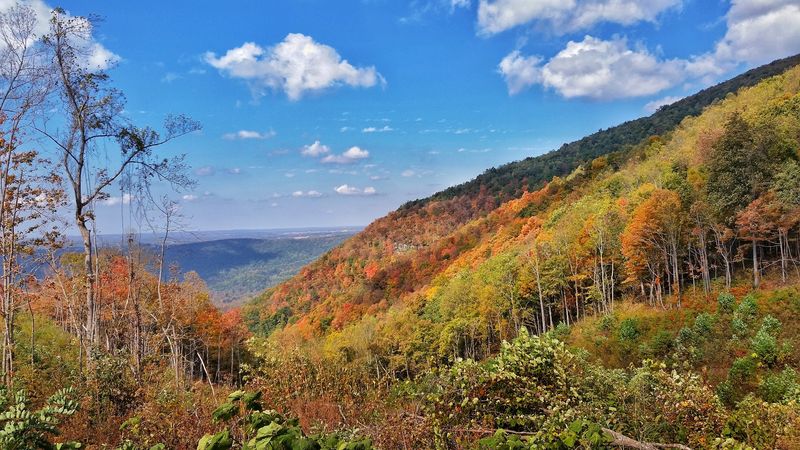
Hinch Mountain doesn’t show up on most hikers’ must-see lists, which is exactly what makes it worth seeking out. This Cumberland Trail vista delivers sweeping Plateau scenery without the crowds that pack the Smokies overlooks.
The Cumberland Trail winds through some of Tennessee’s most rugged terrain, and Hinch Mountain sits along one of those sections where the trail rewards your effort with big payoffs. The approach involves steady climbing through mixed hardwood forests, with occasional rocky sections that require attention to footing. It’s not a casual stroll, but it’s also not technical climbing—just honest hiking that earns you the view.
When you reach the overlook, the Plateau opens up in front of you in classic Cumberland fashion—ridge after ridge rolling away into the distance, covered in dense forest that looks much the same as it did centuries ago. The lack of development in the viewshed makes it feel timeless, like you’re seeing Tennessee the way early explorers did.
What sets Hinch Mountain apart is its relative obscurity. While Lookout Mountain and the Smokies pull in tourists by the thousands, the Cumberland Trail maintains its wild character partly through sheer remoteness. Getting to Hinch Mountain requires planning, decent navigation skills, and a willingness to hike trail sections that don’t have visitor centers or paved parking lots.
The Cumberland Plateau’s geology creates these dramatic overlooks where resistant sandstone caprock forms clifftops and steep drops. Hinch Mountain showcases that geology beautifully, with rock outcrops framing the view and giving you a solid perch to take it all in. Pack extra water for this one, as trail sections can be long between water sources.
The effort to reach Hinch Mountain filters out most visitors, leaving the vista to those who appreciate Tennessee’s quieter mountain secrets.
7. Brady Mountain — Crossville
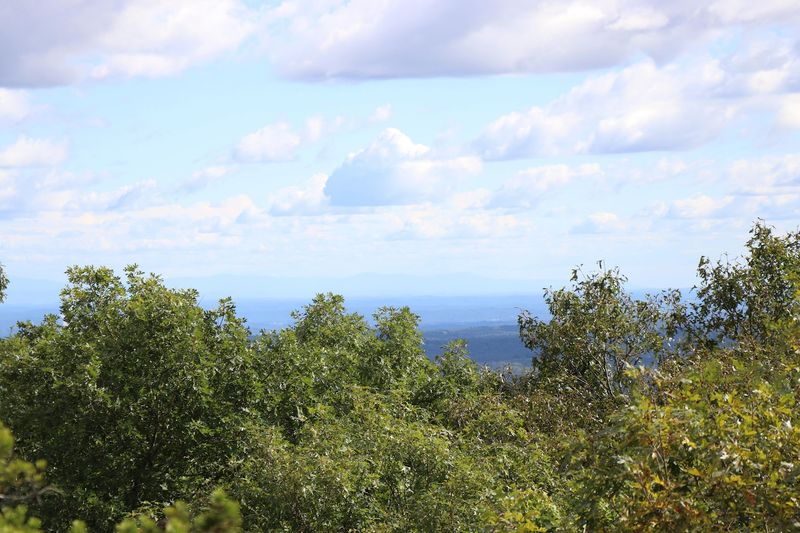
Brady Mountain represents another Cumberland Trail gem that most people overlook in their rush to the Smokies. You can stand on Brady Mountain and feel like you’ve discovered something rather than just visiting another crowded overlook.
The trail to Brady Mountain takes you through classic Cumberland Plateau terrain—mixed forests, rocky sections, and enough elevation change to remind you this is real hiking. The Plateau doesn’t have the dramatic peaks of the Smokies, but it compensates with rugged character and views that stretch for miles across layered ridges.
Reaching the overlook feels like a small victory, especially if you’ve had the trail mostly to yourself. The view spreads out across the Plateau in shades of green and blue, with few signs of human development to interrupt the natural scene. It’s the kind of place where you can actually hear the wind moving through the trees and the occasional bird call echoing across the valley.
Brady Mountain works well for hikers who want solitude more than bragging rights. There’s no observation tower, no gift shop, no crowds taking selfies—just you, the mountain, and whatever weather the Plateau decides to serve up that day. That simplicity appeals to people tired of fighting for elbow room at popular overlooks.
The Cumberland Trail continues to develop and connect sections, but it still flies under the radar compared to more established trail systems. Brady Mountain benefits from that relative obscurity, maintaining a wild feel that’s increasingly rare in Tennessee’s accessible mountain areas. Fall color can be spectacular here, with the hardwood forests putting on a show that rivals anything in the Smokies.
Winter offers the clearest air and longest views, though the trail can be muddy or icy depending on conditions. Bring good boots, plenty of water, and a map—cell service gets spotty in these remote sections.
8. Cherohala Skyway Overlooks — Cherokee National Forest
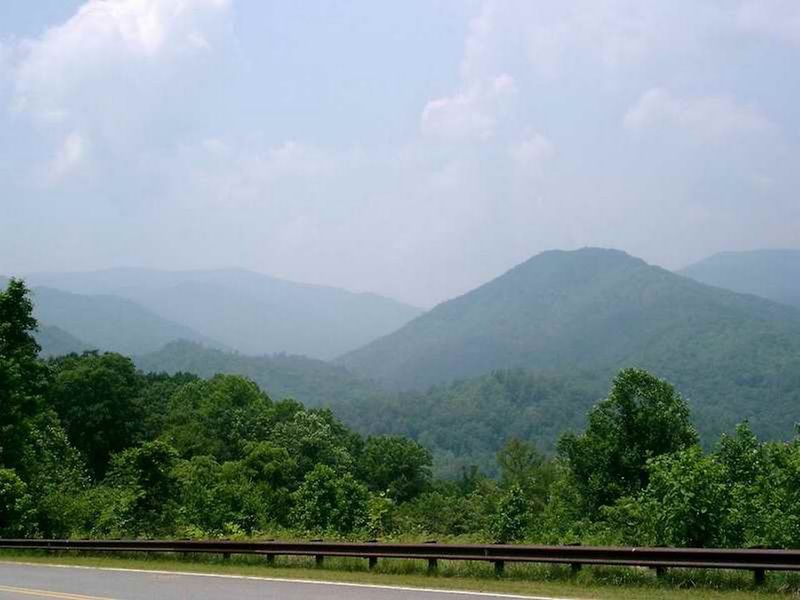
The Cherohala Skyway stretches 43 miles through Cherokee National Forest, offering what the Forest Service describes as expansive views of the Tennessee Valley and waves of mountain peaks. Yet somehow it remains less touristy than the heavily trafficked Smokies routes. Multiple pull-offs along the scenic byway give you chances to stop, breathe, and take in mountain scenery that rivals anything in the region.
The skyway climbs to over 5,400 feet, putting you up in the clouds on foggy days and above the haze on clear ones. Each overlook offers a slightly different perspective—some face Tennessee, others look toward North Carolina, and a few give you both states at once. The road itself curves gracefully through the mountains, making the drive part of the experience rather than just a means to an end.
What makes the Cherohala Skyway special is its combination of accessibility and relative quiet. You don’t need hiking boots or trail experience—just pull into an overlook and step out of your car. Yet you won’t encounter the parking lot chaos that plagues popular Smokies spots.
The skyway attracts motorcyclists, Sunday drivers, and leaf peepers, but it never feels overwhelmed.
Fall transforms the skyway into one of Tennessee’s premier color drives, with the elevation changes creating layers of autumn hues from valley to ridgetop. Spring brings wildflowers and fresh green, while summer offers escape from lower-elevation heat. Winter can close sections of the road, but when it’s open, the bare trees reveal mountain contours hidden by summer foliage.
The overlooks vary in size and amenities—some have picnic tables and informational signs, others are just wide spots in the road. All of them offer views that make you want to linger. The skyway connects to hiking trails if you want to explore further, but the overlooks themselves provide plenty of reason to visit.
Pack a cooler and make it a leisurely drive, stopping at multiple pull-offs to see how the view changes along the route.
9. Fiery Gizzard State Park Overlooks — South Cumberland area
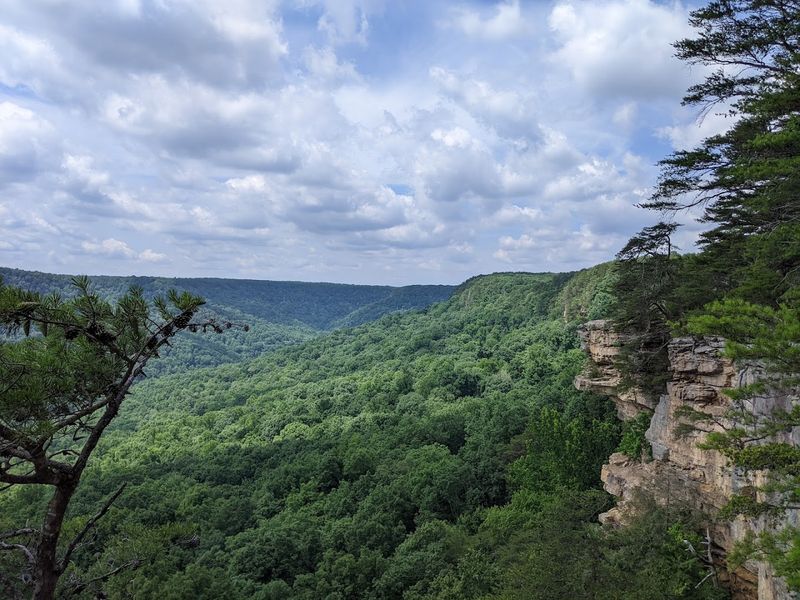
Fiery Gizzard State Park built its reputation on waterfalls, rock formations, and gorge scenery, but Tennessee State Parks also describes the park as having panoramic overlooks tucked along its trails. Most visitors come for the waterfalls and miss these viewpoints entirely, which works out nicely for those who know where to look. The overlooks offer a different kind of beauty—wider, more contemplative, with views that stretch across the South Cumberland landscape.
The park’s trail system winds through rocky gorges and climbs to ridgetops where the forest opens up and the land spreads out below. These aren’t drive-up overlooks—you have to hike to reach them, which adds to their appeal. The effort required keeps them from feeling crowded, even on busy weekends when the waterfall sections of trail see steady traffic.
Standing on one of these overlooks, you get a sense of the South Cumberland’s rugged character. The terrain drops away in steep slopes covered with hardwoods and hemlocks, while distant ridges mark the horizon. It’s not the high-elevation drama of the Smokies, but it has its own appeal—more intimate, more wooded, with a sense of depth created by the gorges cutting through the Plateau.
Fiery Gizzard’s overlooks work well combined with the park’s other features. You can hike to a waterfall, scramble over rock formations, and still find time to catch sunset from a ridgetop view. The variety keeps the experience interesting and gives you multiple reasons to return.
Each season brings changes—spring wildflowers, summer green, fall color, winter’s bare-branch clarity.
The park’s trails range from moderate to challenging, with rocky sections that require good footwear and attention. The overlooks typically sit along the more challenging sections, which naturally filters the crowds. Bring plenty of water, especially in summer when the gorges can be humid and still.
The overlooks provide welcome breezes and views that make the climbing worthwhile, proving that Fiery Gizzard offers more than just its famous waterfalls.
10. Pickett CCC Memorial State Park Overlooks — Jamestown
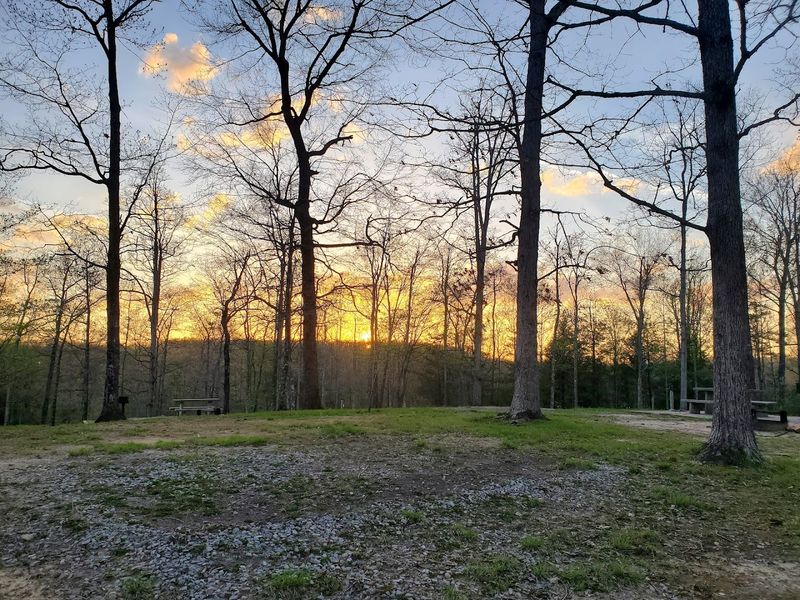
Pickett CCC Memorial State Park sits in Tennessee’s northern reaches near Jamestown, far from the Smokies tourist corridor. What you get is more Plateau than Smokies, but with a wild, mountain-like feel that surprises first-time visitors who expect something tamer.
The sandstone bluffs create natural overlooks where the land drops away and reveals the surrounding forest stretching to distant ridges. These aren’t the highest-elevation views in Tennessee, but they offer something different—a sense of remoteness and wildness that’s increasingly rare. The rock formations add drama, with natural bridges, arches, and outcrops that make the landscape feel almost otherworldly.
Pickett’s overlooks work particularly well for photographers, with interesting foreground elements and layered backgrounds that create depth in images. The park’s relatively small size means you can visit multiple overlooks in a single day, getting different perspectives on the same general landscape. Each viewpoint has its own character, shaped by the angle of the bluff and the particular rock formations framing the view.
The park’s CCC heritage shows in the careful trail construction and thoughtful placement of overlooks. The Civilian Conservation Corps built much of the park’s infrastructure in the 1930s, and their work still holds up. The trails lead you to the best viewpoints without unnecessary difficulty, though some sections require scrambling over rocks and navigating uneven terrain.
Fall brings excellent color to Pickett’s hardwood forests, while spring wildflowers carpet the forest floor. Summer offers an escape from the heat, with the forest canopy providing shade and the elevation keeping temperatures slightly cooler. Winter reveals the land’s bones, with bare trees exposing the bluff lines and rock formations more clearly.
The park sees far fewer visitors than the Smokies, which means the overlooks rarely feel crowded. You might have an entire bluff to yourself on a weekday, with nothing but forest sounds and wind through the trees.