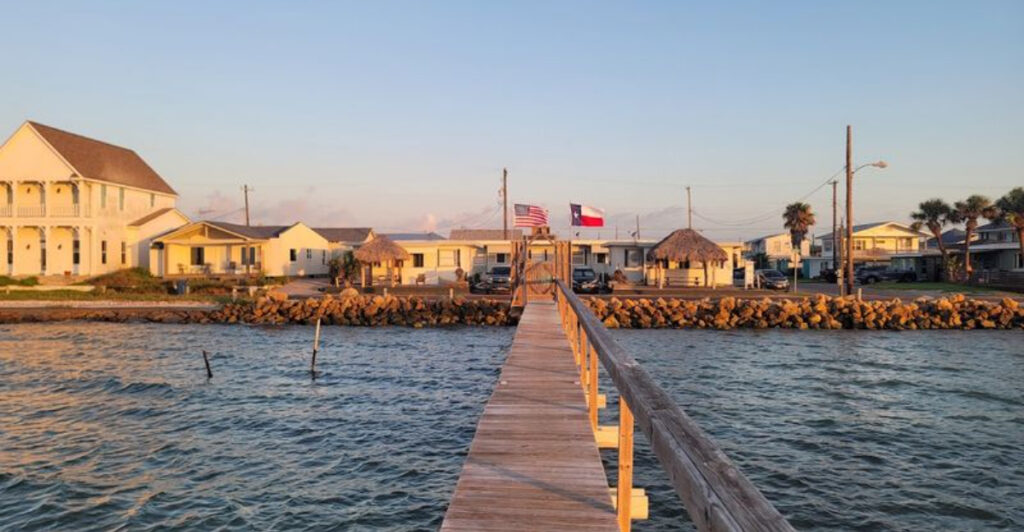
Sometimes life calls for a change of scenery, and Texas offers more than just big cities and bustling highways. Scattered across the Lone Star State are charming small towns where the pace slows down, neighbors know each other by name, and you can actually hear yourself think. Whether you’re dreaming of retiring somewhere peaceful, working remotely from a place with character, or simply starting over in a community that feels like home, these Texas towns deliver exactly that kind of fresh beginning.
1. Alpine
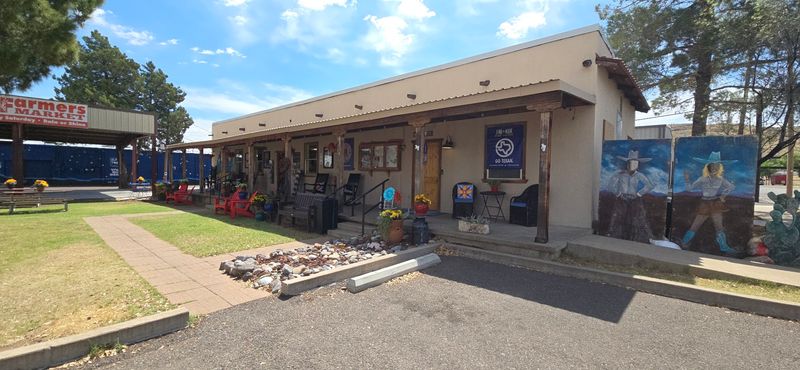
Tucked away in the Davis Mountains of far West Texas, this college town sits at 4,500 feet elevation where the air feels crisp and the stars shine brighter than you ever imagined. Alpine combines the intellectual energy of Sul Ross State University with the rugged independence of ranch country, creating a culture that’s both thoughtful and unpretentious. You’ll find art galleries next to feed stores, and locals who debate poetry as passionately as cattle prices.
The population hovers around 6,000, which means you’ll recognize faces at the grocery store within weeks but never feel suffocated by small-town gossip. Downtown features beautifully preserved buildings from the early 1900s, now housing coffee shops, bookstores, and restaurants that serve everything from Texas barbecue to surprisingly sophisticated international cuisine. The creative community here is strong, with writers, artists, and musicians drawn to the solitude and inspiration of the high desert landscape.
Housing remains affordable compared to most of Texas, with historic homes and newer builds both available. The climate offers four genuine seasons without the humidity that plagues most of the state. Summers stay relatively mild thanks to the elevation, while winters bring occasional snow that transforms the mountains into something magical.
Outdoor recreation is spectacular, with Big Bend National Park just an hour south and endless hiking, stargazing, and exploring right in your backyard.
The job market centers around education, ranching, tourism, and increasingly remote work as more people discover they can live anywhere with good internet. Healthcare is basic but adequate for routine needs, with larger facilities in Midland-Odessa about two hours away. The school district is small but solid, and the university offers cultural events, lectures, and performances that keep life interesting.
If you’re seeking solitude without isolation, beauty without pretension, and a community that values both independence and connection, Alpine delivers exactly that balance.
2. Rockport
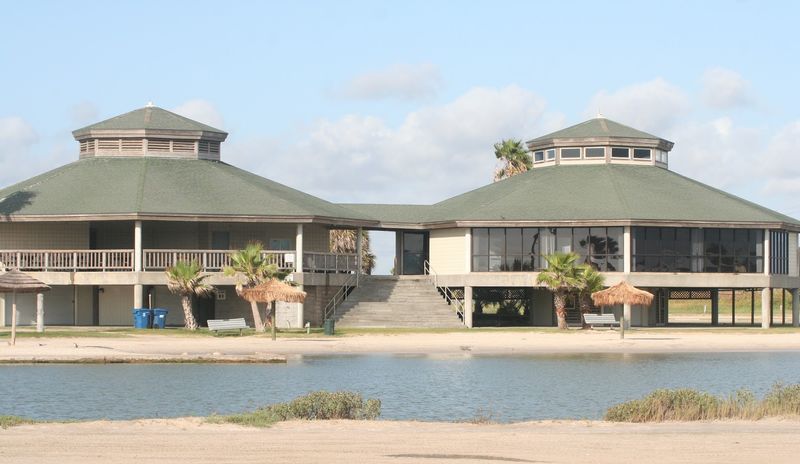
Where the Texas coast meets small-town charm, this fishing village on Aransas Bay has been welcoming people who need a breather since long before “coastal living” became a lifestyle brand. Rockport’s identity remains firmly rooted in shrimping, oystering, and the rhythms of tides rather than resort development. Yes, tourists visit, especially during winter when snowbirds flock south, but the town never lost its soul to vacation rentals and chain restaurants.
The waterfront defines daily life here in the best possible way. Mornings might start with coffee watching pelicans dive for breakfast, afternoons could involve kayaking through protected bays, and evenings often end with fresh seafood you watched being unloaded at the dock. The arts scene punches well above the town’s weight, with galleries, studios, and festivals celebrating both the natural beauty and the creative spirits it attracts.
Photographers particularly love the light and the birds, as Rockport sits on a major migration route.
Housing options range from modest cottages to waterfront properties, with prices generally more reasonable than you’d find in similar coastal communities in other states. The population of around 10,000 swells in winter but never feels overwhelming. Healthcare facilities are decent for a town this size, and Corpus Christi is only thirty minutes away for specialized services or big-city amenities when you need them.
The economy balances tourism, fishing, and increasingly remote workers who realized they could trade their commute for morning walks on the beach. Schools are adequate, and the community strongly supports local businesses and environmental conservation. Hurricane risk exists, as it does anywhere on the Gulf Coast, but longtime residents know how to prepare and rebuild when necessary.
The trade-off for occasional storm worry is daily access to water, wildlife, and a pace of life that reminds you what actually matters. If salty air and sunsets feel like medicine to you, Rockport might just be the prescription you need.
3. Llano
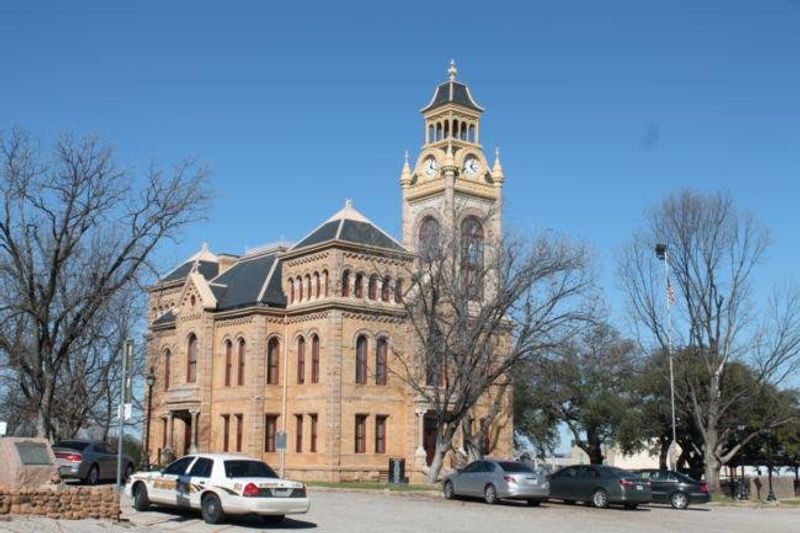
Sitting where the Llano River cuts through granite hills covered in oak and mesquite, this Hill Country town of about 3,500 people has quietly attracted those seeking authenticity over trendiness. While nearby Fredericksburg and Marble Falls have leaned into wine tourism and weekend crowds, Llano remains focused on ranching, hunting, and the kind of Texas culture that doesn’t need Instagram validation. The famous Cooper’s BBQ draws visitors, sure, but they leave after lunch, and locals get their town back.
The courthouse square still functions as the heart of community life, with local businesses that have served multiple generations. Hardware stores, feed shops, and diners outnumber boutiques, which tells you everything about priorities here. The Llano River provides year-round recreation, from swimming holes that locals guard like family secrets to fishing spots where bass and catfish still bite.
Deer hunting season transforms the economy each fall, as ranches host hunters and processors work overtime.
Real estate remains genuinely affordable, with older homes in town and acreage available for those wanting space and privacy. The landscape is classic Hill Country, rocky and rugged, with wildflowers in spring that justify every postcard you’ve ever seen. Summers get hot, but the river provides relief, and evenings cool down enough to sit outside comfortably.
The school district is small, which means teachers know every student by name, for better or worse depending on your kid.
Employment centers on ranching, local businesses, and county services, with some residents commuting to larger towns for work. Healthcare is basic, with hospitals in nearby Marble Falls and Fredericksburg for anything serious. The community skews conservative and traditional, valuing self-reliance and neighborly help in equal measure.
Events like the crawfish festival and rodeos bring everyone together without feeling forced or touristy. If you want Hill Country beauty without Hill Country prices, and a community where handshakes still mean something, Llano offers that increasingly rare combination of authenticity and affordability.
4. Nacogdoches
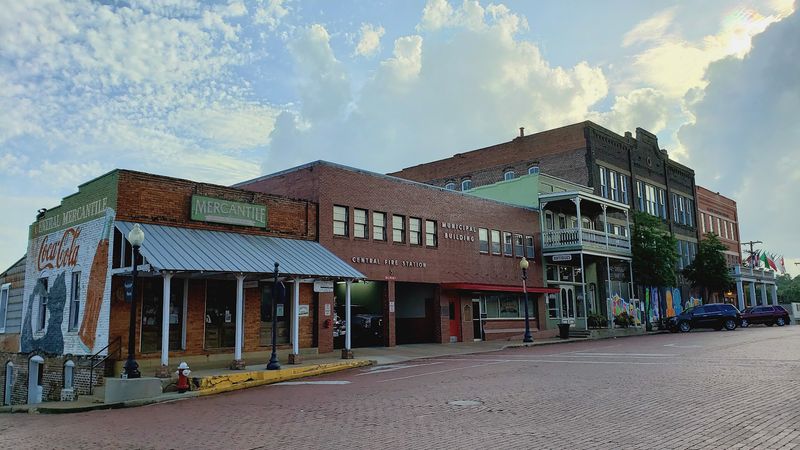
Claiming the title of Texas’s oldest town comes with a certain confidence, and Nacogdoches wears its history comfortably rather than making it a gimmick. Founded in 1779, this East Texas city of about 32,000 sits among pine forests that feel more Southern than Texan, where humidity hangs in the air and azaleas bloom spectacularly each spring. Stephen F.
Austin State University brings energy and culture without overwhelming the town’s historic character.
Downtown features brick streets and buildings that have stood for over a century, now housing restaurants, shops, and businesses that serve both students and longtime residents. The university contributes theaters, concerts, lectures, and sporting events that keep life interesting beyond what you’d typically find in a town this size. The blend of college town vitality and deep-rooted tradition creates a unique atmosphere where progressive ideas coexist with traditional values more peacefully than you might expect.
Housing costs remain remarkably low for a place with this many amenities, from historic homes near downtown to newer developments on the outskirts. The job market benefits from the university, healthcare systems, and local businesses, with enough diversity that you’re not dependent on a single industry. Healthcare is strong for a town this size, with medical facilities adequate for most needs and larger cities within reasonable driving distance for specialized care.
The East Texas setting means you’re surrounded by forests, lakes, and outdoor recreation different from what most people picture when they think of Texas. Summers are hot and humid, winters are mild, and the green landscape persists year-round. The school system is solid, benefiting from the university’s presence and a community that values education.
Cultural diversity is greater than in many small Texas towns, partly due to the university bringing students and faculty from various backgrounds.
If you appreciate history but don’t want to live in a museum, if you like having cultural options without big-city chaos, and if pine trees and Southern charm appeal to you more than desert landscapes, Nacogdoches deserves serious consideration. The town offers that rare combination of affordability, amenities, education, and character that makes starting over feel less like compromise and more like discovery.
5. Marble Falls
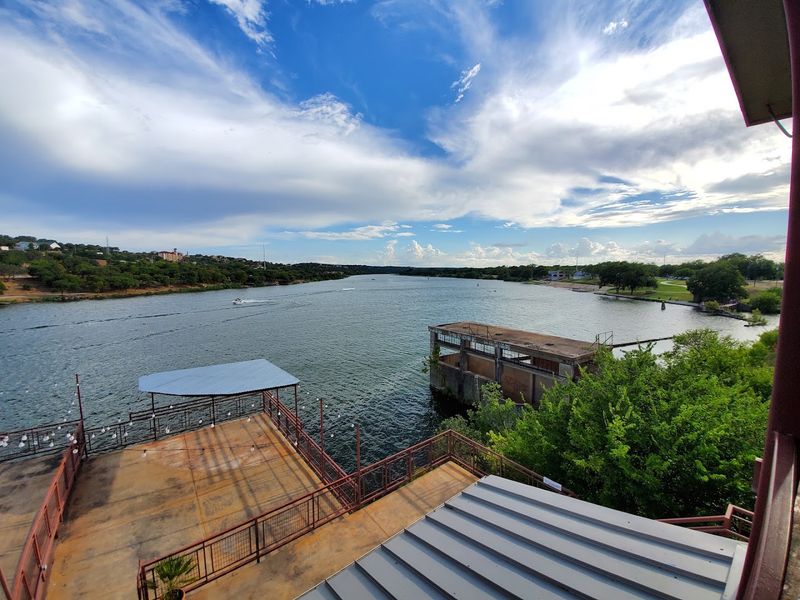
Named for the marble formations that once created waterfalls before the Colorado River was dammed, this Highland Lakes community of roughly 7,000 has grown steadily without losing its welcoming character. Located where Hill Country meets lake country, Marble Falls attracts retirees, families, and remote workers who want outdoor recreation without sacrificing convenience. The town sits just forty-five minutes from Austin, close enough for big-city access but far enough to feel separate from metropolitan sprawl.
Lake LBJ and Lake Marble Falls provide the aquatic playground that defines much of local life here. Boating, fishing, and waterfront dining are woven into the social fabric, and you’ll quickly learn that many friendships form on docks and at boat ramps. Downtown has been revitalized in recent years with shops, restaurants, and breweries that cater to both residents and weekend visitors without feeling touristy.
The famous Bluebonnet Cafe still draws crowds for pie, but plenty of newer establishments offer diverse dining options.
Real estate ranges from affordable homes in older neighborhoods to luxury properties on the water, giving options for various budgets. The population is growing as more people discover the area, but development has been managed reasonably well, maintaining character while adding amenities. Healthcare facilities are good for a town this size, and Austin’s medical centers are easily accessible for specialized needs.
The school district serves families well, with involved parents and community support.
The economy balances tourism, local businesses, healthcare, and increasingly remote workers who chose lifestyle over commute. The Highland Lakes region offers endless outdoor activities, from hiking and biking to water sports and golfing. The climate is classic Central Texas with hot summers moderated somewhat by lake breezes and mild winters perfect for year-round outdoor living.
Community events like the Walkway of Lights during holidays and various lake festivals create social opportunities without the forced cheerfulness of some planned communities.
If you want Hill Country beauty with water access, a town that’s growing but still manageable, and proximity to Austin without living there, Marble Falls hits a sweet spot. The combination of natural beauty, recreational opportunities, and community feel makes it easy to build a new life here.
6. Bandera
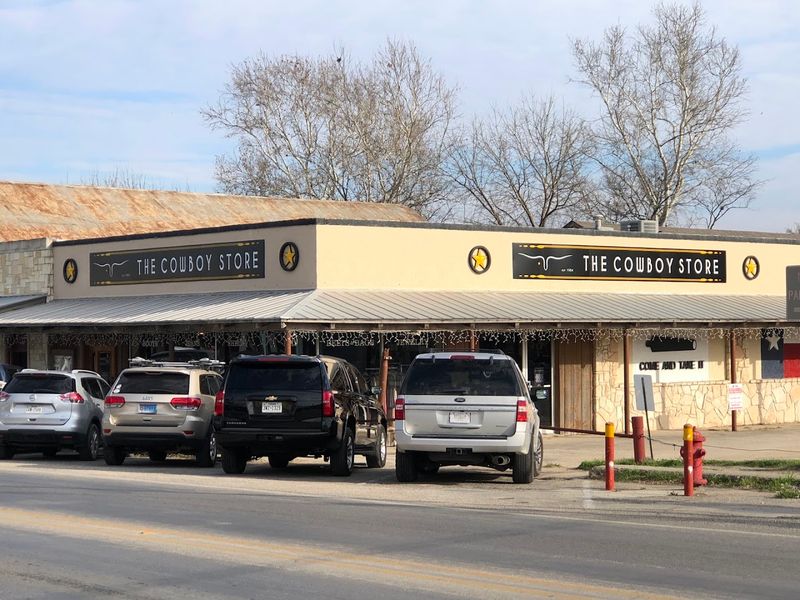
Calling itself the Cowboy Capital of the World isn’t just marketing when rodeos happen weekly and locals still wear their hats and boots for practical reasons rather than fashion. Bandera sits in the Hill Country along the Medina River, where dude ranches have welcomed visitors since the 1920s and Western culture remains genuinely lived rather than performed. Population hovers around 850 in town, with several thousand more in the surrounding county, creating a tight-knit community where everyone truly knows everyone.
Main Street looks like it was pulled from a Western movie, with wooden sidewalks, historic storefronts, and honky-tonks where live music fills the air on weekends. The Medina River provides swimming holes and tubing when Texas heat becomes oppressive, and the surrounding hills offer riding trails that attract equestrians from across the state. Several working dude ranches still operate, offering guests authentic ranch experiences while providing employment for locals who know cattle and horses better than computers.
Housing is relatively affordable, from small homes in town to properties with acreage for those wanting horses or livestock. The landscape is rugged Hill Country, rocky and covered in cedar and oak, beautiful in a harsh, honest way. Summers are hot, but elevation and river access provide relief.
The school is small, which means limited programs but also personalized attention and a community that rallies around its kids.
The economy depends on tourism, ranching, and local businesses, with some residents commuting to larger towns for work. Healthcare is basic, requiring drives to Kerrville or San Antonio for anything beyond routine care. The community skews traditional and independent, with strong values around self-reliance, family, and Western heritage.
Events like rodeos, parades, and county fairs aren’t just entertainment but genuine expressions of culture and identity.
If you’ve always felt drawn to Western life but worried it was all commercialized nostalgia, Bandera proves otherwise. This is a place where cowboy culture still functions as daily reality, where the landscape shapes character, and where starting fresh means embracing traditions that have sustained this community for generations. You’ll work hard, live simply, and probably end up happier than you imagined possible.
7. Brenham
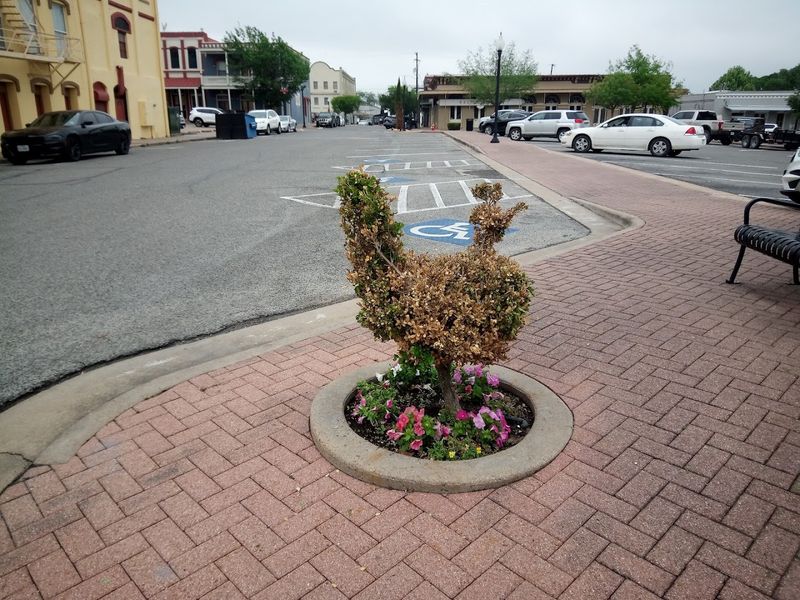
Best known as the home of Blue Bell Creamery, this town of about 17,000 sits in the gently rolling countryside between Houston and Austin, where agriculture still matters and small-town values haven’t been abandoned for suburban sprawl. Downtown Brenham features one of Texas’s prettiest courthouse squares, surrounded by antique shops, local restaurants, and businesses that have served the community for decades. Spring brings bluebonnets that blanket the countryside, creating scenes so beautiful they almost seem unreal.
The Blue Bell factory provides employment and a source of local pride, but Brenham’s economy is more diverse than you might expect, with healthcare, education, manufacturing, and agriculture all playing significant roles. Blinn College brings some youthful energy without dominating the town’s character. The community feels stable and established, with families who have lived here for generations alongside newcomers attracted by the quality of life and reasonable cost of living.
Housing costs remain moderate, offering everything from historic homes near downtown to newer subdivisions and rural properties with acreage. The landscape is classic Texas countryside, with working farms and ranches, wildflower-covered fields in spring, and oak trees that provide welcome shade in summer. The climate is typical Central Texas, hot and humid in summer but with mild winters that allow year-round outdoor activities.
Healthcare facilities are good for a town this size, adequate for routine needs with larger cities accessible for specialized care. The school district is solid, with community support and involvement. Cultural offerings include local theater, art galleries, and festivals celebrating everything from wildflowers to German heritage.
The Washington County Fair has been a tradition since 1869, and events like this connect residents across generations.
Brenham sits close enough to Houston and Austin for day trips or occasional big-city fixes but far enough to maintain its own identity and slower pace. If you want a town that feels established without being stuck in the past, where community still means something but outsiders are welcomed, and where you can afford a nice life without sacrificing amenities, Brenham delivers. The combination of beauty, stability, and genuine friendliness makes starting over here feel less like starting from scratch and more like coming home.
8. Port Aransas
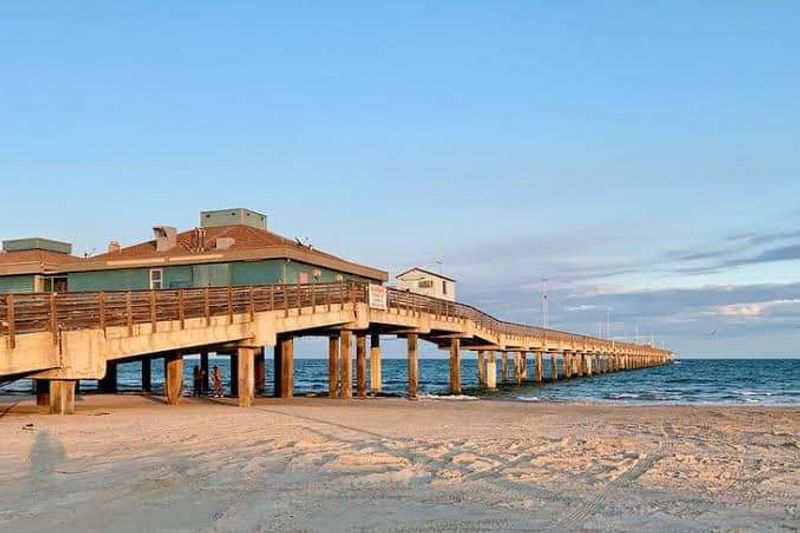
This barrier island community on Mustang Island has survived hurricanes, oil booms and busts, and waves of development while maintaining its laid-back fishing village soul. Port Aransas, or “Port A” as locals call it, sits where Corpus Christi Bay meets the Gulf of Mexico, creating a paradise for anyone who finds peace near water. Unlike resort towns that feel manufactured, Port A grew organically around fishing, shrimping, and people who genuinely loved the coast rather than just monetizing it.
The permanent population of around 3,800 swells with visitors during summer and spring break, but once the crowds leave, the town returns to a rhythm dictated by tides, fish runs, and weather. The beach stretches for miles, accessible and uncrowded outside peak season, perfect for morning walks, evening fishing, or simply sitting and watching waves. The jetties attract serious anglers year-round, while the bay offers calmer waters for kayaking and paddleboarding.
Birding is exceptional, with hundreds of species passing through during migration.
Housing ranges from beach cottages to condos and houses, with prices reflecting coastal location but still more reasonable than comparable beach towns in other states. Hurricane Harvey in 2017 devastated the island, but the community rebuilt with remarkable resilience, demonstrating the kind of toughness and mutual support that defines life here. Hurricane risk is real and must be accepted as part of the trade-off for coastal living.
The economy centers on tourism, fishing, and marine-related businesses, with employment seasonal but available for those willing to work. Healthcare is basic, with Corpus Christi close by for serious medical needs. Schools are small, and families often weigh the beach lifestyle against limited educational options.
The community is diverse, welcoming, and unpretentious, with millionaires and working-class folks drinking beer at the same bars and fishing the same spots.
If you’ve always felt most at peace near the ocean, if you can handle hurricane seasons and tourist crowds in exchange for daily beach access and spectacular sunrises, Port Aransas offers a genuine coastal life. This isn’t a sanitized resort experience but a real working beach town where you can start fresh with sand between your toes and salt in the air.
9. Granbury
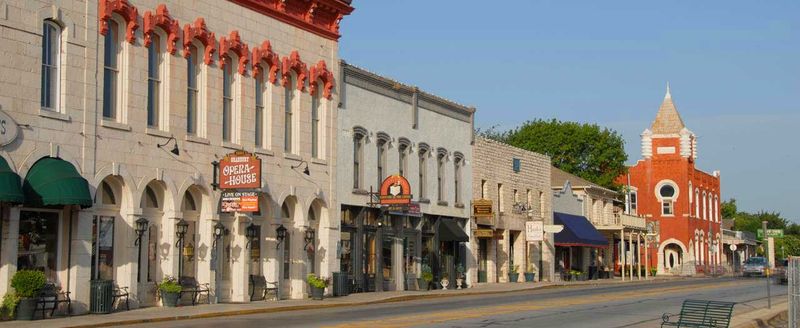
With a town square that looks like it was designed by someone who understood what community gathering spaces should be, Granbury combines historic preservation with modern convenience in a way few towns manage successfully. The population of roughly 10,000 lives around Lake Granbury, created when the Brazos River was dammed, providing both scenic beauty and recreational opportunities. Located about forty minutes southwest of Fort Worth, Granbury attracts retirees and families seeking small-town life without complete isolation from urban amenities.
The historic square features the beautifully restored Hood County Courthouse surrounded by shops, restaurants, theaters, and businesses housed in 19th-century buildings. The Granbury Opera House still hosts performances, and the square comes alive with festivals, markets, and events throughout the year. Unlike some towns where the historic district feels like a museum, Granbury’s square functions as genuine community space where locals shop, eat, and socialize daily.
Lake Granbury defines much of the lifestyle here, with waterfront properties, marinas, and parks providing access for boating, fishing, and swimming. The lake community attracts active retirees who want recreational opportunities without the isolation of rural living. Housing options range from historic homes near the square to lakefront properties and newer subdivisions, with prices reasonable compared to Fort Worth but higher than more remote towns.
The community is growing steadily as more people discover it, bringing both vitality and some concerns about maintaining character.
Healthcare facilities are adequate for routine needs, with Fort Worth’s medical centers easily accessible for specialized care. The school district serves families well, and the proximity to larger cities means access to activities and opportunities not available in more isolated towns. The economy balances tourism, local businesses, healthcare, and residents who commute to Fort Worth or work remotely.
Cultural offerings include theater, art galleries, live music, and festivals that create a surprisingly vibrant scene for a town this size.
If you want historic charm with modern amenities, lake living with community connection, and small-town feel with big-city access, Granbury delivers an appealing package. The town has managed growth while preserving character, creating a place where starting fresh feels both comfortable and exciting.
10. Fredericksburg
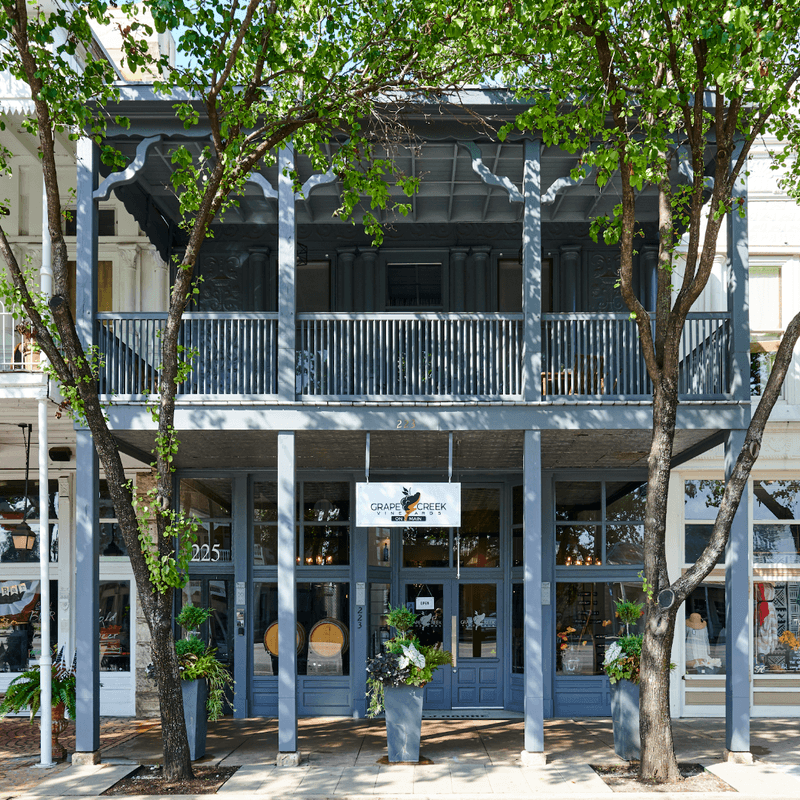
German heritage runs deep in this Hill Country town of about 11,000, where street signs still bear German names and bakeries serve strudel alongside kolaches. Fredericksburg has successfully transformed from quiet agricultural community to wine country destination without completely losing its soul in the process. Yes, Main Street fills with tourists on weekends, and bed-and-breakfasts outnumber residents in some blocks, but underneath the visitor economy exists a genuine community that maintains traditions while adapting to change.
Main Street stretches for blocks, lined with shops, restaurants, galleries, and tasting rooms housed in historic limestone buildings. The surrounding countryside has exploded with wineries over the past two decades, transforming the area into Texas wine country and attracting visitors from across the state. The National Museum of the Pacific War honors Admiral Nimitz, a Fredericksburg native, providing cultural depth beyond shopping and wine tasting.
Enchanted Rock State Natural Area sits nearby, offering hiking and stunning Hill Country views.
Housing costs have risen significantly as the town’s popularity grew, making Fredericksburg less affordable than other towns on this list. However, the combination of amenities, beauty, and economic opportunity justifies the higher prices for many. The town attracts retirees, artists, entrepreneurs, and families who appreciate the blend of culture, recreation, and small-town community.
The school district is strong, and healthcare facilities are good for a town this size.
The economy thrives on tourism, wine production, hospitality, and increasingly remote workers who can live anywhere and choose beauty. Employment opportunities exist in various sectors, from restaurants and retail to wineries and professional services. The community is more diverse and progressive than many small Texas towns, partly due to the influx of newcomers and the tourism industry’s influence.
Cultural events, festivals, and live music happen year-round, creating a vibrant social scene.
If you want Hill Country beauty with wine country sophistication, German heritage with modern amenities, and small-town life with cultural opportunities, Fredericksburg offers that combination. The town requires accepting tourist traffic and higher costs in exchange for quality of life, community engagement, and daily beauty. For many seeking a fresh start, that trade-off is absolutely worth it.
Share this story