Nashville gets all the attention, but Tennessee has dozens of smaller cities that deliver incredible food, genuine charm, and perfect weekend adventures without the crowds. From historic Main Streets to quirky antique shops, waterfalls to whiskey distilleries, these towns offer the kind of authentic experiences that make you want to cancel your Nashville hotel and explore something different.
Whether you’re craving mountain views, river-town calm, or just a slower pace with better parking, these ten cities prove that Tennessee’s best weekends happen beyond the neon lights.
1. Franklin
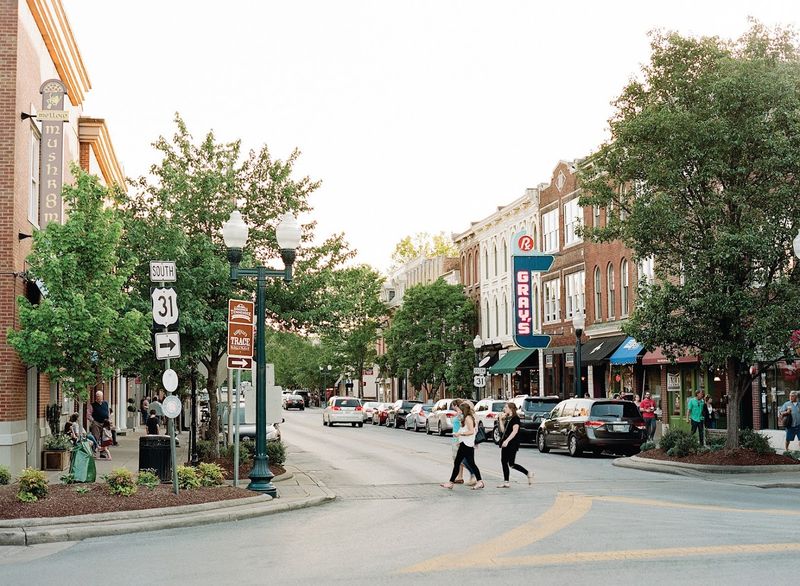
Just south of Nashville, Franklin manages to feel worlds away despite being a quick drive down I-65. The downtown square wraps around a historic courthouse, surrounded by brick buildings that house some of Middle Tennessee’s most impressive restaurants, from upscale Southern fare to farm-to-table bistros that change menus with the seasons.
Shopping here isn’t your typical strip-mall experience. Boutiques line Main Street with carefully curated clothing, home goods, and gifts you won’t find anywhere else. Live music spills out of venues most weekends, and the town’s Civil War history adds depth to every corner you explore.
Franklin’s restaurant scene rivals anything you’ll find in Nashville, but with easier parking and a more relaxed vibe. You can grab breakfast at a cozy café, spend the afternoon browsing shops and galleries, then settle into dinner at a white-tablecloth spot without feeling rushed or crowded.
Historic homes dot the surrounding countryside, and several are open for tours if you’re into architecture and Southern history. The town also hosts festivals throughout the year, from wine tastings to art walks, giving you plenty of reasons to visit more than once.
What makes Franklin work as a weekend destination is how walkable everything is. You can park once and spend hours exploring on foot, ducking into shops, trying new restaurants, and soaking up the small-town atmosphere that somehow coexists with big-city quality. It’s polished without being pretentious, historic without feeling stuck in the past, and close enough to Nashville that you can enjoy both worlds in one trip.
2. Jonesborough
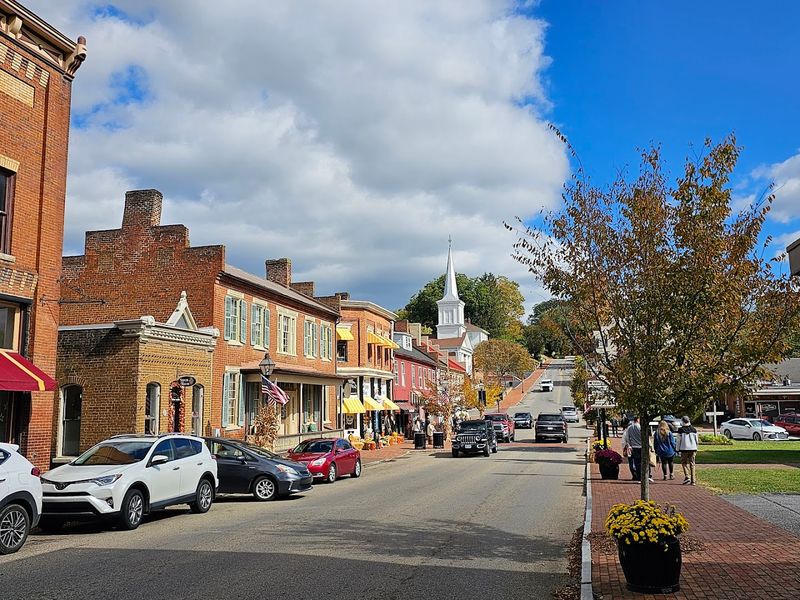
Tennessee’s oldest town doesn’t just claim that title—it wears it proudly in every brick sidewalk and preserved building. Jonesborough’s downtown feels like stepping into a storybook, which makes sense considering it’s known as the storytelling capital of America. The National Storytelling Festival draws thousands every fall, but the town’s charm works year-round.
Walking these streets means passing antique shops packed with treasures, cozy cafés serving homemade everything, and historic buildings that actually get used instead of sitting empty behind plaques. The town takes preservation seriously without making it feel like a museum. People live here, work here, and genuinely love sharing what makes it special.
Coffee shops and bakeries provide perfect morning stops before you start exploring. The food scene leans toward comfort and quality rather than trendy, with local restaurants serving Southern classics and homestyle cooking that reminds you why simple done right beats fancy done wrong.
Jonesborough’s storytelling culture isn’t just a festival thing. Local venues host performances and readings throughout the year, and the town’s commitment to oral tradition gives it a personality that goes deeper than cute architecture. You’ll find galleries showcasing local artists, shops selling handmade crafts, and enough history to fill multiple visits.
The pace here is intentionally slow. Nobody rushes, and that’s the point. You can spend a Saturday morning browsing antiques, grab lunch at a local spot, then spend the afternoon on a walking tour or just sitting on a bench watching life happen.
It’s small-town Tennessee at its most authentic, without trying too hard or selling out to tourism.
3. Tullahoma
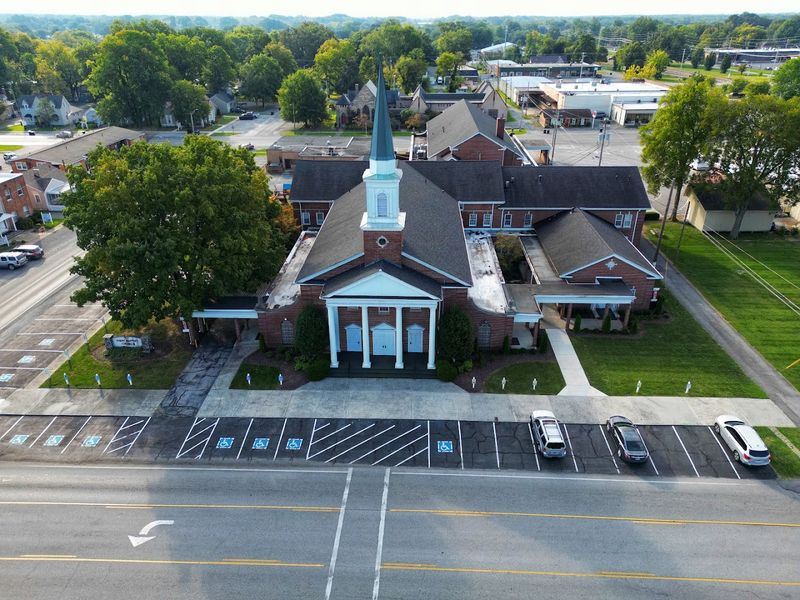
Most people blow past Tullahoma on their way to somewhere else, which means they’re missing one of Middle Tennessee’s most underrated weekend towns. This place combines natural beauty, whiskey history, aviation heritage, and a surprisingly solid food-and-coffee scene into one easy package.
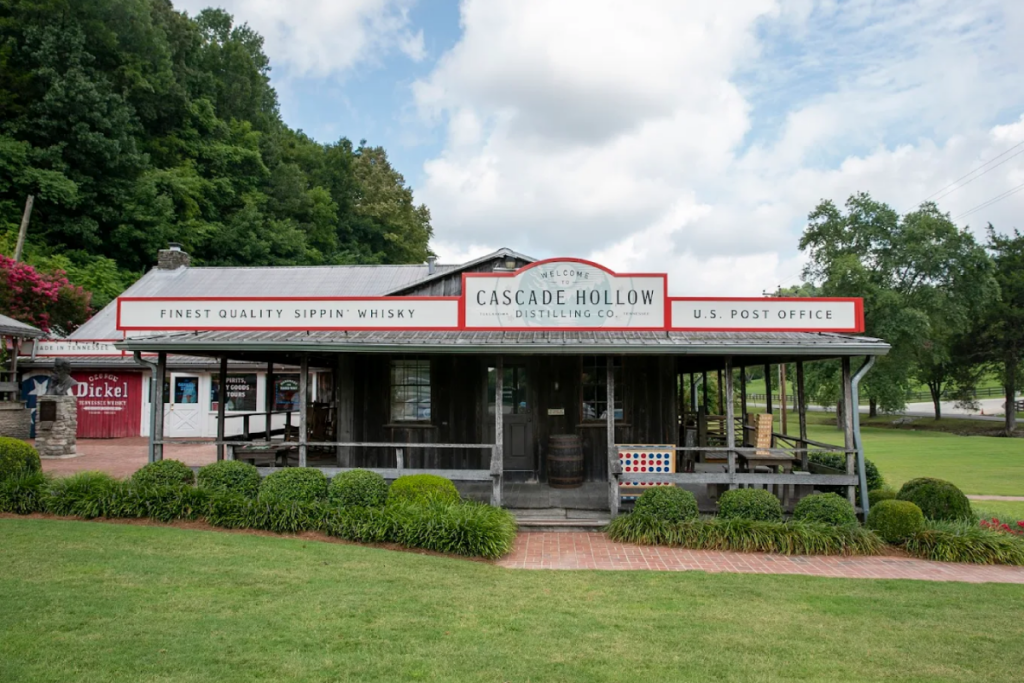
Machine Falls alone makes the trip worthwhile. The waterfall cascades over rock formations in a way that feels dramatic without requiring a brutal hike to reach. Nearby, Cascade Hollow Distilling Co. offers tours and tastings at the home of George Dickel whiskey, giving you both nature and spirits in one afternoon.
Downtown Tullahoma has quietly grown into a destination for coffee lovers and casual dining. Local shops and cafés have personality, and the town’s aviation history—it’s home to Arnold Air Force Base—adds an interesting layer most visitors don’t expect. The Beechcraft Heritage Museum showcases the area’s aerospace legacy if you’re into that kind of thing.
What makes Tullahoma work as a weekend base is its location. You’re close to waterfalls, hiking trails, and scenic drives, but you’re also in a real town with actual amenities rather than a tourist trap that shuts down after Labor Day. Restaurants serve locals, not just visitors, which means the quality stays consistent.
The town doesn’t try to be something it’s not. There’s no fake charm or manufactured attractions. Instead, you get authentic Middle Tennessee with enough variety to fill a weekend—outdoor adventures in the morning, distillery tours in the afternoon, and local food and drinks at night.
It’s the kind of place that surprises you, then makes you wonder why more people don’t know about it.
4. Leiper’s Fork
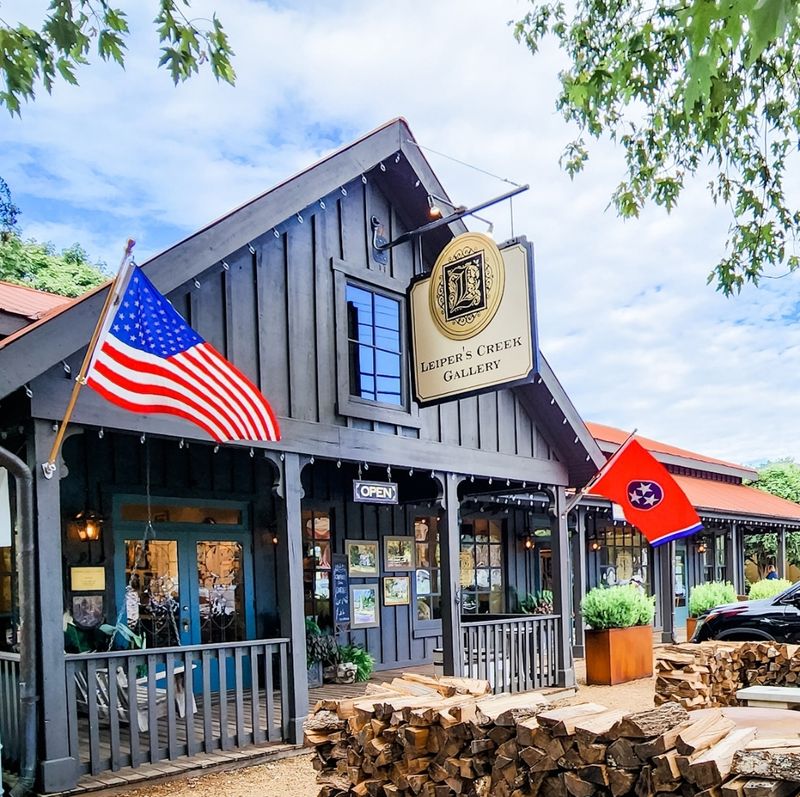
Calling Leiper’s Fork a town feels generous—it’s more like a village that refused to grow up. But what it lacks in size, it makes up for in character. Galleries, country stores, live music venues, and casual restaurants pack into a stretch of road that you could walk in ten minutes if you weren’t constantly stopping to look at something.
The art scene here punches way above its weight. Galleries showcase everything from traditional landscapes to contemporary pieces, and the quality rivals what you’d find in much bigger cities. The town attracts artists who want space to create without sacrificing access to Nashville’s market, and that combination shows in the work.
Live music happens regularly, often in unexpected places. You might catch a songwriter’s round at a café or stumble into a bluegrass session at a country store.
Food and drink options keep things simple but satisfying. You’ll find Southern comfort food, barbecue, and casual spots where locals actually eat. The vibe is relaxed—jeans and boots fit better than anything fancy, and nobody’s trying to impress anyone.
Scenic drives surround the area, making Leiper’s Fork perfect as either a destination or a stop on a longer loop through Williamson County. The countryside rolls in that classic Middle Tennessee way, with farms and forests and winding roads that make you want to slow down and explore. It’s close enough to Franklin to combine the two, but different enough in personality that it deserves its own visit.
5. Bell Buckle
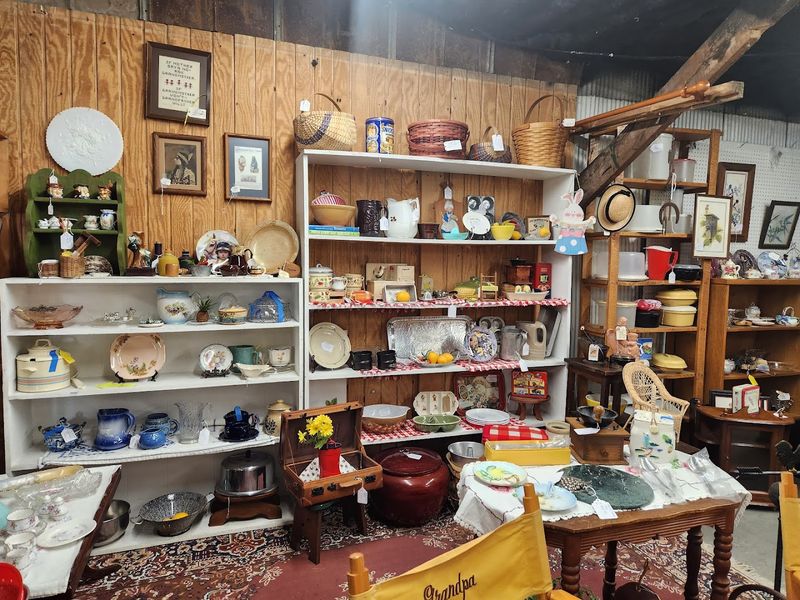
Bell Buckle earned its quirky name from a bell-shaped buckle found in a nearby creek, and the town has leaned into quirky ever since. This tiny railroad village built its weekend appeal on antique shops, Southern comfort food, and a downtown that feels designed for slow Saturday afternoons when you have nowhere else to be.
Antique shopping here is the main event. Stores fill old buildings with everything from furniture to vintage clothing, collectibles to architectural salvage. You can spend hours digging through treasures, and the prices stay reasonable because Bell Buckle hasn’t been discovered by the Instagram crowd yet.
The food scene keeps things traditional. Southern comfort cooking dominates, with restaurants serving fried chicken, catfish, homemade pies, and other classics that remind you why simple food done well beats fancy fusion every time. Portions are generous, service is friendly, and nobody’s in a hurry.
Festivals give the town extra energy throughout the year. The RC Cola and Moon Pie Festival celebrates Southern snack culture every June, while craft fairs and music events pop up regularly. Even without a festival, though, Bell Buckle maintains a welcoming vibe that makes visitors feel like temporary locals.
Walking the downtown takes maybe fifteen minutes, but you’ll stretch that into hours once you start exploring shops and chatting with owners. The railroad tracks still run through the middle of town, adding authentic small-town atmosphere rather than just historic decoration. It’s the kind of place where you go expecting nothing and leave planning your next visit, because sometimes the smallest towns deliver the biggest surprises when you give them a chance.
6. Greeneville
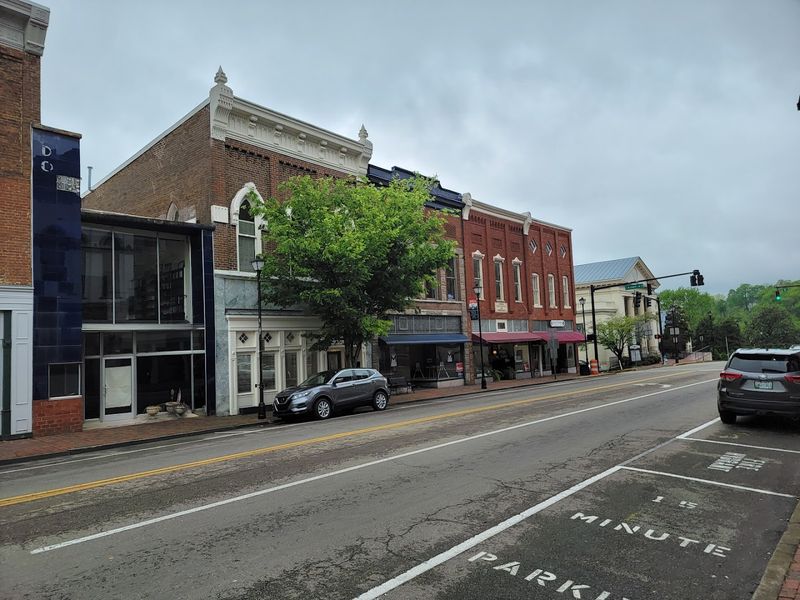
Greeneville sits in East Tennessee where the mountains start making their presence known, giving the town natural beauty to complement its presidential history. Andrew Johnson’s homestead and museum anchor the downtown, but the town offers plenty beyond one president’s legacy.
The downtown area mixes historic buildings with functioning businesses—restaurants, shops, and services that serve locals while welcoming visitors. You’ll find regional food, from barbecue to Southern cooking, with enough variety to keep a weekend interesting. Local restaurants focus on quality over trends, which means consistent food rather than Instagram moments.
Mountain views frame the town, and outdoor activities sit close enough for easy day trips. Hiking trails, scenic drives, and natural areas surround Greeneville, making it a solid base for exploring East Tennessee’s landscape without committing to full wilderness camping. You can hike in the morning and enjoy downtown amenities by afternoon.
The town’s size works in its favor—big enough to have real restaurants and shops, small enough that you never feel lost in crowds or traffic. Parking is easy, walking is pleasant, and the pace stays relaxed without feeling stuck or sleepy. Greeneville has economic life beyond tourism, which keeps it authentic.
History buffs will appreciate the presidential sites, but even if you skip the museums, the town delivers a solid weekend. The combination of mountain access, charming downtown, and genuine East Tennessee culture makes Greeneville more interesting than its modest size suggests. It’s not trying to compete with Gatlinburg or Asheville—it’s doing its own thing, and doing it well enough that visitors leave satisfied without feeling like they overpaid or got sold a tourist fantasy.
7. Paris
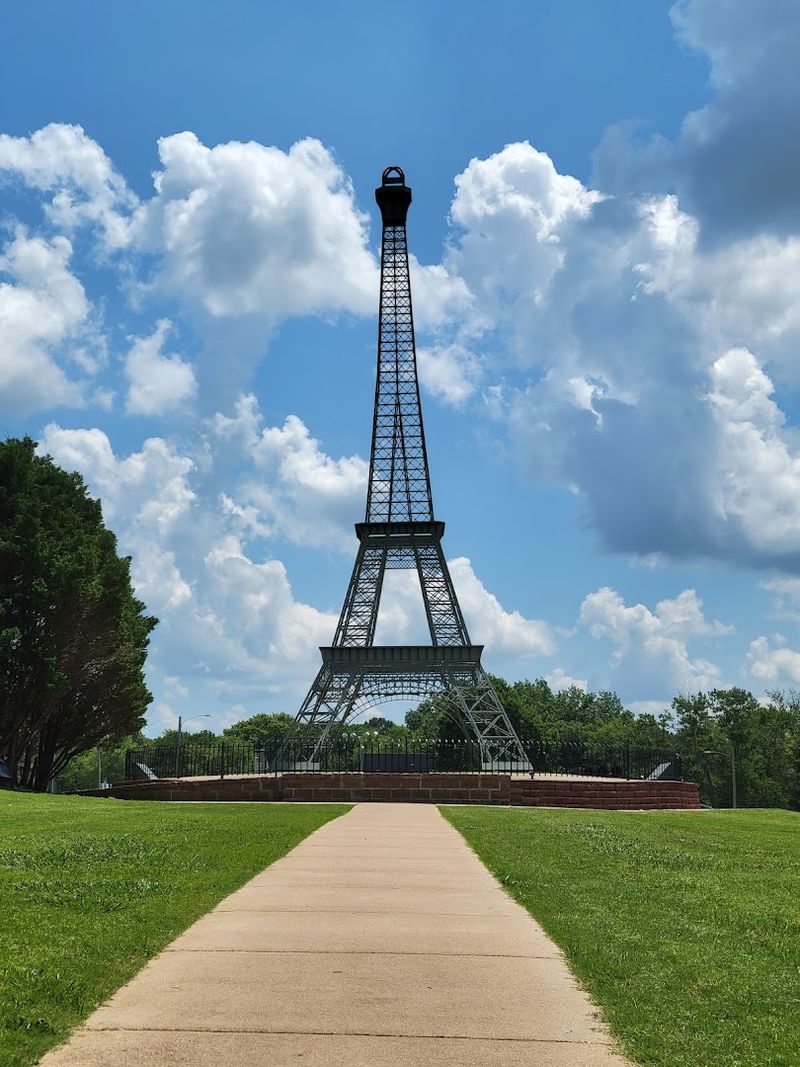
Paris, Tennessee, built its own Eiffel Tower, and somehow it works. The 60-foot replica stands in a park near downtown, giving the town a quirky landmark that could feel gimmicky but instead adds personality. Between the tower, Kentucky Lake access, and small-town square charm, Paris makes a fun West Tennessee weekend that doesn’t take itself too seriously.
Kentucky Lake sits close enough for easy water access. Fishing, boating, and lakeside relaxation fill the outdoor activity list, with enough public access points that you don’t need a fancy marina membership to enjoy the water. The lake’s size means you can explore different areas and find your own quiet spot away from crowds.
Downtown Paris centers on a traditional courthouse square surrounded by local businesses. Diners serve classic American and Southern food, with breakfast spots that draw locals every morning and lunch places that fill up with regulars. The food isn’t fancy, but it’s reliable and affordable, which matters more on a casual weekend.
The town hosts festivals and events throughout the year, from the World’s Biggest Fish Fry to holiday celebrations that bring the community together. Even without an event, though, Paris maintains enough activity to stay interesting. Antique shops, local stores, and casual restaurants give you places to go without requiring a strict itinerary.
What makes Paris work is its lack of pretension. The Eiffel Tower is fun, not precious. The lake is accessible, not exclusive.
The downtown is real, not reconstructed for tourists. You get West Tennessee authenticity with enough personality to remember the trip, and sometimes that combination beats the polished destinations that charge twice as much for half the character.
8. McMinnville
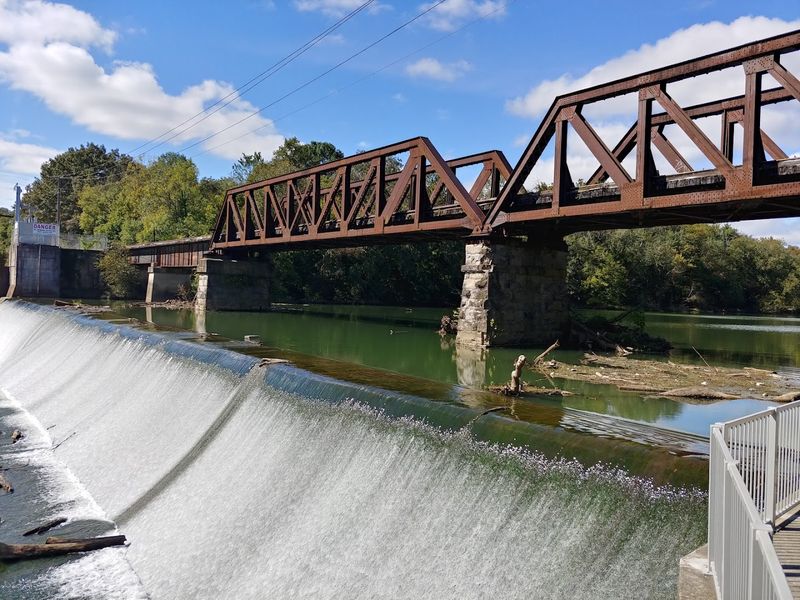
McMinnville surprises people. Known for nurseries and agriculture, the town has quietly developed into a weekend destination with waterfalls, underground concerts in Cumberland Caverns, and a downtown food-and-drink scene that keeps getting better. It’s more interesting than the highway views suggest.
Cumberland Caverns is the headline attraction. The cave system offers traditional tours, but the Bluegrass Underground concerts take it further—live music performed hundreds of feet underground in a natural amphitheater that seats hundreds. The acoustics are incredible, and the experience beats any typical music venue hands down.
Waterfalls dot the surrounding area, with trails ranging from easy walks to more challenging hikes. Rock Island State Park sits close by, offering multiple falls and swimming holes that provide perfect summer relief. The scenery leans toward dramatic—cliffs, cascades, and river gorges that feel bigger than Middle Tennessee’s usual gentle hills.
Downtown McMinnville has grown its food scene significantly in recent years. Breweries, coffee shops, and restaurants have opened in renovated buildings, creating a walkable district that actually gives you reasons to stay in town rather than just using it as a base for outdoor activities. The nursery industry still dominates the economy, but tourism is catching up.
What works about McMinnville is the balance. You get genuine outdoor adventures—caves, waterfalls, hiking—combined with a real town that has its own identity beyond tourism. Locals still outnumber visitors most weekends, which keeps prices reasonable and attitudes welcoming.
It’s not trying to be Gatlinburg or Nashville. It’s just McMinnville, which turns out to be plenty interesting once you give it a chance and explore beyond the main highway.
9. Rogersville
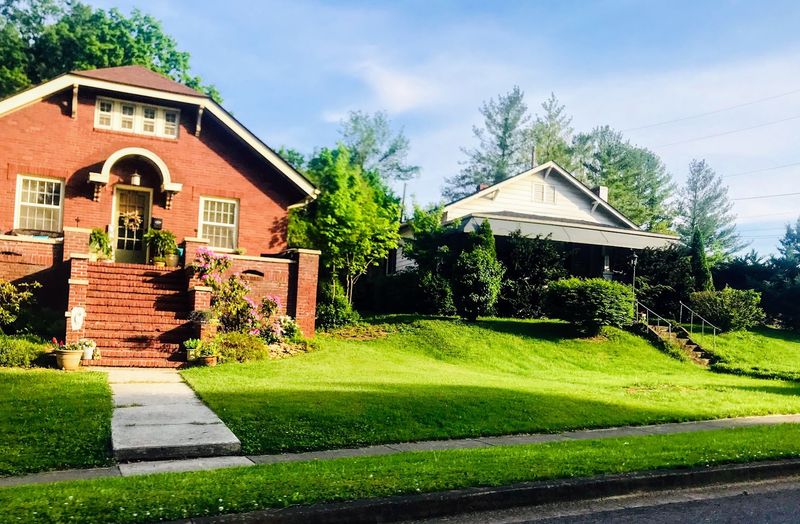
Rogersville doesn’t shout for attention, which is exactly why it works as a weekend escape. Historic streets lined with old buildings, local eateries serving regional food, and a peaceful pace make this East Tennessee town a strong choice when you want charm without competing for parking or restaurant reservations.
The downtown historic district preserves buildings dating back to the early 1800s, with many still in active use rather than sitting empty as museums. Walking these streets feels like moving through functional history—shops, offices, and restaurants occupy spaces that have served the community for generations. The architecture tells stories without needing plaques on every corner.
Local restaurants keep things straightforward. Southern cooking, barbecue, and American classics dominate menus, with portions sized for people who actually work for a living rather than Instagram models. Breakfast spots draw morning crowds, and lunch places fill with locals who know what’s good, which is always the best restaurant recommendation.
Festivals happen throughout the year, celebrating everything from heritage to holidays, but Rogersville doesn’t need special events to justify a visit. The regular rhythm of small-town life provides enough interest—farmers markets, local shops, weekend activities that happen because the community enjoys them, not because tourism demands them.
East Tennessee’s mountains provide the backdrop, with hiking and outdoor activities close enough for easy day trips. You can explore natural areas in the morning, then return to town for lunch and an afternoon of browsing shops without feeling rushed or obligated to maximize every minute. The lack of crowds means you actually relax instead of just checking boxes on a tourist itinerary, which is the whole point of a weekend escape anyway.
10. Savannah
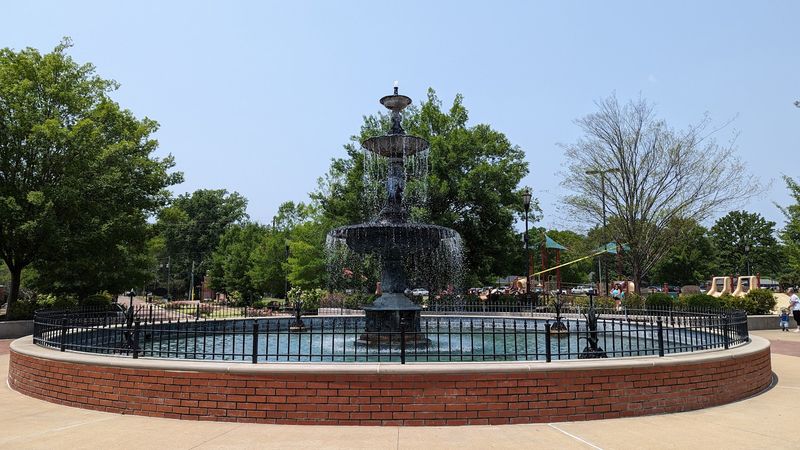
Savannah sits along the Tennessee River in the state’s western region, offering river-town scenery and Civil War history without the crowds that pack Gettysburg or other major battlefield sites. Shiloh National Military Park spreads across thousands of acres just outside town, giving history enthusiasts plenty to explore while casual visitors enjoy the river and small-town atmosphere.
The river defines Savannah’s geography and personality. Water access means fishing, boating, and riverside views that change with the seasons. The town’s connection to the Tennessee River isn’t just scenic—it’s practical, with marinas and launch points that serve serious anglers and recreational boaters equally well.
Shiloh National Military Park preserves one of the Civil War’s bloodiest battles, with miles of trails, monuments, and interpretive sites spread across the battlefield. Even if military history isn’t your main interest, the park offers peaceful walking and reflection in a landscape that carries weight and meaning. The visitor center provides context without overwhelming you with information.
Downtown Savannah keeps things low-key. Local restaurants serve Southern food and river-town classics—catfish, barbecue, comfort cooking that fills you up without fancy presentation. The pace is easygoing, with enough activity to stay interesting but never rushed or tourist-trap frantic.
What makes Savannah work for a weekend is its combination of history, nature, and genuine small-town life. You can tour a battlefield in the morning, spend the afternoon on the river, then grab dinner at a local spot where the waitress knows half the customers by name.
Share this story