Tennessee’s trails don’t just offer beautiful scenery—they also serve as time machines leading back to ancient earthworks, abandoned settlements, and forgotten pieces of history. From prehistoric mounds built over a thousand years ago to Civil War fortifications and old mountain communities left behind in the Smokies, these paths connect hikers with stories that shaped the region.
Whether you’re exploring crumbling stone walls, walking through preserved cabins, or standing beside engineering marvels from the 1800s, each hike on this list offers a tangible link to Tennessee’s layered past.
1. Old Stone Fort Enclosure Trail — Manchester
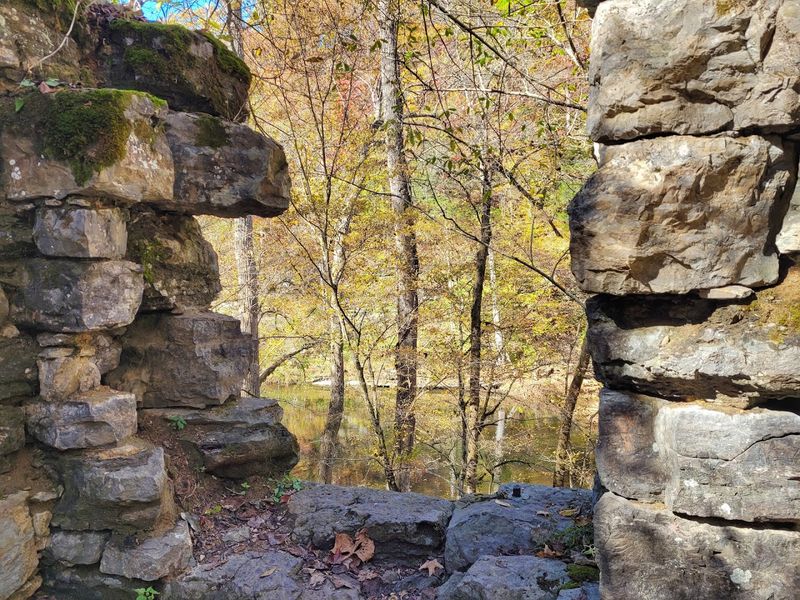
Walking around the Old Stone Fort feels like stepping onto sacred ground where thousands of years of history meet rushing waterfalls and thick forest. The earthworks here aren’t actually a fort—they’re ceremonial enclosures built by Native Americans during the Woodland period, roughly 2,000 years ago. The walls snake along clifftops above the Duck River and Little Duck River, creating a natural amphitheater that still feels powerful today.
This 1.3-mile loop is short enough for families but packed with enough history and scenery to keep everyone interested. You’ll pass stone foundations from an old gristmill that operated in the 1800s, adding another layer of forgotten industry to the experience. The trail also leads to Big and Little Falls, two waterfalls that crash down limestone bluffs and make great spots to pause and take photos.
Spring and fall are ideal times to visit, when the water flows strong and the foliage frames the ancient walls in vibrant color. The enclosure covers about 50 acres, and interpretive signs along the way explain the archaeological significance without overwhelming you with academic jargon. It’s one of those rare places where you can see multiple eras of Tennessee history in one easy walk.
The state park also has a museum near the trailhead that displays artifacts found on-site, including pottery shards and tools. If you’re into archaeology or just love places that feel untouched by modern life, this trail delivers on both fronts. Manchester isn’t far from I-24, making it a solid road-trip stop between Nashville and Chattanooga.
2. Elkmont Historic District Trails — Great Smoky Mountains National Park
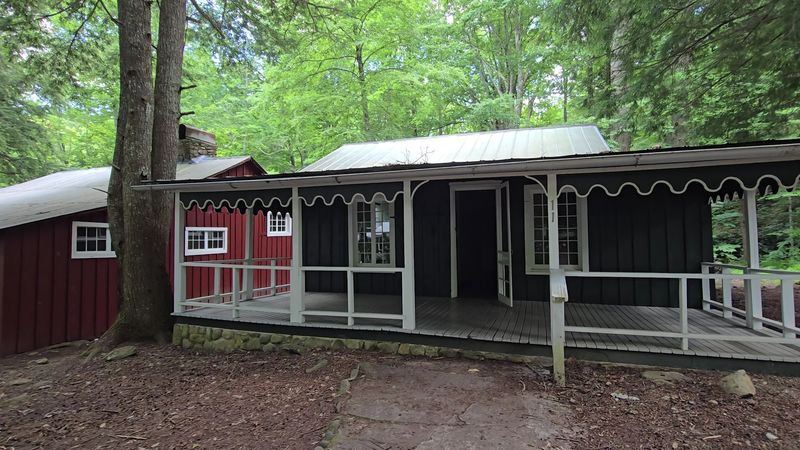
Elkmont used to be a bustling logging camp and later a private resort community where wealthy families escaped the summer heat. Now it’s a ghost town frozen in time, with old cabins slowly being reclaimed by moss and ivy. The National Park Service is preserving 18 Appalachian Club cabins here, along with the Wonderland Hotel site and several other structures that tell the story of early 20th-century mountain recreation.
You can explore the area on foot by following the Little River Trail or the Jakes Creek Trail, both of which pass near clusters of cabins and the remains of the old clubhouse. Some structures are boarded up, while others are open enough to peek inside and see stone fireplaces, sagging porches, and remnants of furniture left behind decades ago.
It’s eerie but fascinating, especially when morning fog rolls through the valley and makes everything feel even more haunted.
The Spence Cabin sits a bit farther up Jakes Creek and is one of the most photographed buildings in the district. Built in the 1920s, it’s a two-story log structure that once served as a vacation home and now stands as a reminder of how people used to live in these mountains. The trails around Elkmont are relatively flat and easy, making them accessible for most hikers who want history without a steep climb.
Late fall and winter are great times to visit because the leaves are down and you can see more of the buildings through the bare trees. Elkmont is also famous for synchronous fireflies in late May and early June, so if you time your visit right, you can combine history with one of nature’s most incredible light shows.
3. Little Greenbrier and Roundtop Trailhead — Sevierville
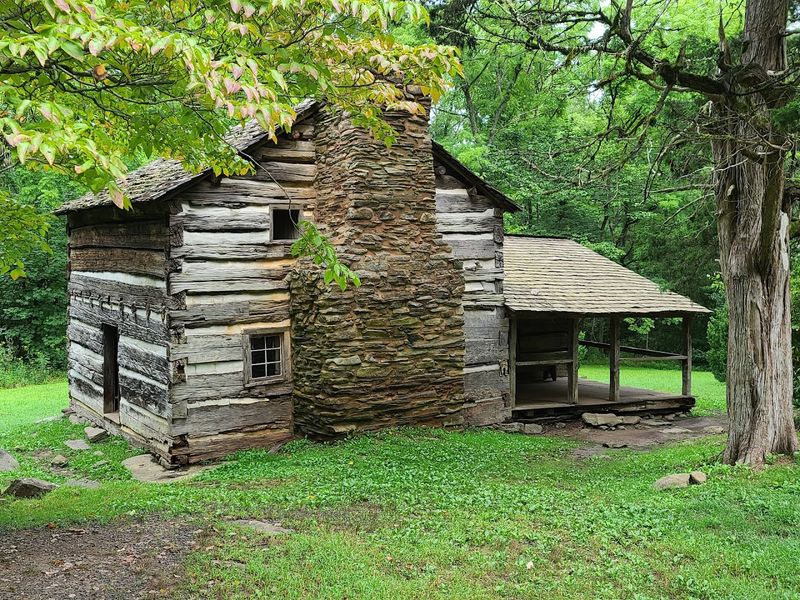
Starting from Metcalf Bottoms, this hike takes you into a valley where mountain families once farmed, raised children, and built a tight-knit community that lasted for generations. The Little Greenbrier School, built in 1881, still stands in remarkably good condition and serves as a centerpiece of the trail. Inside, you’ll find old desks, a wood stove, and chalkboards that make it easy to imagine what school looked like over a century ago.
Beyond the schoolhouse, the trail continues to the Walker Sisters’ homesite, where five unmarried sisters lived well into the 1960s, long after the national park was established. Their cabin, barn, and springhouse are all preserved, and walking through the property feels like visiting relatives who just stepped out for the afternoon. The sisters were known for selling handmade crafts and homemade food to early park visitors, becoming local legends in the process.
The hike is about 4 miles round trip if you do the full loop, with gentle elevation gain that makes it manageable for most fitness levels. Along the way, you’ll pass stone walls, old fence lines, and apple trees planted by families who cleared these woods generations ago. In spring, wildflowers bloom around the homesites, and in fall, the golden leaves make the whole valley glow.
This trail offers one of the best windows into what life was like in the Smokies before the park existed. You’re not just looking at ruins—you’re walking through a landscape that people shaped with their hands and their labor. It’s a powerful reminder that these mountains were home to real communities, not just wilderness.
4. Sugarlands Valley Nature Trail — Gatlinburg
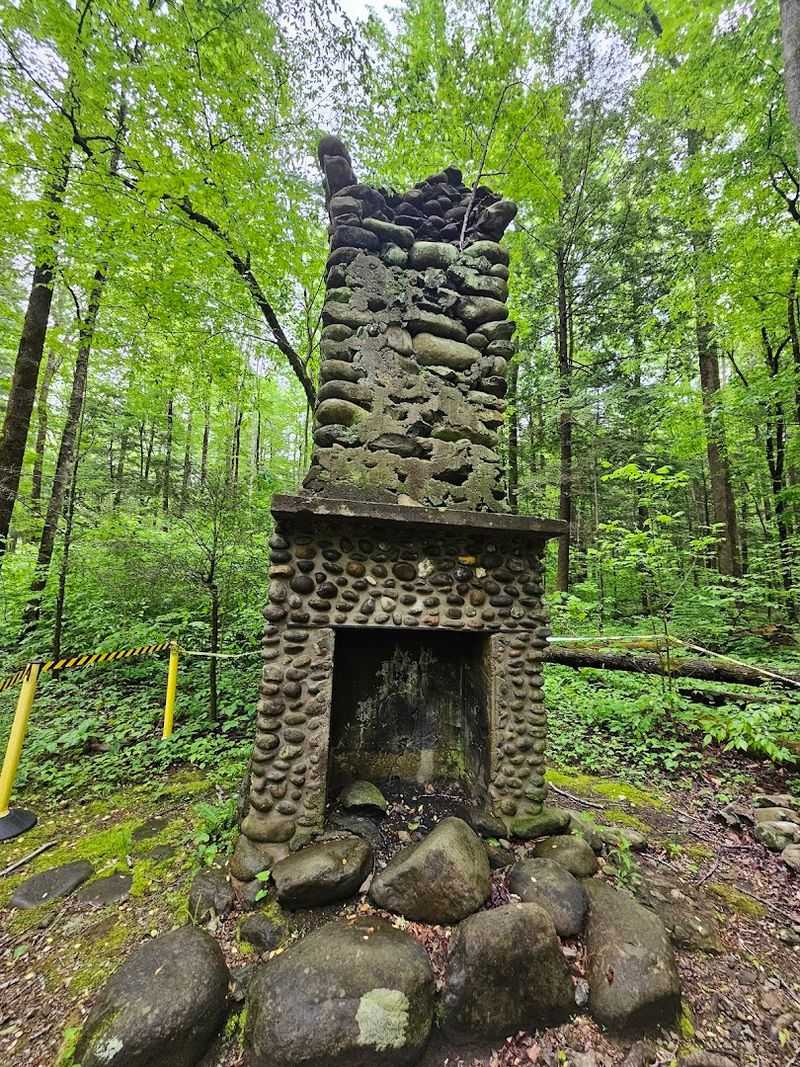
Half a mile doesn’t sound like much, but this paved loop near the Sugarlands Visitor Center packs in more history than trails twice its length. Stone chimneys rise out of the forest floor like monuments to families who once lived here, and moss-covered rock walls mark the boundaries of old homesteads. The trail follows a creek through a lush forest that feels surprisingly peaceful despite being just minutes from Gatlinburg’s tourist traffic.
Interpretive signs along the way explain who lived in Sugarlands Valley and what happened when the park was created in the 1930s. Families were displaced, homes were torn down or burned, and the land was left to return to nature. The chimneys are all that remain of those homes, standing as silent witnesses to a community that no longer exists.
Because the trail is short and mostly flat, it’s perfect for visitors who want a quick dose of Smokies history without committing to a long hike. Kids enjoy spotting the chimneys and imagining what the houses looked like, and photographers love the way light filters through the trees and hits the old stonework. Spring brings wildflowers, and summer offers deep shade, making it a solid year-round option.
The creek that runs alongside the trail adds a soothing soundtrack to your walk, and you’ll likely see salamanders, birds, and maybe even a deer or two. It’s one of the most accessible history hikes in the park, and because it’s right off Highway 441, there’s no excuse not to stop and walk it. If you’re visiting the Smokies and want to understand the human history behind the scenery, this is a great place to start.
5. Narrows of the Harpeth Tunnel Trail — Kingston Springs
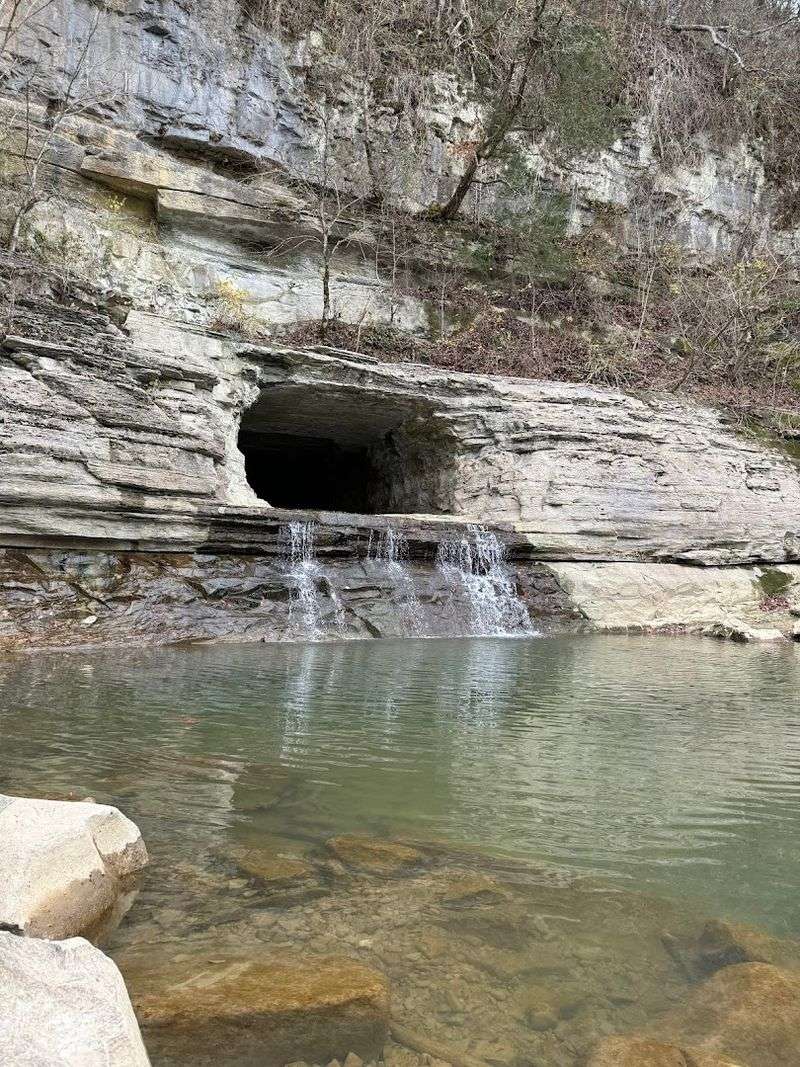
Montgomery Bell was an iron industrialist who needed a way to redirect water for his forge, so in the early 1800s, he had workers hand-dig a 290-foot tunnel through solid limestone. That tunnel still stands today, and hiking to it feels like discovering a secret passageway carved into the earth. The trail is short—less than a mile round trip—but the payoff is one of Tennessee’s most unusual historic relics.
You’ll start near the Narrows of the Harpeth parking area and follow a path that winds along the river before cutting up toward the tunnel entrance. The tunnel itself is tall enough to walk through, though it can be muddy and dark inside, so bring a flashlight if you want to explore the full length. On the other side, you’ll emerge near the ruins of Patterson Forge, where iron was once smelted and shaped into tools and equipment.
The whole area is rich with industrial archaeology, from stone foundations to old millraces that once channeled water to power machinery. It’s a fascinating glimpse into Middle Tennessee’s pre-Civil War economy, when iron production was a major industry. The Harpeth River bends dramatically around the bluff here, creating a natural oxbow that made Bell’s tunnel necessary in the first place.
Pair this hike with the nearby Bluff Trail for a longer outing that includes river views and limestone cliffs. The tunnel trail is shaded and cool even in summer, and it’s a great spot for kids who love exploring caves and old structures. Kingston Springs is only about 30 minutes west of Nashville, making this an easy escape for anyone looking to mix history with a quick outdoor adventure.
6. Fort Pillow State Historic Park Trails — Henning

Fort Pillow sits on a bluff overlooking the Mississippi River, and its history is as dramatic as its location. Built by Confederate forces in 1861 and later occupied by Union troops, the fort became the site of a controversial and bloody battle in 1864. Today, the earthwork fortifications are still visible, and about 20 miles of trails wind through the park, letting hikers explore both the military history and the natural beauty of the bluff.
The main fortification loop is the most popular trail, taking you past reconstructed gun emplacements, interpretive markers, and overlooks where you can see the river sweeping past below. The earthworks are surprisingly well-preserved, and walking along the ridgeline gives you a sense of how soldiers would have defended this high ground. It’s one of the few places in Tennessee where you can physically walk the same paths that troops marched during the Civil War.
Beyond the fort itself, the park’s trail system extends into bottomland forest and along Cold Creek, offering a mix of history and wilderness. Spring wildflowers bloom along the creek, and birdwatchers often spot herons, egrets, and other river species. The park also has a museum with artifacts, maps, and exhibits that provide context for what you’ll see on the trails.
West Tennessee doesn’t get as much attention as the Smokies or Nashville, but Fort Pillow is a strong reason to explore this part of the state. The combination of Civil War history, river views, and quiet trails makes it a unique destination. If you’re interested in American history or just want to hike somewhere off the beaten path, this park delivers on both fronts.
7. Pinson Mounds State Archaeological Park Trails — Pinson
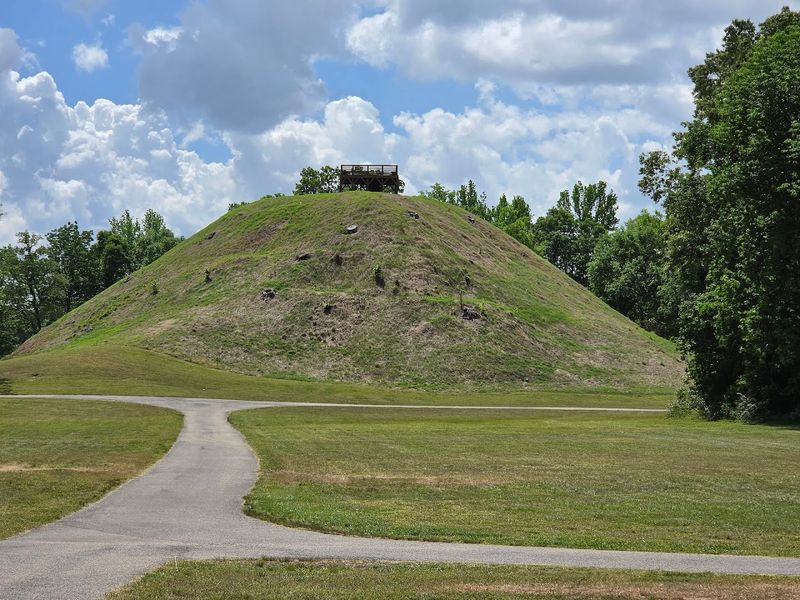
Pinson Mounds is one of the largest and most important Middle Woodland ceremonial sites in the United States, with at least 17 earthen mounds spread across nearly 1,200 acres. Sauls Mound, the tallest, rises 72 feet above the surrounding landscape and is the second-largest mound in the country. Walking through this park feels like stepping into a landscape shaped by people over 2,000 years ago, and the trails make it easy to explore the entire complex.
The main trail system includes both paved paths and natural surface trails that connect the major mounds. Mound 28, also known as the Duck’s Nest, is a circular earthwork that may have been used for ceremonial gatherings, and interpretive signs explain the archaeological theories about its purpose. The trails are mostly flat and accessible, making this a great destination for families or anyone interested in ancient history without a strenuous hike.
The park’s museum is one of the best in Tennessee, with exhibits that cover the people who built the mounds, the artifacts they left behind, and the ongoing research that continues to reveal new information. After visiting the museum, the trails bring that history to life as you walk among the mounds themselves. It’s a rare chance to experience one of Tennessee’s most significant prehistoric sites in a setting that’s been carefully preserved.
Late afternoon light is especially beautiful here, when the sun casts long shadows across the mounds and the open fields surrounding them. Pinson is located about 10 miles south of Jackson, making it an easy day trip from Memphis or Nashville. If you’ve ever wanted to understand Tennessee’s Indigenous past, this park offers one of the most immersive experiences you’ll find anywhere in the state.
8. Sellars Farm State Archaeological Area Trail — Lebanon
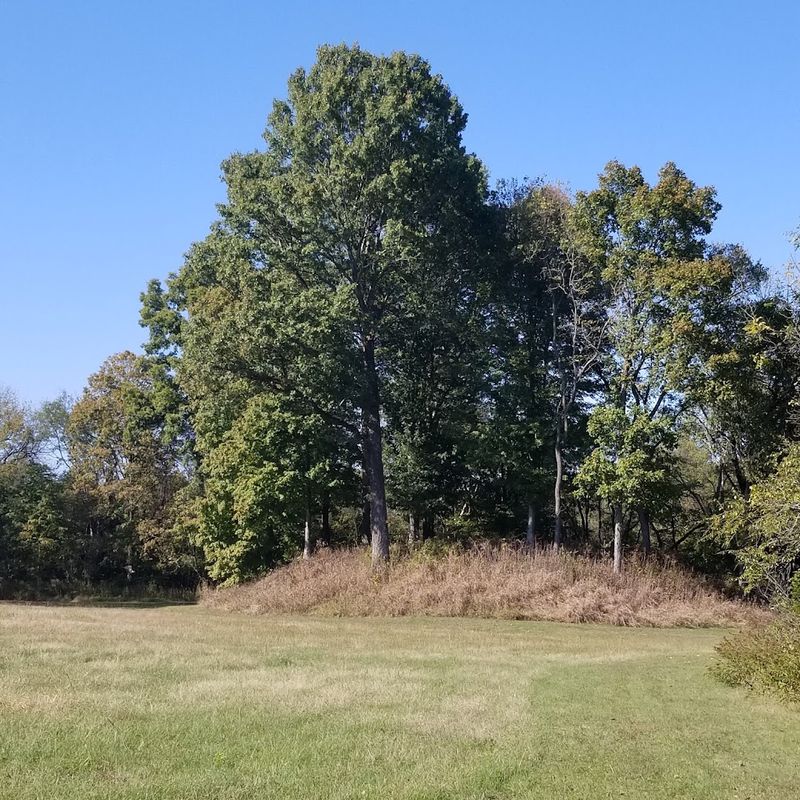
Sellars Farm doesn’t get the attention of Pinson Mounds, but it’s just as significant for anyone interested in Tennessee’s Indigenous history. This Mississippian-period town site includes a large platform mound that once supported a temple or chief’s residence, along with traces of a village that thrived between 1000 and 1450 CE. The walking trail loops around the mound and through the surrounding fields, with interpretive signs explaining the site’s history and importance.
The trail itself is easy and short, about a mile total, making it accessible for all ages and fitness levels. You’ll walk past the mound, which rises about 15 feet above the surrounding land, and through open fields where excavations have revealed post holes, fire pits, and other evidence of daily life. The site is managed by the Tennessee Division of Archaeology, and ongoing research continues to uncover new details about the people who lived here.
What makes Sellars Farm special is its focus on ancient history rather than colonial or industrial relics. There are no cabins or chimneys here—just the earth itself, shaped by human hands centuries before European contact. It’s a quieter, more contemplative experience than some of the other hikes on this list, and it offers a chance to reflect on Tennessee’s deep Indigenous roots.
The site is located just outside Lebanon, about 30 minutes east of Nashville, and it’s often empty even on weekends. That solitude adds to the experience, letting you imagine what this landscape looked like when the town was thriving. If you’re looking for a different kind of history hike—one that connects you to Tennessee’s earliest inhabitants—Sellars Farm is worth the trip.
9. Old Sugarlands Trail — Gatlinburg
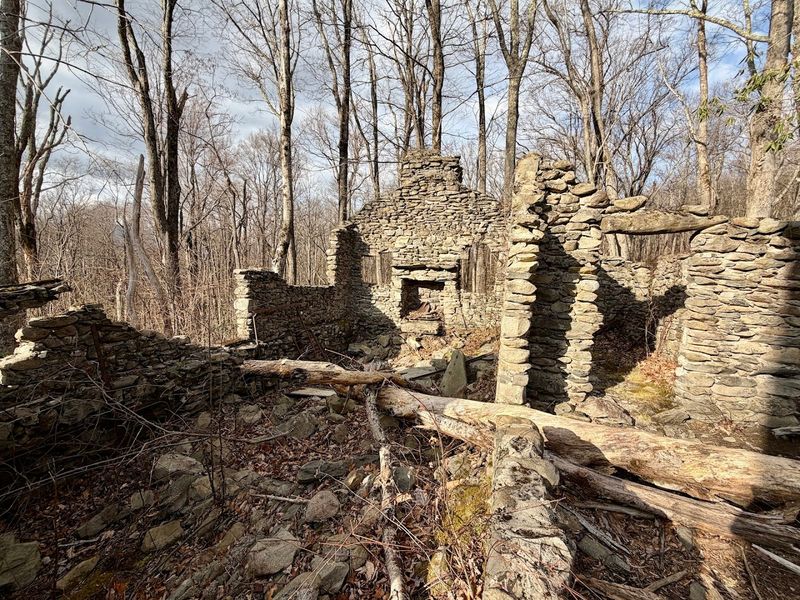
Old Sugarlands is less developed than some of the more famous Smokies trails, and that’s part of its charm. This area was home to a mountain community before the park was established, and remnants of that settlement are scattered throughout the woods. Stone walls, chimneys, and old roadbeds crisscross the landscape, offering clues to how families lived, farmed, and built their homes in these steep hollows.
The trail follows old logging roads and footpaths, and because it’s not heavily marked, it feels more like exploring than following a set route. Winter and early spring are the best times to visit, when the leaves are down and the historic structures are easier to spot. You’ll find rock walls that once bordered fields, chimneys standing alone where cabins used to be, and even old fence posts still visible among the trees.
Hiking here requires a bit more navigation skill than some of the other trails on this list, but that also means fewer crowds and a more authentic sense of discovery. Bring a map or GPS, and be prepared to do some bushwhacking if you want to explore the more remote homesites. The reward is a deeper connection to the people who shaped this landscape long before it became a national park.
Old Sugarlands is also a great spot for photographers who want to capture the quiet decay of abandoned places. The interplay of stone, wood, and forest creates hauntingly beautiful scenes, especially in soft morning light. If you’re the type of hiker who loves finding hidden history and doesn’t mind a little off-trail exploration, this area won’t disappoint.
10. Cades Cove Historic Trails — Great Smoky Mountains National Park
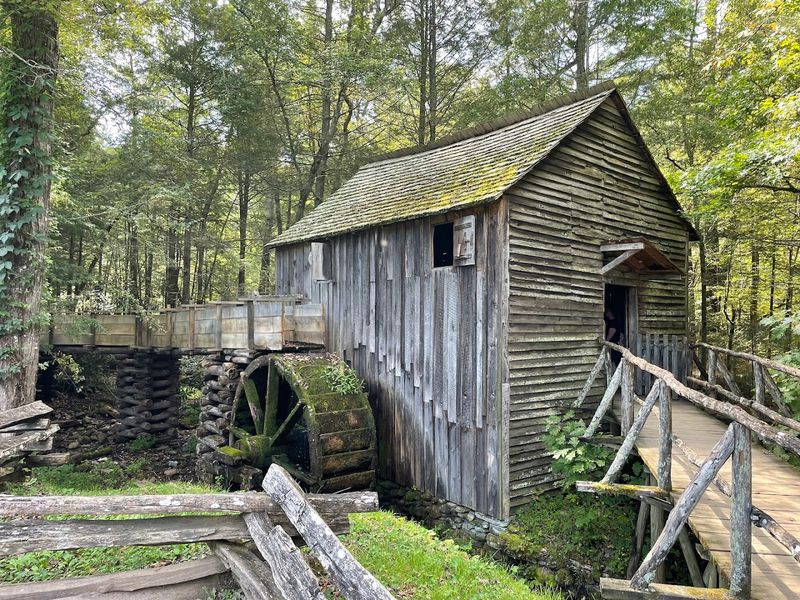
Cades Cove is arguably the most famous historic area in the Smokies, and for good reason. The valley is home to more than a dozen preserved log cabins, three churches, a working gristmill, and countless barns and outbuildings that show what mountain life looked like in the 1800s and early 1900s. The 11-mile loop road is popular with drivers, but the real magic happens when you get out and explore the side trails that lead to homesites and cemeteries tucked into the woods.
Trails like the John Oliver Cabin Trail, the Tipton Place Trail, and the Elijah Oliver Place Trail take you to some of the cove’s best-preserved structures. Each homesite tells a different story, from the Oliver family’s early settlement to the Tipton family’s more prosperous farm. Walking through these places, you’ll see hand-hewn logs, stone foundations, and springhouses that kept food cool before refrigeration existed.
The cove’s churches—Methodist, Missionary Baptist, and Primitive Baptist—are still standing and open for visitors to explore. Their simple wooden pews and handmade pulpits reflect the faith and community values that held mountain families together. The Cable Mill area includes a working mill where you can watch corn being ground and buy fresh cornmeal, adding a living history element to your visit.
Cades Cove is busiest in summer and fall, so visiting early in the morning or on a weekday can help you avoid crowds. The valley is also a wildlife hotspot, with frequent sightings of deer, turkeys, and black bears. Combining history with nature makes Cades Cove one of the most complete experiences you’ll find in the Smokies, and it’s a must-visit for anyone interested in Appalachian heritage.
Share this story