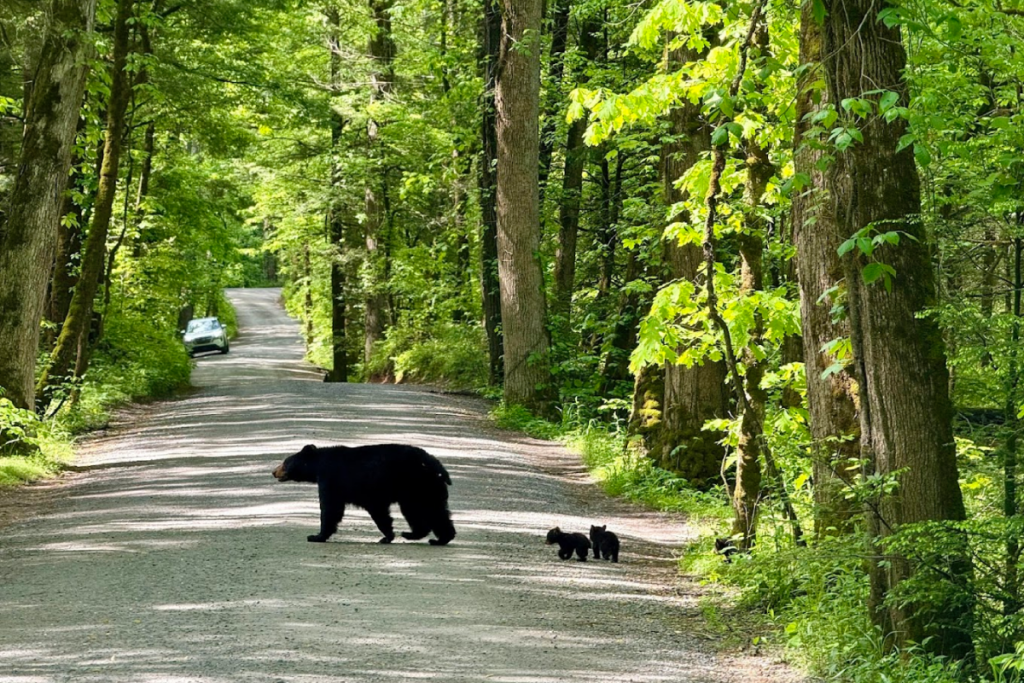
Tennessee is famous for music, barbecue, and mountain views, but it is also home to a lot of black bears. Some of the best places to hike, camp, and snap photos are the same places bears like to roam.
Knowing where to stay extra alert can turn a scary surprise into a safe, memorable outing. Here is your guide to the spots where smart visitors always keep a bear in mind.
1. Cades Cove in Great Smoky Mountains National Park
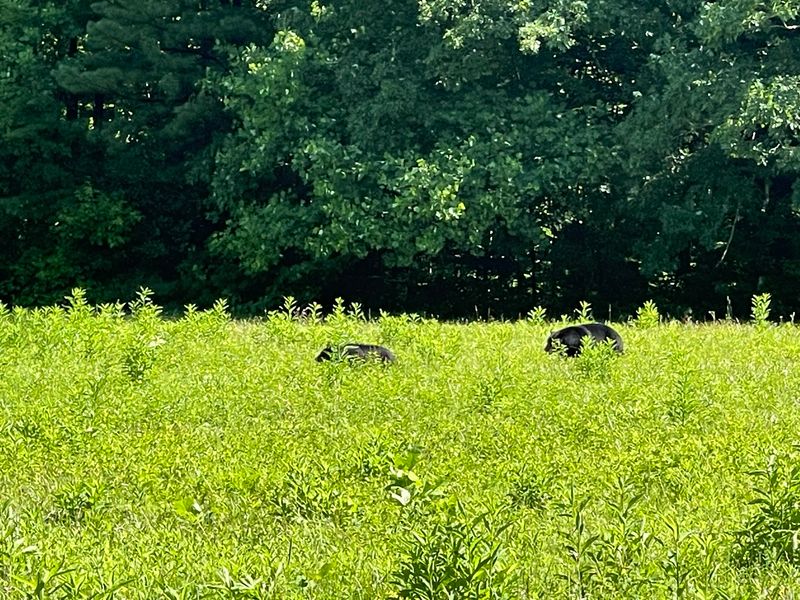
Picture a slow loop road, a misty meadow, and a line of cars all stopped for the same reason. A bear has wandered into view. That is a normal morning in Cades Cove.
The National Park Service treats the whole Smokies park as bear country, and this valley is where many visitors spot their first wild bear. The mix of open fields, creeks, old orchards, and thick woods gives bears plenty to eat and plenty of places to hide.
Dawn and dusk are the busiest times, when bears wander out to feed.
Distance is your best friend here. Park rules call for staying at least 50 yards away from bears, which is about half a football field.
A zoom lens or a pair of binoculars lets you enjoy the view without crowding anyone, including the bear.
Never step out of your car to get closer for a picture. If a bear is near the road, pull over safely, stay inside, and let traffic ease past. Bears that get used to people and cars can end up in real trouble, and sometimes the animal pays the price.
Picnic areas need extra care. Keep food sealed, toss trash only in bear-proof bins, and never leave snacks in an open car or tent. A crumb-covered back seat can be just as tempting as a full cooler.
If you walk the short trails near the old cabins and churches, stay in groups and talk at a normal volume. Noise lets bears know you are coming, and most of them would rather slip away than meet you.
Pack a little patience, because the loop can take hours when wildlife is on the move.
Fun fact: the valley was once home to farming families, and old fruit trees still draw hungry bears in the fall. So when you look at that peaceful field, assume a bear might be tucked in just beyond it.
2. Roaring Fork Motor Nature Trail near Gatlinburg
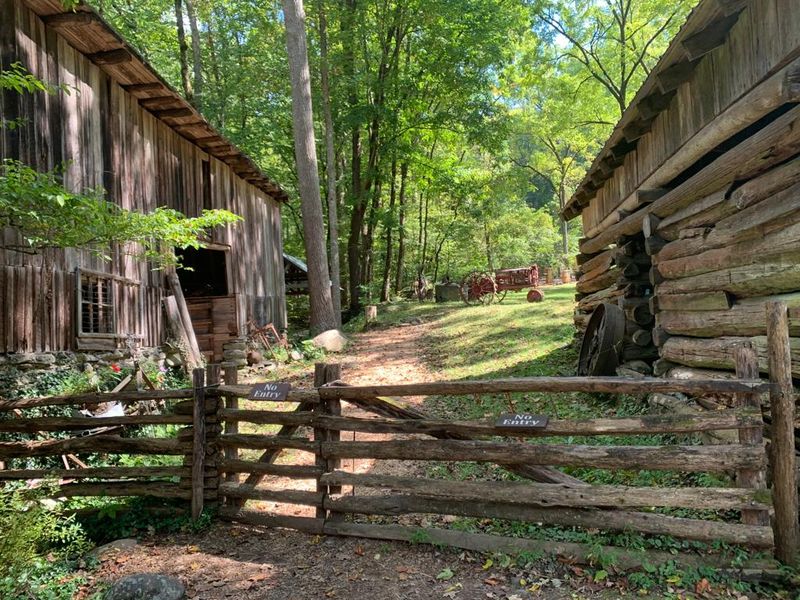
Here is a twist that surprises plenty of first-time visitors. You can eat pancakes in a busy tourist town and be in full bear habitat ten minutes later.
Roaring Fork proves how thin the line is.
This narrow, winding loop tucks into deep forest right outside Gatlinburg. Rushing water, mossy boulders, and old homesteads make it a favorite drive. Those same tangled woods are the kind of cover bears love.
Because the road is so close to town, people sometimes relax and forget where they are. That is when mistakes happen, like leaving a snack bag on a rock or tossing an apple core into the brush. Even small scraps teach bears that people mean food.
Keep your windows up if a bear is nearby, and do not block the one-way road to get a photo. Other drivers need room, and a crowd of cars can stress a wild animal. Pull into a designated spot if you want to stop and look.
Trailheads along the loop lead to waterfalls and quiet forest paths. Hike with a buddy, keep kids close, and keep dogs on a leash.
A sudden run by a child or a barking dog can change a calm moment quickly.
Tuck away anything smelly before you leave your car, including sunscreen, gum, and air fresheners with food scents. Bears have a sense of smell far sharper than a hound dog, so a hidden snack is not hidden to them.
Enjoy the beauty, but treat every bend in the road like it could hold a furry surprise. In this part of the Smokies, it very well might.
3. Newfound Gap and Kuwohi (Clingmans Dome)
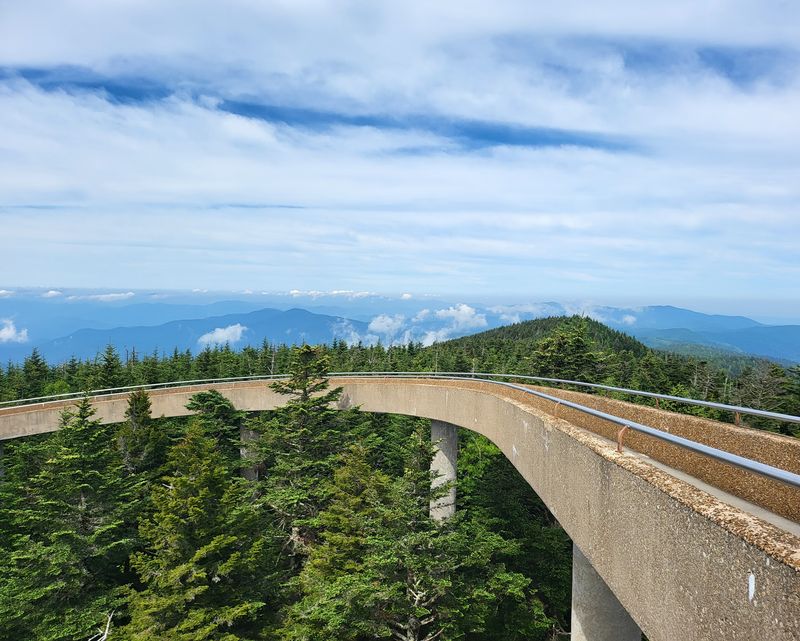
Up here, the air is cooler, the views go on forever, and the forest feels like it belongs to someone else. That someone else often has four paws and a thick black coat.
Newfound Gap and Kuwohi, also known as Clingmans Dome, sit in the high heart of the Smokies. The land around them is huge, rugged, and mostly undeveloped. Bears can travel for miles through these ridges without ever seeing a parking lot.
Many visitors stop at the overlooks, walk the paved path to the tower, or hop onto a stretch of the Appalachian Trail. Because the terrain is so wide open to wildlife, bear awareness belongs in your daypack right next to water and a rain jacket.
Weather can flip fast at this height, so prepare for both.
On longer hikes, make your presence known. Talk, clap now and then, and avoid wearing headphones on the trail. Bears that hear you early usually move along quietly.
Pack food in sealed containers and keep it close while you eat. Do not leave a backpack sitting alone on a rock while you take photos. A bear that finds one unattended pack may come back looking for more.
If you see a bear, stay calm and do not run. Back away slowly, keep your group together, and give the animal a clear path.
Never place yourself between a bear and its cubs. The best rule is simple. In big, wild country like this, act as though a bear could be just around the next bend, because there is a good chance one is.
4. Tellico Plains and the Upper Tellico River
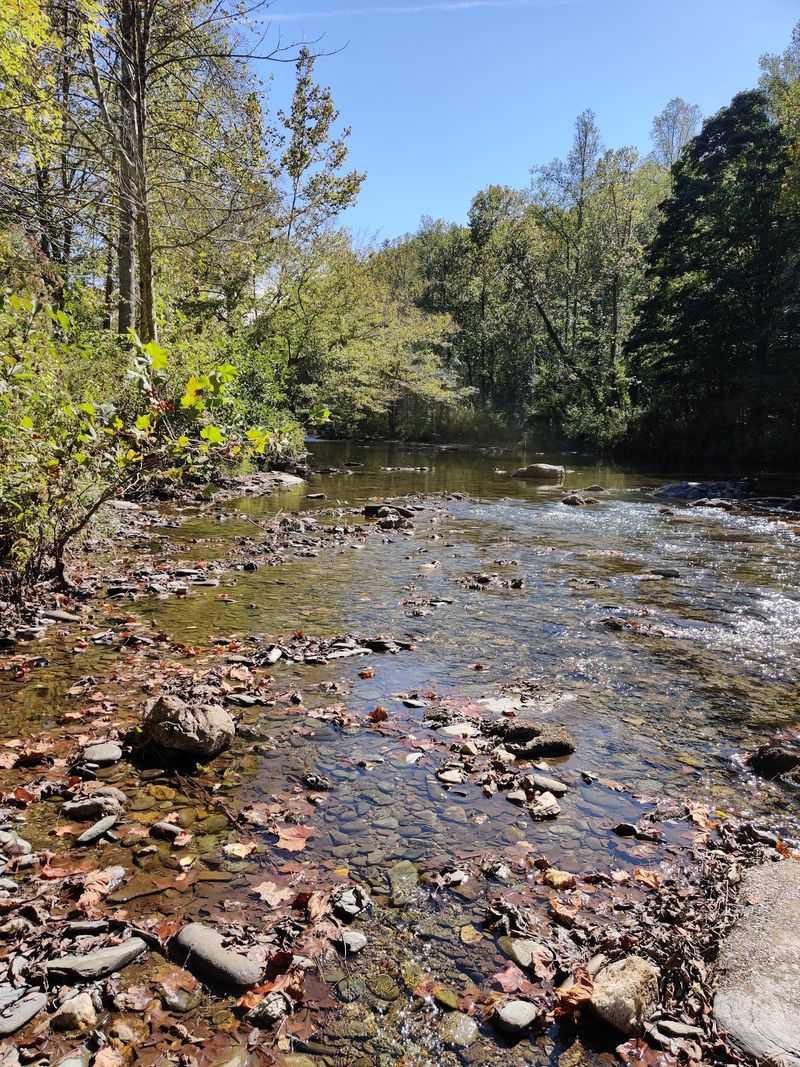
If bears held a map of their favorite Tennessee neighborhoods, the Tellico area would have a bold star on it. The Cherokee National Forest here includes the Tellico Bear Reserve, one of the state’s set-aside bear strongholds.
The town of Tellico Plains is a charming gateway, with mountain roads leading toward quiet streams, campgrounds, and trailheads. Push farther up the Tellico River, and the forest closes in.
Fishing spots, swimming holes, and primitive camping areas are scattered along the way.
Since cell service can be spotty, plan ahead. Download maps, tell someone your route, and pack extra supplies. Being prepared keeps a small problem from growing into a big one.
Campers should treat food like treasure that needs a vault. Store it in a hard-sided vehicle or a bear-resistant container, and never keep snacks inside a tent.
Clean up cooking gear right away, because greasy pans and sauce smells travel far.
Anglers should reel in more than fish. Tossed fish scraps can draw bears in, so pack out everything or dispose of it properly. A tidy riverbank is a safer riverbank.
When you hike, keep an ear out for rustling in the brush and watch for signs like scratched trees, torn-up logs, or fresh tracks. Bears flip logs to hunt for grubs, and you may see that kind of mess along the trail.
Those clues tell you the area is active.
The good news is that a little respect goes a long way. Stay alert, keep your space, and this wild corner of Monroe County can be a peaceful favorite.
5. Ocoee River and Cherokee National Forest in Polk County
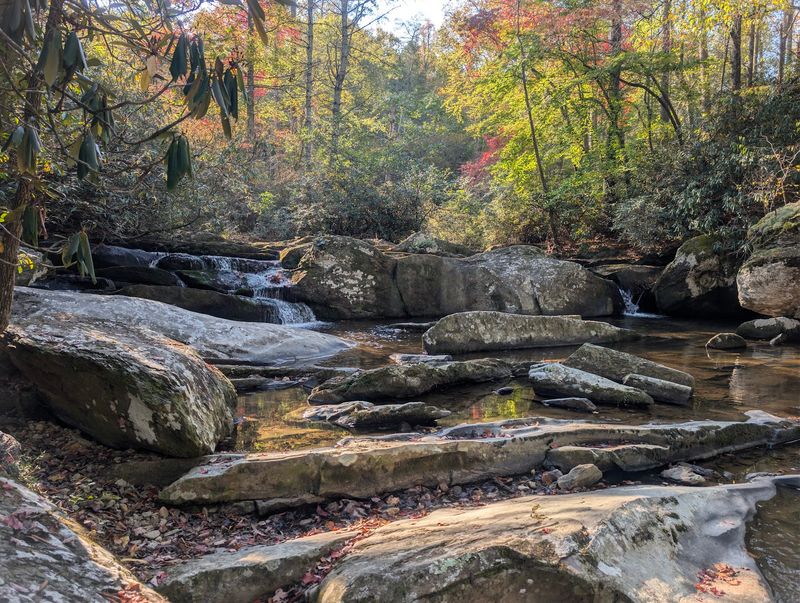
Splash, paddle, repeat. That is the Ocoee River experience for thousands of rafters every year. What many of them miss is how much bear country surrounds the whitewater.
The Ocoee side of southern Cherokee National Forest holds another designated bear reserve, stretching toward the Georgia line. The hills are steep, the woods are thick, and there is plenty of natural food for wandering bears.
Berries, acorns, and insects all draw them in during different seasons.
Rafting trips, hiking, and mountain biking all bring people into this terrain. Campgrounds near the river are popular, so campsite habits matter.
A clean site is the simplest bear defense you can build.
Keep coolers locked inside your vehicle when you are not using them. Hang out near your site when food is out, and do not leave dishes soaking overnight.
On the trail, pay attention to your surroundings rather than your phone screen. Bears are more likely to avoid you when they hear you coming. Try chatting with your hiking partner or singing a silly song, because no one is judging except the squirrels.
If you camp, pick up trash the moment you finish a meal. Put it in the provided bins or pack it out. Bears are clever and remember easy meals.
After a long day on the water, it is tempting to kick back and stop thinking. Keep one eye on the tree line anyway, because this forest is home to bears, and you are the guest.
6. Roan Mountain in Carter County
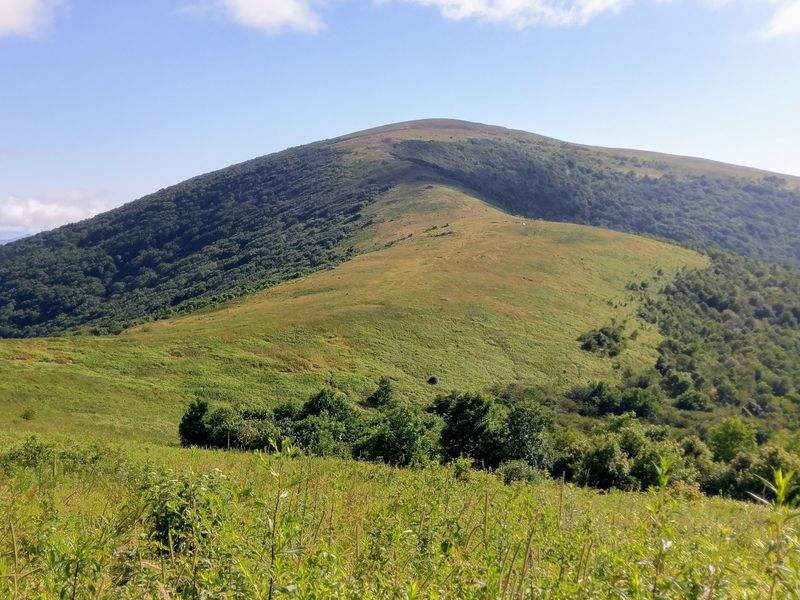
Some mountains are famous for their flowers, and Roan Mountain is one of them. Its high meadows and rhododendron gardens draw crowds every summer. Bears enjoy the neighborhood too.
This northeastern Tennessee high country sits inside one of the state wildlife agency’s established bear hunt zones. That tells you bears are a regular part of the landscape.
It also connects to huge stretches of Appalachian habitat along the North Carolina border, so animals can roam freely across the ridges.
Hikers love the open balds and sweeping views, but the trails to reach them often pass through dense woods. Berry season can bring extra bear activity, because wild fruit is an easy meal.
If you spot a patch of ripe berries, know that you may not be the only one eyeing it.
The Appalachian Trail runs through this area, so backpackers are common. If you camp overnight, store food properly and keep your cooking area far from your sleeping spot.
Use a bear canister or hang your food bag high and away from the trunk.
Fog can roll in quickly on the mountain. Low visibility means you can startle an animal without meaning to, so make a little noise as you walk. A cheerful hello to your group does the job.
Bring layers, too, because the weather here swings from sunny to chilly in minutes. Being comfortable helps you stay alert and make smart decisions.
Roan Mountain rewards those who pay attention. Enjoy the wildflowers, but keep bear sense close, because the mountain has plenty of fur-covered residents.
7. Erwin and the Nolichucky Gorge
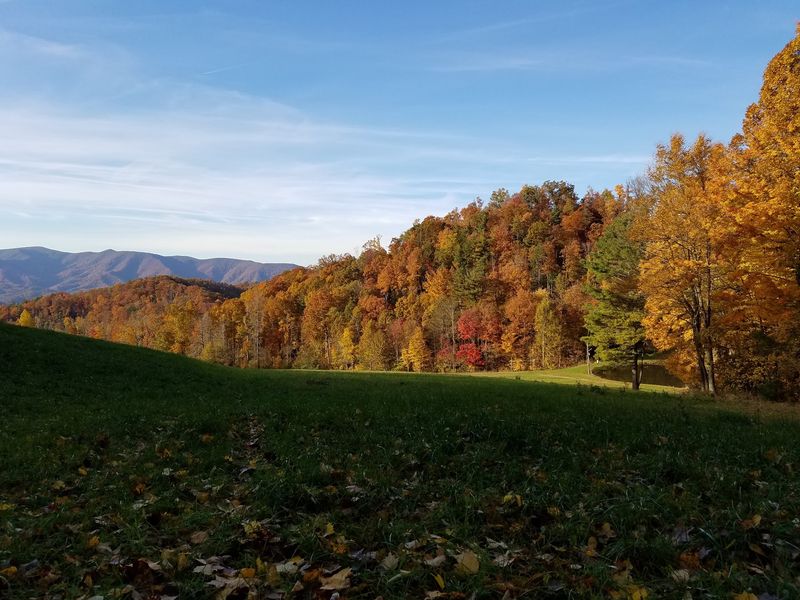
Rugged is the word for this corner of Unicoi County. Steep slopes, deep river cuts, and forest that seems to go on forever surround Erwin.
A designated bear reserve in Cherokee National Forest covers part of the mountains here, which makes the region a natural fit for this list. The Nolichucky Gorge adds dramatic scenery, with the river slicing through old rock.
It is gorgeous, and it is also the kind of quiet, tucked-away habitat that bears adore.
Outdoor fans come here for rafting, fishing, hiking, and the Appalachian Trail. Trail towns like Erwin also welcome many long-distance hikers, who carry food in their packs. That makes smart storage a big deal in this area.
When you camp near the river, think of your food as a magnet. Keep it sealed, store it away from your sleeping area, and wash dishes fast. Even toothpaste has a scent, so stash it with your other smelly items.
Day hikers should stick to a simple routine. Walk with friends, keep dogs leashed, and watch the trail ahead. If you see a bear at a distance, pause, let it move on, or calmly take a different route.
Do not try to feed or lure a bear for a photo. That can teach it to approach people, which rarely ends well for the animal. A wild bear is best admired from far away.
Around Erwin, the mountains do the heavy lifting when it comes to scenery. Your job is to stay tidy, stay alert, and leave the bears undisturbed.
8. South Holston Lake and the Kettlefoot Area
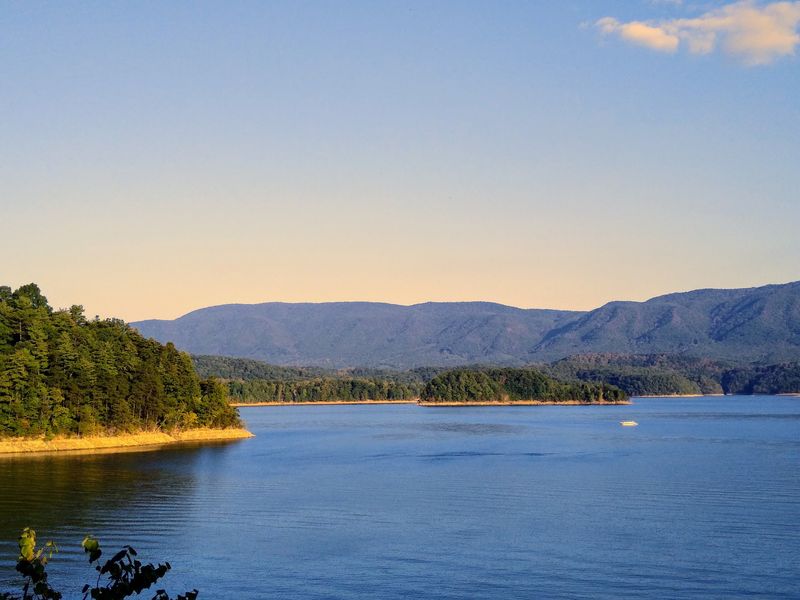
Lake days usually mean sunscreen, sandwiches, and a little floating around. In this part of the state, they can also mean sharing the shoreline with a bear.
The Kettlefoot Bear Reserve covers Cherokee National Forest land near South Holston Lake and the Virginia line. The region spans parts of Johnson and Sullivan counties, where forested hills tumble down to the water.
Quiet coves and wooded ridges make it an easy place for wildlife to move around unnoticed.
Boaters, anglers, and campers all enjoy this scenery. Because people often bring big coolers and lots of snacks, food management is the key to a safe visit. Keep everything stored in a closed vehicle or a bear-resistant box when you are away from camp.
Picnic tables may look harmless, but bears have long memories for places that once offered food. If you finish lunch, wipe the table, bag the trash, and take it with you. A clean table tells wildlife there is nothing to find.
When hiking near the forest edges, keep your group close and talk as you go. Quiet walkers can surprise animals, and a surprised bear is the kind you want to avoid.
A steady voice or a bit of laughter will do the trick.
Carry a small first-aid kit and check the forest service for area alerts before you go. Some areas may have temporary closures, and it is smart to know in advance.
The views across the water are lovely, but the real lesson is about the shoreline. Enjoy the splash, and assume the woods beside you are already occupied.
9. Big South Fork National River and Recreation Area
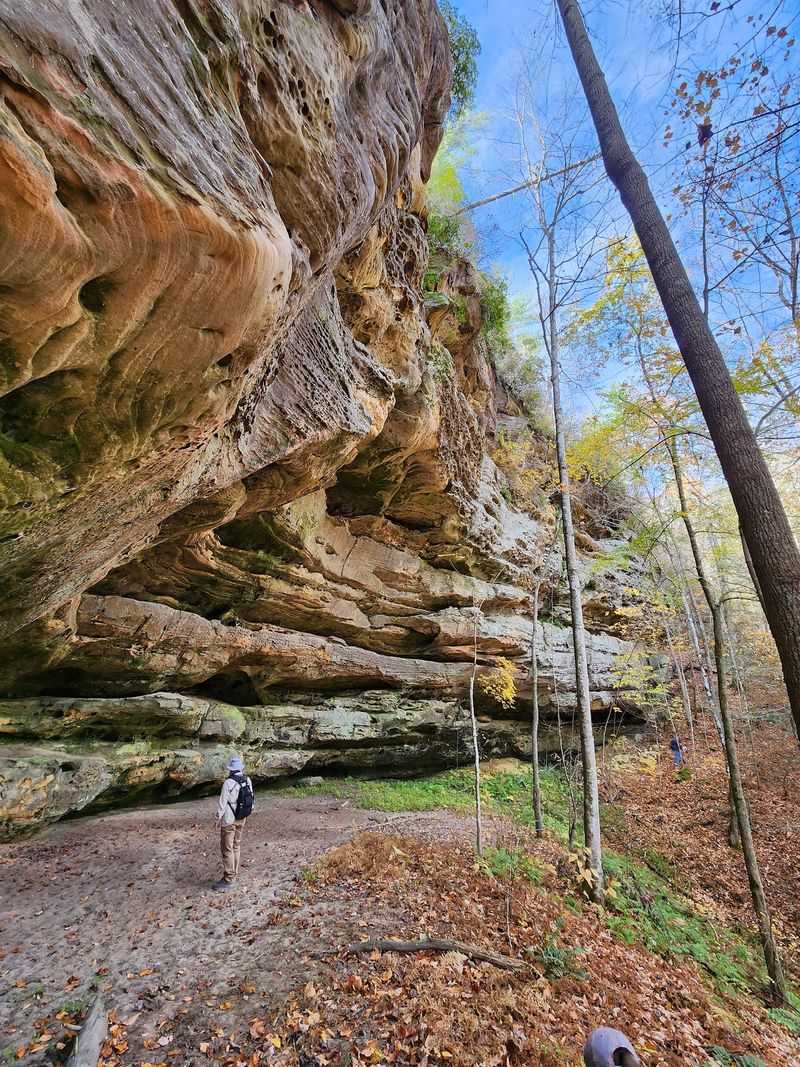
Bears are not just an eastern mountain story. Head west to the Cumberland Plateau, and you will find them living among sandstone cliffs, deep gorges, and quiet river bends.
Big South Fork, near Oneida, is a sprawling mix of forest, rock arches, and winding water. Scott County sits within Tennessee’s established Cumberland Plateau bear zone, so this is a fine place to practice bear habits.
It gives the list a fresh flavor away from the border mountains.
The area is popular for horseback riding, paddling, camping, and long hikes. With so much space and so few crowds, it is easy to feel completely alone. That feeling can lead to relaxed habits, like leaving gear unattended or cooking near a tent.
Set up a tidy camp from the start. Cook away from where you sleep, store food in a secure place, and pack out all garbage. Think of it as running a very neat little kitchen in the woods.
Paddlers should keep snacks in sealed bags inside dry containers. A waterproof bag protects your lunch from splashes and also helps hold in smells.
Big South Fork feels wild in the best way. Stay curious, stay careful, and remember that the plateau has its own quiet population of black bears.
10. Pickett State Park and Pickett State Forest
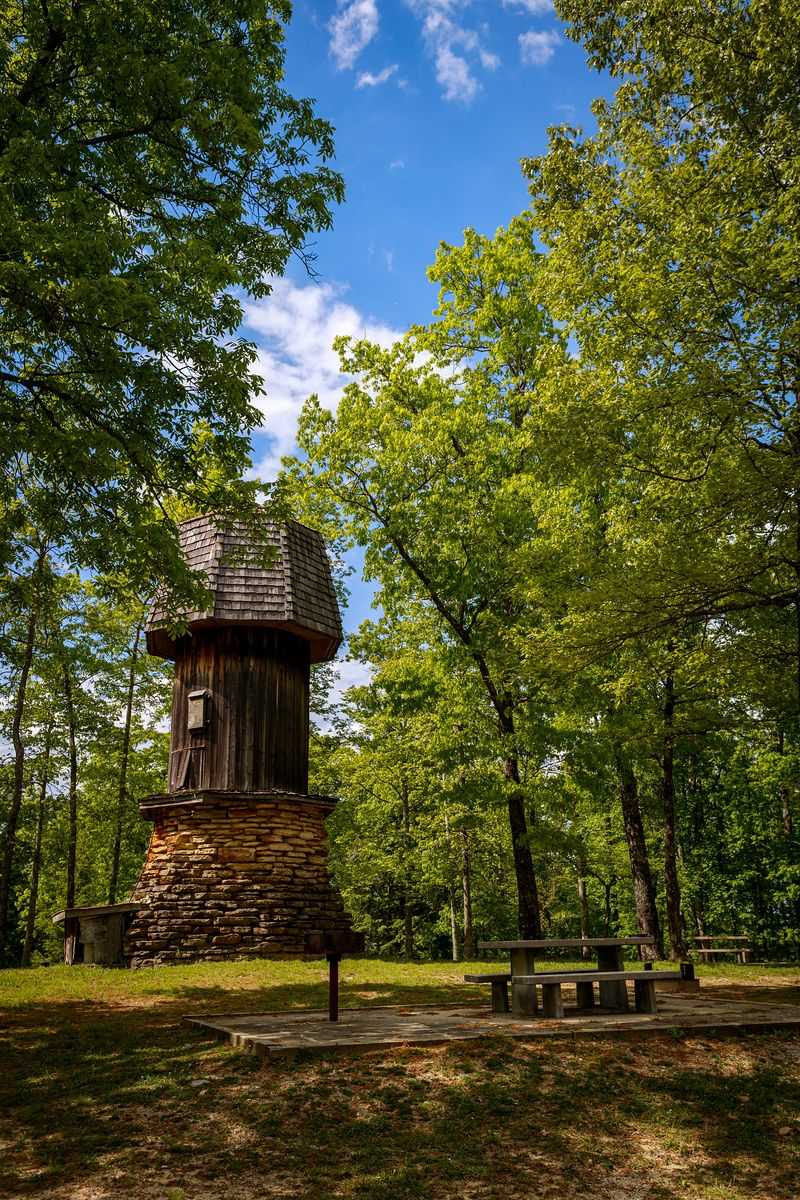
Close to the Kentucky line, tucked into the northern Cumberland Plateau, sits a forest that feels like a secret. Pickett State Park and Pickett State Forest near Jamestown are surrounded by large stretches of woodland, and that is exactly how bears like it.
The area lies inside the wildlife agency’s northern plateau bear zone. Miles of trees, rock shelters, and small lakes create a quiet setting for wildlife to roam. Visitors come for peaceful hikes, cabin stays, and stargazing under dark skies.
Because the park feels calm and cozy, people may forget to think about bears at all. That is where good habits step in.
Keep food stored, use the provided trash containers, and never leave grills dirty after a cookout.
Cabin guests should keep porches clear of snacks, pet food, and bags of garbage. Bears can pick up scents from far away and may take a curious stroll to check.
On the trail, watch where you step and listen for movement. Stop often to look around, especially in thick patches of woods. Bring a whistle or use a friendly voice so animals know you are there.
Pets should stay on a leash at all times. A loose dog may chase wildlife and then bring a bear right back to you. It is one of the most avoidable problems in the woods.
Pickett rewards slow, thoughtful exploring. Enjoy the stillness, but keep a bear-smart mindset in your back pocket from the first step to the last.