
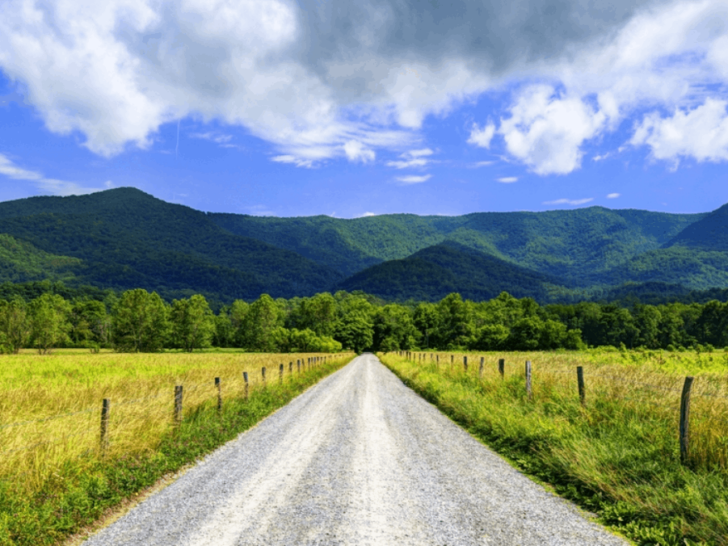
Tennessee transforms into a wonderland every spring when wildflowers blanket the mountains and waterfalls roar to life after fresh rains. Photos can capture some of this beauty, but they never quite show the cool mist on your face at a waterfall or the sweet smell of blooming dogwoods floating through the air.
From the famous Smoky Mountains to hidden state parks tucked away in quiet valleys, these ten spots prove that some experiences have to be seen in person to appreciate their magic.
1. Great Smoky Mountains National Park
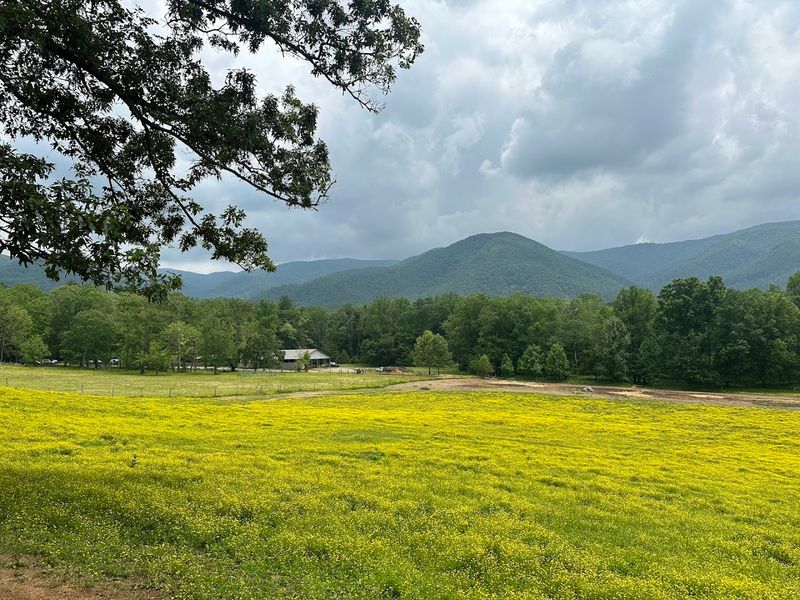
More than twelve million visitors come here each year, making it America’s most popular national park. Spring turns the Smokies into an explosion of color that no camera can fully capture.
Wildflowers start blooming in March and continue through June, creating natural carpets of pink, purple, and white across the forest floor. Newfound Gap Road winds through elevation changes that let you see spring at different stages in a single drive.
The waterfalls here thunder with extra power after spring storms, sending cool spray into the air that feels refreshing on warm April afternoons.
2. Cades Cove — Townsend
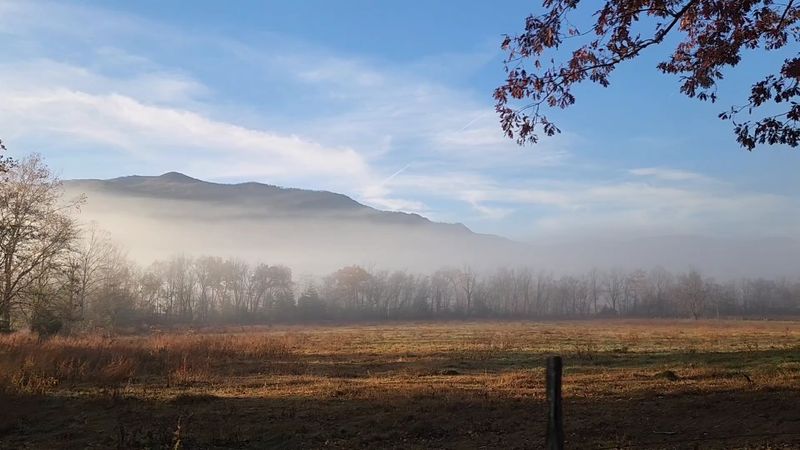
This eleven-mile loop through a historic mountain valley feels like stepping back in time to pioneer days. White-tailed deer graze in open fields while wild turkeys strut past century-old cabins that still stand strong.
Dogwood trees burst into bloom throughout April, creating clouds of white flowers against the green mountain backdrop. Black bears emerge from winter dens with new cubs, often spotted in the early morning hours browsing for fresh vegetation.
The one-way road lets you stop anywhere to soak in views that change around every bend.
3. Fall Creek Falls State Park — Spencer
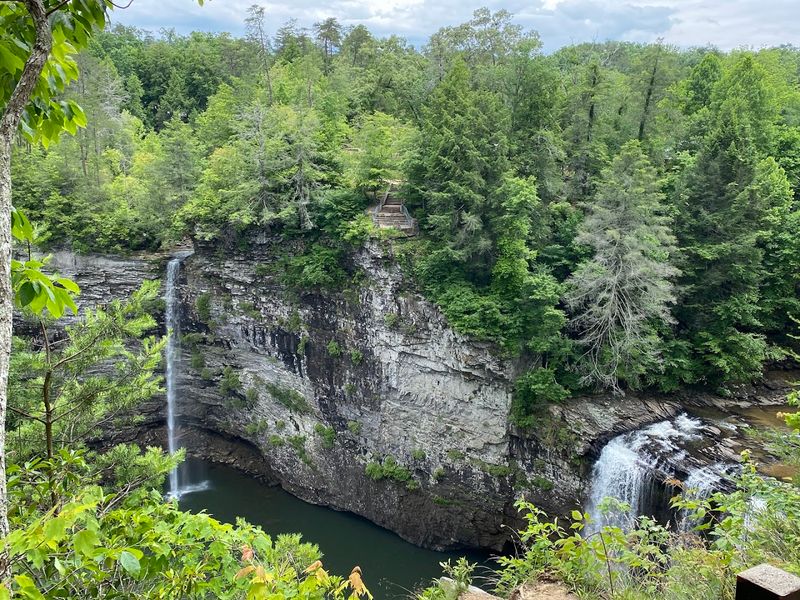
Standing at the base of a 256-foot waterfall that plunges into a misty pool below creates a feeling that pictures simply cannot deliver. The roar of water echoes off rock walls while cool spray settles on your skin like gentle rain.
Spring rains transform this already impressive waterfall into an absolute powerhouse of rushing water. Four other major waterfalls in the park also reach peak flow during April and May, making it the best season for waterfall enthusiasts. Hiking trails wind past cascades, through gorges, and along clifftops offering views that stretch for miles.
The park covers more than 26,000 acres of rugged beauty, giving visitors plenty of space to explore without feeling crowded even on busy weekends.
4. Roan Mountain State Park — Roan Mountain
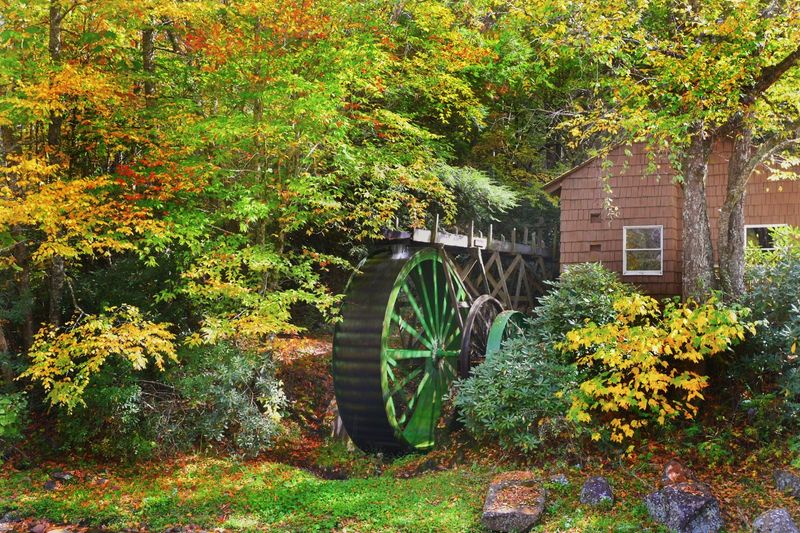
Grassy balds stretch across mountaintops here in a way you won’t find anywhere else in Tennessee. These natural meadows sit above 6,000 feet and explode with wildflower blooms that paint entire hillsides in brilliant colors.
The Appalachian Trail crosses through here, offering hikers incredible panoramic views in every direction. Cool mountain breezes make spring hiking comfortable, even when valleys below feel warm and humid.
5. Burgess Falls State Park — Sparta
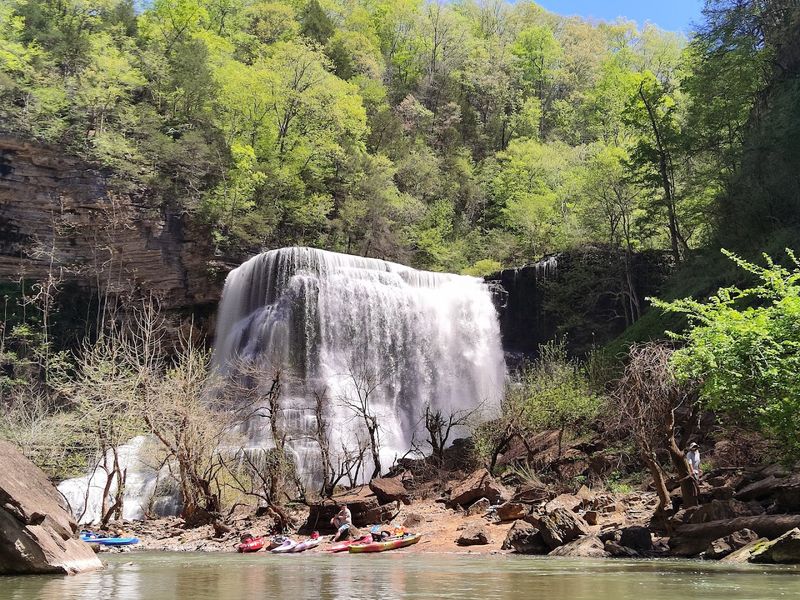
A relatively short hike rewards you with one of Tennessee’s most photogenic waterfalls dropping 130 feet into a stunning gorge. But seeing it in person reveals details no photo ever captures—the thundering sound, the way sunlight creates rainbows in the mist, and the sheer power of water carving through ancient rock.
The trail follows the Falling Water River past three smaller falls before reaching the grand finale at the end. Spring greenery makes the forest feel alive and fresh, with new leaves creating a bright canopy overhead. Water levels peak after March and April rains, making the main waterfall especially dramatic.
6. Radnor Lake State Park — Nashville
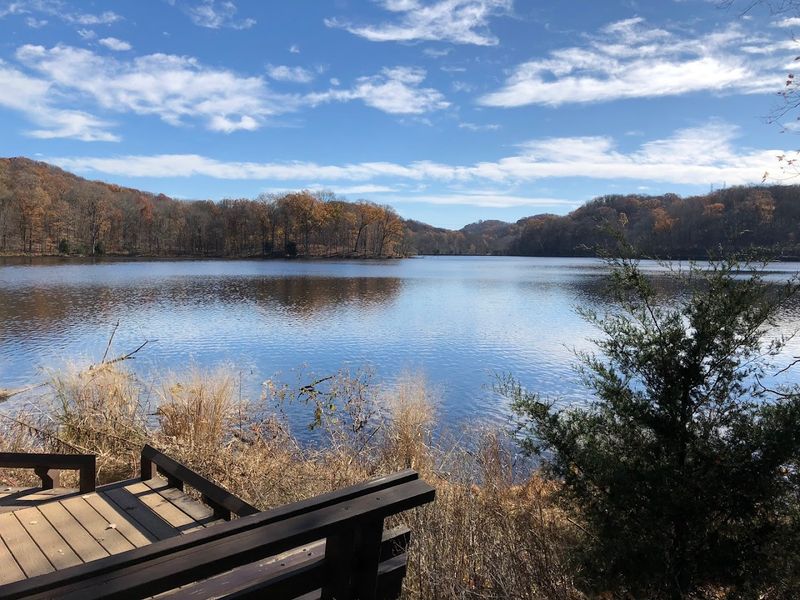
Just minutes from downtown Nashville sits an 85-acre lake surrounded by protected forest that feels worlds away from city life. Spring migration brings hundreds of bird species through here, making it a paradise for anyone with binoculars and patience.
Wildflowers line the six miles of trails that circle the lake, while deer frequently appear along the water’s edge during early morning and evening hours. The park prohibits fishing, swimming, and pets, which keeps it peaceful and allows wildlife to thrive undisturbed.
7. Cherohala Skyway — Tellico Plains
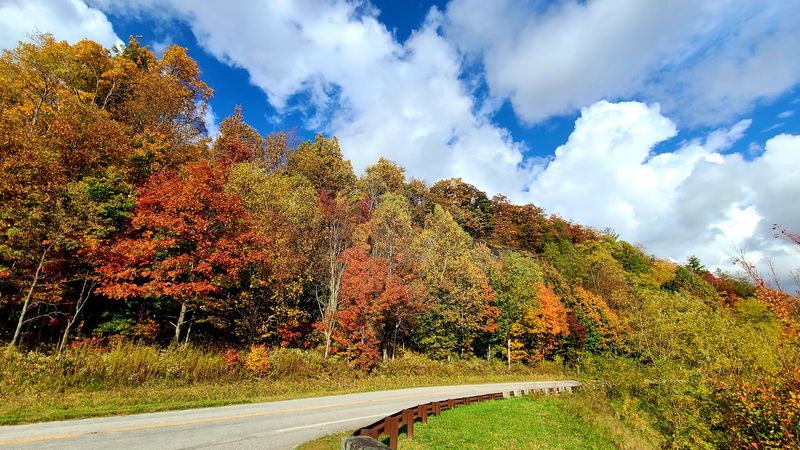
This 43-mile scenic highway climbs to over 5,400 feet in elevation, offering overlooks that showcase layer upon layer of mountain ranges fading into the distance. Unlike crowded tourist roads, the Cherohala Skyway remains relatively quiet even during peak spring weekends.
Trees bloom at different times depending on elevation, so a single drive shows you multiple stages of spring from valleys to mountaintops. Pull-offs and picnic areas dot the route, each offering unique views worth stopping to appreciate fully.
Pack snacks and plan for a leisurely drive because you’ll want to stop frequently to take in the spectacular panoramas.
8. Cummins Falls State Park — Cookeville
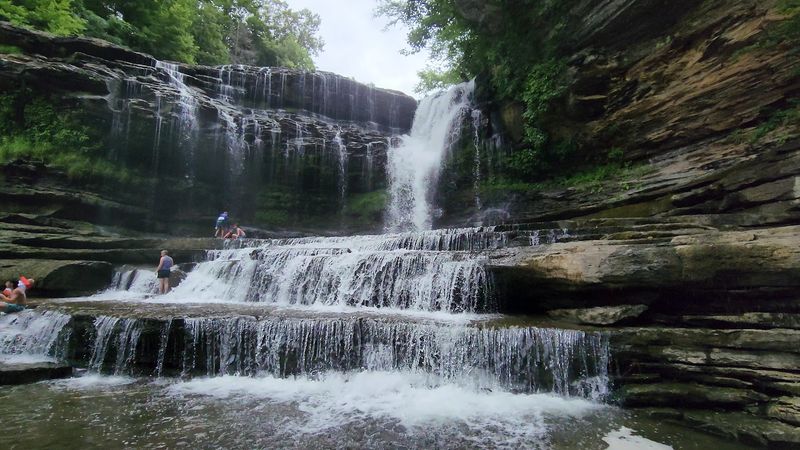
Getting to this 75-foot waterfall requires wading through a rocky gorge, scrambling over boulders, and sometimes getting completely soaked—which makes reaching it feel like an adventure rather than just a hike. The reward at the end is a massive natural swimming hole fed by thundering falls.
Spring brings higher water levels that make the waterfall more impressive but also more challenging to reach safely. The park requires free permits during busy seasons to prevent overcrowding and protect the fragile gorge ecosystem.
9. Frozen Head State Park — Wartburg
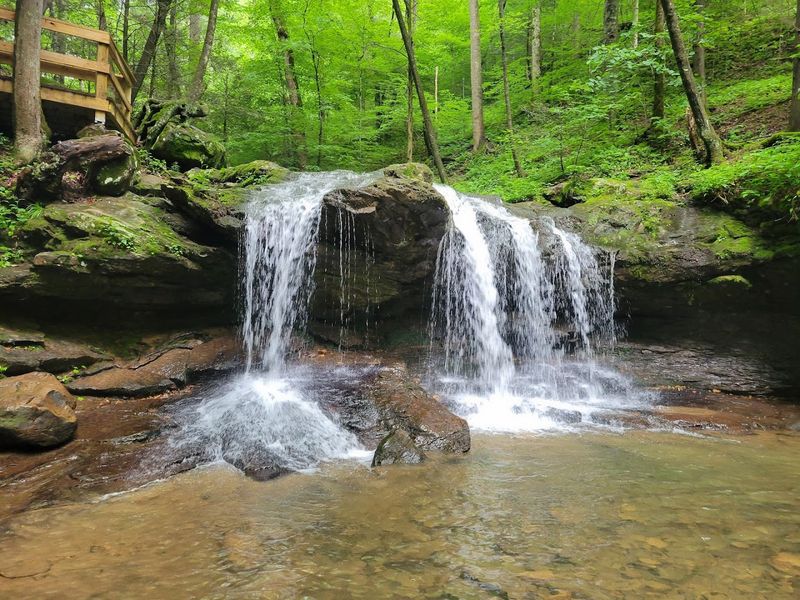
Tucked away in the Cumberland Mountains, this park offers the beauty of the Smokies without the massive crowds. Frozen Head Mountain rises to 3,324 feet, providing challenging trails that reward hikers with stunning overlooks and spring wildflower displays.
More than fifty miles of trails wind through old-growth forest where trillium, lady slippers, and dozens of other wildflowers create natural gardens each spring. The park hosts an infamous ultramarathon called the Barkley Marathons, but casual visitors find it perfectly accessible for normal day hikes.
Bring a trail map because cell service is spotty and the network of connecting trails can confuse first-time visitors.
10. Rock Island State Park — Rock Island
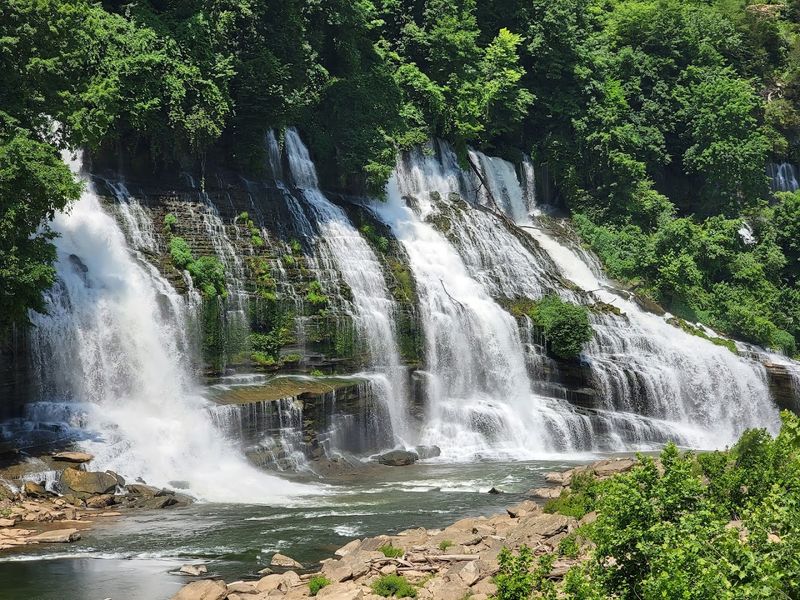
Where three rivers converge, powerful waterfalls have carved deep gorges through limestone bedrock over thousands of years. Spring amplifies this natural drama as increased water flow sends massive volumes tumbling over cliffs into churning pools below.
Twin Falls drops in two separate cascades that merge at the bottom, creating photo opportunities that change depending on where you stand. The Great Falls Dam upstream releases water that keeps the Caney Fork River flowing strong, making this a reliable spot for impressive waterfall views.
Multiple overlooks provide different perspectives, so explore various viewpoints to find your favorite angle of these magnificent falls roaring with springtime energy.