
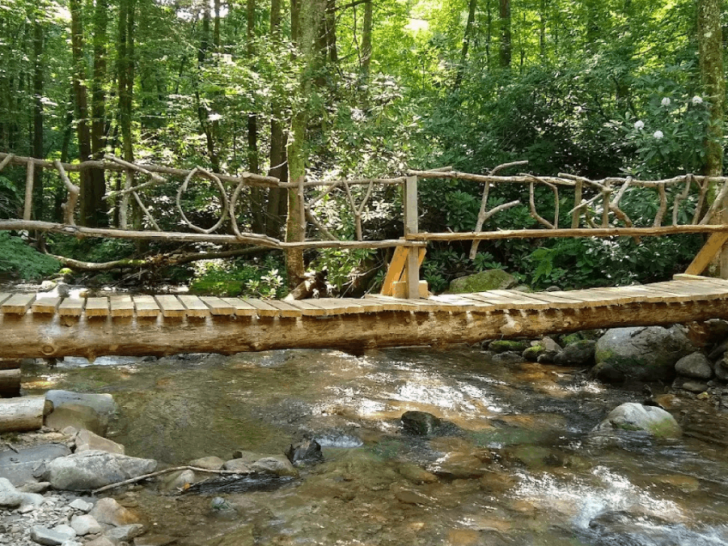
Tennessee hides some serious landscape superstars within its state park system. While the Smokies get most of the glory, parks scattered across the state deliver waterfalls, gorges, mountain peaks, and wilderness that rival anything you’d find under federal management.
These spots offer the same jaw-dropping scenery and adventure without the crowds or the national park price tag, proving that Tennessee’s best-kept secrets are hiding in plain sight.
1. Fall Creek Falls State Park
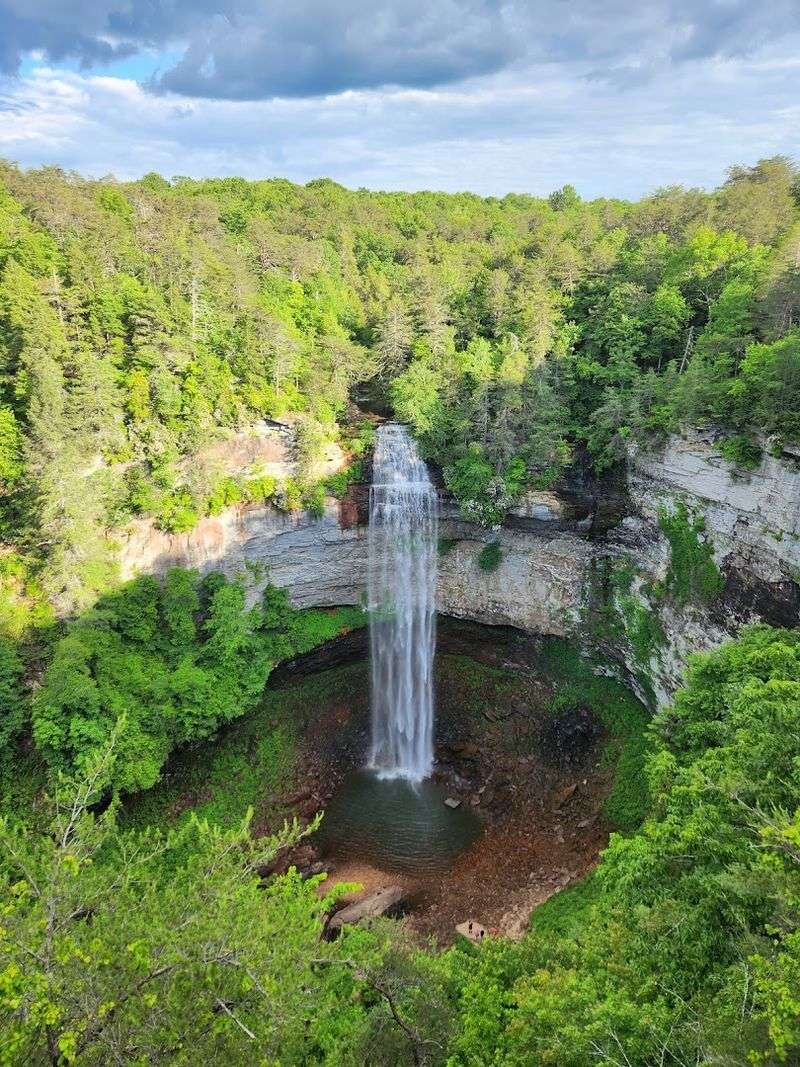
Covering more than 29,800 acres on the Cumberland Plateau, this place doesn’t just hint at grandeur—it delivers it in every direction. The park’s namesake waterfall drops 256 feet into a misty plunge pool, making it one of the highest waterfalls east of the Rockies. But that’s just the opening act.
Massive gorges slice through the landscape, revealing layers of ancient rock and forest that look like something out of a Pacific Northwest postcard. Multiple cascades dot the trails, including Cane Creek Falls and Piney Falls, each offering its own brand of drama. You can hike rim trails for sweeping overlooks or descend into the gorge for up-close waterfall encounters.
The park also features a suspension bridge, backcountry camping, mountain biking, and even a golf course if you need a break from all the wilderness. It’s big enough to feel wild and developed enough to be accessible, which is exactly why it pulls off that national-park vibe so convincingly.
Families, serious hikers, and waterfall chasers all find their happy place here. Whether you’re after a quick scenic drive or a multi-day backpacking trip, Fall Creek Falls has the infrastructure and the views to back it up.
2. Savage Gulf State Park
Raw, rugged, and relentlessly beautiful—Savage Gulf doesn’t apologize for its terrain. Encompassing nearly 19,000 acres of the Savage Gulf State Natural Area, this park offers around 60 miles of trails that wind through deep gorges, past waterfalls, and along cliff-edge overlooks that make your heart skip a beat.
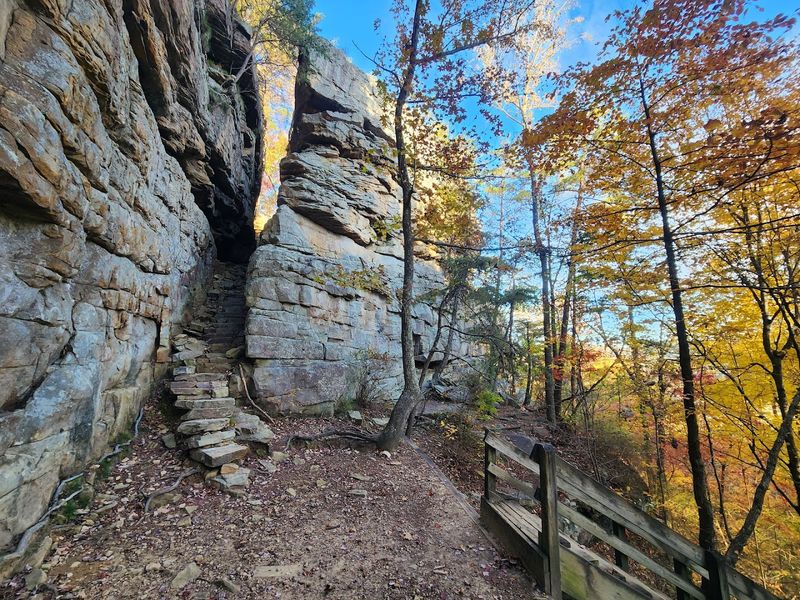
The name isn’t just for show. The landscape here feels untamed, with steep descents into canyons where streams carve through sandstone and hemlock forests create pockets of cool, shaded silence. Stone Door, one of the park’s most iconic features, is a massive rock crevice that serves as a natural gateway into the gulf below.
Hikers come here for challenge and solitude. The trails demand attention—rocky footing, elevation changes, and creek crossings keep you engaged. But the payoff is huge: overlooks that stretch for miles, hidden waterfalls like Greeter Falls, and a sense of remoteness that’s hard to find in the Southeast.
Backpackers love the primitive campsites scattered throughout the backcountry. Day hikers appreciate the variety of loops and out-and-back routes. Either way, Savage Gulf rewards those willing to put in the effort with scenery that feels more like the Rockies than the Cumberland Plateau.
3. Fiery Gizzard State Park
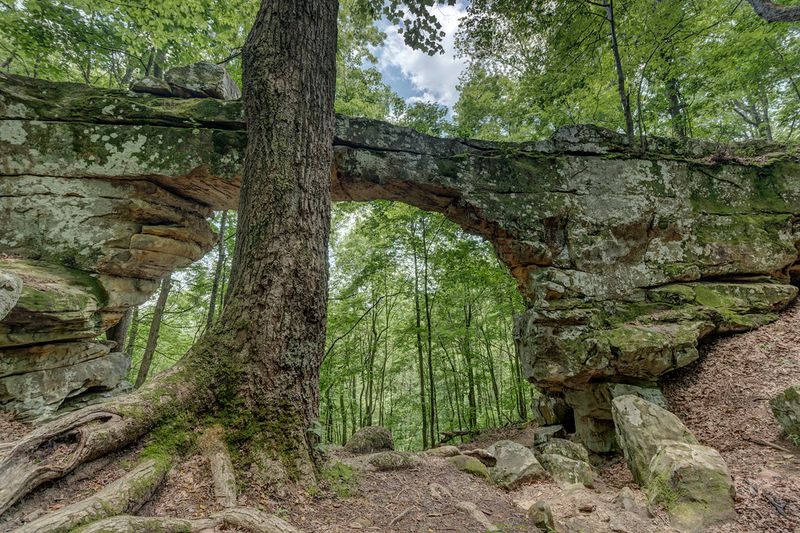
Trail runners and hardcore hikers whisper about Fiery Gizzard with a mix of reverence and exhaustion. This park is home to one of Tennessee’s most challenging and rewarding trails, stretching more than 20 miles across multiple trailheads and delivering waterfalls, bluff overlooks, and old-growth forest sections that feel like stepping back in time.
The terrain is no joke. Expect boulder scrambles, creek crossings, steep climbs, and technical sections that require focus and decent footwear. But the scenery justifies every drop of sweat—cascading waterfalls tumble over moss-covered rocks, and narrow gorges open into wide ridgeline views that seem to go on forever.
Fiery Gizzard Creek itself is a constant companion, carving through sandstone and creating pools that beg for a quick dip on hot summer days. The trail also passes through sections of virgin forest, where towering hemlocks and hardwoods create a canopy so thick it feels like walking through a green cathedral.
This isn’t a casual stroll-through-the-park kind of place. It’s for people who want to earn their views and don’t mind getting a little muddy in the process. But if you’re up for the challenge, Fiery Gizzard delivers an experience that feels more like backcountry Appalachia than a typical state park outing.
4. Roan Mountain State Park
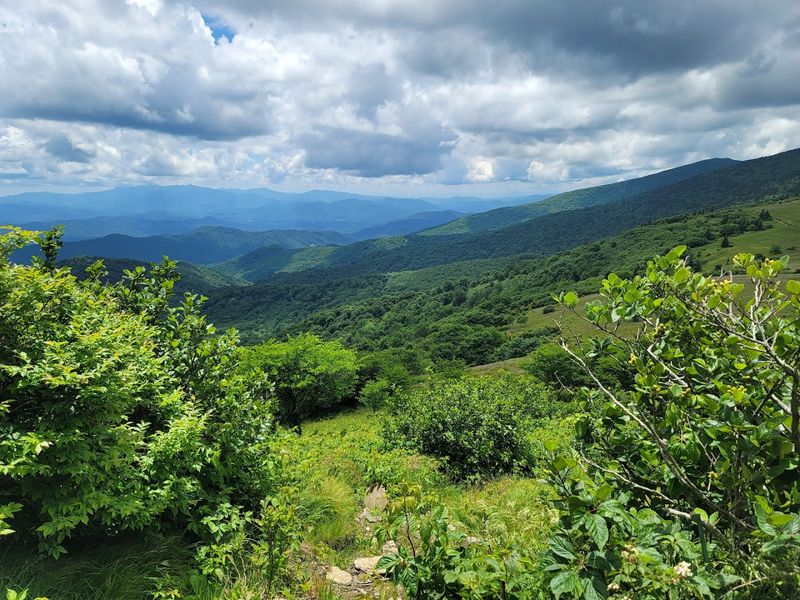
Sitting at the base of 6,285-foot Roan Mountain, this park gives you that high-elevation mountain magic without needing to cross into North Carolina. The air feels thinner here, the views stretch farther, and the forests are thick with hardwoods that explode into color every fall.
The Doe River runs through the park, offering a cool soundtrack to your hike and plenty of spots to sit and soak in the surroundings. Trails range from easy riverside walks to challenging climbs that take you up toward the mountain’s famous rhododendron gardens—one of the largest natural rhododendron displays in the world, which blooms in a riot of pink and purple every June.
What really sets Roan Mountain apart is the quick access to those high-elevation balds and ridgeline views. You don’t have to be a technical climber to reach spots where the world opens up beneath you, clouds drift past at eye level, and the horizon feels impossibly far away.
The park also features historic cabins and well-maintained campgrounds, making it accessible for families while still offering serious outdoor adventure. It’s the kind of place where you can wake up to mist rolling through the trees and feel like you’re camping in a much bigger, wilder park than the map suggests.
5. Lamar Alexander Rocky Fork State Park
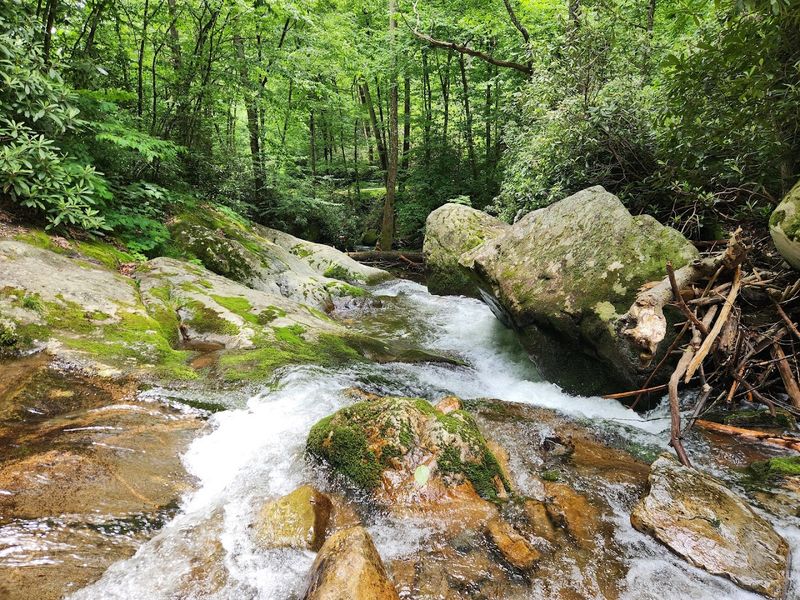
Tucked into 2,076 acres of southern Appalachian wilderness, Rocky Fork feels like a secret even among Tennessee park regulars. This is backcountry terrain through and through—remote trails, waterfalls hidden in dense forest, and the highest-elevation overlook of any state park in Tennessee, which alone makes it worth the trip.
The trails here don’t mess around. They climb, they wind, they demand attention. But the reward is scenery that feels untouched and wild, with mountain layers fading into the distance and streams tumbling over mossy rocks in quiet pockets of forest that see more deer than people.
Rocky Fork is for hikers who want solitude and aren’t afraid of a little navigation. The park is less developed than some of its bigger neighbors, which means fewer amenities but also fewer crowds. You’ll find primitive camping, rugged trails, and a sense of discovery that’s harder to come by in more popular parks.
The overlook views are legitimately spectacular—on clear days, you can see ridge after ridge rolling away into the distance, with no signs of civilization to break the spell. It’s the kind of place where you remember why you started hiking in the first place, and why sometimes the best adventures are the ones that require a little extra effort to reach.
6. Frozen Head State Park
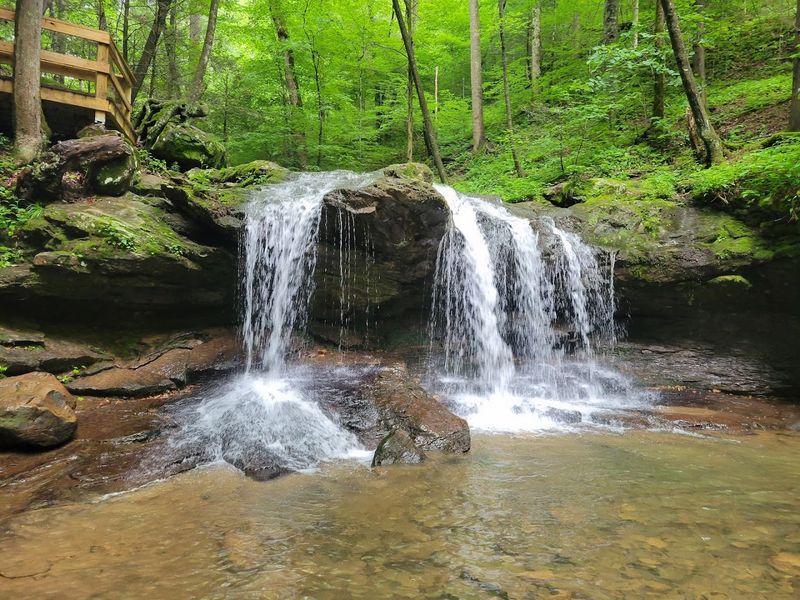
More than 24,000 acres of mountain wilderness and about 50 miles of trails make Frozen Head a serious hiker’s paradise. This park doesn’t do easy—it does deep forest, steep climbs, and backcountry solitude that feels a world away from anything resembling a paved road.
The trails here range from challenging day hikes to multi-day backpacking routes that test your endurance and reward you with ridgeline views, hidden waterfalls, and sections of forest so thick the canopy blocks out the sky. Frozen Head Mountain itself tops out at 3,324 feet, and the climb to the summit is a rite of passage for Tennessee hikers.
Wildlife is abundant—black bears, wild turkeys, and deer are all regular residents. The forest is a mix of hardwoods and evergreens, creating a layered landscape that changes with the seasons. Fall brings fiery colors, winter reveals the park’s rugged bones, and spring fills the understory with wildflowers.
Frozen Head is also the starting point for the infamous Barkley Marathons, an ultra-endurance race that attracts runners from around the world who want to test themselves against some of the toughest terrain imaginable.
7. Pickett CCC Memorial State Park
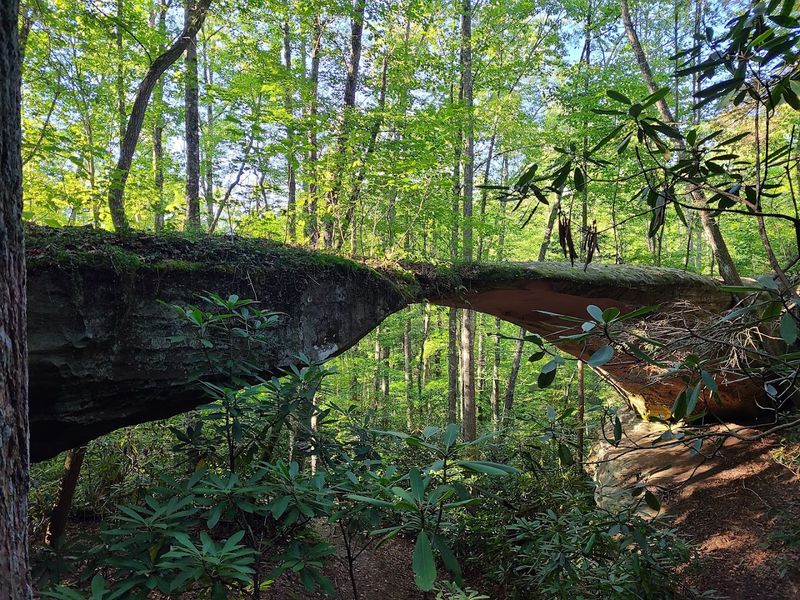
Pickett feels bigger than its acreage suggests because it sits right next to Big South Fork National River and Recreation Area, giving you access to a massive wilderness playground. Sandstone bluffs, natural bridges, waterfalls, and rock shelters make this park a geologist’s dream and a photographer’s goldmine.
The Civilian Conservation Corps built much of the infrastructure here in the 1930s, and their craftsmanship still stands—stone shelters, rustic cabins, and well-designed trails that blend into the landscape. The park’s location within Pickett State Forest adds to the sense of remoteness, with dense woods and quiet trails that rarely see crowds.
Natural bridges are the main attraction—massive rock arches carved by water and time that look like something out of Utah but exist right here in Tennessee. Trails lead to overlooks, caves, and hidden waterfalls, with enough variety to keep you exploring for days.
Pickett is also designated as an International Dark Sky Park, making it one of the best spots in the state for stargazing. On clear nights, the Milky Way stretches overhead in a glowing band, and you can see more stars than you thought possible.
8. Cummins Falls State Park
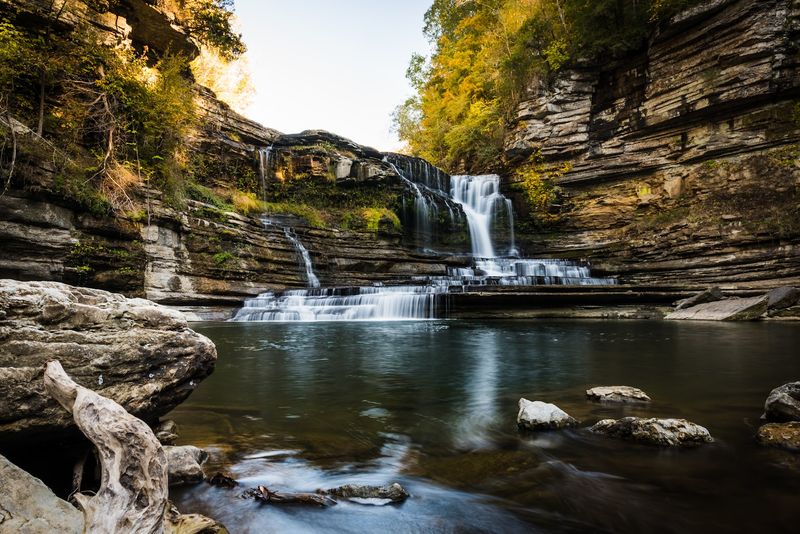
Cummins Falls might be smaller in total acreage than some of the other parks on this list, but the centerpiece waterfall is an absolute showstopper. At 75 feet tall, it’s the eighth-largest waterfall in Tennessee by volume, and the pool at its base is a popular swimming hole that draws crowds on hot summer weekends.
Getting to the falls requires a hike through a rocky gorge, with multiple creek crossings and some scrambling over boulders. The trail isn’t long, but it’s not a walk in the park either—expect to get your feet wet and watch your footing. The effort is worth it when you round the final bend and see the falls thundering into the gorge below.
The swimming area is a natural amphitheater of rock and water, with cliffs rising on all sides and the falls creating a constant mist that cools the air. It’s one of those places where you can spend hours just floating, climbing, and soaking in the scenery.
Because of its popularity, the park uses a permit system to manage crowds, so plan ahead and reserve your spot.
9. Burgess Falls State Park
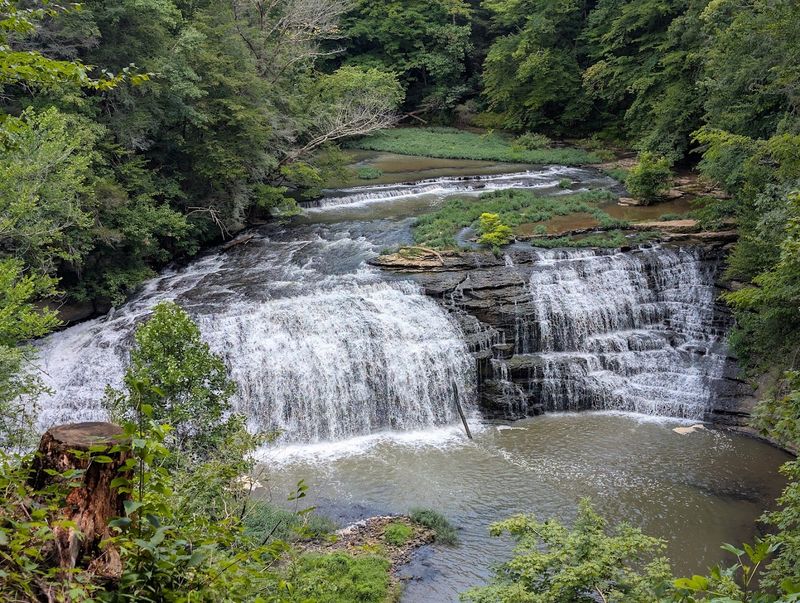
Four major waterfalls in one park? Burgess Falls delivers that kind of concentrated drama. The Falling Water River carves through the landscape, dropping over a series of cascades that build in intensity until the grand finale—a 130-foot plunge into a deep gorge that leaves first-time visitors speechless.
The trail to the main falls is relatively short and paved for much of the way, making it accessible for families and casual hikers. But don’t let the easy access fool you—the views are anything but ordinary. Each waterfall has its own personality, from gentle cascades to roaring torrents, depending on the season and recent rainfall.
The final overlook sits right at the edge of the gorge, giving you a bird’s-eye view of the main falls as it crashes into the pool below. The sound alone is worth the trip—a constant roar that drowns out everything else and reminds you just how powerful water can be when it’s moving with purpose.
Burgess Falls is perfect for a quick day trip when you want big scenery without a big time commitment. The park packs a lot of visual punch into a small area, and the waterfalls are impressive enough to rival anything you’d find in a much larger park. It’s proof that sometimes the best things come in compact packages.
10. Big Hill Pond State Park
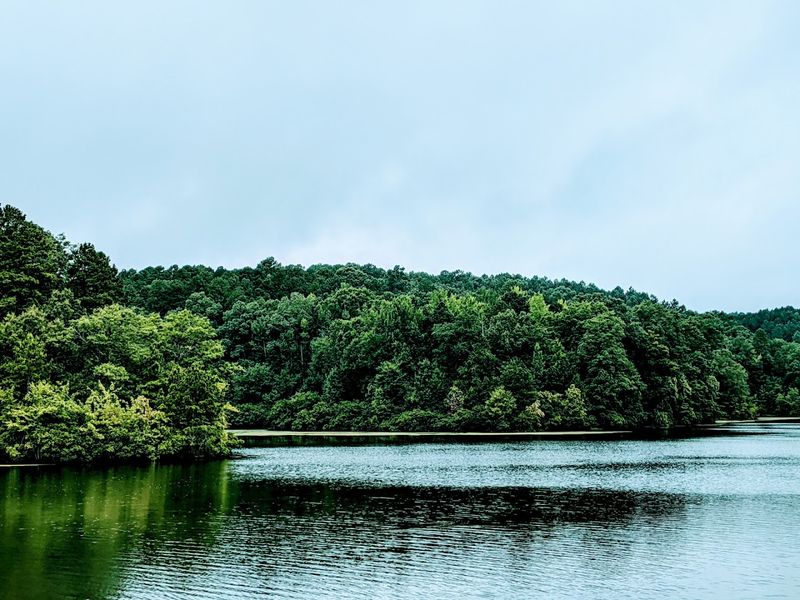
West Tennessee doesn’t look like the rest of the state, and Big Hill Pond is proof. Instead of mountains and waterfalls, you get flooded cypress forests, hardwood bottomlands, and a landscape that feels more like Louisiana than the Cumberland Plateau. It’s a completely different kind of beauty, and it’s just as stunning.
The park covers roughly 4,138 acres and features about 30 miles of trails that wind through wetlands, forests, and around the pond itself. Bald cypress trees rise from the water, their knobby knees breaking the surface and creating a scene that’s equal parts eerie and enchanting, especially when morning mist hangs low over the water.
Wildlife here is different too—wading birds, waterfowl, and amphibians thrive in the wetland environment. The trails are mostly flat and easy, making this a great spot for families, birdwatchers, and anyone who wants to experience a side of Tennessee that doesn’t involve climbing mountains.
Big Hill Pond is the wild-card pick on this list, but it earns its spot by offering something completely unique. It proves that Tennessee’s natural diversity extends far beyond the eastern mountains and that stunning landscapes come in all shapes and elevations.
Sometimes the best surprises are the ones that don’t fit the expected mold.