Tennessee has become one of the most popular retirement destinations in the country, and it’s easy to see why. No state income tax, mild winters, and access to mountains, rivers, and lakes make it an appealing choice for people looking to stretch their savings.
But while cities like Nashville and Chattanooga grab most of the headlines, plenty of smaller towns across the state offer the same quality of life at a fraction of the cost—and they’re often overlooked by retirees who assume affordability means sacrificing conveniences or charm.
1. Crossville
Perched on the Cumberland Plateau, Crossville has quietly built a reputation as one of Tennessee’s premier retirement destinations. Retirees have been moving here for decades, drawn by the cooler mountain climate, abundant golf courses, and a genuine sense of community.
What surprises many newcomers is how attainable the housing market remains, especially when compared to Nashville or Knoxville suburbs where prices have skyrocketed in recent years.
The town offers more than just affordability. Healthcare is accessible through Cumberland Medical Center, and everyday shopping needs are covered by national chains and local businesses alike.
Outdoor enthusiasts appreciate the proximity to Cumberland Mountain State Park, while golfers can choose from multiple courses that cater to every skill level. Neighborhoods range from established subdivisions to newer active-adult communities, giving retirees plenty of options to match their lifestyle preferences.
Housing inventory tends to be strong here, with everything from cozy single-story homes to larger properties with acreage. The median listing price sits comfortably below Tennessee’s statewide average, making it possible to find quality homes without stretching budgets.
That value proposition becomes even more attractive when you factor in the town’s amenities and the fact that you’re still within a reasonable drive of Knoxville or Chattanooga for bigger-city needs.
Crossville also benefits from a well-established retiree population, which means the town has adapted to serve that demographic well. You’ll find active senior centers, volunteer opportunities, and social groups that make it easier to build connections.
The combination of practical infrastructure, natural beauty, and genuine affordability keeps Crossville at the top of many retirement lists—and for good reason.
2. Union City
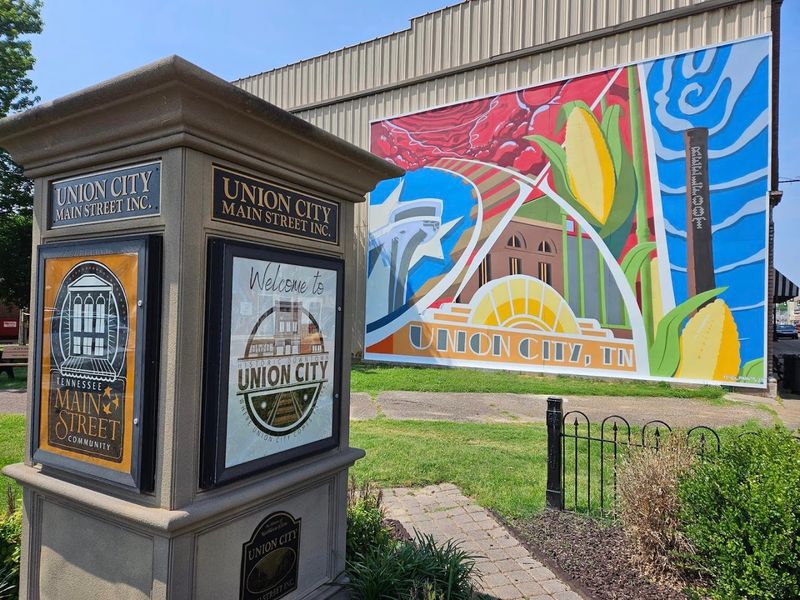
Tucked into the northwest corner of Tennessee, Union City operates on a different pace than the state’s booming metro areas. It’s a place where you can find full-service hospitals, grocery stores, local restaurants, and all the everyday conveniences you need without paying Nashville or Memphis prices.
That practical balance makes it especially appealing to retirees who want comfort and accessibility without the chaos or cost of urban living.
The housing market here tells the story clearly. Median listing prices fall well below the statewide average, giving buyers more options and more breathing room in their budgets.
Whether you’re looking for a modest ranch-style home or something with a bit more space, Union City’s inventory tends to include a range of possibilities. The lower cost of entry also means property taxes and insurance premiums tend to be more manageable, which matters when you’re living on a fixed income.
Beyond affordability, Union City offers a genuine small-town experience. The downtown area features locally owned shops and eateries, and community events bring neighbors together throughout the year.
Healthcare access is solid, with Baptist Memorial Hospital providing essential services without requiring a long drive. For retirees who enjoy hunting, fishing, or simply spending time outdoors, Reelfoot Lake and other natural areas are within easy reach.
What Union City lacks in tourist attractions, it makes up for in livability. There’s no pretense here—just straightforward, affordable living in a town that knows how to take care of its residents.
If your retirement priorities include simplicity, value, and a slower pace, Union City deserves serious consideration.
3. McMinnville

Warren County’s seat might not be on everyone’s radar, but McMinnville has quietly become a smart choice for Middle Tennessee retirees. It sits far enough from Nashville to avoid the price inflation that’s taken over many suburbs, yet close enough to make the drive when needed.
The town itself offers a traditional downtown square, local dining options, and access to some of Tennessee’s most beautiful natural areas—including Rock Island State Park and the Savage Gulf.
Housing affordability is one of McMinnville’s strongest selling points. While Nashville-area homes have climbed into territory that prices out many retirees, McMinnville’s market remains grounded.
You’ll find well-maintained homes in established neighborhoods, newer construction on the outskirts, and everything in between. The variety means retirees can choose based on their preferences rather than being forced into whatever fits their budget.
Healthcare services are available locally, and the town has enough retail and dining options to handle daily needs without feeling too limited. McMinnville also benefits from a strong sense of community, with local festivals, farmers markets, and civic organizations that welcome newcomers.
The surrounding countryside offers hiking, waterfalls, and scenic drives that make it easy to stay active and engaged with the outdoors.
One often-overlooked advantage is McMinnville’s location within the state. You’re positioned between Nashville, Chattanooga, and Cookeville, giving you flexibility for bigger shopping trips, medical specialists, or entertainment.
That accessibility, combined with lower housing costs and a genuine small-town feel, makes McMinnville a practical and pleasant place to settle into retirement without compromising on quality of life.
4. Elizabethton
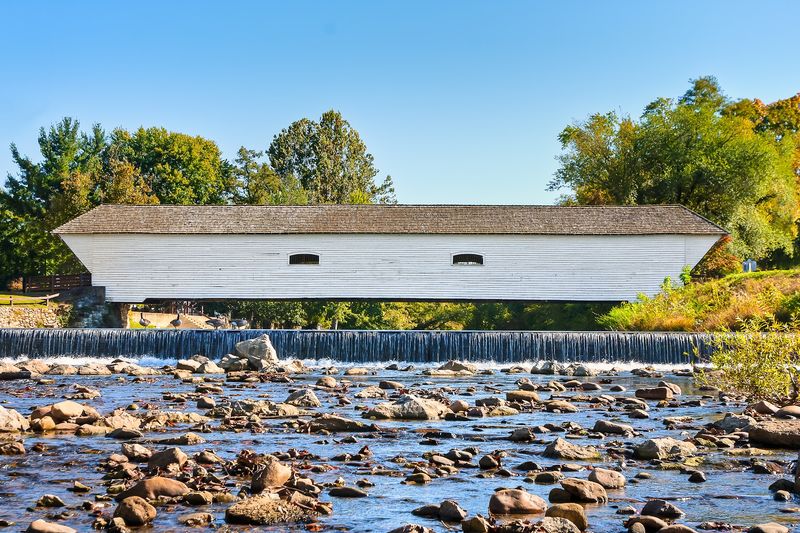
Nestled in the foothills of the Appalachian Mountains, Elizabethton offers retirees a chance to enjoy East Tennessee’s natural beauty without paying the premium prices found in nearby Johnson City or Kingsport. The town has a well-preserved historic downtown, tree-lined residential streets, and access to outdoor recreation that includes the Tweetsie Trail and Watauga River.
It’s the kind of place where mountain views come standard, but the cost of living doesn’t.
Housing options here range from older homes with character to newer developments on the outskirts of town. The median listing price tends to be lower than what you’d find in the Tri-Cities metro area, making it possible to secure a comfortable home without draining retirement savings.
Smaller homes and modestly priced properties appear regularly in local listings, giving budget-conscious retirees plenty of choices.
Elizabethton also benefits from its proximity to Johnson City’s medical facilities and shopping centers. You’re close enough to access specialty healthcare and big-box stores, but you’re living in a quieter, more affordable community.
That balance appeals to retirees who want convenience without constant traffic or inflated prices. The town itself has enough local amenities—grocery stores, pharmacies, restaurants—to handle everyday needs without requiring constant trips to larger cities.
Outdoor enthusiasts will appreciate the area’s natural assets. The mountains provide hiking opportunities, the rivers offer fishing and kayaking, and the covered bridge at Sycamore Shoals adds a touch of historical charm.
Elizabethton doesn’t shout for attention, but it delivers a quality retirement experience at a price point that leaves room in the budget for enjoying life rather than just paying bills.
5. Lawrenceburg
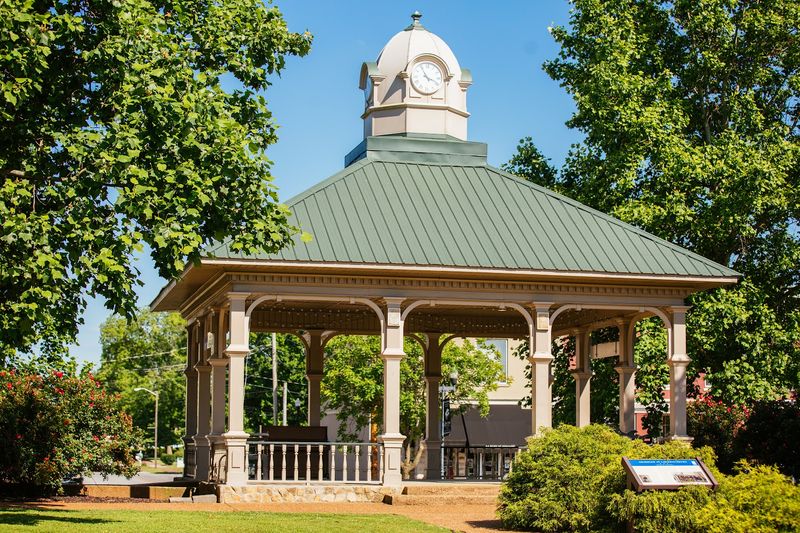
Lawrenceburg sits in the rolling hills of southern Middle Tennessee, offering retirees a full-service small-town lifestyle without the price tag that comes with being closer to Nashville. The town square features a classic courthouse, locally owned shops, and restaurants that serve as community gathering spots.
It’s the kind of place where people still know their neighbors, and where you can walk to most of what you need on any given day.
The housing market here remains accessible, with prices that allow retirees to find comfortable homes without overextending their budgets. Whether you’re looking for a historic home near the square or a newer build on the outskirts, Lawrenceburg’s inventory tends to include a variety of options.
Lower housing costs also mean lower property taxes and insurance premiums, which can make a real difference when you’re managing retirement income.
Healthcare is available through Crockett Hospital, and the town has all the essential services you’d expect—grocery stores, pharmacies, banks, and local retailers. Lawrenceburg’s location also works in its favor.
You’re within reach of Columbia to the north and the Alabama state line to the south, giving you flexibility for shopping trips or entertainment. Nashville is about an hour and a half away, close enough for occasional visits but far enough to avoid the cost and congestion.
Parks and outdoor spaces are woven throughout the town, and David Crockett State Park is nearby for those who enjoy hiking, fishing, or simply spending time in nature. Lawrenceburg doesn’t try to be something it’s not—it’s a straightforward, affordable, and welcoming community that offers retirees a comfortable place to settle without the financial stress that comes with many of Tennessee’s more expensive towns.
6. Paris
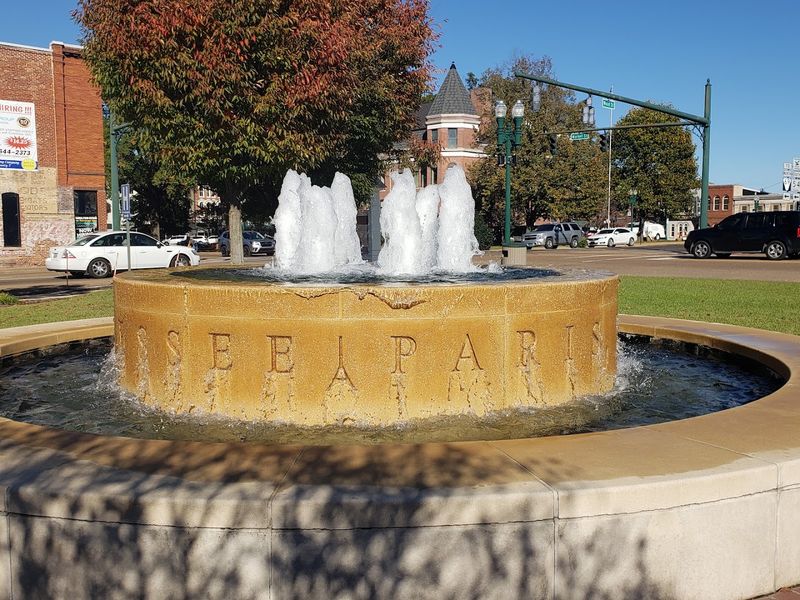
Paris sits in the northwestern corner of Tennessee, where small-town convenience meets access to one of the state’s most popular recreational lakes. Kentucky Lake is just a short drive away, offering retirees who enjoy boating, fishing, or simply being near the water a chance to embrace that lifestyle without paying the premium prices found in more tourist-heavy lake communities.
The town itself provides all the everyday amenities you’d need, from healthcare to shopping, without the crowds or costs that come with larger cities.
Housing affordability is a major draw here. The median listing price in Paris tends to be significantly lower than Tennessee’s statewide average, making it possible to find a comfortable home and still have money left over for enjoying retirement.
Neighborhoods are quiet and established, with a mix of older homes and newer construction. The lower cost of entry also means property taxes and insurance are more manageable, which matters when you’re living on a fixed income.
Henry County Medical Center provides local healthcare services, and the town has a solid selection of grocery stores, restaurants, and retail options. Paris also has a historic downtown with local shops and eateries that give the town a bit of character.
Community events and festivals happen throughout the year, making it easy to meet neighbors and get involved.
What sets Paris apart is the combination of lake access and affordability. Many retirees dream of living near the water, but the cost in popular lake towns can be prohibitive.
Paris offers a workaround—you get the benefits of being close to Kentucky Lake without the inflated prices that come with waterfront living. For retirees who want simplicity, value, and access to outdoor recreation, Paris checks all the boxes.
7. Greeneville
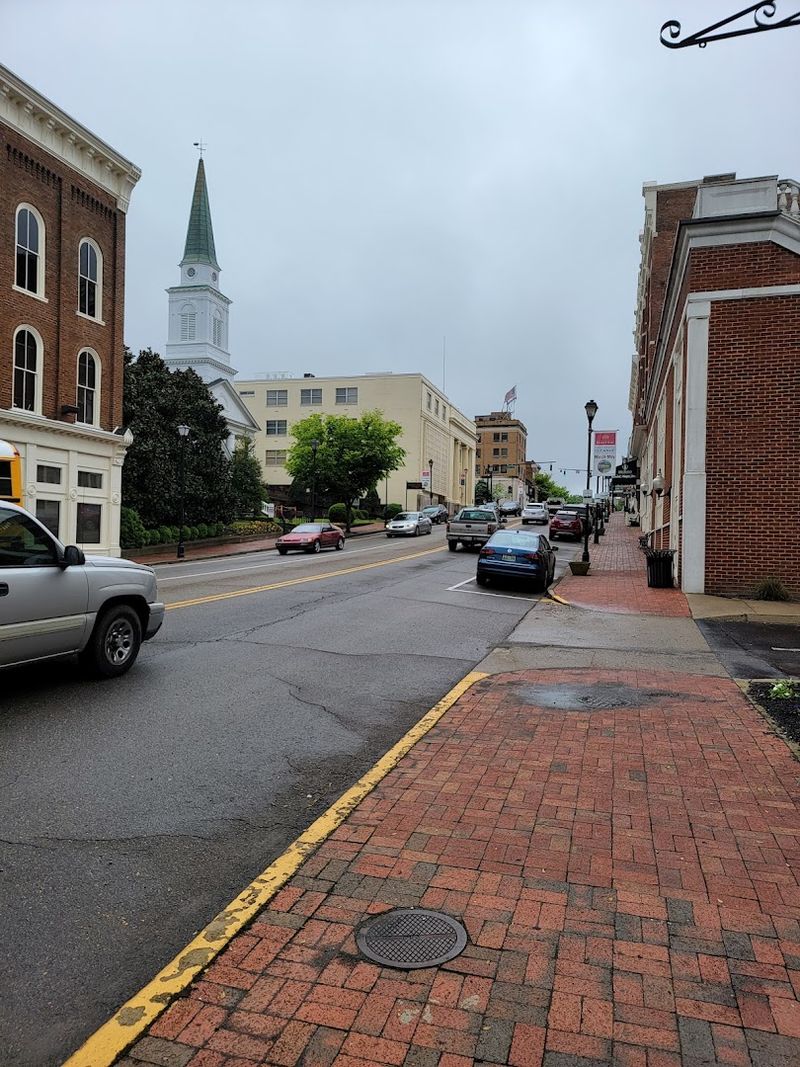
Greeneville carries a sense of history that’s hard to miss. As the birthplace of President Andrew Johnson, the town has preserved its past while maintaining a livable, practical present.
Retirees are drawn here for the mountain views, established neighborhoods, and access to healthcare services that make daily life comfortable. It’s substantial enough to feel like a real town with real amenities, but it generally remains less expensive than Knoxville, Morristown, or other larger East Tennessee cities.
The housing market offers a range of options, from historic homes near downtown to newer developments on the outskirts. Prices tend to be lower than what you’d find in the state’s metro areas, giving retirees more flexibility in their budgets.
The variety also means you can choose based on your preferences—whether that’s a walkable neighborhood close to shops and restaurants or a quieter setting with more space and privacy.
Greeneville has solid healthcare infrastructure, including Ballad Health Greeneville Community Hospital, which provides essential medical services without requiring a long drive. The town also has grocery stores, pharmacies, and local businesses that handle everyday needs.
Downtown Greeneville features locally owned shops, restaurants, and historic sites that add character and give residents a sense of place.
Outdoor recreation is accessible through nearby trails, parks, and rivers, and the mountain scenery provides a backdrop that makes everyday life feel a bit more scenic. Greeneville doesn’t try to compete with tourist towns or fast-growing cities—it offers something quieter and more grounded.
For retirees who want a town with history, practical amenities, and lower costs than East Tennessee’s larger cities, Greeneville delivers a comfortable and affordable option.
8. Savannah

Set along the Tennessee River in the southwestern part of the state, Savannah offers retirees a slower pace of life with access to waterfront recreation and historic charm. The town has a well-preserved downtown, riverfront parks, and a selection of local businesses that serve the community.
It’s far enough from Memphis and Jackson to avoid big-city prices, but close enough to make the drive when needed. For retirees who want a quieter lifestyle without feeling completely isolated, Savannah strikes a practical balance.
Housing costs here are lower than in many other parts of Tennessee, making it easier to find a home that fits your budget without compromising on space or quality. The market includes older homes with character, newer builds, and everything in between.
Lower housing prices also mean lower property taxes and insurance premiums, which can free up more of your retirement income for other priorities.
The Tennessee River provides opportunities for fishing, boating, and simply enjoying the water. Shiloh National Military Park is nearby, offering both historical interest and outdoor space for walking and reflection.
Savannah also has essential services—healthcare, grocery stores, pharmacies—so daily needs are covered without requiring constant trips to larger towns.
The town’s size works in its favor. It’s small enough to feel manageable and friendly, but it’s not so small that you’re lacking basic amenities.
Community events and local festivals happen throughout the year, giving residents a chance to connect and get involved. Savannah doesn’t make grand promises, but it delivers a solid, affordable retirement option for those who value simplicity, access to nature, and a genuine small-town feel without the financial stress that comes with pricier markets.
9. Newport
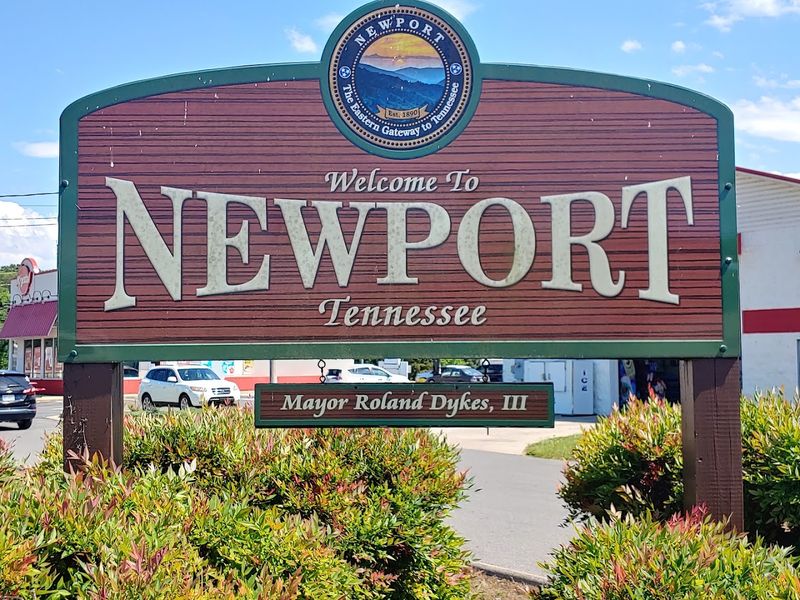
Newport sits at the edge of the Great Smoky Mountains, offering retirees access to East Tennessee’s natural beauty without the inflated prices found in Gatlinburg, Pigeon Forge, or Sevierville. The town is close to Douglas Lake, the Pigeon River, and countless hiking trails, making it ideal for retirees who want outdoor recreation to be part of their daily life.
But unlike the tourist-heavy towns that dominate the area, Newport remains a working community with lower housing costs and a more grounded atmosphere.
The housing market here provides a welcome contrast to the vacation rental-driven prices found in nearby tourism towns. You can find homes at prices that allow you to settle in comfortably without depleting your retirement savings.
The inventory includes everything from modest single-story homes to properties with acreage, giving buyers a range of options. Lower housing costs also translate to more manageable property taxes and insurance, which matter when you’re living on a fixed income.
Newport has essential services—healthcare, grocery stores, pharmacies, and local restaurants—so you’re not sacrificing convenience for affordability. The town also benefits from its location.
You’re close enough to the Smokies to enjoy weekend hikes or scenic drives, but you’re living in a place where the cost of living reflects a real community rather than a tourist economy.
Douglas Lake adds another dimension to the area, offering fishing, boating, and waterfront recreation. The combination of mountain and lake access, along with lower housing prices, makes Newport a smart choice for retirees who want East Tennessee scenery without paying Gatlinburg premiums.
It’s a town that delivers on natural beauty and affordability in equal measure, making it worth serious consideration for anyone planning a Tennessee retirement.
10. Ripley

Ripley sits in western Tennessee, offering retirees an affordable alternative that’s still within driving distance of Memphis when needed. It’s a modest town with traditional neighborhoods, local businesses, and a pace of life that feels unhurried.
For retirees whose priorities are simplicity and value, Ripley delivers both without pretense. The cost of living is lower than in Memphis suburbs, and the housing market reflects that difference in a way that can make retirement budgets stretch further.
Housing options here are straightforward and affordable. The median listing price is well below Tennessee’s statewide average, making it possible to find a comfortable home without financial strain.
Neighborhoods are quiet and established, with a mix of older homes and some newer construction. Lower housing costs also mean lower property taxes and insurance premiums, which can free up more of your retirement income for other priorities like travel, hobbies, or simply enjoying life.
Ripley has the essential services retirees need—healthcare facilities, grocery stores, pharmacies, and local restaurants. The town isn’t trying to be a tourist destination or a booming metro area, and that works in its favor.
It’s a place where you can live comfortably, meet your neighbors, and enjoy a slower pace without the stress of high costs or constant development.
The surrounding countryside offers opportunities for hunting, fishing, and outdoor recreation, and Memphis is close enough for bigger shopping trips, entertainment, or medical specialists. Ripley doesn’t grab headlines, but it provides a practical, affordable retirement option for those who value straightforward living over flash.
If your retirement vision includes simplicity, lower costs, and a genuine small-town experience, Ripley is worth a closer look.
Share this story