Texas stretches out like a giant playground filled with hidden caves, rocket ships, real dinosaur tracks, and places where cowboys still roam. Your family doesn’t need to travel halfway across the country to make memories that stick. Within a few hours of most major cities, you’ll find adventures that turn ordinary Saturdays into stories your kids will retell at dinner tables for decades.
1. Space Center Houston (Houston)
Walking beneath a real Saturn V rocket that once aimed for the moon makes even the tallest adults feel tiny. This isn’t just a museum where you stare at stuff behind glass. Kids can touch moon rocks, climb into shuttle replicas, and watch mission control simulations that show how NASA teams actually talk to astronauts floating above Earth.
The tram tour takes families behind the scenes to see where astronauts train for real missions. You’ll peek into the historic mission control room from the Apollo era, where controllers guided Neil Armstrong to the lunar surface. Your teenagers might roll their eyes at first, but watching them lean forward during the spacewalk simulation tells a different story.
Plan for at least five hours here because there’s always one more exhibit that hooks someone in your crew. The indoor plaza features hanging spacecraft that look like they’re frozen mid-flight. Little ones love the Kids Space Place, where they can crawl through tunnels and pretend they’re on Mars.
Weekdays draw smaller crowds than weekends, especially during school sessions. Pack snacks because museum food gets pricey, though the cafe offers decent options if you forget. Wear comfortable shoes since you’ll cover serious ground exploring multiple buildings.
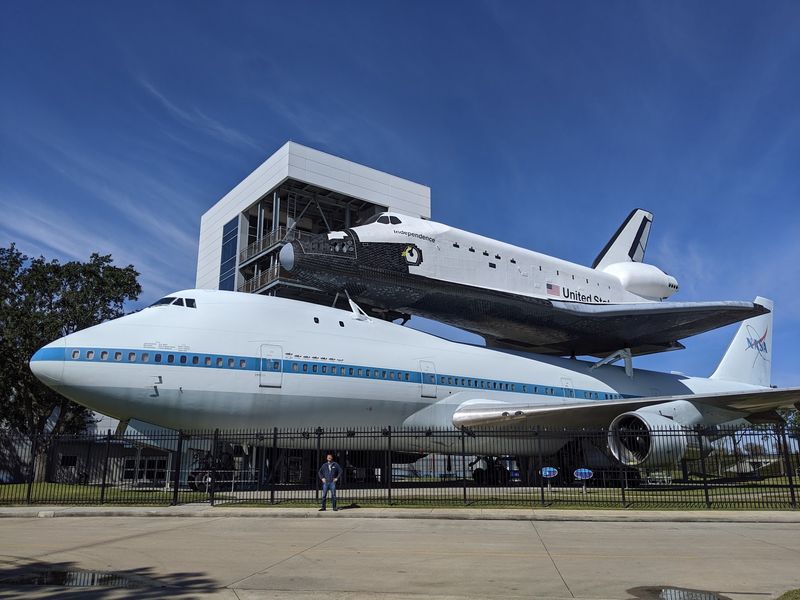
The gift shop stocks freeze-dried ice cream that tastes nothing like regular ice cream but makes kids feel like astronauts anyway. Before leaving, snap a family photo with the Independence shuttle replica mounted on the historic 747 carrier aircraft. That image becomes the screensaver everyone keeps for years.
2. Enchanted Rock State Natural Area (Fredericksburg)
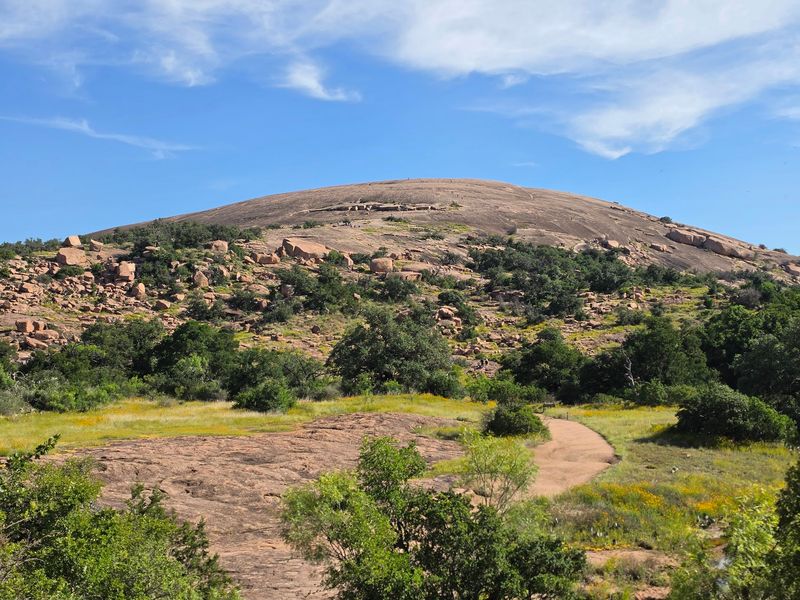
A giant pink granite bubble rises 425 feet above the Hill Country like nature decided to build a climbing gym. The main dome spans 640 acres of solid rock, and scrambling to the top takes most families about an hour. Younger kids handle the climb fine if you take breaks and turn it into a game of finding the next painted trail marker.
Spring wildflowers carpet the base in colors that look photoshopped, but they’re real. Bluebonnets, Indian paintbrush, and yellow coreopsis create a natural color wheel between March and May. The rock itself holds pools called vernal pools where fairy shrimp hatch after rains, living their entire lives in temporary puddles.
Native legends say the rock makes creaking sounds at night as it cools and contracts. Scientists confirm this actually happens due to thermal expansion. Standing on top, you can see for miles across ranch land and oak forests, with hawks riding thermals below your feet.
Arrive early because the park closes when it hits capacity, usually by mid-morning on pretty weekends. Reservation systems help, but they book up weeks ahead during peak seasons. Bring way more water than seems reasonable since the exposed rock reflects heat like a solar panel.
The Loop Trail circles the base for families who prefer flat walking over climbing. Rock crevices and caves along this path let kids play explorer without the summit push. Restrooms sit near the parking area, but nothing exists once you hit the trails.
Sunset from the top paints the granite gold and orange, though you’ll need headlamps for the descent. That scramble down in fading light becomes the adventure everyone remembers most vividly.
3. Fort Worth Stockyards (Fort Worth)
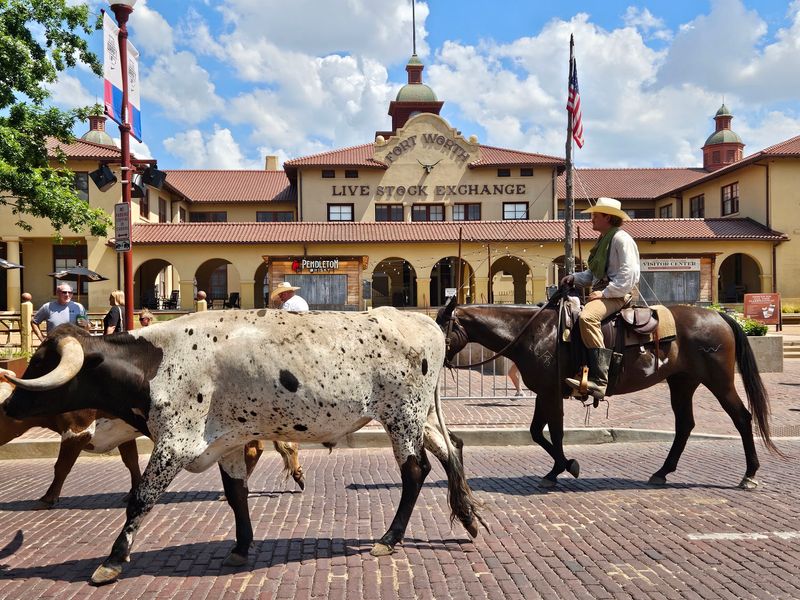
Real longhorns with six-foot horn spans walk down brick streets twice daily like they own the place, which historically they kind of did. Cowboys on horseback guide the herd right past visitors who stand behind barriers snapping photos. The 11:30 AM and 4:00 PM cattle drives last about twenty minutes, but families camp out early to claim front-row spots.
Wooden boardwalks and old saloon facades create a western movie set that happens to be authentic. These buildings actually housed stockyard workers, traders, and livestock back when Fort Worth served as a major cattle shipping hub. Boot stores, hat shops, and leather goods fill the historic structures now, but the bones remain original.
Live rodeos run Friday and Saturday nights year-round at Cowtown Coliseum, featuring bull riding, barrel racing, and calf roping. Even kids who’ve never seen a horse get caught up in the energy when a rider stays on a bucking bronc. The announcer keeps things family-friendly while explaining what’s happening for newcomers.
Street performers, from trick ropers to country musicians, set up along Exchange Avenue. Honky-tonk music spills from bars that welcome all ages during daytime hours. The Stockyards Museum tells the area’s history through photographs and artifacts, giving context to why this place mattered to Texas development.
Lunch options range from barbecue joints to Tex-Mex cantinas, most with outdoor seating for people-watching. Riscky’s Barbecue has fed visitors since 1927, serving brisket that pulls apart without a knife. The smell of smoked meat hangs in the air like cologne.
Souvenir shops sell everything from toy guns to authentic cowboy gear. Kids leave wearing new hats that get worn until they fall apart, constant reminders of the day they walked where cattle barons once made fortunes.
4. Galveston Island State Park (Galveston)
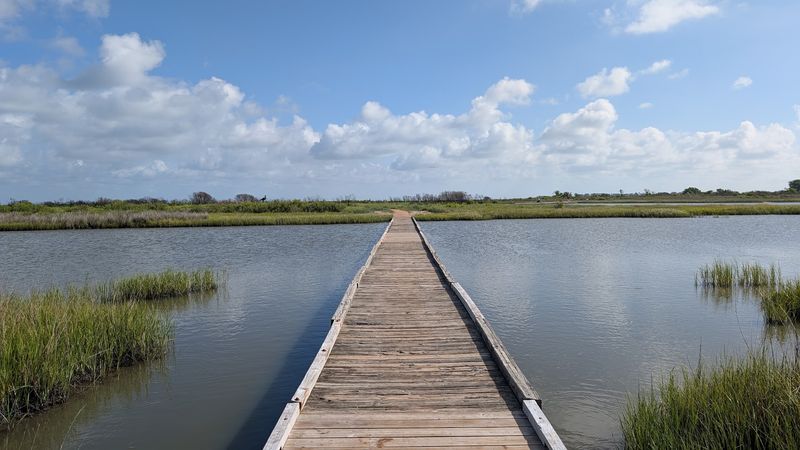
Gulf waves roll onto beaches where kids can actually swim without fighting resort crowds or paying beach access fees. The park protects 2,000 acres split between the Gulf side and bay side, connected by trails that cross coastal prairie. Families spread blankets on sand that stays public and accessible, with bathhouses nearby for rinsing off salt and seaweed.
Bay side paddling offers calmer water perfect for kids testing out kayaks or stand-up paddleboards. Rentals operate on weekends during warm months, though bringing your own gear saves money. Shallow flats let younger children wade while watching hermit crabs scuttle between their feet.
Nature trails wind through marshes where roseate spoonbills and great blue herons hunt for breakfast. Boardwalks keep feet dry while crossing wetlands that hum with insect and bird life. Spring and fall migrations turn the park into a birding hotspot, with species passing through on their way to or from Central America.
The observation platform on the Gulf side gives panoramic views of the coastline stretching toward Texas City. Dolphins surface offshore regularly, their fins cutting through the water in graceful arcs. Patient watchers spot them most often in early morning or late afternoon.
Camping options include sites with water and electric hookups for RVs, plus screened shelters that keep bugs out while letting breezes through. Overnight stays turn a day trip into a mini vacation without the hotel expense. Campfires and s’mores become easy when your site sits steps from the beach.
Pack sun protection because shade is scarce on the beach areas. The visitor center sells basics but charges tourist prices, so stock up before arriving. Jellyfish appear seasonally, so check with rangers about current conditions before letting kids charge into the surf.
5. Science Mill (Johnson City)
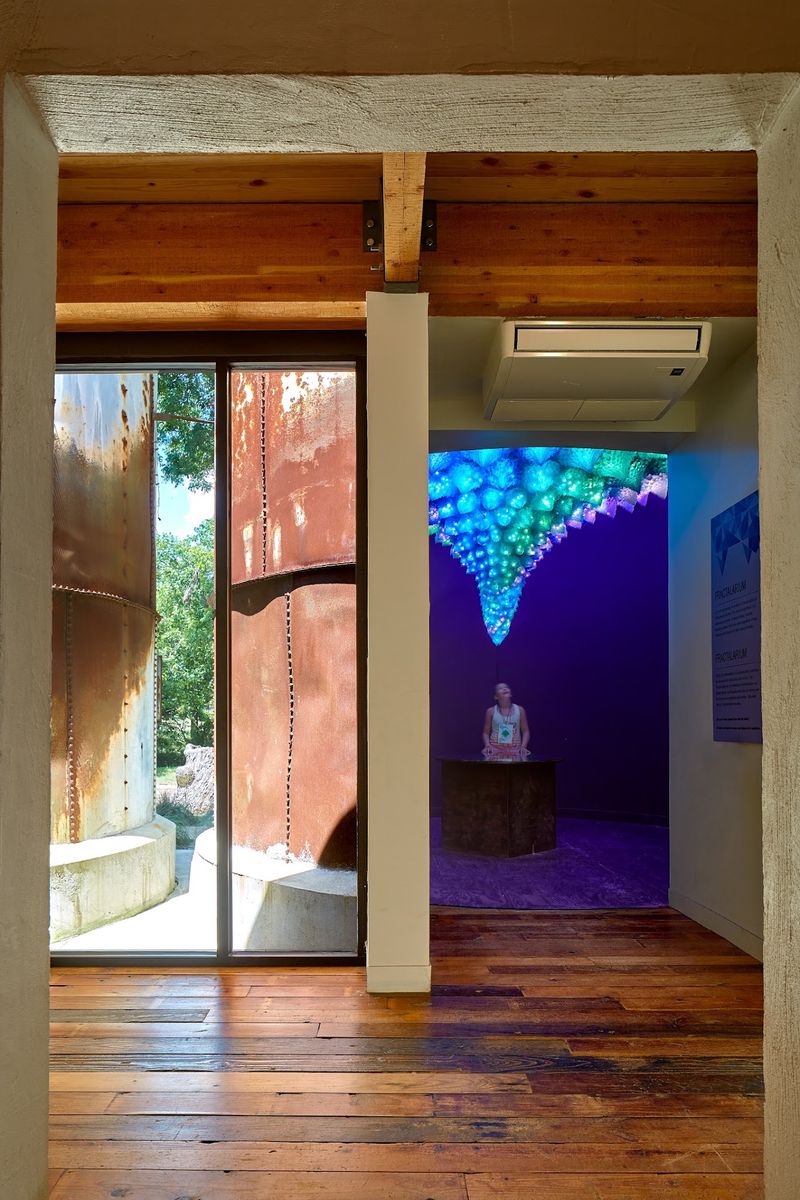
A century-old gristmill got transformed into a hands-on science playground where every exhibit begs to be touched. Built along a creek in 1880, the stone building once ground grain for Hill Country farmers. Now it houses interactive displays about physics, biology, engineering, and technology that make learning feel like playing.
The outdoor area features a zipline that teaches momentum and friction while kids fly across the creek. Water tables demonstrate flow dynamics and erosion patterns, though parents should expect wet clothes. A giant Jenga set built from oversized blocks turns structural engineering into a group challenge that gets competitive fast.
Inside exhibits rotate regularly, keeping repeat visitors engaged with fresh content. Recent installations covered everything from robotics to genetics, with stations designed for different age ranges. Teenagers find the coding and virtual reality zones while younger kids gravitate toward the animal habitats and fossil dig area.
Live demonstrations happen throughout the day, featuring liquid nitrogen experiments, chemistry reactions, and physics principles. The educators running these shows speak kid language without dumbing down the science. Questions get encouraged, and volunteers help explain concepts when young minds get curious.
The mill’s location in Johnson City puts it near LBJ Ranch and Pedernales Falls, making it easy to combine multiple stops. The small town offers local restaurants and shops worth exploring before or after your science adventure. Weekdays see lighter traffic than weekends, giving families more elbow room at popular exhibits.
Birthday party packages and homeschool programs make this a resource beyond casual visits. The gift shop stocks educational toys and kits that extend learning at home. Membership pays for itself after three visits, plus members get early access to special events and new exhibit previews.
6. Natural Bridge Caverns (San Antonio)
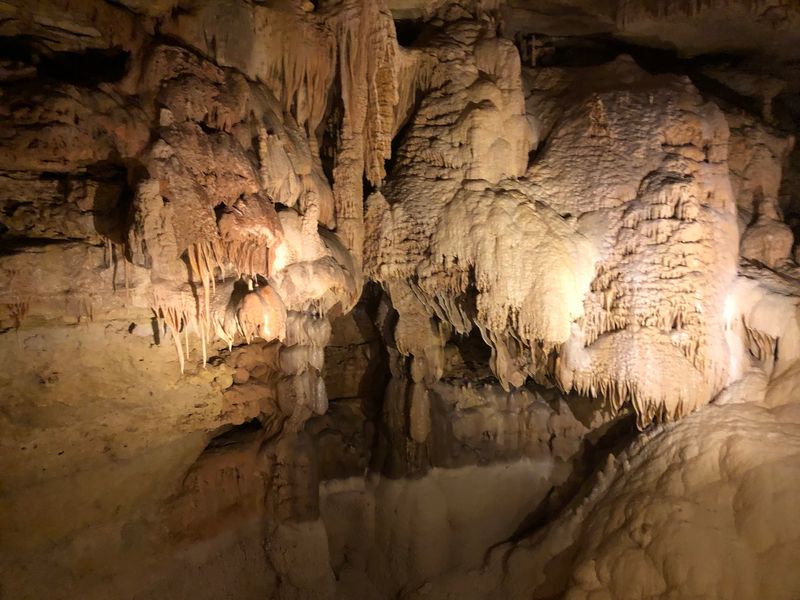
Descending 180 feet underground into rooms the size of football fields makes the surface world feel like a distant memory. The temperature stays at 70 degrees year-round, a welcome break from Texas heat. Formations that took millions of years to grow hang from ceilings and rise from floors like frozen waterfalls made of stone.
The Discovery Tour covers about three-quarters of a mile of lit pathways, with guides explaining how water and time created these underground cathedrals. Stalactites drip slowly enough that you can see water beads forming, adding microscopic layers to structures already dozens of feet long. The largest room, called the Hall of the Mountain King, could swallow a six-story building.
Adventure tours for older kids and adults venture into undeveloped sections where headlamps replace electric lights. Crawling through tight passages and climbing over breakdown rocks amps up the experience for families seeking more challenge. These tours require reservations and fill up quickly during summer months.
Above ground, the property expanded to include a ropes course, ziplines, and a maze. The canopy challenge features obstacles suspended in trees, testing balance and nerve. These additions turn a two-hour cave visit into an all-day adventure park experience.
A mining sluice lets kids pan for gemstones and fossils, keeping little ones occupied if they’re too young for the cave tours. The finds are salted, but children don’t care when they discover “real” minerals in their screens. Take-home bags and identification charts help them learn what they collected.
The visitor center sells tickets and snacks, with picnic areas offering shaded spots for packed lunches. Arrive early for first tours of the day when crowds are thinnest and guides have more energy for questions. The cave stays open year-round, making it a reliable bad-weather backup plan.
7. Dinosaur Valley State Park (Glen Rose)
Actual dinosaur footprints pressed into limestone riverbeds 113 million years ago wait for kids to find and touch. These aren’t replicas or models but real tracks left by Acrocanthosaurus and Sauroposeidon as they walked through mud that eventually turned to stone. When the Paluxy River runs low, dozens of prints become visible, each one a three-toed snapshot of prehistoric Texas.
Wading into the river to stand inside a print that’s bigger than a car tire blows young minds. The park provides maps showing where tracks concentrate, though exploring and discovering your own feels more rewarding. Some prints show clear toe impressions and even skin texture details that survived millions of years.
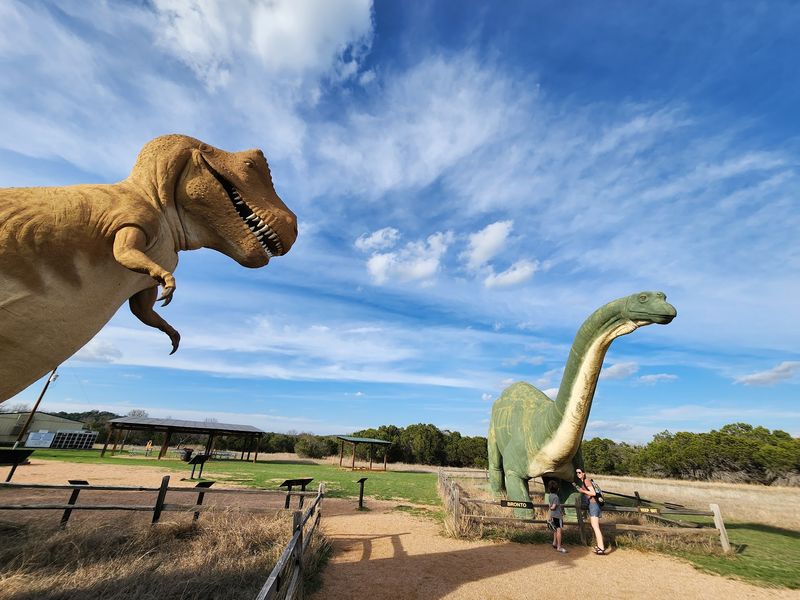
Life-sized dinosaur models stand near the park entrance, giving scale to the creatures that made those tracks. A T-Rex replica towers over visitors, while a long-necked sauropod stretches toward the treetops. Kids climb on designated models, getting photos that make them look tiny next to ancient giants.
Hiking trails wind through cedar and oak forests, following the river and climbing limestone bluffs. The park covers 1,500 acres, offering enough space that you can find quiet spots even on busy weekends. Swimming holes form in deeper river sections, providing relief after hot track-hunting expeditions.
Camping facilities include sites with water and electric hookups, plus primitive areas for tent campers seeking more solitude. Staying overnight means you can hit the river early before day-trippers arrive and the sun gets brutal. Morning light makes the tracks easier to spot as shadows define their edges.
The nearby town of Glen Rose offers dinosaur-themed shops and restaurants playing up the area’s prehistoric fame. Fossil Rim Wildlife Center sits just minutes away, making it easy to combine both attractions into one memorable trip. Pack water shoes because river rocks get slippery and sharp in spots.
8. Morgan’s Wonderland (San Antonio)
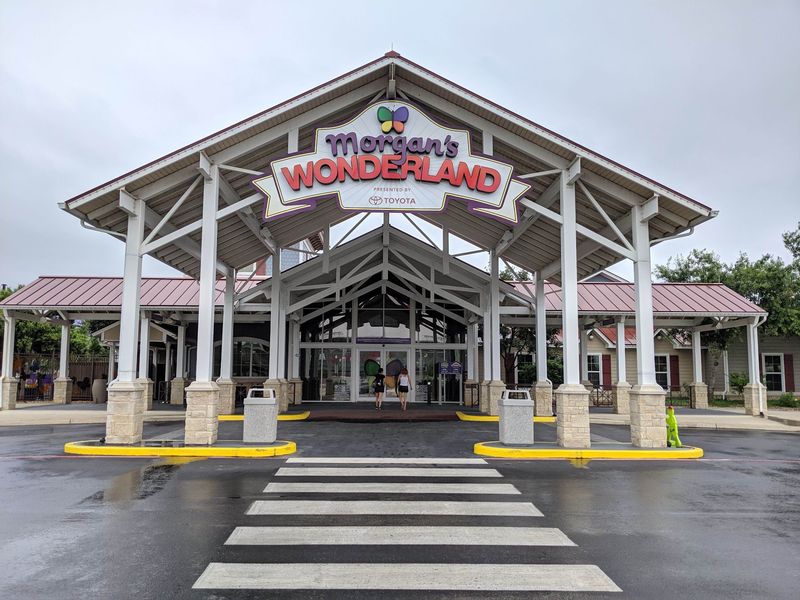
Every ride, every attraction, and every bathroom was designed so kids with special needs can play alongside their siblings without barriers. This isn’t a separate section or an afterthought but an entire 25-acre theme park built from the ground up for inclusion. Wheelchairs roll onto Ferris wheel cars, sensory-friendly zones offer quiet spaces, and staff members receive training in working with guests of all abilities.
The carousel features wheelchair-accessible platforms that rise and lower hydraulically. Kids who can’t transfer to traditional horses ride their own chairs right onto the platform. Music plays at moderate volumes, and lights avoid the strobing effects that trigger some sensitivities.
Wonderland Lake covers five acres, with special wheelchairs designed for water use available free. Kids can roll right into the lake, splash around, and cool off without complicated transfers or equipment hassles. Lifeguards trained in adaptive recreation keep watch while families play together in ways that aren’t possible at typical pools.
The adventure playground includes ramps, transfer stations, and sensory panels that engage kids through touch, sound, and visual stimulation. Swings come in multiple configurations, from traditional seats to full-support harness styles. Everything sits on rubberized surfaces that cushion falls and allow wheelchairs to move smoothly.
Admission is free for guests with special needs, with companions paying regular rates. This pricing structure removes the financial barrier that keeps many families from enjoying theme parks together. Season passes make repeat visits affordable for local families.
Morgan’s Inspiration Island water park sits adjacent, operating summers with the same inclusive design philosophy. Temperature-controlled water and air-drying rooms eliminate the challenges of changing wet clothes. Waterproof wheelchairs are provided at no charge, removing another obstacle to family fun.
Food vendors accommodate dietary restrictions and allergies with clearly marked ingredients. Quiet rooms offer retreat spaces when overstimulation happens. The entire park operates on the principle that play is a right, not a privilege limited by physical or cognitive differences.
9. Perot Museum of Nature and Science (Dallas)
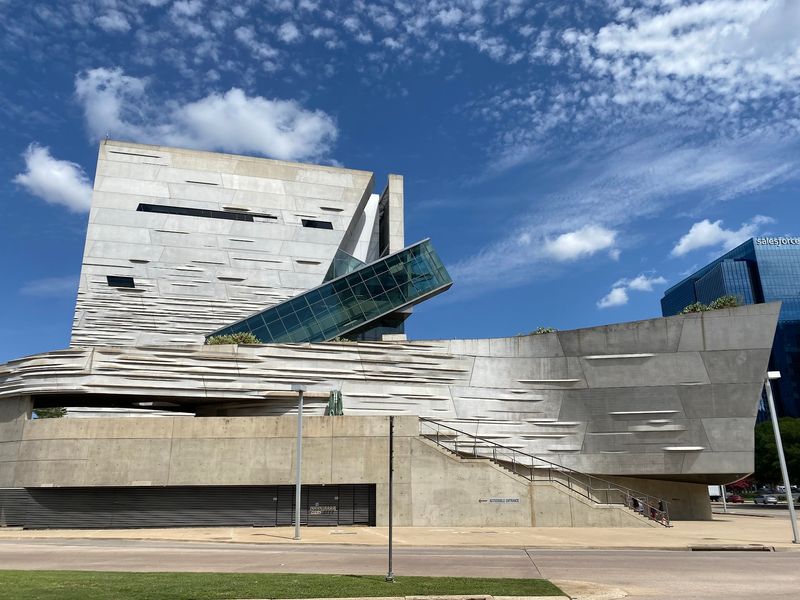
Five floors of hands-on exhibits stack inside a building that looks like a giant geometric crystal dropped in downtown Dallas. The architecture alone makes kids stop and stare before they even get inside. An outdoor escalator rises along the building’s exterior, giving views of the city skyline while carrying visitors up to the entrance.
The dinosaur hall features a massive Alamosaurus skeleton, one of the largest ever found in Texas. Interactive screens let kids digitally flesh out the bones, seeing what these creatures looked like with skin and muscles. Fossil touchstones scattered throughout encourage hands-on learning instead of the usual “don’t touch” museum experience.
The Expanding Universe Hall tackles space and physics with installations that make abstract concepts concrete. A levitating globe demonstrates magnetic fields, while a tornado simulator shows how these storms form and why they spin. Teenagers who claim they’re too cool for museums end up absorbed in the earthquake simulator or the liquid motion exhibits.
The Children’s Museum floor targets younger visitors with scaled-down exhibits about water, construction, and nature. A two-story climbing structure lets energy out while teaching about forest ecosystems. Parents can actually sit and watch instead of chasing toddlers through galleries not designed for their age group.
Traveling exhibits rotate through, bringing everything from mummies to marine life to gems and minerals. These temporary installations give repeat visitors new reasons to return. The museum posts schedules online so families can plan around subjects that interest their crew most.
The 3D theater shows nature documentaries and science films on a screen several stories tall. The rumbling seats and surround sound turn learning into an immersive experience. Shows run throughout the day, providing built-in breaks from walking the exhibit floors.
Parking in the museum’s garage costs extra, but nearby street parking offers cheaper alternatives if you’re willing to walk a few blocks. The museum cafe serves better-than-average food, though prices reflect the captive audience. Pack snacks if budget matters or if your kids are picky eaters.
10. San Antonio Missions National Historical Park (San Antonio)
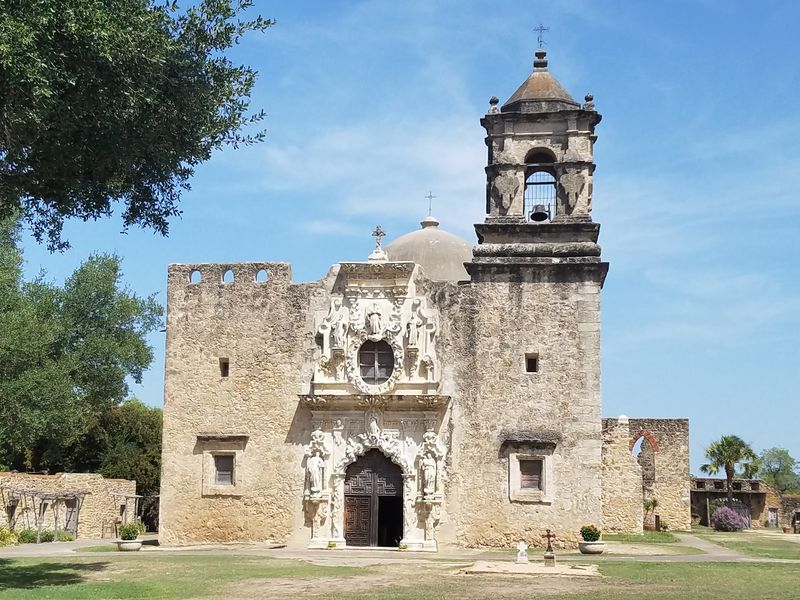
Four Spanish colonial missions built in the 1700s still stand along the San Antonio River, telling stories of frontier life when Texas belonged to Spain. These aren’t reconstructions or replicas but actual buildings where missionaries and indigenous people lived, worked, and worshipped three centuries ago. Stone walls, arched doorways, and frescoed churches survived revolutions, wars, and the slow march of time.
Mission Concepción retains its original frescoes, with colorful geometric patterns and religious symbols still visible on interior walls. Standing in the church where people gathered for mass in 1755 creates a time-travel feeling that photographs can’t capture. The acoustics in the dome make even whispers echo, fascinating kids who test it repeatedly.
A bike trail connects all four missions, running about eight miles along the river. Families can pedal the whole route or drive between sites, exploring at their own pace. Each mission has its own character, from Concepción’s preserved art to San José’s elaborate Rose Window carved from stone.
Rangers lead free tours explaining how the missions functioned as self-sufficient communities. They grew food, raised livestock, and taught trades to Coahuiltecan people who chose to live there. The granary at Mission San José still shows the massive scale of their agricultural operations, with stone storage rooms that kept grain dry for months.
Living history demonstrations happen regularly, with volunteers showing traditional crafts like weaving, blacksmithing, and tortilla-making. Kids can try grinding corn on metates or shaping clay into pottery. These hands-on activities make history tangible instead of abstract.
The park designation means admission stays free, though donations help maintain these aging structures. Bring water and sun protection since shade is limited around some mission grounds. Early morning or late afternoon visits avoid the worst heat and catch better light for photography.
Mission San José hosts mariachi mass on Sundays, blending Catholic tradition with Mexican musical heritage. Even non-religious families find the music and atmosphere moving, a living continuation of the missions’ cultural legacy.
Share this story