Texas knows how to throw a party better than anyone else. From massive fairgrounds packed with fried everything to tiny Hill Country towns celebrating their heritage, the Lone Star State hosts festivals that capture the spirit of what makes living here so special. Whether you’re craving live music under open skies, championship chili, or a chance to dress up like a medieval knight, there’s a festival waiting to become your new favorite tradition.
1. Fiesta San Antonio
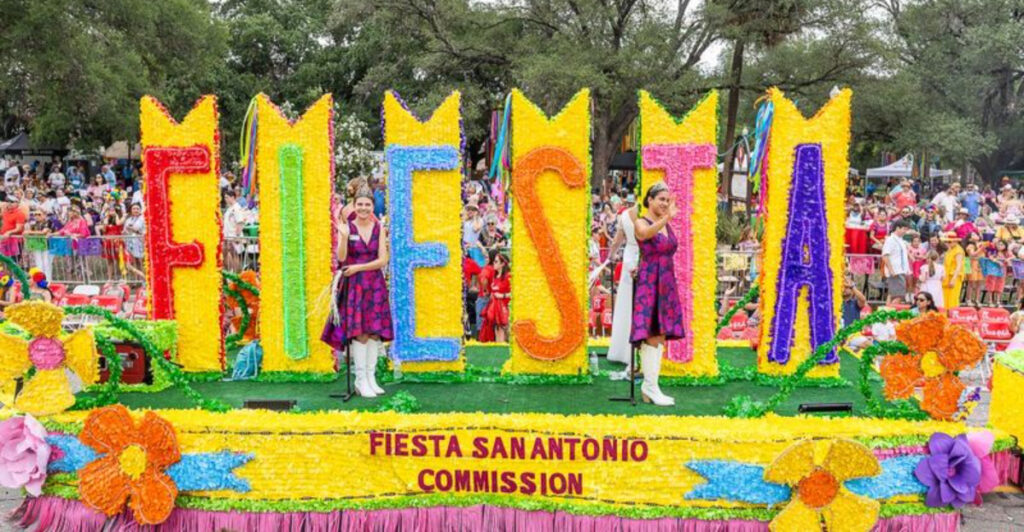
San Antonio transforms into one massive party every April, and Fiesta is the reason why. What started over a century ago as a way to honor Texas heroes has evolved into an eleven-day celebration that takes over the entire city with parades, concerts, carnivals, and enough cascarones to blanket every street corner in confetti.
The Battle of Flowers Parade kicks things off with elaborate floats, marching bands, and spectators who’ve been camping out for prime viewing spots since dawn. Later in the week, the Fiesta Flambeau Parade lights up the night with illuminated floats and performers that turn downtown into a river of color and music.
River Walk events bring unique charm to the celebration. You can watch the Texas Cavaliers River Parade from the banks or grab a spot at a riverside restaurant and enjoy the spectacle with tacos and margaritas. Oyster Bake at St. Mary’s University draws massive crowds for live music and, yes, mountains of oysters prepared every way imaginable.
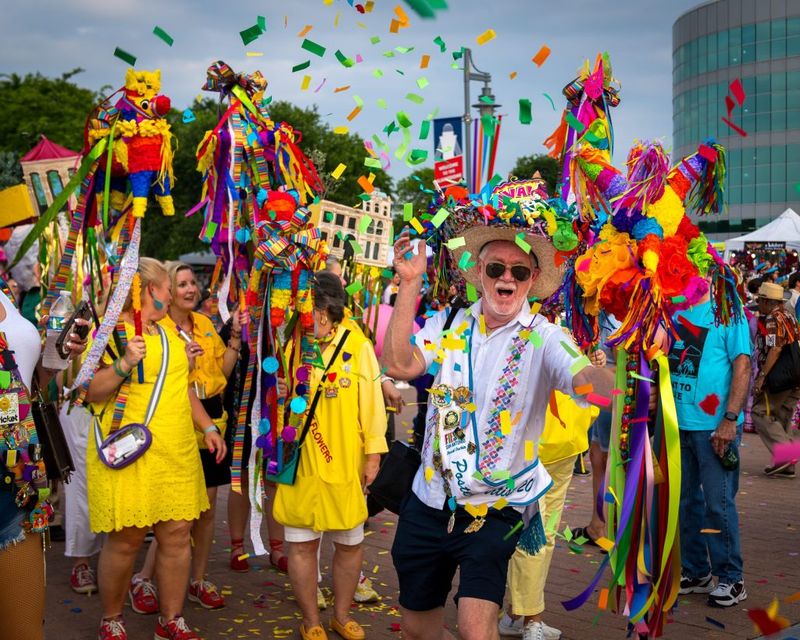
Cascarones are everywhere during Fiesta—those colorful confetti-filled eggs that people crack over each other’s heads for good luck. You’ll leave every event with confetti in your hair, and that’s just part of the experience. The tradition runs deep, connecting generations of San Antonio families who’ve been celebrating together for decades.
Different neighborhoods host their own events, from A Night in Old San Antonio showcasing cultural foods to smaller block parties that capture the local flavor. King Antonio’s coronation, medals worn like badges of honor, and the general sense that the whole city has decided to take a collective breath and celebrate—that’s what makes Fiesta feel less like a festival and more like San Antonio showing you exactly who it is.
2. South by Southwest (SXSW) (Austin)
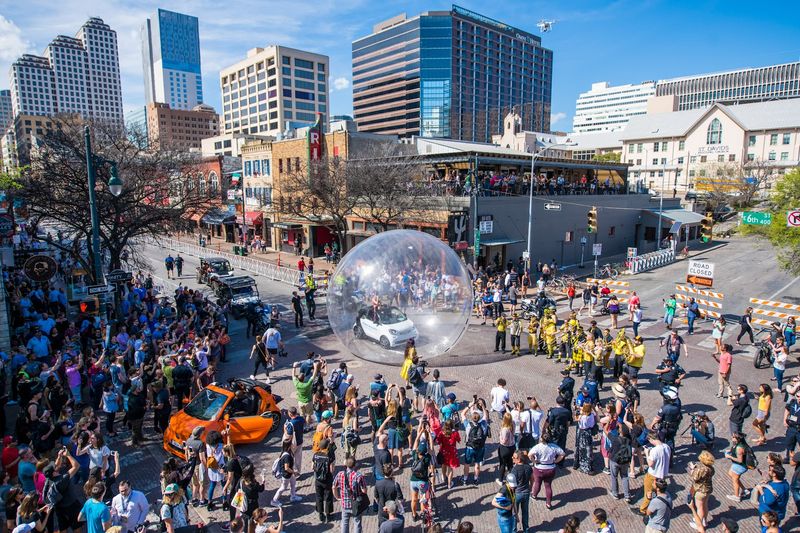
Every March, Austin becomes ground zero for the intersection of music, film, technology, and interactive media. SXSW started as a scrappy music conference in 1987 and has grown into a global phenomenon that essentially takes over downtown for ten days, turning the city into a massive creative playground.
The music portion alone features thousands of artists performing across hundreds of venues. You might catch a future superstar playing a tiny bar on Sixth Street at 2 a.m., then stumble into a surprise performance by an already-famous act at a pop-up show. The beauty of SXSW music is the discovery—wandering from venue to venue, following the sounds that grab you, and finding your new favorite band before anyone else knows their name.
Film screenings premiere movies that often go on to become cultural touchstones. Directors, actors, and industry insiders pack theaters for Q&A sessions, and the buzz around certain films can launch careers overnight. Interactive sessions bring together tech innovators, entrepreneurs, and creatives discussing everything from artificial intelligence to social media trends.
Beyond the official programming, unofficial events and brand activations fill every available space. Free concerts, pop-up installations, networking parties, and food experiences create a festival within a festival. You’ll need a strategy to navigate it all, or you can just embrace the chaos and see where the week takes you.
Austin’s already-weird personality gets amplified during SXSW. The streets pulse with energy, food trucks do record business, and the entire city feels like it’s participating in something bigger than itself. Badge holders mix with locals, industry professionals network with artists, and everyone’s united by the sense that they’re witnessing the future of culture being created in real-time across this quirky Texas capital.
3. Houston Livestock Show and Rodeo
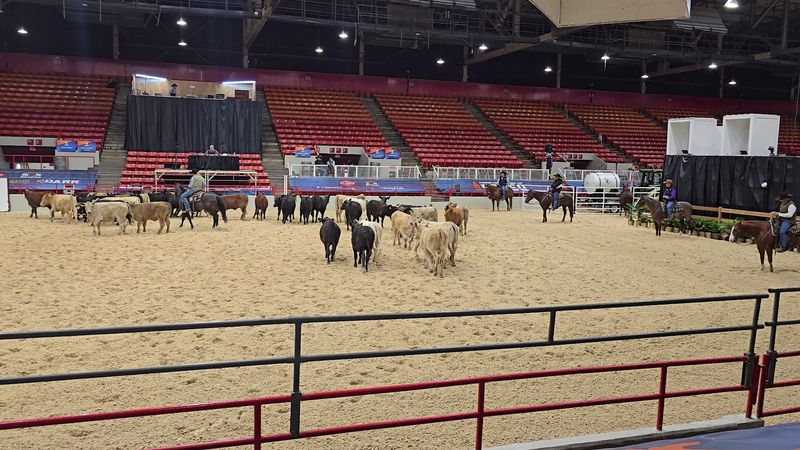
NRG Stadium becomes the center of the rodeo universe every February and March when Houston hosts what’s legitimately the world’s largest livestock show and rodeo. This isn’t just a sporting event—it’s a massive celebration of Western heritage that somehow also manages to book the biggest names in country music and beyond for concerts that pack the arena night after night.
The rodeo competition itself showcases the best cowboys and cowgirls competing in bull riding, barrel racing, steer wrestling, and other events that require equal parts skill and courage. Watching a rider stay on a bucking bronco for eight seconds might not sound impressive until you’re sitting in the stands feeling the power of these animals and realizing just how difficult and dangerous the sport really is.
Livestock shows bring out 4-H and FFA kids from across Texas who’ve spent months raising animals for competition. The junior auctions get emotional as buyers support these young agriculturalists, often paying well above market value to encourage the next generation of Texas farmers and ranchers. It’s a reminder that beneath all the entertainment, this event has deep roots in supporting agriculture education.
The carnival and midway rival any state fair, with rides, games, and food vendors serving everything from turkey legs to funnel cakes. Barbecue cook-offs, shopping areas, and educational exhibits fill the grounds. You could spend an entire day just exploring without ever setting foot in the stadium.
Concert lineups mix country legends with pop stars, rock bands, and hip-hop artists, proving the rodeo’s appeal crosses all demographic lines. Houston turns out in full force, with cowboy hats and boots becoming the unofficial uniform even for people who work in downtown high-rises the rest of the year. It’s Texas showing off its ability to honor tradition while embracing the modern, all under one massive roof.
4. Wurstfest (New Braunfels)
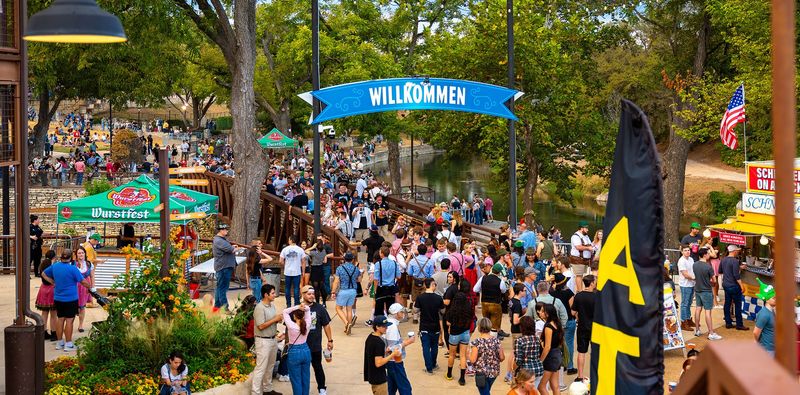
New Braunfels celebrates its German heritage every November with ten days of sausage, beer, and polka music that would make any Bavarian proud. Wurstfest embraces the town’s roots with an enthusiasm that’s both authentic and thoroughly Texan, creating a festival that feels like a genuine cultural celebration rather than just another excuse to party.
Sausage takes center stage, naturally. You’ll find bratwurst, knockwurst, Polish sausage, and varieties you’ve never heard of, all prepared by vendors who take their craft seriously. The food extends beyond wursts to include schnitzel, potato pancakes, strudel, and other German specialties that pair perfectly with the imported and local German-style beers flowing from multiple tents.
Live polka music fills the air throughout the festival grounds. Bands in traditional lederhosen and dirndls keep crowds dancing, and even people who’ve never polkaed before find themselves swept up in the infectious energy. The Marktplatz offers shopping for German imports, handcrafted items, and souvenirs to remember your visit.
Costume contests encourage attendees to dress in traditional German attire, and you’ll see everyone from serious competitors in authentic outfits to families who clearly raided the costume shop for anything remotely Alpine. The Wurst Prince and Princess pageants crown young ambassadors who represent the festival throughout the year.
The Hill Country setting adds natural beauty to the cultural celebration. Cool November weather makes it comfortable to spend hours wandering the grounds, sampling different foods, and enjoying the music. Locals treat Wurstfest as an annual reunion, meeting up with friends they’ve been seeing at this same festival for decades.
The blend of German tradition and Texas hospitality creates something uniquely New Braunfels—a festival that honors where the town came from while celebrating exactly where it is now.
5. Poteet Strawberry Festival
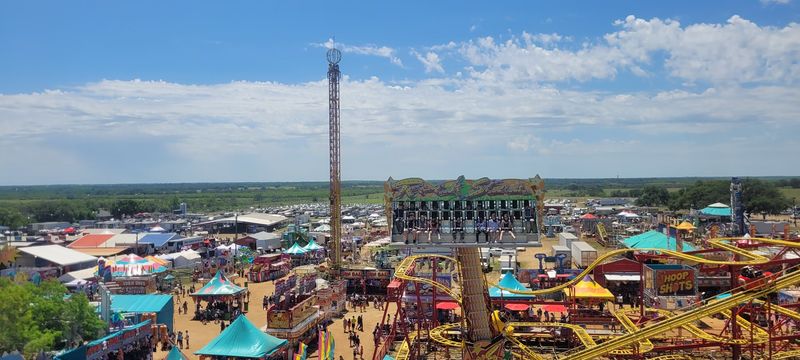
A tiny town south of San Antonio becomes the Strawberry Capital of Texas every April, and Poteet takes that title seriously. This festival has been running since 1948, built around celebrating the local strawberry harvest with a genuine small-town charm that bigger festivals can’t replicate no matter how hard they try.
Strawberries appear in every form imaginable. Fresh berries sold by the basket, strawberry shortcake piled high with whipped cream, strawberry ice cream, strawberry funnel cakes, strawberry lemonade—if it can incorporate strawberries, someone’s selling it here. The quality of the local berries makes everything taste better, and you’ll find yourself buying more flats than you can possibly eat before they go bad, but that’s part of the tradition.
The carnival brings classic rides and games that give the festival a nostalgic county fair atmosphere. Live music fills multiple stages with country, Tejano, rock, and other genres representing the area’s diverse musical tastes. A rodeo, livestock shows, and agricultural exhibits remind visitors that this is still very much a farming community celebrating its primary crop.
Parades wind through downtown Poteet with floats, marching bands, and local organizations showing their pride. The Strawberry Queen pageant crowns a local representative who spends the year promoting both the festival and the town. Arts and crafts vendors sell handmade items, and the whole event feels like stepping back to a simpler time when communities gathered to celebrate the harvest.
Poteet’s population barely cracks 4,000, but over 100,000 people show up for the festival weekend. Traffic backs up on Highway 16, parking fills fields surrounding town, and the whole place buzzes with an energy that proves small-town Texas festivals still have something special. You leave with strawberries, memories, and appreciation for communities that maintain these traditions despite how much the world around them changes.
6. Texas Renaissance Festival (Todd Mission)
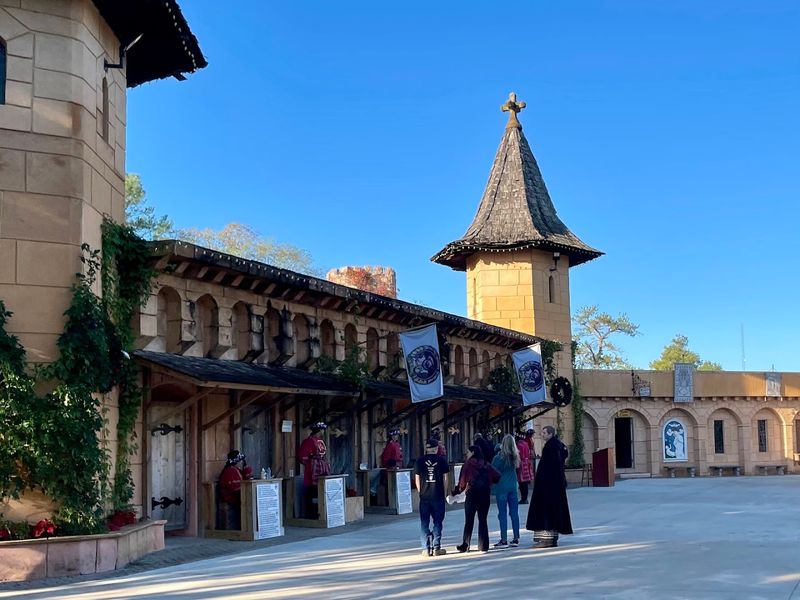
A permanent Renaissance village in the woods near Houston comes alive every fall for what’s become the largest Renaissance festival in the country. Todd Mission might not appear on most maps, but from October through November, this spot transforms into a medieval realm complete with jousting knights, wandering performers, and enough turkey legs to feed a small army.
Costumes are everywhere, and the line between performers and attendees blurs beautifully. Some visitors go all-out with elaborate period-accurate outfits they’ve been perfecting for years, while others grab a simple cape or flower crown from the vendors. The festival encourages everyone to participate in the fantasy, and walking around in street clothes almost feels out of place once you’re immersed in the atmosphere.
Entertainment happens constantly across multiple stages and throughout the pathways. You might stumble upon a bawdy comedy show, a dramatic sword fight, fire performers, musicians playing period instruments, or acrobats defying physics in ways that seem genuinely magical. The jousting tournaments in the arena showcase skilled riders and trained horses performing choreographed battles that still manage to feel exciting and dangerous.
Artisan vendors sell handcrafted items ranging from leather goods to jewelry, blown glass to forged weapons. The quality and variety rival any art fair, and many craftspeople demonstrate their skills throughout the day. Food options extend beyond the famous turkey legs to include meat pies, roasted corn, fish and chips, and various medieval-inspired dishes best enjoyed with a pint from one of the many taverns.
Each weekend features a different theme, giving regulars reasons to return multiple times per season. The grounds sprawl across acres of wooded land with shaded paths, hidden groves, and atmospheric touches that make the whole experience feel transportive. Rain or shine, hot or cold, the festival runs every weekend, and the dedicated fans show up regardless of weather, committed to their annual pilgrimage to this peculiar slice of medieval Texas.
7. Terlingua International Chili Championship
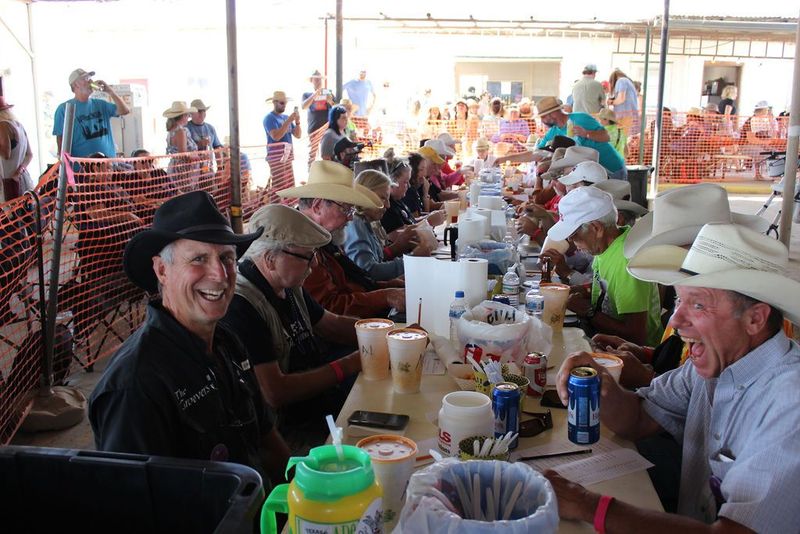
Out in the Chihuahuan Desert near Big Bend, a ghost town hosts one of the most legendary chili cook-offs in existence. Terlingua’s population hovers around 60 people most of the year, but come the first Saturday in November, thousands of chili enthusiasts descend on this remote spot to determine who makes the best bowl of red in a competition that’s as much about the party as the cooking.
The setting alone makes this festival unforgettable. Terlingua’s abandoned mercury mining buildings provide a haunting backdrop, while the surrounding desert landscape offers views that stretch forever under impossibly big skies. The remoteness is part of the appeal—getting here requires commitment, and everyone who makes the journey shares a sense of adventure that bonds the crowd.
Chili competitions run serious, with judges evaluating entries based on strict criteria and competitors guarding their secret recipes like family heirlooms. But the atmosphere stays loose and fun, with camps set up across the desert, live music filling the air, and a general party vibe that lasts from Friday night through Sunday morning. People return year after year, establishing traditions and friendships that extend far beyond chili.
Two separate cook-offs actually happen in Terlingua due to a decades-old split in the organizing groups, which only adds to the quirky charm. Both events maintain their own loyal followings, and some attendees bounce between both competitions throughout the weekend. The rivalry stays friendly, and the real winners are anyone who gets to taste championship-caliber chili in the middle of the Texas desert.
Camping is the primary accommodation option, with RVs and tents spreading across the area like a temporary city. Stargazing opportunities are incredible this far from light pollution, and the cool November nights around campfires create moments that stick with you long after the chili’s been digested. Terlingua proves Texas festivals don’t need infrastructure or accessibility to become legendary—sometimes all you need is great chili, good people, and a willingness to embrace the middle of nowhere.
8. Austin City Limits Music Festival (Austin)
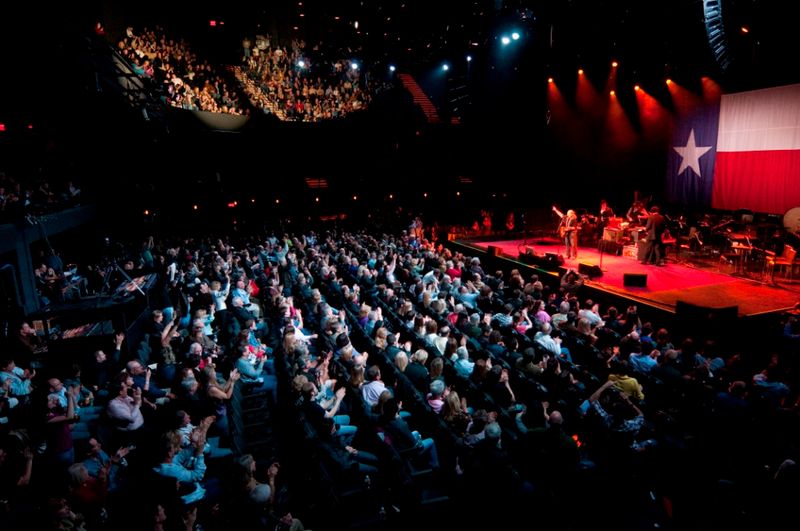
Zilker Park transforms into music paradise every October when ACL brings together over 100 artists across eight stages for two consecutive three-day weekends. What started as a way to celebrate the legendary Austin City Limits television show has grown into one of the premier music festivals in the country, drawing fans from around the world to experience Austin’s live music scene at its absolute peak.
Headliners typically include the biggest names in music across multiple genres—rock legends, pop superstars, hip-hop icons, and indie darlings all share the same festival grounds. But the undercard often delivers the most memorable discoveries, with up-and-coming artists playing earlier slots and winning over new fans who wandered by their stage on the way to something else.
The festival layout spreads across the park’s sprawling grounds, with stages positioned to minimize sound bleed while maximizing the natural beauty of the setting. Barton Springs Pool sits nearby, and the Austin skyline provides a picturesque backdrop as the sun sets behind the performers. Art installations, local food vendors, and Austin Kiddie Limits activities for younger festival-goers round out the experience beyond just the music.
October weather in Austin usually cooperates, offering warm days and comfortable evenings perfect for outdoor concerts. That said, Texas weather can surprise you, and veterans come prepared for everything from scorching heat to sudden rainstorms. The marathon nature of three full days means pacing yourself becomes crucial—hydration, sunscreen, and comfortable shoes matter as much as your artist schedule.
ACL captures Austin’s music culture while also elevating it to a global stage. You’ll see locals who’ve attended every year since the beginning mixing with international visitors experiencing their first Texas festival. The crowd stays respectful, the vibe remains welcoming, and the whole event reinforces why Austin calls itself the Live Music Capital of the World.
By the time the final headliner closes out Sunday night, you’ll already be planning your return for next year.
9. Old Settlers Music Festival (Tilmon)
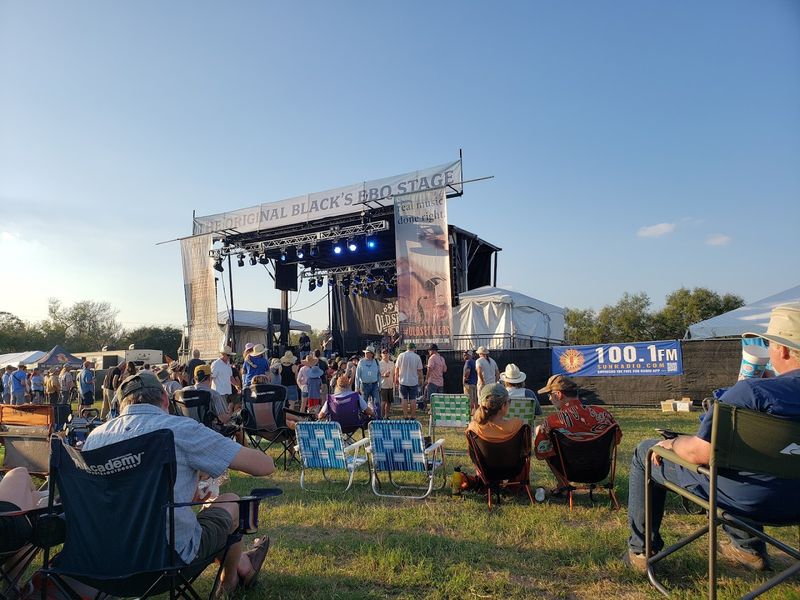
Roots music fans circle their calendars for this April gathering in the tiny community of Tilmon, where Old Settlers has been celebrating bluegrass, Americana, folk, and acoustic music since 1987. The festival maintains an intimate, community-focused atmosphere that feels worlds away from the massive commercial festivals dominating the music scene.
Camping is woven into the festival experience, with attendees setting up tents and RVs around the grounds and creating a temporary village united by love of traditional music. Late-night jam sessions spring up spontaneously around campsites, where amateur and professional musicians alike pick guitars, fiddles, mandolins, and banjos under the stars. These informal gatherings often become the most treasured memories of the weekend.
The music lineup showcases legendary performers alongside emerging artists keeping traditional forms alive. Multiple stages ensure continuous music throughout the day, and the relatively small grounds make it easy to catch sets from different artists without exhausting yourself hiking between venues. The sound quality and artist selection reflect a deep respect for the genres being celebrated.
Kids run free in a safe, family-friendly environment where parents can relax knowing their children are surrounded by like-minded music lovers. Workshops and educational sessions teach traditional music techniques, songwriting, and instrument skills. The festival’s nonprofit status and volunteer-driven operation create a sense that everyone’s invested in making the event succeed beyond just showing up to consume entertainment.
Tilmon’s location in the Hill Country provides natural beauty that enhances the music. Spring weather brings wildflowers, comfortable temperatures, and clear skies perfect for outdoor festivals. The crowd skews older than typical music festivals, with generations of families returning year after year and introducing their children to the same music and traditions they grew up with.
Old Settlers proves that festivals don’t need corporate sponsors or Instagram-worthy installations to create meaningful experiences—sometimes great music, good people, and a shared appreciation for tradition are more than enough.
10. Gruene Music & Wine Fest (Gruene)
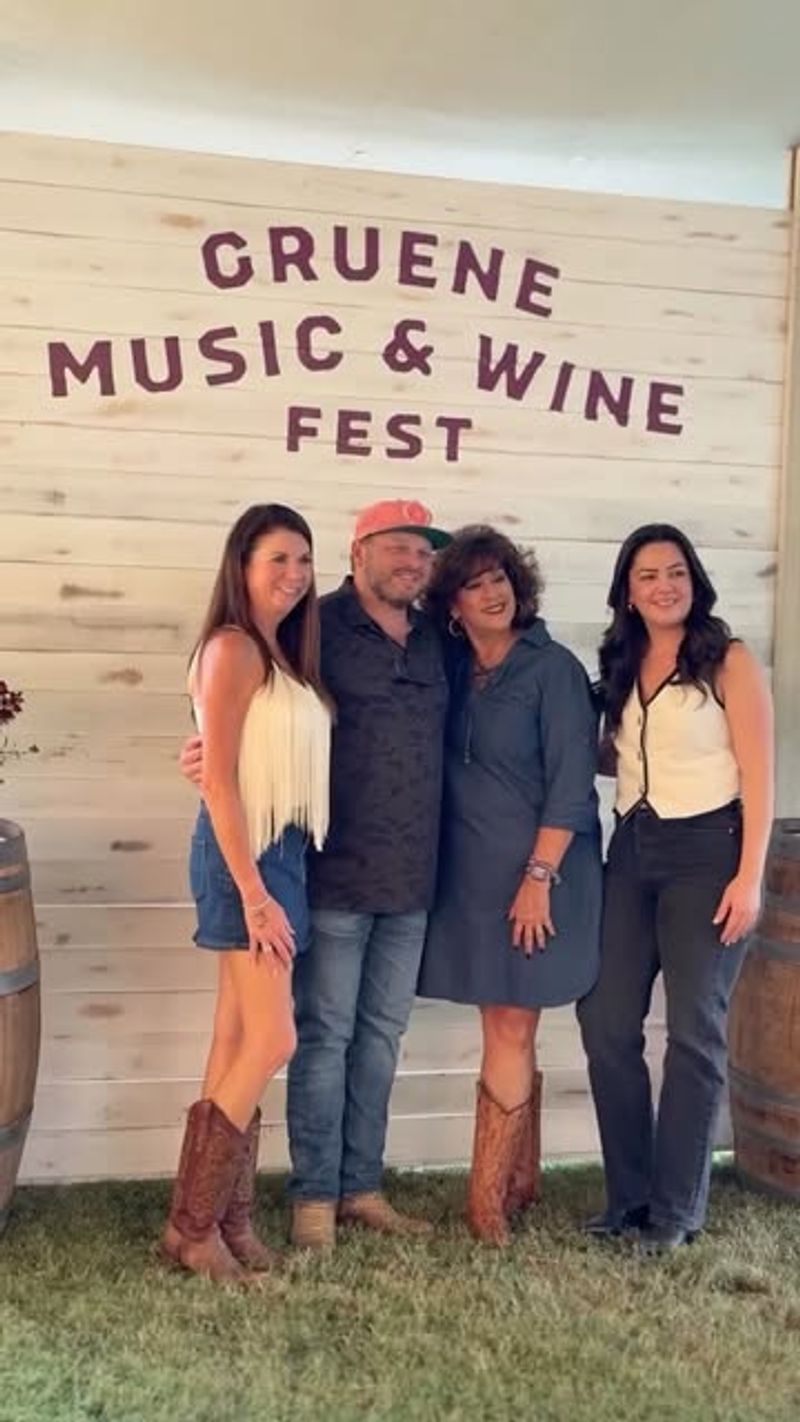
Historic Gruene comes alive every fall when this beloved festival combines two of Texas’s finest offerings—local wines and live music—in a setting that perfectly captures Hill Country charm. The festival spreads across the grounds near the famous Gruene Hall, creating an afternoon that feels both sophisticated and thoroughly Texan.
Texas wineries bring their best bottles for unlimited tastings that showcase just how far the state’s wine industry has come. You’ll sample everything from bold reds to crisp whites, sweet dessert wines to sparkling varieties, all produced in the Hill Country and surrounding regions. Knowledgeable representatives pour the wines and share stories about their vineyards, creating educational moments between sips.
Live music fills multiple stages with Texas country, Americana, blues, and rock artists who understand the assignment—keep the crowd entertained while they enjoy their wine. The music quality stays high without overwhelming the social atmosphere. People spread out on blankets, gather at high-top tables, and move between stages and tasting stations at a leisurely pace that matches the fall afternoon vibe.
Food vendors offer options that pair well with wine, from cheese boards to barbecue, gourmet tacos to artisan pizzas. Arts and crafts booths sell locally made items, and the whole event maintains a focus on supporting Texas businesses and artists. The Guadalupe River flows nearby, and the historic buildings of Gruene provide an authentic backdrop you can’t fake.
Attendance is capped to keep the festival from becoming overcrowded, which means tickets sell out quickly once they’re released. The crowd tends toward wine enthusiasts, music lovers, and Hill Country regulars who appreciate the festival’s commitment to quality over quantity. Weather in October usually cooperates, offering sunny skies and temperatures that make outdoor wine tasting absolutely perfect.
By the time the festival winds down in the early evening, you’ve sampled excellent wines, heard great music, and spent a day in one of Texas’s most charming historic communities—which is exactly what a Hill Country afternoon should feel like.
Share this story