Most folks visiting Texas beeline straight for Austin’s live music, San Antonio’s River Walk, or Houston’s museums. Meanwhile, scattered across this massive state are quiet corners and quirky towns that locals cherish but rarely show up on tourist maps. From ghost-town charm to secret swimming holes and canyons that rival anything out West, these hidden spots offer authentic Texas experiences without the crowds or the hype.
1. Gorman Falls (Bend)
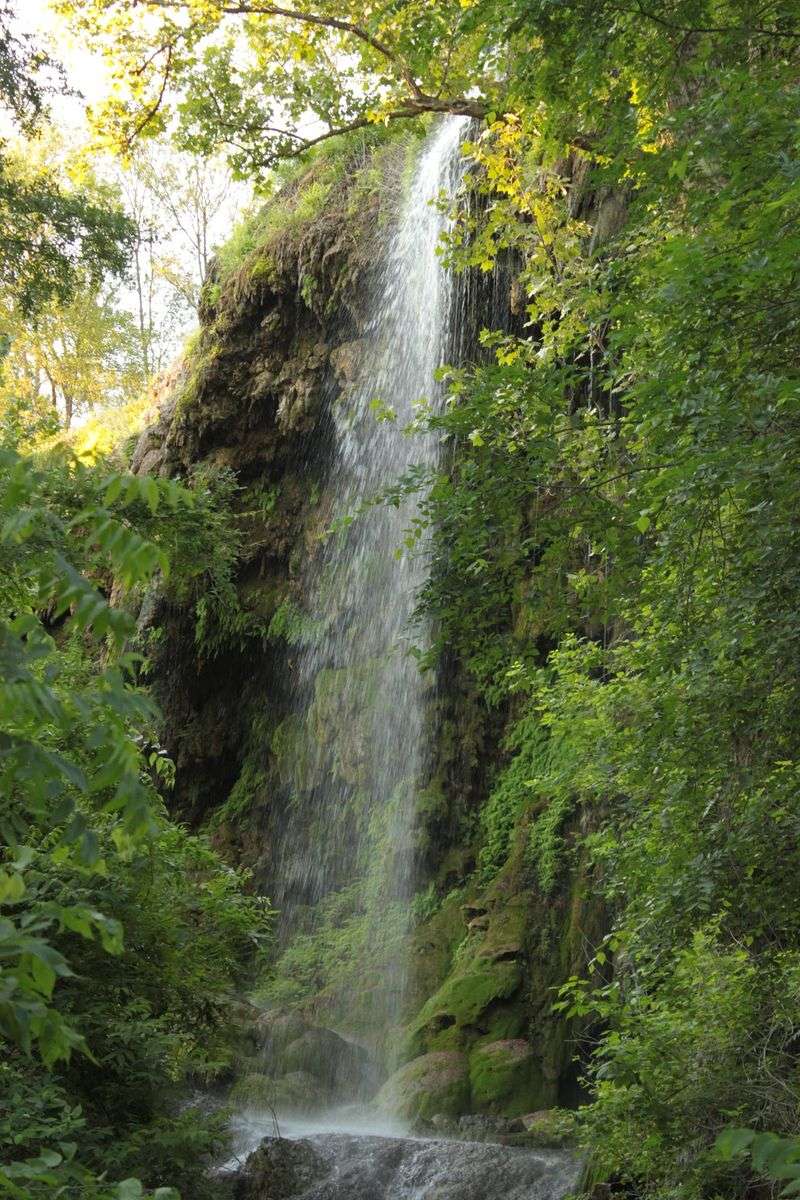
Tucked away in Colorado Bend State Park, this 60-foot waterfall feels like something out of a tropical jungle, not the middle of Texas. The hike to reach it covers about three miles round trip, winding through rocky terrain and crossing shallow creeks that keep things interesting. You’ll want sturdy shoes and plenty of water, especially in summer when the heat can sneak up on you.
What makes Gorman Falls truly special is the travertine formation that creates the waterfall itself. Minerals in the water have built up over thousands of years, forming a curtain of rock draped in emerald moss and ferns. Even during dry spells, the spring-fed flow keeps the greenery vibrant, creating a cool microclimate that feels like a different world.
The trail isn’t technically difficult, but it does require scrambling over some boulders and navigating uneven ground. Park rangers lead guided hikes on weekends, which can be helpful if you’re unfamiliar with the area. The guided tours also share fascinating geology and ecology tidbits you’d miss on your own.
Swimming isn’t allowed directly at the falls to protect the delicate ecosystem, but the park has plenty of other spots along the Colorado River where you can cool off. Camping is available if you want to make a weekend of it, and the stargazing here rivals anywhere in the state thanks to minimal light pollution.
Most visitors to the Hill Country never venture this far off the beaten path, which means you’ll likely have the trail mostly to yourself on weekdays. The falls photograph beautifully year-round, though spring brings the heaviest flow and the most dramatic cascades. Just remember to reserve your park entry in advance during peak season.
2. Port Isabel (Port Isabel)
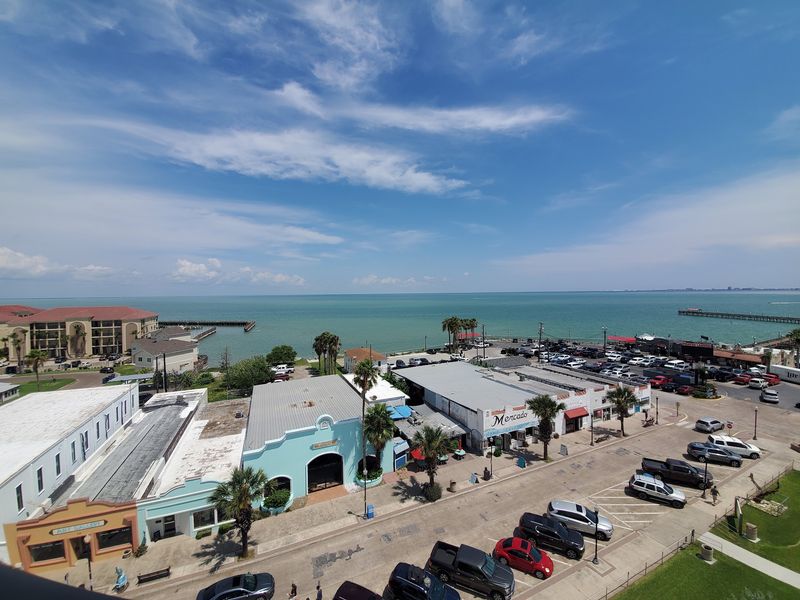
Down at the southern tip of Texas, where the Gulf of Mexico meets the Laguna Madre, sits a fishing village that time seems to have treated gently. Port Isabel started as a Civil War-era port and still carries that historic charm in its lighthouse and weathered downtown buildings. The pace here runs slower than South Padre Island just across the causeway, which suits visitors looking for authentic coastal character instead of spring break energy.
The Port Isabel Lighthouse, built in 1852, remains the main landmark and offers panoramic views after you climb its 75 steps. On clear days, you can see across to South Padre and miles down the coast. The surrounding historic district preserves several 19th-century buildings, including the old railroad depot that now houses a museum dedicated to the area’s maritime heritage.
Fishing is practically a religion here. Charter boats leave daily for deep-sea trips targeting red snapper, kingfish, and tarpon, while the bay side offers calmer waters perfect for wade fishing. Local captains know every sandbar and drop-off, and they’re usually happy to share stories between bites.
The restaurants focus on fresh-caught seafood prepared simply, often by families who’ve run the same spots for generations. You won’t find fancy fusion cuisine, but you will get shrimp that were swimming that morning and fish tacos that locals actually eat. Prices stay reasonable compared to more tourist-heavy coastal towns.
Birders flock here during migration seasons when the area becomes a critical stopover point for hundreds of species traveling between North and South America. The nearby Laguna Atascosa National Wildlife Refuge protects crucial habitat and offers excellent wildlife viewing year-round. Most beach-goers skip Port Isabel entirely, which keeps it refreshingly low-key even during peak summer months.
3. Caprock Canyons State Park (Quitaque)
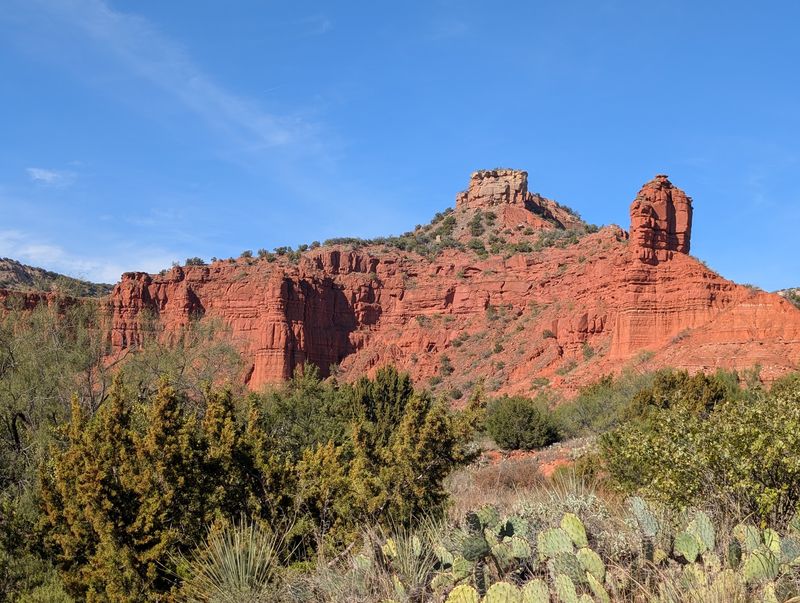
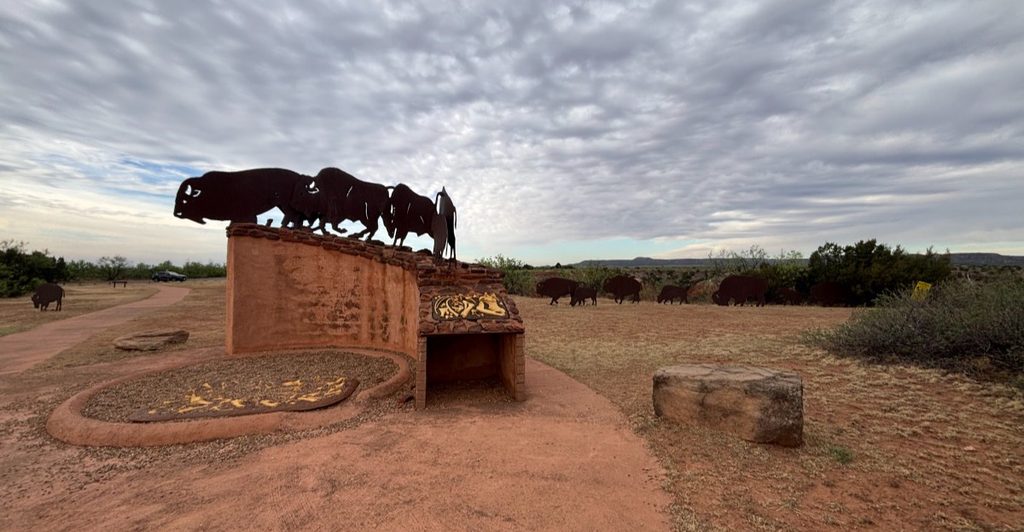
Way up in the Panhandle, where most people think Texas is just flat farmland, these canyons carve dramatic gashes through the high plains. Caprock Canyons reveal layers of red rock, juniper-dotted mesas, and a surprising amount of wildlife, including the state’s official bison herd. The park covers over 15,000 acres, yet it sees a fraction of the visitors that crowd into more famous Texas destinations.
The official Texas State Bison Herd roams freely here, descendants of the massive herds that once dominated the plains. Spotting these shaggy giants grazing in the canyons creates a powerful connection to the region’s past. Keep a respectful distance, though, because bison are unpredictable and surprisingly fast despite their bulk.
Hiking trails range from easy walks to challenging backcountry routes that take you deep into the canyon system. The Caprock Canyons Trailway, a 64-mile rails-to-trails conversion, attracts mountain bikers and equestrians looking for multi-day adventures through stunning scenery. Even short hikes reveal hidden waterfalls after good rains and geological formations that tell millions of years of natural history.
The night sky here earns its reputation as some of the darkest in Texas. Without city lights for miles in any direction, the Milky Way stretches overhead so clearly you can almost feel the depth of space. Amateur astronomers regularly make the drive just for the exceptional stargazing conditions.
Camping options include everything from primitive backcountry sites to RV hookups, and the park rarely fills up except during major holidays. Fall brings the best weather, with comfortable temperatures and the cottonwoods turning gold along the canyon floor. Spring wildflowers can be spectacular too, painting the canyon walls with unexpected color.
The tiny town of Quitaque nearby offers basic supplies and genuine small-town Texas hospitality.
4. Marfa
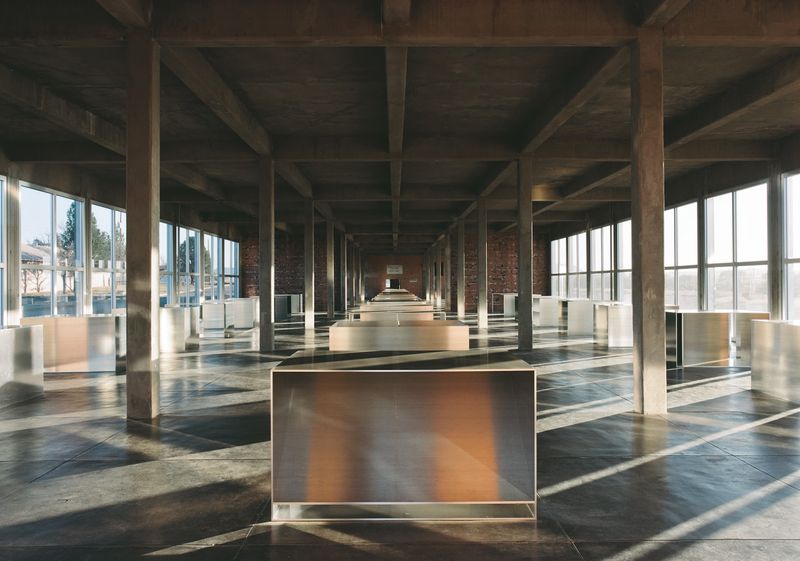
Out in the high desert of far West Texas, population 1,700, this former railroad stop transformed itself into an unlikely international art destination. It started when minimalist artist Donald Judd moved here in the 1970s and began converting old military buildings into permanent installations. What he created sparked an arts movement that continues drawing creative types from around the world.
The Chinati Foundation preserves Judd’s large-scale works and hosts pieces by other contemporary artists across multiple buildings and outdoor spaces. Visiting requires booking ahead, but the guided tours provide context that makes the minimalist work more accessible. The installations use the stark desert landscape as part of the art itself, creating a dialogue between human creation and natural space.
Beyond the art scene, Marfa maintains an authentic small-town character that somehow coexists with galleries, boutique hotels, and restaurants serving cuisine you’d expect in much larger cities. Cowboys still wear working boots to the same coffee shops where artists discuss exhibitions, creating a cultural mix that feels uniquely Texan.
The mysterious Marfa Lights have attracted curious visitors since the 1880s. These unexplained glowing orbs appear on the horizon east of town, and despite numerous scientific investigations, no one has definitively explained them. The official viewing area gets crowded on clear nights, but locals know other spots along Highway 90 where you can watch in solitude.
Accommodations range from restored vintage motels to upscale boutique properties, many designed with the same minimalist aesthetic that defines the town’s art. Book well ahead, especially during events like the Marfa Film Festival. The surrounding Davis Mountains offer hiking and camping for those wanting to explore beyond town.
Summer heat can be intense, but the high elevation keeps nights cool. Most visitors combine Marfa with trips to Big Bend, about two hours south.
5. Seminole Canyon State Park & Historic Site (Comstock)
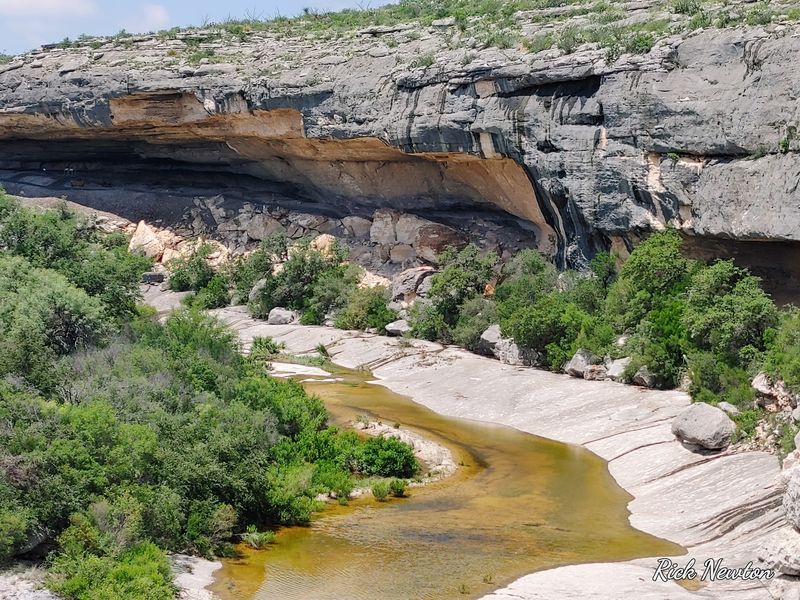
Along the Rio Grande in one of Texas’s most remote corners, prehistoric rock art covers canyon walls with images painted thousands of years ago. Seminole Canyon protects some of the oldest and most significant pictographs in North America, created by hunter-gatherers who lived here long before European contact. The artwork depicts humans, animals, and mysterious shamanic figures in vivid colors that have somehow survived millennia of exposure.
Access to the main pictograph site, Fate Bell Shelter, requires joining a guided tour led by park rangers. These tours involve a steep descent into the canyon, but the effort pays off when you stand beneath rock walls covered in ancient imagery. Rangers explain the techniques used to create the art and share what archaeologists have learned about the people who made them.
The park sits in the Chihuahuan Desert, creating a landscape of rugged beauty with prickly pear, lechuguilla, and occasional desert willows. Wildlife includes roadrunners, javelinas, and various snake species, so watch where you step. The canyon itself was carved by the now-dry Seminole Creek, creating dramatic cliffs and overhangs that provided shelter for ancient peoples.
Hiking trails beyond the pictograph tour explore the canyon rim and offer sweeping views across the desert to Mexico. The Presa Canyon Trail takes you to additional rock art sites, though these are less elaborate than Fate Bell. Bring more water than you think you’ll need because the desert heat and low humidity can quickly lead to dehydration.
The park’s remoteness means you’ll encounter few other visitors, even on weekends. Camping is available but limited, and the nearest town with services is Del Rio, about 45 minutes away. Cell service is nonexistent, so plan accordingly.
The pictograph tours run on a set schedule, so check ahead and arrive early. Winter and spring offer the most comfortable temperatures for exploring.
6. Luckenbach
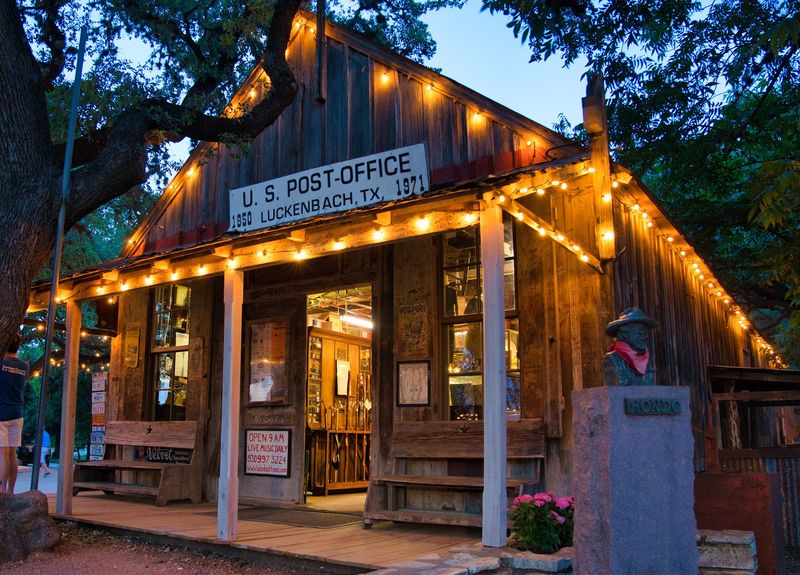
Waylon Jennings made this tiny Hill Country community famous with his 1977 song, but Luckenbach’s appeal goes deeper than country music nostalgia. The entire town consists of a general store, a dance hall, and a few outbuildings scattered under massive oak trees. What it lacks in size, it makes up for in authentic Texas character and a genuine sense of community.
The general store, built in 1849, serves as the town’s heart and soul. Inside, you’ll find cold beer, basic supplies, and walls covered with business cards, photos, and memorabilia left by visitors over the decades. The wooden floors creak, the screen door slams, and the whole place feels like stepping into a different era.
Live music happens almost daily under the oak trees out back, where musicians play for tips and the love of performing. Weekends bring more established acts to the dance hall, but the impromptu picker circles during the week often create the most memorable moments. Bring a lawn chair, grab a cold one, and settle in for whatever unfolds.
The town operates on what locals call Luckenbach time, meaning there’s no rush and no pretense. Folks gather to play dominoes, share stories, and enjoy being unplugged from the modern world. Cell service is spotty at best, which somehow adds to the appeal.
Special events throughout the year draw bigger crowds, including the annual Hug-In and various music festivals. Even during these busier times, the laid-back vibe persists. There’s no admission fee to hang out in Luckenbach, though supporting the musicians and buying a beer or two from the store keeps the place running.
The surrounding Hill Country offers plenty to explore, with Fredericksburg just 13 miles away. Most visitors spend a few hours in Luckenbach as part of a larger Hill Country road trip, though some return again and again, drawn by the simple pleasure of a place where everybody is somebody.
7. Caddo Lake (Karnack)
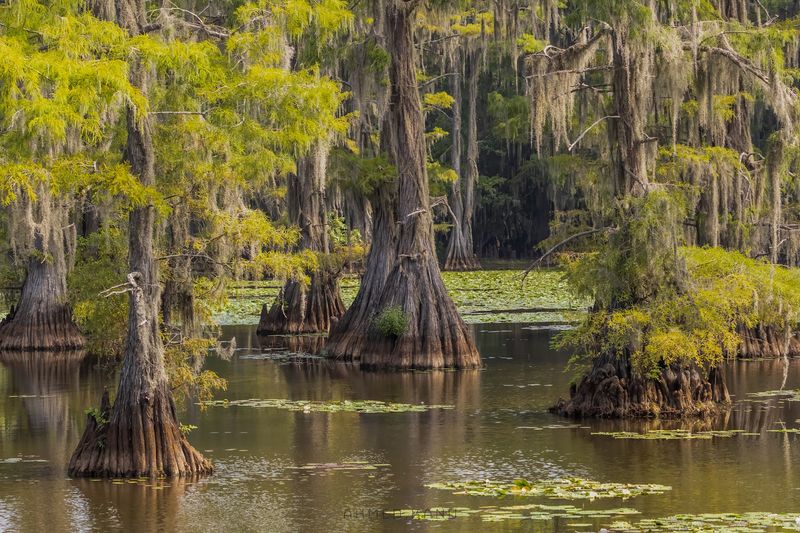
Spanish moss drapes from ancient cypress trees rising out of dark water, creating an atmosphere more Louisiana bayou than typical Texas landscape. Caddo Lake straddles the Texas-Louisiana border in the far northeastern corner of the state, covering 26,810 acres of interconnected waterways, sloughs, and open ponds. It’s the only natural lake in Texas, formed by a massive logjam on the Red River centuries ago.
Paddling through the cypress forest feels like entering a primordial world. The trees, some over 400 years old, create a maze of channels where navigation requires attention and a good sense of direction. Renting a kayak or canoe from one of the local outfitters gives you the freedom to explore at your own pace, slipping silently past turtles sunning on logs and herons stalking fish in the shallows.
The lake supports an incredible diversity of wildlife, including alligators that bask on the banks during warmer months. They’re generally not aggressive toward humans, but maintaining a respectful distance is wise. Birders can spot prothonotary warblers, barred owls, and numerous waterfowl species depending on the season.
Fishing here targets largemouth bass, crappie, and catfish, with the cypress-studded shallows providing excellent habitat. Local guides know the productive spots and can help navigate the confusing waterways. The lake’s unique ecosystem creates fishing conditions unlike anywhere else in Texas.
Caddo Lake State Park offers camping, cabins, and boat rentals on the Texas side. The park’s paddling trails are marked, making them ideal for first-time visitors who might otherwise get lost in the maze of channels. Morning mist rising from the water creates particularly photogenic conditions, and sunrise paddles reward early risers with magical light filtering through the cypress canopy.
The nearby town of Jefferson adds historic appeal with its preserved 19th-century architecture and antique shops. Combining a lake visit with time in Jefferson makes for a full East Texas experience far removed from the state’s better-known destinations.
8. Terlingua
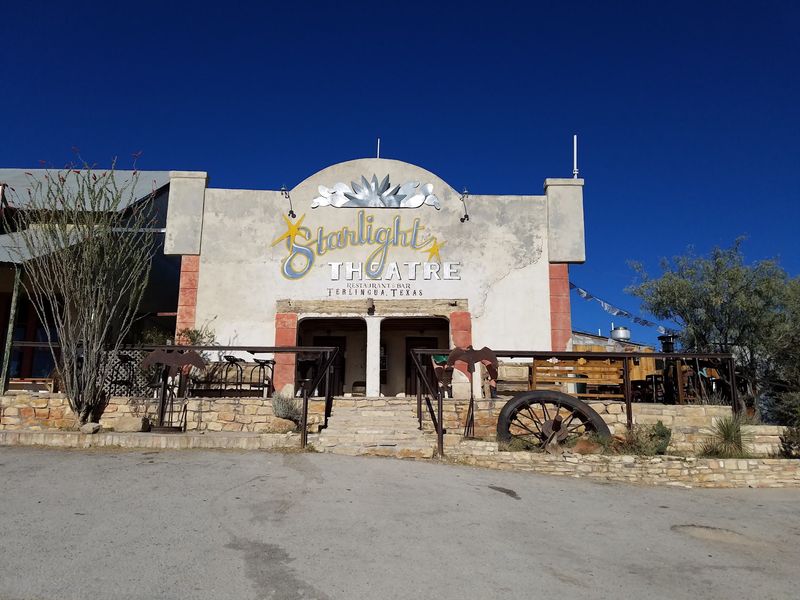
This former mercury mining town died when the mines closed in the 1940s, leaving behind crumbling adobe ruins and a haunting beauty that eventually attracted a new wave of settlers. Modern Terlingua exists as a loose collection of artists, river guides, and desert lovers who’ve created a quirky community among the ruins. The ghost town section preserves the original mining-era buildings, while newer development spreads along the highway toward Big Bend National Park.
The Starlight Theatre, housed in a restored old building, serves as the social center with live music, cold beer, and surprisingly good food. The walls display local art, and the outdoor patio offers views of the surrounding desert mountains. On weekends, the place fills with a mix of tourists, river guides, and locals, all sharing stories and soaking up the frontier atmosphere.
Terlingua hosts the annual International Chili Championship every November, drawing thousands of chili enthusiasts to this remote location. The event transforms the ghost town into a temporary city of RVs, tents, and chili cook-offs. Outside of chili season, the population hovers around 100 permanent residents.
The location makes an ideal base for exploring Big Bend National Park, just 30 minutes away, and the Rio Grande’s spectacular canyons. River outfitters in town offer rafting trips ranging from gentle floats to serious whitewater adventures through Santa Elena Canyon and other dramatic gorges.
Accommodations range from basic campgrounds to small inns and vacation rentals. Nothing here qualifies as fancy, but the desert setting and star-filled nights more than compensate. The nearest real town, Alpine, sits 80 miles away, so come prepared with anything you might need.
Photography opportunities abound, from the photogenic ruins to spectacular desert sunsets. The surrounding Chihuahuan Desert landscape offers hiking and exploring for those willing to venture beyond the pavement. Summer heat can be brutal, but spring and fall bring perfect weather for outdoor activities.
The remoteness and darkness make Terlingua exceptional for stargazing, with the Milky Way clearly visible on moonless nights.
9. Jacob’s Well Natural Area (Wimberley)
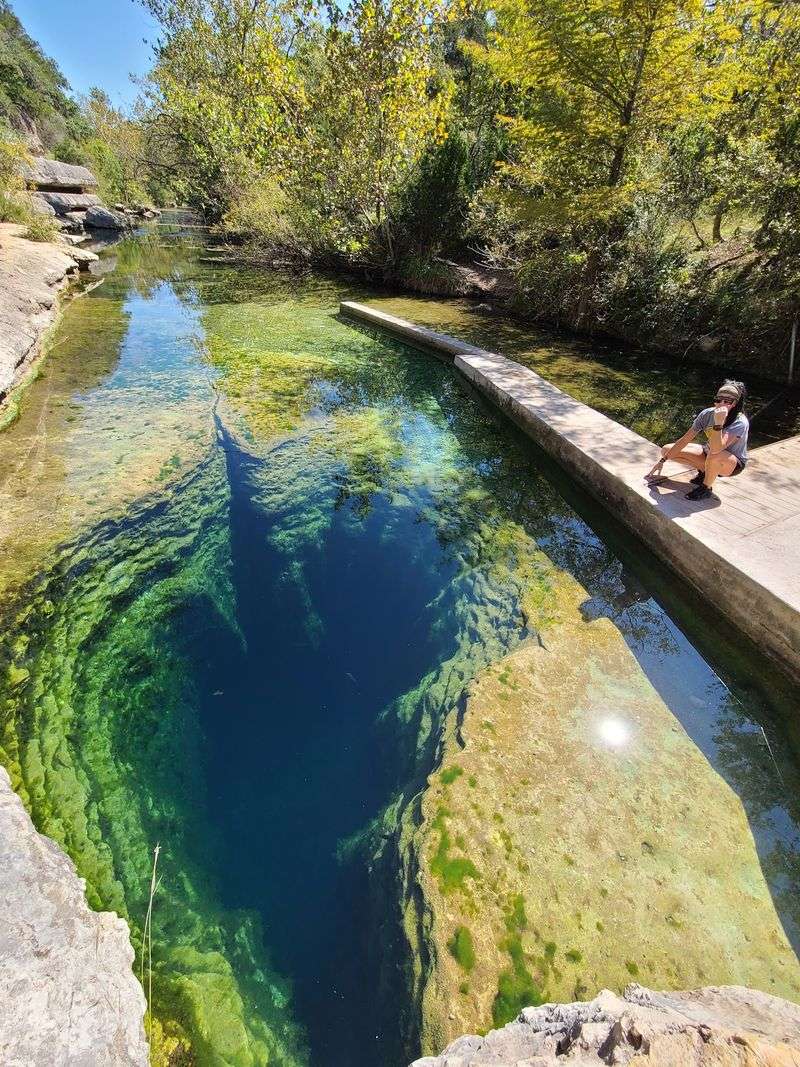
An artesian spring feeds this seemingly bottomless swimming hole, sending crystal-clear water bubbling up from one of the longest underwater caves in Texas. The well plunges at least 140 feet straight down, though the full depth of the cave system remains unmapped. On hot Hill Country days, the cool spring water provides relief, though swimming here now requires reservations due to its growing popularity.
The water stays a constant 68 degrees year-round, refreshingly cool in summer but bracing in winter when only the brave venture in. The clarity allows you to peer down into the depths, watching the sand pulse as water surges up from below. It’s mesmerizing and slightly unnerving to float above what appears to be a portal into the earth.
Hays County acquired the property to protect the spring and its surrounding habitat from development. The natural area includes several miles of hiking trails through typical Hill Country terrain of juniper, oak, and limestone outcrops. Cypresses and sycamores shade the creek downstream from the well, creating pleasant spots for picnicking.
Reservation requirements limit daily visitors, helping preserve the fragile ecosystem and preventing overcrowding. Book well ahead, especially for summer weekends when slots fill quickly. The reservation system also staggers arrival times, spreading out the crowd throughout the day.
Cave diving in Jacob’s Well has claimed several lives over the years, and diving is now prohibited to protect both people and the delicate underground environment. The cave system connects to the Edwards Aquifer, the primary water source for millions of Texans, making its protection critically important.
The nearby town of Wimberley offers shopping, dining, and additional swimming spots along Cypress Creek. Blue Hole Regional Park provides another swimming option without the reservation hassle, though it lacks the dramatic depth of Jacob’s Well. Combining both spots makes for a perfect Hill Country day trip.
Most visitors to the Austin area never make it out to Wimberley, keeping these swimming holes relatively uncrowded compared to Barton Springs or Hamilton Pool.
10. Jefferson
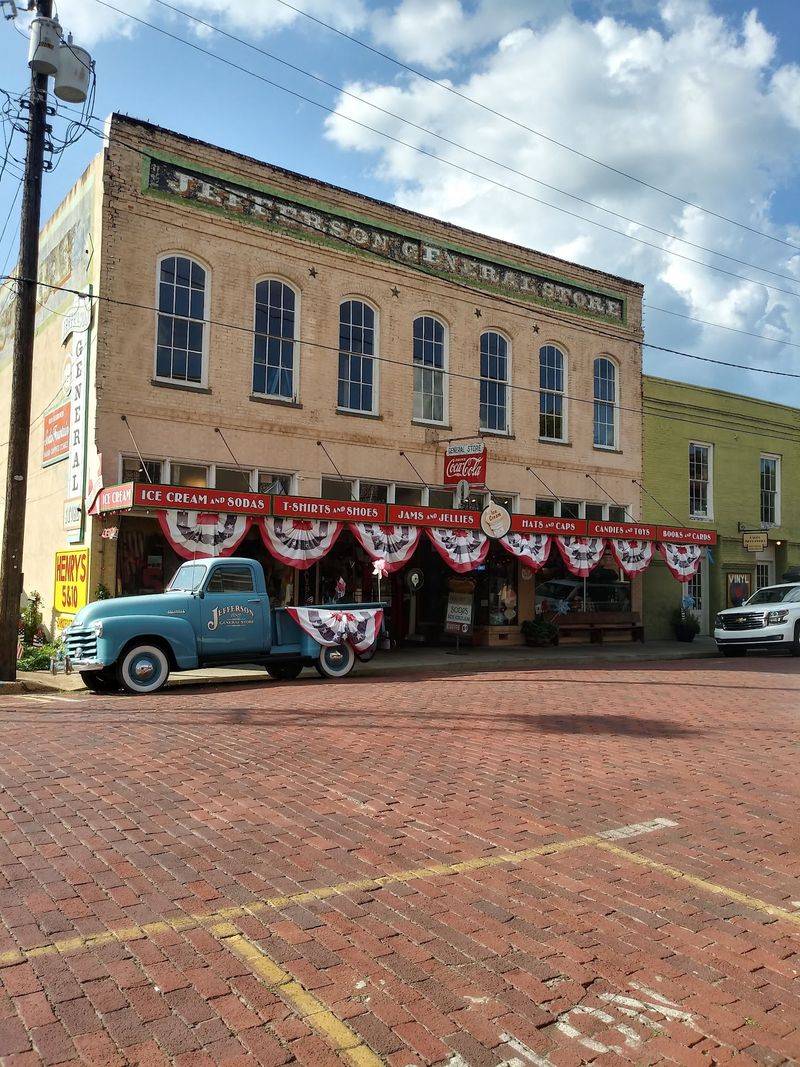
Before railroads shifted commerce elsewhere, Jefferson thrived as a major riverport on the Big Cypress Bayou, growing wealthy from cotton and timber trade. That prosperity built grand Victorian homes and commercial buildings that still line the streets today, creating one of Texas’s best-preserved 19th-century towns. Walking downtown feels like stepping into another era, with original storefronts, brick streets, and architecture spanning several decades of the 1800s.
Multiple historic homes operate as house museums, offering guided tours that detail both the architecture and the colorful characters who lived there. The Excelsior House Hotel, operating since 1858, still welcomes guests and claims to be the second-oldest hotel in Texas. Staying there puts you in rooms where President Grant and Jay Gould once slept, surrounded by period furnishings and creaky wooden floors.
Antique shops fill many of the downtown buildings, offering everything from valuable finds to quirky collectibles. Serious collectors make regular trips here, knowing the inventory constantly changes. Even if you’re not buying, browsing provides a fascinating glimpse into Texas history through the objects people once used daily.
The town embraces its haunted reputation, with several buildings claiming resident ghosts and offering ghost tours after dark. Whether you believe in spirits or not, the tours provide entertaining history lessons and access to buildings not otherwise open to the public. The Victorian-era cemetery adds to the atmospheric appeal, with elaborate monuments and Spanish moss-draped trees.
Caddo Lake lies just a few miles away, making Jefferson an ideal base for exploring both the historic town and the natural beauty of the cypress swamp. Several bed-and-breakfasts operate in restored historic homes, offering more character than chain hotels.
Annual events include a historical pilgrimage in May and a popular Christmas candlelight tour. The town decorates extensively for the holidays, creating a particularly festive atmosphere. Most weekend visits combine historic touring, antique shopping, and meals at local restaurants serving Southern comfort food in vintage settings.
The remoteness in far Northeast Texas means fewer tourists than more accessible historic towns.
Share this story