Texas has more than cowboys and barbecue. From towering canyons to underground caves, wild beaches to rivers that practically beg you to jump in, this state delivers outdoor experiences that stick with your family long after the sunscreen wears off. Whether your crew craves hiking rugged trails, spotting wildlife, or floating down crystal-clear water, these ten adventures prove that the best memories happen when you step outside together and let Texas work its magic.
1. Big Bend National Park
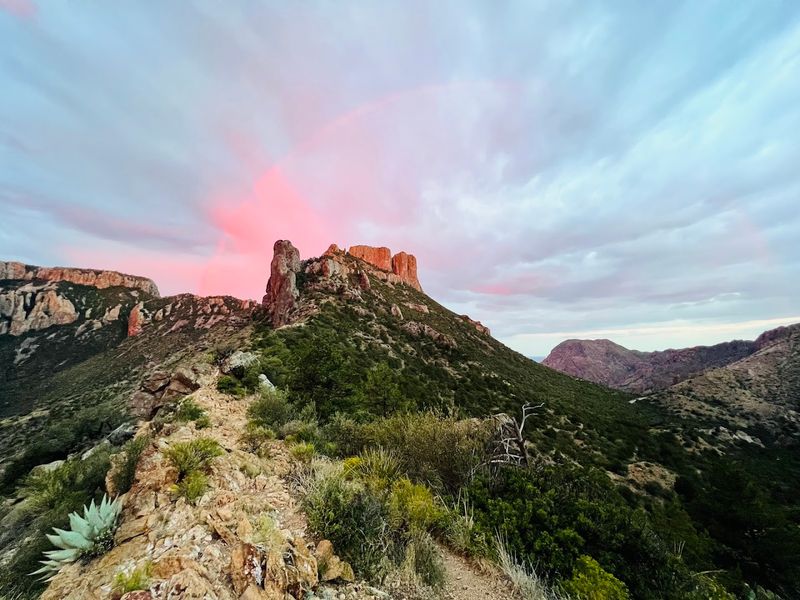
Way out where cell service disappears and the stars take over the night sky, Big Bend National Park sprawls across more than 800,000 acres of pure Texas wilderness. Your family will find themselves surrounded by desert mountains, river canyons, and landscapes so vast they make everyday worries feel wonderfully small. This place doesn’t just offer scenery—it offers space to breathe, explore, and reconnect without the usual distractions buzzing in your pockets.
Hiking trails range from easy riverside walks to challenging mountain climbs, so everyone from your youngest explorer to your most adventurous teen can find their perfect path. The Rio Grande curves through the park, inviting families to paddle canoes through Santa Elena Canyon where limestone walls tower 1,500 feet overhead. Pack plenty of water, wear sturdy shoes, and prepare for terrain that shifts from desert flats to forested highlands depending on elevation.
When darkness falls, Big Bend transforms into one of the darkest night skies in North America. Constellations pop out so clearly you can practically reach up and grab them, and the Milky Way stretches across the horizon like a river of light. Bring a blanket, lie back together, and watch shooting stars streak past while your kids ask questions about galaxies far away.
Wildlife sightings add unexpected thrills to your visit. Roadrunners dart across paths, javelinas snuffle through brush, and if luck’s on your side, you might spot a black bear in the Chisos Mountains. Spring brings wildflower blooms that paint the desert in purples, yellows, and reds, turning harsh landscapes surprisingly soft and colorful.
This remote corner of Texas rewards families willing to venture off the beaten path with experiences that feel genuinely wild and wonderfully unforgettable.
2. Palo Duro Canyon State Park
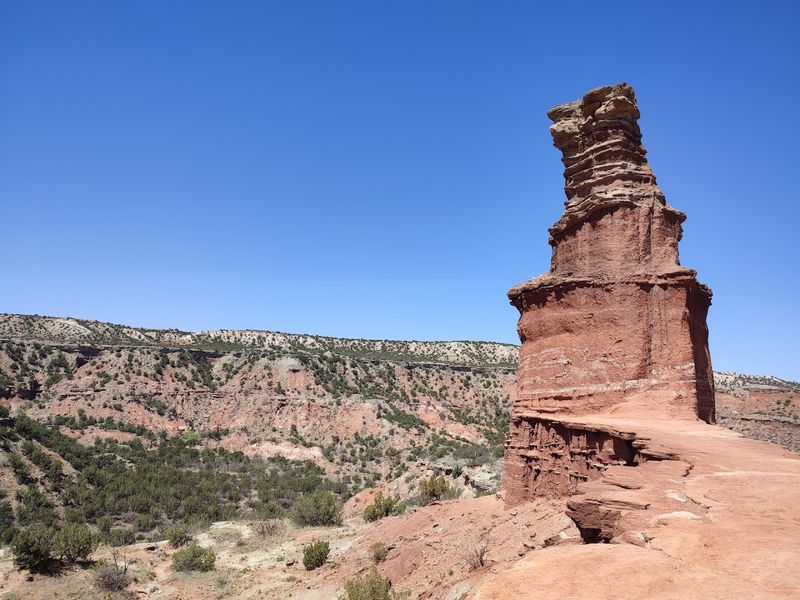
Carved over millions of years by the Prairie Dog Town Fork of the Red River, Palo Duro Canyon drops 800 feet below the flat Texas Panhandle in a burst of reds, oranges, and purples that’ll make your jaw drop. This 120-mile-long canyon earns its nickname as Texas’ Grand Canyon, and once your family stands at the rim looking down at those striped rock layers, you’ll understand why. The contrast between the endless plains above and the dramatic depths below creates one of those moments where everyone stops talking and just stares.
More than 30 miles of trails wind through the canyon floor and up its sides, offering everything from easy valley strolls to steep climbs that reward huffing families with panoramic views. The Lighthouse Trail, a moderately challenging 6-mile round trip, leads to the park’s most famous rock formation—a sandstone pillar that rises like a beacon from the canyon floor. Horseback riding tours let families explore deeper sections of the canyon while guides share stories about the area’s history and geology.
Summer evenings bring the outdoor musical drama “TEXAS” to the canyon’s Pioneer Amphitheater, where performers tell the story of Panhandle settlers through song, dance, and pyrotechnics against the canyon’s natural backdrop. Kids love the spectacle, and parents appreciate how the show brings local history to life without feeling like a boring lecture. Camping options range from tent sites to cabins, so you can wake up surrounded by those incredible canyon walls.
Mountain biking trails challenge older kids and adults, while younger children can hunt for fossils and interesting rocks along easier paths. The park’s ecosystem supports mule deer, wild turkeys, and roadrunners, plus enough lizards and insects to keep curious minds engaged for hours. Pack layers—temperatures swing dramatically between sun-baked canyon floors and shaded trails.
3. Enchanted Rock State Natural Area
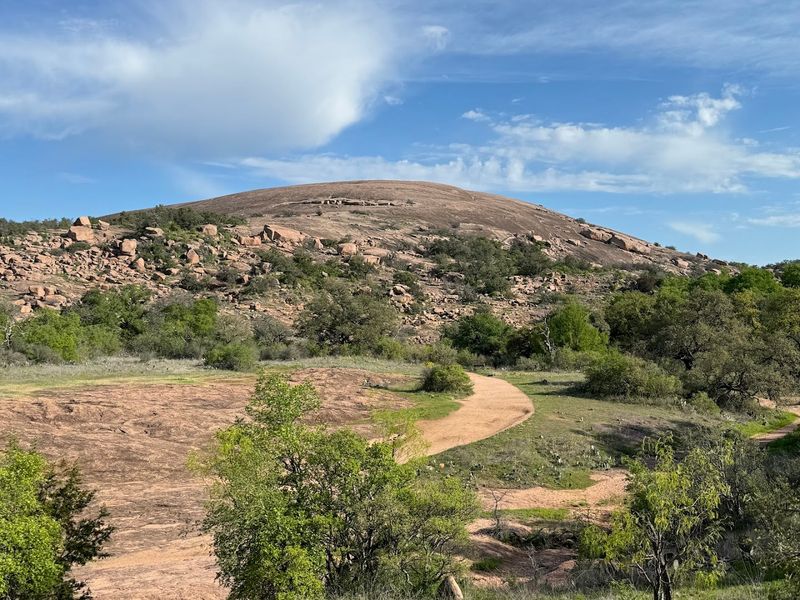
Rising 425 feet above the Hill Country like a giant pink bubble of granite, Enchanted Rock has drawn people to its summit for thousands of years. Native American legends speak of ghost fires flickering at its peak and mysterious creaking sounds echoing from within—sounds that modern geologists explain as the rock contracting at night after expanding in the heat, but your kids will probably prefer the ghost story version. Either way, scrambling up this massive dome creates the kind of family adventure that gets retold at dinner tables for years.
The Summit Trail climbs less than a mile but gains significant elevation, challenging little legs while remaining doable for most families willing to take breaks and enjoy the journey. Smooth granite under your feet provides excellent traction when dry, though rain makes it slippery enough to postpone your climb. As you ascend, the Hill Country unfolds below in waves of green dotted with other granite outcrops, and the sense of accomplishment when your family reaches the top together feels genuinely earned.
Beyond the main dome, smaller formations and caves invite exploration. Loop Trail circles the base through oak woodlands where kids can spot lizards sunning on rocks and search for vernal pools that form in granite depressions after rains. These temporary pools create miniature ecosystems complete with fairy shrimp and other creatures adapted to brief aquatic life.
Rock crevices and small caves add an element of discovery that keeps younger explorers engaged.
Visit early morning or late afternoon to avoid the intense midday heat that turns exposed granite into a griddle. Bring more water than you think you’ll need—there’s zero shade on the dome itself. Weekends get crowded enough that the park sometimes closes when parking fills, so arriving at opening time or visiting weekdays gives your family more elbow room to enjoy this natural wonder without battling crowds.
4. Dinosaur Valley State Park
Imagine standing exactly where a dinosaur stood 113 million years ago, your foot fitting inside a three-toed track left by an Acrocanthosaurus hunting along an ancient shoreline. That’s not imagination at Dinosaur Valley State Park—it’s reality preserved in limestone along the Paluxy River. When water levels drop, these massive footprints emerge from the riverbed, letting your family literally walk in dinosaur steps and touch evidence of creatures that once roamed Texas when it looked nothing like the state you know today.
The park preserves multiple trackways created by different dinosaur species, including both carnivorous theropods and massive sauropods whose round prints measure three feet across. Rangers lead interpretive programs explaining how these tracks formed in coastal mud that eventually hardened into rock, survived millions of years of geological chaos, and ended up in the Texas Hill Country. Kids who think dinosaurs only exist in museums suddenly realize these ancient giants walked right here, making paleontology feel immediate and real rather than distant and abstract.
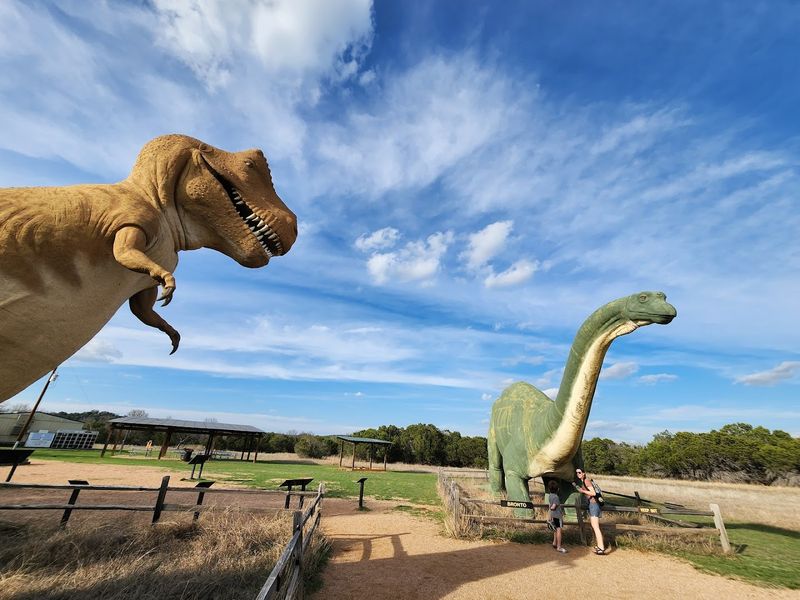
Beyond the famous tracks, eight miles of hiking trails wind through scenic terrain where limestone bluffs overlook the river and oak trees provide welcome shade. The Blue Hole swimming area offers relief from Texas heat, with clear water perfect for cooling off after exploring. Fiberglass dinosaur models positioned throughout the park—remnants from the 1960s New York World’s Fair—add a quirky roadside-attraction vibe that kids find hilarious and parents find oddly charming.
Camping options include sites along the river where you can fall asleep to the sound of water flowing over ancient stone. Spring and fall bring the best track-viewing conditions when river levels typically drop, though summer visits combine swimming with dinosaur hunting. Bring water shoes for walking in the riverbed, and don’t expect pristine museum-quality fossils—these tracks show their age, weathered and worn but no less amazing for it.
5. Pedernales Falls State Park
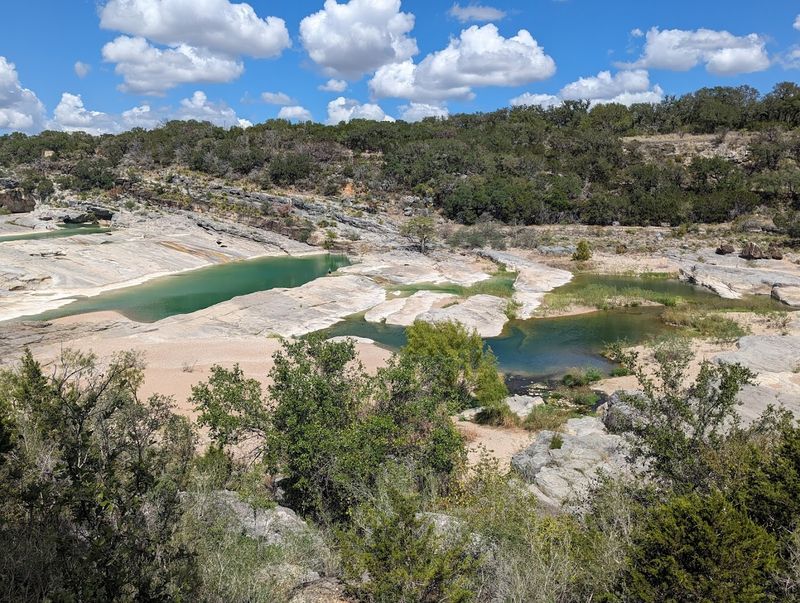
Water tumbles over layered limestone shelves at Pedernales Falls, creating a series of cascades and pools that look more like a natural water park than a typical river. The Pedernales River carved these stepped formations over countless years, and now they provide your family with swimming holes, wading areas, and scenic spots where you can spread out a picnic and watch the water flow past. Unlike a single dramatic waterfall, this place offers multiple levels and areas to explore, so everyone can find their perfect spot along the river.
Swimming happens downstream from the falls where calmer pools collect between limestone ledges. The water runs clear enough to see fish darting around your feet, and shallow areas let younger kids splash safely while older swimmers venture into deeper sections. During dry spells, the falls slow to a trickle and expose more of the interesting rock formations, while spring rains turn them into a more impressive rush of whitewater that’s beautiful to watch but too dangerous for swimming.
Seven miles of hiking trails range from easy riverside walks to more challenging routes that climb into the hills overlooking the river valley. The Falls Overlook provides the classic view where you can see the entire cascade system from above, and it’s worth the short hike just for the photo opportunities. Wildlife includes white-tailed deer, armadillos, and numerous bird species that appreciate the river habitat as much as your family does.
Camping facilities include sites with water and electricity, plus primitive backpacking areas for families ready to venture further from civilization. The park sits close enough to Austin and San Antonio for easy day trips, but feels remote once you’re walking along the river with nothing but water sounds and bird calls surrounding you. Weekends draw crowds during summer, so consider weekday visits or arriving early to claim your preferred swimming spot before everyone else discovers this Hill Country gem.
6. Guadalupe River State Park
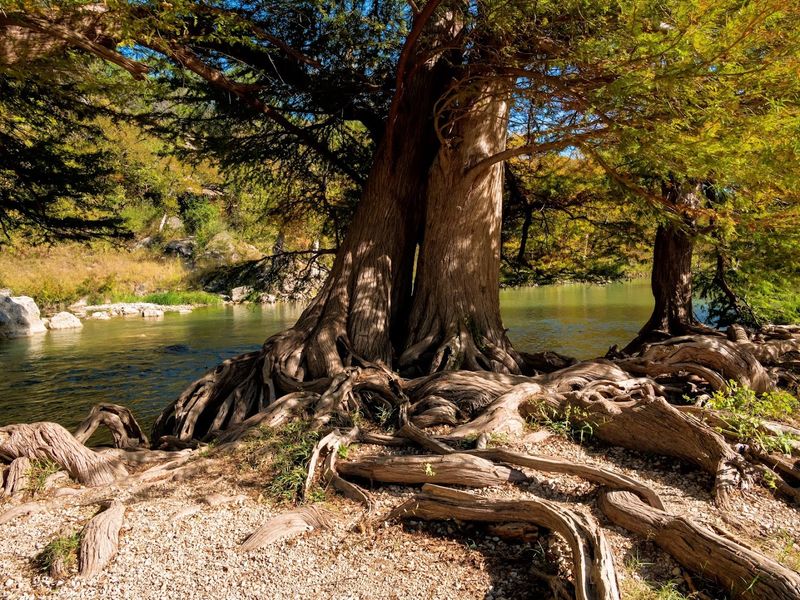
Cypress trees drape over the Guadalupe River like natural umbrellas, their knobby knees poking up through clear water that flows cool even during the hottest Texas summers. This state park protects four miles of riverfront where your family can tube at a gentler pace than the party-crowd sections downstream, fish for bass and catfish from shaded banks, or simply sit with your feet in the water watching schools of minnows investigate your toes. The vibe here leans more toward peaceful nature appreciation than spring-break chaos, making it perfect for families who want river fun without the rowdiness.
Tubing the park section of the Guadalupe offers enough gentle rapids to feel adventurous without terrifying younger floaters. The river carries you past limestone bluffs, through tunnels of overhanging branches, and over small drops that add just enough splash to keep everyone laughing. You’ll need to arrange your own shuttle back to your starting point, but the park’s compact river access makes this easier than longer commercial tubing routes.
Bring your own tubes or rent from nearby outfitters.
Hiking trails explore the uplands away from the river, where you might spot white-tailed deer browsing in cedar breaks or armadillos shuffling through leaf litter. The park’s location in the transition zone between Hill Country and South Texas plains creates diverse habitats that support interesting plant and animal communities. Spring wildflowers blanket the hillsides, while fall brings monarch butterflies migrating through on their journey to Mexico.
Fishing requires a Texas license but rewards patient anglers with largemouth bass, catfish, and sunfish. Wading in the shallows to cast your line combines fishing with cooling off, and even if nobody catches dinner, the experience of standing in a beautiful river together beats sitting on the couch. Camping options include riverside sites where you fall asleep to the sound of flowing water, plus screened shelters that keep bugs at bay while letting breezes through.
7. Padre Island National Seashore
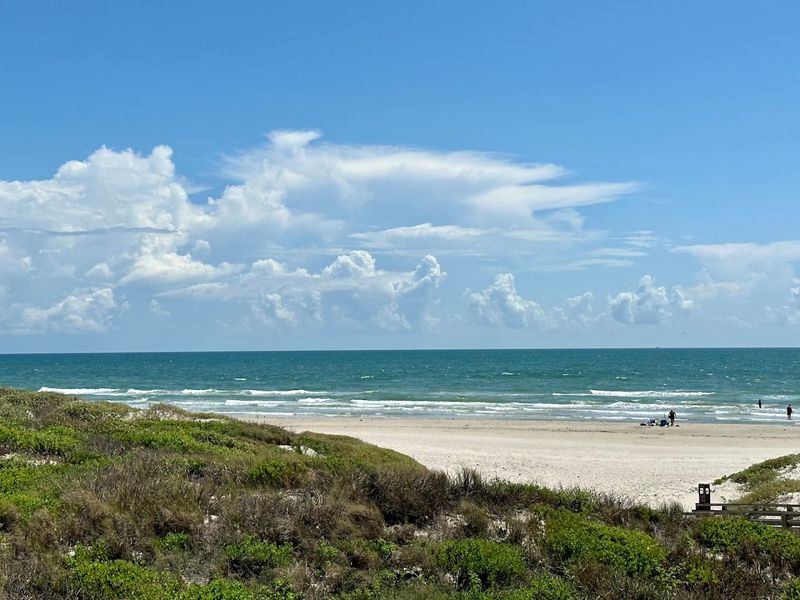
Seventy miles of undeveloped beach stretch along Padre Island National Seashore, protected from the resort development that lines other Gulf Coast sections. Your family will find the kind of wild, windswept coastline where sand dunes roll inland like frozen waves, ghost crabs scuttle sideways across the beach at dusk, and the Gulf of Mexico stretches to the horizon without a single high-rise blocking the view. This isn’t the beach where you rent umbrellas and buy overpriced snow cones—it’s the beach where you bring everything you need and embrace the raw beauty of the Texas coast.
Kemp’s ridley sea turtles nest here during summer months, and if timing aligns perfectly, your family might witness a release event where tiny hatchlings scramble toward the surf for the first time. The park’s sea turtle recovery program works to save this critically endangered species, and seeing those determined baby turtles instinctively heading for the ocean creates one of those moments that reminds everyone why protecting wild places matters. Even without a turtle encounter, beachcombing turns up shells, sand dollars, and interesting bits of sea life washed ashore.
Four-wheel-drive vehicles can access the beach beyond the first five miles, opening up sections where you might not see another person for hours. Families with appropriate vehicles and adventurous spirits can camp right on the beach, falling asleep to wave sounds and waking up to sunrise over the Gulf. Just remember that soft sand requires deflating tires and knowing how to handle beach driving—getting stuck means calling for expensive extraction help.
Bird watching reaches world-class levels here, with the island serving as a critical stopover for migrating species traveling between North and South America. Bring binoculars and a field guide, and you might spot anything from pelicans to peregrine falcons. Swimming and surfing happen year-round for hardy souls, though jellyfish sometimes crash the party during certain seasons.
The visitor center provides information about current conditions, turtle nesting activity, and beach safety.
8. Natural Bridge Caverns
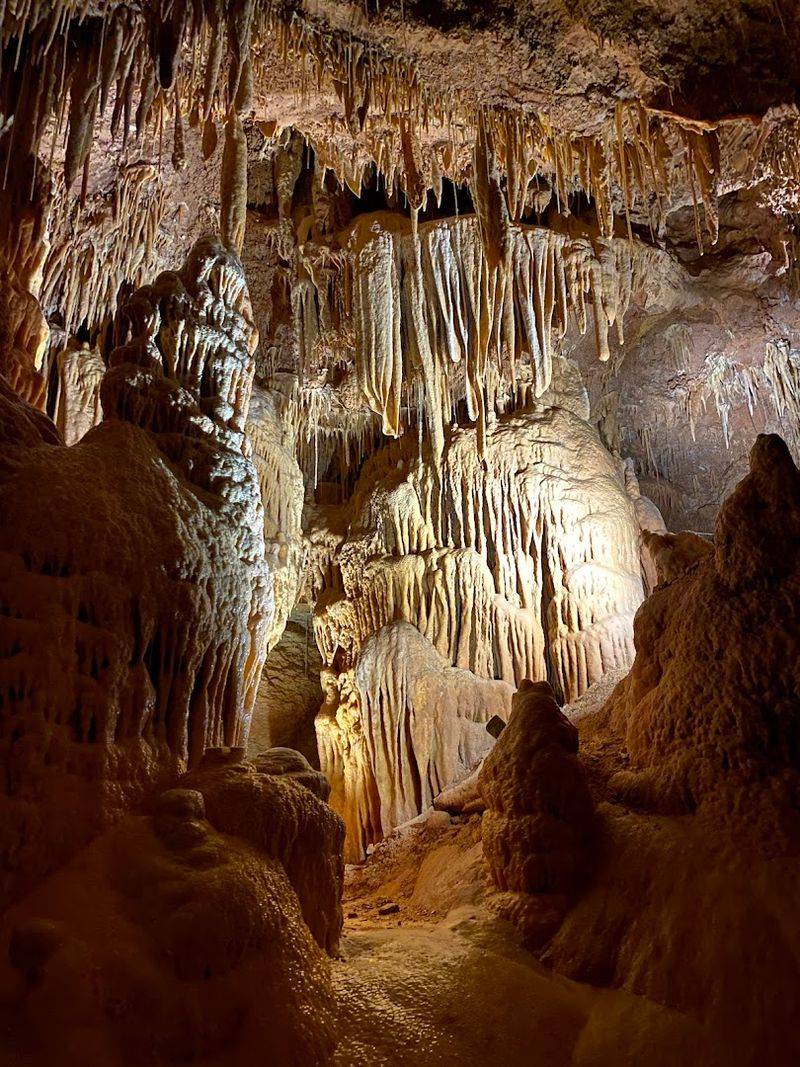
Descending 180 feet underground into Natural Bridge Caverns feels like entering another planet where rock formations grow in impossible shapes and the temperature stays a constant 70 degrees regardless of what’s happening on the surface. Massive chambers open up around you, decorated with stalactites dripping from ceilings like stone icicles and stalagmites rising from floors where mineral-rich water has deposited calcite drop by drop over thousands of years. Your family will walk through spaces that took millions of years to create, marveling at how water and time sculpted these underground cathedrals from solid limestone.
Multiple tour options accommodate different adventure levels and ages. The Discovery Tour covers the main passages with paved walkways and handrails, perfect for younger children and anyone who prefers their cave exploration without crawling through tight spaces. The Hidden Passages tour ventures into undeveloped sections where you’ll need a headlamp and a willingness to squeeze through narrower areas.
For serious adventurers, the Adventure Tour involves climbing, crawling, and getting genuinely dirty while exploring wild cave sections most visitors never see.
Above ground, the property offers additional attractions that round out a full day of family fun. A canopy challenge course sends you climbing and zip-lining through the trees, while a maze tests navigation skills and patience. The Watchtower provides views across the Texas Hill Country, and a mining area lets kids pan for gemstones and fossils to take home.
These additions transform a simple cave visit into an all-day adventure destination.
Educational programs explain how caves form, what lives in them, and why protecting these fragile underground ecosystems matters. Guides point out formations with names like “The Chandelier” and “The Watchtower,” explaining the geological processes that created each feature. The cave maintains strict rules about touching formations—oils from human skin stop the growth process that’s been happening for millennia.
Wear comfortable shoes with good traction, and bring a light jacket since underground temperatures feel cool after hot Texas days above.
9. San Marcos River Tubing
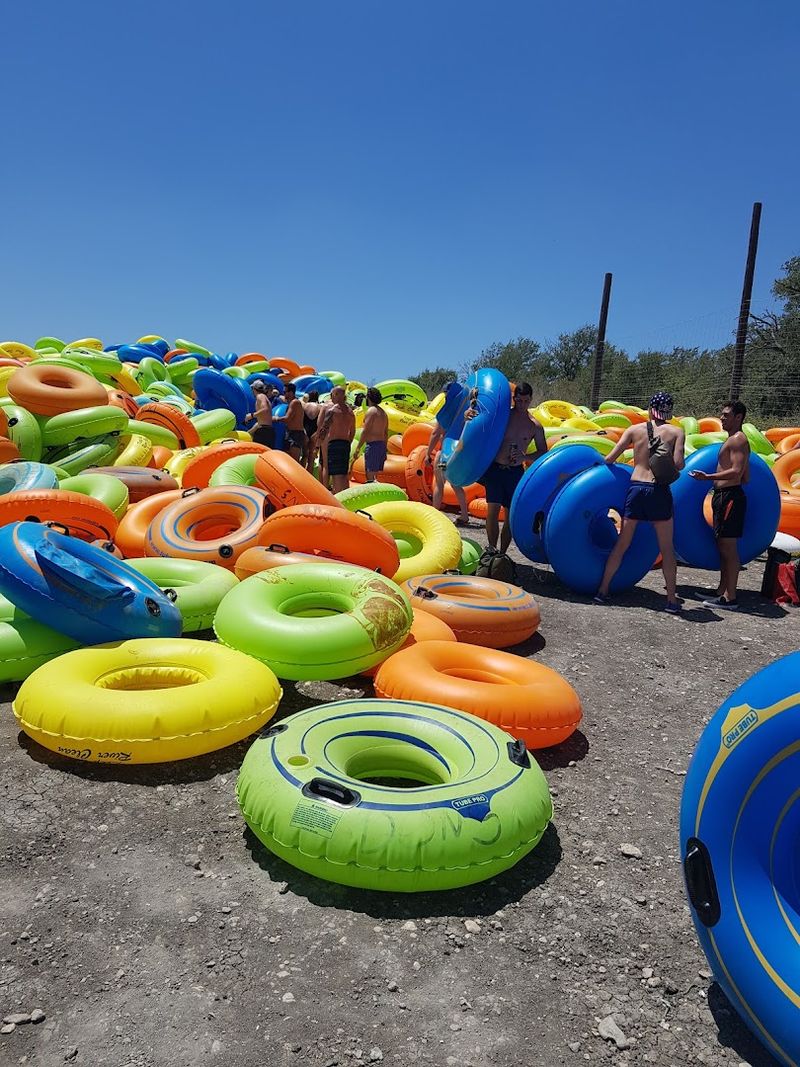
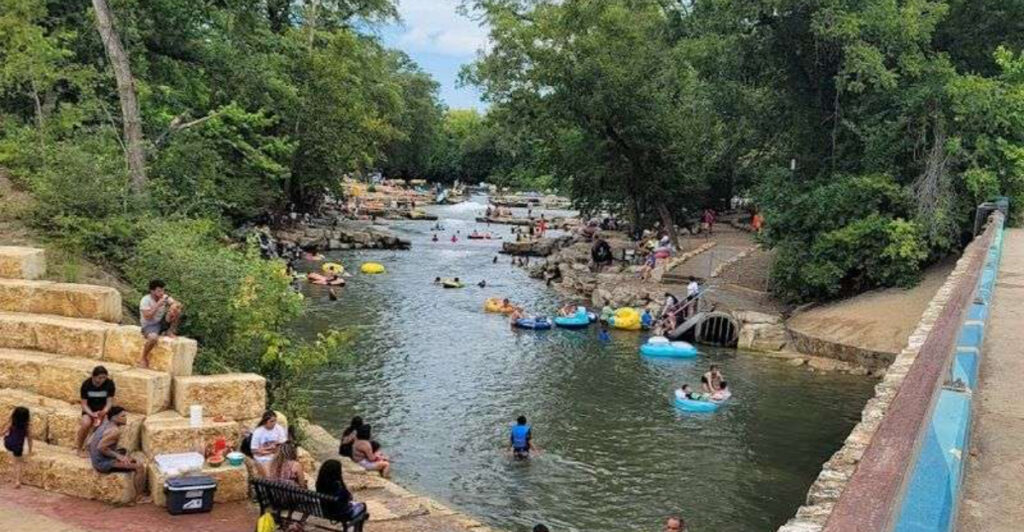
Fed by springs that pump out millions of gallons daily, the San Marcos River flows crystal-clear and refreshingly cool year-round at a constant 72 degrees. Your family can see straight to the bottom as you float along, watching fish swim beneath your tube and aquatic plants sway in the gentle current. This isn’t the fastest or wildest Texas river—it’s the one where you can truly relax, let the current do all the work, and enjoy several hours of floating through town and countryside without worrying about dangerous rapids or complicated navigation.
The classic tubing route runs about two hours from City Park to Rio Vista Park, though you can extend or shorten your float depending on energy levels and how much time you want to spend drifting. Outfitters along the river rent tubes and provide shuttle service back to your starting point, handling the logistics so you can focus on enjoying the experience. Some companies offer cooler tubes for drinks and snacks, though glass containers are prohibited for obvious safety and environmental reasons.
Underwater visibility makes this river special compared to murkier Texas waterways. Kids love spotting turtles sunning on logs, schools of fish darting through submerged vegetation, and the occasional river otter if luck’s on your side. The springs that feed the river create spots where cold water wells up from below, offering a surprising chill in the middle of your float.
Rope swings dangle from trees along certain sections, inviting brave souls to launch themselves into deeper pools.
The San Marcos River flows through town, so you’ll float past parks, restaurants, and the occasional backyard, creating a unique blend of natural and urban environments. Texas State University sits along the river, and during summer you’ll share the water with college students, families, and tourists all seeking the same cool escape from heat. Weekends get crowded enough that you’ll spend more time bumping into other tubers than enjoying solitude, so weekday floats offer a mellower experience with more elbow room to spread out and relax.
10. Caprock Canyon State Park
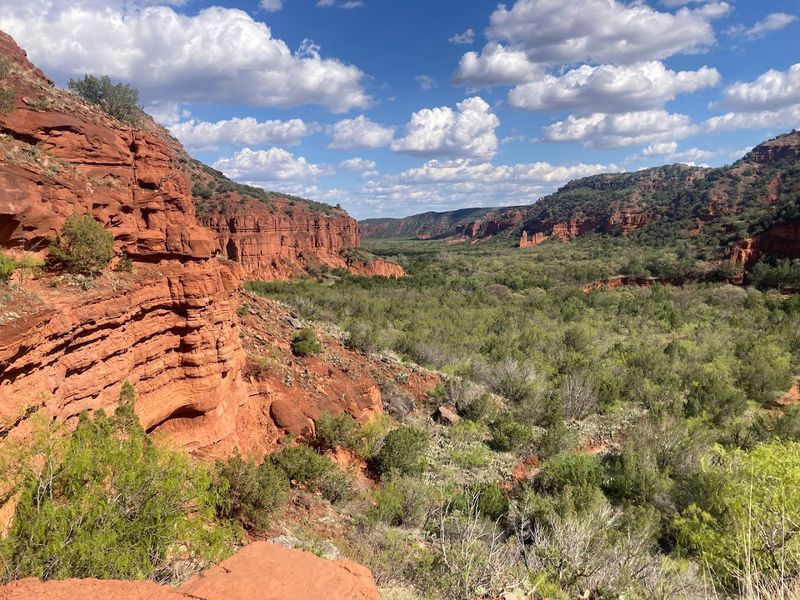
Where the flat High Plains suddenly drop into a maze of red-rock canyons, Caprock Canyons State Park preserves both dramatic scenery and a living piece of Texas history—the official Texas State Bison Herd. Around 100 bison roam freely through the park, descendants of the massive herds that once numbered in the millions across the Great Plains before being hunted nearly to extinction. Seeing these powerful animals moving across canyon grasslands reconnects your family with the wild Texas that existed before fences and highways carved up the land, and reminds everyone that nature still holds onto its stories if we take the time to look.
The park’s rugged beauty invites exploration at every turn. Hiking trails wind through towering red cliffs, across open plains, and into quiet canyon corridors where the only sounds are wind and distant wildlife. The views stretch for miles, with layers of rock glowing in shades of rust and orange, especially during sunrise and sunset.
It’s the kind of landscape that makes kids feel like explorers and adults pause to take it all in.
For families looking for a little more adventure, biking and horseback riding offer a different way to experience the terrain. The famous Caprock Canyon Trailway, a former railway line, provides a longer, flatter route perfect for all skill levels—and even passes through an old railroad tunnel that adds a bit of excitement.
Camping here is just as memorable. As night falls, the sky opens up into a blanket of stars, far from city lights. Sitting around a campfire, listening to the distant sounds of the plains, it’s easy to forget the modern world entirely.
Caprock Canyons isn’t just a park—it’s a rare chance to step into a wilder, more untamed Texas.
Share this story