Texas has always been a land of big dreams and booming towns. From oil rushes to railroad stops, communities sprang up fast and filled with energy. But not every place kept that momentum going, and today some spots that once buzzed with life now sit surprisingly still, offering a glimpse into the past and a quiet kind of beauty worth noticing.
1. Glenrio
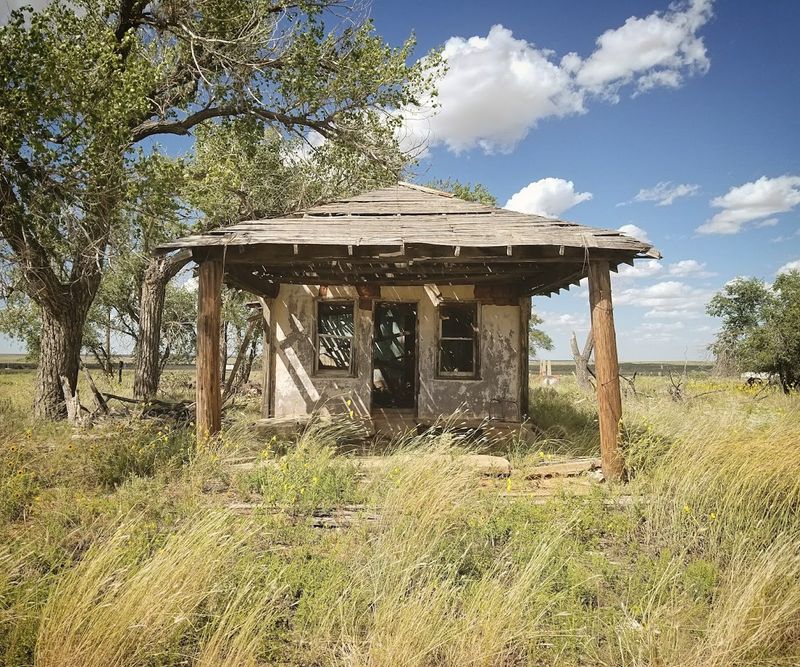
Straddling the Texas-New Mexico border, Glenrio was once a bustling stop along the legendary Route 66. Travelers pulled off the highway to fuel up, grab a meal, and rest before continuing their journey across the Southwest. Motels, diners, and service stations lined the main drag, and the town hummed with the constant flow of cars heading east or west.
Then came Interstate 40 in the 1970s, bypassing Glenrio entirely. Almost overnight, the traffic disappeared. Businesses closed their doors, families moved away, and the town that had thrived on motion went silent.
Today, crumbling buildings and rusted signs stand as reminders of a time when this little border town mattered to thousands of travelers every day.
Walking through Glenrio now feels like stepping into a time capsule. You can still see the old Texaco station, the faded Last Motel in Texas sign, and the empty diner where road-trippers once ordered coffee and pie. The structures are weathered and fragile, but they hold stories of cross-country adventures and the golden age of American road travel.
Photographers and history buffs often visit to capture the haunting beauty of this ghost town. There are no gift shops or tour guides here, just the wind, the sky, and the echoes of a busier past. Glenrio might be quiet now, but it still speaks volumes about how quickly fortune can shift when the road moves on without you.
2. Top O’ Hill Terrace, Arlington
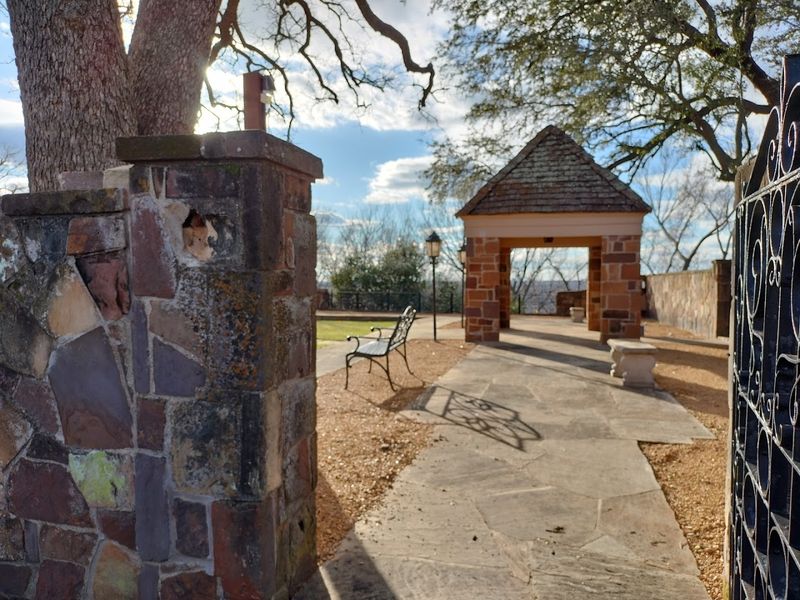
Hidden in plain sight near Arlington, Top O’ Hill Terrace was once the most glamorous and secretive casino in Texas. During the 1930s and 1940s, this sprawling estate attracted high rollers, celebrities, and politicians looking for a night of gambling, fine dining, and entertainment. The property featured lush gardens, a swimming pool, and a main house that concealed a hidden casino behind a false wall.
Owner Fred Browning ran the operation with style and discretion. Guests arrived by invitation only, and the place buzzed with energy every weekend. But when Texas Rangers raided the property in 1947, the party came to an abrupt end.
Browning eventually donated the land to a Bible college, and the wild nights of poker and roulette faded into legend.
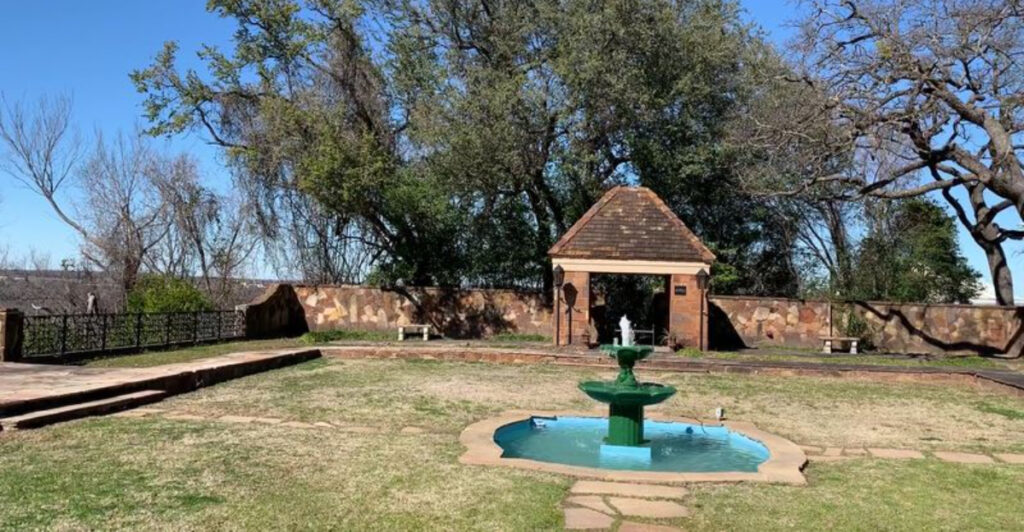
Today, Top O’ Hill Terrace sits on the campus of a Christian university, and the mansion has been restored as a historic site. You can tour the building and see the hidden casino room, complete with original gaming tables and the secret door that once protected high-stakes games from the law. The gardens are still beautiful, but the crowds and excitement are long gone.
It’s a strange contrast—a place that once embodied rebellion and luxury now serves as a quiet monument to a colorful chapter in Texas history. The mansion feels peaceful now, almost serene, but if you listen closely, you can almost hear the clinking of chips and the laughter of guests who came here to escape the rules and enjoy a little risk under the Texas stars.
3. Thurber
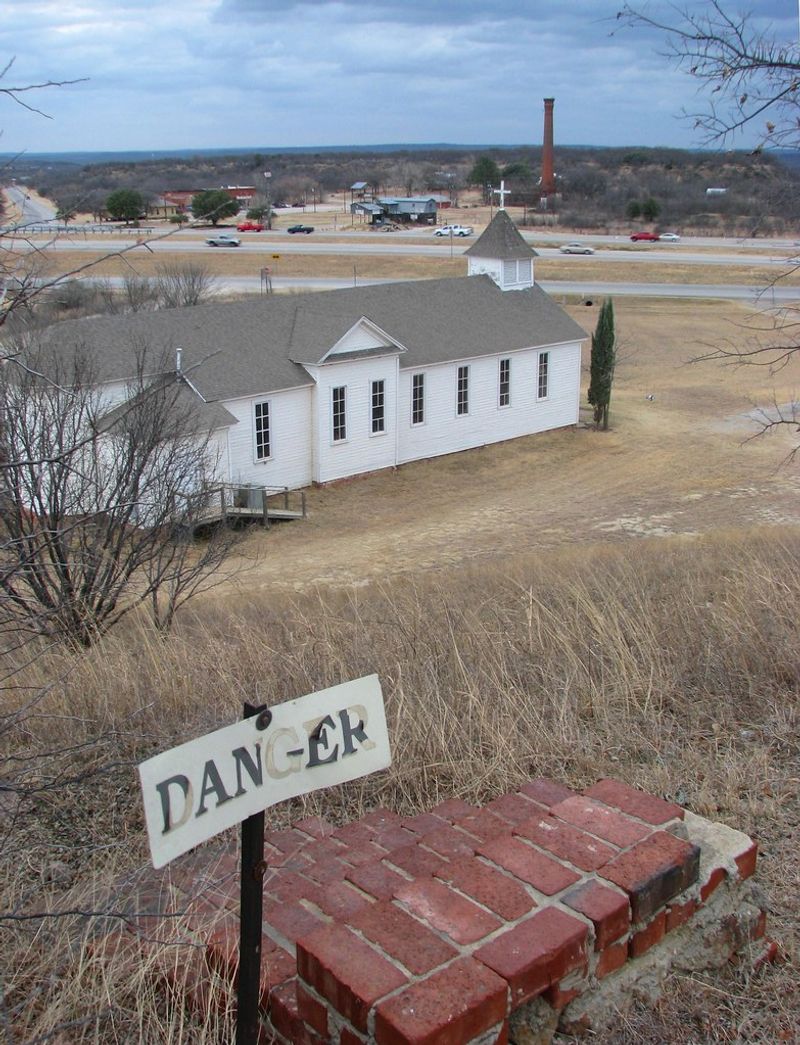
Thurber was once a coal mining powerhouse, home to over 10,000 residents at its peak in the early 1900s. The Texas and Pacific Coal Company built an entire town here, complete with housing, schools, churches, and even an opera house. Workers from across the globe came to dig coal and build a life in this bustling community.
At one point, Thurber was the only 100% unionized town in America, a fact residents wore with pride.
But coal demand dropped, and natural gas became the fuel of choice. By the 1930s, the mines closed, and the company dismantled most of the town. Families packed up and left, and Thurber transformed from a thriving industrial center into a near ghost town almost overnight.
Today, only a few structures remain, including the iconic brick smokestack that towers over the flat landscape like a lone monument.
You can still visit Thurber and see the remnants of this once-mighty town. A small museum tells the story of the miners and their families, and the old cemetery holds gravestones with names from Italy, Poland, Mexico, and beyond. The smokestack, standing tall and solitary, is a favorite photo spot and a symbol of the town’s industrial glory.
It’s hard to imagine 10,000 people living here when you see how empty the land is now. The silence is striking, especially when you think about the noise of the mines, the clanging of machinery, and the voices of workers heading home after long shifts. Thurber’s quiet presence reminds us that even the mightiest towns can disappear when the work runs out.
4. Deep Ellum, Dallas
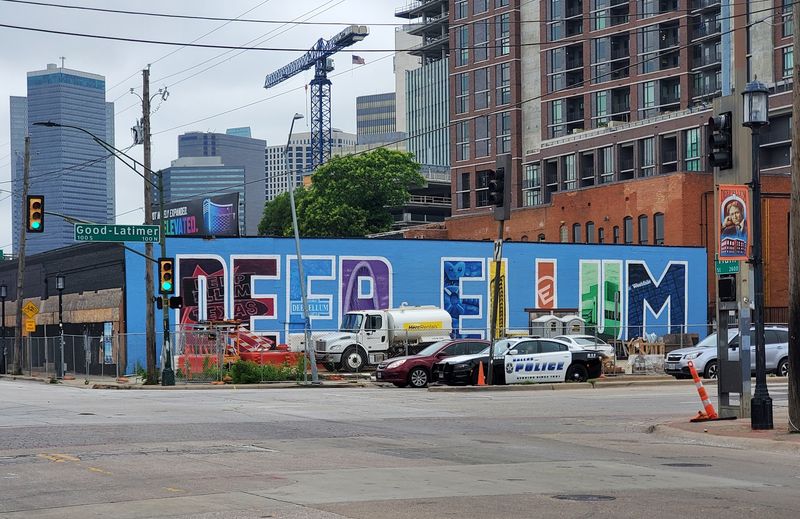
Starting in the late 1800s, this Dallas neighborhood became a cultural hotspot for jazz, blues, and the African American community. Legendary musicians like Blind Lemon Jefferson and Lead Belly played in the clubs here, and the streets pulsed with music every night. Deep Ellum was the heartbeat of Dallas nightlife, a place where creativity and community thrived side by side.
Through the decades, the neighborhood rode waves of change. After World War II, the energy began to fade as businesses closed and people moved elsewhere. By the 1980s, Deep Ellum was nearly forgotten, its buildings empty and its stages silent.
Then came a revival in the 1990s, when artists, musicians, and entrepreneurs moved in and brought the area back to life with galleries, live music venues, and funky shops.
Today, Deep Ellum still has character, but it’s not quite the same. While murals cover the brick walls and new bars open regularly, the neighborhood often feels quieter than its reputation suggests. Weeknights can be surprisingly empty, and even weekends don’t always match the nonstop energy of the past.
Rising rents and shifting demographics have changed the vibe, and some longtime businesses have closed their doors for good.
Still, there’s magic here if you know where to look. Small music venues host incredible local bands, and the street art is some of the best in Texas. Deep Ellum may not roar like it once did, but it still whispers stories of the legends who walked these streets and the community that built something unforgettable in the heart of Dallas.
5. Barstow
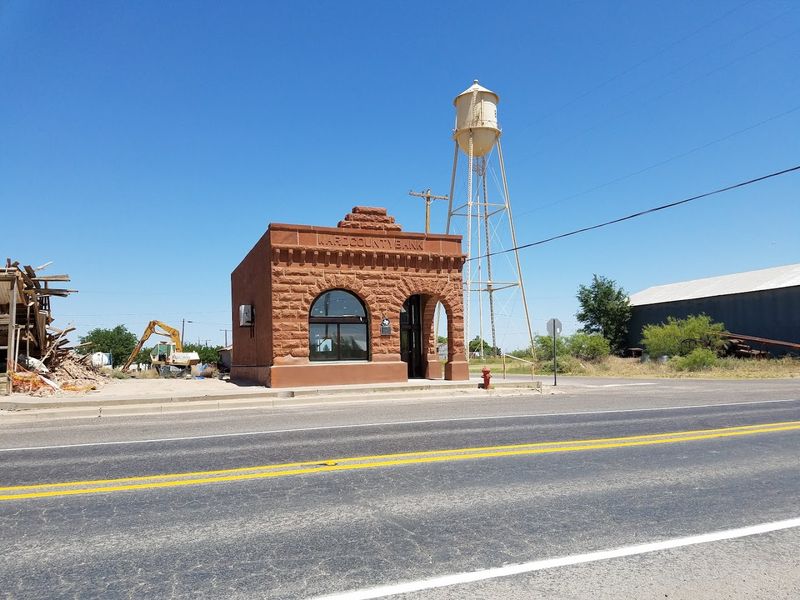
Out in far West Texas, Barstow sits along Interstate 20, a tiny town that once served as a vital stop for travelers crossing the desert. Founded in the early 1900s as a railroad town, Barstow grew around the Texas and Pacific Railway and became a place where trains stopped for water and crews changed shifts. Hotels, cafes, and shops sprang up to serve the workers and passengers, and for a time, Barstow felt essential to the rhythm of cross-country travel.
But as rail traffic declined and highways took over, Barstow lost its purpose. The trains stopped coming as often, and the town’s population shrank. Today, fewer than 400 people live here, and the streets are mostly empty.
Old buildings with faded paint sit quietly in the sun, and the sense of isolation is palpable. If you blink while driving through, you might miss Barstow entirely.
Despite its size, the town still has a certain charm. Locals are friendly, and there’s a strong sense of community among those who remain. The landscape around Barstow is classic West Texas—wide open, rugged, and beautiful in its starkness.
The big sky and endless horizon give the town a cinematic quality, like a setting from an old Western film.
Visiting Barstow feels like stepping into a slower, simpler time. There’s no rush here, no crowds, and no noise except the wind and the occasional passing truck. It’s a place that once mattered deeply to the people who passed through, and while those days are gone, Barstow still stands as a quiet reminder of how the West was won and then quietly left behind.
6. Mainland City Centre, Texas City
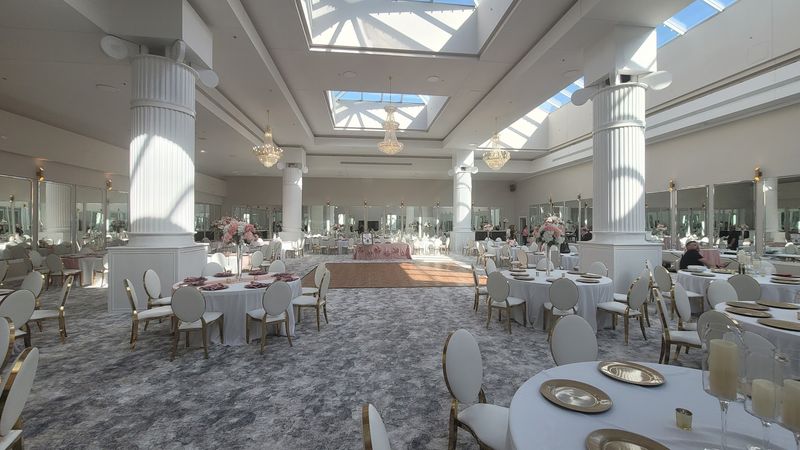
Mainland City Centre was once the place to be in Texas City. Opening in the 1980s, this shopping mall drew crowds from across the region, offering everything from department stores to movie theaters to food courts filled with the scent of pretzels and pizza. Families spent weekends here, teenagers hung out by the fountain, and the parking lot stayed packed year-round.
For years, Mainland City Centre was the social and commercial heart of the community.
But malls across America started struggling in the 2000s, and Mainland City Centre was no exception. Big anchor stores closed, smaller shops followed, and foot traffic dwindled. The rise of online shopping and the opening of newer retail centers nearby sealed the mall’s fate.
By the 2010s, the once-bustling corridors were nearly empty, with only a handful of stores clinging to survival.
Today, Mainland City Centre feels like a relic from another era. Walking through the dim hallways, you can still see the bones of what made it special—the wide walkways, the decorative tile, the skylights that once let in cheerful sunlight. But now, most storefronts are dark, and the silence is eerie.
A few businesses remain, but the energy is gone, replaced by a strange kind of nostalgia.
Visiting the mall now is a bittersweet experience. It’s hard not to think about the memories made here—first dates, back-to-school shopping trips, birthday parties at the arcade. Mainland City Centre represents a shift in how we shop and socialize, and while it may not survive much longer, it still holds a special place in the hearts of those who remember when it was the center of everything.
7. Toyah
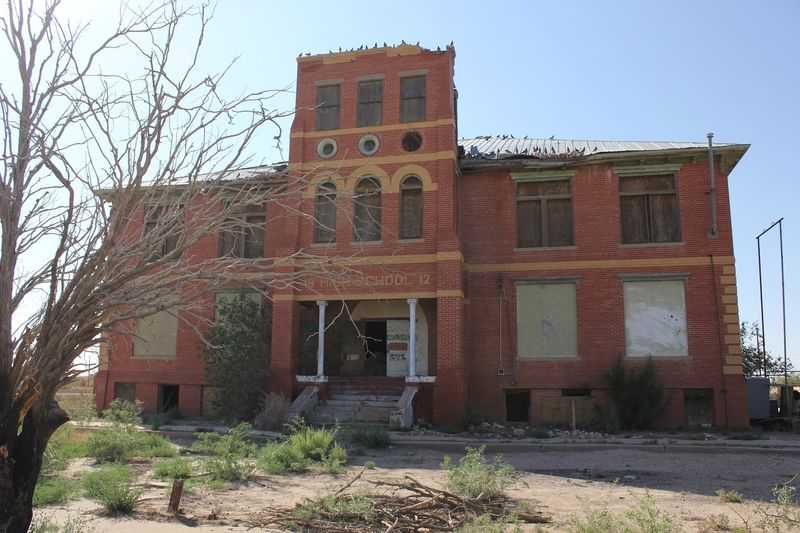
Out in remote West Texas, this tiny town once thrived as a busy stop along the railroad, supported by nearby farms and a steady flow of travelers. Founded in the late 1800s, Toyah became a shipping point for cattle and crops, and the arrival of the Texas and Pacific Railway brought jobs and people. At its peak, the town had hotels, saloons, schools, and a lively main street where ranchers and railroad workers mixed and did business.
But as the railroad declined and farming became more mechanized, Toyah’s population dropped. By the mid-20th century, the town had lost much of its purpose, and families moved to bigger cities for work and opportunity. Today, fewer than 100 people call Toyah home, and the town feels frozen in time.
Old storefronts stand empty, and the streets are so quiet you can hear your own footsteps echo.
Despite its size, Toyah has a certain rugged beauty. The surrounding desert landscape is stark and stunning, with wide skies and distant mountains creating a sense of endless space. The town’s old buildings, weathered by wind and sun, have a photogenic quality that attracts photographers and road-trippers looking for authentic glimpses of rural Texas.
Life in Toyah moves at its own pace. There’s no hustle here, no traffic, and no crowds—just the wind, the heat, and the slow passage of time. For those who appreciate solitude and simplicity, Toyah offers a rare kind of peace.
It’s a place where the past is still visible, where the bones of a once-thriving community remain standing, and where the quiet feels less like loss and more like a different way of being.
8. Baytown Nature Center
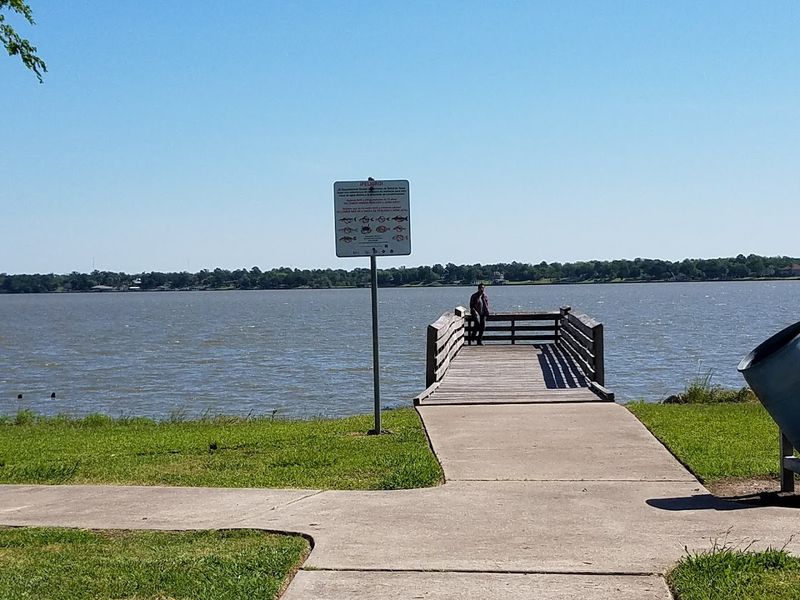
The land was once home to a thriving residential community called Brownwood, built in the 1930s and 1940s along the shores of Burnet Bay. Families lived here for decades, enjoying waterfront views and a tight-knit neighborhood vibe. But in 1983, Hurricane Alicia devastated the area, flooding homes and making the land uninhabitable.
Rather than rebuild, the city decided to let nature reclaim the space, and Baytown Nature Center was born.
Today, the nature center is a peaceful refuge for wildlife and visitors alike. Trails wind through marshes and along the water, offering views of birds, alligators, and coastal plants. You can still see remnants of the old neighborhood—crumbling foundations, pieces of pavement, and the occasional streetlight pole poking out of the grass.
These traces of human life give the place a haunting, almost melancholy beauty.
Despite being a hidden gem, Baytown Nature Center often feels surprisingly empty. Even on nice days, you might have the trails to yourself, surrounded only by the sounds of wind, water, and birdsong. It’s a stark contrast to the busy neighborhood that once filled this land with laughter, barbecues, and the hum of everyday life.
The transformation from community to nature preserve is both sad and hopeful. While the people who lived here lost their homes, the land gained new purpose as a habitat for wildlife and a quiet escape for nature lovers. Baytown Nature Center reminds us that nature is patient and resilient, ready to return whenever we step aside and let it take over again.
9. San Jacinto Plaza, El Paso
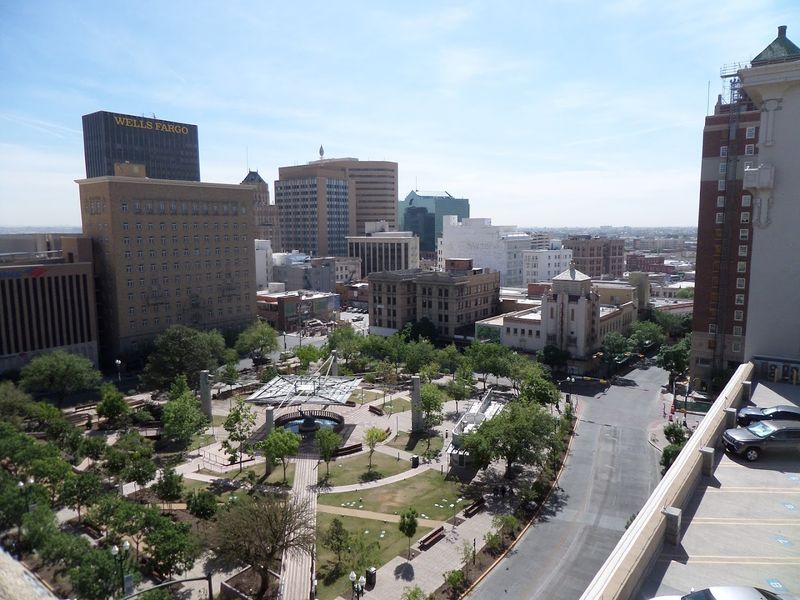
San Jacinto Plaza has been the heart of El Paso since the 1800s, a gathering place where locals met, relaxed, and celebrated. For decades, the plaza was famous for its live alligators, which lived in a concrete pond and became beloved mascots of the city. Families would visit just to see the gators, and the plaza buzzed with activity day and night.
It was the social center of downtown, a place where everyone eventually crossed paths.
But as El Paso grew and spread outward, downtown lost some of its appeal. Businesses moved to newer areas, and the plaza became less of a destination. The alligators were removed in the 1960s, and while the plaza was renovated multiple times over the years, it never quite recaptured the energy it once had.
Today, San Jacinto Plaza is clean and well-maintained, but it often feels surprisingly quiet, especially during weekdays.
The plaza still has charm, with shaded benches, sculptures, and a small stage for occasional events. Office workers sometimes eat lunch here, and tourists stop by to snap photos, but the crowds are gone. The surrounding buildings reflect downtown’s ongoing revitalization efforts, but the plaza itself feels like a place waiting for something to happen, a stage without a full audience.
Still, there’s hope for San Jacinto Plaza. As downtown El Paso continues to evolve, new restaurants, shops, and apartments are bringing people back to the area. The plaza has survived over a century of change, and it may yet see another chapter of bustling life.
For now, though, it stands as a quiet reminder of the days when this was the only place in El Paso that mattered.
10. Dinosaur Valley State Park, Glen Rose
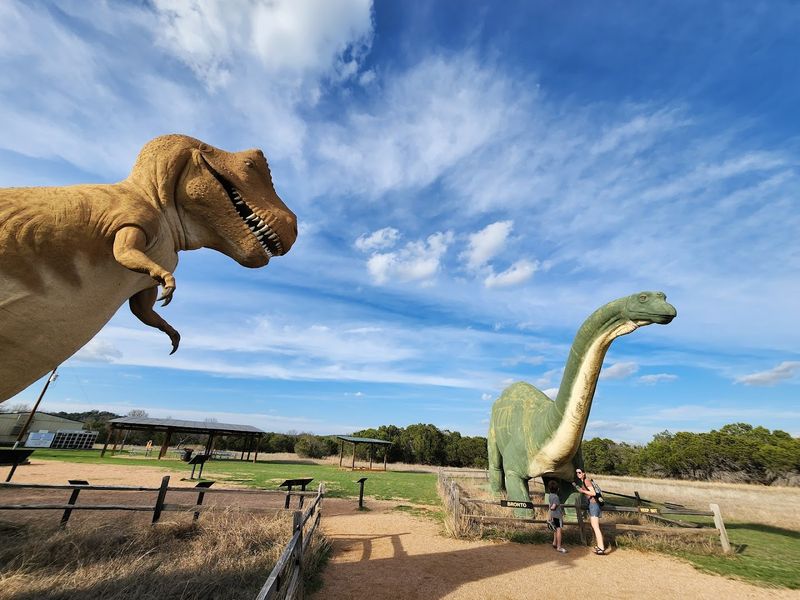
What makes this park truly stand out is something you won’t find in many places—real dinosaur footprints preserved in the riverbed, dating back over 100 million years. When the park opened in the 1960s, it became a must-see destination for families, school groups, and dinosaur enthusiasts. The chance to walk where ancient creatures once roamed drew visitors from across Texas and beyond, and the park buzzed with excitement and wonder.
But over time, the novelty faded for many, and the crowds thinned. While the park still attracts visitors, especially on weekends and during summer, it’s far quieter than it once was. On weekdays, you can often have the trails and riverbed almost entirely to yourself.
The massive footprints remain, pressed into the limestone, but the sense of discovery feels more personal and less crowded than in the park’s heyday.
Walking through Dinosaur Valley now feels peaceful and contemplative. The Paluxy River flows gently over the tracks, and the surrounding hills are covered in oak and juniper. Birds call from the trees, and the only sounds are water, wind, and your own footsteps.
It’s a beautiful place to reflect on deep time and the incredible history hidden beneath our feet.
The park’s quieter days don’t diminish its significance. If anything, the calm makes the experience more powerful. Standing in the footprints of a creature that lived millions of years ago, with no crowds around you, feels almost sacred.
Dinosaur Valley State Park may not be the bustling attraction it once was, but it remains a place of wonder, where the past is still visible and the present feels refreshingly still.
Share this story