Some restaurants spend a fortune trying to look authentic, but the best Texas spots never had to fake it. They’ve been serving real food to real Texans for decades, sometimes over a century, and they wouldn’t change a thing even if you paid them. From tiny cafes in forgotten towns to legendary steakhouses that still smell like mesquite smoke, these places are as Texas as it gets.
1. Mary’s Cafe (Strawn)
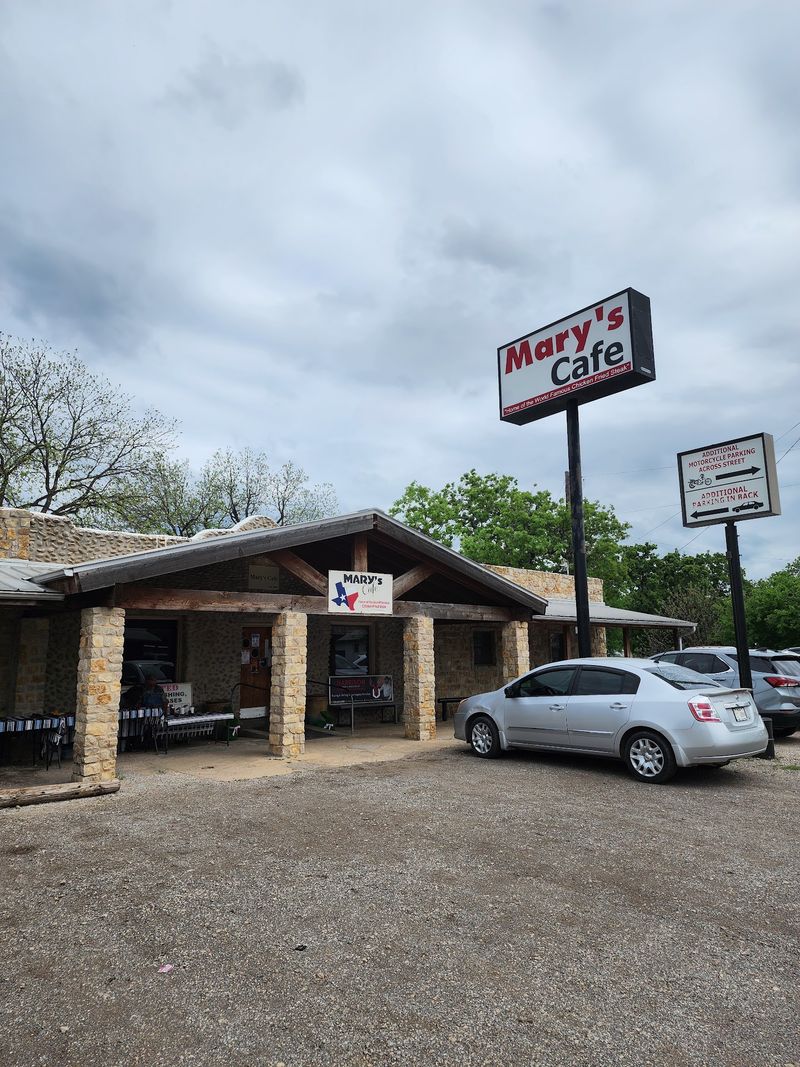
Strawn sits halfway between Fort Worth and Abilene, and most people blow right past it on Highway 180. That’s their loss, because Mary’s Cafe has been feeding hungry folks since 1945, and their chicken fried steak is the kind that makes grown men weep with joy. The place looks exactly like you’d expect a tiny Texas cafe to look, with worn booths and locals who know each other by name.
Walk through that door and you’re stepping into a time capsule where the menu hasn’t changed much in decades. The chicken fried steak hangs off the plate like it’s trying to escape, covered in peppery cream gravy that could bring world peace if the United Nations would just give it a chance. They make everything from scratch, the way Mary did when she first opened, and nobody’s messing with that formula.
The walls tell stories through old photographs and newspaper clippings, documenting Strawn’s oil boom days and the generations of families who’ve made Mary’s their regular stop. Waitresses move through the dining room with practiced efficiency, calling everyone honey and sweetheart without a trace of irony. They mean it, and you can taste that genuine hospitality in every bite.
Portions are massive because nobody leaves Mary’s hungry, and the prices make you wonder if they forgot to update them since the 1980s. Locals pack the place during lunch, and oil field workers stop by for breakfast before their shifts. Weekend mornings bring families from surrounding towns who’ve been making the pilgrimage for years.
This isn’t some Instagram-ready restaurant trying to look authentic. Mary’s Cafe just is authentic, serving honest food to honest people, exactly the way Texas restaurants used to be before anyone thought to make them trendy.
2. Smitty’s Market (Lockhart)
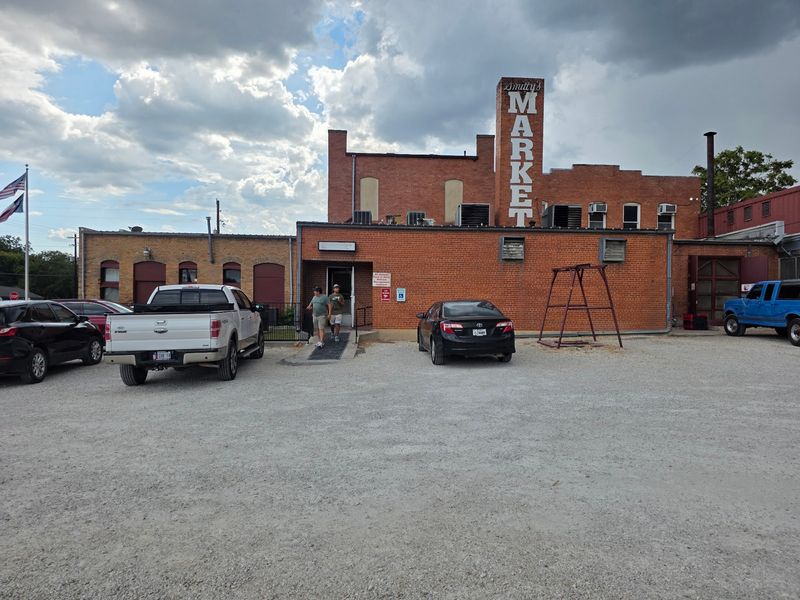
Lockhart calls itself the Barbecue Capital of Texas, and Smitty’s Market gives you zero reason to argue. The building dates back to 1900, and when you walk into the pit room, you’re entering a space that’s been smoking meat continuously since 1948. The walls are black from decades of smoke, the concrete floor is stained with grease, and the whole place smells like heaven if heaven were made of post oak and beef brisket.
You order your meat directly from the pit, pointing at what you want while pit masters slice it right there on butcher paper. No plates, no utensils unless you specifically ask, just meat and maybe some sides if you’re feeling fancy. The brisket comes out with a smoke ring so perfect it looks painted on, and the sausage snaps when you bite it, releasing juices that make your taste buds stand up and salute.
Everything happens in rooms that feel more like a working meat market than a restaurant, because that’s exactly what Smitty’s started as. The dining area has long communal tables where strangers become friends over shared appreciation for perfectly smoked meat. Locals sit next to tourists, oil workers next to office workers, everyone united by the universal language of good barbecue.
They don’t do sauce here, not really, because the meat doesn’t need it. Generations of the Schmidt family have tended these pits, keeping the fires burning and the traditions alive. The place runs on cash only, closes when they sell out, and makes exactly zero apologies for doing things their way.
Smitty’s doesn’t try to be Texas, it just keeps smoking meat the same way they have for over seventy years, letting the food speak for itself in that gorgeous, smoke-filled pit room.
3. The Guenther House (San Antonio)
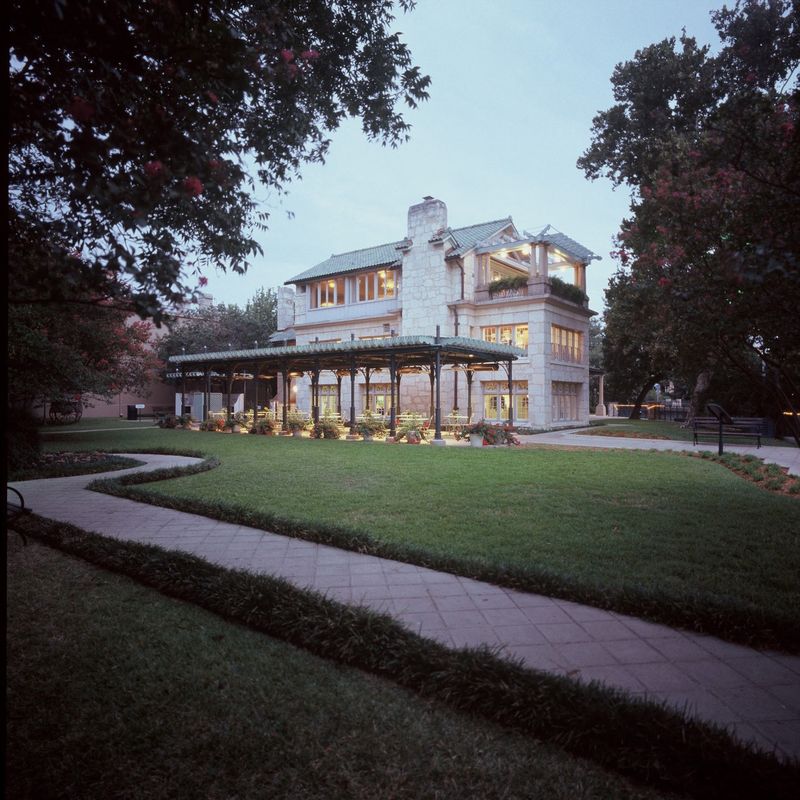
Right along the San Antonio River sits a Victorian beauty that’s been part of Texas history since 1860. The Guenther House was home to the family that founded Pioneer Flour Mills, and now it serves breakfast and lunch in rooms where five generations of Guenthers actually lived. The building itself tells the story of old San Antonio, when German immigrants brought their traditions and work ethic to South Texas.
Breakfast here means fluffy pancakes and waffles made with Pioneer flour, naturally, and they’re so good you’ll understand why this company has been in business since the Civil War. The biscuits arrive hot and tender, perfect for soaking up sausage gravy that tastes like someone’s German grandmother made it with love. Everything on the menu celebrates simple, honest cooking using quality ingredients, the kind of food that built Texas from the ground up.
Dining rooms feature original woodwork, antique furniture, and family photographs that connect you to San Antonio’s past. You’re literally eating in someone’s home, surrounded by the same walls that witnessed over a century of Texas history. The museum upstairs displays old flour milling equipment and family heirlooms, making your meal feel like part of a larger story about Texas commerce and culture.
Locals know this place as a reliable spot for weekend brunch, where the wait might be long but nobody complains because the food is worth it. The gift shop sells Pioneer products and Texas-made goods, keeping that connection between past and present alive. Staff members share stories about the house and the family, treating visitors like guests rather than customers.
The Guenther House never tried to become a tourist attraction. It simply opened its doors and kept doing what Texas families have always done, welcoming people with good food and genuine hospitality.
4. The Big Texan Steak Ranch (Amarillo)
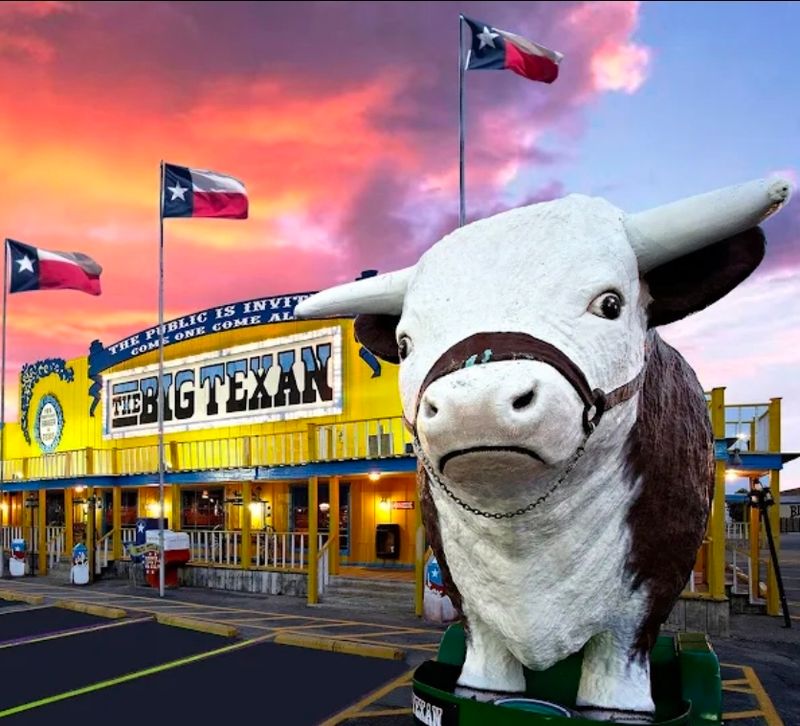
That 72-ounce steak challenge isn’t just a gimmick, though plenty of people come to Amarillo specifically to attempt it. The Big Texan opened in 1960 along Route 66, and it’s been feeding hungry travelers ever since with portions that match the Texas attitude about size. Everything’s bigger here, from the steaks to the personality, and the place makes no apologies for being exactly what it is: a loud, proud celebration of Texas beef culture.
Inside, you’ll find a dining room that looks like a Western movie set had a baby with a hunting lodge. Mounted animal heads watch you eat, cowboy memorabilia covers every wall, and there’s usually someone attempting the 72-ounce challenge on a raised platform while everyone watches. It’s theater and dinner combined, with waitresses in Western wear serving steaks that hang off plates designed for normal-sized portions.
The regular menu offers plenty of options for folks who don’t want to risk exploding from beef overload. Their ribeyes and sirloins come cooked perfectly over mesquite, with that distinctive Texas flavor that reminds you where you are. Sides include all the classics, and the rolls arrive hot enough to melt butter on contact.
Quality matters here despite the showmanship, because Texans take their beef seriously even when they’re having fun.
Families stop here on road trips, truckers fuel up before long hauls, and tourists from around the world come to experience something uniquely Texan. The gift shop sells everything from hot sauce to cowboy hats, and there’s even a motel attached because some folks need to recover from their steak coma before driving. The Big Texan could have become a cheesy tourist trap, but instead it stayed true to its roots as a serious steakhouse that happens to have a sense of humor.
5. Blue Bonnet Cafe (Marble Falls)
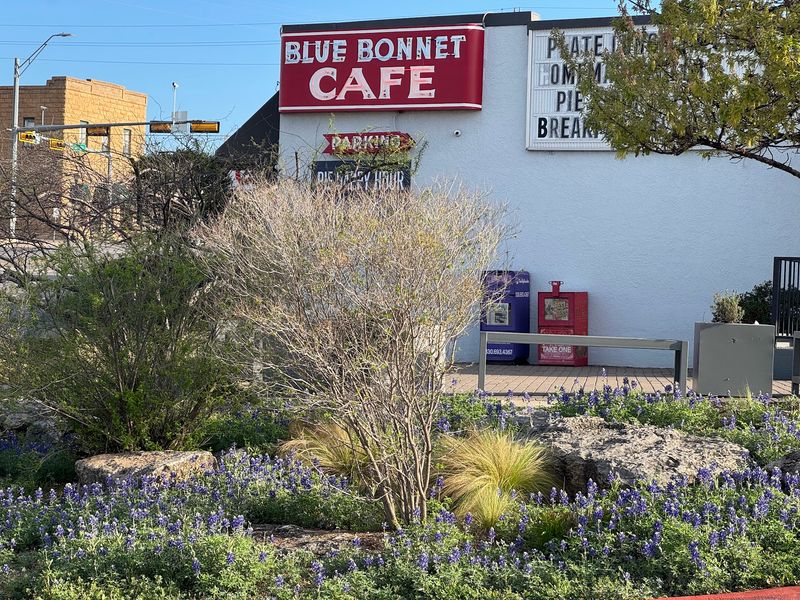
Highway 281 cuts through Marble Falls, and since 1929 the Blue Bonnet Cafe has been the reason people slow down instead of speeding through. This isn’t some recreated vintage diner trying to look old-timey. The Blue Bonnet earned its worn booths and coffee-stained counters through nearly a century of serving home cooking to Hill Country locals and travelers smart enough to stop.
Pie is the religion here, with a display case near the entrance that showcases daily offerings like coconut cream, chocolate meringue, and pecan that’ll make you reconsider your life choices if you’ve been eating store-bought. Each slice stands tall and proud, made from scratch using recipes that have been perfected over decades. The meringue alone could win awards, piled high and toasted to golden perfection.
But don’t sleep on the rest of the menu, because the Blue Bonnet serves proper Texas comfort food. Chicken fried steak comes with real mashed potatoes, not the instant kind, and gravy that tastes like someone’s grandmother made it. Breakfast runs all day because sometimes you need eggs and bacon at three in the afternoon, and nobody here will judge you for it.
Everything arrives hot, generous, and cooked with the kind of care that’s becoming rare.
The staff treats regulars like family and newcomers like regulars they just haven’t met yet. Waitresses refill coffee without asking and remember how you like your eggs after just one visit. Walls display local artwork and community announcements, connecting the cafe to Marble Falls life.
Mornings bring ranchers and retirees, lunch draws the business crowd, and weekends pack the place with families and motorcyclists cruising the Hill Country. Blue Bonnet Cafe just keeps doing what it’s always done, serving honest food with honest hospitality, proving that some traditions deserve to last forever.
6. Cattleman’s Steakhouse at Indian Cliffs Ranch (Fabens)
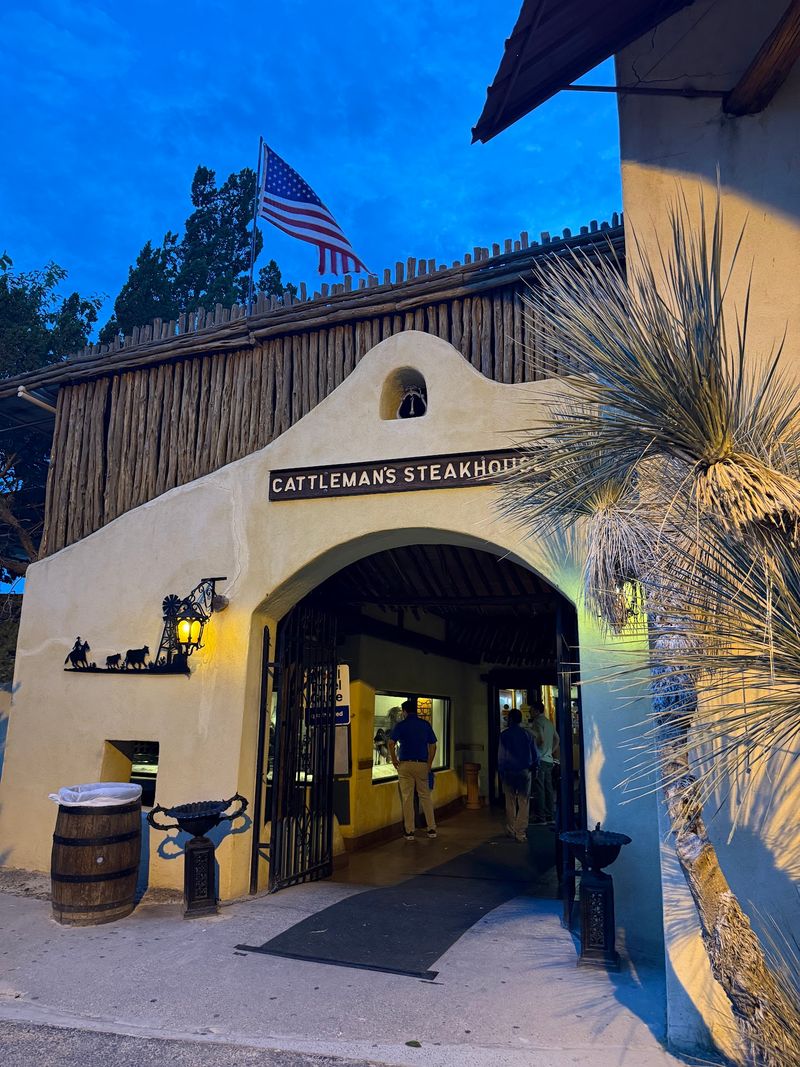
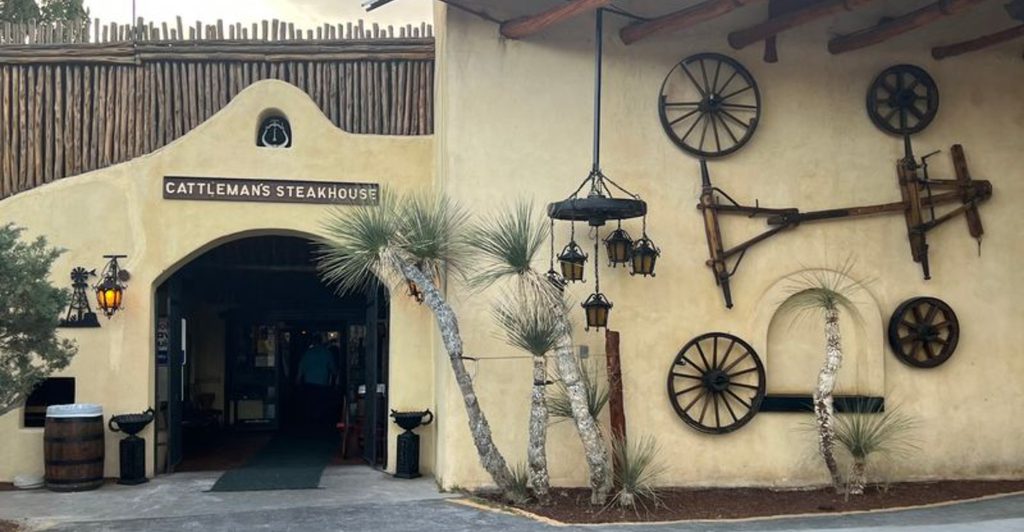
Fabens sits about 40 miles east of El Paso, and most folks have never heard of it. Even fewer know that hidden in the desert nearby is a steakhouse that’s been serving mesquite-grilled beef since 1952. Getting to Cattleman’s requires a drive down a dirt road through actual working ranch land, past cattle and tumbleweeds, to a spot that feels like the edge of civilization.
This isn’t convenient, and that’s exactly the point.
The restaurant occupies an old adobe structure that was built in the 1800s as part of Indian Cliffs Ranch. Thick walls keep the desert heat out, and the dining rooms feel like you’ve stepped into Old West Texas when cowboys and ranchers were the only people around for miles. Mesquite fires cook every steak, giving the meat that distinctive smoky flavor that defines West Texas cuisine.
They raise some of their own beef on the surrounding ranch, so your dinner might have been grazing within sight of your table.
Steaks arrive simple and perfect, seasoned with salt and pepper, cooked over real wood fire the way it’s been done for generations. Sides include ranch-style beans, baked potatoes, and salad with dressing that tastes homemade because it is. Everything’s served family-style, encouraging sharing and conversation, turning dinner into an event rather than just a meal.
The atmosphere encourages lingering, especially on the patio where you can watch the sun set over the desert while nursing a cold beer.
Locals from El Paso make the drive regularly, bringing visitors to show them real Texas. Tourists who stumble across it online can’t believe a place this good exists this far from anywhere. Staff members know the land, the cattle, and the history, sharing stories that connect your meal to the ranch’s past.
Cattleman’s at Indian Cliffs Ranch never chased trends or tried to modernize. It just kept grilling steaks over mesquite in the middle of the desert, letting the food and location speak for themselves.
7. Texas Chili Parlor (Austin)
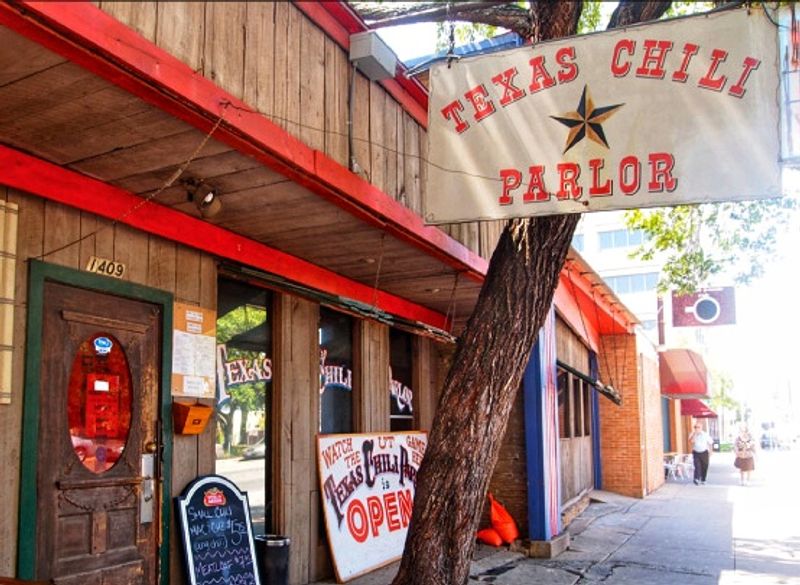
Sixth Street in Austin has changed dramatically over the decades, going from quiet downtown to party central to whatever it’s becoming now. Through it all, Texas Chili Parlor has kept serving bowls of red since 1976, occupying a space that feels frozen in time while the city transforms around it. The place looks like a dive bar that happens to serve excellent chili, with dim lighting, worn furniture, and walls covered in Texas memorabilia and beer signs.
Chili here means Texas chili, the real deal with no beans, just meat and spices swimming in a rich, slightly greasy broth that coats your spoon. You order by heat level, from XX-mild up to XXXX, and the kitchen doesn’t play games with that top level. Regulars know their tolerance, but newcomers often overestimate their ability to handle serious spice.
The chili comes with crackers, chopped onions, and shredded cheese on the side, letting you customize each bite.
This isn’t fancy food, and the atmosphere matches that unpretentious vibe perfectly. You’re here for chili and cold beer, maybe some conversation with whoever’s sitting next to you at the bar. The jukebox plays country and rock, the bartenders pour heavy, and nobody’s checking their phone for Instagram opportunities.
It’s old Austin, the version that existed before tech money and luxury condos, preserved in a single room that smells like cumin and beef.
College students mix with construction workers, lawyers sit next to musicians, and everyone’s united by appreciation for a good bowl of chili. The place stays open late, feeding bar-hoppers and night shift workers who need something substantial. Prices remain reasonable despite the surrounding neighborhood’s transformation into expensive real estate.
Texas Chili Parlor never tried to become hip or trendy. It just kept serving the same excellent chili in the same worn-down space, becoming a landmark through stubborn consistency rather than clever marketing.
8. Gristmill River Restaurant & Bar (New Braunfels)
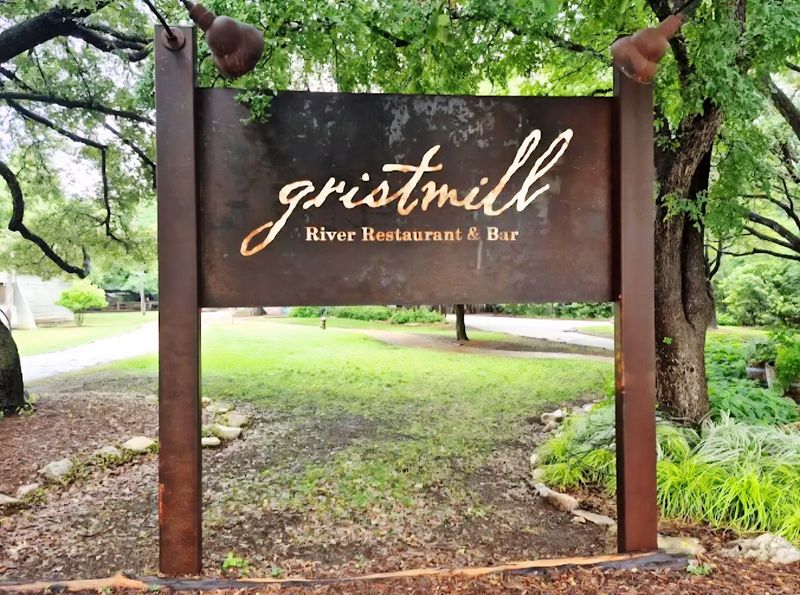
New Braunfels built its reputation on river tubing and German heritage, but locals know the Gristmill as the place you take visitors when you want to impress them without trying too hard. The restaurant occupies a 19th-century cotton gin right on the Guadalupe River, with multiple levels of outdoor seating that make you feel like you’re dining in a treehouse. The building’s bones tell stories about Texas agriculture and commerce from an era when rivers powered mills and cotton was king.
They kept the industrial architecture intact, with exposed beams, stone walls, and machinery parts incorporated into the design. It’s not some sanitized historical recreation; it’s the actual structure, weathered and worn, repurposed for feeding people instead of processing cotton. Sitting on the deck with the river rushing below, surrounded by cypress trees and Hill Country greenery, you understand why this spot has been drawing crowds since 1977.
The menu features Texas comfort food with Hill Country influences, meaning lots of meat cooked simply and well. Their burgers are massive, chicken fried steak arrives properly crispy, and the catfish tastes like it came from Texas waters even if it didn’t. Everything’s sized for people who’ve spent the day floating the river or hiking the trails, arriving hungry and thirsty.
The bar serves cold beer and margaritas strong enough to make the river sound even more relaxing.
Weekends bring wait times, but nobody minds much because you can grab a drink and hang out by the river while your table gets ready. Families celebrate birthdays here, couples come for anniversaries, and friend groups gather after tubing trips. Staff members move efficiently through the multi-level space, somehow keeping track of orders despite the chaos.
The Gristmill River Restaurant works because it took something genuinely historic and useful, then simply adapted it for a new purpose without losing the soul that made the building special in the first place.
9. Perini Ranch Steakhouse (Buffalo Gap)
Buffalo Gap barely qualifies as a town, sitting 14 miles south of Abilene with a population that might hit 500 if everyone’s home. But people drive hours to eat at Perini Ranch Steakhouse, a place that started as Tom Perini feeding friends and family at his working cattle ranch. Word spread about the mesquite-grilled steaks and genuine hospitality, and eventually Tom had to make it official and open a restaurant.
That was 1983, and the place has been packed ever since.
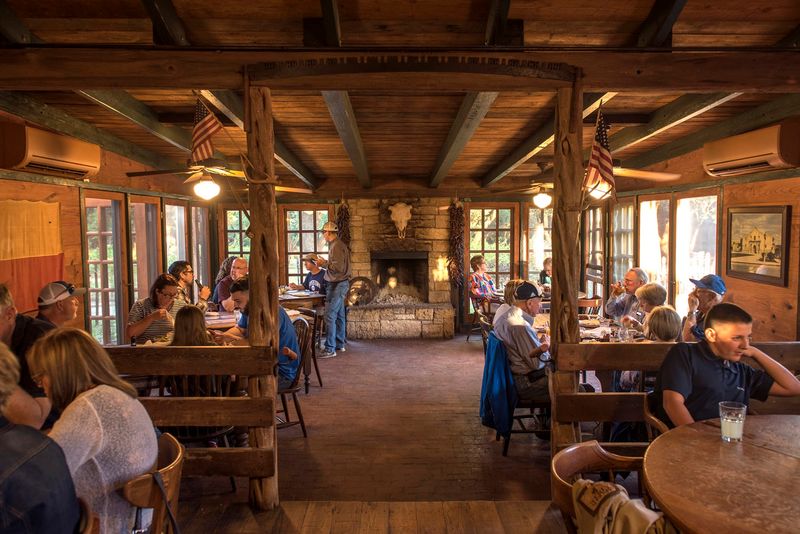
Everything happens in a restored barn and adjacent buildings that feel more like someone’s really nice ranch house than a commercial restaurant. Wood-burning fireplaces warm the dining rooms in winter, and the smell of mesquite smoke drifts through year-round from the outdoor grills. Tom’s still around, still cooking, still treating guests like they’re visiting his home rather than paying customers.
That authentic ranch hospitality isn’t an act; it’s just how things work when you’re eating at an actual ranch.
Steaks get grilled over mesquite coals, giving them that distinctive Texas flavor that gas grills can never replicate. The ribeyes are massive, the filets tender enough to cut with a fork, and everything comes seasoned simply because quality beef doesn’t need much help. Sides include cowboy beans, mashed potatoes, and bread pudding that’s become famous enough to have its own following.
They’ll cook whatever cut you want however you want it, and it’ll come out perfect because these folks have been grilling beef their entire lives.
Locals from Abilene consider Perini Ranch their special occasion spot, while travelers plan routes specifically to include a stop here. The restaurant has won awards and national recognition, but Tom hasn’t let success change the fundamental character of the place. You’re still eating at a ranch, surrounded by working cattle land, served by people who know beef and hospitality.
Perini Ranch Steakhouse became legendary by simply being itself, proving that authenticity can’t be faked or manufactured.
10. West Alabama Ice House (Houston)
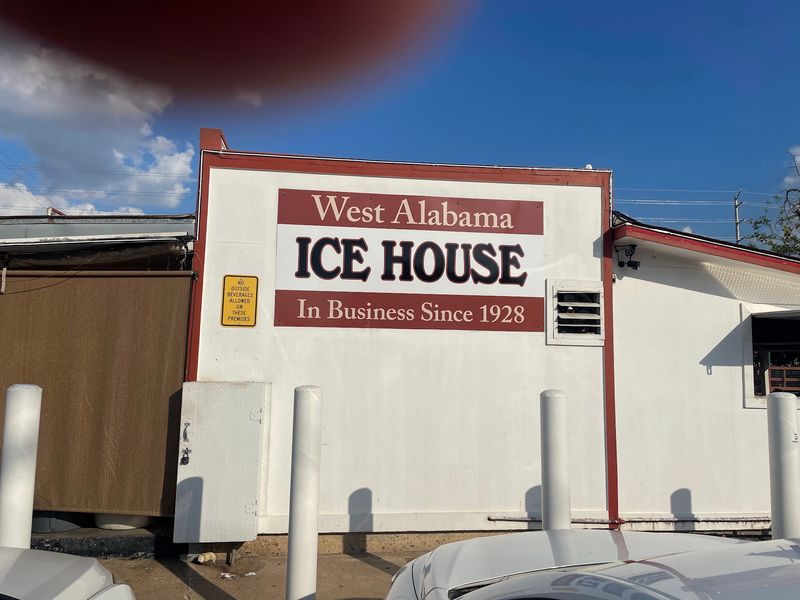
Houston’s full of fancy restaurants trying to impress food critics, but West Alabama Ice House has been serving cold beer and simple food since 1928. The place started as an actual ice house back when people needed to buy ice blocks for their iceboxes, and it evolved into a neighborhood gathering spot where locals drink beer and eat burgers without any pretension. It’s the kind of place Houston residents bring visitors to show them what the city’s really like beneath all the glass towers and traffic.
The setup is beautifully simple: picnic tables under shade trees, a bar serving cold beer, and a kitchen that cranks out burgers, hot dogs, and wings. Nothing fancy, nothing complicated, just solid food and cold drinks in a relaxed outdoor setting. Dogs are welcome, kids run around playing, and strangers strike up conversations over shared tables.
It’s Houston’s version of a German beer garden, filtered through Texas sensibilities and served with extra humidity.
Their burgers have developed a cult following among Houston burger fanatics who appreciate a properly cooked patty on a decent bun without artisanal toppings or gourmet pretensions. The wings come tossed in various sauces, all good enough to keep you reaching for more despite the heat. Everything’s priced reasonably because this isn’t some trendy spot charging premium prices for atmosphere.
It’s a neighborhood bar that happens to have great burgers.
Summer evenings bring crowds who appreciate the outdoor seating and cold beer combination. Regulars have their favorite tables, and staff members know their usual orders. Live music happens sometimes, adding to the laid-back vibe without overwhelming conversation.
West Alabama Ice House survived nearly a century in a city that tears down history for parking lots by staying true to its purpose: providing a comfortable place for neighbors to gather, drink, and eat simple food. No concept, no theme, no marketing strategy beyond being genuinely welcoming and consistently good.
Share this story